30 Days Wild – Day 5

TWT 30 Days Wild_countdown_05Day 5 of the 30 Days Wild Challenge and it’s a beautiful sunny Sunday in Malvern – a rare thing indeed! After the slightly frenetic activity of the Bioblitz yesterday (I’m still working my way through all the photos for IDs), today we’ve had a much more relaxed, laid back kind of day.

We started with a walk at The Knapp and Papermill Nature Reserve, which is run by Worcester Wildlife Trust and is very handy for us – just the other side of the Malvern Hills. It’s a gorgeous reserve that’s got pretty much everything you could want – meadows, woodland, orchards, a small river running through a valley.
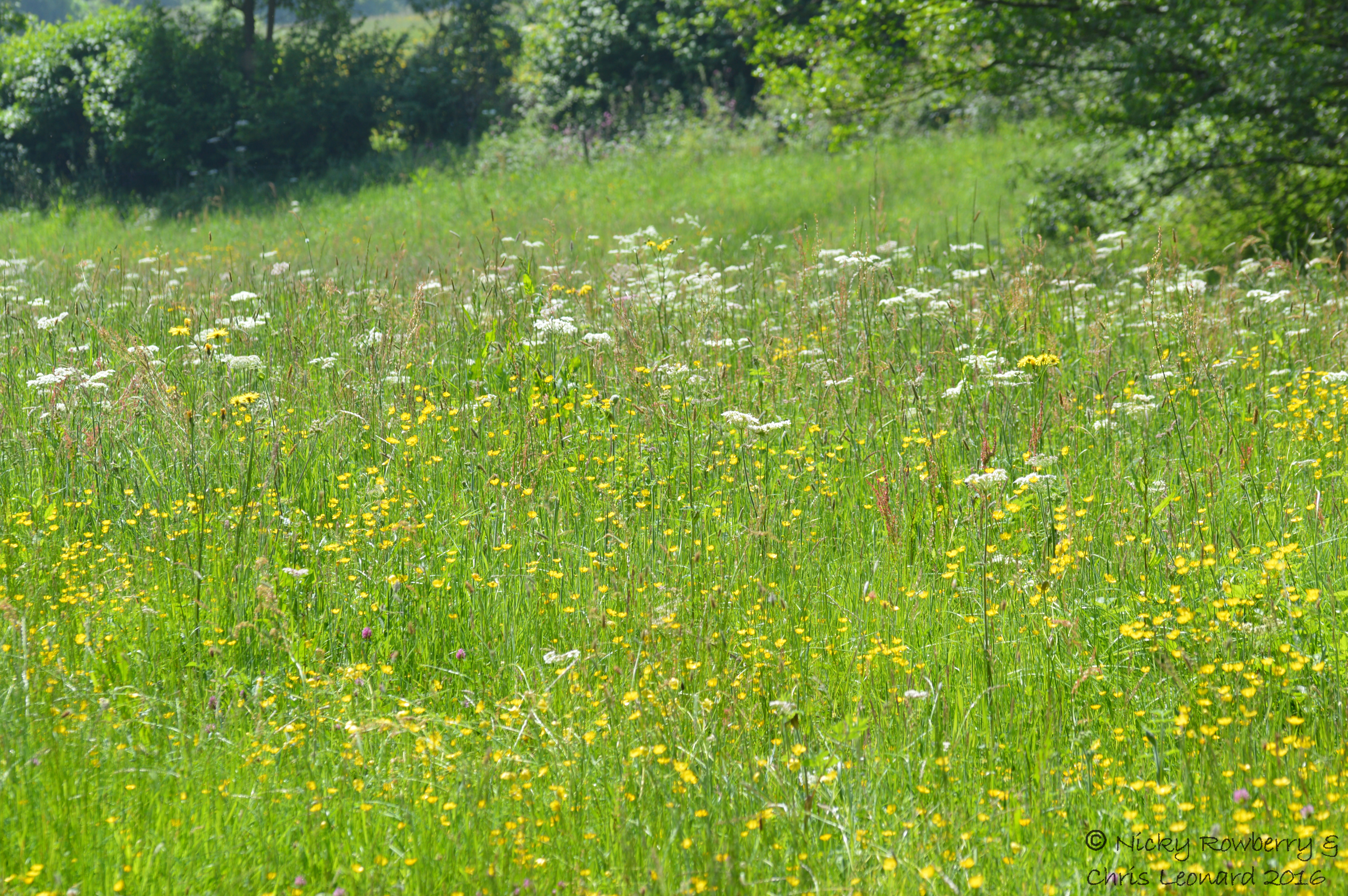
Meadow 1

River at Knapp

Speckled WOodYou know it’s a good place when butterflies start landing next to you as soon as you get out the car – cue Speckled Wood. We’ve been there before and walked around pretty much the entire site, but today we just did a small section of it, alongside the river near the old orchards and meadow.

Our main memory from the previous visit was of the Beautiful Demoiselles. This was the first time we’d ever seen them and were blown away by how beautiful they indeed were. They seemed so exotic flapping all round us by the river, it felt like we’d been transported to some far away tropical location. So they were our main target species for today – and they didn’t disappoint. I know I tend to gush that everything is beautiful and amazing, but these Demoiselles really do live up to their name.

The adult males are a dark iridescent and glorious blue. They are quite flighty so it takes a while and more patience that we can normally muster to get really good shots, but we managed in the end to get these.
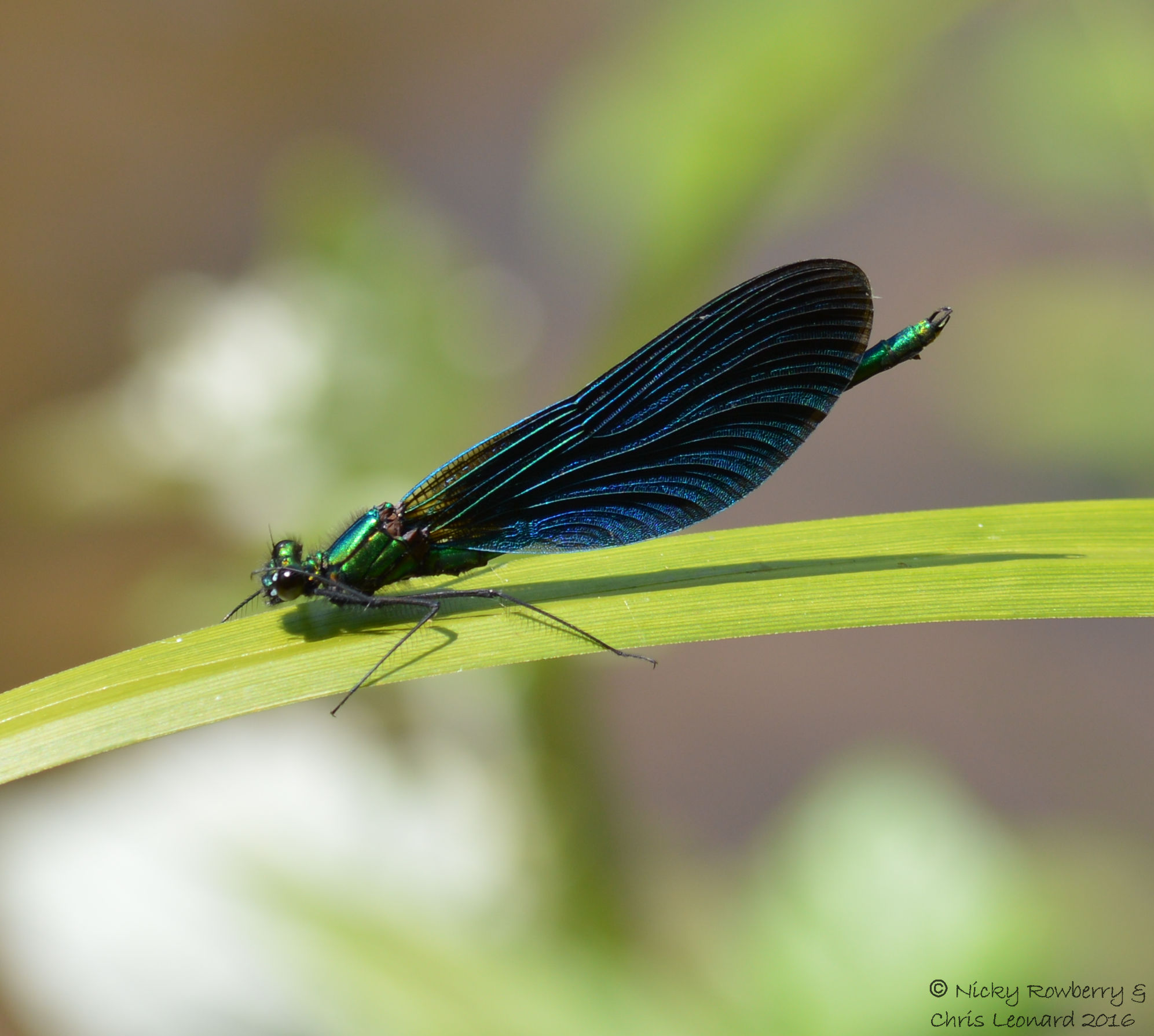
Male Demoiselle 2

As is so often the case in nature, the females are less showy than the males, having a more bronzy brown coloured wing, with white spots near the end.
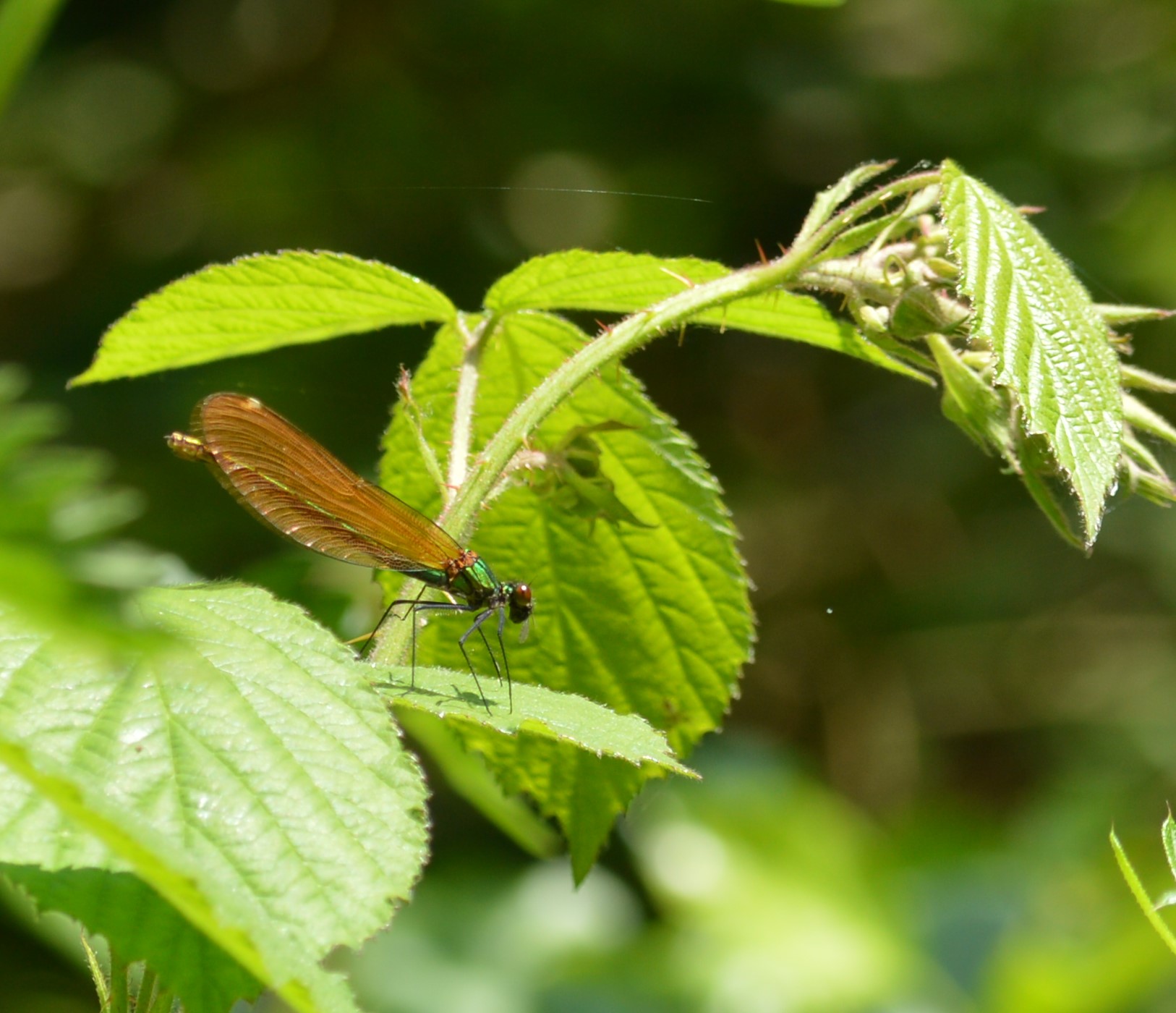
I honestly could have sat and watched these flying around for hours. But they weren’t the only large insects flying around – damselflies were abundant today too. We saw some bright blue (possibly Azure) ones which refused to land for photography purposes. More obliging were the Large Red Damselflies. So relaxed indeed were the Large Red Damselflies, that they continued unashamedly about their business even with me taking photos like this.

Mating damselflies

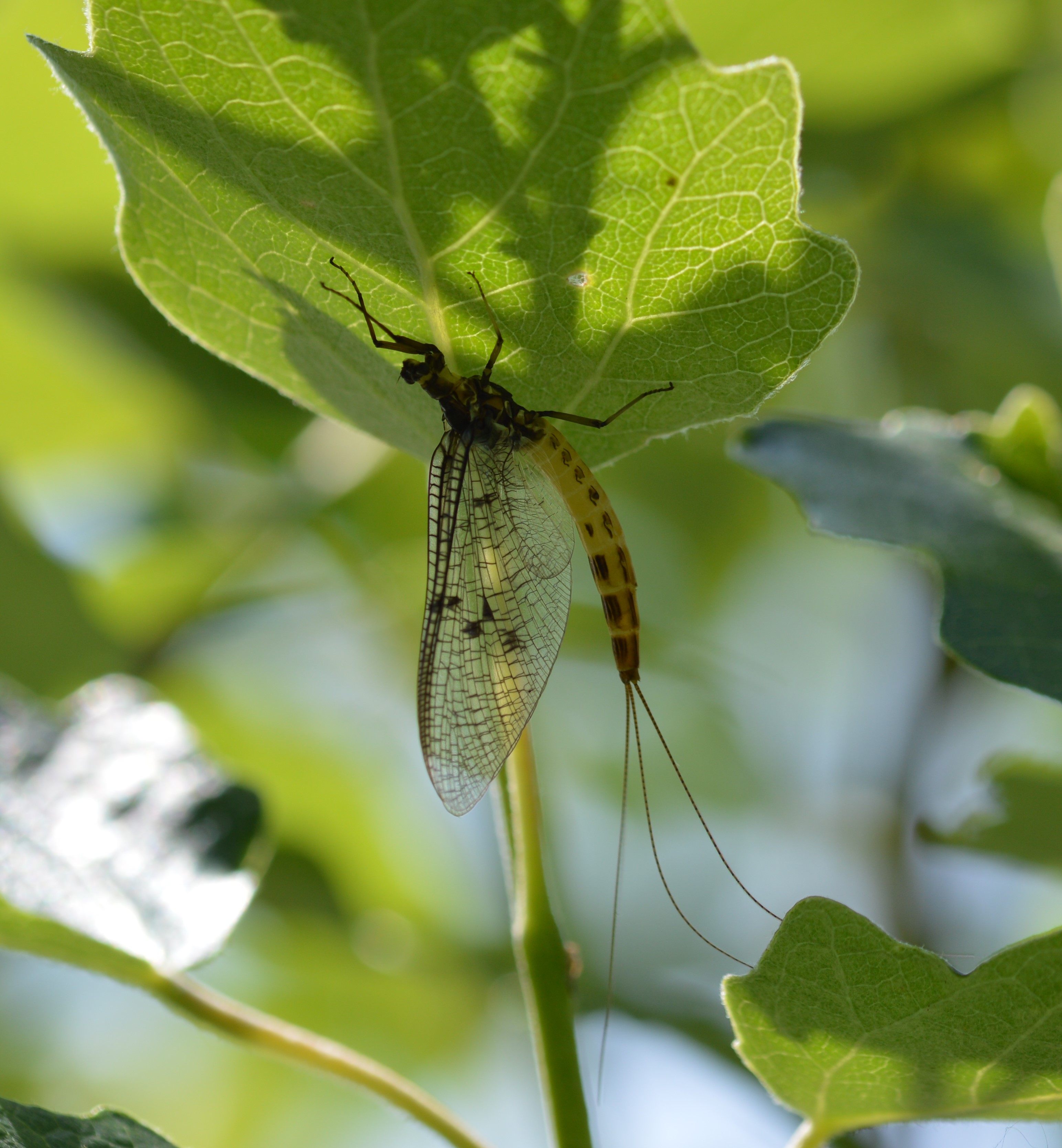
The reserve is generally teeming with insect life. We saw Red Headed Cardinal beetles, hoverflies and May flies to name a few.

Not surprisingly the reserve supports a wide array of birdlife too. The air was full of bird song as we walked around, although few showed their faces. One obvious arrival though was a Buzzard, which was being mobbed by a very brave crow.

On the way back we stopped at the visitor’s centre, which has lots of useful info.

CasablancaWe were supposed to round off our lazy day with an open air screening of the classic film Casablanca. Amazingly the sun was still shining as we settled down with our picnic on the grass. Not sure whether the organisers of 30 Days Wild had expected Humphrey Bogart to join in, but we were looking forward to seeing him on the big screen. It happens to be my Dad’s favourite film, so it ended up a family outing with Dad and my sister too. Unfortunately, and I never thought I’d say this, the weather was too good! The organisers announced they couldn’t start screening the film as the evening was too bright and the black & white film wouldn’t be visible on the screen! We waited and waited (consuming our own body weights in sandwiches and scones while we did) but eventually had to give up as my Dad was getting a bit cold and still no sign of the film starting. The evening wasn’t a total right-off – we all enjoyed our picnic in the park and the crowd waiting for the film were all quite jolly. But we’ll now never get to hear Sam play it again in the open air!

Red valerian 30 WEEDS

Day 5 of 30 Lazy Weeds from our garden and here’s one that is taking over – Red Valerian. Fortunately it is not only beautiful but very popular with both bees and butterflies. It’s formed a flower bed all of its own at the front of the house – which looks great – one neighbour even asked whether we’d planted all these lovely flowers! These bright pink flowers look as good as anything you’d go out and buy, but are much better for the wildlife and they’re free!


30 Days Wild – Day 4

TWT 30 Days Wild_countdown_04Day 4 of 30 Days Wild and today we took part in another event – the National Garden Bioblitz, thereby ticking off two targets with one activity (in true Too Lazy fashion). The aim of the Garden Bioblitz is to find and record as many species of plants and animals as possible in the garden in 24 hours.  Since we’re always identifying things we find in the garden anyway, a bioblitz is just a natural extension of that.

Garden BioblitzLast time we did this a few years ago, we recorded about 120 species; but that was before we got into moth trapping and bee identifying, so hopefully we can beat that this time.  I’m writing this late evening – we’ve been busy in the garden all day, photographing and listing everything we could find. I’ve still got loads of things to identify from the photos and then everything has to get logged onto the i-record site.

It has pretty much been the perfect day. It started at about 4:30 am when I got up to empty the moth trap (to beat the cheeky robin to the catch). Then went back to bed for a bit more sleep (always good), before resuming the challenge at a more reasonable hour. For once the sun shone on the righteous (questionable I know) and we had the perfect conditions for trawling the garden for photo ops. Pretty much the whole day was spent crawling about the garden with the cameras. We finished off by cranking up the BBQ and cracking open a bottle of Prosecco – the perfect end to the perfect day.

During the day we tried every trick we could think of. Obviously the moth trap had been out over night and produced at least 20 species of moth – I’m still working through the photos, so this total may rise. Highlight was the always stunning Elephant Hawkmoth.

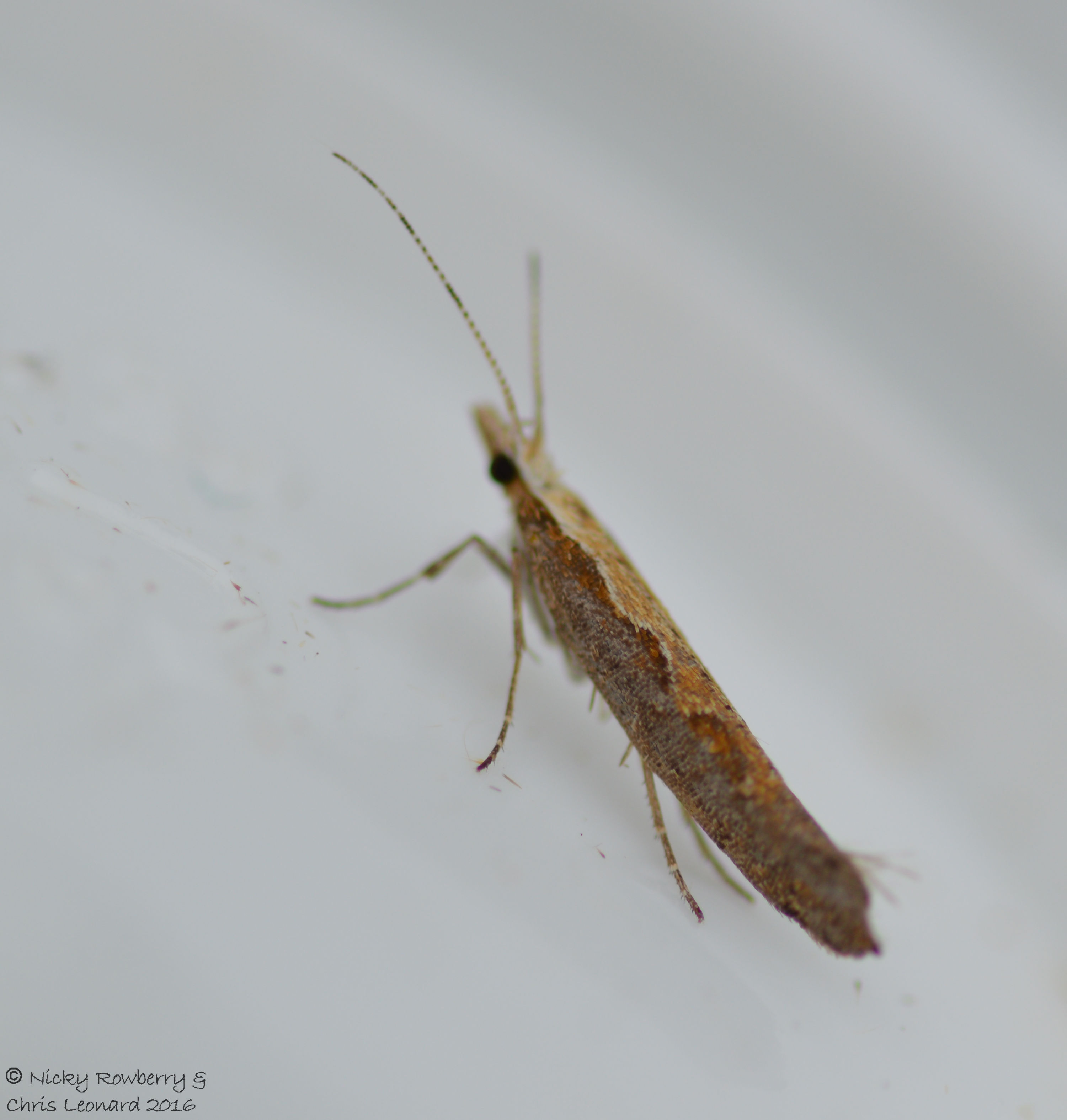
Diamond Back mothI was also really pleased to get several Diamond-back moths – tiny moths that migrate over from the Continent. They’d been mentioned on Springwatch and social media was full of people saying they’d had loads of them this week, so I felt ridiculously glad that Too Lazy’s garden hadn’t missed out. Moth envy is a terrible thing!

We also tried pitfall traps for the first time, using old plastic tubs buried in the ground. This produced this rather splendid (and still to be identified) beetle, plus a couple of woodlice and a spider (also still in need of ID). I suspect pitfall traps take a bit of practice in sussing the right location – we might try them again at other places in the garden.

We tried the “suspend an umbrella under a tree and wack the branches” technique as demonstrated by Chris Packham on Springwatch.  We only have the one mature tree (an apple) so this didn’t produce too much, but was interesting to try.

We dipped in the pond, which produced mainly duckweed, but also some leeches and water louse. It also meant we spotted one of our two amphibian species of the day – a Common Frog, watching us warily from his duckweed blanket.

NewtWe of course turned over stones and pieces of wood, which yielded our second amphibian – the Common Newt. We also found most of our molluscan species this way, both snails and slugs. We achieved a respectable 4 species of snail, but sadly the Girdled Snail, which I know we get in the garden, remained steadfastly hidden today.

The rest of the day was spent generally bird watching and chasing various bees and insects round the garden.  I haven’t tallied up the birds properly yet, but we managed at least 10 species including this Collared Dove. At least 6 bee species put in an appearance, with possibly a new one – we spotted some kind of leafcutter bee carrying (not surprisingly) a piece of leaf – hopefully we can get an ID on it soon, although the photo wasn’t brilliant. Fortunately other bees were more obliging.DSC_3856

Only 2 butterflies showed their faces today – a Small White and a Holly Blue. Assorted insects made up the remainder of the animal count, while the plant count is at least 25 species, with probably a few more to ID.

We’ve spent the whole day in the garden photographing our wildlife and it will probably take several days more to go through all the photos and get them loaded so that they count for the Bioblitz. But it’s been a thoroughly enjoyable experience and has got us rooting about bits of the garden, that we may otherwise ignore. We won’t know the final tally of species for a couple of days, but I’ll post an update when we do. I’d recommend having a go at a Garden Bioblitz for anyone – you don’t need to be especially skilled – just take it to whatever level  you can manage. You’re sure to learn something new and hopefully enjoy your garden all the more for it. There’s still time to do it for this year – http://www.gardenbioblitz.org/ for more information.

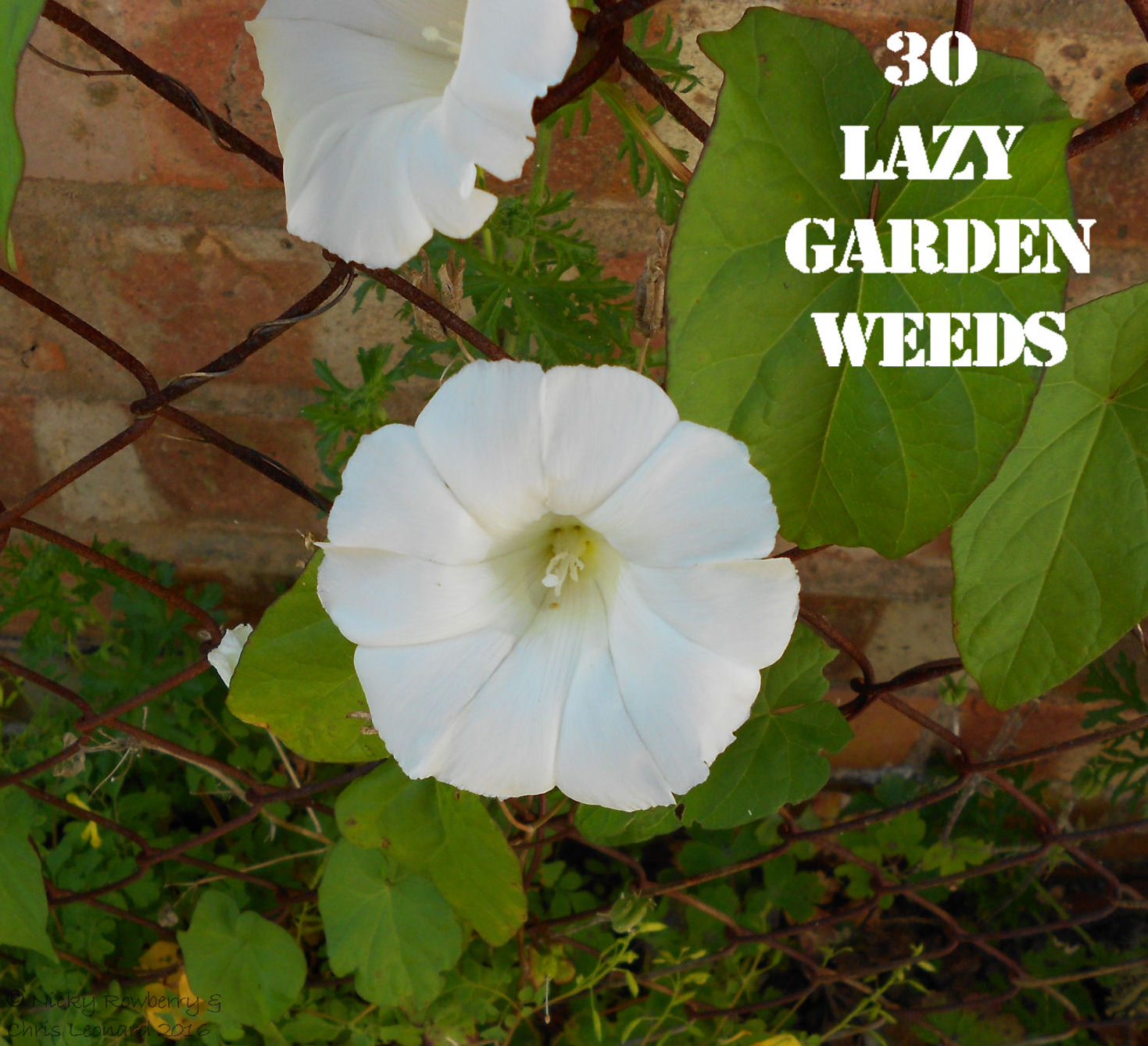
Bindweed 30 WEEDSDay 4 of 30 Lazy Weeds and a truly beautiful if sometimes bothersome flower – Bindweed. The bane of many a gardener, but if you take the time to look at the flower itself, it really is stunning. Pure white and beautiful in its simplicity. Gardeners will plant similar looking flowers, but weed out these, which seems a shame. I know their stems do wind themselves round pretty much everything, but for me the flowers more than make up for this.


Chasing Butterflies

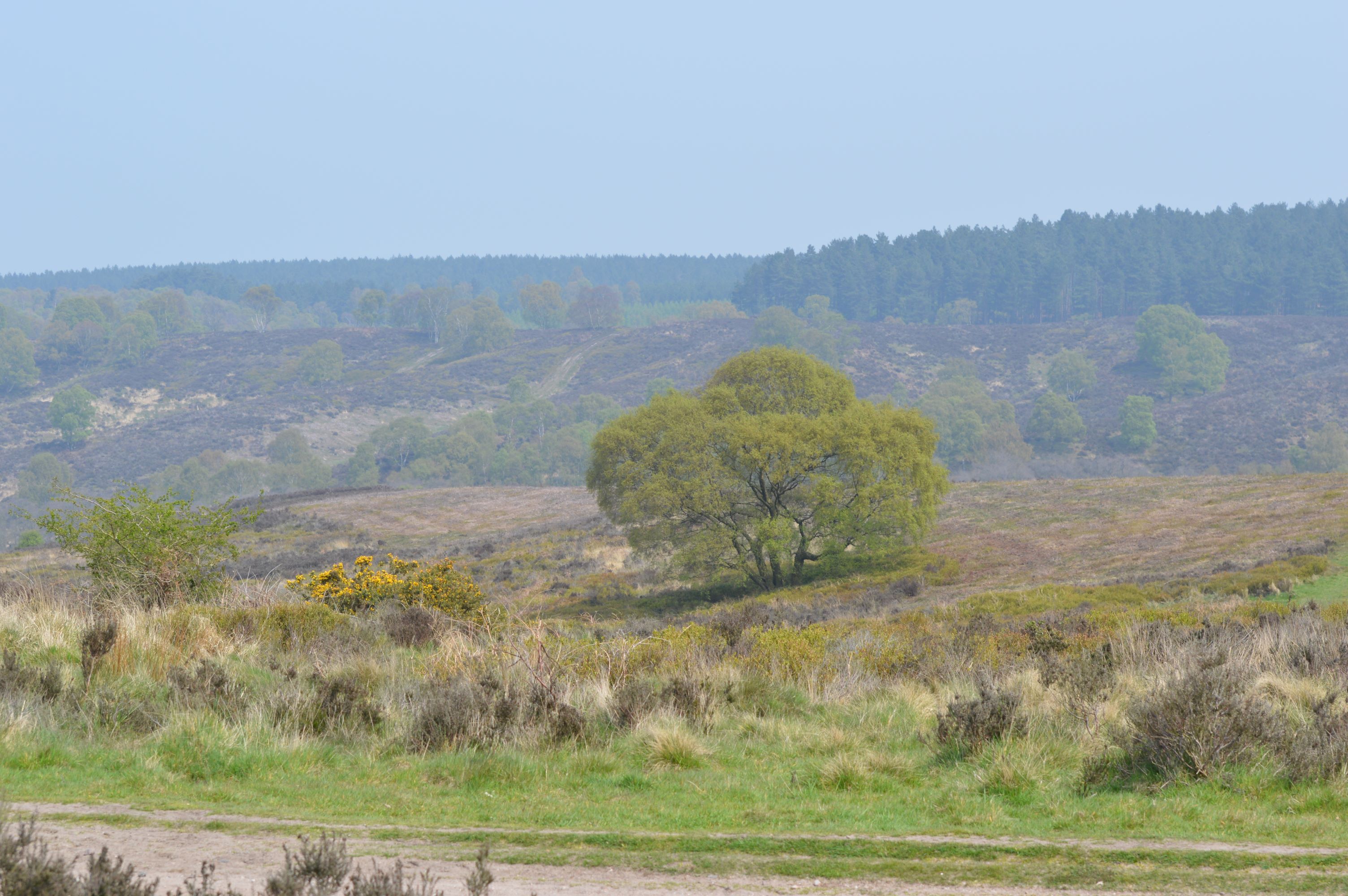
We went further afield this weekend chasing elusive butterflies – Cannock Chase for Green Hairstreaks (Callophrys rubi) to be precise. Cannock Chase is an Area of Outstanding Natural Beauty (AONB) with large areas of heathland and woodland. Several areas within it are protected further as Sites of Special Scientific Interest (SSSI).

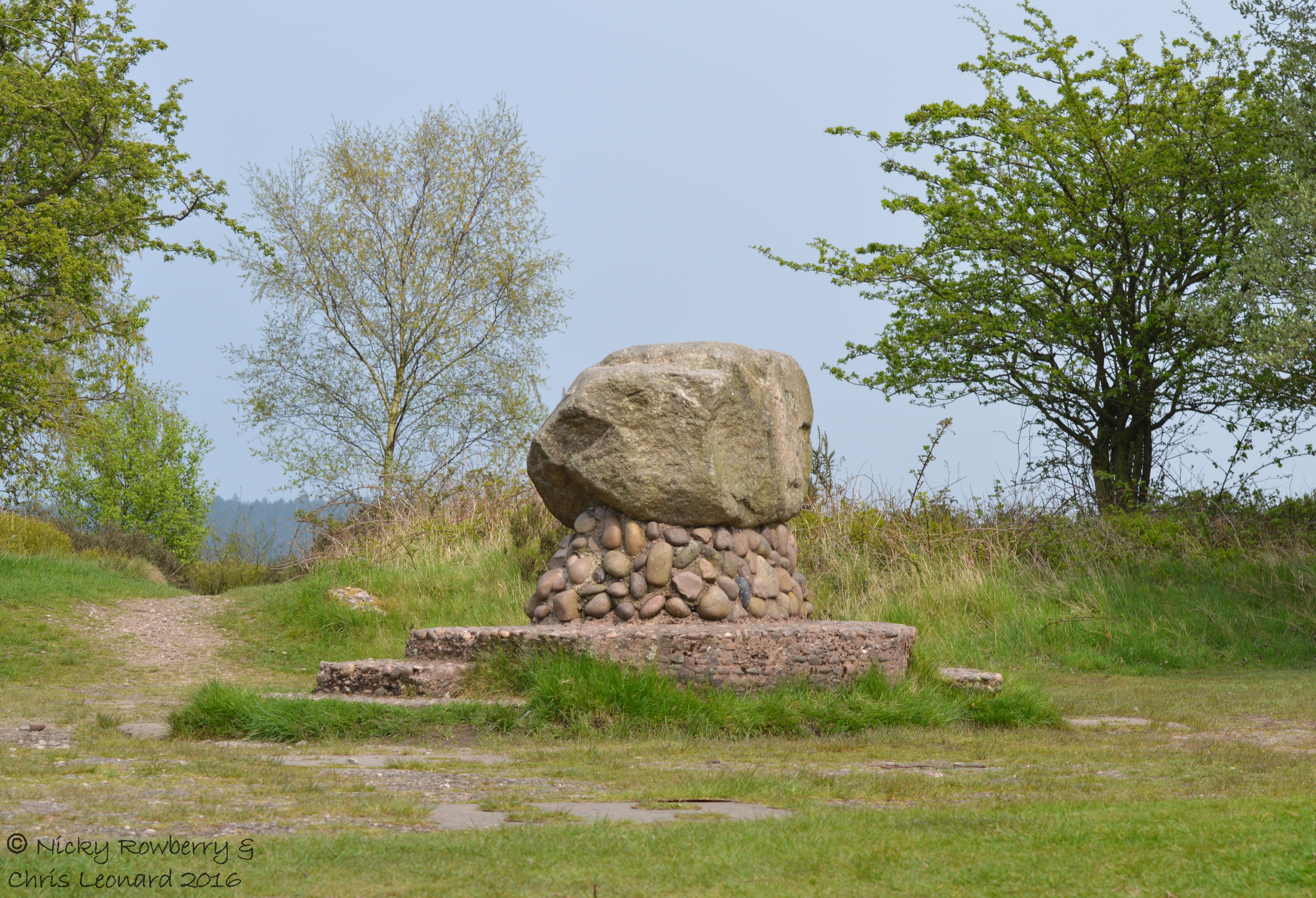
We follow the West Midlands Branch of Butterfly Conservation on Facebook and had been jealously viewing lots of stunning photos on there of Green Hairstreak butterflies – a species that was on our “hit list” of ones to see for the first time. Many of these photos on Facebook had been taken on Cannock Chase, so we decided to head to Staffordshire. Clues gleaned from Facebook and Butterfly Conservation’s booklet on Butterflies of the West Midlands indicated that the carpark near the Glacial Boulder (seen below) would be a good place to start.

Glacial Boulder

So we headed out in hope and expectation, starting at the carpark just a few metres from the boulder. About a minute’s walk from the boulder we found this overgrown ditch which was warm and sheltered – an ideal spot for both us and the butterflies we hoped to see.

Hairstreak alley

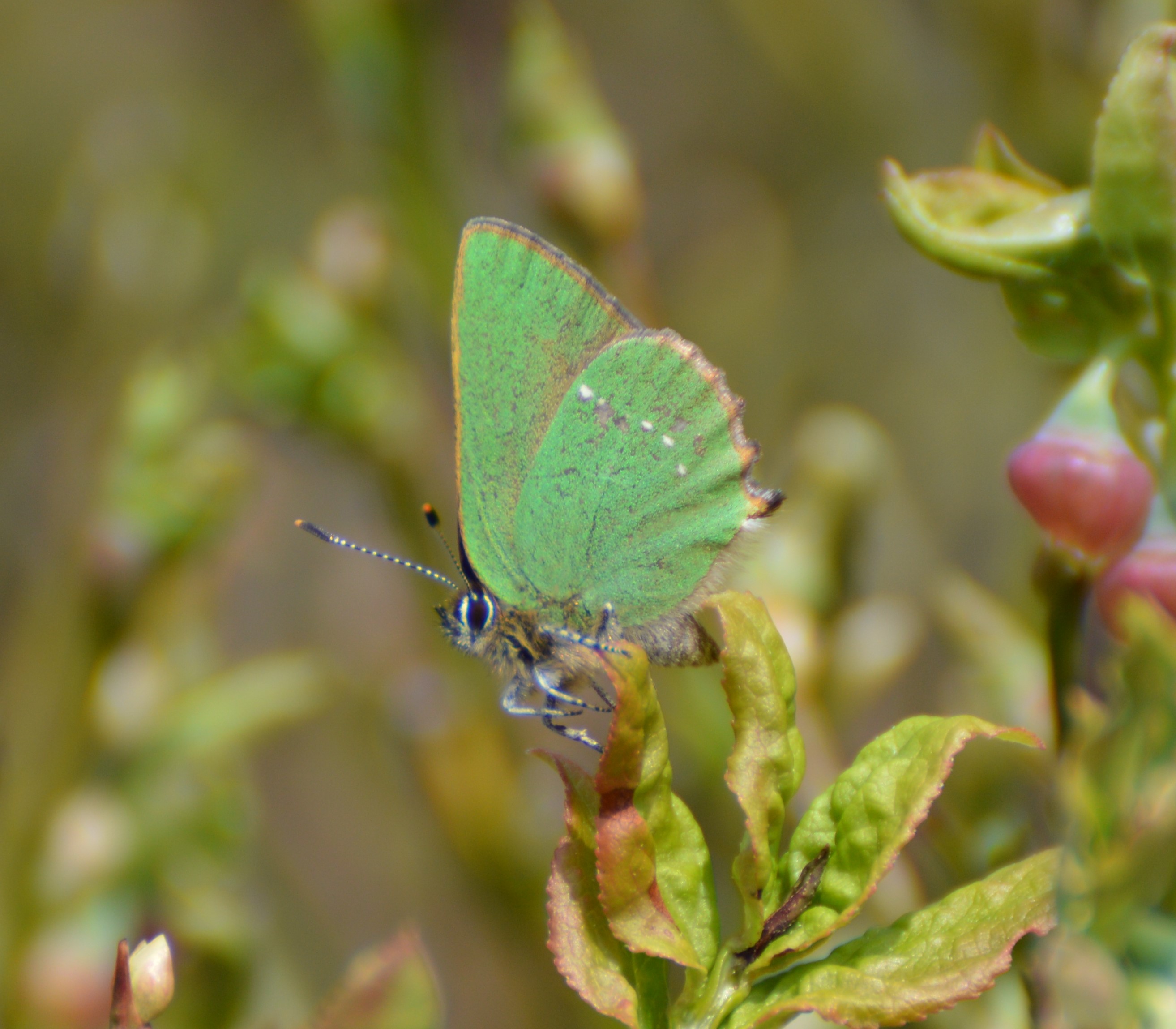
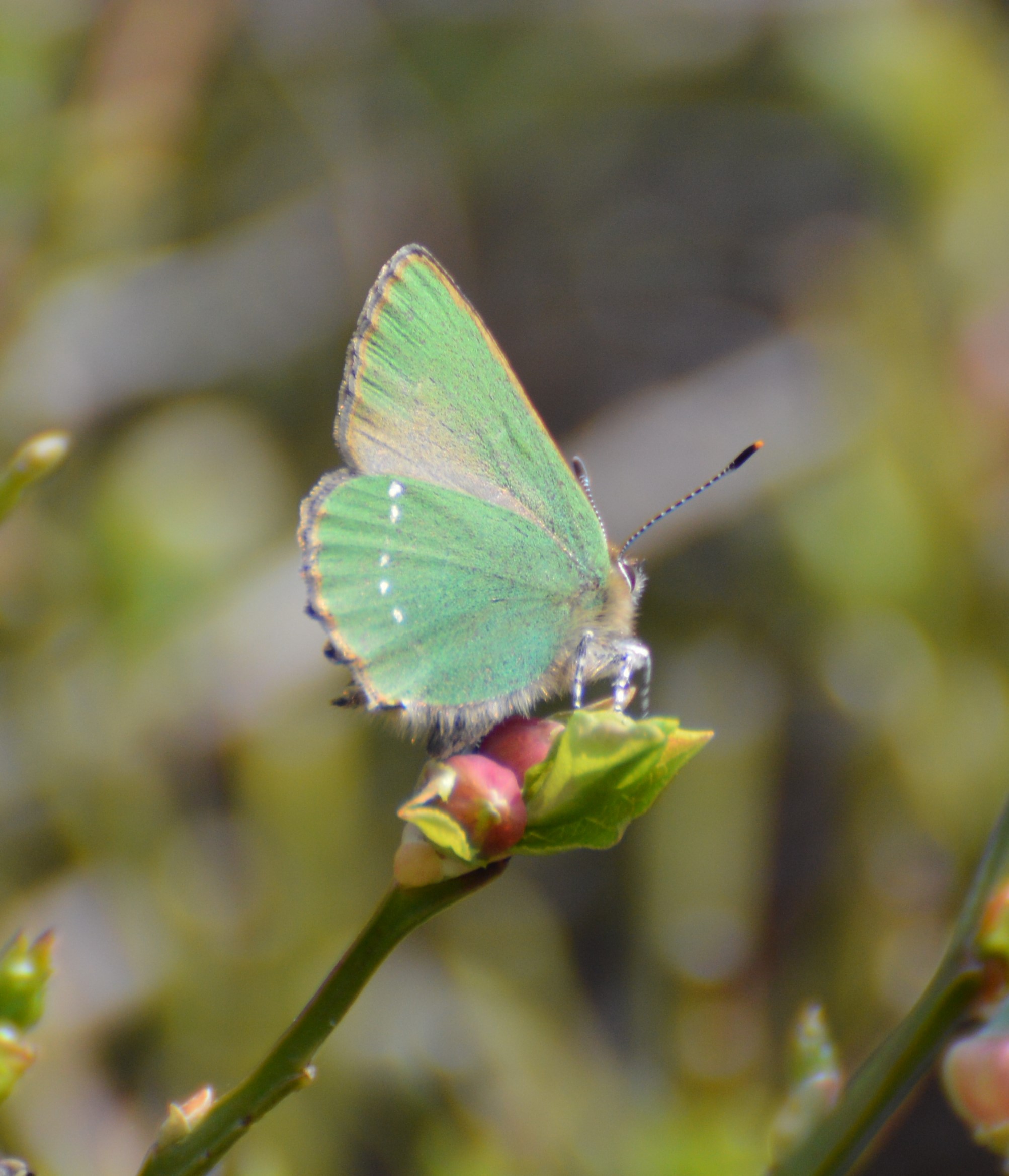
Almost immediately I spotted one, then another and  we realised we’d hit gold – or perhaps green! There were maybe half a dozen Green Hairstreaks flitting around the bilberry bushes. Some pairs were chasing up into the air – presumably mating couples. The Green Hairstreaks are really small with green undersides with a white streak on. The uppersides of the wings are brown, but we only saw those in flight as they never settle with their wings open. In butterfly heaven we took loads (and I mean loads – thank god for the delete option with digital). So here are a selection of the best of my efforts.


Whilst happily snapping away at our prize butterflies, we met the very man (Terry) who had posted the photos on Facebook in the first place! He was extremely helpful (as have been all the butterfly enthusiasts we’ve met on our walks) and gave us tips as to what else we might see. Thanks to Terry we found a pond we would never otherwise have seen and subsequently spotted a new (for us) bird species too – a Reed Bunting. Apologies for rubbish photo, but they kept their distance, so this was the best I could manage. They looked like large sparrows with a white collar and were grabbing insects out of the air over the reeds.

Reed Bunting

All in all a very successful trip to Cannock Chase – far better than I’d dared hope for. The Green Hairstreaks are absolutely gorgeous little butterflies and well worth going that extra mile to see.


Garden Moth Scheme

It’s the end of the first quarter of my first year participating in the Garden Moth Scheme. It’s not exactly been a flying start (no pun intended); the moths have been few and far between this spring. But I’m consoling myself with the fact that all data is useful, even if it shows disappointing numbers.

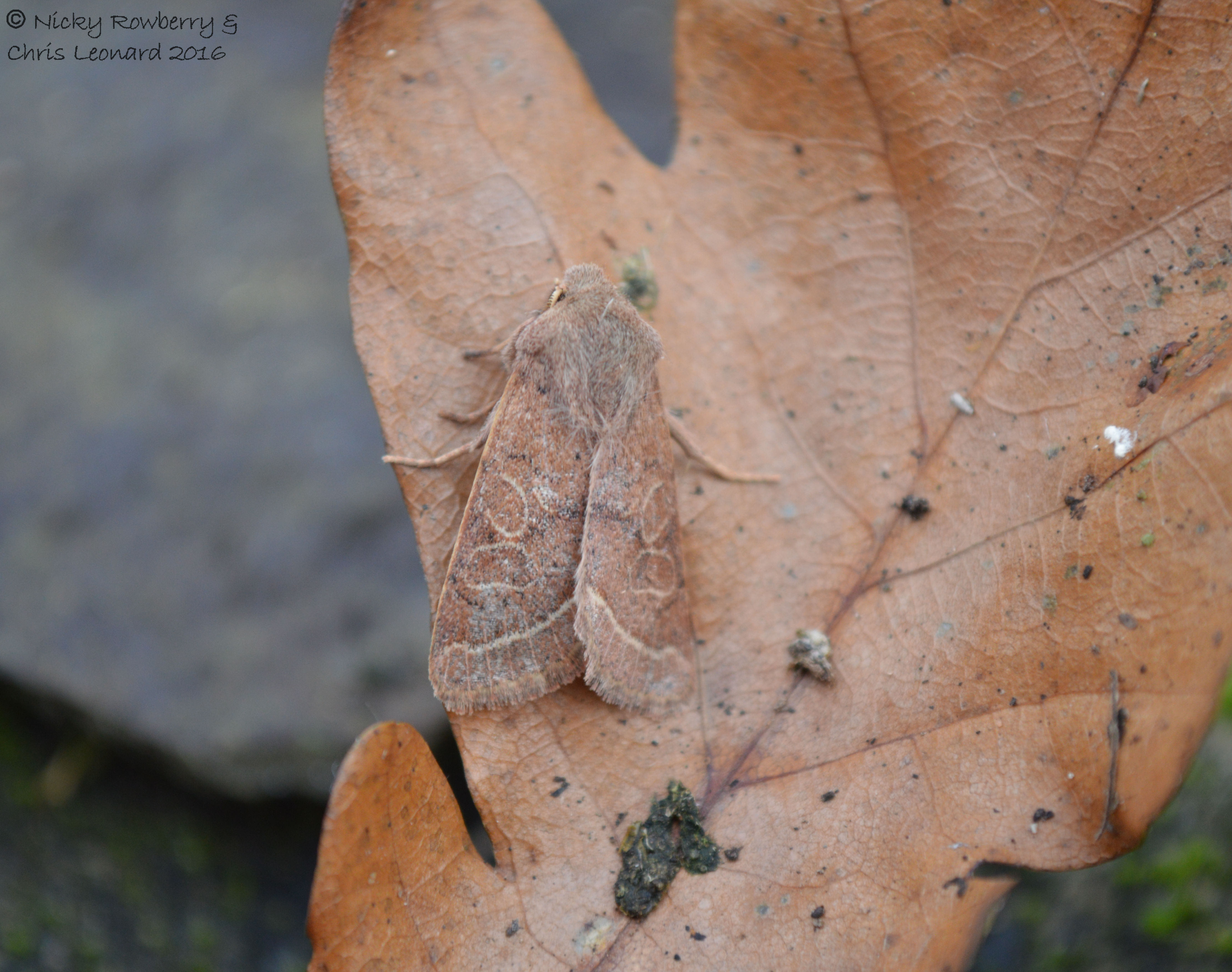
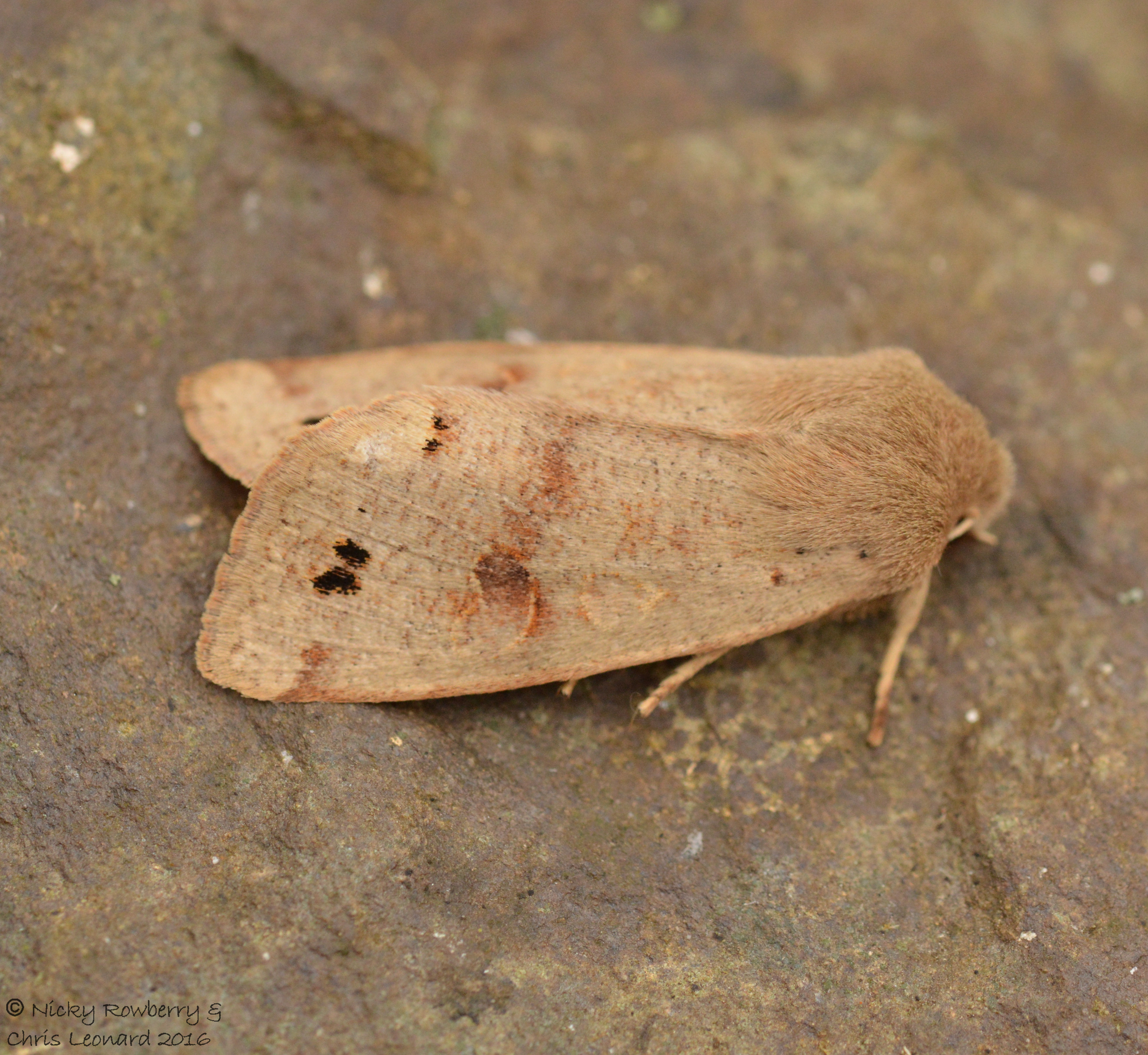
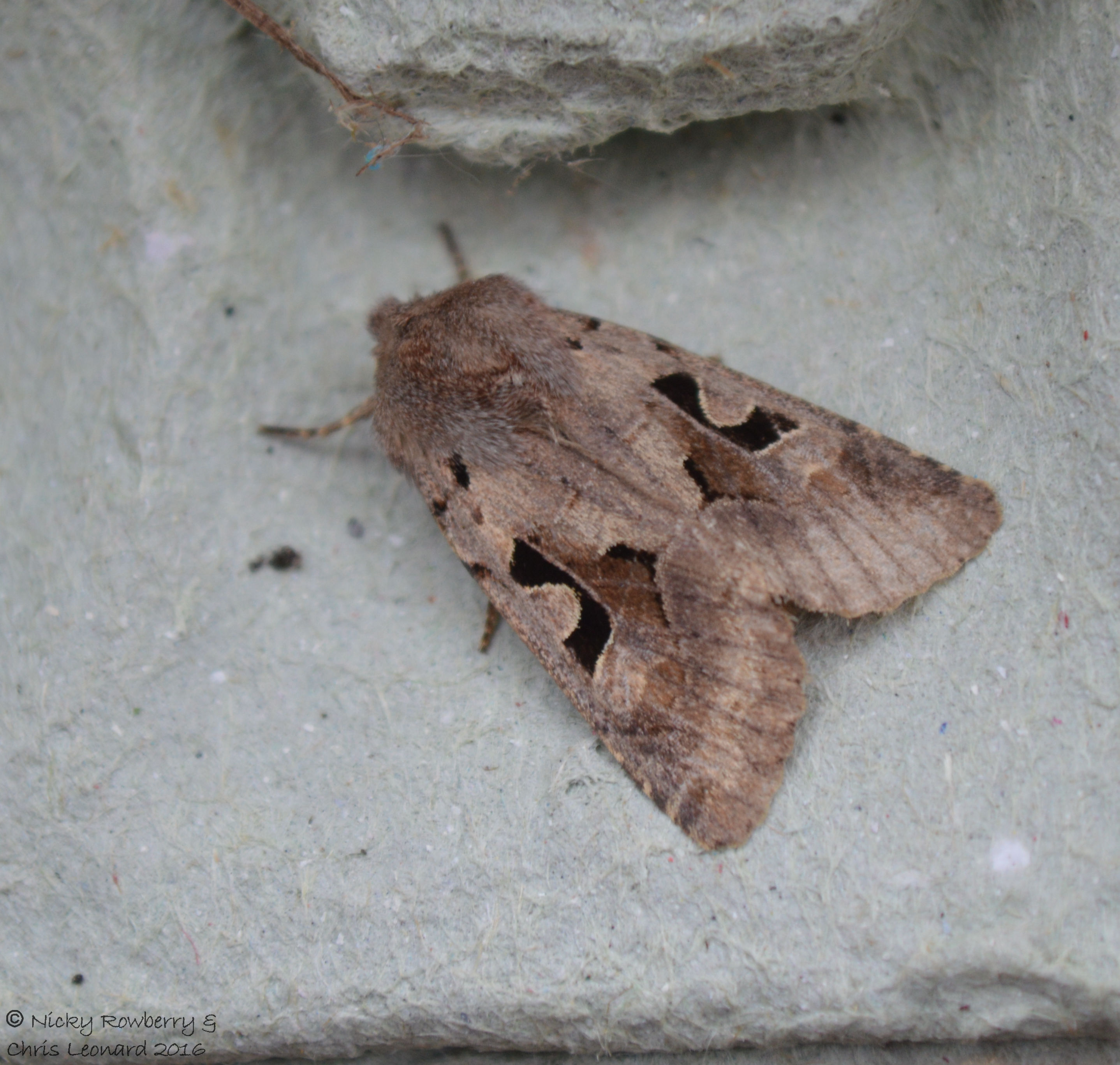
On the 9 nights the moth trap has been out for the scheme, only 46 moths have deigned to make an appearance. On two of the nights nothing showed up at all! The 46 moths represented individuals of 9 species. These 9 species were dominated by the Orthosia – 5 species of this genus; all typical spring moths.  I was particularly chuffed with the Twin-spotted Quaker record, as it was a new one for our garden. With the exception of the Hebrew Character, they are generally quite plain looking moths – see photos below.

Small Quaker (Orthosia cruda)

Small Quaker

Common Quaker (Orthosia cerasi)

Common Quaker 2

Clouded Drab (Orthosia incerta)

Clouded Drab

Twin Spotted Quaker (Orthosia munda)

Twin spot quaker (6)

Hebrew Character (Orthosia gothica)

Hebrew Character (2)

The GM scheme records 6 species of Orthosia  and the final species, Powdered Quaker (Orthosia gracilis), did indeed turn up in the trap, just not on a GMS night.

Powdered Quaker

 Besides the Orthosia moths, the other 4 species making up the 9 for the GM scheme were Common Plume (Emmelina monodactyla), Double Striped Pug (Gymnoscelis rufifasciata), Early Grey (Xylocampa areola) and a Brindled Beauty (Lycia hirtaria).

For the year to date though I’ve recorded 22 species – it’s just that most of them seem to appear on nights that aren’t official GM scheme nights so don’t get logged for the project, which is a bit of a shame. For some reason as well the non GMS nights seem to attract the more striking moths (not that they aren’t all lovely to my eyes!), such as the Herald, Oak Beauty and this  Early Thorn.


Early Thorn

Hopefully the next quarter will bring a greater variety and abundance of moths. The trap is out again tonight – it’s not a GMS night so I’ll probably get something huge and spectacular  – Mothra perhaps?

A Teasel’s Life

Bee

I don’t know how we originally came to have teasels – none of the immediate neighbours grow these giants, but the seeds must have blown in from somewhere (and we may not be popular as they blow out again each year!). They have become a bit of a fixture in our garden and a very welcome one for all sorts of wildlife.

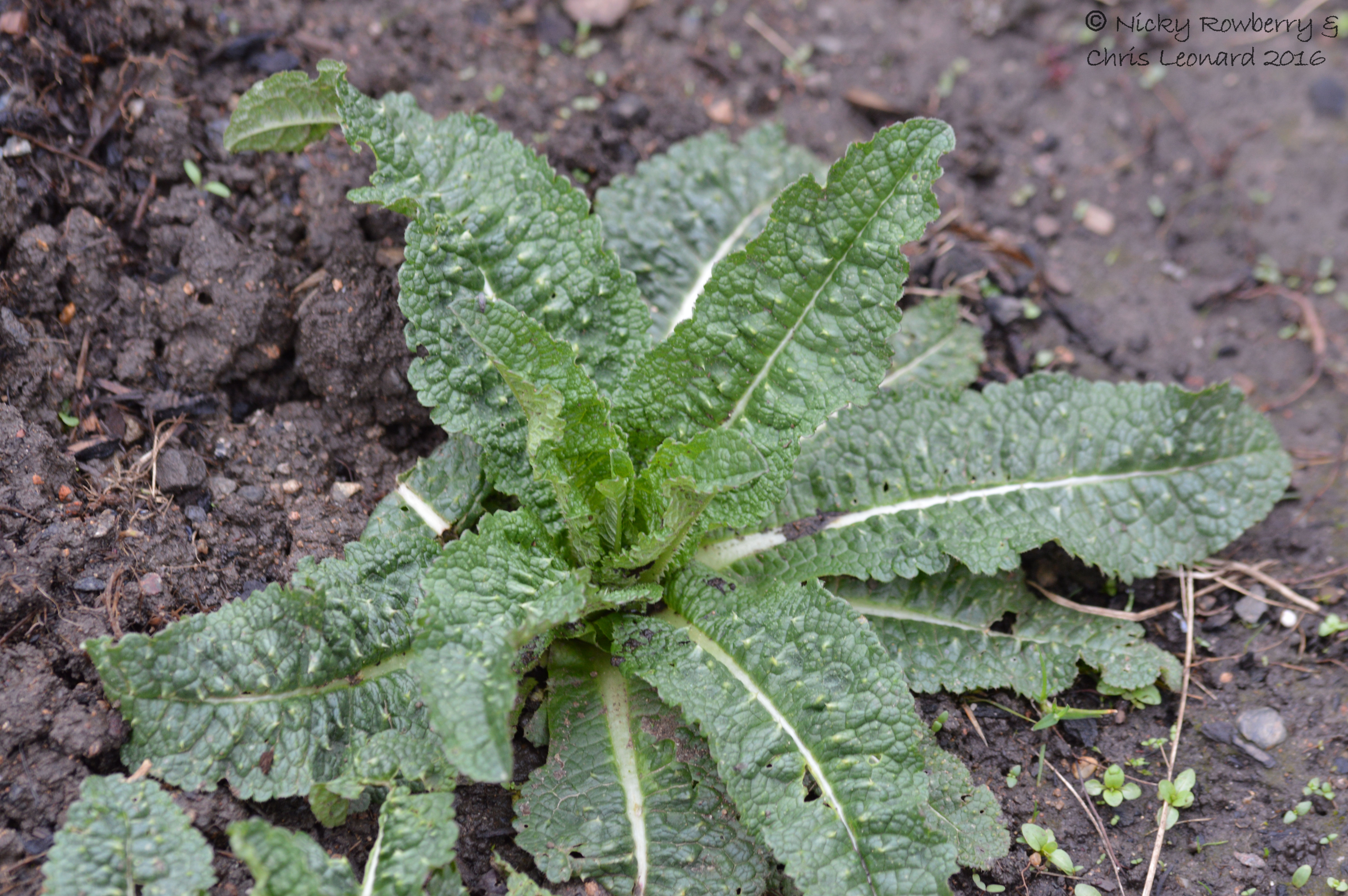
They start off as fairly non-descript plants, forming low growing rosettes that look like they might turn into at most a thistle type of thing. They only flower in their second year, so I’m hoping the ones below, that I think overwintered, will flower this summer.

Baby Teasels

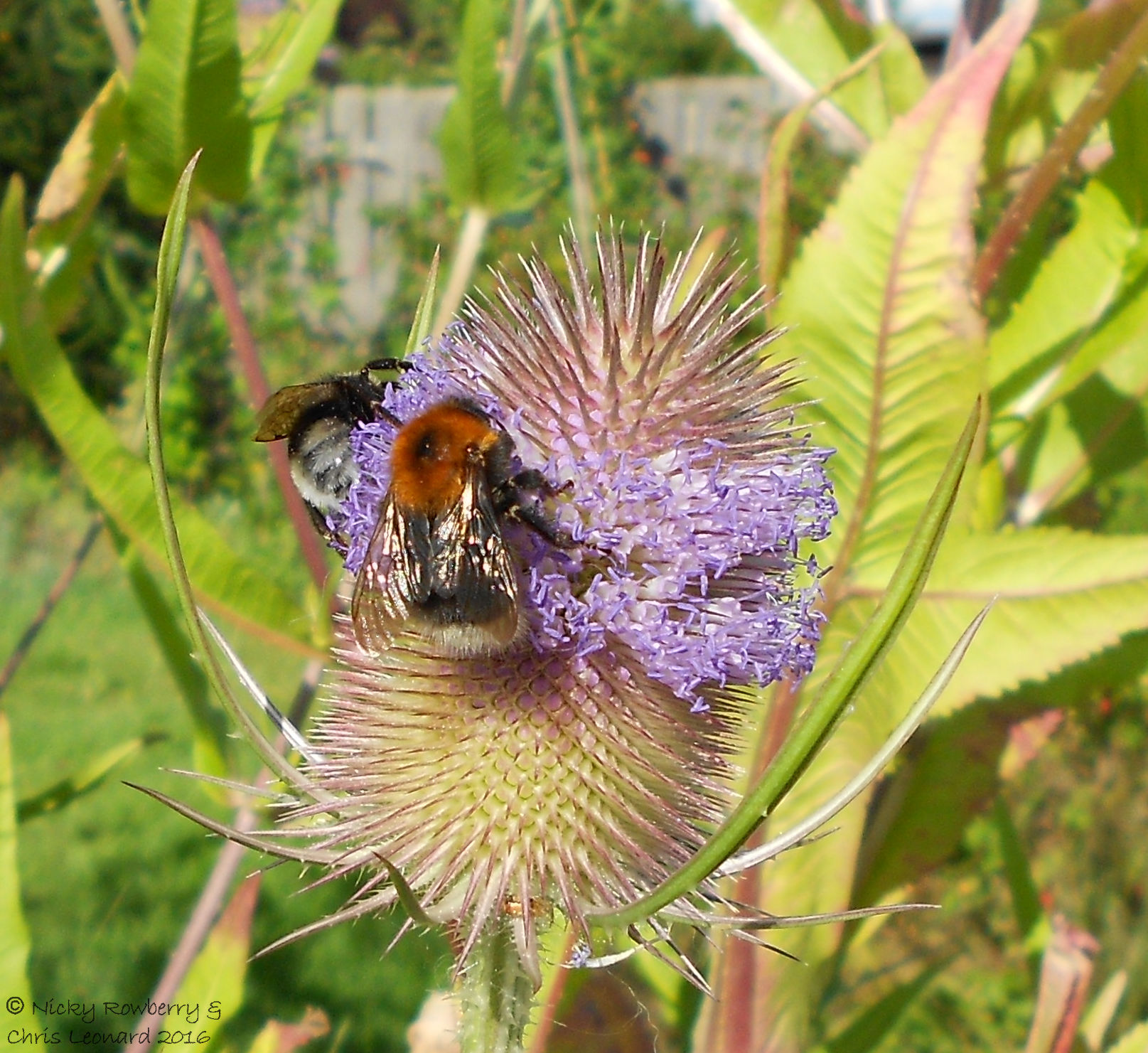
When they do put on their growth spurt, they are easily taller than me (I only manage a mere 5 foot 1 on a good day!) Their flowers are irresistible to the bees in the garden, which is the main reason we let them grow every year. These ones below are full grown ones from previous years

Bees on Teasels

Bees on Teasels 2

The stems and leaves provide homes for lots of other insects too, with water tending to collect at the base of each leaf.

We always leave them once they’ve finished flowering, as they still provide benefit right through the winter. For us humans they provide structure and interest in the garden.

Frosty teasel 2

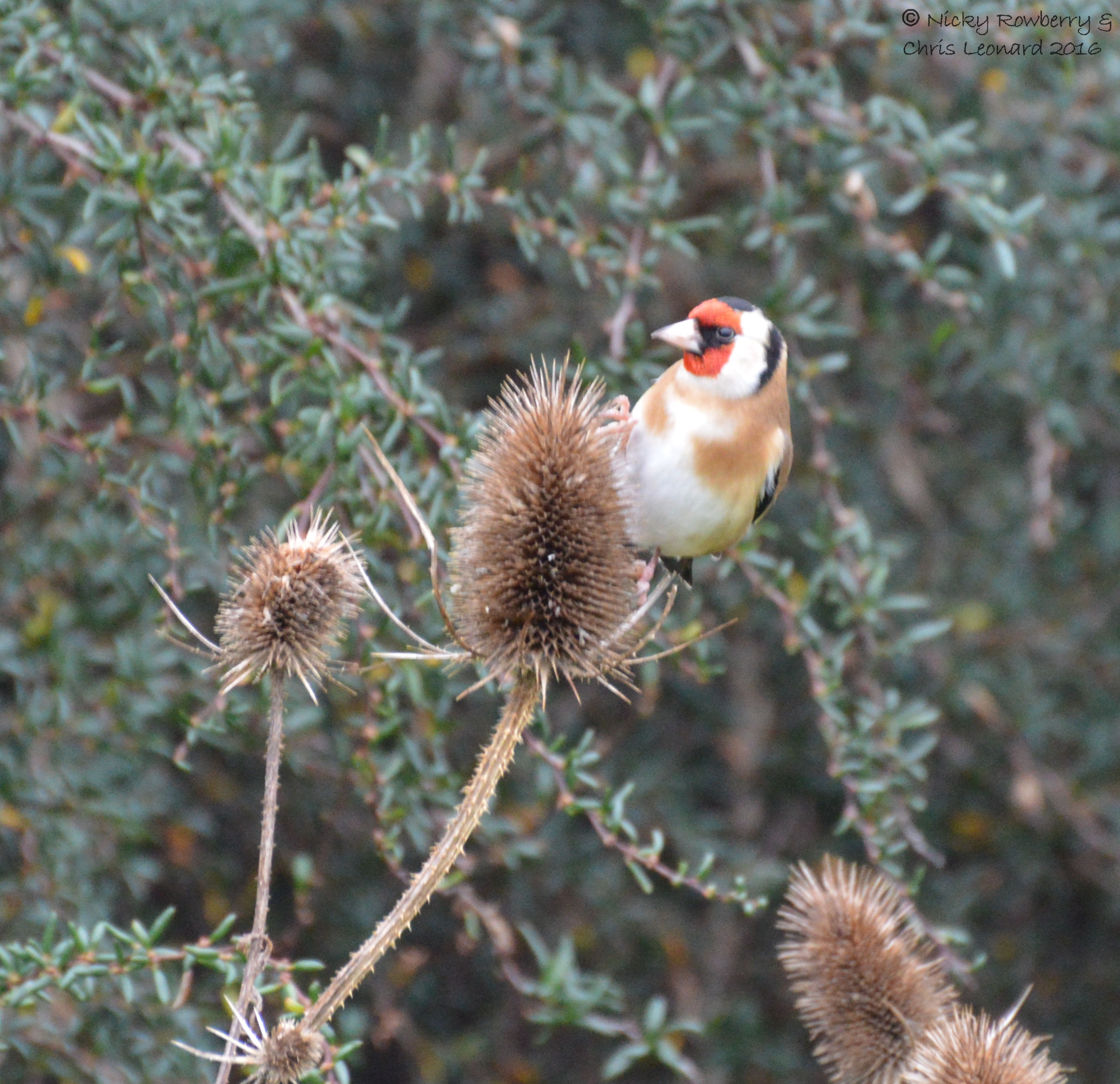
The teasels themselves are packed with seeds that the birds love. Goldfinches are well-known teasel fans, but we’ve seen several other species such as this Coal Tit making the most of them too.

Goldfinch 1

Coal Tit on Teasel

Of course we do eventually have to chop them down, if only to provide space for next year’s crop. This year we decided to save some of the hollow stems and turn them into something useful – a Bug Hotel. The RSPB are running a “Give Nature a Home” campaign, so a pile of teasel stems and an empty squash bottle later and we have hopefully made one small home. With a bit of luck we’ll be able to post photos later in the year of some new residents.

Teasel canes

Bee Hotel

So that’s the life of the teasels in our garden – the plant that keeps on giving to wildlife – even when it’s chopped up into pieces!


Bumblebee Bonanza

Never realised before I started writing a blog how much I enjoyed a good bit of alliteration, but  find myself unable to resist calling this post Bumblebee Bonanza. I started writing this post a few days ago when we reached a tally of 8 bee species for 2016. Since then we’ve been spotting a new one almost daily and are now up to 12. As we’re less than half way through April, I’m hopeful of further species to come, but thought I’d better finish this post off before it gets out of control!

I should point out that although we spotted all these different species, many of them were only identified with the help of several very kind and expert people on various Facebook groups – the power of social media!

So first bee of the year was of course my favourite the Hairy Footed Flower Bee (Anthophora plumipes).


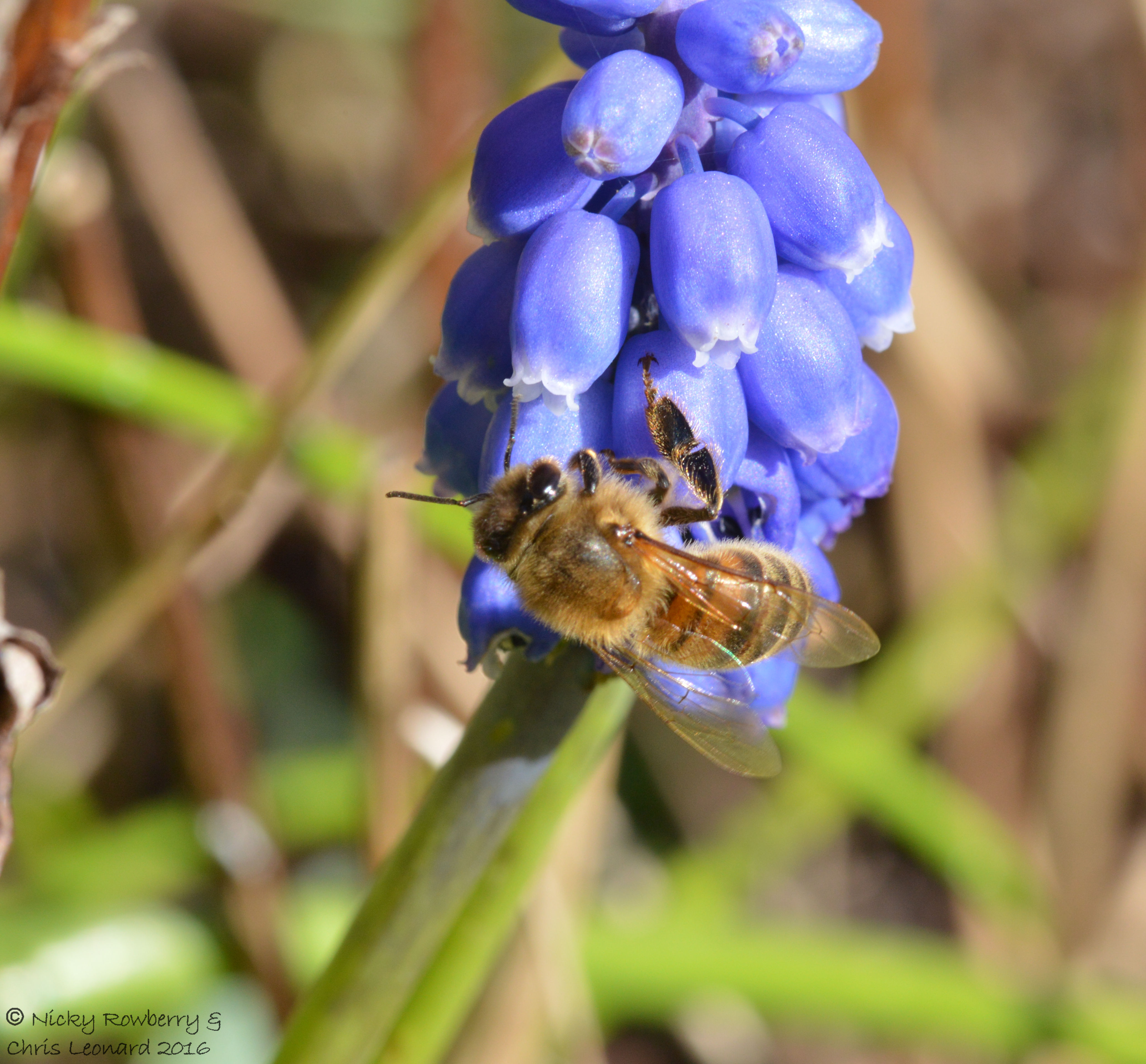
Next to show in the garden was the Honey Bee (Apis mellifera), in small numbers so far, but hopefully by the summer the garden will be buzzing with them as usual.

Honey Bee

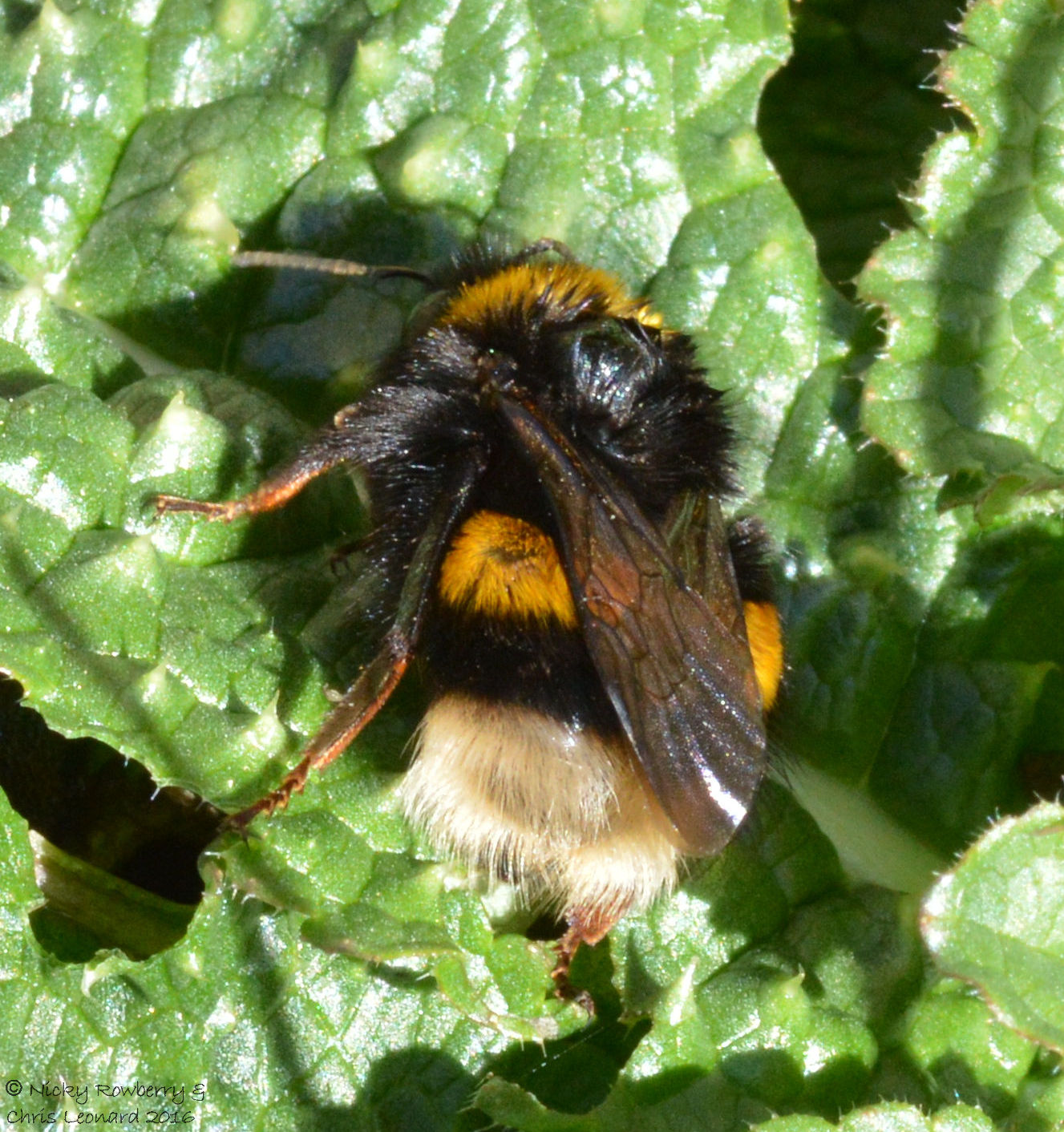
The next confirmed species was the first of the bumblebees – the Buff-tailed Bumblebee (Bombus terrestris). There have been quite a few of these buzzing about, but this slightly bedraggled looking specimen was the first one to slow down enough to get photographed.  It is a social bee living in colonies usually underground.

Buff tailed bumblebee

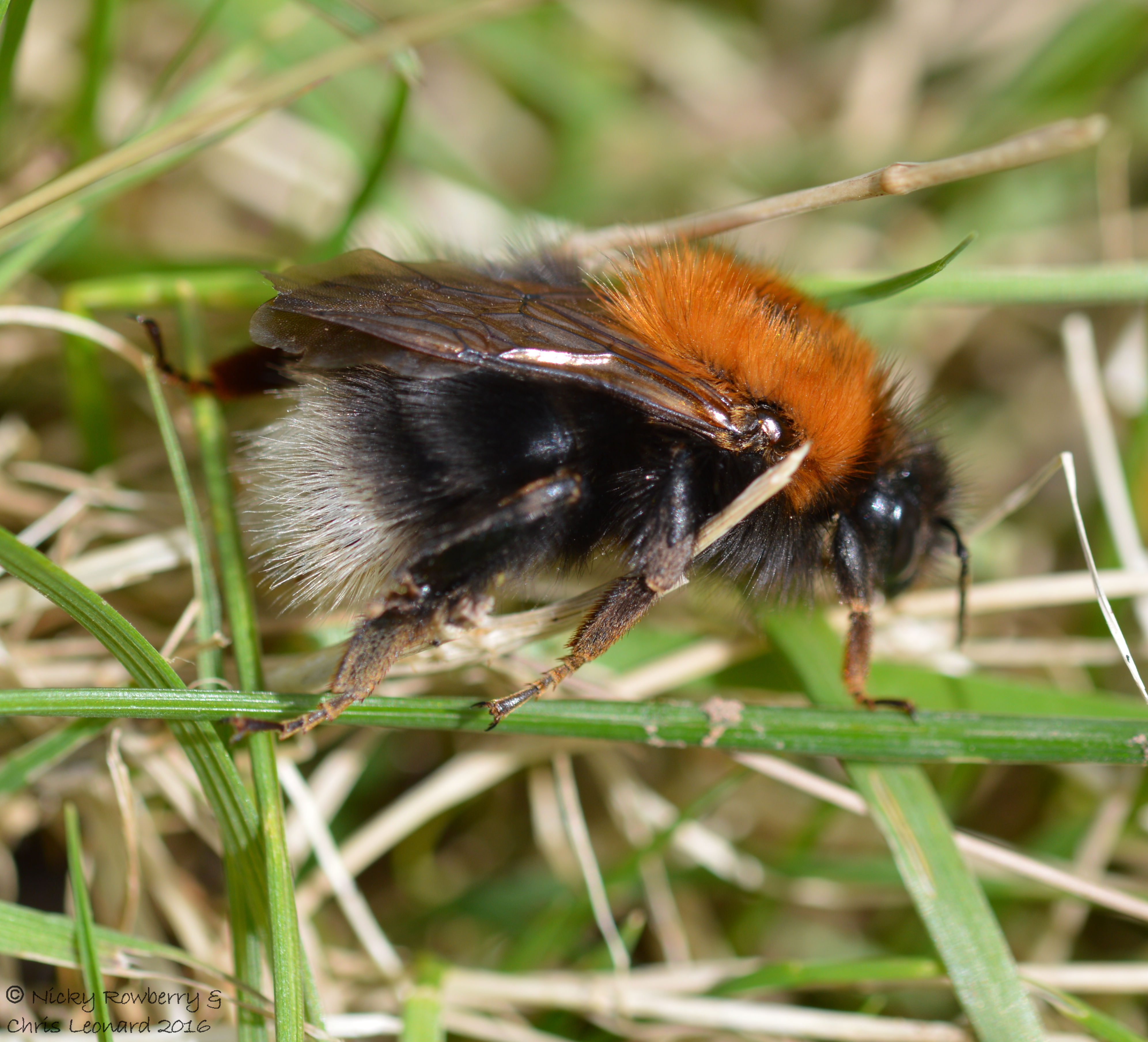
The 4th species, the Tree Bumblebee (Bombus hypnorum) is an interesting new comer, having only been recorded in the south of England since 2001. Well it has obviously reached Malvern now! There is a scheme for recording sightings of this species, so he has been duly logged.

Tree Bumblebee

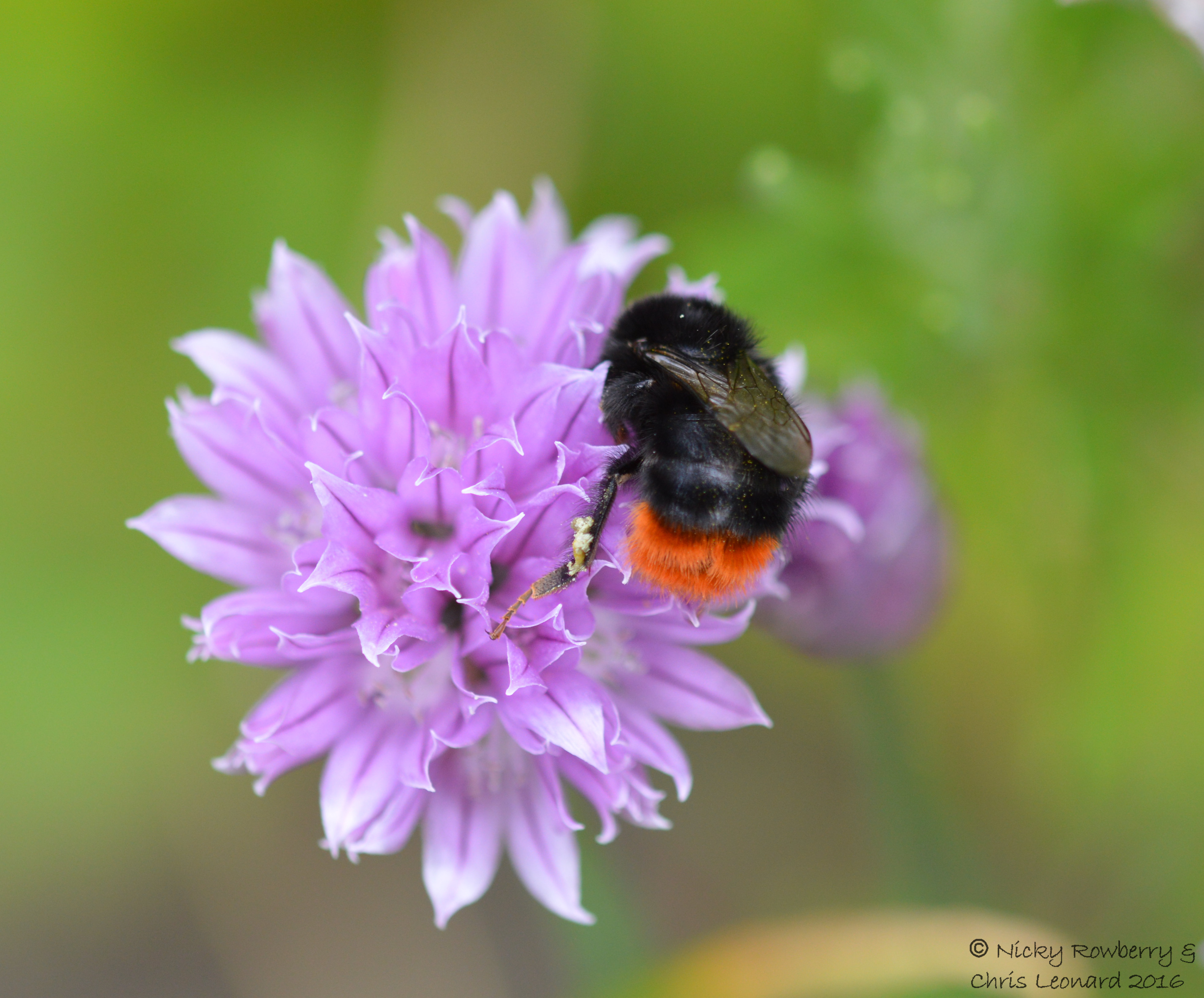
Another bumblebee to pop up in the garden this spring has been the Red Tailed Bumblebee (Bombus lapidarius). This is a big bumblebee, so you think it would be easy to get a decent photo. But although we’ve seen them regularly, they seldom sit still long and when they do, they seem to favour flowers at the top of the bushes out of reach of vertically challenged photographers!


The 6th bee species was the first of the mining bees to be positively identified – Andrena nitida – I’m not sure this one has a common name. Mining bees are solitary bees and there are a lot of British species.

Andrena nitida

The 7th species is from an interesting group known as Cuckoo bees – the one below is the Vestal Cuckoo Bee (Bombus vestalis). Cuckoo bees behave in a similar fashion to their namesake birds – they lay their eggs in the nest of other bees. In the case of the Vestal Cuckoo Bee, its chosen host tends to be the poor Buff Tailed Bumblebee. Cuckoo bees have no pollen sacs on their legs as they have no need to collect pollen for their young, as others do all the work for them.


The 8th bee is the only one we’ve not managed to get to species, but according to the good people of Facebook, it belongs to the Lasioglossum genus and is another mining bee. Lasioglossum species need either microscopic examination or at least better photos than the one below to get them to species.

Lasioglossum sp

The 9th bee is the smallest specimen so far – Fabricius’ Nomad Bee (Nomad fabriciana). This is also a cuckoo type of bee, laying its eggs in the nest of mining bees. It looks quite different to the other bees we had, to the point I wasn’t even sure it was a bee at first. The yellow spots on its orange abdomen (just about visible in our photo) identify it as Fabricius’.

Fabricius Nomad Bee

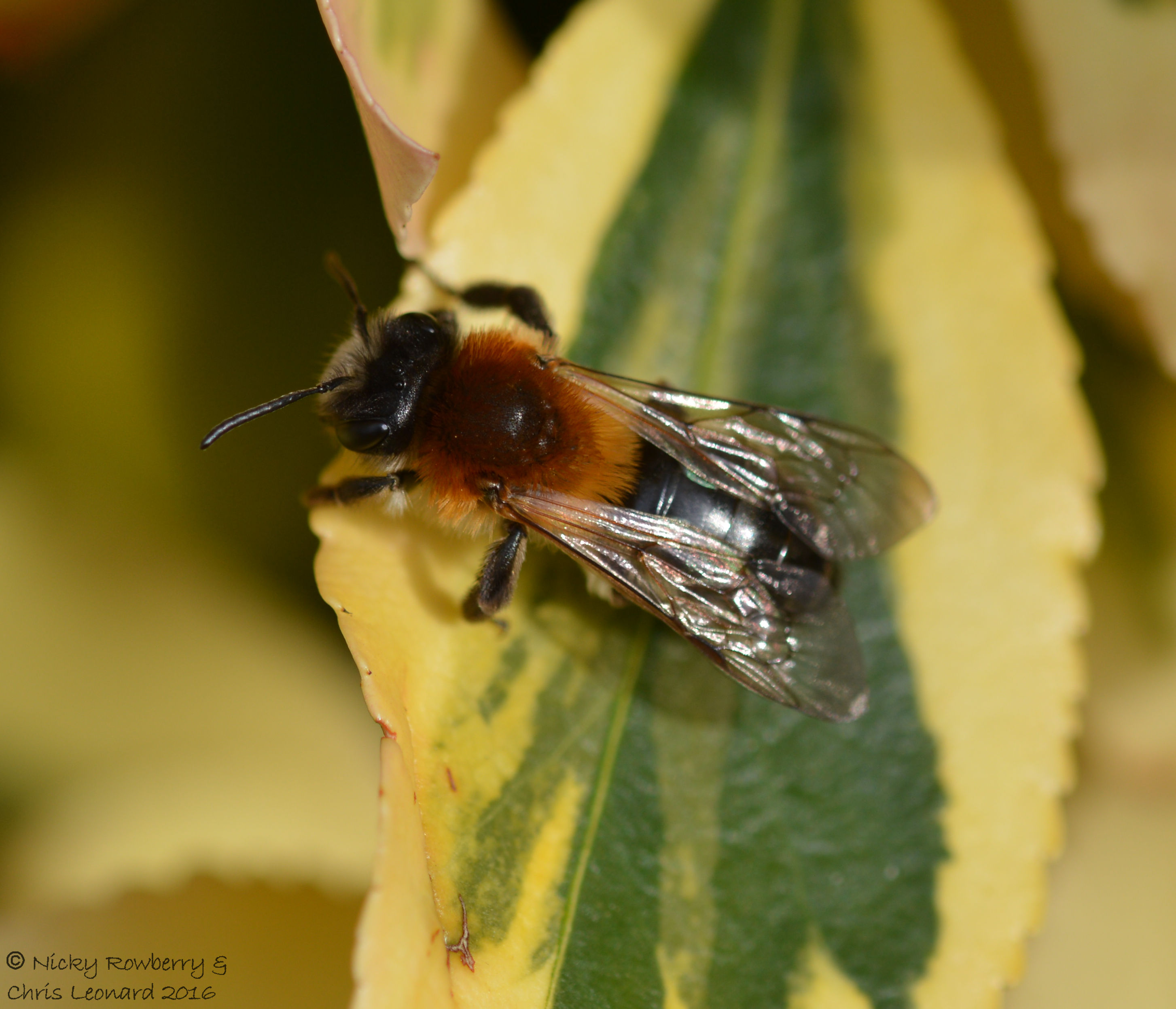
Bee no. 10 is the Ashy Mining Bee (Andrena cineraria). I could tell this one was a different species as it looked black and white. Determined to get a photo I spent a long time chasing it round the garden, before it finally gave in and settled on this leaf.

Ashy mining bee Andrena cineraria

11th species and another mining bee Andrena scotica. These are solitary bees, but nest in aggregates, so they effectively have communes, rather than being properly social like Honey Bees.

Andrena scotica

The 12th and final bee so far is the Common Carder Bee (Bombus pascuorum). This fluffy gingery brown bee is a social one (although not sociable with me, I had to clamber through the undergrowth to get even this poor photo).

Common Carder Bee

So that’s our tally for the year so far. I know from previous years that there are at least 3 or 4 other species that we definitely get, so fingers crossed they reappear this year too. We garden organically at Too Lazy to Weed and I’d like to think this is contributing to the diversity of bees in our garden. That and of course the profusion of weeds!

Jurassic Monster!

When you think of Jurassic, you tend to think of T. rex and possibly Richard Attenborough. Most of us don’t picture a minute micro moth, barely 2 millimetres long, but the Too Lazy garden has just that – Mompha jurassicella – a very long name for a very small moth. What’s exciting about this little moth, is that it is the first known record for Malvern.

Mompha jurasicella

We spotted it at the weekend on a primrose stem – which looks huge by comparison. You’d think being so small it would be easy to get it all in focus, but not so; it took 4 photos to get all the relevant bits sharp enough to identify it. Not that we managed to do that ourselves. Identification was courtesy of a very kind man on Facebook and an equally kind County Moth Recorder to confirm it.

Although this tiny moth has been recorded in Worcestershire, it is apparently the first record for the Malvern area, so we’re really chuffed with it. Being so small though, it’s likely lots of the local gardens have it, just that their owners don’t go grubbing about in the undergrowth looking for it! Does make you wonder what else is lurking amongst our weeds?

Hairy Footed Love

A week or so ago I blogged about the delightfully named Hairy Footed Flower Bee (Anthophora plumipes), having spotted a male one buzzing around the garden. They are quite a loud bee, so much so, that I’m starting to recognise them by sound (going to be by new party trick – identifying bees blindfolded!) The males emerge in the Spring a bit earlier than the females so for the first week they were all we saw. The male below is a typical buff gingery colour, with of course hairy feet!

Hairy footed male

The females emerge a bit later and we saw our first one about a week after the males appeared. They look like a completely different species, being dark pretty much all over, with golden hairs on their back legs. For some reason all the females we saw seemed to be preferring the pink varieties of primrose, whereas the males had been going solely for the yellow (sexual stereotyping in bees???) In the photo below the female already has a male admirer.

Hairy footed female

I’d got the trail camera set up in the hope of catching some bee action, and could see from a distance a group of males chasing a female. I thought the trail cam was pointed right at them, but needless to say it was slightly off. So I’ve got several videos showing bits of the chase, but none capturing it completely. Hopefully the one clip below gives an idea of the action though.

To say the males were persistent would be an understatement. They harassed the long suffering female, who was only really interested in the flowers, not her admirers.

I did manage to take the freeze frame photo below from the videos – you can see one poor female, with a line of 4 males looking like they’re queuing for her attention.

Hairy footed pursuit

I also discovered that the Bees, Wasps and Ants Recording Society are running a Spring bee recording scheme and the Hairy Footed Flower Bee is one of the species they’re interested in. So our amorous little bees have been duly logged. If anyone wants to log their own records, go to http://www.bwars.com/content/submit-sighting-anthophora-plumipes-hairy-footed-flower-bee