Baby Blues (hopefully)

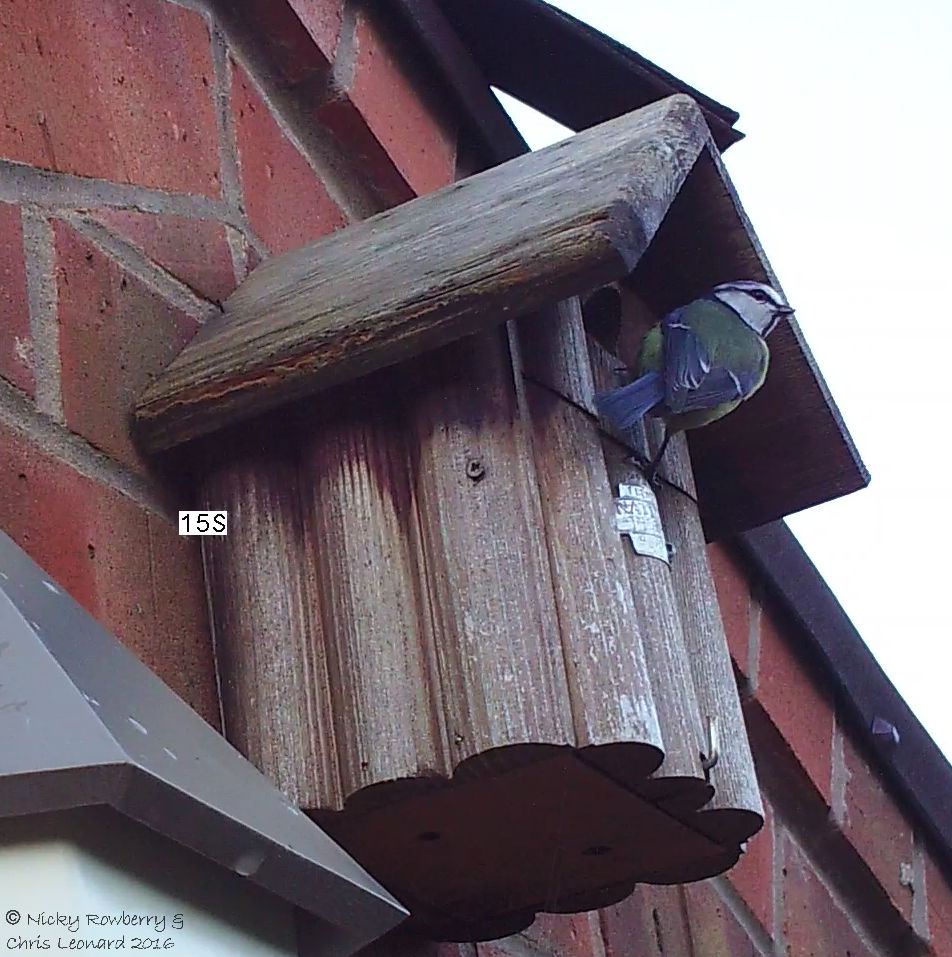
In the last couple of weeks the posts seem to have been colour themed, first red, then yellow and now blue! The big blue news is that the Blue Tits are nesting!! So excited to see them using the bird box (the old one of course – they’ve turned their beaks up at the new deluxe one!) The brief video clip below shows both adults flying in and one exiting again. I think at this stage they were still making the nest as we saw them with nesting material.

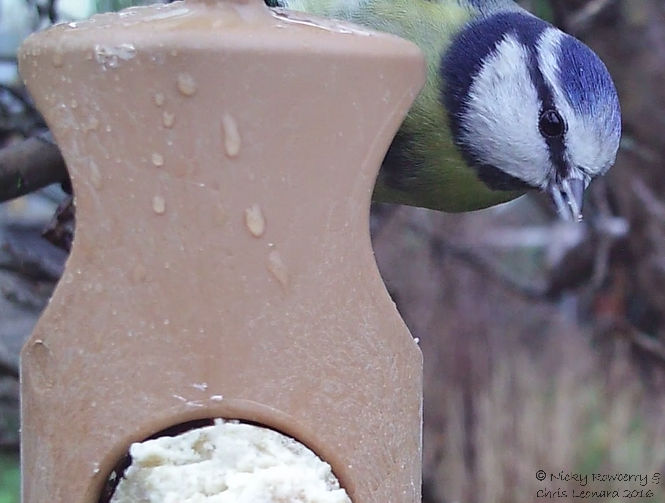
The photo below is a still taken from the film. Hopefully things will go well for our pair and we can give updates on their progress – fingers crossed for a successful fledging and baby blue tits.

Blue Tit on Bird Box


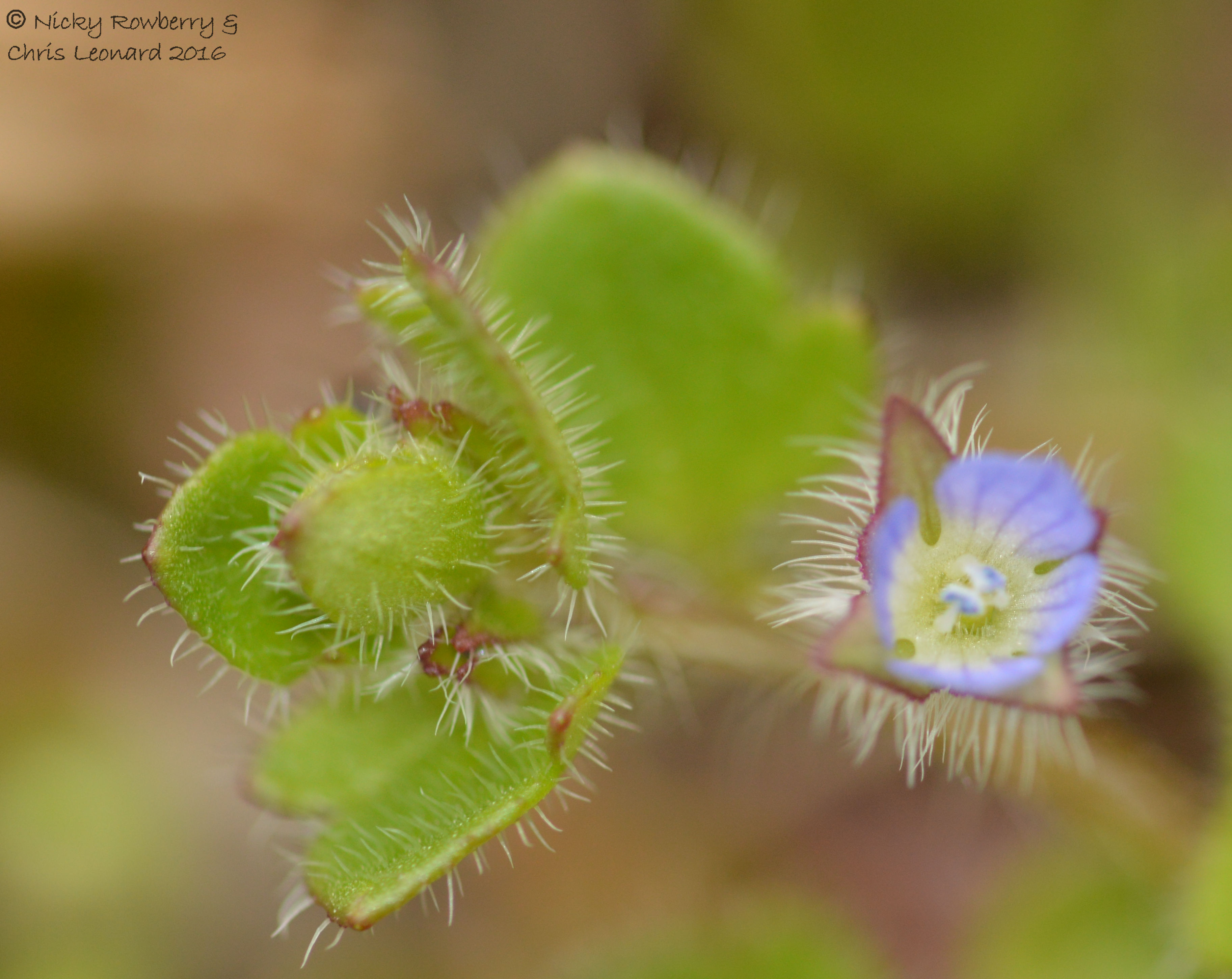
The blue tones seem to be spreading round the garden too, with the emergence of several  blue hued flowers. Today I spotted these tiny Speedwell flowers hidden amongst the grasses. Not the easiest to photograph as they are so damn small. I didn’t realise they were so hairy either until I downloaded the photos.

Speedwell

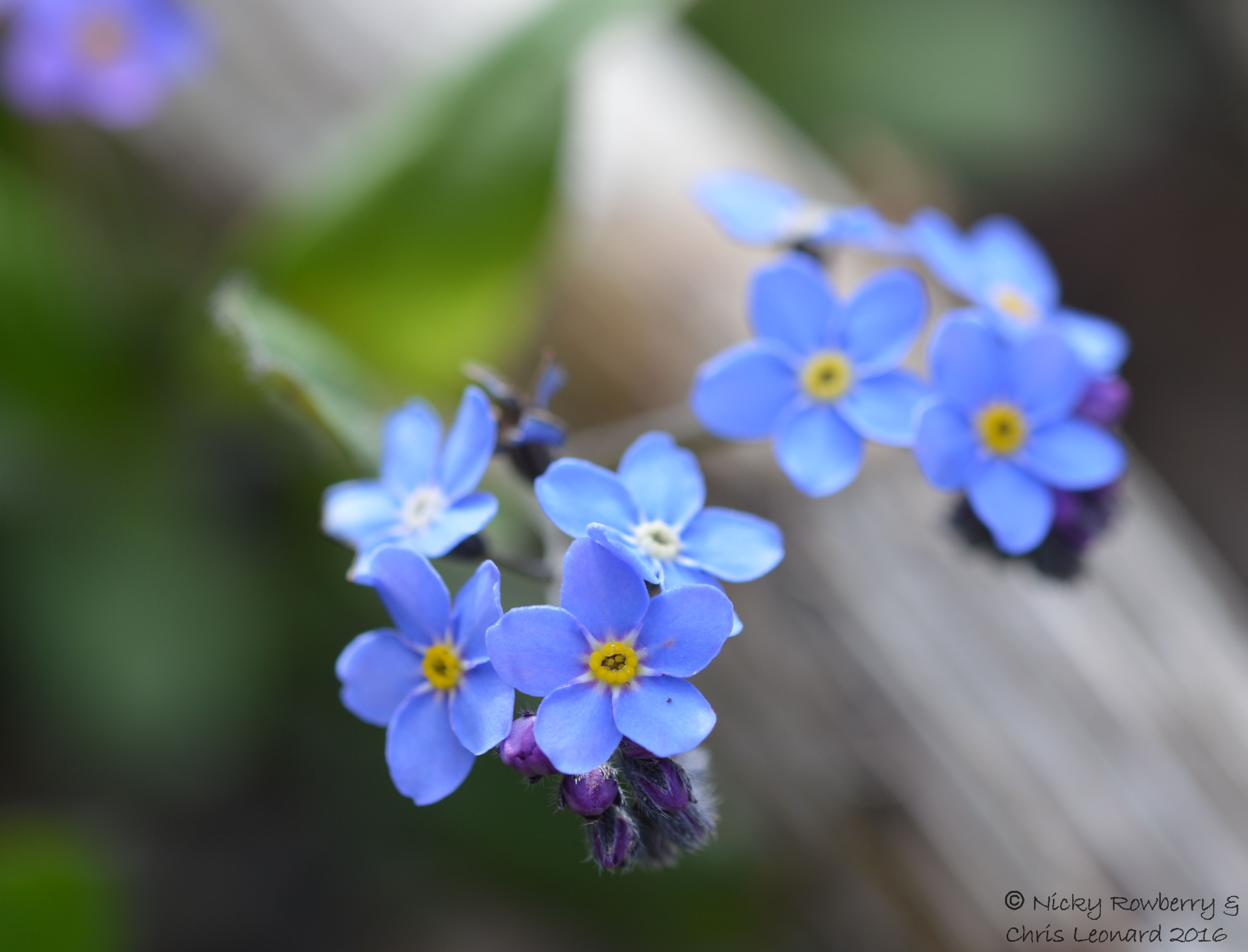
And finally, no blue post would be complete without Forget-me-nots. These bright little flowers have been a favourite since I was a child (many moons ago) and are a sort of unofficial totem for Too Lazy To Weed. They spring up wherever we haven’t weeded – so pretty much over the whole garden!

Forget me not


Jurassic Monster!

When you think of Jurassic, you tend to think of T. rex and possibly Richard Attenborough. Most of us don’t picture a minute micro moth, barely 2 millimetres long, but the Too Lazy garden has just that – Mompha jurassicella – a very long name for a very small moth. What’s exciting about this little moth, is that it is the first known record for Malvern.

Mompha jurasicella

We spotted it at the weekend on a primrose stem – which looks huge by comparison. You’d think being so small it would be easy to get it all in focus, but not so; it took 4 photos to get all the relevant bits sharp enough to identify it. Not that we managed to do that ourselves. Identification was courtesy of a very kind man on Facebook and an equally kind County Moth Recorder to confirm it.

Although this tiny moth has been recorded in Worcestershire, it is apparently the first record for the Malvern area, so we’re really chuffed with it. Being so small though, it’s likely lots of the local gardens have it, just that their owners don’t go grubbing about in the undergrowth looking for it! Does make you wonder what else is lurking amongst our weeds?

Hairy Footed Love

A week or so ago I blogged about the delightfully named Hairy Footed Flower Bee (Anthophora plumipes), having spotted a male one buzzing around the garden. They are quite a loud bee, so much so, that I’m starting to recognise them by sound (going to be by new party trick – identifying bees blindfolded!) The males emerge in the Spring a bit earlier than the females so for the first week they were all we saw. The male below is a typical buff gingery colour, with of course hairy feet!

Hairy footed male

The females emerge a bit later and we saw our first one about a week after the males appeared. They look like a completely different species, being dark pretty much all over, with golden hairs on their back legs. For some reason all the females we saw seemed to be preferring the pink varieties of primrose, whereas the males had been going solely for the yellow (sexual stereotyping in bees???) In the photo below the female already has a male admirer.

Hairy footed female

I’d got the trail camera set up in the hope of catching some bee action, and could see from a distance a group of males chasing a female. I thought the trail cam was pointed right at them, but needless to say it was slightly off. So I’ve got several videos showing bits of the chase, but none capturing it completely. Hopefully the one clip below gives an idea of the action though.

To say the males were persistent would be an understatement. They harassed the long suffering female, who was only really interested in the flowers, not her admirers.

I did manage to take the freeze frame photo below from the videos – you can see one poor female, with a line of 4 males looking like they’re queuing for her attention.

Hairy footed pursuit

I also discovered that the Bees, Wasps and Ants Recording Society are running a Spring bee recording scheme and the Hairy Footed Flower Bee is one of the species they’re interested in. So our amorous little bees have been duly logged. If anyone wants to log their own records, go to http://www.bwars.com/content/submit-sighting-anthophora-plumipes-hairy-footed-flower-bee

A Host of Golden Daffodils

Not sure how many daffodils you need to qualify for “a host”, but what few we’ve got are at their best in the garden right now. They seem to be a lot later than everyone else’s in Malvern, the neighbours daffodils were blooming marvellous about 6 weeks ago; but better late than never.

Daffodils

Yellow is definitely this season’s colour at the moment. Some is of course down to me choosing yellow, such as these crocuses, to brighten up the cold days.

Crocuses 2

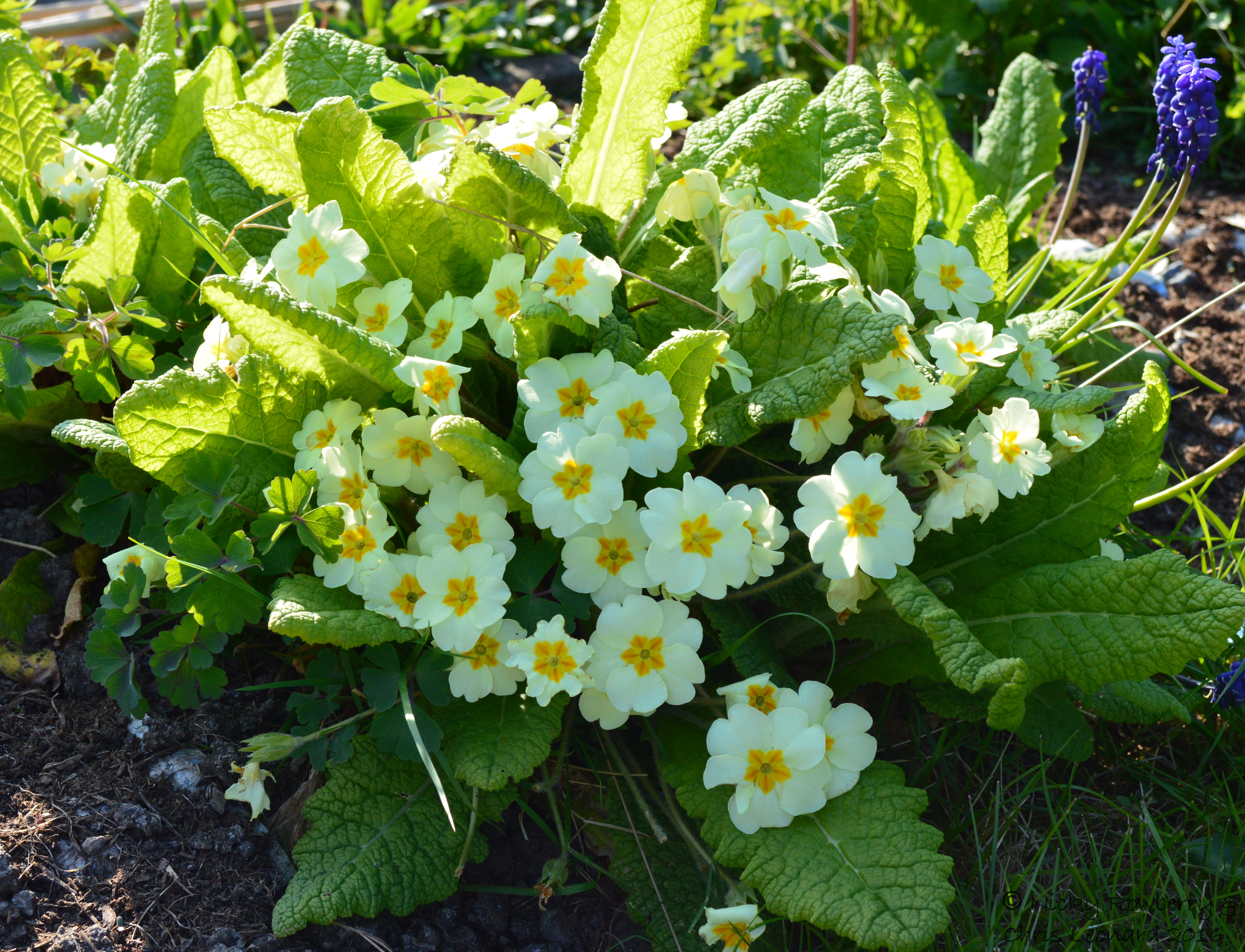
But a lot of it is due to the more natural, self seeding “weeds” such as the primroses and dandelions that proliferate in our garden.

Dandelion PrimrosesAll these spring flowers are good news for the insects, which are now starting to arrive in the garden in moderate numbers. The yellowyness of Spring continued with the first butterfly in the garden – a Brimstone. In typical Brimstone fashion it was too fast to get a photo, but we think it was a male as it was bright yellow – the original “butter coloured fly” or butterfly. Hopefully soon one will hang around long enough to get his photo taken. But the good news was that it meant I could log it onto the new online garden butterfly survey – http://www.gardenbutterflysurvey.org/ – my first record for the year.

As well as the first butterflies and bees, the first wasp put in an appearance too. It was a bit dopey and hung about on the fence, warming itself in the spring sunshine for quite a while – good news for my photography attempts. I know wasps aren’t everyone’s favourites, but close up they really are quite stunning!

Common Wasp

Doomed Beauty

It was week two of the Garden Moth Scheme last weekend – I put the trap out twice – once for the official GMS count and once just because I probably need to get out more! Needless to say the non-GMS night produced more moths than the official night, but then it was several degrees warmer. I was tempted to log the better of the two results, but decided to be a good citizen scientist – after all the aim of the scheme is to find out about moth numbers on average nights, not just on the best ones!

The official night still produced 6 moths of 4 species, including a small Double Striped Pug (Gymnoscelis rufifasciata), which landed on the garage wall next to the trap at the beginning of the night and stayed there until dawn.


The trap also attracted a Common Plume (Emmelina monodactyla) – a funny stick like micro moth, shaped like a capital T, hence its other common name T-moth.

Emmelina

The second trapping night produced 24 moths of 8 species, including a new species for our garden the March Tubic (Diurnea fagella).


Another first for the garden was this much more attractive (apologies to the above March Tubic) Herald moth (Scoliopteryx libatrix). I’d been wanting to find one of these in the garden for a while (having previously only seen it when I’d rescued a few from a friend’s building site of a garage). Herald moths overwinter as adults, so this was probably one that had been hibernating somewhere nearby and emerged on one of the first warm nights.


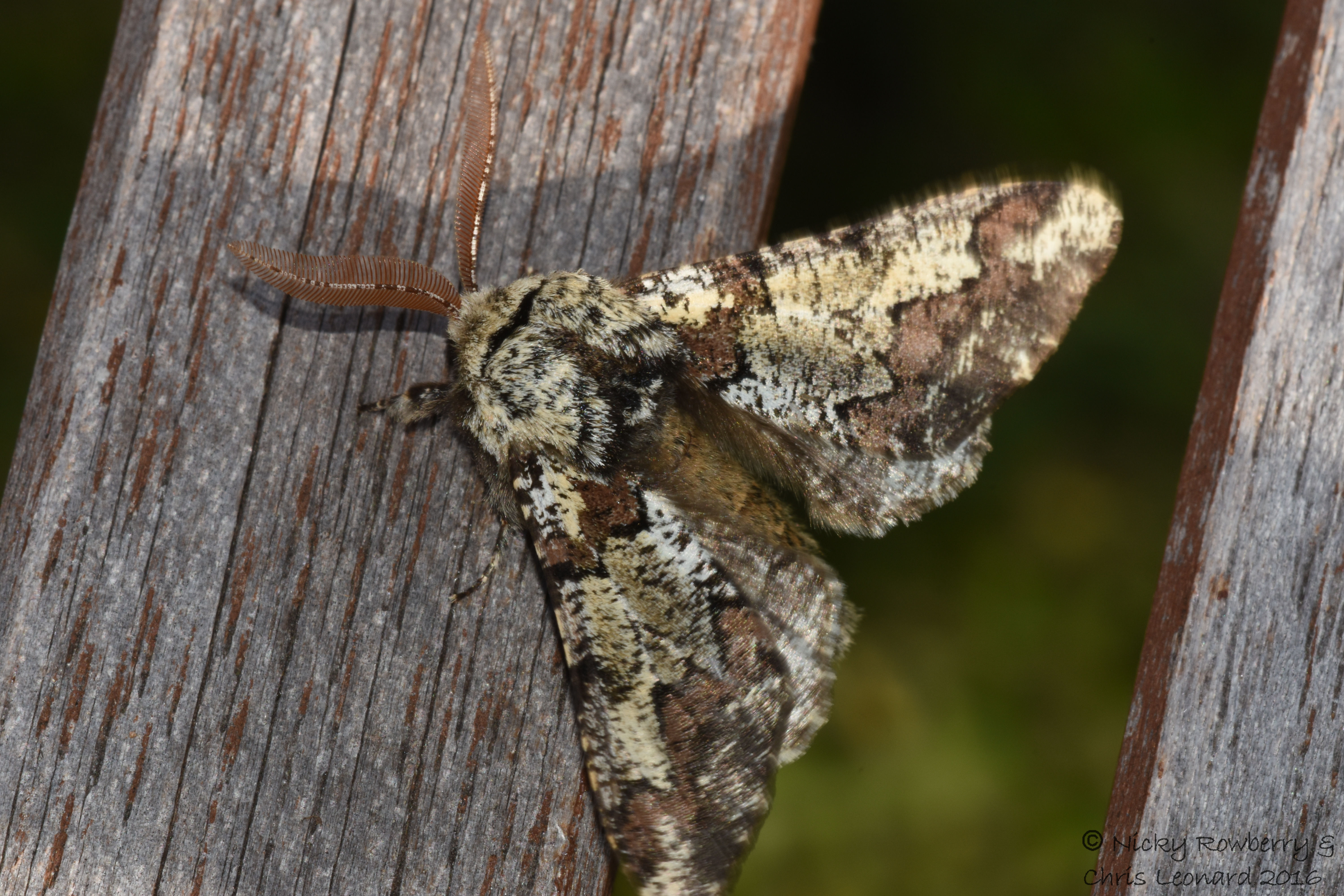
But the star of the show was this magnificent Oak Beauty (Biston strataria) – a large moth with fantastic feathered antennae. We have had them in the garden before, but this was a lovely fresh specimen, looking his or her best. Sadly this beauty was doomed. Before I could move him to the safety of a quiet corner, he took off, flapping towards the apple tree. Unfortunately hubby and I weren’t the only ones watching him go and before we knew it, a robin swooped down and had our bright beauty for breakfast. It must have made a big fat treat for the robin, but I must admit I felt more than a little guilty at our part in this poor moth’s short life!

Oak Beauty

So the two nights trapping brings the total species count for the year to 12, which includes 4 new records for the garden – not a bad start to the year at all. Sadly the Oak Beauty can’t say the same!

Siskin Surprise

The wildlife interest in our garden seems to be swinging at the moment to and fro between the moth traps and the trail cam. Last weekend the trail cam definitely came out on top though, when it threw up a complete surprise in the garden. I guess many of us put out these cameras with the vague hope that they will reveal something unexpected and this weekend ours did. It may not have captured anything super rare, but it did film a Siskin – a bird which we didn’t even know we had in the garden. Of course it would have been nice to see the Siskin in the flesh rather than just on film, but at least we know now to look out for it!

We’d hung this bird table out a week or so ago and were initially a bit annoyed that its design meant it immediately swivelled, tipping all the seeds into one corner.  But this jaunty angle actually appears to be working to our advantage, as the slope (and general instability) seems to be deterring the pigeons and larger birds and allowing the smaller ones to get a look in.

The Siskin is an attractive bird, so I tried to get some correspondingly attractive still images from the film. Unfortunately it was so intent on scoffing the sunflower seeds, that it was difficult to get an image without food hanging from its mouth, so these were the best I could do.

Siskin 1

Siskin 2

The sloping feeder attracted several other species that afternoon, although none stayed as long, or were quite so fond of their food, as the Siskin – a bird after my own heart!

Great Tit

Robin 3


Birds in Focus

At last I’m finally getting some photos that are not only in focus (just about), but have real live animals in them – a dream come true after a couple of weeks struggling with the new trail cam!

Blue Tit trail cam photoI still wouldn’t claim to have mastered it, but the learning curve is definitely on the up. My new 250mm close up lens has certainly helped get (not surprisingly) closer images. The downside of using this lens is that your field of view shrinks dramatically, so you’ve got to be sure you’re pointing somewhere where there’s going to be some action. For some reason I seem to nearly always position the camera slightly too low, so I’ve got lots of clips now of bird feet, while their heads tuck into the bird food out of sight of the lens! I’ve also got a lot of clips of branches shaking, as something lands just above the field of view – I swear sometimes the birds are just sitting there, rattling the twigs to torment me. This underestimation of the required lens height may have something to do with my own height (or lack of), but I can hopefully train myself out of this one.

I’ve been much more impressed with the quality of the video clips than the still photos. But what I have found is that I can often get pretty good snapshots from the videos and turn them into photos. The images of the blue tit above and long-tail tit below were both taken this way.

Long tail tit 250mm lens


I tried the new lens out in the garage on the mice and was delighted when it captured two of them for the first time.

Two mice trail cam imageAt least I think I’m delighted, although maybe I won’t be so keen when 2 mice become 4 become 8 etc. They are getting through a lot of bird food as it is. Putting out the trail cam these last few weeks has incurred incidental expenses that I hadn’t anticipated when I first got it. In order to maximise photo ops in the garden, I’ve increased the numbers of bird feeders, so have of course needed more bird food too. There’s also been the additional lens, plus a new ground spike for the trail cam that I hope to try out at the weekend, to get photos of some of the ground feeding birds.

I’ve also been forced for the first time in ages to do a bit of judicious pruning round the garden to get clear shots of the feeders – that tree has just too many twigs growing specifically it seems with the intent of ruining my photos! I’ve been down on my knees trimming bits of grass out of the way of that elusive perfect shot and moving stones and other debris that spoiled the look. At this rate I may even find myself weeding the garden!

But I’m sure it will all be worth it come the spring. We’re really hoping that the blue tits will nest in the bird box again this year – in which case I will be poised ready with my new trail cam skills to capture the moment. Not sure when blue tits start nesting, but spring feels like it’s on its way. Despite a very cold night last night (-4.2°C according to my latest toy – a max/min thermometer for the Garden Moth Scheme), I heard the first froggy croak in the garden this afternoon and the daffodils are almost out, so hopefully the blue tits will feel it too.

In the meantime, here’s a couple of short films of the ever-adorable Long-tailed Tits in the garden today. First film is taken with the 460mm lens and second with the 250mm.


Of Mice and Apples

I decided to play dirty this week in my ongoing attempts to capture wildlife footage with the trail camera, so offered bribes to the mice in the garage. We had a load of apples and some cheapo cake from the supermarket,  so I thought I’d see what the mice made of them. The mice clearly don’t take after their garage owner, as they went straight for the apples first and only ate the cake once all the fruit had gone. They must have been really keen on the apples too, as they triggered the camera within 5 minutes of me putting the food out. The first film shows one determined to drag a piece of prize fruit back to his nest – it took him 4 attempts before he managed to carry one off. I am slightly worried that this now means I’ve got a stash of rotting apples somewhere in the garage, so I hope they eat all they’ve carried off.

The video was shot using the 460mm lens and isn’t quite as sharp as I’d like (having seen other bloggers’ much better images), but it’s not too bad.  I’m still practicing getting the camera set at just the right distance and angle. I did find a very useful video tutorial from Wildlife Gadgetman, which suggested tying a piece of string to the camera, with a knot at the correct distance to aid positioning. A simple trick, but very effective.

The second video I liked just because of the mouse’s nonchalant flick of his back foot as he trundled through the food. Both videos suffer slightly from glare at the beginning of each film as the infrared light flares before it settles down – I have at least seen this on other people’s videos though, so it’s not just our camera!

The third video shows how good (to my mind at least) the colours are on the daytime shots. This clip was taking earlier today on a very grey morning, but the colours are still good. The pink bits are some berry flavoured suet pellets (not sure the colour is entirely natural though) that the blackbird seems to be particularly enjoying.

Today the postman delivered my new 250mm lens, so I have high hopes for better close-up shots. The camera’s out with the new lens as I type, so hopefully by tomorrow I’ll be able to post some better videos and/or photos – although it may depend on what I find in the cupboards to bribe the mice with tonight!