30 Days Wild – Day 6

TWT 30 Days Wild_countdown_06

I am very lucky in that not only do I work on a farm, but it is an organic farm in an area of beautiful countryside – Upton-on-Severn to be precise. Despite having worked there nearly 5 years now, I’m ashamed to say I’d never actually gone for a walk to explore it. It took Day 6 of 30 Days Wild to get me up from my desk and out with my camera. With hindsight I maybe shouldn’t have picked the hottest day of the year to venture out – I did look a bit like a boiled lobster by the time I got back (much to the amusement of the other staff), but I had a lovely walk. I didn’t get as far as I intended, mainly due to the excessive heat, but I can explore other bits another day – I really should of course get down to the River Severn itself!

We have lovely views at work across the Severn towards the Malvern Hills, which were looking a bit hazy in the heat today.

DSC_4283

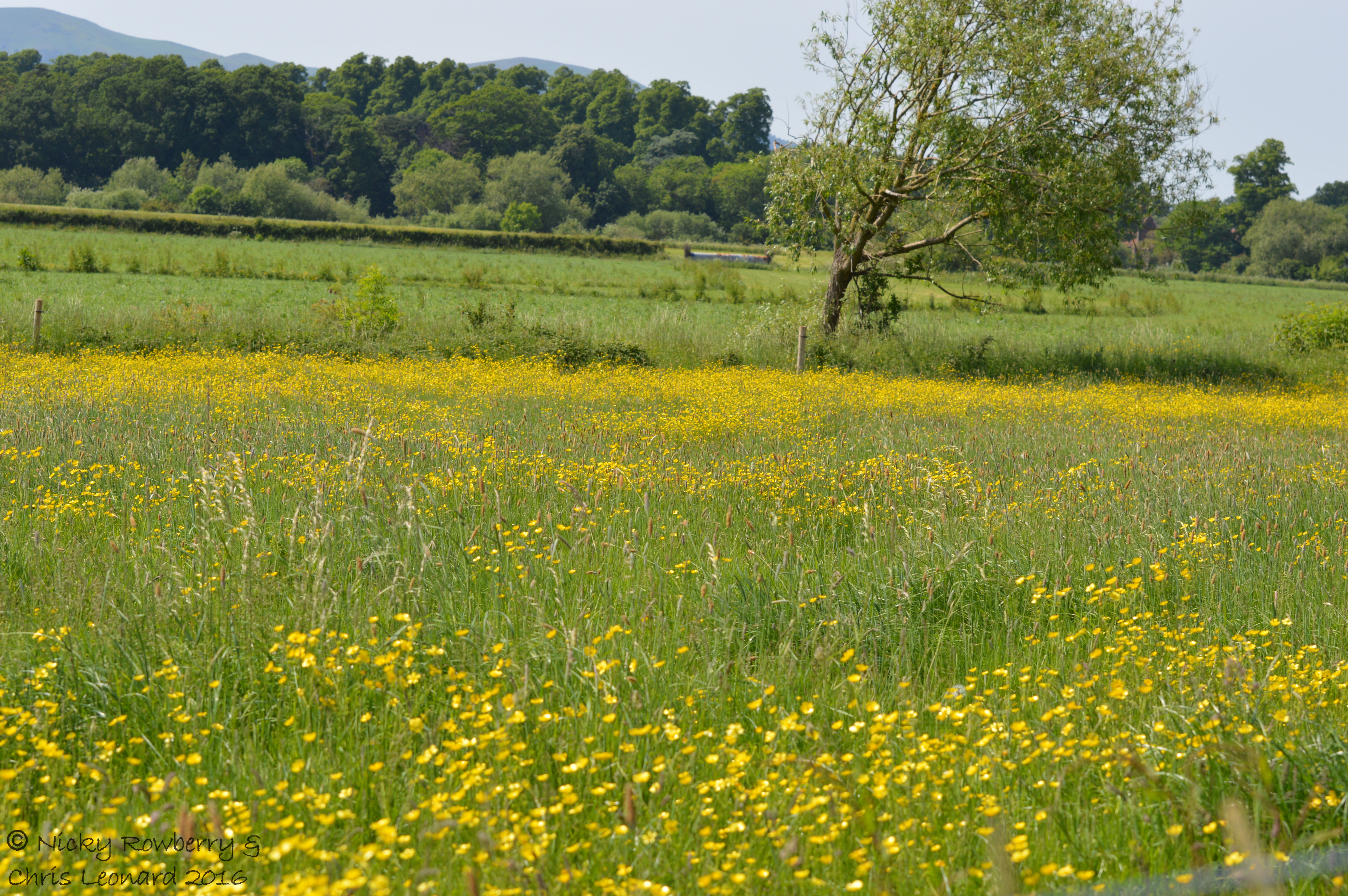
As you might expect on an organic farm, the fields and hedgerows are full of wildflowers and insects.
DSC_4298

DSC_4291

A lot of the flowers I was familiar with like the Cow Parsley and this Red Campion.

Red Campion

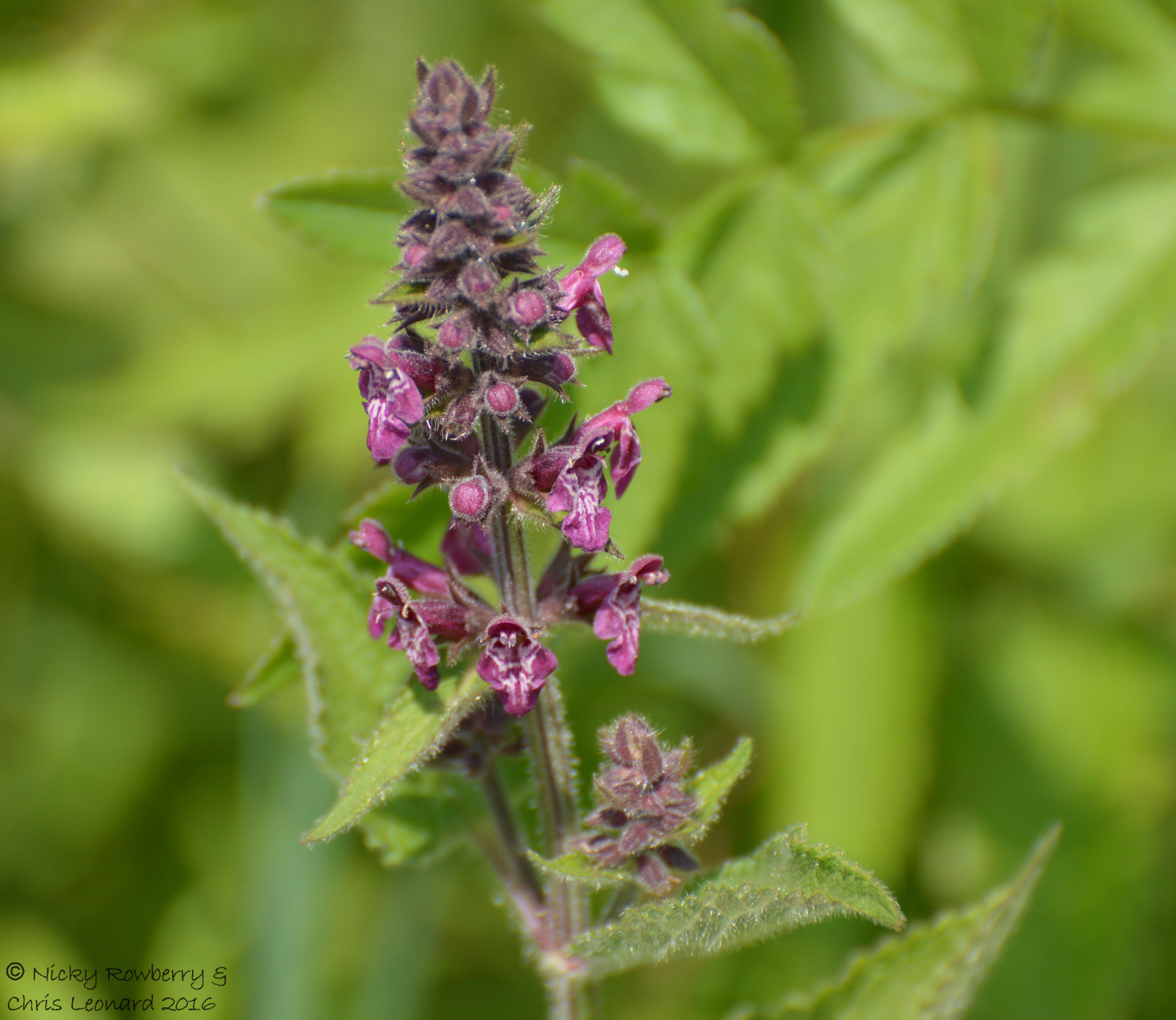
But others were new to me like this Hedge Woundwort and Black Medick – the power of Google and the good people of i-Spot were needed to identify these.
Hedge Woundwort

Black Medick

It was great to see so many bees making the most of the sunshine too. There were lots of different species about, but I only managed to get photos of 3 (what can I say, the bees were very quick and I was very slow in the heat!) The honey bees were fairly easy to identify straight off (famous last words, someone will probably tell me this is something else!)

Honey Bee

The cute little male Early Bumblebee I also managed to ID myself too. I love the second photo of him – I know the bee isn’t in focus, but somehow he’s got attitude as he flies off!
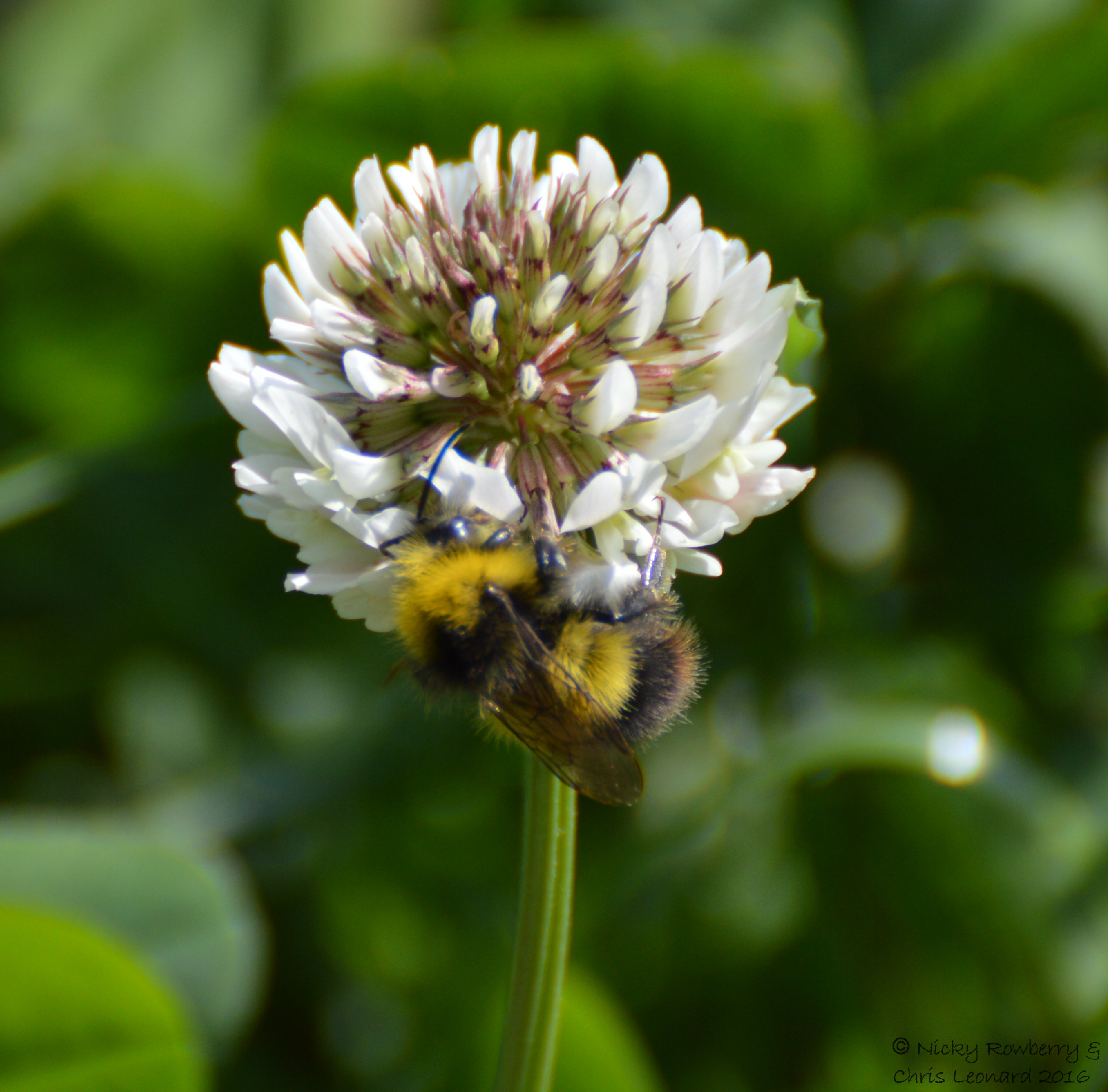
Early Bumblebee male 2

Early Bumblebee male

The final bee is a Grey Patched Mining Bee (Andrena nitida), which I needed the ever helpful Bee and Wasp Facebook group to identify for me.

Andrena nitida Grey patched mining bee

Butterflies were abundant too, although like the bees too fast to get many photos. Pretty sure though I saw Speckled Woods, Brimstones, Painted Lady and some really small Common Blues. I was particularly chuffed with the Common Blues as they’re the first I’ve seen this year. Again apologies for poor photo, I couldn’t get close enough to get a better one.

Common Blue (1)

Although birds were abundant everywhere, the most obvious ones were the large members of the Crow family. Not being very good at bird ID, I snapped some photos with the plan of identifying them when I got home. Turns out I got three for the price of one in this photo. On the right hand side, there appears to be from top to bottom, a Jackdaw, a Carrion Crow and a Rook!
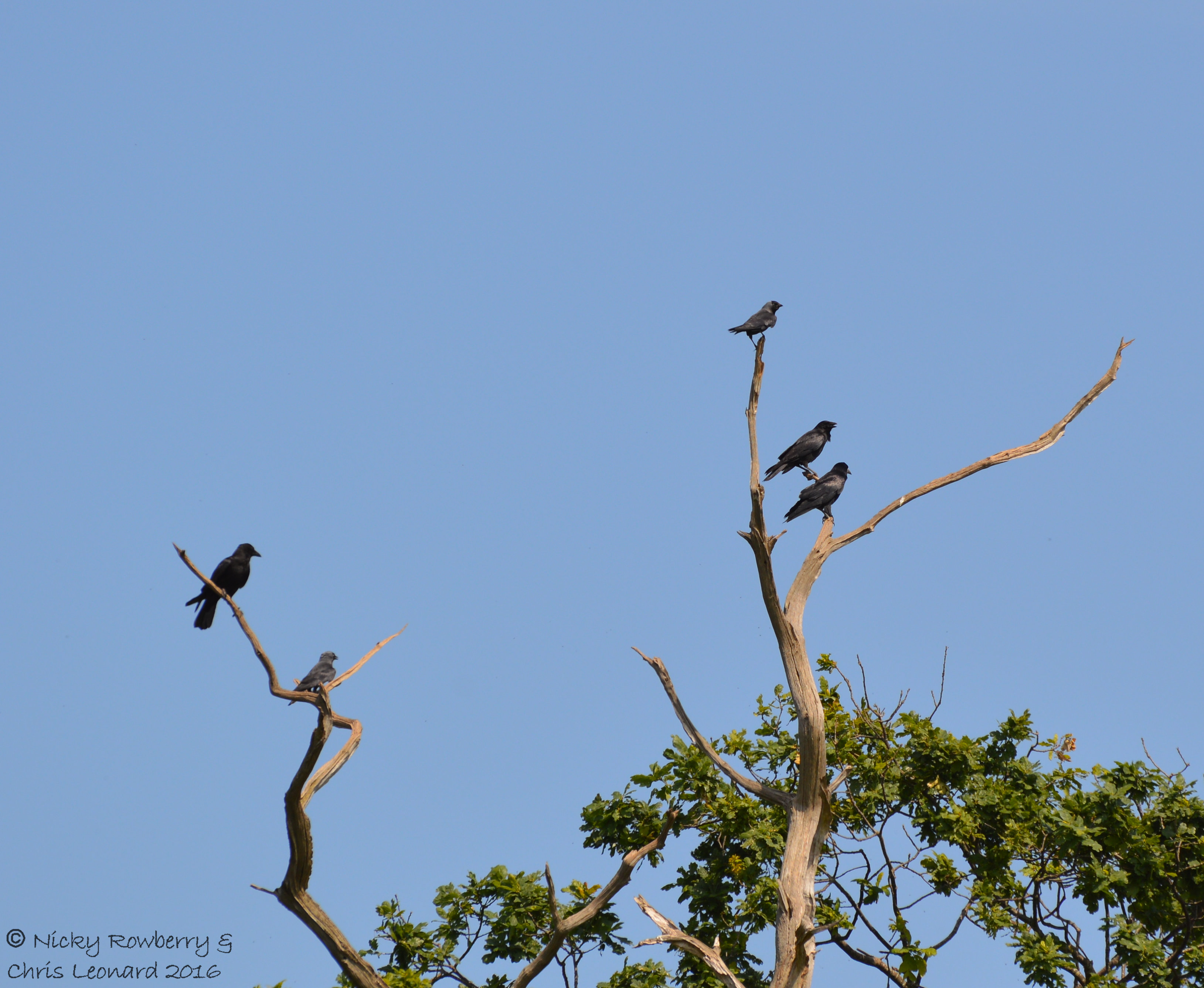
DSC_4305

While I was watching the crows/rooks/jackdaws, a Buzzard flew into the field, much to the annoyance of the other birds. I’m not sure which of the 3 species it was, but several of them chased the Buzzard until it flew off. They were really going for it, although they are clearly much smaller than the Buzzard.

DSC_4311

Finally as I headed back to the office, the Swallows were flying round the farm buildings and swooping over the field. Fortunately a couple of them landed on the roof long enough to get a snap.
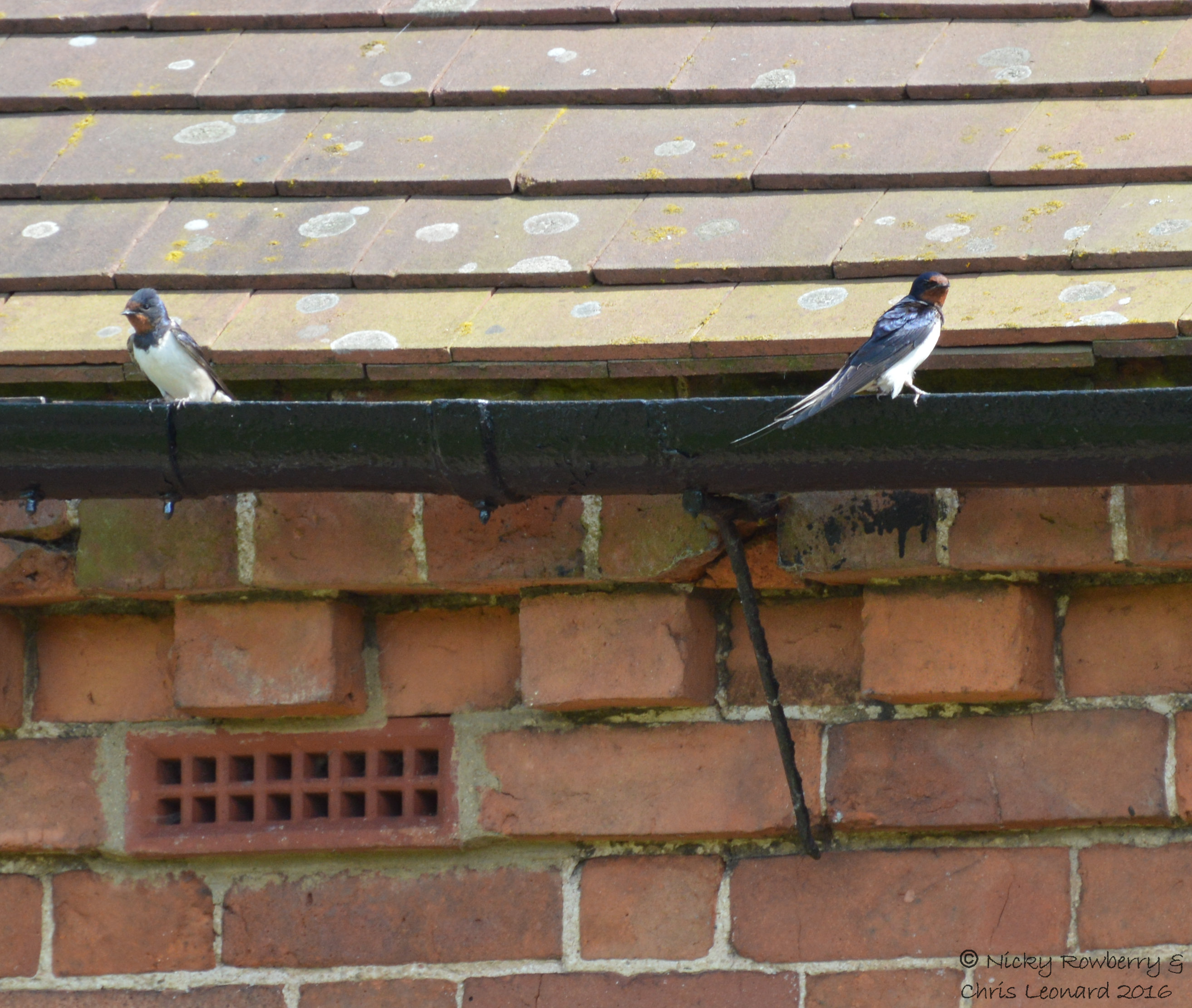
Swallows

So Swallows in the farmyard and sunburn all over my face – can only mean summer is here! Really enjoyed my walk out and about on the farm and will definitely try and do it again soon. The farm has hares and foxes too, so maybe I’ll get up early and go for a walk before I start work next time, as more chance of seeing them that way – cooler too hopefully!
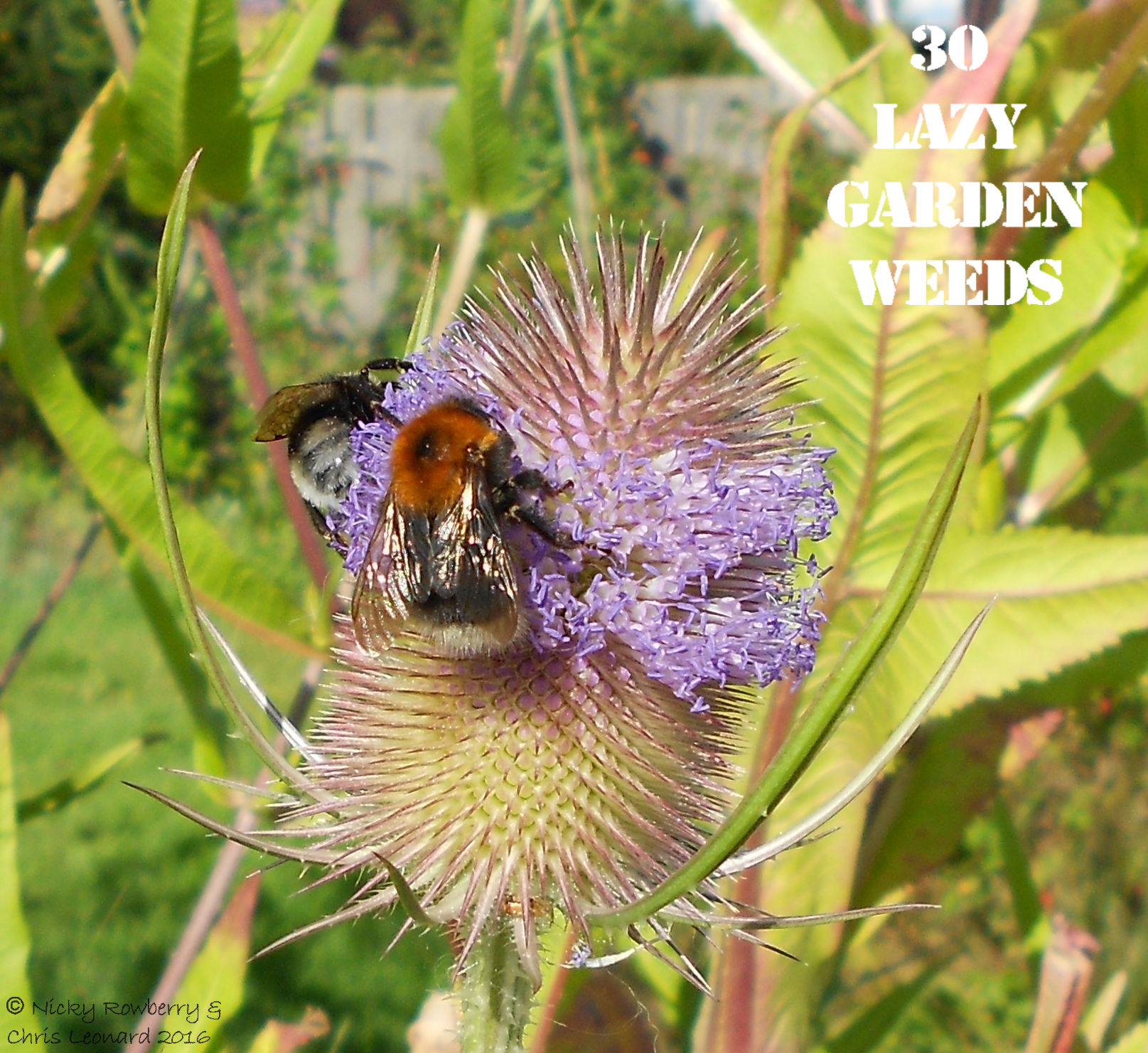
Teasel 30 WEEDS

And finally the latest weed in my 30 Lazy Garden Weeds – The Teasel. Undoubtedly the largest weed we get in the garden (easily taller than my paltry 5 foot 1!) The teasel has to be one of the best things in the garden for wildlife – the bees love them in the summer and the birds love the seeds through the winter and I love them all year round. They do take up a lot of room though, so perhaps only for serious weed fiends like us at Too Lazy To Weed!

30 Days Wild – Day 5

TWT 30 Days Wild_countdown_05Day 5 of the 30 Days Wild Challenge and it’s a beautiful sunny Sunday in Malvern – a rare thing indeed! After the slightly frenetic activity of the Bioblitz yesterday (I’m still working my way through all the photos for IDs), today we’ve had a much more relaxed, laid back kind of day.

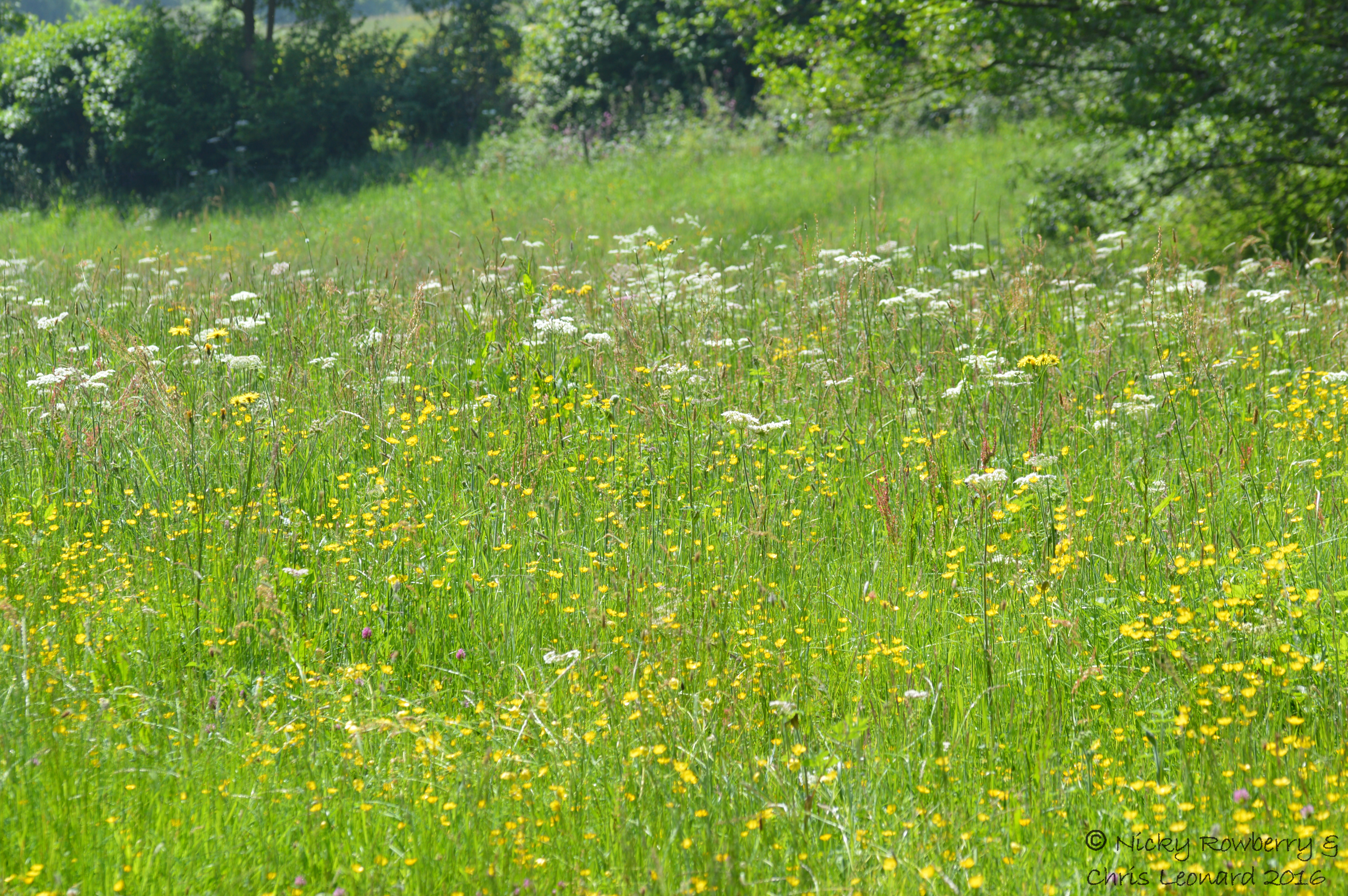
We started with a walk at The Knapp and Papermill Nature Reserve, which is run by Worcester Wildlife Trust and is very handy for us – just the other side of the Malvern Hills. It’s a gorgeous reserve that’s got pretty much everything you could want – meadows, woodland, orchards, a small river running through a valley.

Meadow 1

River at Knapp

Speckled WOodYou know it’s a good place when butterflies start landing next to you as soon as you get out the car – cue Speckled Wood. We’ve been there before and walked around pretty much the entire site, but today we just did a small section of it, alongside the river near the old orchards and meadow.

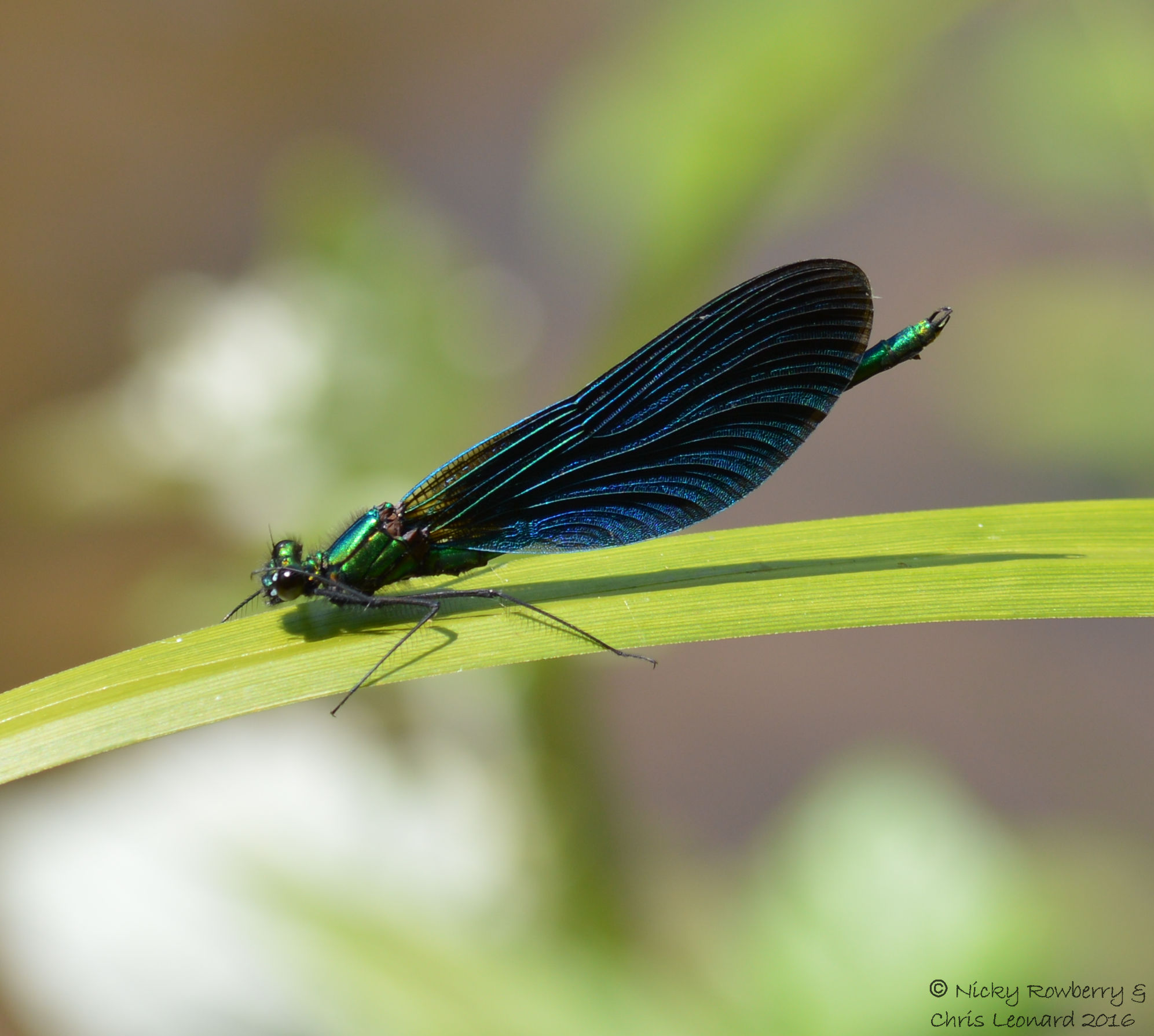
Our main memory from the previous visit was of the Beautiful Demoiselles. This was the first time we’d ever seen them and were blown away by how beautiful they indeed were. They seemed so exotic flapping all round us by the river, it felt like we’d been transported to some far away tropical location. So they were our main target species for today – and they didn’t disappoint. I know I tend to gush that everything is beautiful and amazing, but these Demoiselles really do live up to their name.

The adult males are a dark iridescent and glorious blue. They are quite flighty so it takes a while and more patience that we can normally muster to get really good shots, but we managed in the end to get these.

Male Demoiselle 2

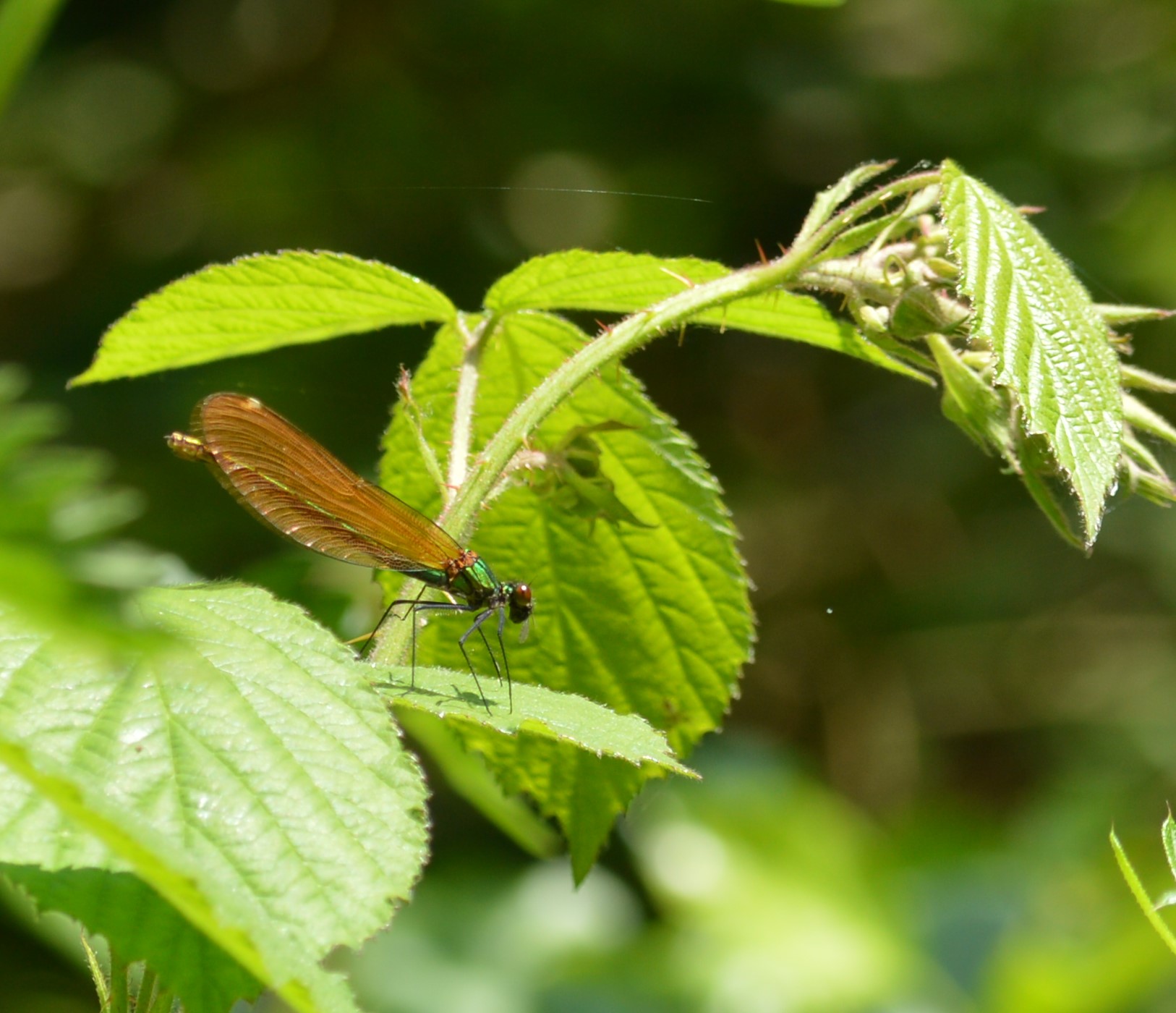
As is so often the case in nature, the females are less showy than the males, having a more bronzy brown coloured wing, with white spots near the end.

I honestly could have sat and watched these flying around for hours. But they weren’t the only large insects flying around – damselflies were abundant today too. We saw some bright blue (possibly Azure) ones which refused to land for photography purposes. More obliging were the Large Red Damselflies. So relaxed indeed were the Large Red Damselflies, that they continued unashamedly about their business even with me taking photos like this.

Mating damselflies

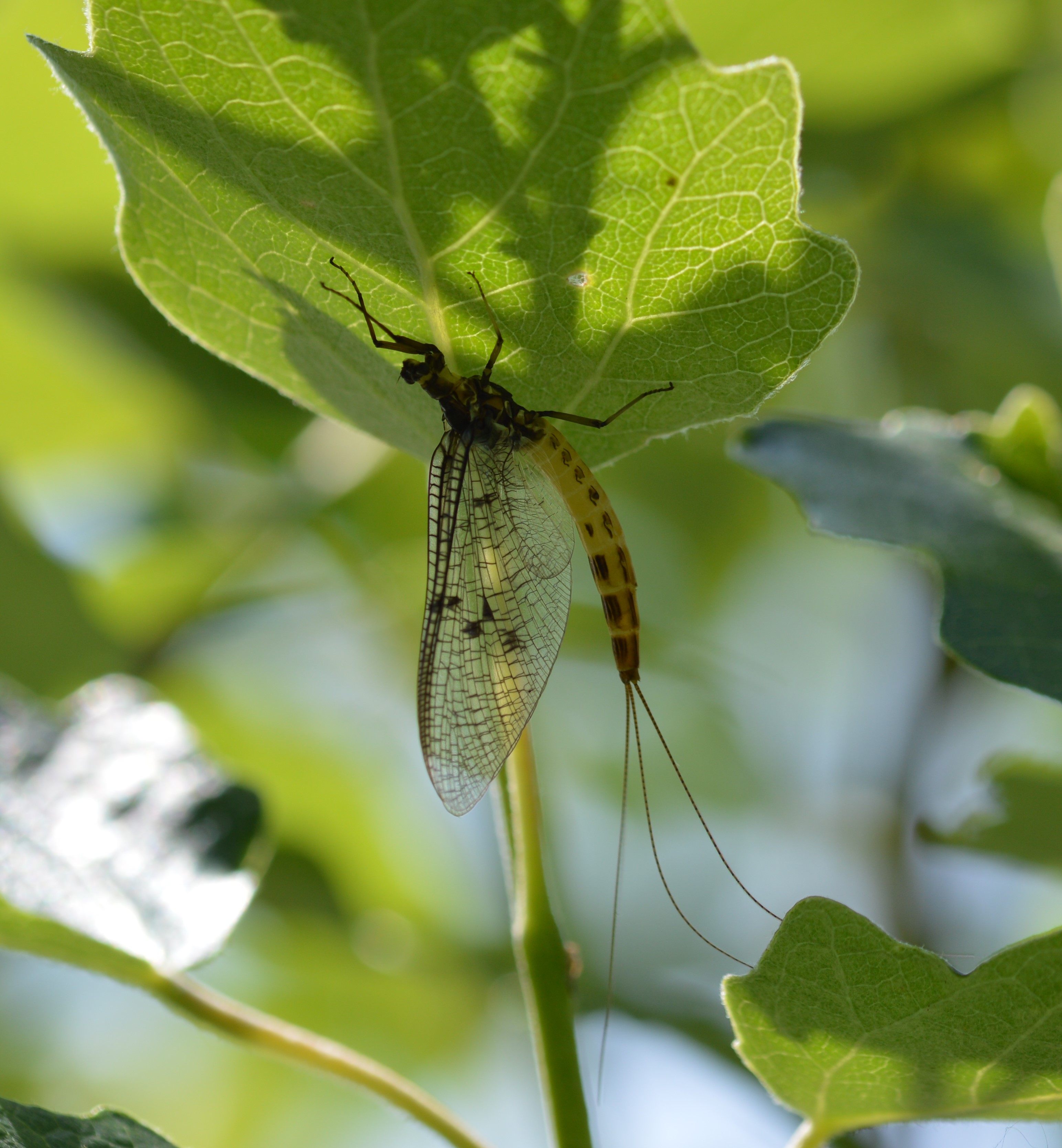
The reserve is generally teeming with insect life. We saw Red Headed Cardinal beetles, hoverflies and May flies to name a few.

Not surprisingly the reserve supports a wide array of birdlife too. The air was full of bird song as we walked around, although few showed their faces. One obvious arrival though was a Buzzard, which was being mobbed by a very brave crow.

On the way back we stopped at the visitor’s centre, which has lots of useful info.

CasablancaWe were supposed to round off our lazy day with an open air screening of the classic film Casablanca. Amazingly the sun was still shining as we settled down with our picnic on the grass. Not sure whether the organisers of 30 Days Wild had expected Humphrey Bogart to join in, but we were looking forward to seeing him on the big screen. It happens to be my Dad’s favourite film, so it ended up a family outing with Dad and my sister too. Unfortunately, and I never thought I’d say this, the weather was too good! The organisers announced they couldn’t start screening the film as the evening was too bright and the black & white film wouldn’t be visible on the screen! We waited and waited (consuming our own body weights in sandwiches and scones while we did) but eventually had to give up as my Dad was getting a bit cold and still no sign of the film starting. The evening wasn’t a total right-off – we all enjoyed our picnic in the park and the crowd waiting for the film were all quite jolly. But we’ll now never get to hear Sam play it again in the open air!
Red valerian 30 WEEDS

Day 5 of 30 Lazy Weeds from our garden and here’s one that is taking over – Red Valerian. Fortunately it is not only beautiful but very popular with both bees and butterflies. It’s formed a flower bed all of its own at the front of the house – which looks great – one neighbour even asked whether we’d planted all these lovely flowers! These bright pink flowers look as good as anything you’d go out and buy, but are much better for the wildlife and they’re free!

Out and About – Haugh Wood

Yesterday’s expedition produced not only the result we’d set out for, but a completely unexpected bonus. We’d set out in search of Wood White butterflies – a species neither of us had ever seen before, so one on our hit list to “bag” this year. The new Butterflies of the West Midlands book suggested a walk in Haugh Wood, Herefordshire so we ventured forth once again – it’s becoming a bit of a weekend habit this abandonment of our sofas!

Haugh Woods (there seems to be some debate as to whether it is pronounced Haugh as in Laugh or Hoff as in The Hoff!) is run by the Forestry Commission and is a nationally important wood for butterflies – in particular the Wood White. The Wood White is a nationally vulnerable species, so we’re lucky to have a colony close enough to visit.

The first white butterfly to show its wings though was a Green Veined White. Of course it took a bit of chasing around to confirm that it wasn’t a Wood White – we didn’t discover how small the Woodies were until later on. Still the Green Veined was lovely to see, even if it refused to pose its wings properly upright to see the veins.

DSC_2638

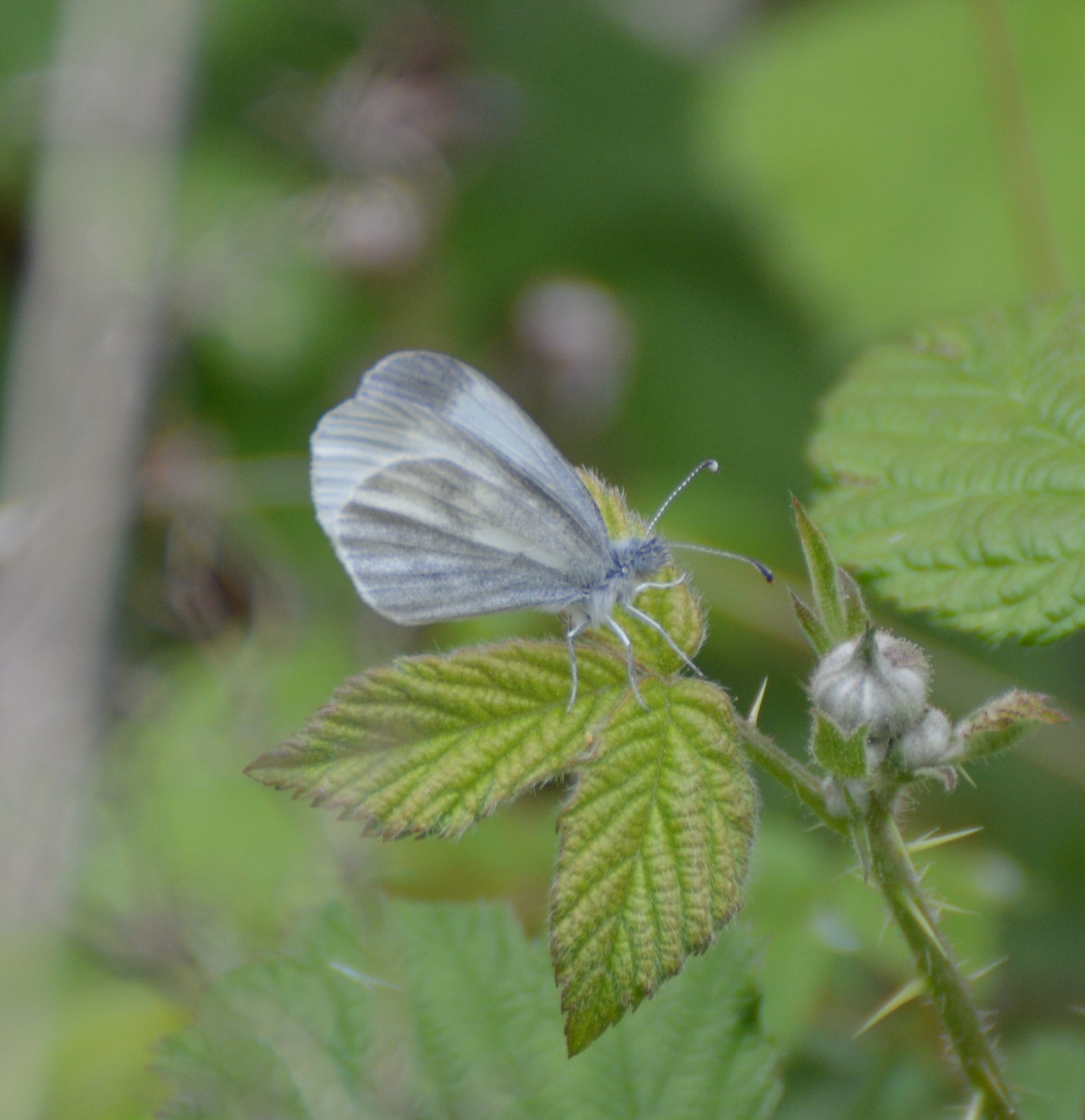
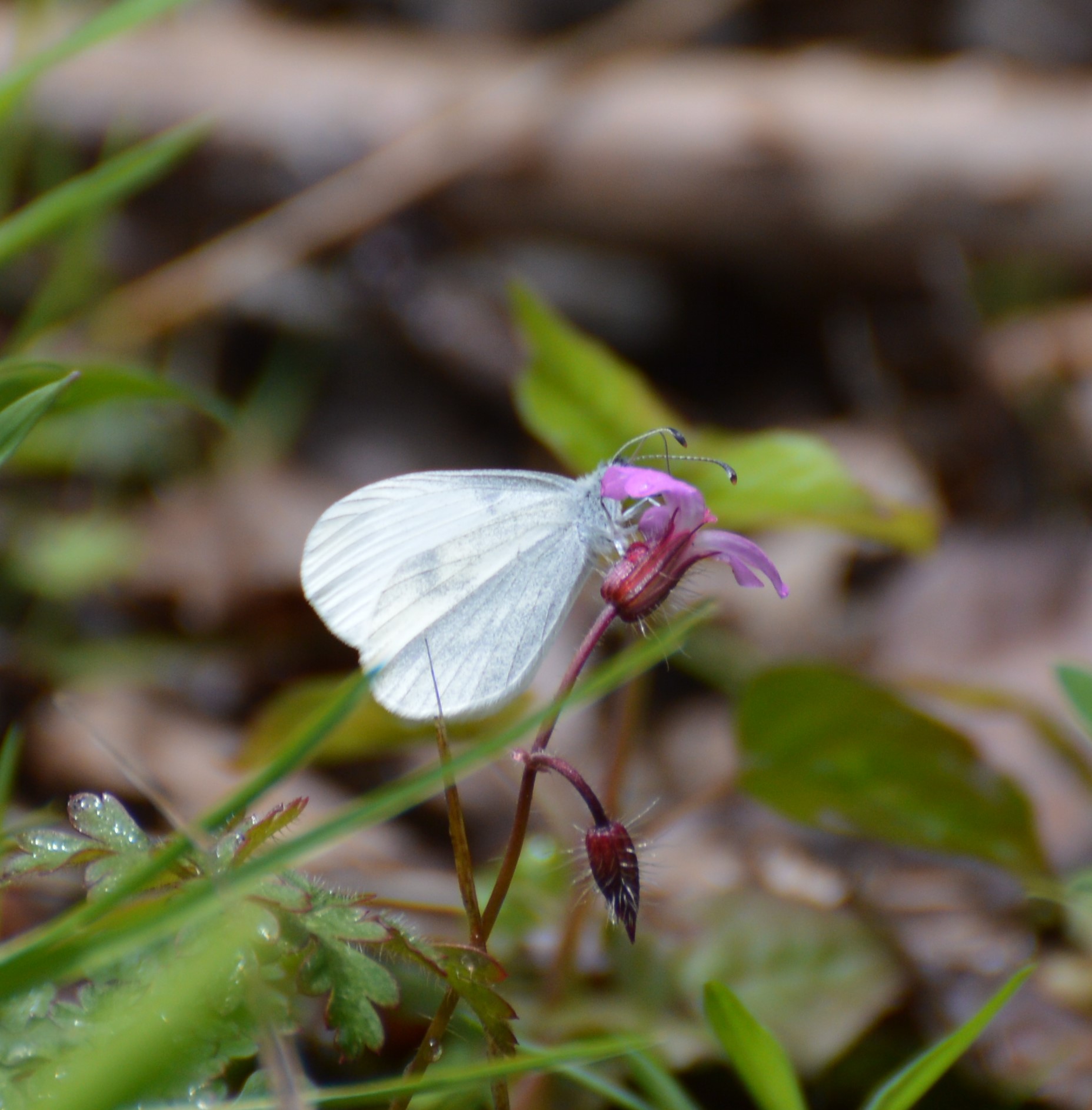
It wasn’t long though before another much smaller white flapped by – again it took a bit of chasing around until it stopped long enough to confirm a Wood White. They’re really much smaller than I’d expected and not the most energetic of butterflies, which was good news for us pursuing them!

We eventually saw several more once the showers passed and the sun came out again.

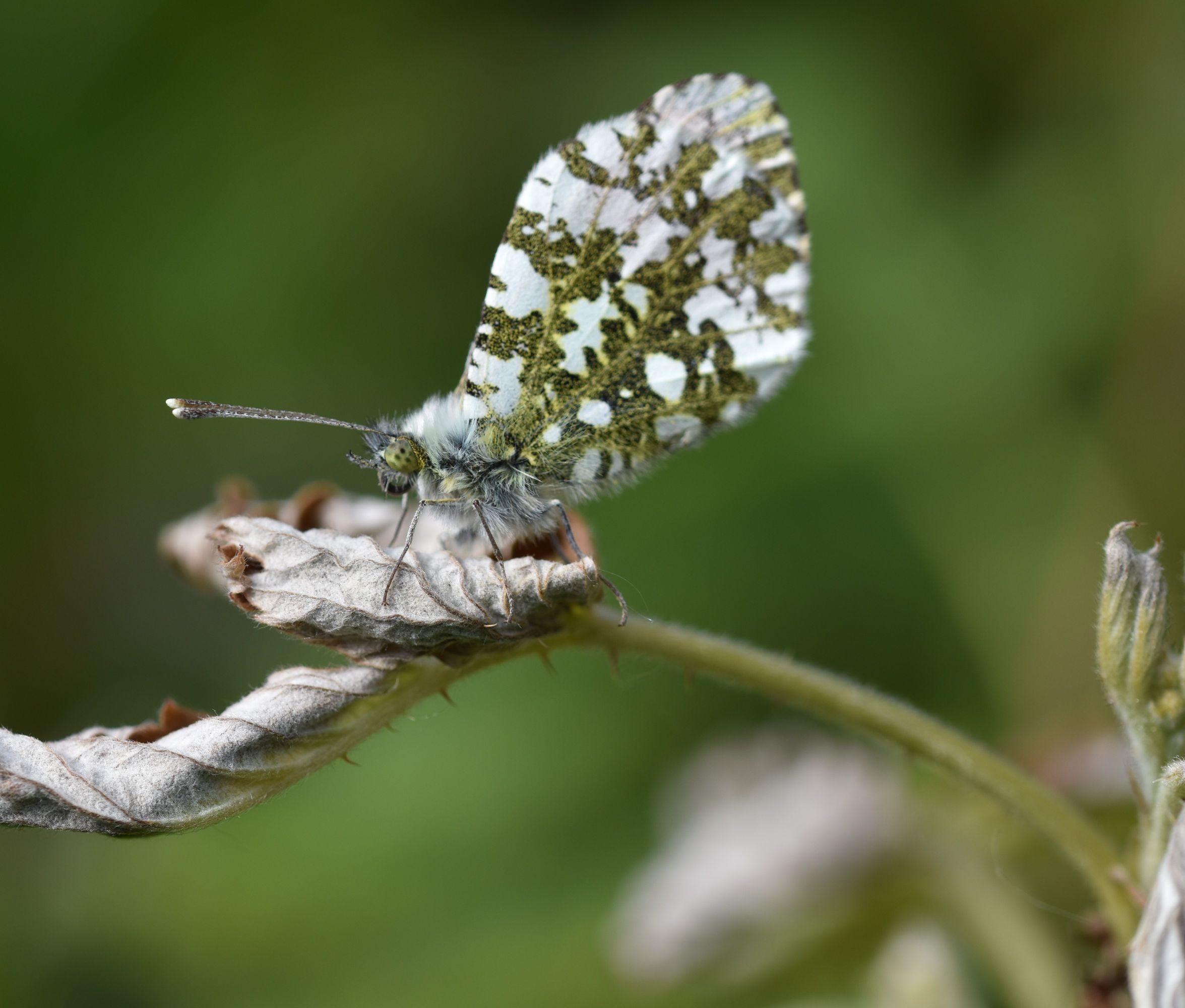
Near the end of our walk a third white species showed up – an Orange Tip.


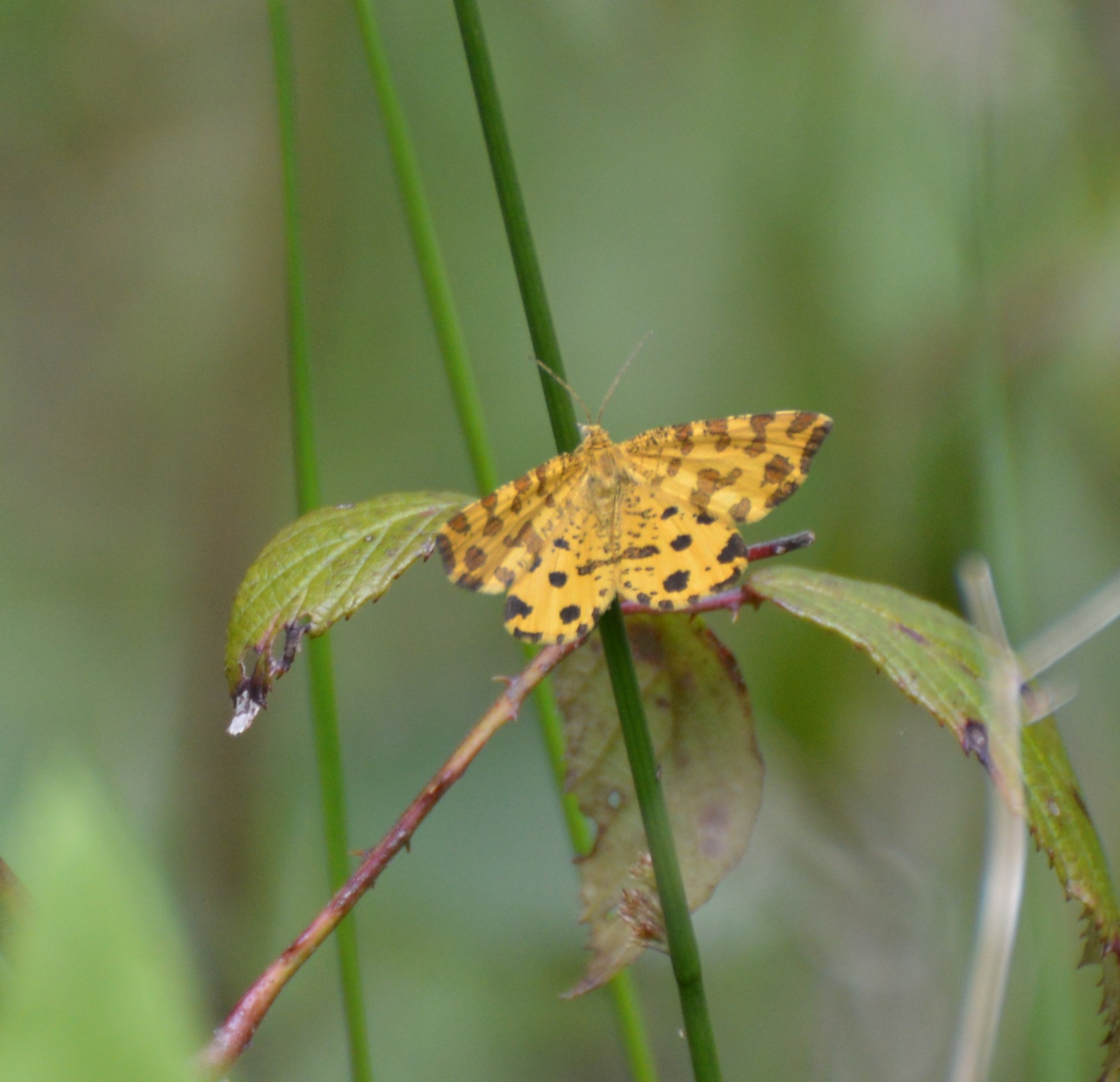
Throughout the wood we’d also been seeing Speckled Yellow moths flitting about. They are notoriously difficult to photograph, but we finally chased one down back near the carpark.

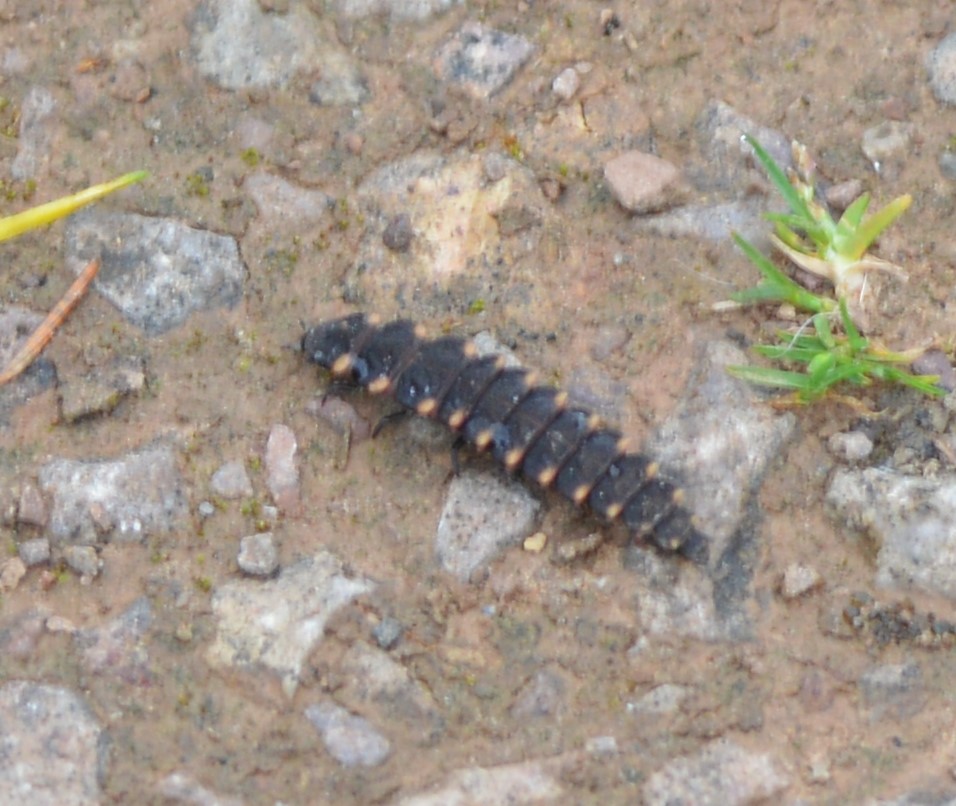
The real bonus of the trip though was something we only discovered we’d seen when we got back home and downloaded the photos. We had spotted what we thought was a caterpillar trundling across the path, so we’d taken a few snaps and then moved it to safety (probably a good job we moved it, as we had to double back down the path a few minutes later having got lost despite the very clear path markers – I’d hate to  have trodden on it!)

Looking at the photos properly back home, it didn’t look like a caterpillar at all. A quick google combined with a plea for help on Facebook and iSpot, confirmed we’d found a Glow Worm larva. It is principally the adult females that glow, although the larvae do glow a bit, but obviously not at 11:30 on a Sunday morning while tootling along a path! So it was hardly a bioluminescent spectacle (like the recent, excellent David Attenborough programme on the phenomenon), but we can still say we’ve seen a glow worm, so I’m happy with that. I feel a trip back to Haugh Woods in the dark may be coming up some time soon though!


Out and About – Wyre Forest

The sun was still shining on the righteous at the weekend, so we decided to make the most of it and headed up to the Wyre Forest in search of the Pearl Bordered Fritillaries. We took a slightly circuitous route, via one of our favourite pubs – The Live and Let Live on Bringsty Common. Fabulous pub with great food and lots of wildlife around. Lots of bees and butterflies (Small Copper, Orange Tip, fast flying and therefore unidentifiable whites!) and birds, but only this little wren paused long enough to get its photo taken.

Live & Let Live

Wren at Live & Let Live2 Wren at Live & Let Live1

Suitably fuelled we headed off to the Wyre Forest. The Pearly Bordered Fritillaries were our main butterfly target of the day as the Wyre Forest is one of their strongholds in the West Midlands. The Wyre is managed by the Forestry Commission and Butterfly Conservation to restore a diverse woodland environment, providing the right habitats for many butterflies. It’s not only good for butterflies, but is a lovely place to just go for a walk.

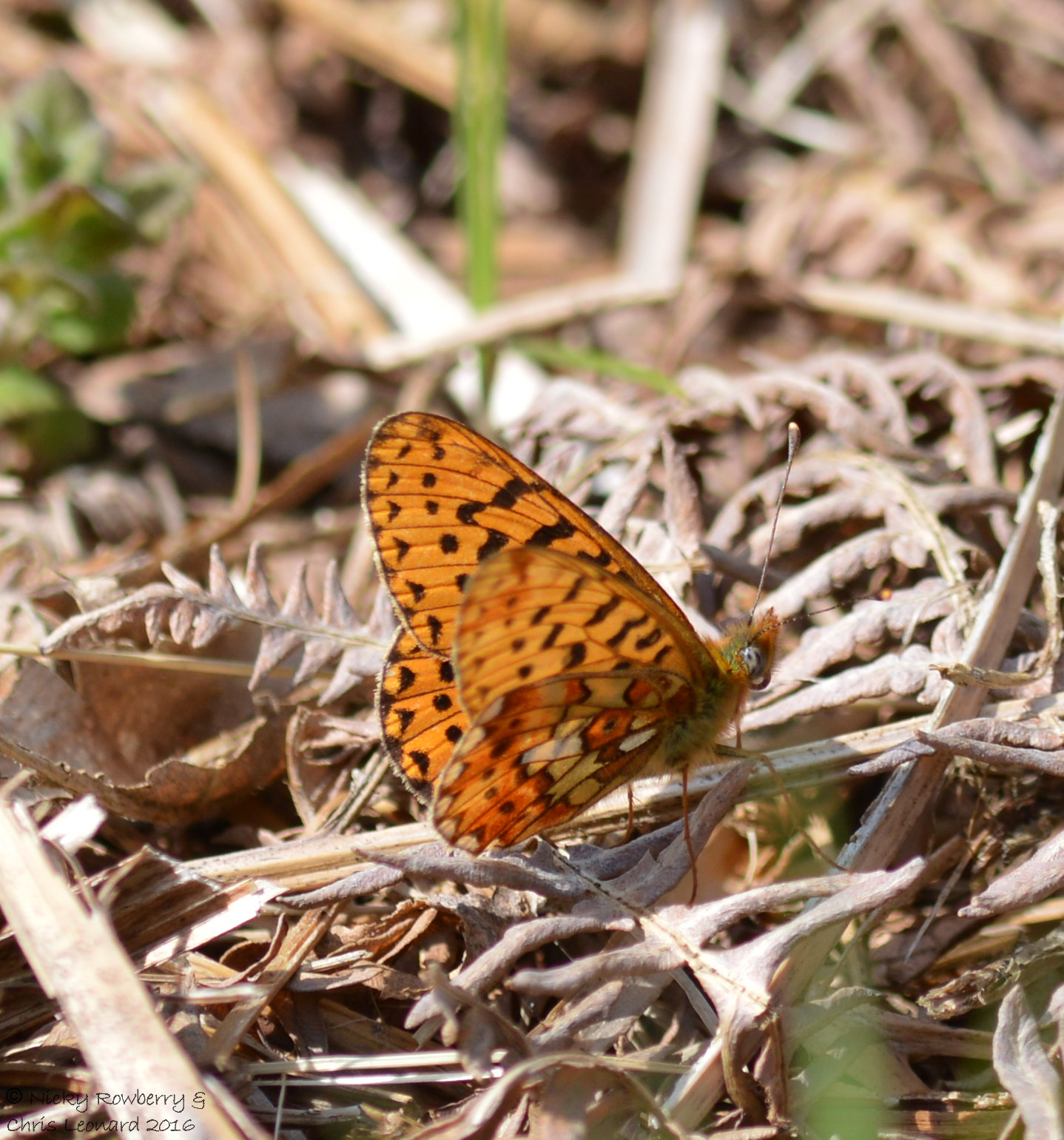
Within minutes walking along the old railway track, we’d reached a gateway to a more open area where we’d seen the fritillaries last year. Sure enough, just yards from the gate we spotted our first one.


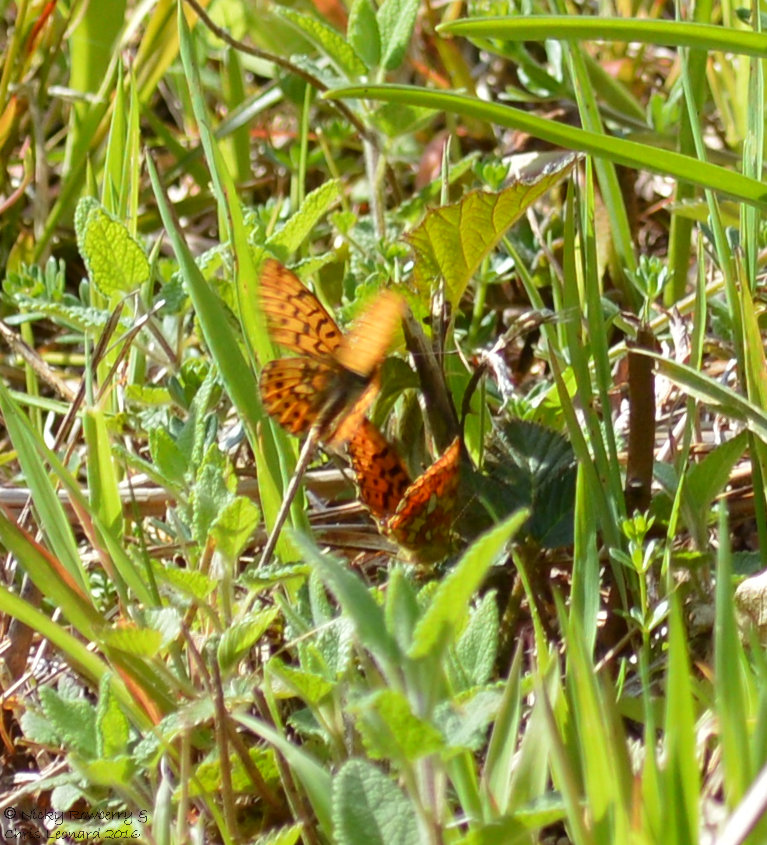
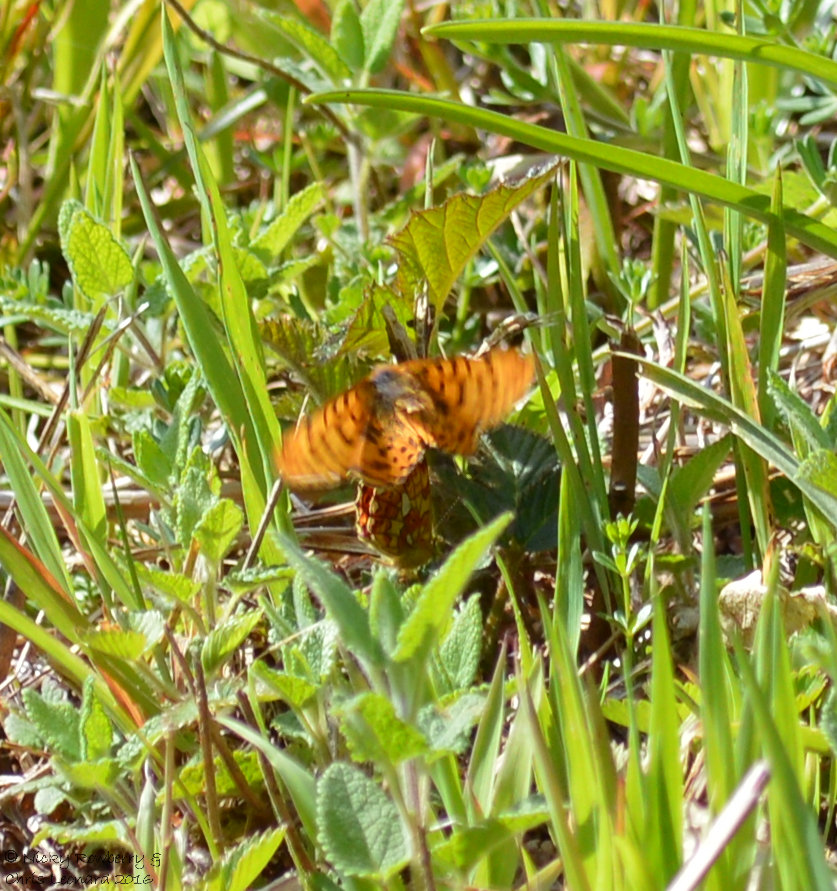
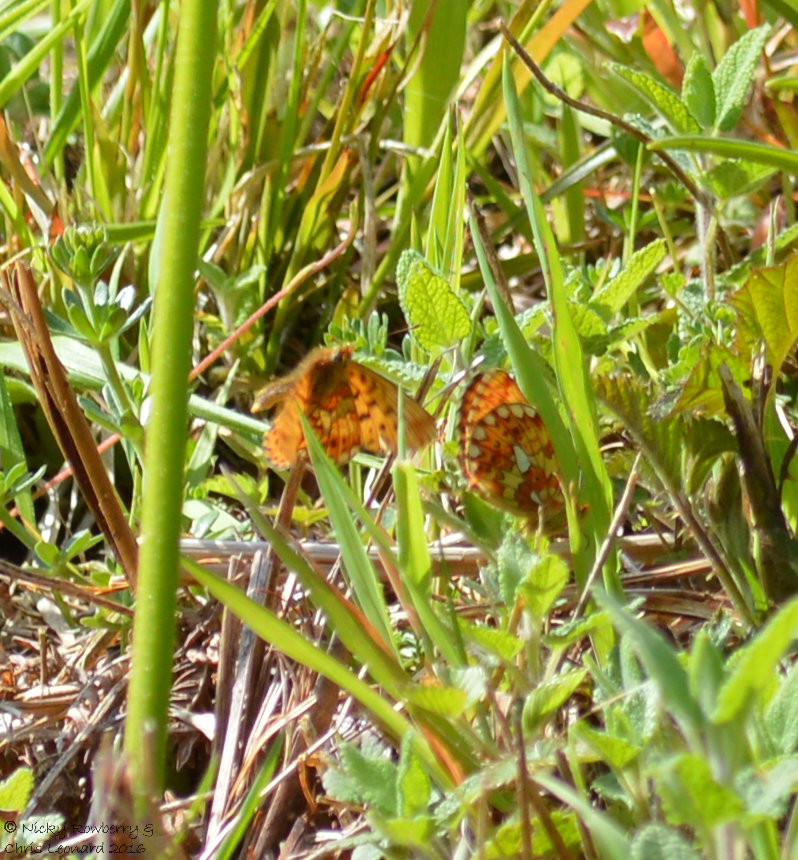
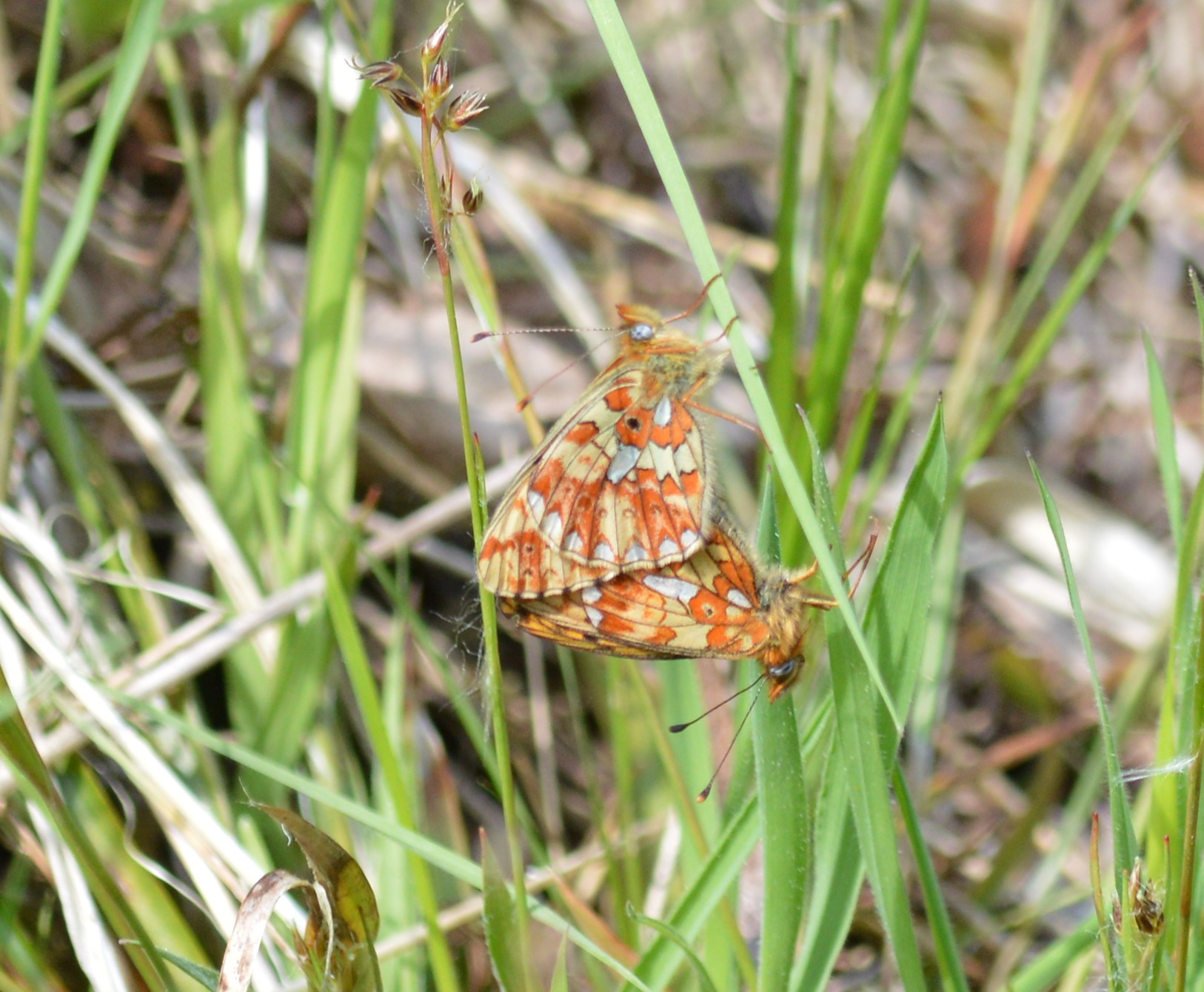
Needless to say it didn’t hang around to get many photos, so we went back to the track and headed along to an area with sunny sheltered banks. Here there were numerous Pearl Bordered Fritillaries fluttering in the sunshine. We were really chuffed initially to get these distant shots of a pair getting down to business.

Pearl Bordered Fritillaries (6) Pearl Bordered Fritillaries (5) Pearl Bordered Fritillaries (2)

But eventually we spotted a pair clearly too engrossed in what they were about to be bothered by us taking photos! I managed to get a few photos of them together. In the photo you can see how pearlescent the central white spot in particular is. I love the underside of their wings – like beautiful stained glass windows.

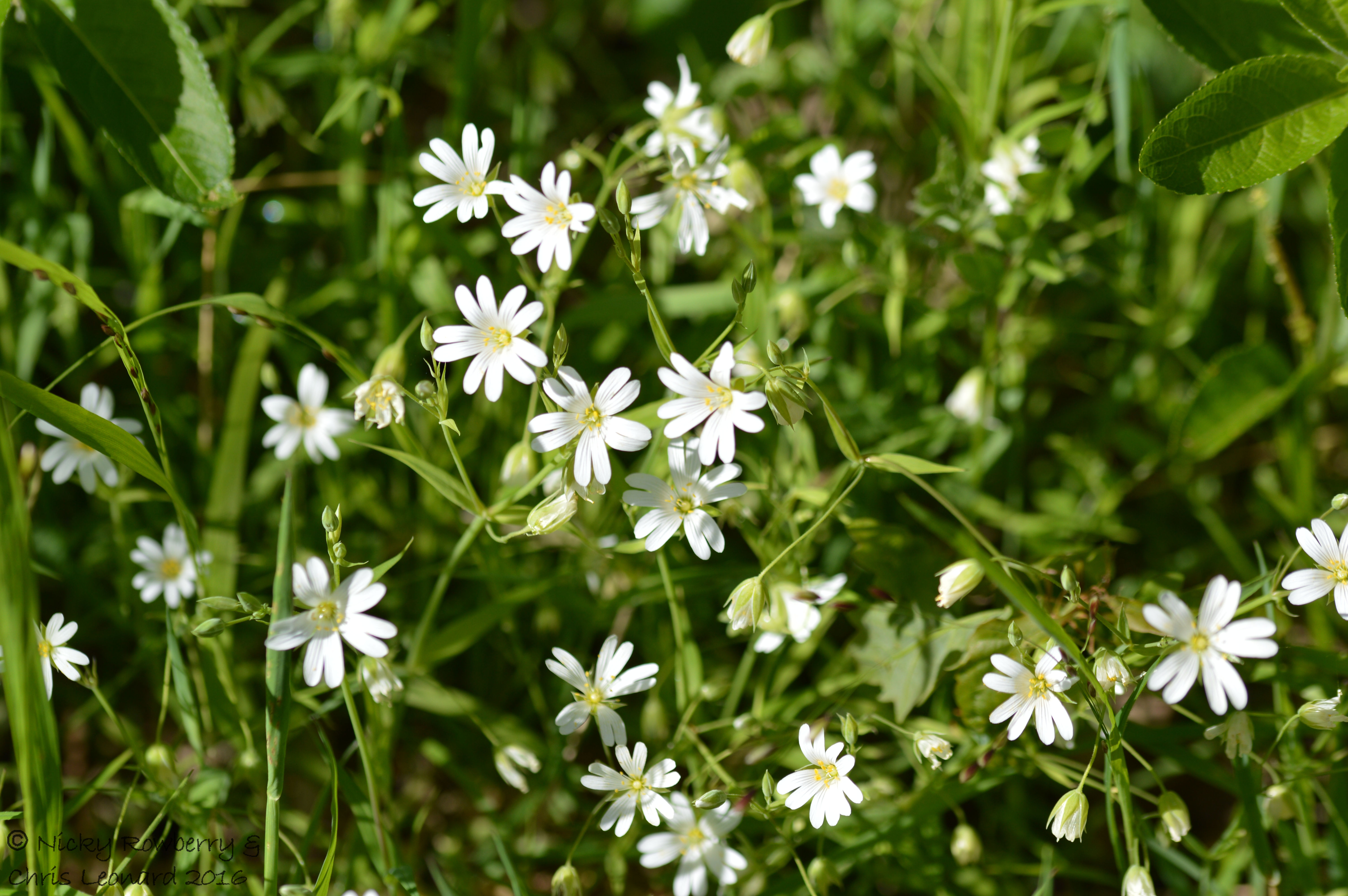
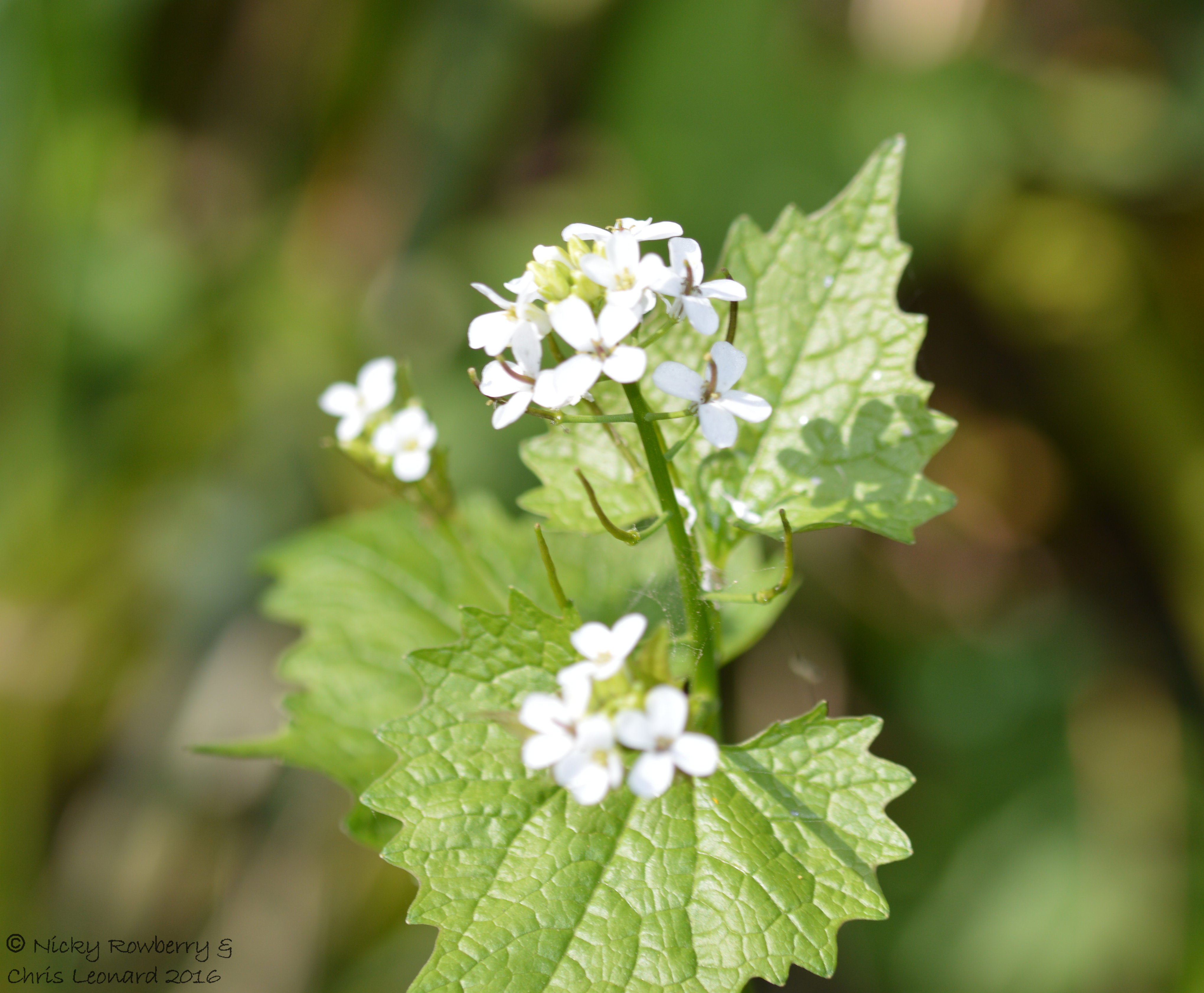
Of course although the fritillaries were the highlight, there was lots to see besides the butterflies. Spring flowers were abundant, attracting a variety of insects. I’m not too hot on wildflower ID, but I’m fairly sure the following are Greater Stitchwort, Jack-by-the-Hedge (aka Garlic Mustard) and Yellow Deadnettle.

Greater stitchwort

Jack by the hedge

Yellow Deadnettle

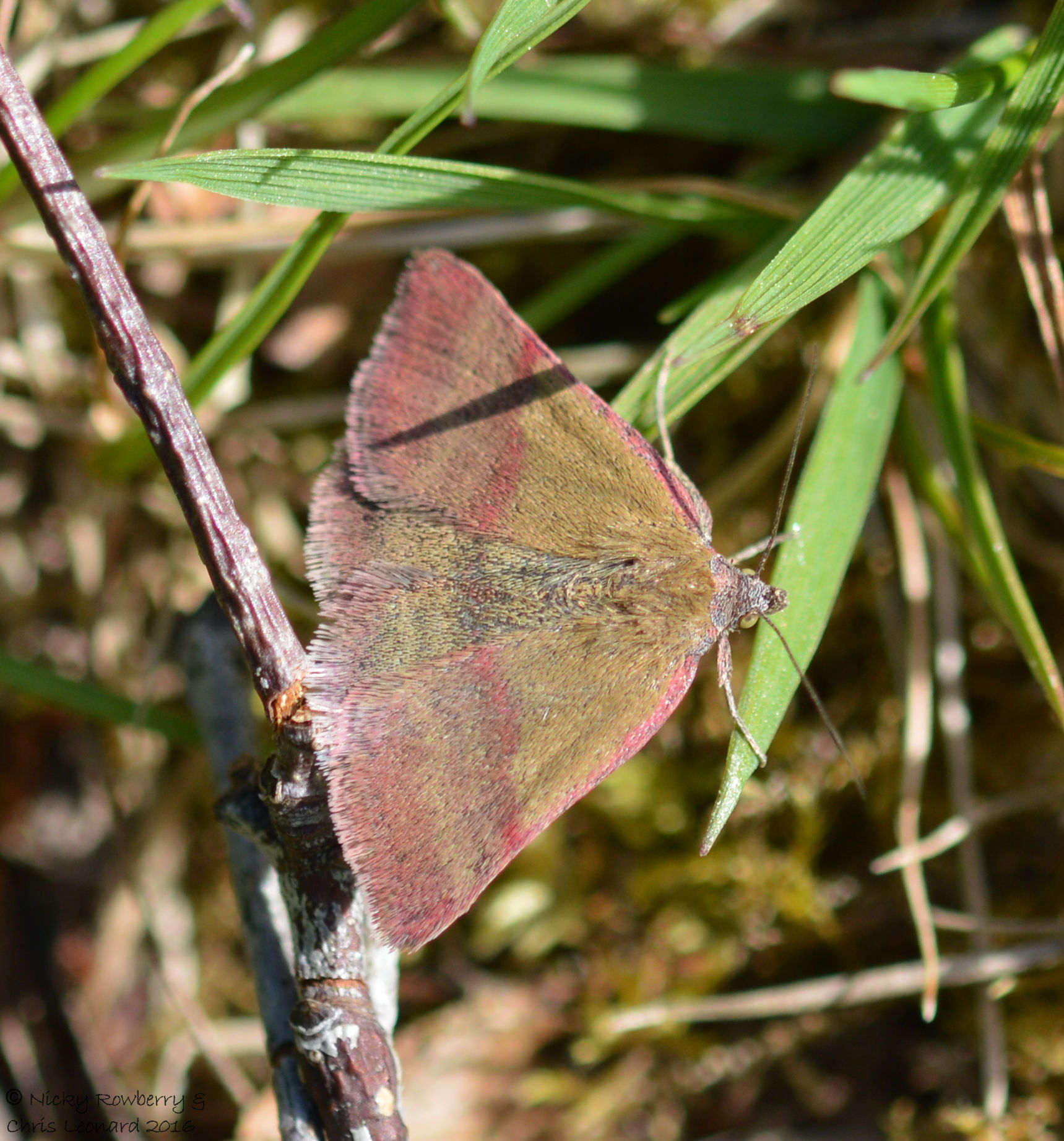
There were also a few day flying moths about, some of which I’d not seen before. The Small Purple-barred (Phytometra viridaria) was a new one, but was thankfully easy to identify.

Small Purple-barred


So all in all a very good day out. The Wyre Forest is definitely worth a visit for anyone wanting to see the beautiful Pearl Bordered Fritillaries.


Out and About – Penny Hill Bank

You know how it is, you wait a lifetime to see a Green Hairstreak, then see them two days in a row! Flushed with success of finding them at Cannock Chase the day before, we ventured forth once more – this time to a small reserve in Worcestershire – Penny Hill Bank.

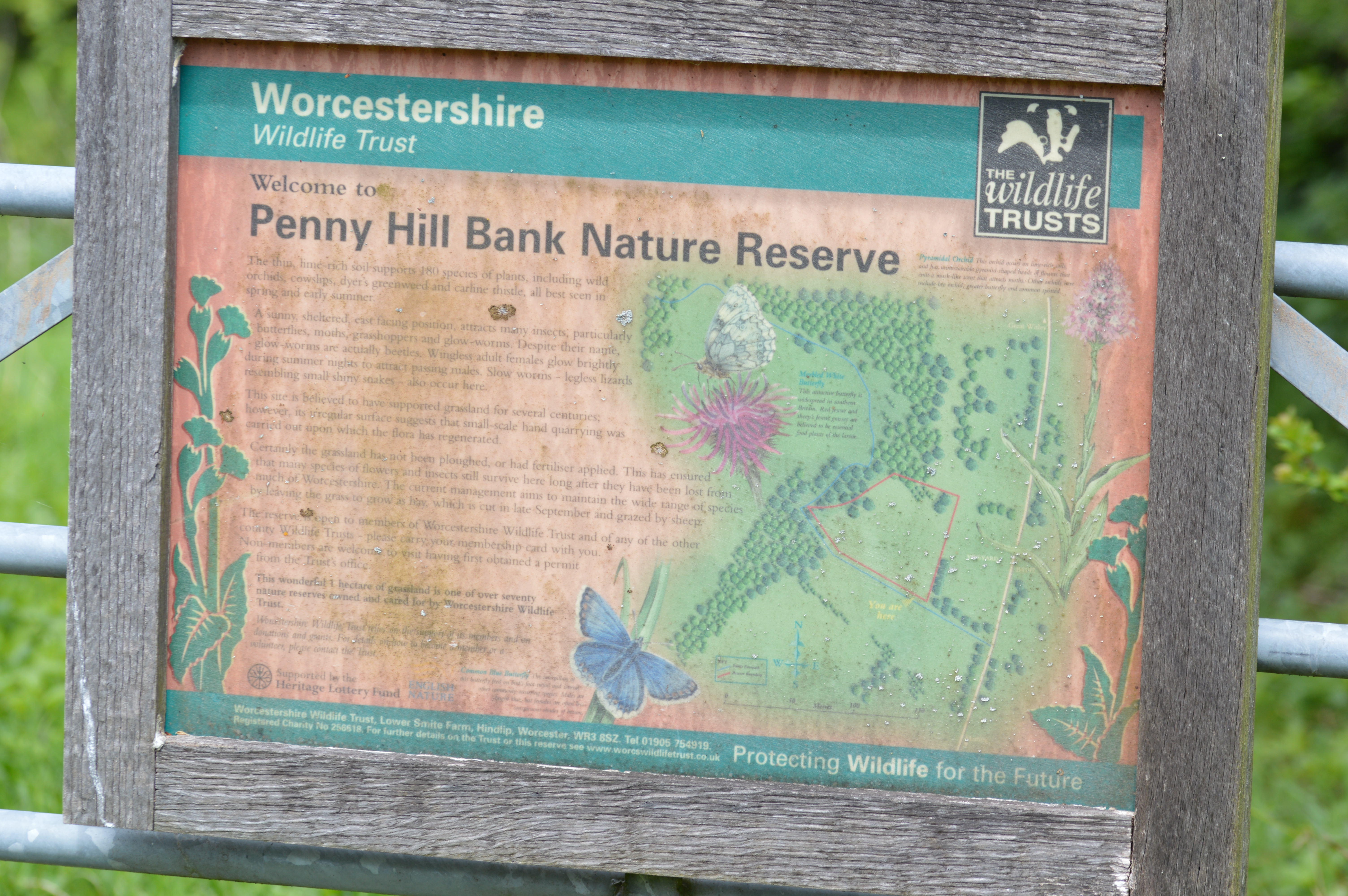
Penny Hill Sign

Penny Hill is an area of grassland that has apparently never had pesticides on it, so has a very diverse flora, including several types of orchid. We were probably there a bit early in the year to see many of them, but we did spot this Common Twayblade orchid (Listera ovata) and there were lots of pretty blue Bugle (Ajuga reptans) flowers.

Common Twayblade orchid (1)

Bugle (2)

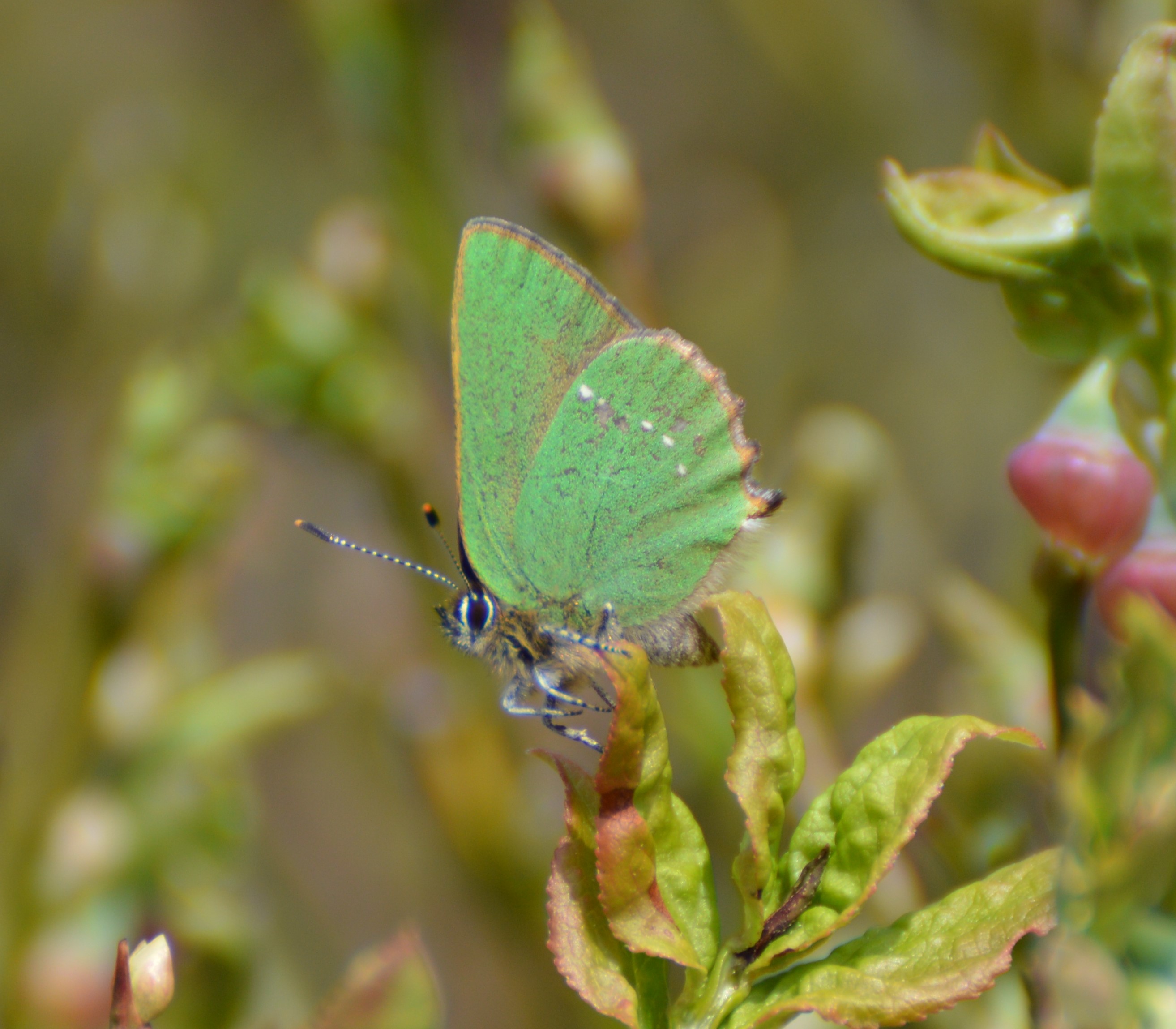
The diverse flora of course in turn attracts a wide variety of insects, particularly butterflies. We’d only been there a couple of minutes before we spotted a Green Hairstreak. Perhaps now, having got our eye in with them at Cannock Chase, we’ll be finding them everywhere!

Green Hairstreak Penny Hill Bank

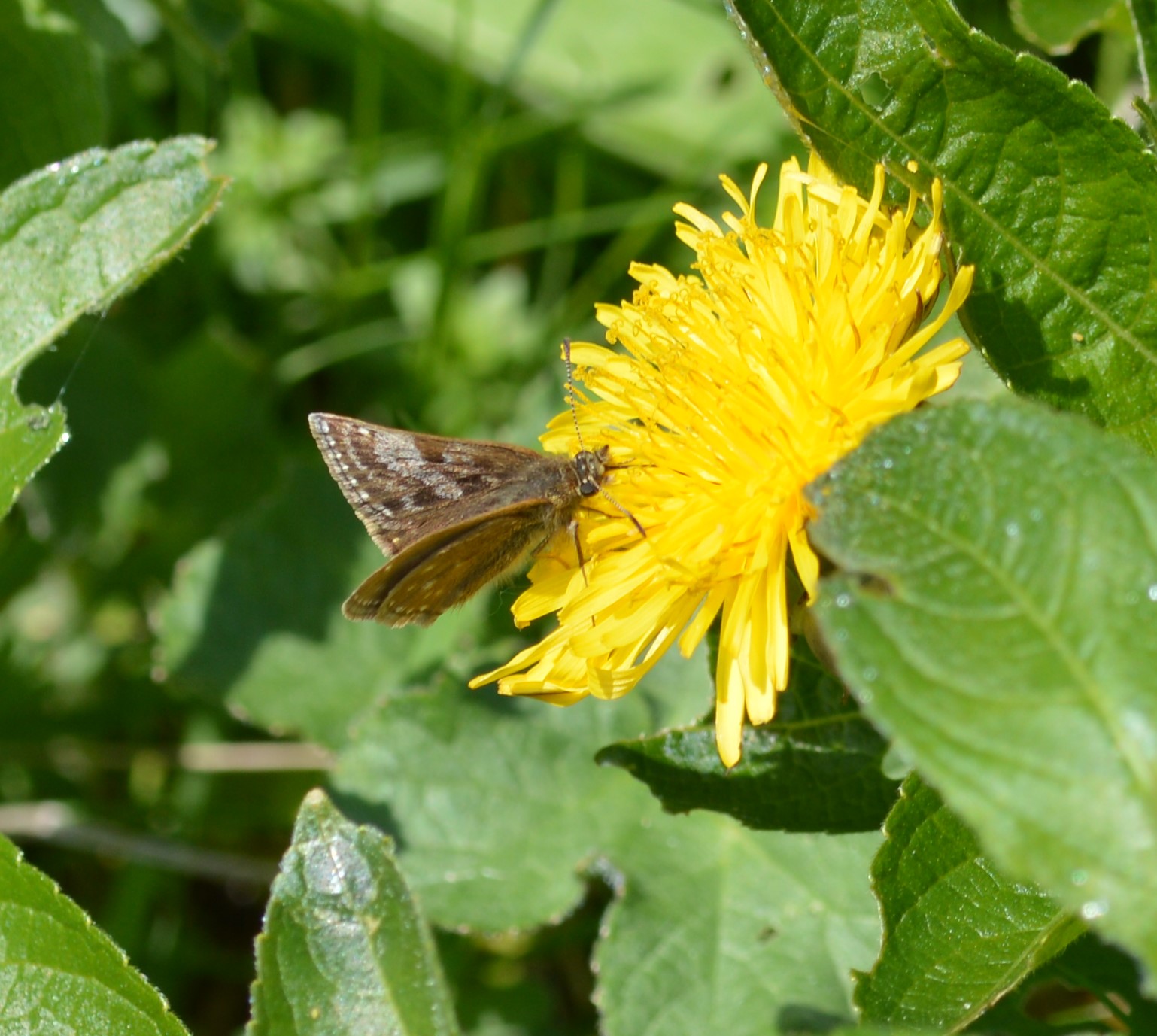
This was soon followed by another relatively unusual butterfly, the unfortunately named Dingy Skipper (Erynnis tages). The skippers look a bit more like moths than butterflies, but have the typical butterfly antennae – smooth with a slightly bulbous tip. The Dingy Skippers are actually quite pretty in a subtle kind of way. They were also quite flighty, so not easy to photograph – this was the best I could do.

We saw several other species of butterfly – Orange Tip, Green Veined White, and a possibly Large White, but none of them stopped long enough to get a photo.

The field was generally very tidy, with thankfully no rubbish, but there were a few old bits of farm debris lying around, so we checked underneath them. The first revealed a newt, but the highlight of our day though was finding another lifetime first – a slow worm! I had never seen one, so was squealing with excitement when we lifted an old metal sheet and found the slow worm underneath.

We hurriedly took a few photos, before carefully lowering his “roof” back down. As we’d been walking around Penny Hill, it had seemed like possibly adder territory, but the slow worm was a complete surprise. Penny Hill is also home to glow worms – so we may be back there one night in the hope of bagging another first!

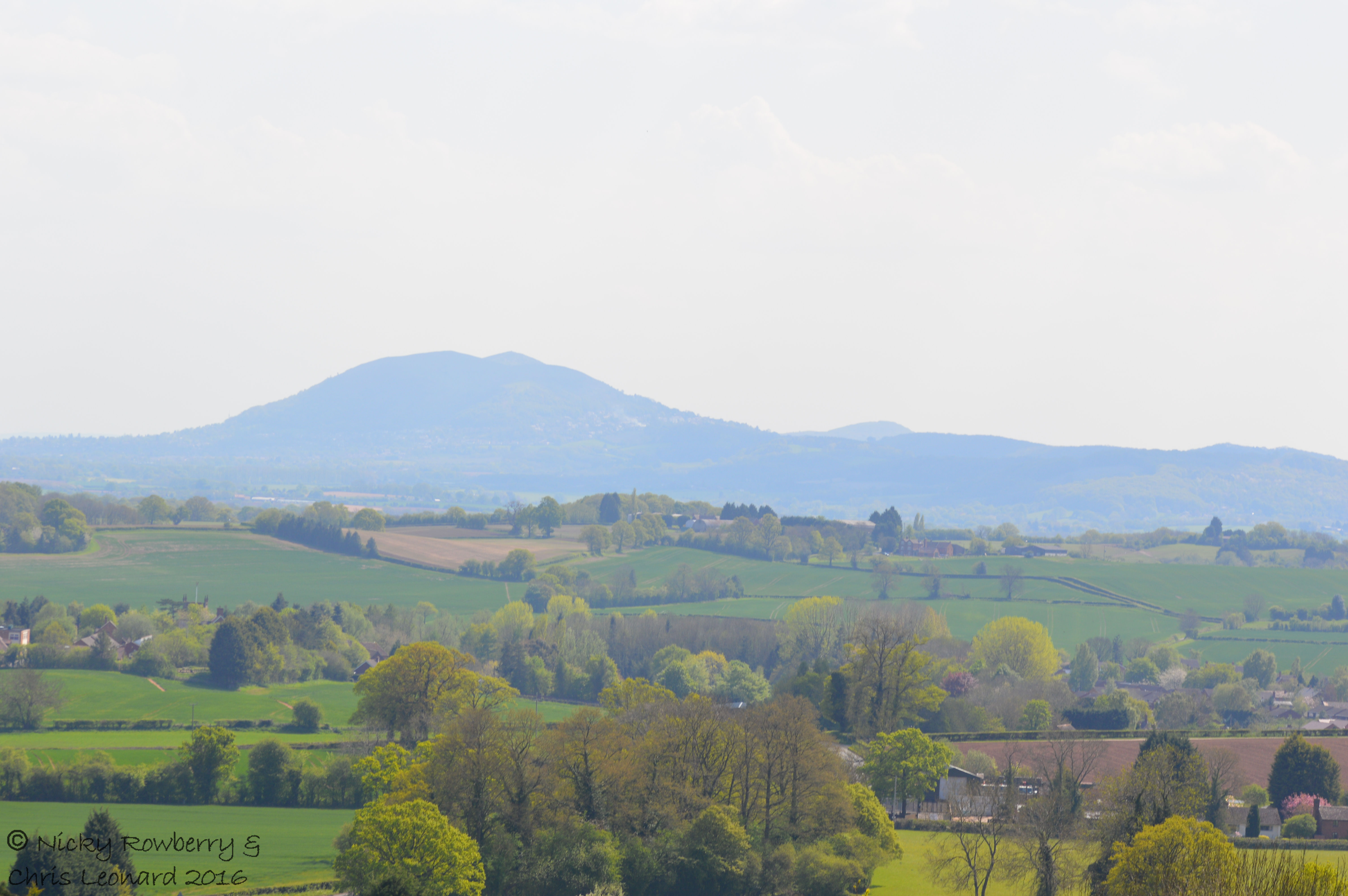
The views from Penny Hill Bank were stunning, you could see for miles across Worcestershire. The photo below doesn’t really do it justice. It’s a small site tucked away off the beaten track and not that easy to find (thanks go to a local who pointed us in the right direction), but it’s a lovely, peaceful place to just sit and enjoy the view, whether you’re interested in plants and animals or not.

Penny Hill View

Chasing Butterflies

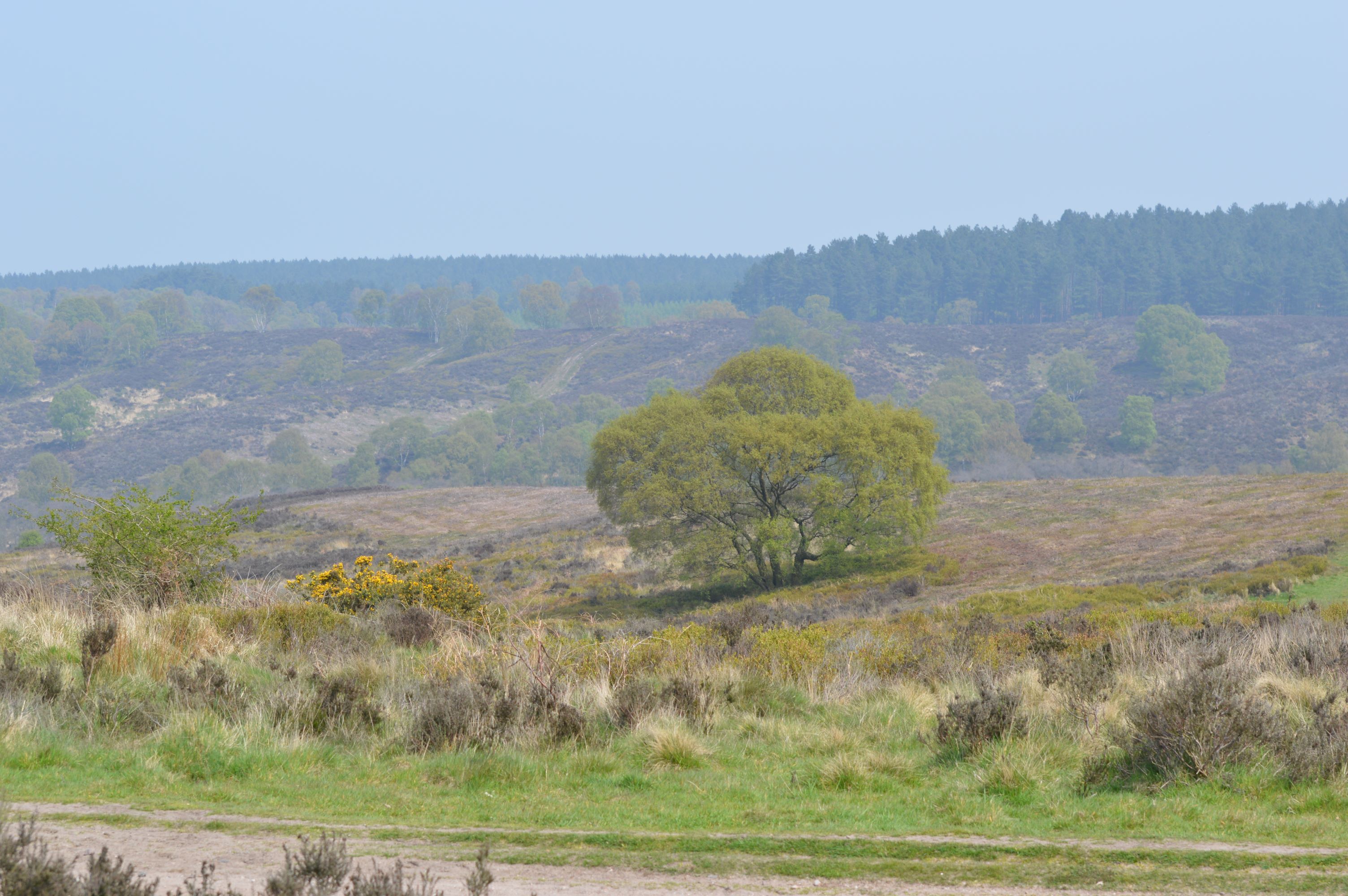
We went further afield this weekend chasing elusive butterflies – Cannock Chase for Green Hairstreaks (Callophrys rubi) to be precise. Cannock Chase is an Area of Outstanding Natural Beauty (AONB) with large areas of heathland and woodland. Several areas within it are protected further as Sites of Special Scientific Interest (SSSI).

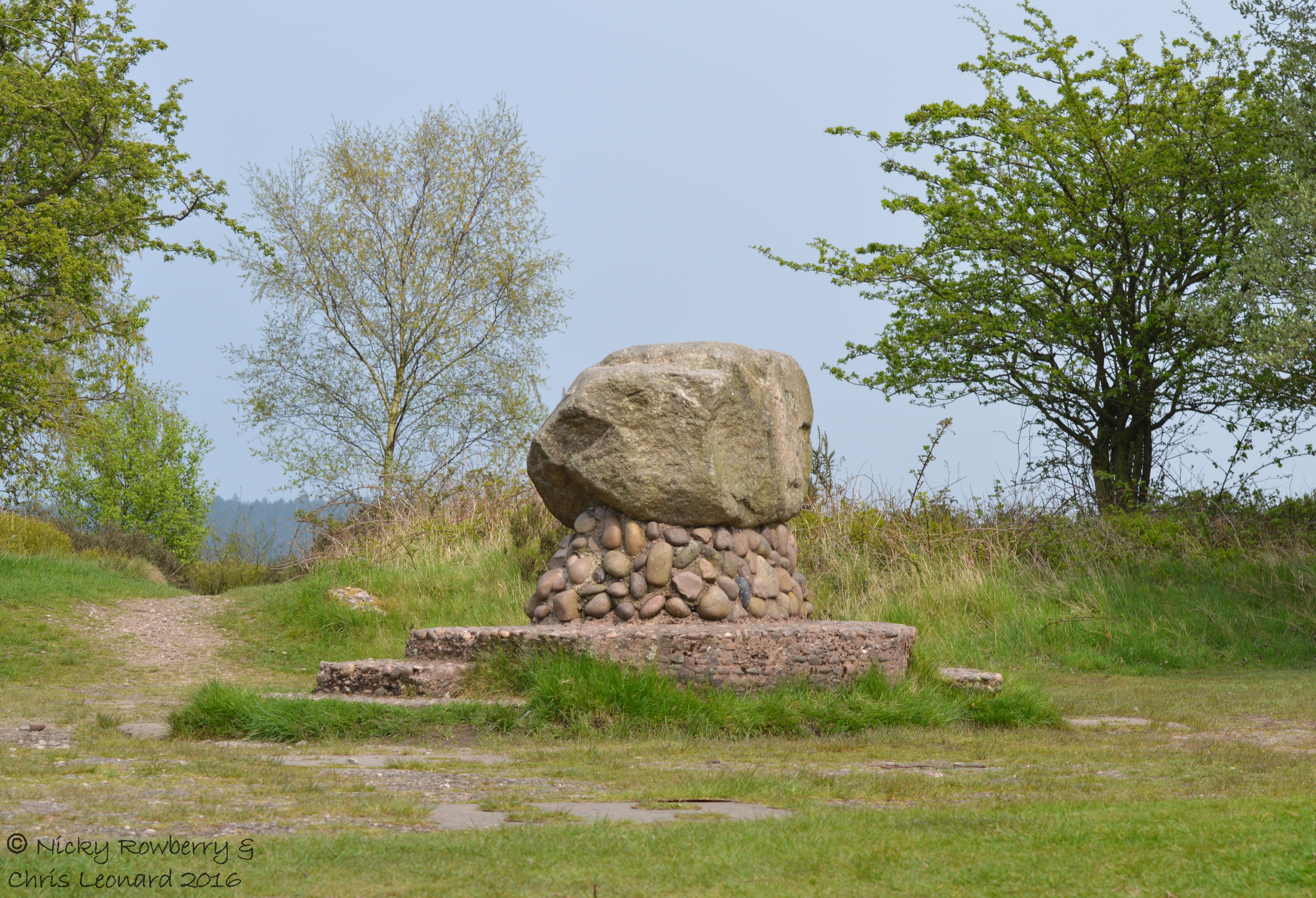
We follow the West Midlands Branch of Butterfly Conservation on Facebook and had been jealously viewing lots of stunning photos on there of Green Hairstreak butterflies – a species that was on our “hit list” of ones to see for the first time. Many of these photos on Facebook had been taken on Cannock Chase, so we decided to head to Staffordshire. Clues gleaned from Facebook and Butterfly Conservation’s booklet on Butterflies of the West Midlands indicated that the carpark near the Glacial Boulder (seen below) would be a good place to start.

Glacial Boulder

So we headed out in hope and expectation, starting at the carpark just a few metres from the boulder. About a minute’s walk from the boulder we found this overgrown ditch which was warm and sheltered – an ideal spot for both us and the butterflies we hoped to see.

Hairstreak alley

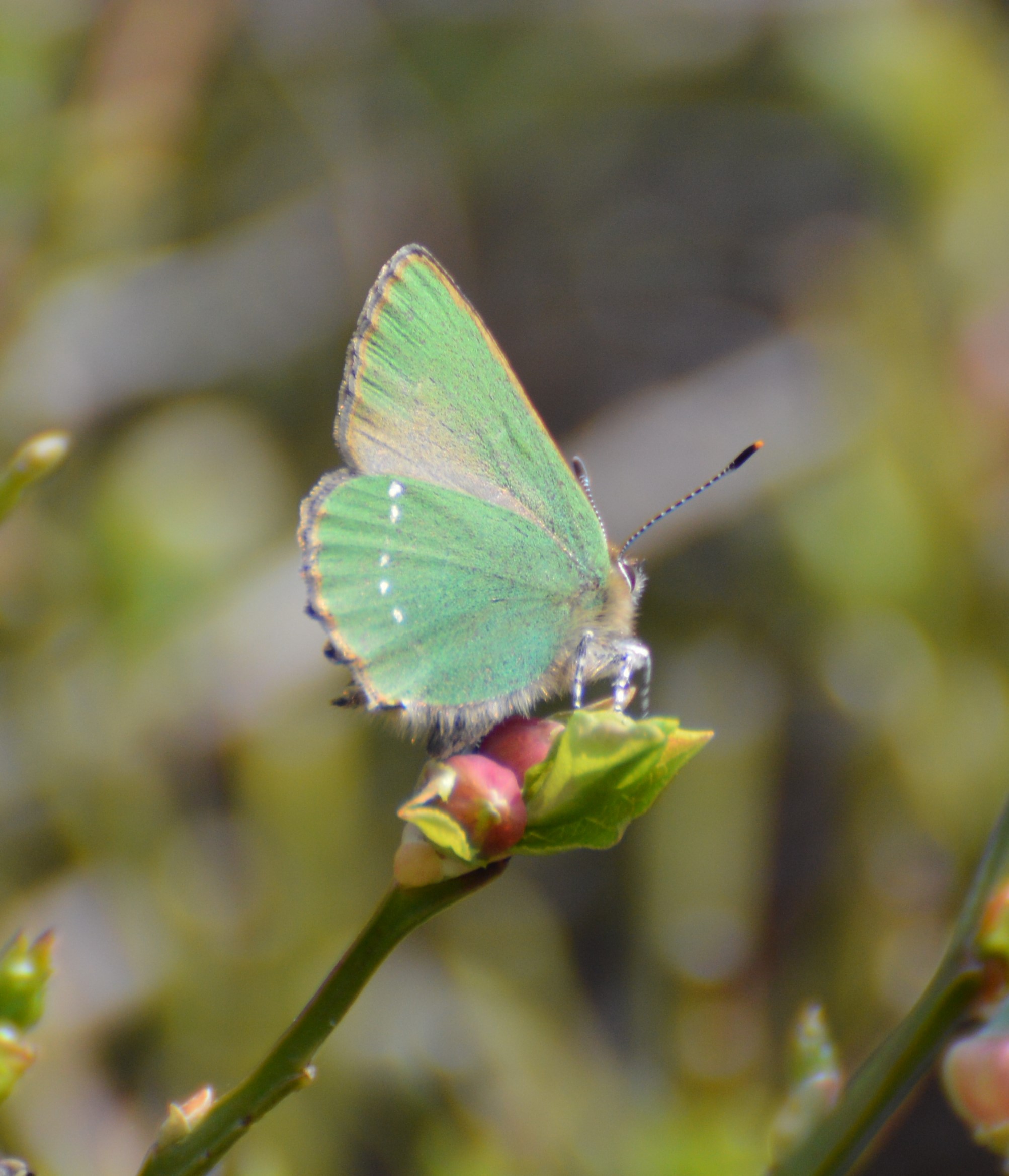
Almost immediately I spotted one, then another and  we realised we’d hit gold – or perhaps green! There were maybe half a dozen Green Hairstreaks flitting around the bilberry bushes. Some pairs were chasing up into the air – presumably mating couples. The Green Hairstreaks are really small with green undersides with a white streak on. The uppersides of the wings are brown, but we only saw those in flight as they never settle with their wings open. In butterfly heaven we took loads (and I mean loads – thank god for the delete option with digital). So here are a selection of the best of my efforts.


Whilst happily snapping away at our prize butterflies, we met the very man (Terry) who had posted the photos on Facebook in the first place! He was extremely helpful (as have been all the butterfly enthusiasts we’ve met on our walks) and gave us tips as to what else we might see. Thanks to Terry we found a pond we would never otherwise have seen and subsequently spotted a new (for us) bird species too – a Reed Bunting. Apologies for rubbish photo, but they kept their distance, so this was the best I could manage. They looked like large sparrows with a white collar and were grabbing insects out of the air over the reeds.

Reed Bunting

All in all a very successful trip to Cannock Chase – far better than I’d dared hope for. The Green Hairstreaks are absolutely gorgeous little butterflies and well worth going that extra mile to see.


A Host of Golden Daffodils

Not sure how many daffodils you need to qualify for “a host”, but what few we’ve got are at their best in the garden right now. They seem to be a lot later than everyone else’s in Malvern, the neighbours daffodils were blooming marvellous about 6 weeks ago; but better late than never.

Daffodils

Yellow is definitely this season’s colour at the moment. Some is of course down to me choosing yellow, such as these crocuses, to brighten up the cold days.

Crocuses 2

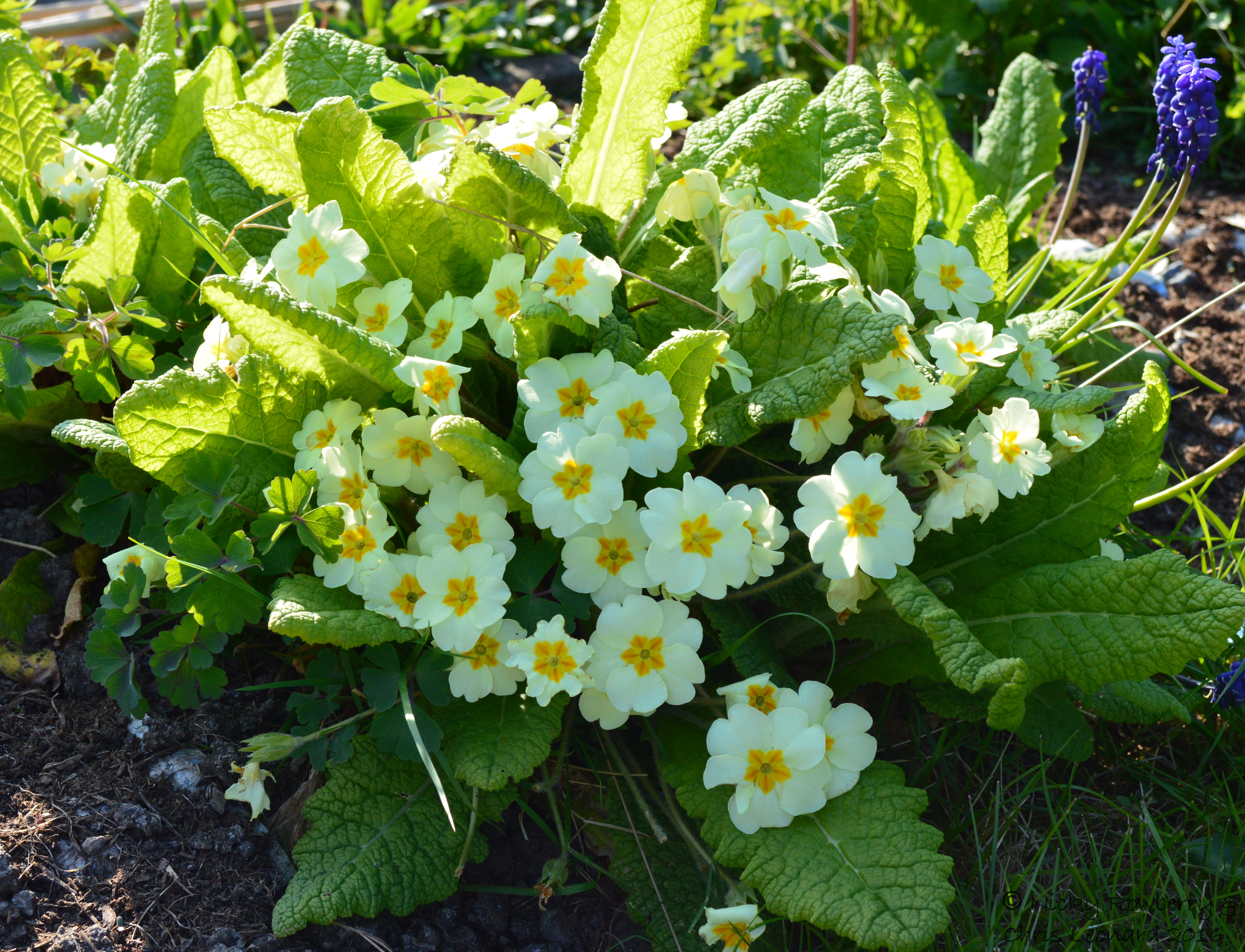
But a lot of it is due to the more natural, self seeding “weeds” such as the primroses and dandelions that proliferate in our garden.

Dandelion PrimrosesAll these spring flowers are good news for the insects, which are now starting to arrive in the garden in moderate numbers. The yellowyness of Spring continued with the first butterfly in the garden – a Brimstone. In typical Brimstone fashion it was too fast to get a photo, but we think it was a male as it was bright yellow – the original “butter coloured fly” or butterfly. Hopefully soon one will hang around long enough to get his photo taken. But the good news was that it meant I could log it onto the new online garden butterfly survey – http://www.gardenbutterflysurvey.org/ – my first record for the year.

As well as the first butterflies and bees, the first wasp put in an appearance too. It was a bit dopey and hung about on the fence, warming itself in the spring sunshine for quite a while – good news for my photography attempts. I know wasps aren’t everyone’s favourites, but close up they really are quite stunning!

Common Wasp

Citizen Science

With the Big Garden Birdwatch coming up this weekend, it got me thinking about the other forms of Citizen Science (Citizen Smith’s nerdy cousin!) that the other half and I get involved with from the comfort of our own garden.  For amateur biologists like us, these projects are a great way of indulging our hobbies and hopefully contributing something useful with the information at the same time. Most of the ones we participate in require no specialist knowledge (phew!), no specialist equipment and often very little time. Yet when enough people contribute, they can provide significant amounts of information that the scientists couldn’t get any other way.

The Big Garden Birdwatch is one of the oldest projects and has been going for over 30 years, allowing the RSPB to monitor long term trends in our garden bird populations.  You just need to watch the birds in your garden for an hour and count the maximum number of each species you see. For more information go to: https://ww2.rspb.org.uk/discoverandenjoynature/discoverandlearn/birdwatch

The Big Butterfly Count is a relative newcomer, having only started in 2010, but already it’s become the biggest butterfly survey in the world. Last year over half a million butterflies were recorded in over 50,000 counts – you couldn’t pay for that amount of data!  For this project all you need to do is record the maximum number of each of the target species you see in just 15 minutes during the 3 weeks the project runs each summer. For more information go to: http://www.bigbutterflycount.org/

I’ve been monitoring the moths in our garden for a while now and last year took part in Moth Night in September.  Moth night runs for a different weekend each year with a different theme each time (this year it will be Hawk-moths). You can either run a moth trap in  your own garden or go to one of their public events. For more information go to: http://www.mothnight.info/www/ This year I’ve decided to go one step further and joined the Garden Moth Scheme. This project gets volunteers to put out moth traps in the garden once a week over the summer months and log their findings. Since I’ve been more or less doing this anyway, joining the scheme seemed like the logical thing to do. For more information go to: http://www.gardenmoths.org.uk/

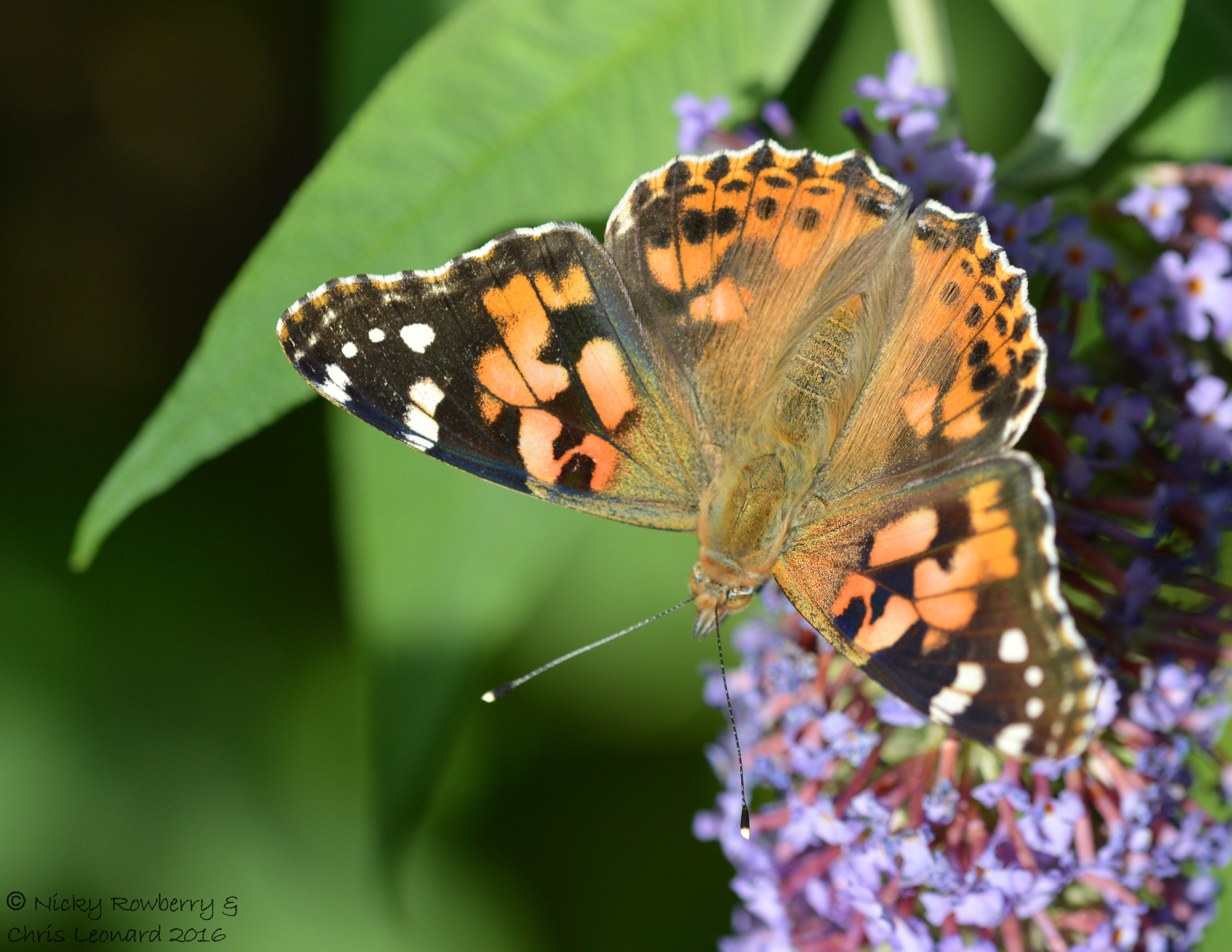
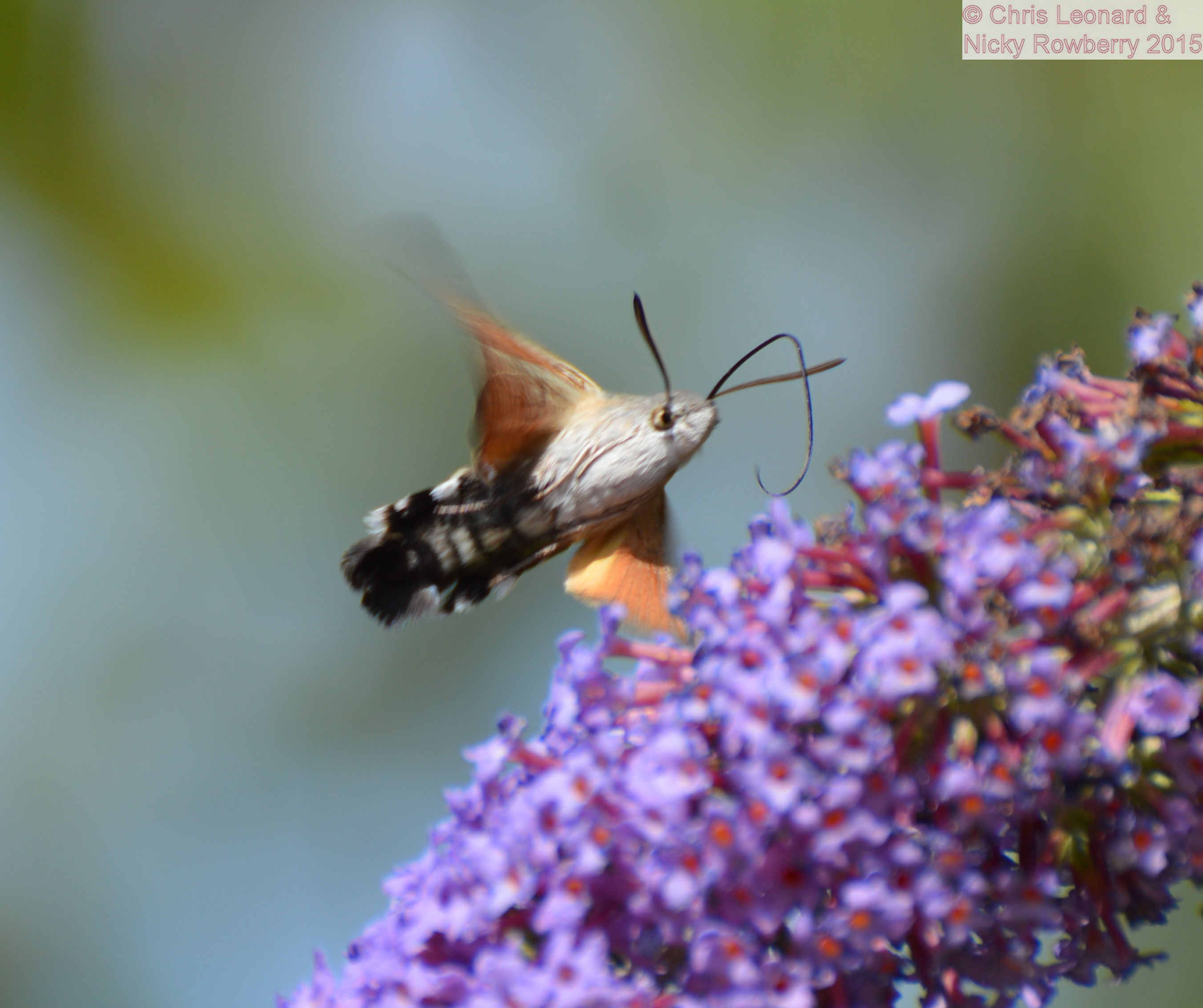
If you don’t want to get involved in anything too formal, some schemes just require you to log certain species as and when you see them. Butterfly Conservation runs a Migrant Watch for Painted Lady butterflies and Hummingbird Hawk-moths. These species are becoming increasingly common in the UK and may be indicative of climate change. You can help monitor this by simply logging any sightings of them (at home, work wherever you see them). Humming Bird Hawkmoth 3For more information go to: http://butterfly-conservation.org/612/migrant-watch.html


Azure DamselflyThere are schemes for all sorts of species – we’ve logged dragonflies and damselflies at http://www.british-dragonflies.org.uk/ and reptiles and lizards at http://www.recordpool.org.uk/index.php You name it there is probably a recording scheme for it somewhere.

Although I’ve always been interested in encouraging wildlife into the garden (hence the abundance of wilderness areas – honest that’s the reason!), it was taking part in a Garden Bioblitz a few years ago that really fired my enthusiasm. In a Garden Bioblitz you simply record all the species (plants and animals) you can find in your garden over a 24 hour period.  The first time we did it, the other half and I recorded 119 species – and that was before we had a moth trap! Hopefully this year we can improve on that. If you fancy having a go – http://www.gardenbioblitz.org/

In short (after rambling on longer than I meant to), if you’re interested in wildlife and observing it anyway, why not put those observations to good use and submit them to one of these schemes?