Profusion of Pollinators

It has been a mixed week for us, but one thing that is definitely doing well is the population of pollinators in our garden. I’ve been meaning to do an update on our “Plant a Pot for Pollinators” pot for a while now. I started this post yesterday morning, but it’s taken until this afternoon to finish, as I keep spotting things buzzing round the garden and dash out to take more photos!

When I planted the pot for pollinators back in June, the plants were all small and everything was neat and tidy (the only things in our whole garden that could be described thus). Now, just a month or so later, everything has gone a little bit wild and crazy and to  be honest is fitting in with the rest of the garden much better for it. The flowers are all overflowing the pot, but the main thing is that it is buzzing with life – result! Being organic and unkempt our garden is generally not short of a pollinator or two, but it’s nice having a pot specifically planted with colourful flowers for them. The hoverflies in particular seem to be making good use of the pot. I am very much a beginner when it comes to hoverfly identification and there are an awful lot of species. Fortunately with a helpful guide book and the even more helpful people on the hoverfly Facebook group, I’ve managed to establish that we’ve had at least 6 species visiting the pot over the last week. No doubt there have been more and hopefully I can add to that tally eventually.  But here, in no particular order, are the 6 hoverflies.

First up Britain’s most common hoverfly – Episyrphus balteatus aka the Marmalade Fly. The stripes on its abdomen are supposed to look like the orange shreds in marmalade!

Next up is one of the Syrphus species – difficult to get to species level without a microscope, so I’ll have to stick with the genus.

Another common one next – Eristalis tenax, one of the bumblebee mimics. Their larvae live in water and are commonly known as rat-tailed maggots. 

A much smaller more subtle one next Syritta pipiens – identifiable by the swollen segment on its hind legs.

The next one is colourful but delicate one – Sphaerophoria scripta.

And finally my favourite of this set of 6 – Chrysotoxum festivum. I love the markings on this one – they are known as wasp mimics for obvious reasons.

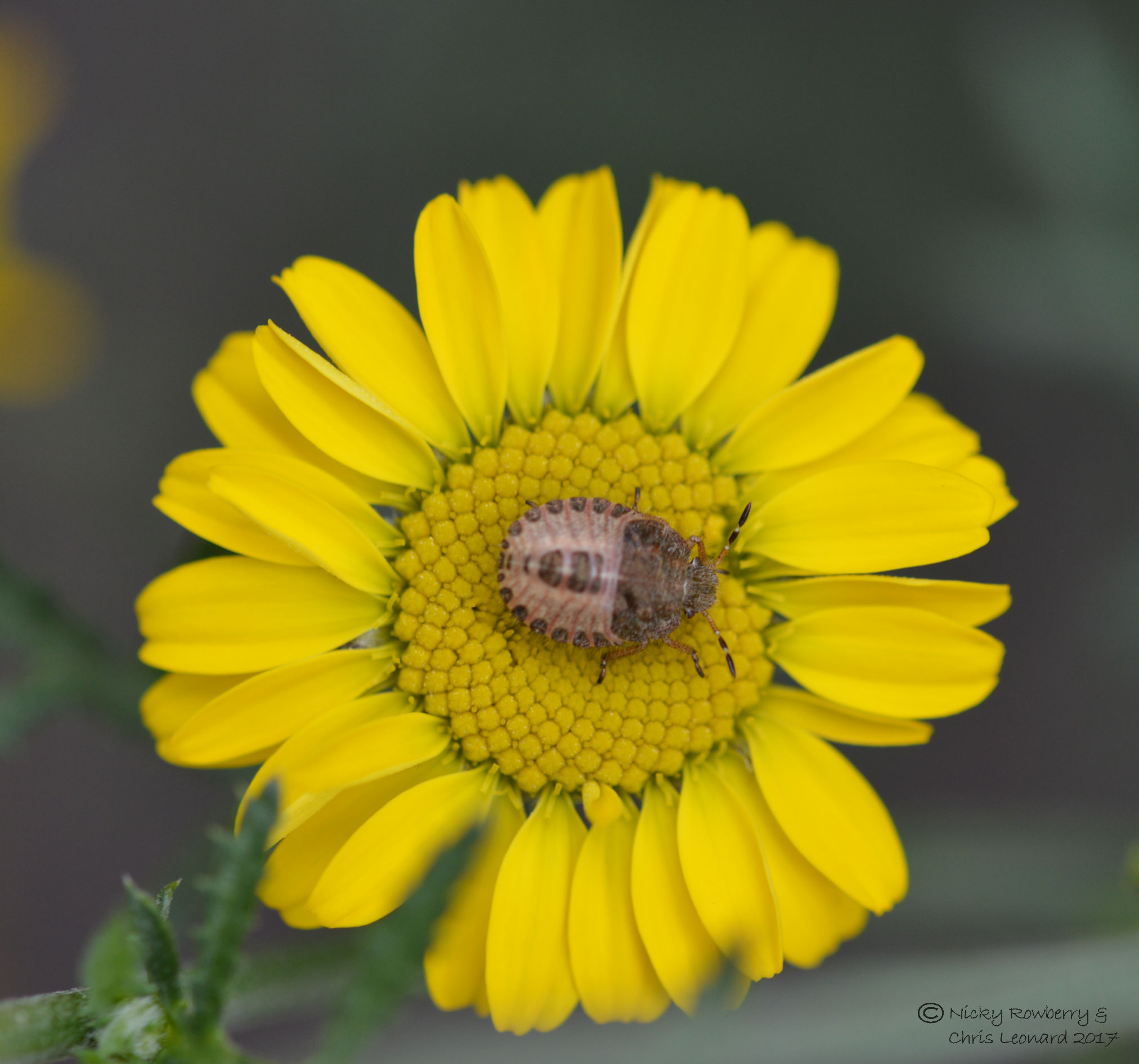
Of course lots of other things besides hoverflies have been using the pot. I couldn’t resist a photo of this cute little juvenile shieldbug sitting pretty in the middle of the flower.
Not everything is all sweetness and light though – this crab spider may have been tiny but it was definitely lying in wait for any unsuspecting pollinator to come close enough for lunch.

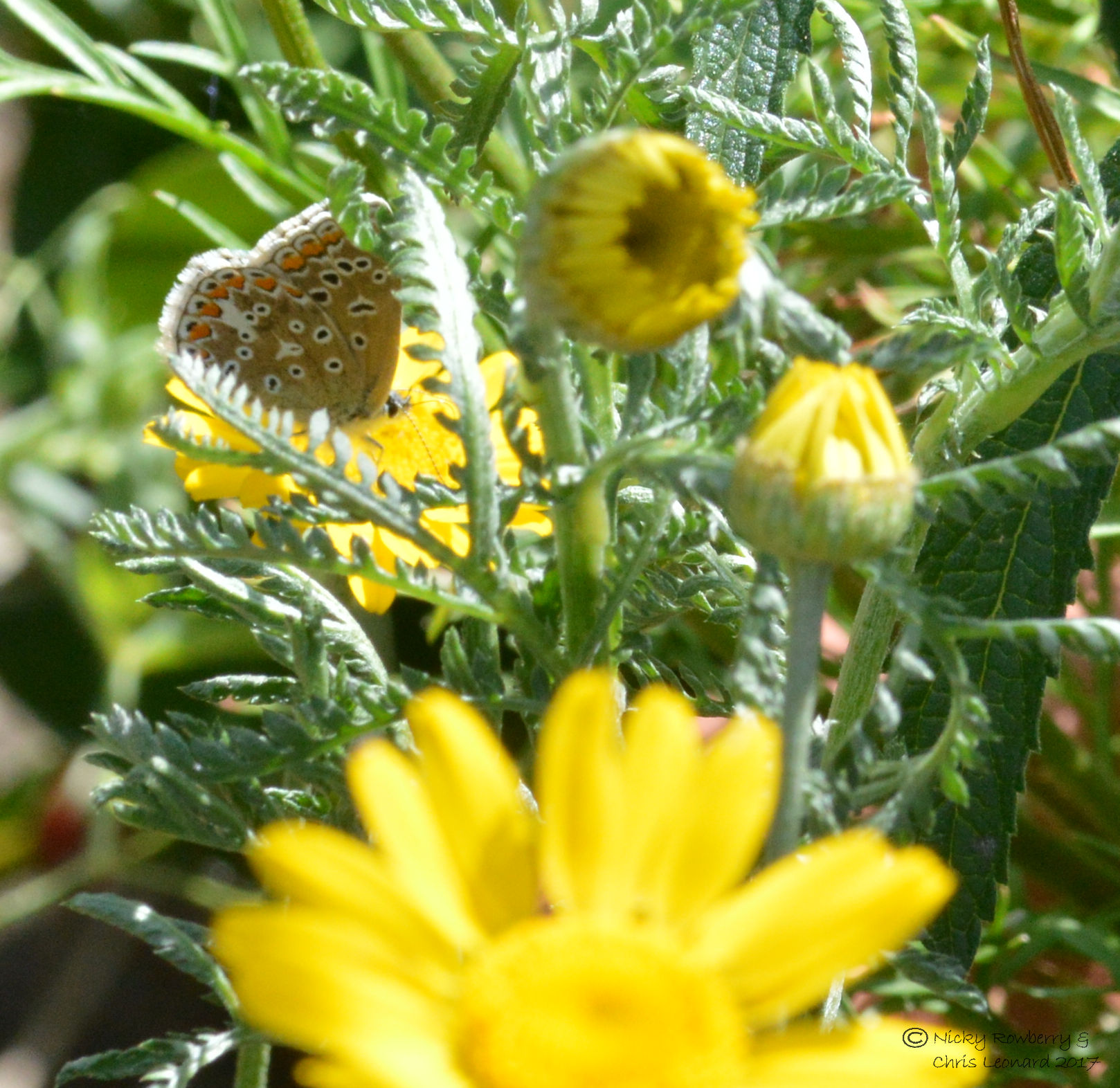
The star prize for visiting my pollinator pot goes to this Common Blue butterfly. We’ve never knowingly had them in the garden before, so I was thrilled that the pot had attracted one. It didn’t hang around –  hence the hastily grabbed photo, but just seeing this one insect alone makes it all worthwhile for me!
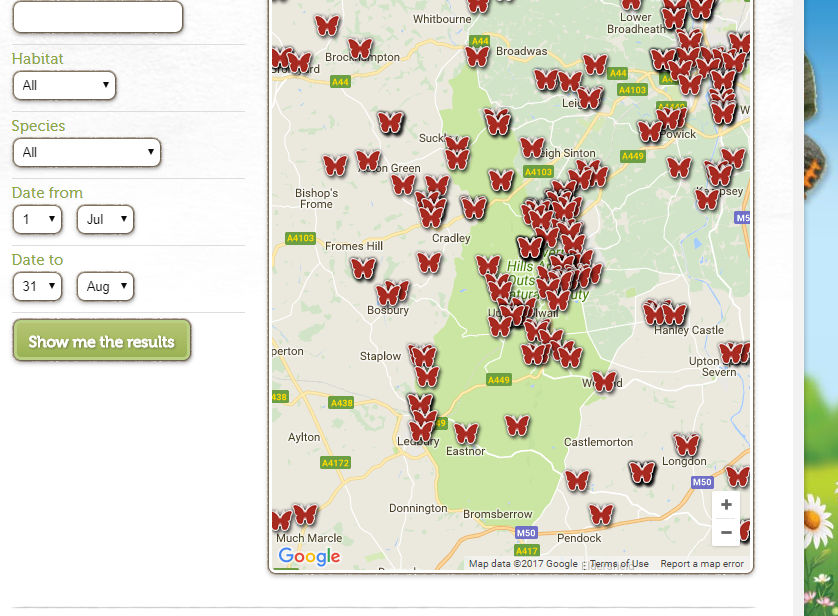
While on the subject of butterflies – it is Big Butterfly Count time of year. I’ve been doing counts both in the garden and down at the allotment, plus one at my Dad’s house. There’s still time to do a count if you haven’t already done so. Besides the one-off sighting of the Common Blue, we have also been getting Meadow Browns (in the meadow that’s supposed to be a lawn!) and Gatekeepers, plus the usual Whites, Holly Blues and the occasional Comma or Red Admiral.

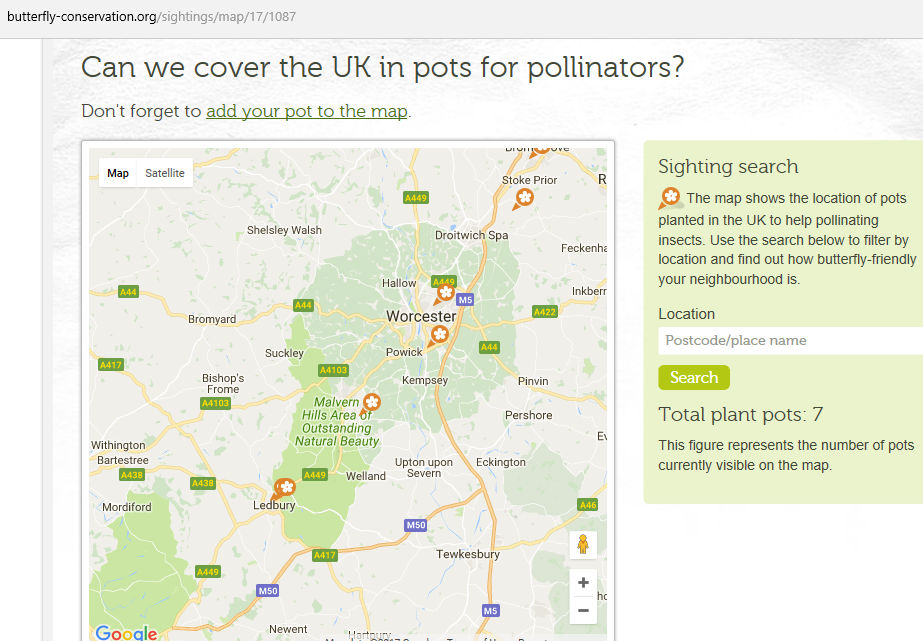
Last time I checked the Big Butterfly Count website they’d received over 40,000 counts. Here’s a snapshot of their map for the Malvern area – good to see I’m not the only one who’s been counting around here.
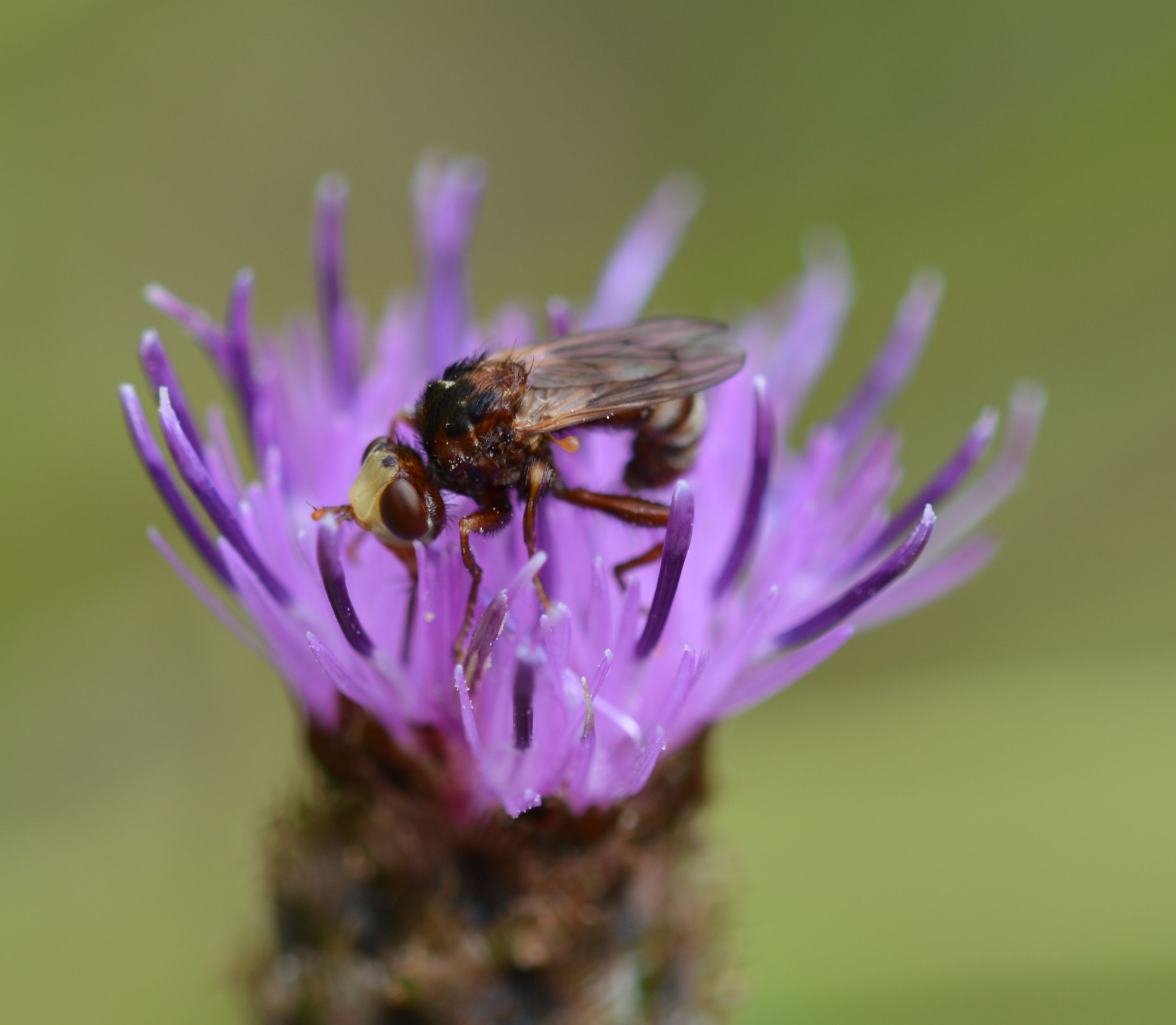
Enthused by the pollinator pot, I went hunting round the garden for other insect attracting plants. We’ve got a fair sized patch of Knapweed which seems to have seeded itself in one corner. The bees were loving it. There were quite a few leaf-cutter bees which was great to see, but almost impossible to photograph. So I gave up and concentrated on bigger bees that were more slower and more obliging.

Aside from the usual bees, butterflies and hoverflies, I found this unusual looking insect. I had no idea even what group it belonged to, but turns out it was a Thick-headed Fly (Sicus ferrugineus). Unfortunately for our bees it parasitizes them, so not such a welcome visitor to the garden.
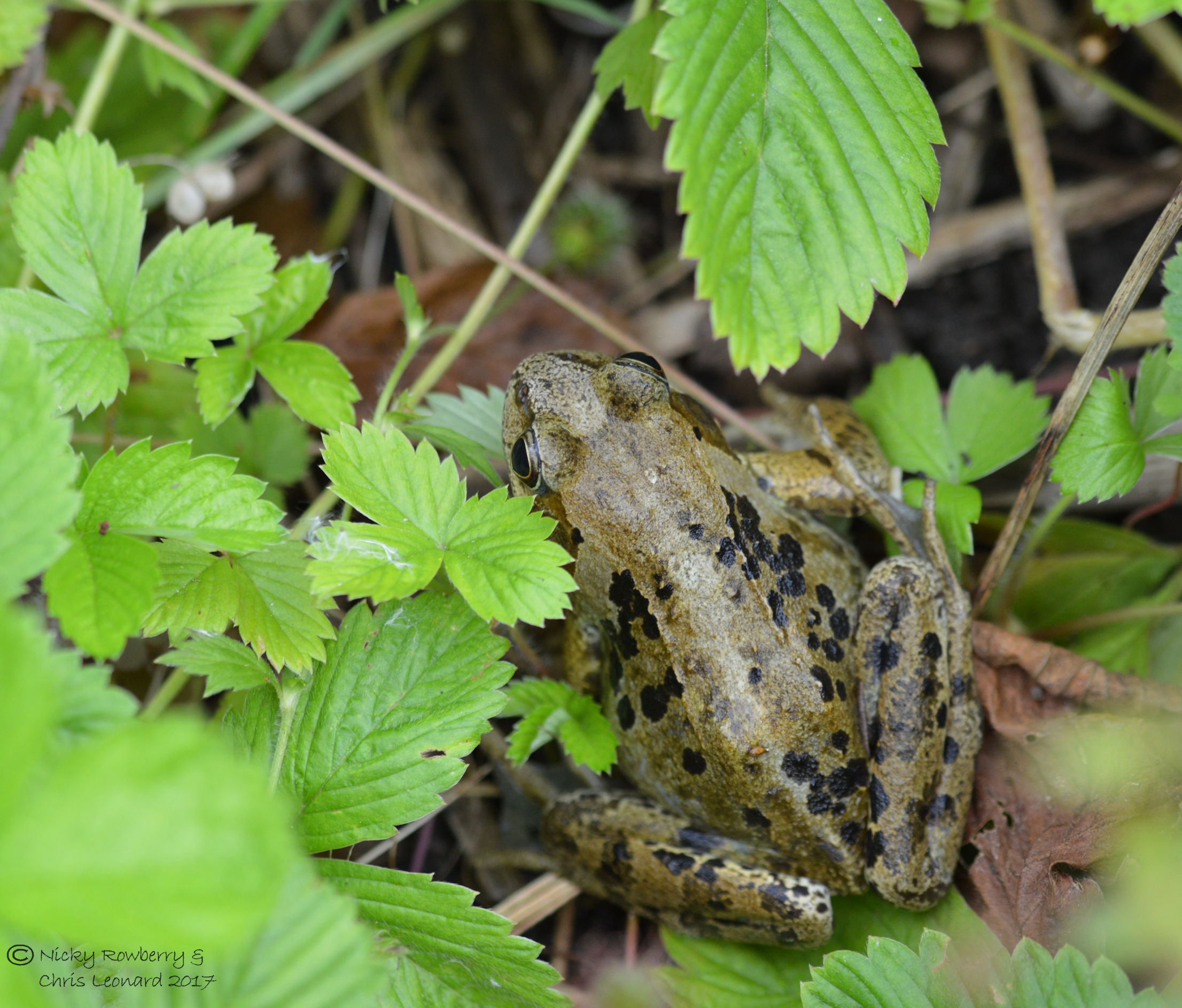
While stumbling around the garden chasing bees and flies, I came very close to treading on a frog. Fortunately his reflexes were quicker than mine and he hopped out of the way into our feral strawberry plot, but not before I managed to grab a photo.
At the beginning of this post, I said it had been a mixed week for us. The good news was that Too Lazy To Weed has been shortlisted for the 30 Days Wild Blogger Awards 2017. I’ve read quite a lot of the other blogs and there are some great ones out there, so I’m really chuffed that Too Lazy was shortlisted. It’s nice to think that this means there are other people who are interested in the same things that we are. Good luck to all the other nominees – just participating in 30 Days Wild was a win-win thing, so none of us can really lose.

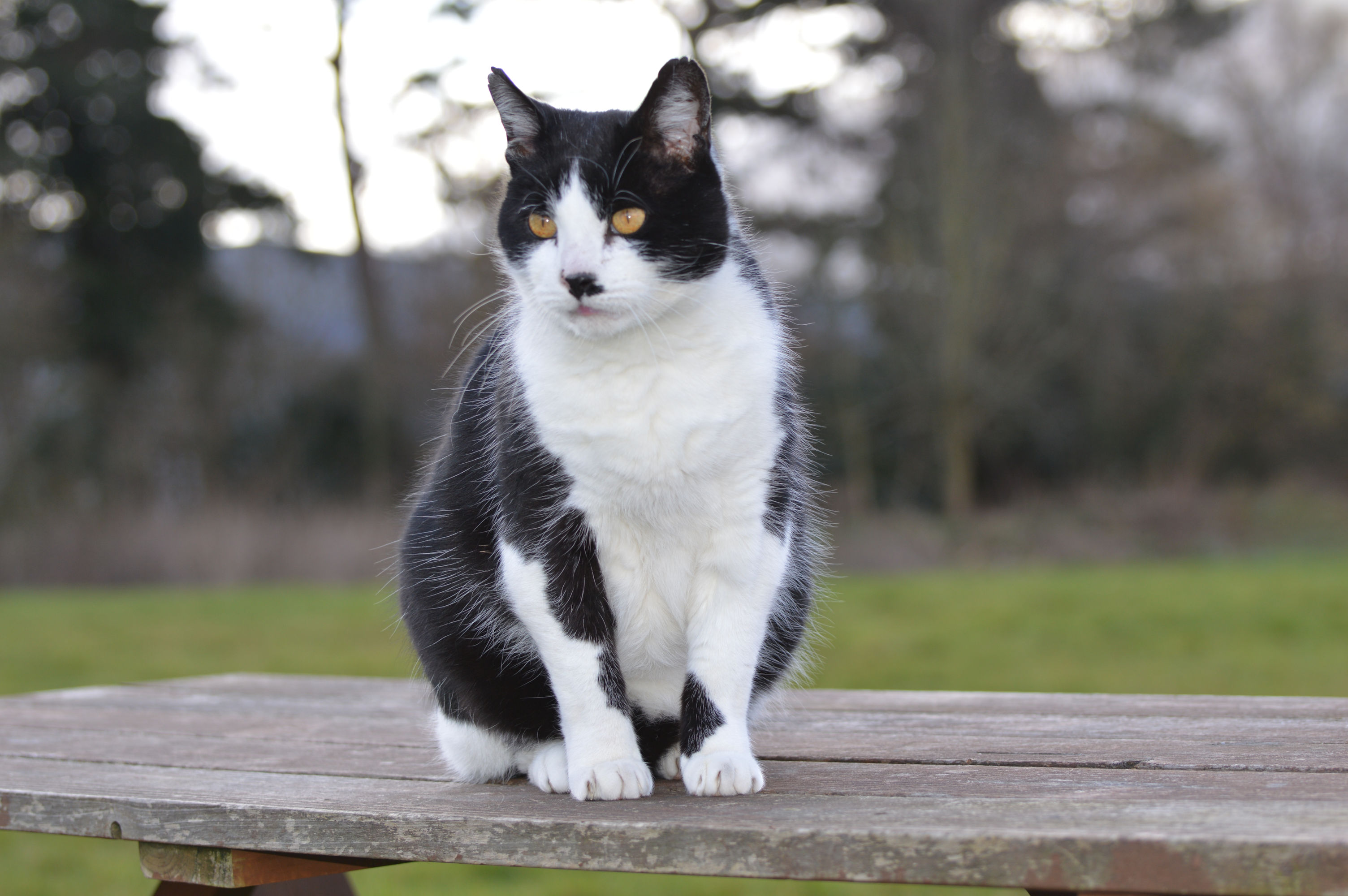
The very sad news this week though was that we had to say goodbye to our beautiful old boy Bertie. He was a factory cat for many years, but came to live with us (his retirement home) two years ago. A great big cat with an even bigger personality and we miss him terribly. xxx

 

30 Days Wild – Day 30 – Night and Day

I’m running late with the blog, so this is for yesterday’s Day 30 of 30 Days Wild! I’d thought it would be nice to push the 30 days to the limit and be looking at wildlife right up to midnight on the last day. So the plan was to set the trap for moths, the trail camera for hedgehogs and sit out looking for bats. As it turned out, with a few glasses of G&T and our friend to talk to as we sat outside, midnight came and went and it was 2:30am before we packed up. Not surprisingly then it’s taken a while to get going on the blog today!

All week we’ve been seeing bats in the garden, swooping around hoovering up our plentiful insects. They’ve come really close to the house as they circle around a large buddleia. But last night of course as we sat there waiting for them with bat detector in hand – none at all! It was a bit windy, but other than that the conditions seemed OK, but they were a no-show. Somewhere in Malvern someone else was probably enjoying “our” bat show! So all I can really say is that we normally get pipistrelles, which click on our bat detector at about 45 kHz.

Similarly with the hedgehogs, all week we’ve had a pair snuffling round the garden at night. It’s been great to be able to show our human friend our hoggy friends. So I was sure we’d pick them up on the trail camera last night – but again nothing! This absence can probably be explained though by our gin-swigging presence in the garden until 2.30. If I were a hedgehog I probably wouldn’t want to listen to 3 humans laughing loudly at their own jokes and clinking glasses either! So I’ve no video to show from last night, but fortunately I can do one we filmed earlier in the week (in true blue peter fashion) of our resident pair. It looks like the larger male is trying to woo the smaller female – with very little success!

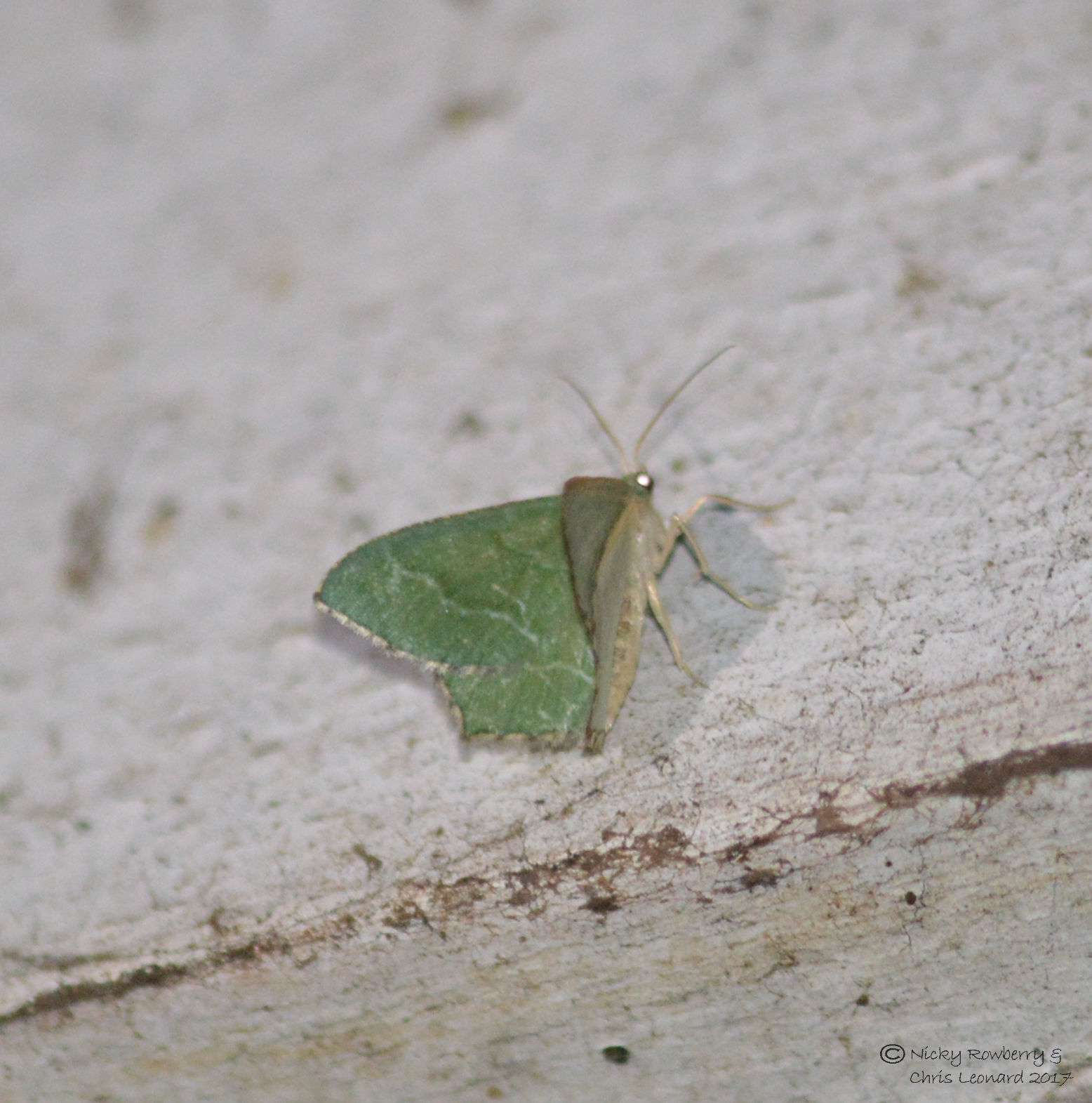
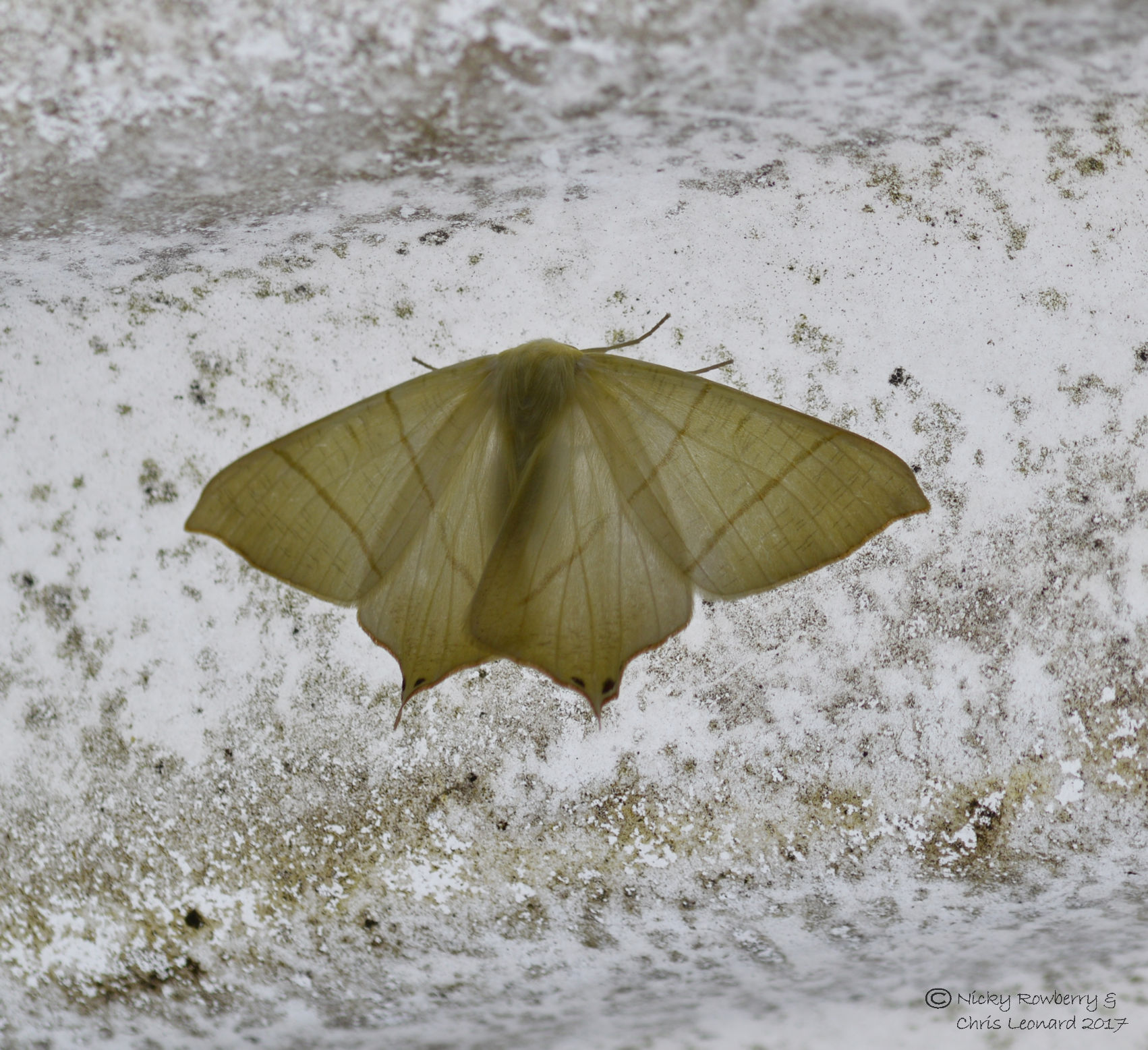
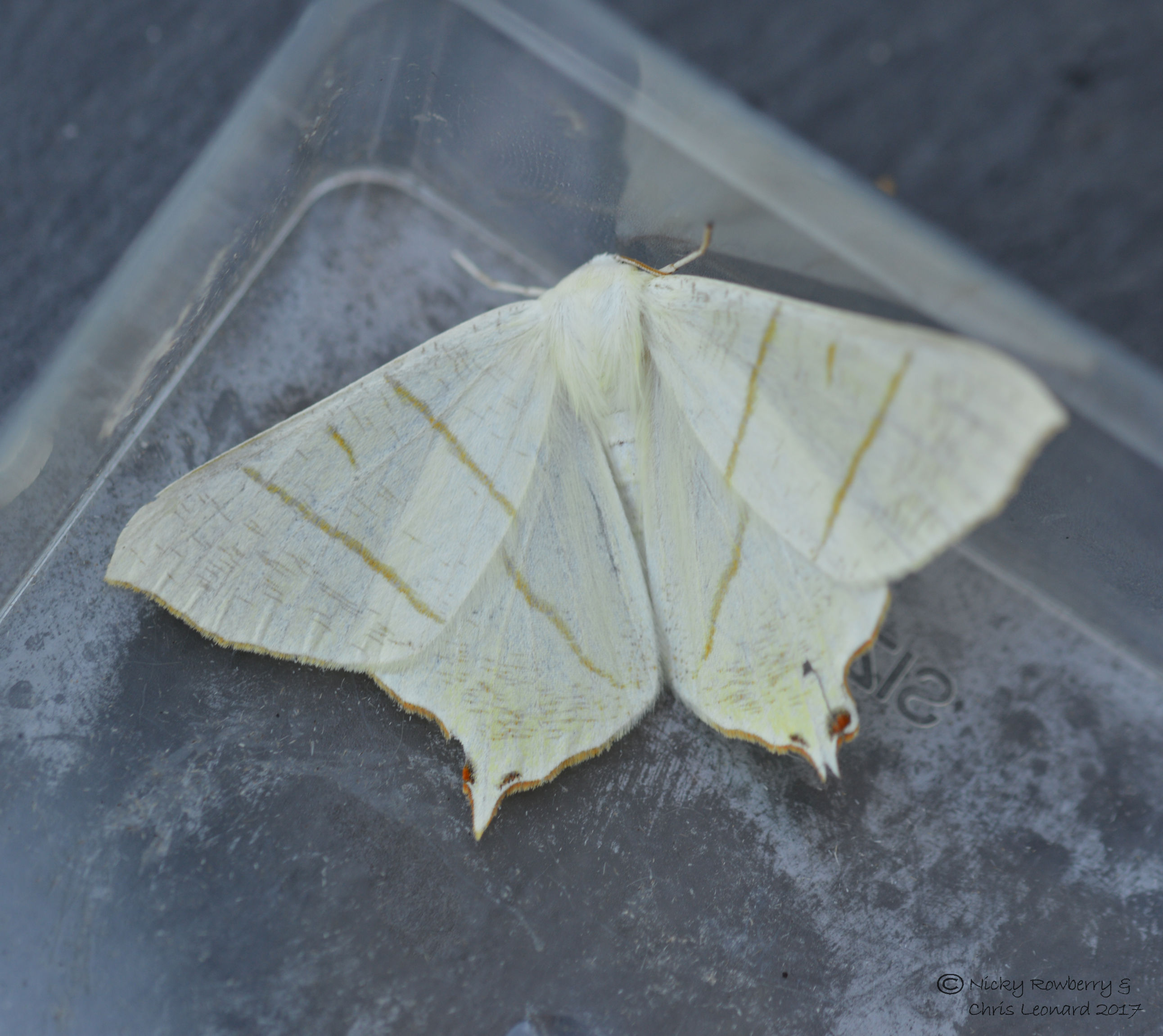
So that left the moth trap to deliver the goods for our nocturnal nature-fest. But even the moths were few and far between (maybe that was why there were no bats?) A few came while we were still sitting there, but refused to actually go in the trap. This pretty green Common Emerald fluttered about and two Swallowtail moths entertained us by flapping somewhat ungracefully around us for a while. One of the Swallowtails was even still there in the morning.

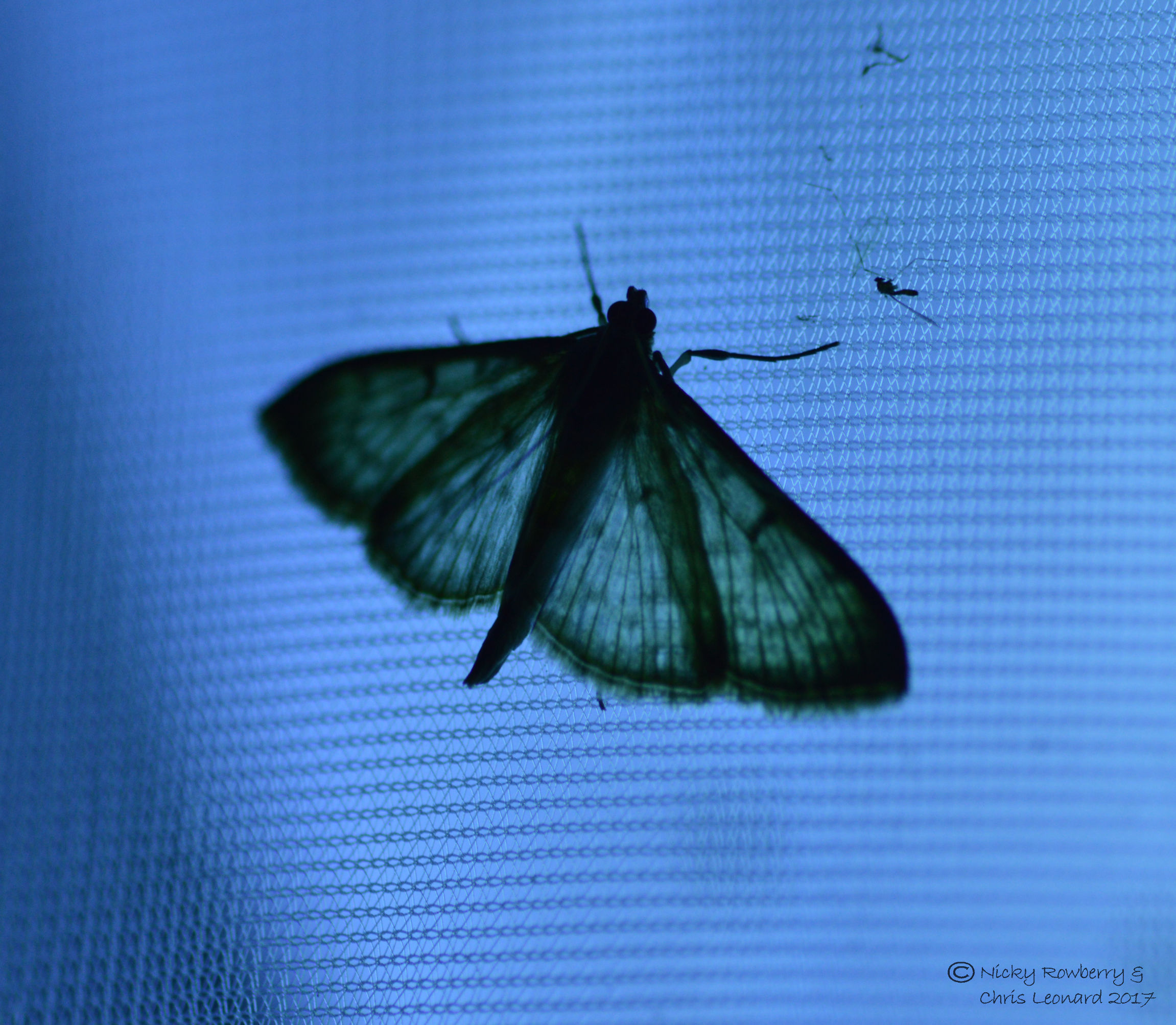
My first Mother of Pearl of the year sat on the outside of the trap but didn’t go in – hence the shadowy photo lit up by the blue bulb from the moth trap.

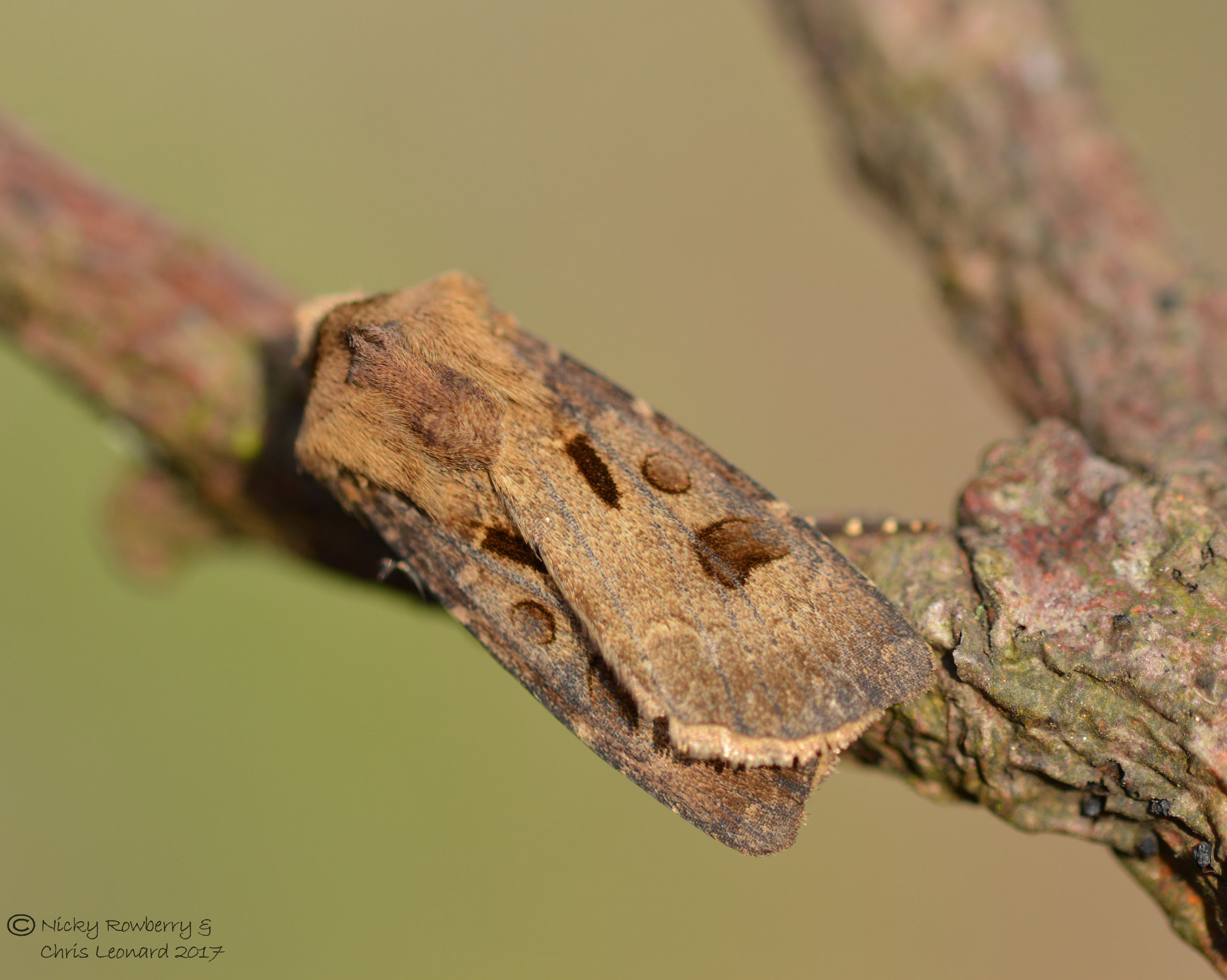
There were a few Heart & Darts and a couple of other species in the trap when I emptied it this morning. None made for great photos apart from this Garden Grass Veneer.

There was one final mothy visitor – our friend spotted movement in the bushes this morning and found a Common Footman.

So our nocturnal safari of wildlife round the garden didn’t quite go as planned – when do things ever? But it didn’t matter at all. We had a thoroughly enjoyable evening sitting out in the garden until all hours, making the most of just being outside.

So that would have been the end of the blog post for Day 30, except that this morning as we photographed the last of the moths, suddenly the garden filled with butterflies (maybe wanting to get in on the act as Day Moths?). We’ve had hardly any butterflies lately but today we had 7 species fly in all within the space of an hour or two.

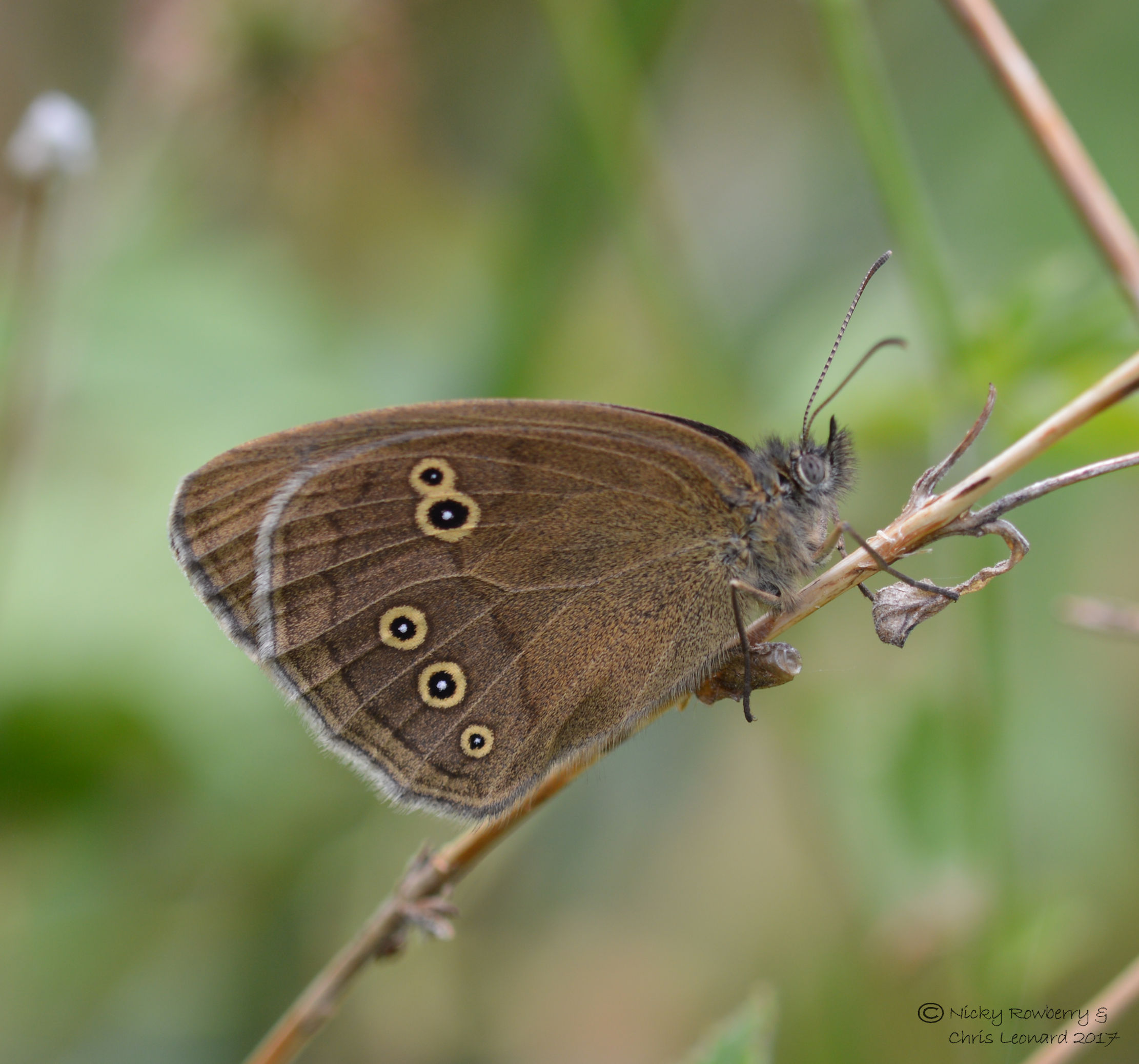
Every year we seem to get a pair of ringlets and sure enough they turned up today. One even chased off a Meadow Brown from his patch!

Then the first Red Admiral we’ve had for ages flew in and out, stopping to feed on the buddleia for a bit.

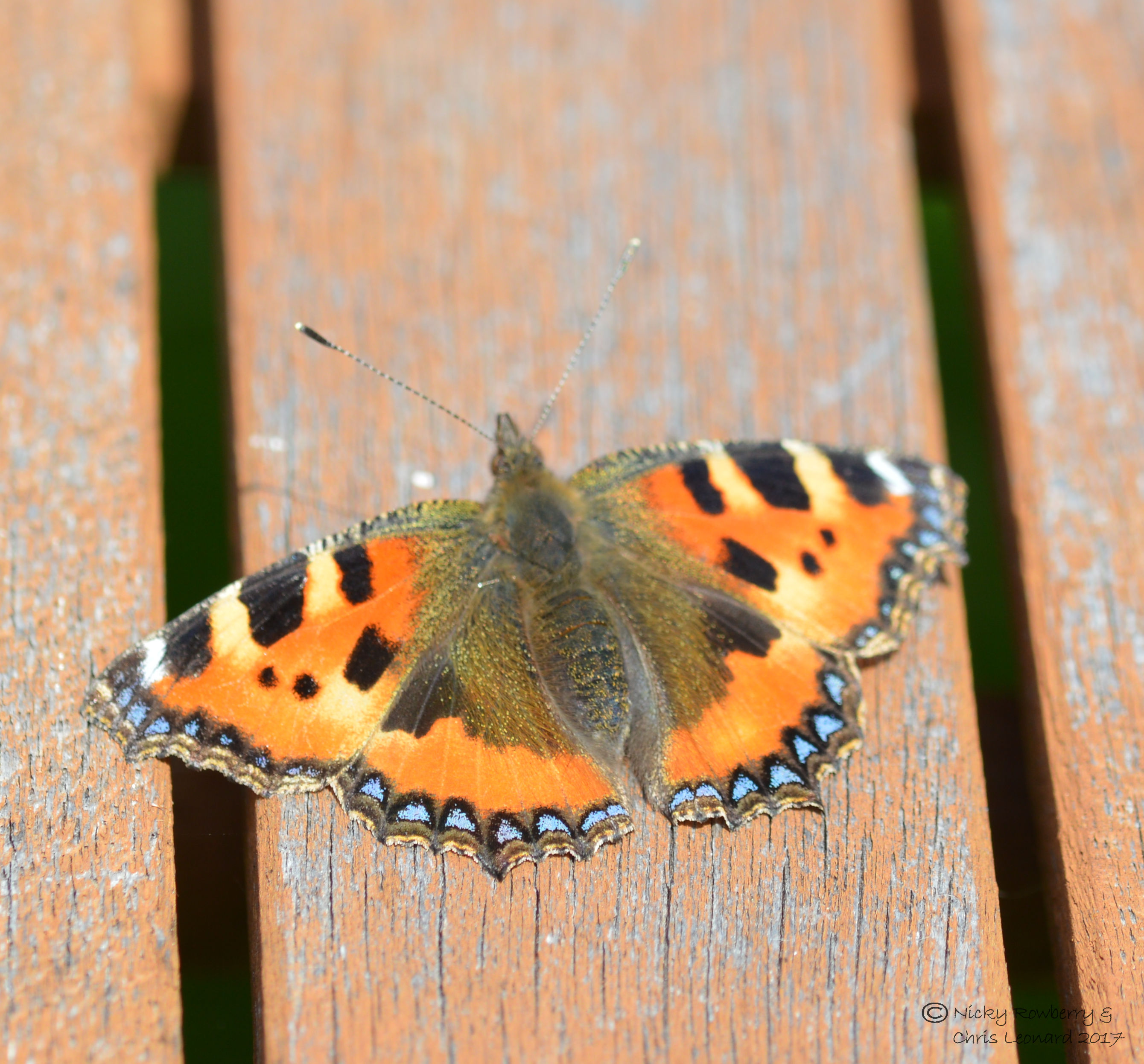
We also saw Large Whites, one Small White and a fleeting Comma. Two Small Tortoiseshells completed the day’s sightings. They fed on the buddleia (too high up for photos), the red valerian (waving about in the wind too much for decent photos) and thankfully one settled on the stationary table for an easy photo.

So it would have seemed rude not to include the day flyers with our night time ones. So what if it extended 30 Days Wild by a few hours – why wouldn’t you want to do that? In fact why wouldn’t you want to go a bit wild and get a bit of nature into your life every day? Stay Wild!

30 Days Wild – Day 29 – Fine Crop of Flowers on the Lottie

It’s Day 29 of 30 Days Wild and since I didn’t get home until quite late and it was raining when I did, the choices for today’s “wild thing” were a bit limited. Fortunately my friend was still staying and I’d promised to show her the lottie, so we headed up there to see what we can find. Although not everyone at the allotment site gardens organically, enough do that there are plenty of wildflowers to see amongst the deliberately planted plants.

First thing we spotted was Pineapple Weed (Matricaria discoidea). I’d never noticed it before but my friend identified it and got me to crush a flower – it really does smell like pineapples! Does what it says on the tin!

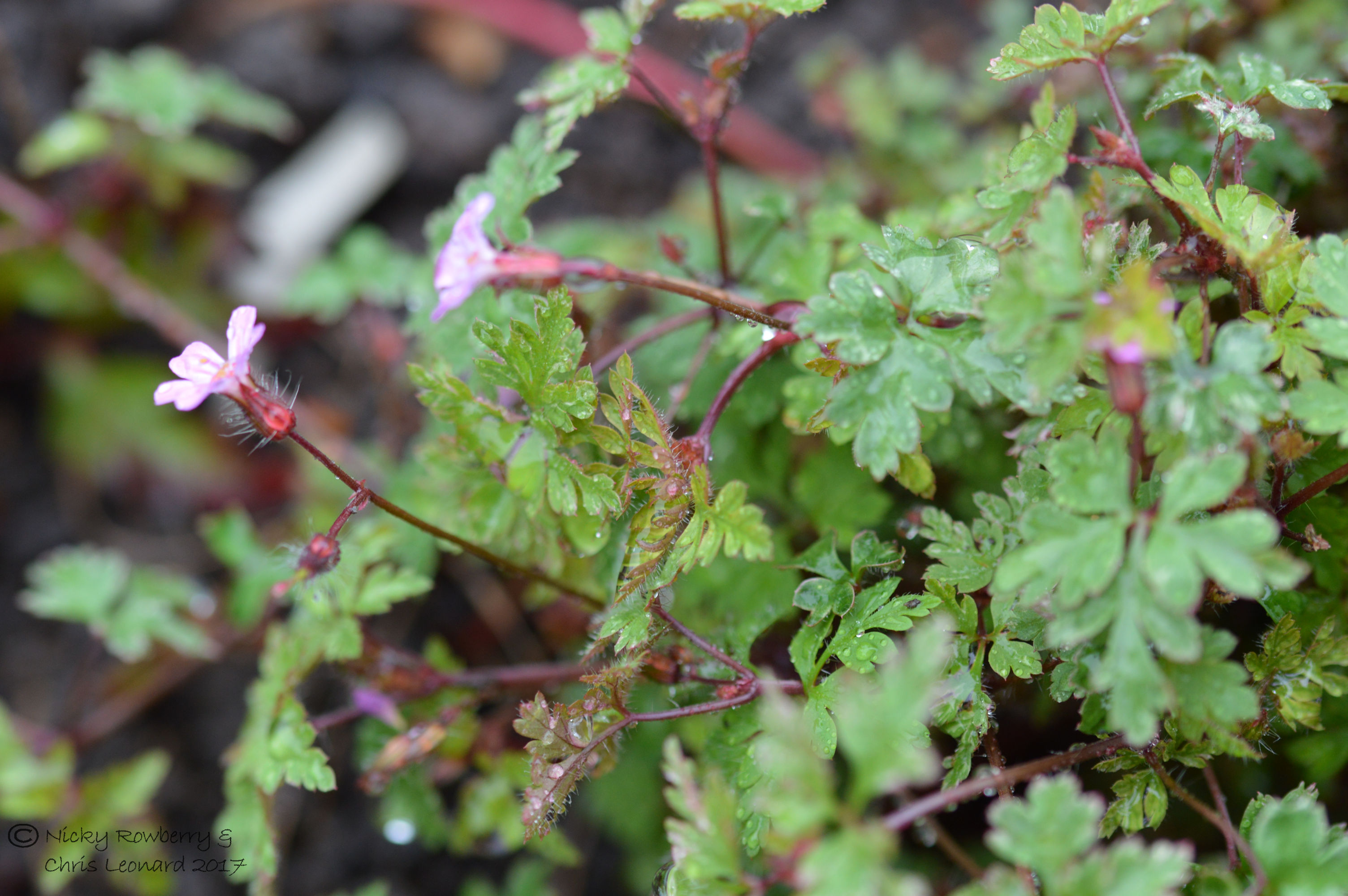
Next up was Herb Robert (Geranium robertianum), a pretty wild version of Geraniums.

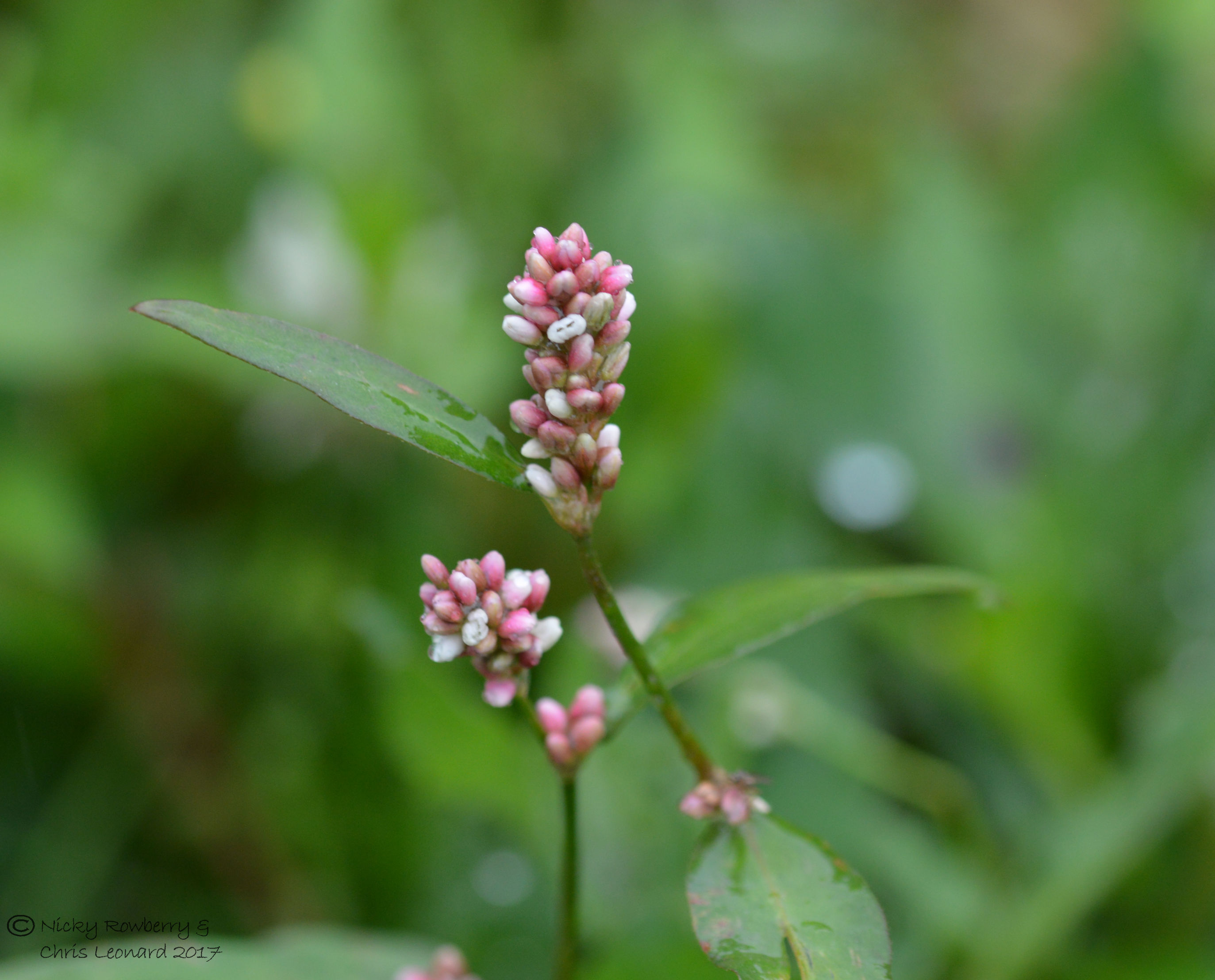
Another new one for me was a member of the Bistort family, possibly Redshank, but my dodgy rainy photo wasn’t good enough to be sure.

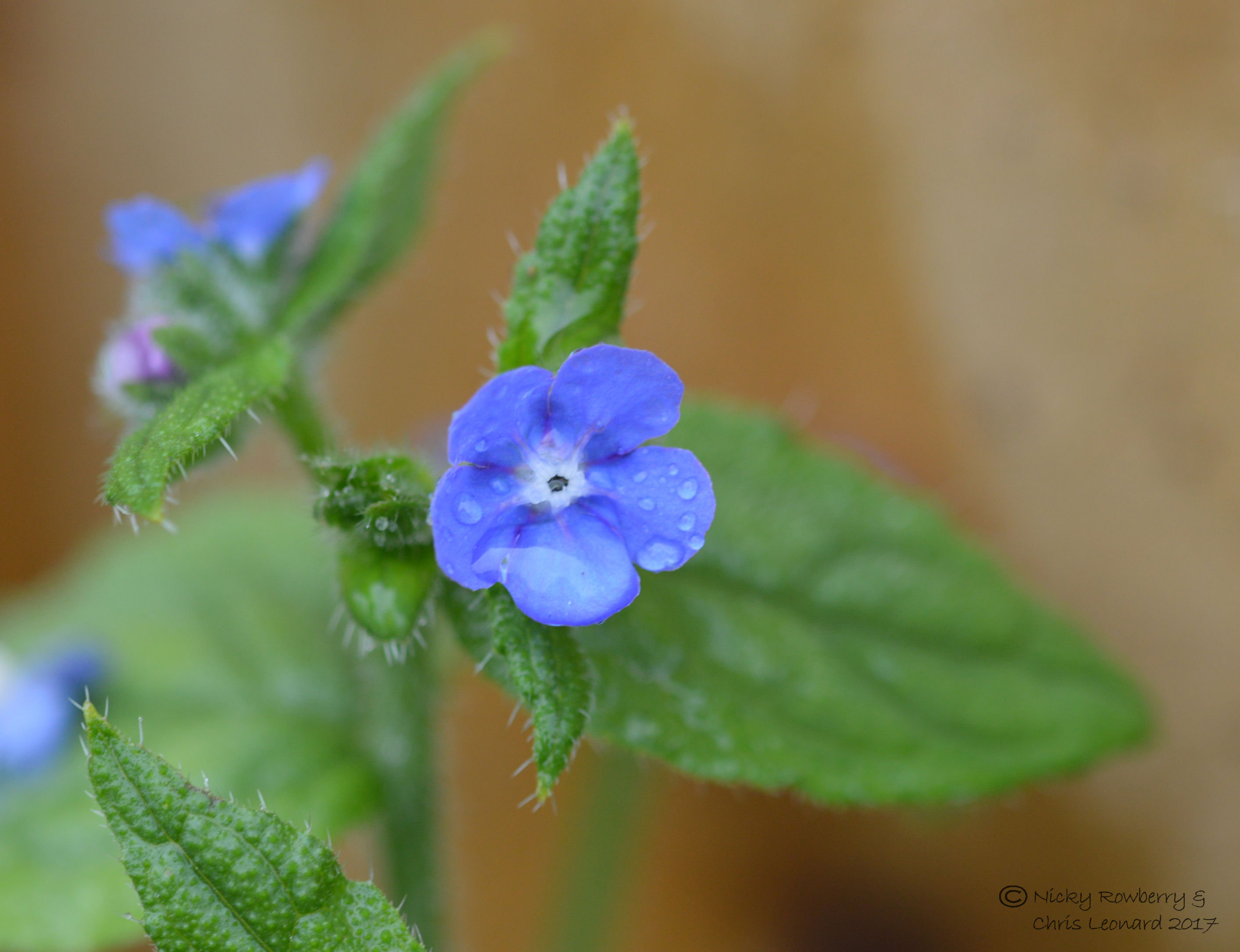
Next one we were a bit more confident about – Green Alkanet. The blue flowers were almost glowing in the rain. All these plants (weeds in some people’s books) were growing along the path as we walked down to our plot.

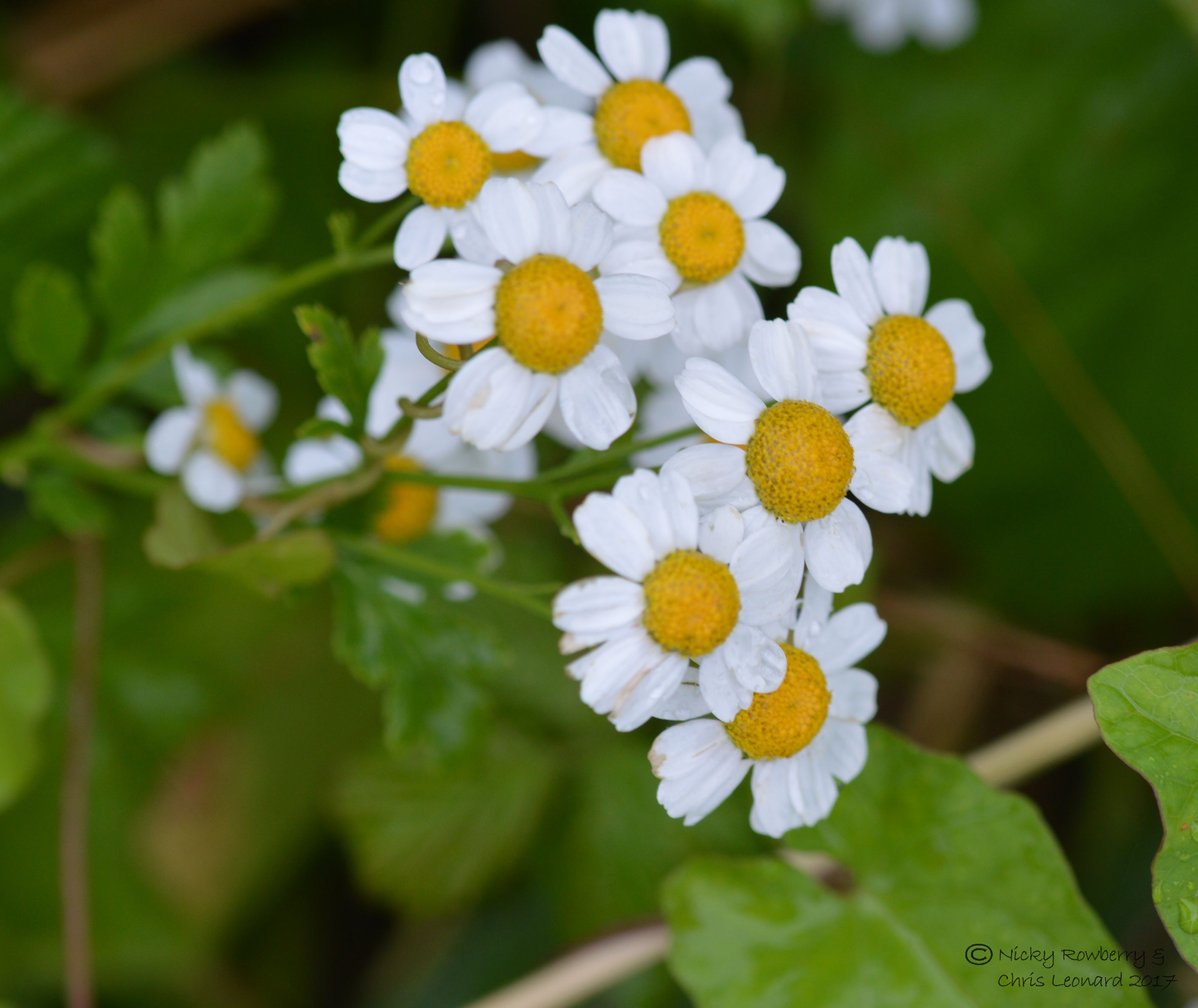
These pretty daisy-like flowers were actually Feverfew. As the name suggests, this plant has been used in traditional medicine to cure all manner of things. Like the bindweed photobombing in the corner!

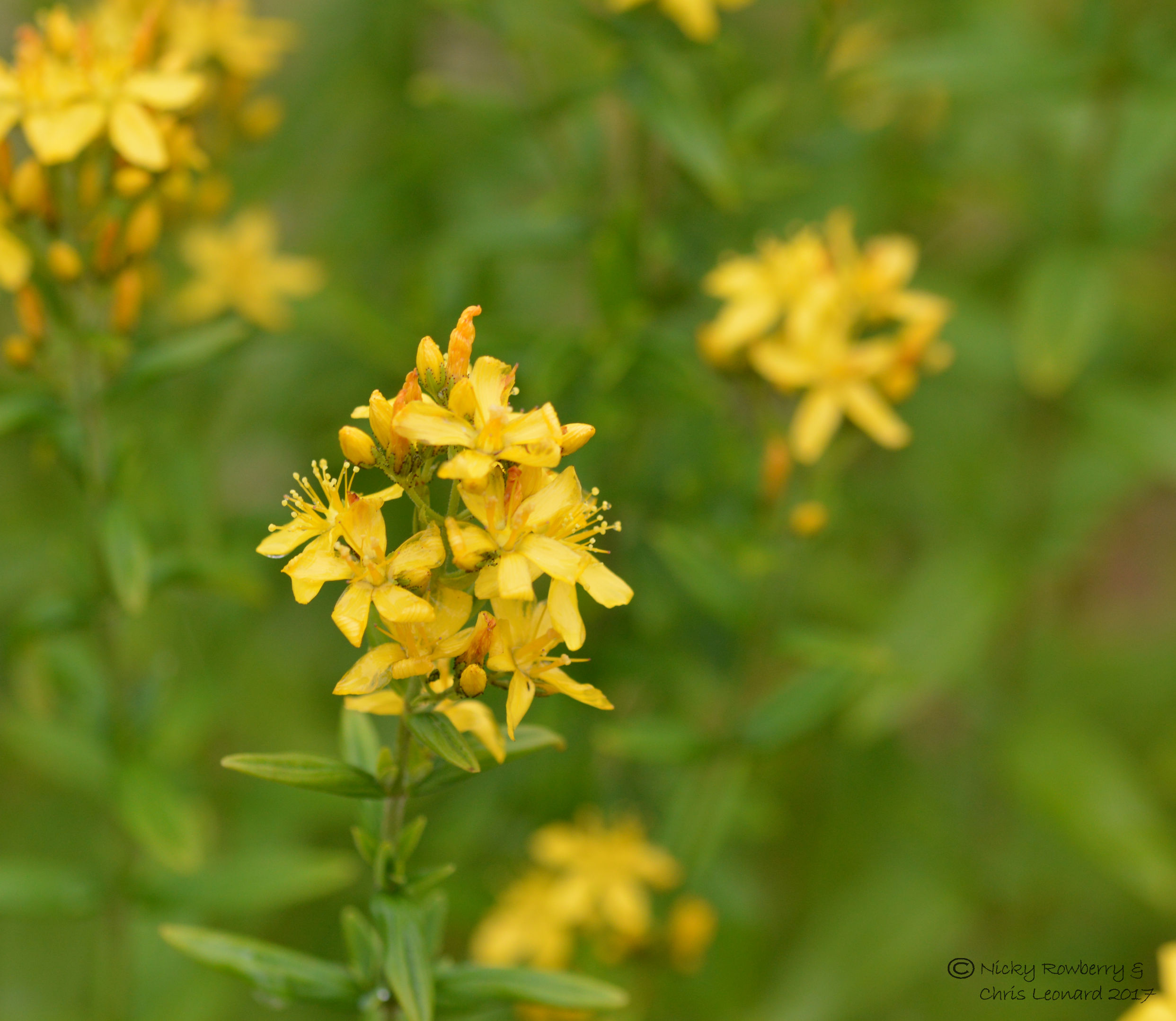
Another medicinal herb growing around the plots was this St John’s Wort.

It had been a few days since I’d been down to the allotment, so it was really nice to see how some of the deliberate plantings had come along. The runner beans were going great guns – hopefully we’ll get a good crop.

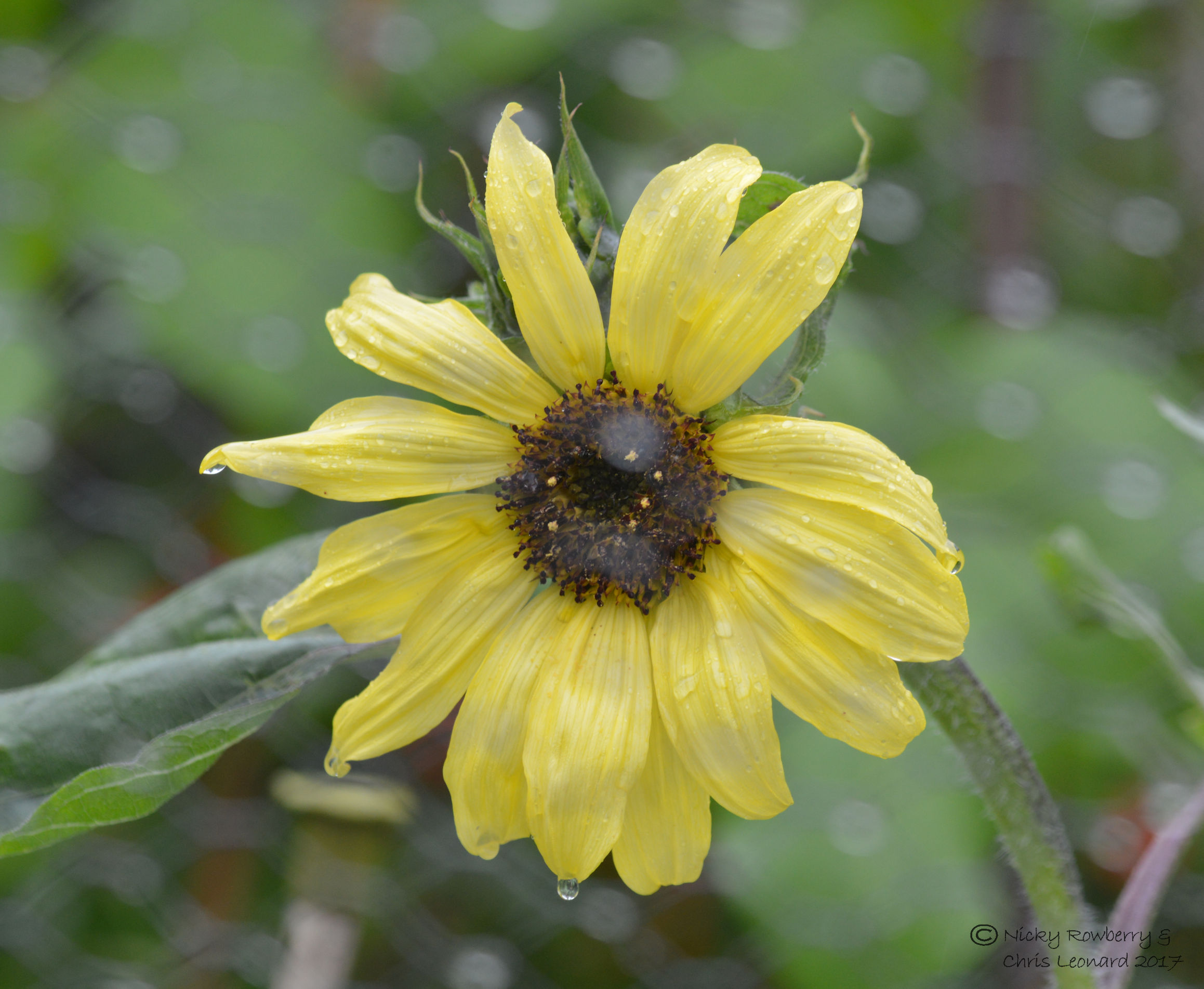
Really chuffed to see one of our sunflowers was out despite the complete lack of sun today.

As is so often the case we had a surprise on today’s walk – we found 3 huge puffballs. Thought at first they were footballs, but they were way better than that – giant fungi. Seen here with a foot for size comparison! If it hadn’t been so wet we might have been tempted to take it back to try fried puffball steaks.

So even on a unpromising wet work night, there was still plenty to see and enjoy if you get out and about. Get your wellies on and get out there!


30 Days Wild – Day 26 – Our Garden Bees

It’s Day 26 of 30 Days Wild and we have a friend coming to stay, so I somehow had to fit in something wild before the wine started to flow (on a Monday!). I’ve been concentrating quite a bit this month on the butterflies and am always looking at the moths, so decided it was time to have a look at our garden bees again.

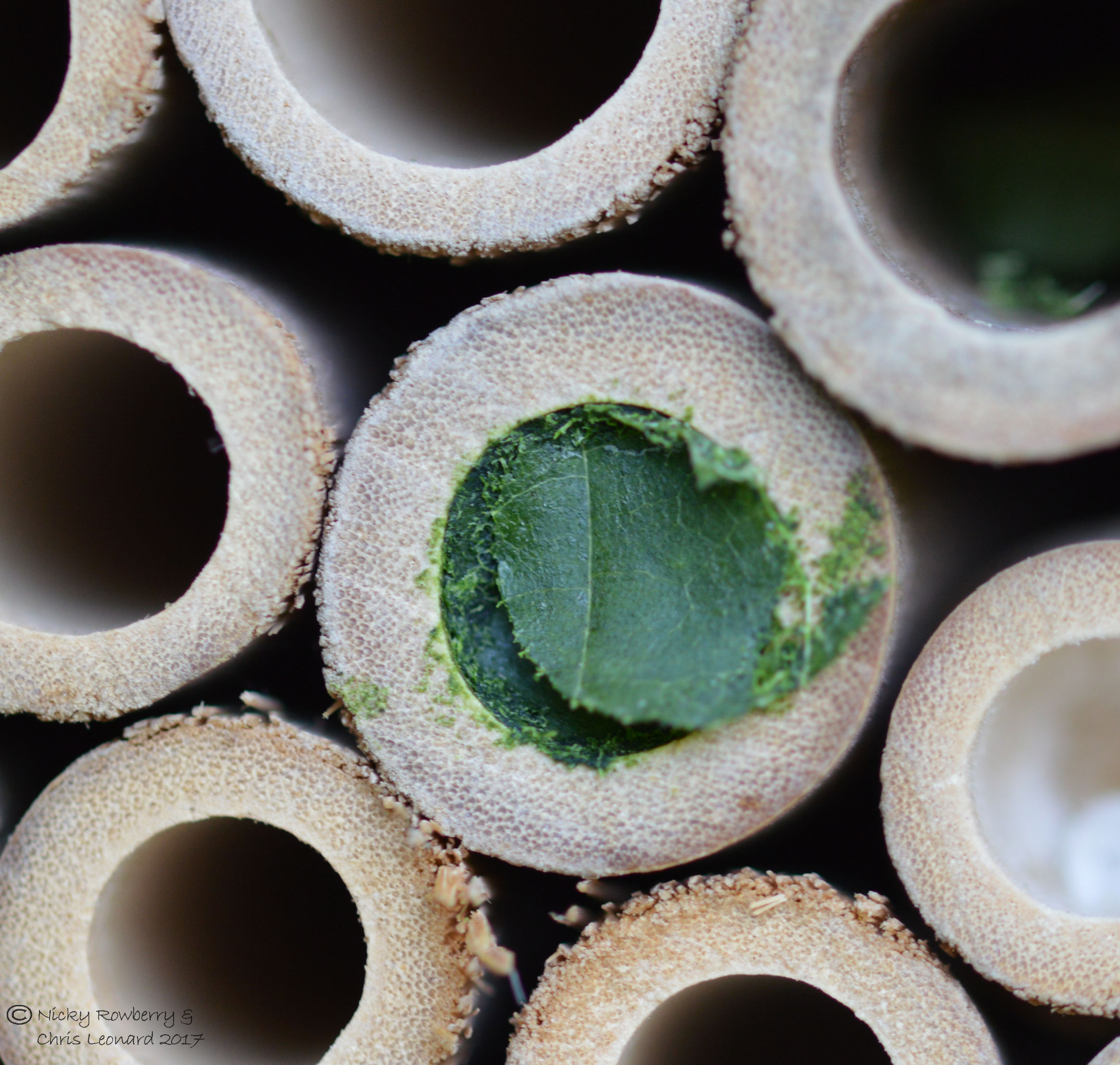
I got up early to have a look round the garden before work. First thing I noticed, which really pleased me, was that something has finally been using our bee hotel! One of the canes is clearly blocked up with bits of leaf – so putting 2 and 2 together, I assume we’ve got a leaf cutter bee. It was beautifully sealed up; it looks like some of the leaves had been chewed up to make a paste to stick it all together. Another cane is also being used but has not been sealed up yet.

The other thing I discovered was I’d got up before the bees this morning! Normally when I get up earlier than this for the moths, the garden already seems to be buzzing with bees. Today nothing at all to start with, although it seemed like a perfectly decent day. Eventually a few started to appear on the lavender – first a Common Carder bee and then a couple of honey bees, but it was generally slim pickings this morning.

In view of the paltry selection of bees that I could find during this morning’s spot check, I decided to dig out my complete list for garden bees and review that. At the end of last year, our total for the garden stood at 25 – which I was pretty pleased with. It currently stands at 31, which is obviously even better! Admittedly not all of these have been identified to species, some have only got to genus level, but if it’s a genus we’ve not had before then whatever the species is, it must be a new one, so I’ve counted it. So here are the 6 new ones; they’re not all great photos, because often I only got a glimpse.

The first one is the Early Bumblebee (Bombus pratorum) which I think we did see last year, but somehow it got missed off the previous list. It’s a really pretty brightly coloured little bee.

Next up is Gwynne’s Mining Bee (Andrena bicolor). I find these Andrena bees very difficult to tell apart, but thankfully there are always some very helpful people on Facebook.

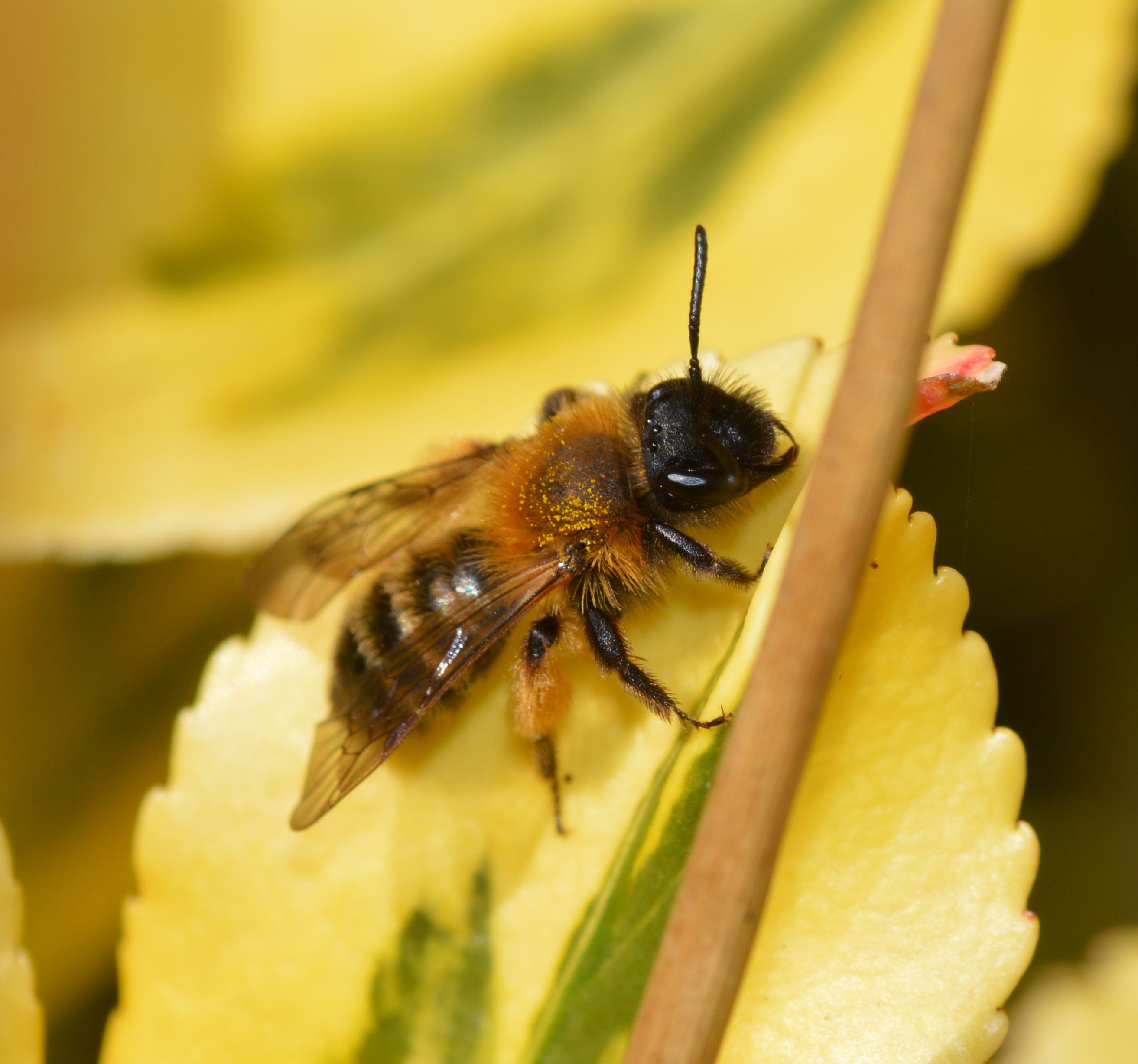
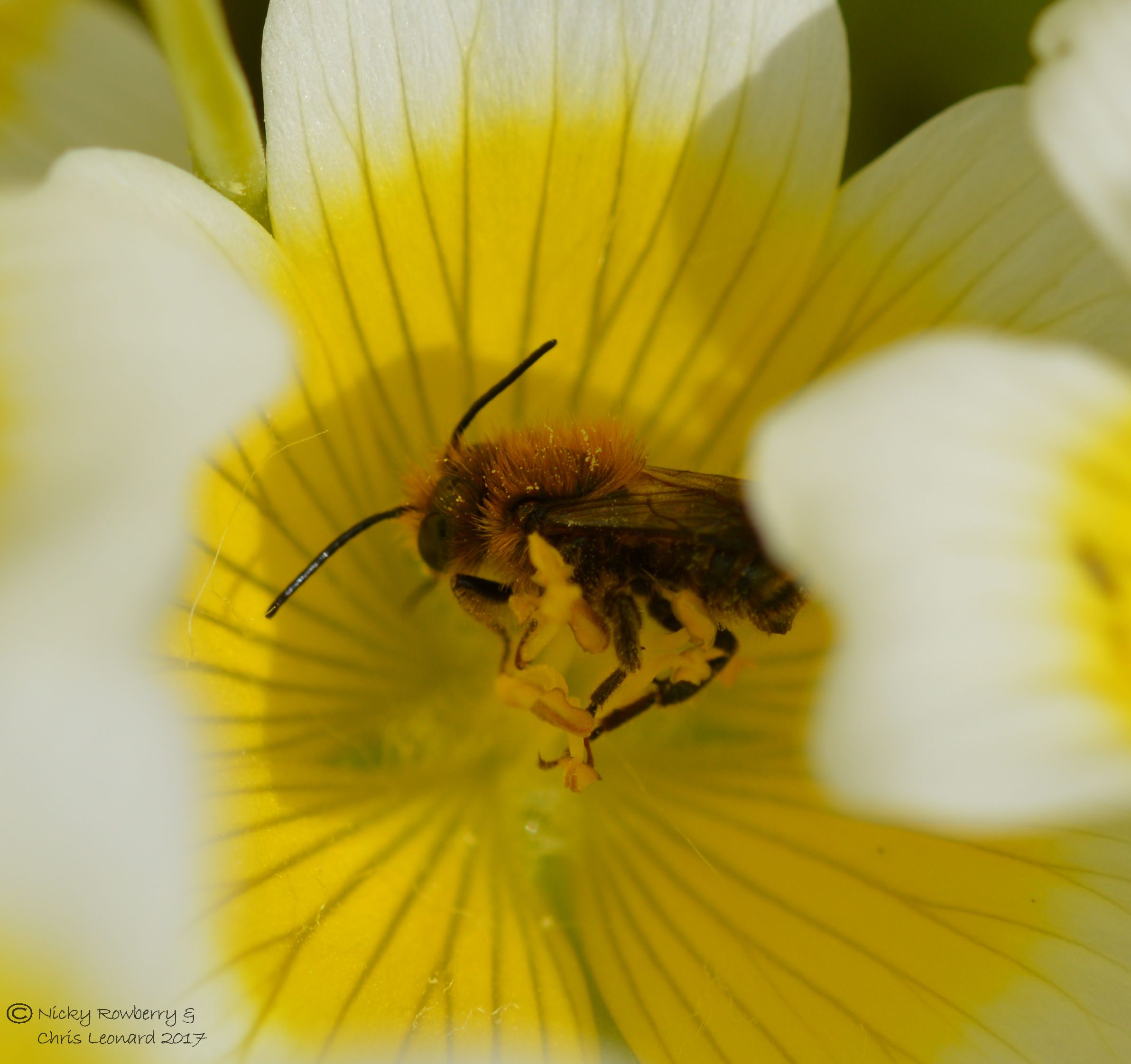
The next one I could identify myself – a Tawny Mining Bee (Andrena fulva). They are so distinctive with bright ginger fur all over their bodies. I’m sure I saw some last year, but it took until this year to get a photo good enough to confirm.

The next one is a nomad bee, but it can only be identified as one of the Group E species of Nomada, unless you catch one and dissect it, which I don’t want to do.  We do get another Nomada species (N. goodeniana), but since that’s in a different ID group, this must be a different species.

Then we have the Blue Mason Bee (Osmia caerulescens). If I’d managed a decent photo, it would presumably have looked more blue!

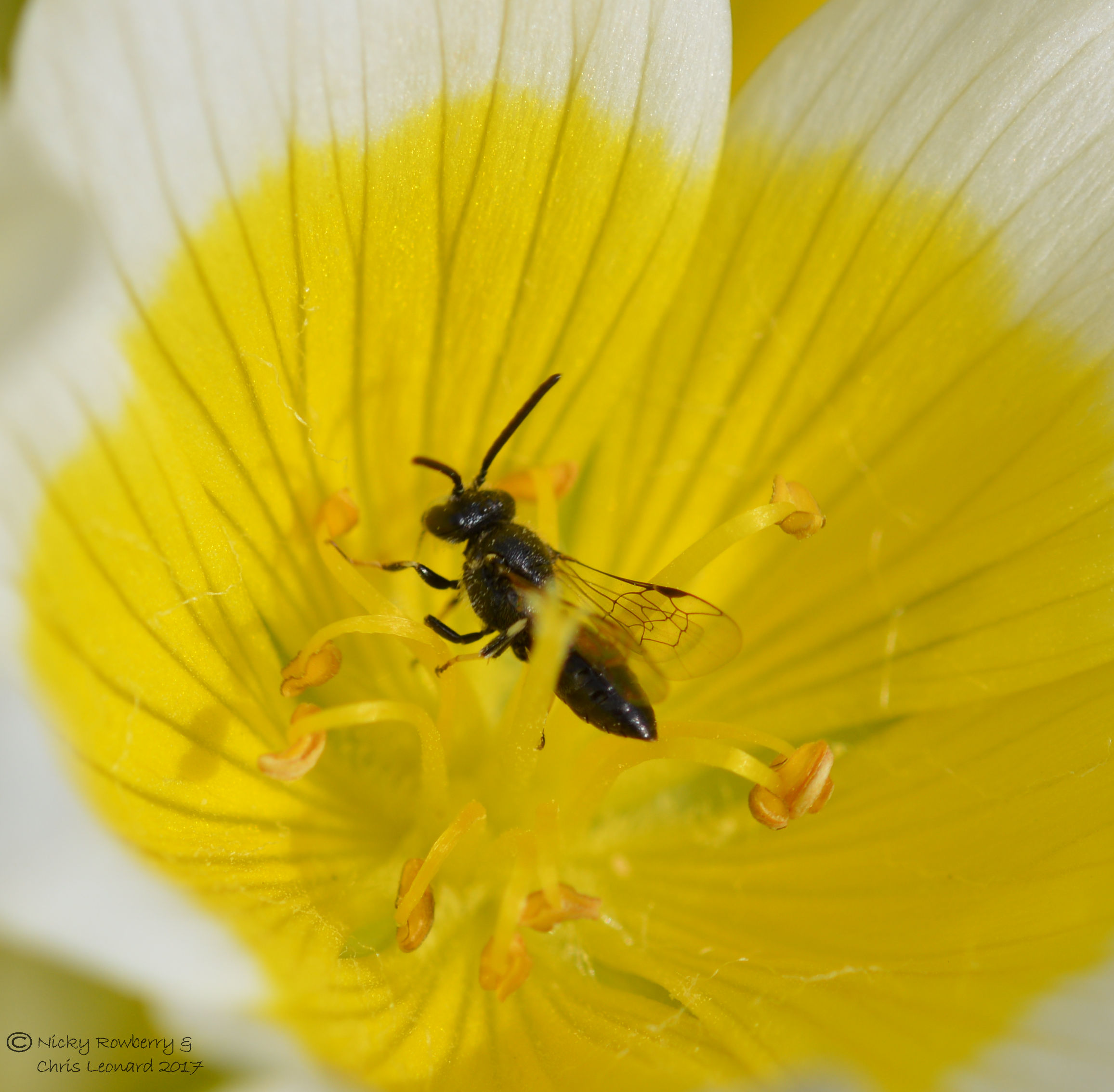
And finally our 31st species of bee is some kind of Yellow Faced Bee (Hylaeus sp.). Unfortunately I didn’t manage to photograph the key bit – i.e. his yellow face, so can’t get it down to species. I’ll know next time to get a head shot.

So that’s my bee round up for Day 26. I’m really chuffed we get so many species.  It will get harder and harder though to increase the total, unless I want to go down the line of dissecting them, which I don’t. But maybe if we keep adding more bee friendly plants and more places for them to nest, we can stretch our tally by a few more yet. Fingers crossed.

30 Days Wild – Day 22 – Summer Moths

It’s Day 22 of 30 Days Wild and by the time I got home from work (via the allotment to pick yet more raspberries and blackcurrants!), it was a bit late to get out and about to do something wild. So for today’s act of wildness, I decided to do a much needed update and review of this year’s moth records. I’ve been so busy with other things, that I’ve not updated my spreadsheets for the Garden Moth Scheme and I’ve still got loads of photos taken but not identified. So sitting on the sofa with the laptop may not be the conventional idea of wild, but anyone who knows me, will know how much I love my moths – so I think I can get away with this as my nature fix for the day.
So far this year I’m just short of 100 species; this is about 10 less than the same time last year. It does feel like it’s been a generally quiet year for the moths, maybe because the weather hasn’t been great. The hot weather this last week though has started to bring them out in numbers, so hopefully things will pick up. For the Garden Moth Scheme I have to trap at least once a week in the same spot in the garden and submit the results quarterly. No great hardship as I love doing this and often trap more than once a week (although I do like to give the moths a rest so they can go about their business most nights!)

Most of the moths have been the larger macro ones, but about 20% have been the micros. I’m not so good at identifying the micros – much harder usually because they are just so small. But some of them are easy and also really beautiful, like this pretty Small Magpie moth.

Moths come in all shapes and sizes – for some reason the most striking ones tend to be the less common in our trap. The current most numerous visitor is the Heart and Dart – a relatively plain moth apart from its dark markings that are supposed to look not surprisingly like a heart and dart. There is a 3rd blob, but I guess calling it the Heart and Dart and Blob would be a bit much!

They also come in all sorts of colours; this one is an Orange Footman

and this one is a Ruby Tiger. If these ones are really fresh specimens and the light catches them right, they really do look bright red.

The rubies are not the only tigers I’ve had recently, these 3 Scarlet Tigers turned up in the trap a couple of days ago. They are supposed to be day flying moths and we have occasionally seen a group of them flying round the garden in bright sunshine. These 3 also flew off soon after I photographed them. I think the “scarlet” bit comes from their underwings, which you can just about glimpse peaking out from under the black upper wings.

Another favourite that turned up in the last week was this exotic looking Swallowtail moth. These are large moths with thin, delicate wings that seem to flap slowly, although they put on a fair turn of speed when they are trying to escape me and my camera!

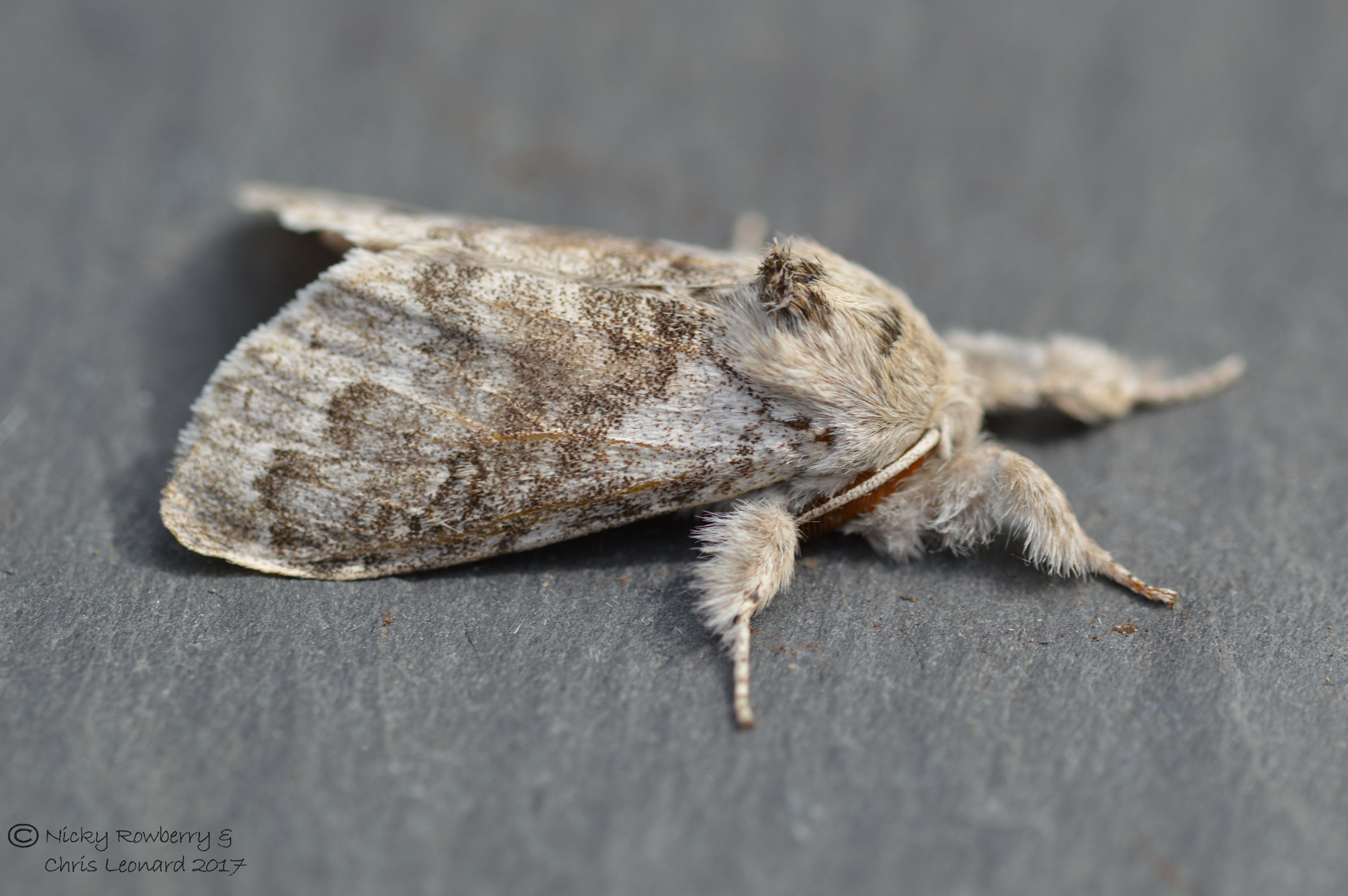
With a completely different body form is this Pale Tussock moth, with its furry legs sticking out in front in characteristic pose. This species is generally much less flighty and happy to pose for photographs.

I’ve had a couple of “new for the garden” species (or NFG as us mothy nerds call them) this year. I was thrilled to get this Ghost Moth a few weeks ago.

I was really excited to see a Hummingbird Hawkmoth on the red valerian flowers a couple of weeks ago – needless to say it wouldn’t stop for a photo shoot. These 2 Lime Hawkmoths were much more obliging and were also NFG.

I couldn’t do a mothy post without mentioning everyone’s favourite the bright pink Elephant Hawkmoth. Normally I’d post a photo, but I recently had a go at videoing one as it warmed up its wings – so here’s a short film instead.

Last year I got 211 species of moth, it would be lovely to top that this year, but I fear it might be a struggle. I’ve never made a definitive list of all the species I’ve ever recorded in the garden – some turn up one year only to never be seen again. I suspect the total list would therefore be much higher than 211. A project for a quiet winter night perhaps to tally them all up.

I love the surprise element of moth trapping. I never know what I’m going to get (if anything) when I open the trap in the morning. There’s always that sense of anticipation – maybe I’ll find something new, or an old favourite will appear. Until I started trapping, I had no idea of the diversity of moths we got in our average garden, I suspect most people are the same.

30 Days Wild – Day 18 – Flaming June

They say be careful what you wish for – last week I was wishing the wind would drop and it would get warmer. Well it’s certainly flaming June now and I’m regretting last week’s wishes, as we swelter here in Malvern! It’s Day 18 of 30 Days Wild and it’s so hot it’s hard to find the energy to do anything. I haven’t ventured further than the garden, so today’s post is pretty much restricted to what is going on there. All I really managed was a gentle bit of garden bird watching, but there are worse ways to spend your day!

We have assorted feeders all over the garden, but I was restricted to photographing those I could see from the shade! I think perhaps it was too hot even for the birds as not that many showed themselves, despite me putting out several bowls of water. I even poured a load of water into the wheelbarrow to give them an impromptu pond (our other pond being more silt than water).

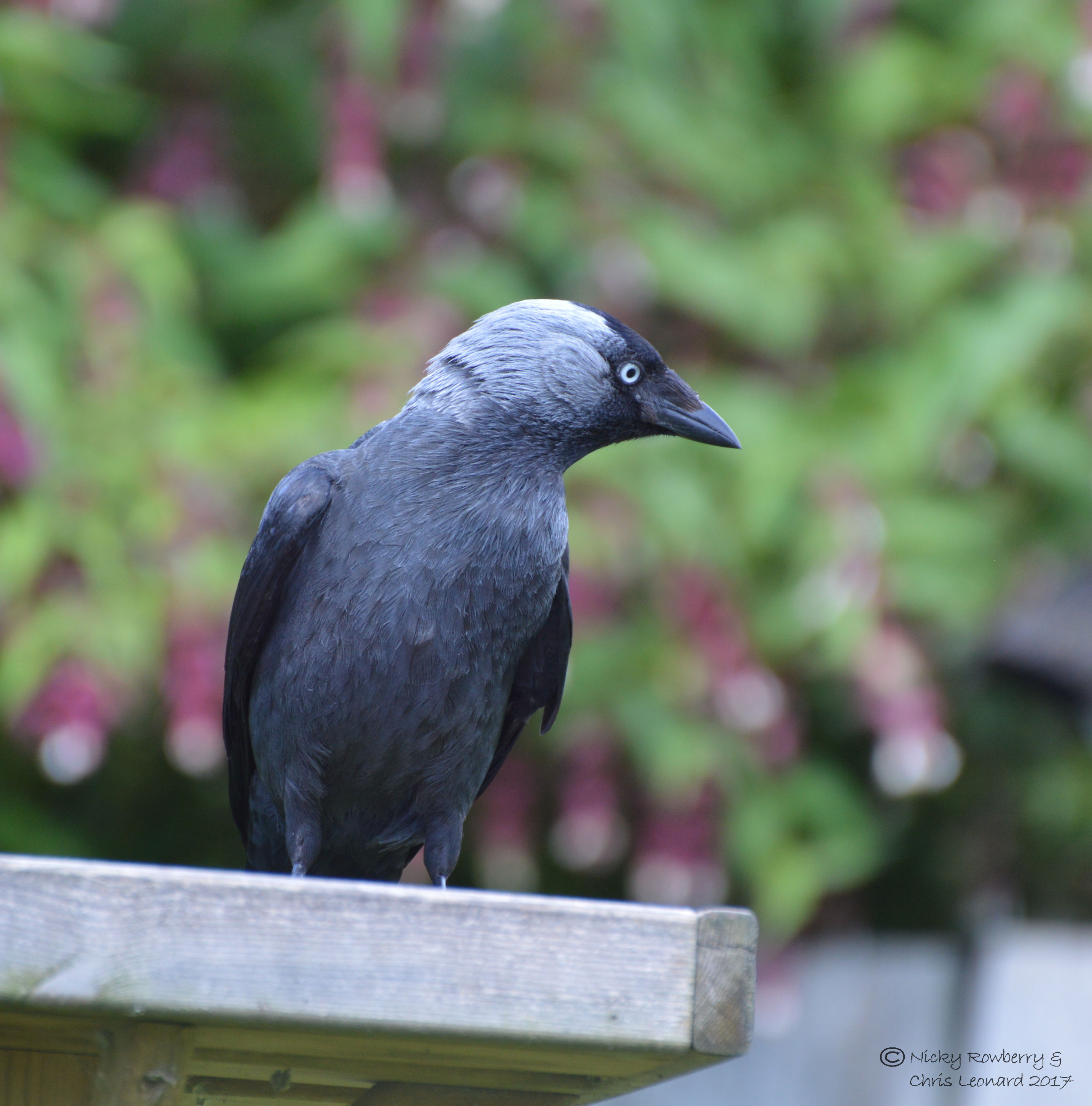
The old faithfuls the jackdaws did of course appear when I put out some suet shreds. They are always first down to the bird table – they must have good eyesight to spot me putting out food from wherever they are. I know they get a bit of a bad press, but they are beautiful birds really.

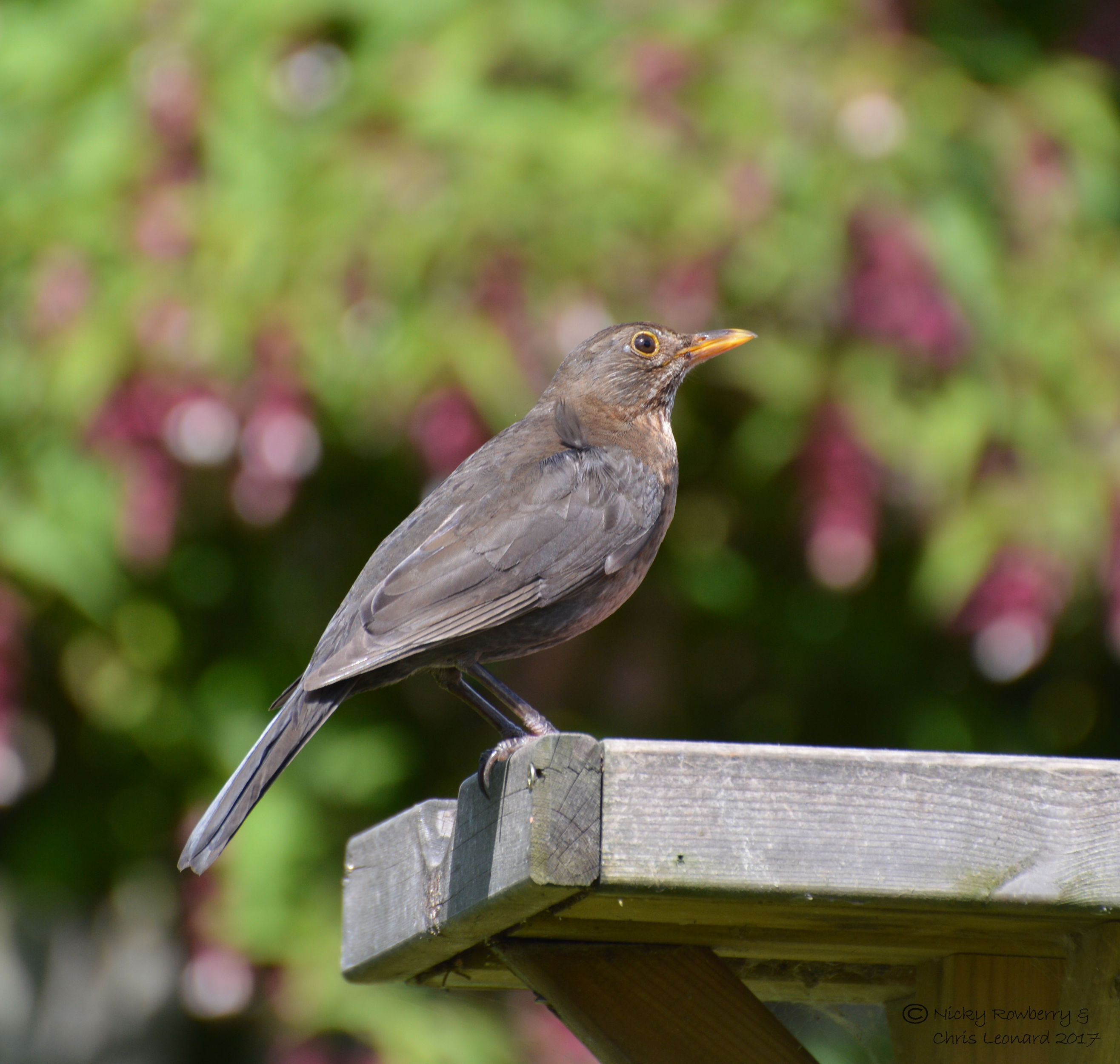
Next down to the table was this blackbird – more cautious than the jackdaws.

The only other birds I saw in abundance while I watched were the sparrows. They were everywhere, but too nervy to get a good photo. I kept seeing adults feeding fledglings, it looks as if it’s been a good year for sparrow babies in our garden at least. I never seemed to be able to get a clear shot though and in the end the best I managed was this blurry one – from a distance and through our grubby patio doors, so not ideal.

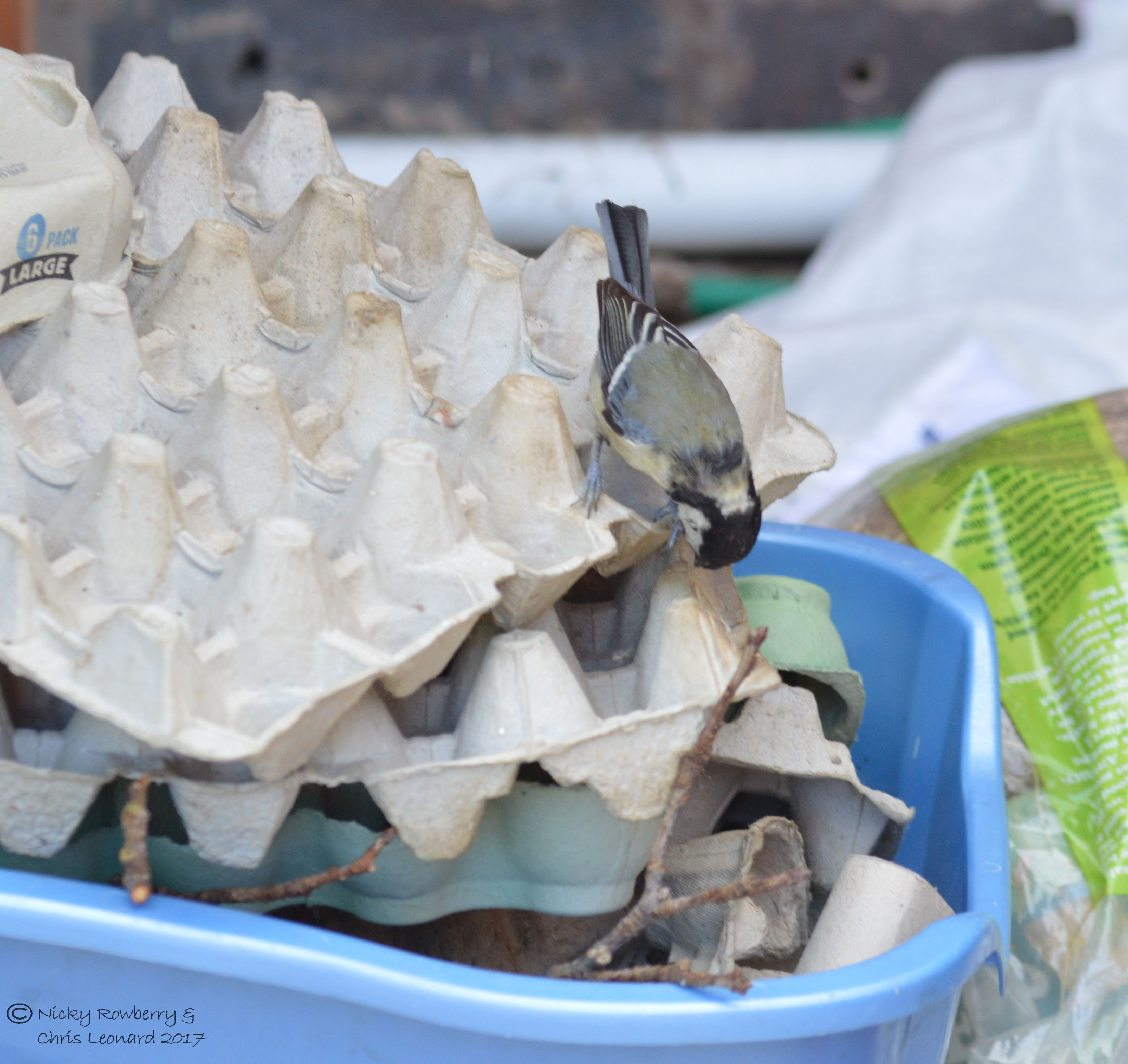
Of course you can put out all the intentional bird food you like, but sometimes the birds are just canny enough to help themselves to things you don’t want. This morning a Great Tit found the box full of egg trays that I’d put the moths in from last night’s trap, ready for them to fly off when it gets dark. He must have thought Christmas had come early until I moved it inside the boxes inside the old hedgehog hutch. Even then he managed to squeeze through the bars to get more until I blocked it up. Hard to be cross though, as he needs to feed his family too.

So not my most productive wildlife day, but very enjoyable all the same.


30 Days Wild – Day 16 – Plant Pots for Pollinators

It’s Day 16 of 30 Days Wild and this evening I’ve been Planting a Pot for Pollinators. This isn’t just me randomly planting up a pot with more flowers, but part of a nationwide scheme to encourage people to do their bit for pollinating bees, hoverflies and butterflies etc.

It’s being organised by the Butterfly Conservation Society – for more information go to: http://www.plantpotsforpollinators.org The aim is simple – to get as many people as possible to plant up at least one pot in their garden with flowers that are good for our insect pollinators.

If you go to their website you can download instructions, but basically all you need is a big pot, some peat-free compost and some flowers. There’s a list of 6 suggestions – calendula, catmint, cosmos, French marigolds, Shasta daisies and dahlias (but only the single flowered varieties as these have pollen that is easy for the bees to get at).  You can of course choose others, provided they are good for pollinators.

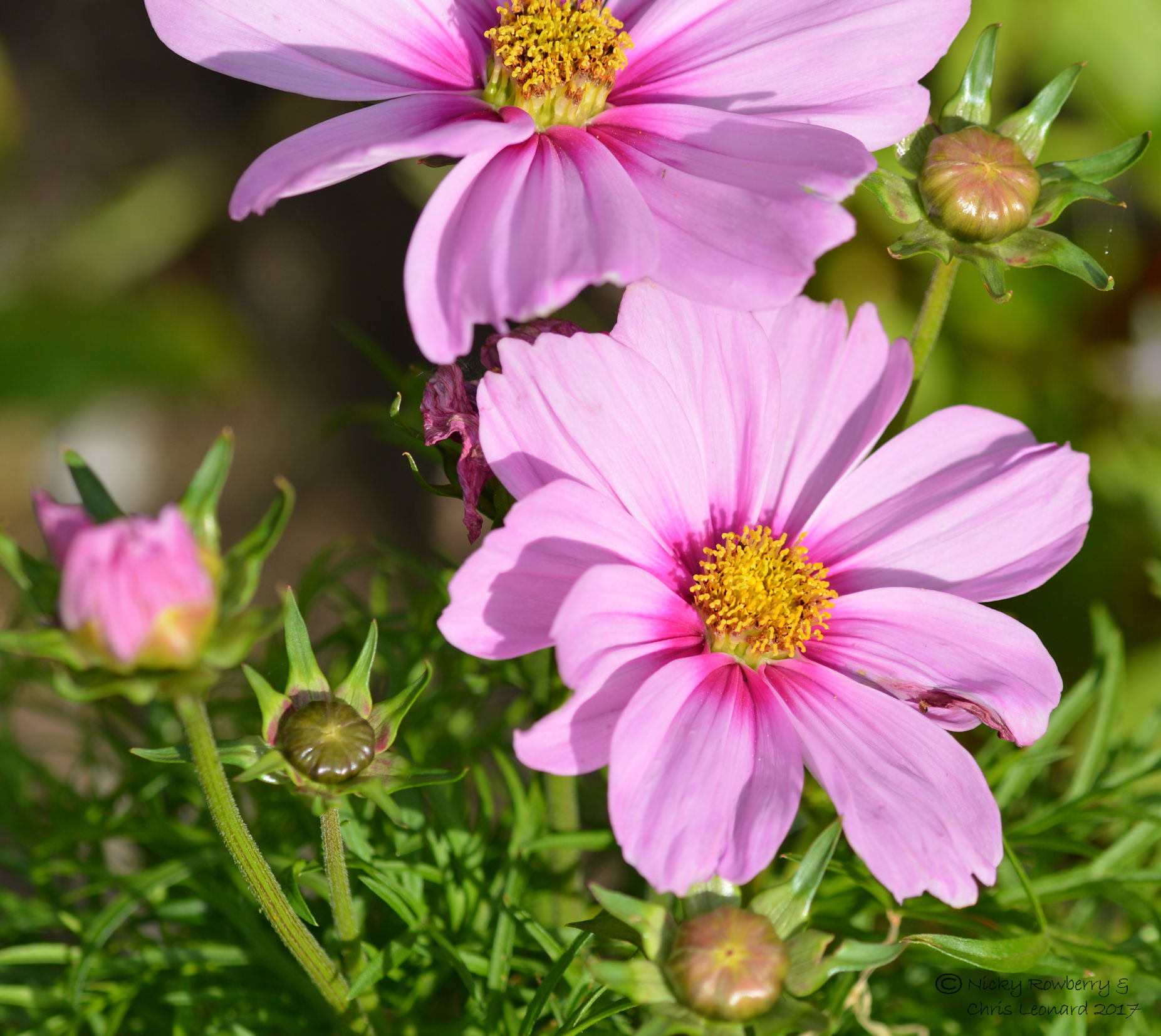
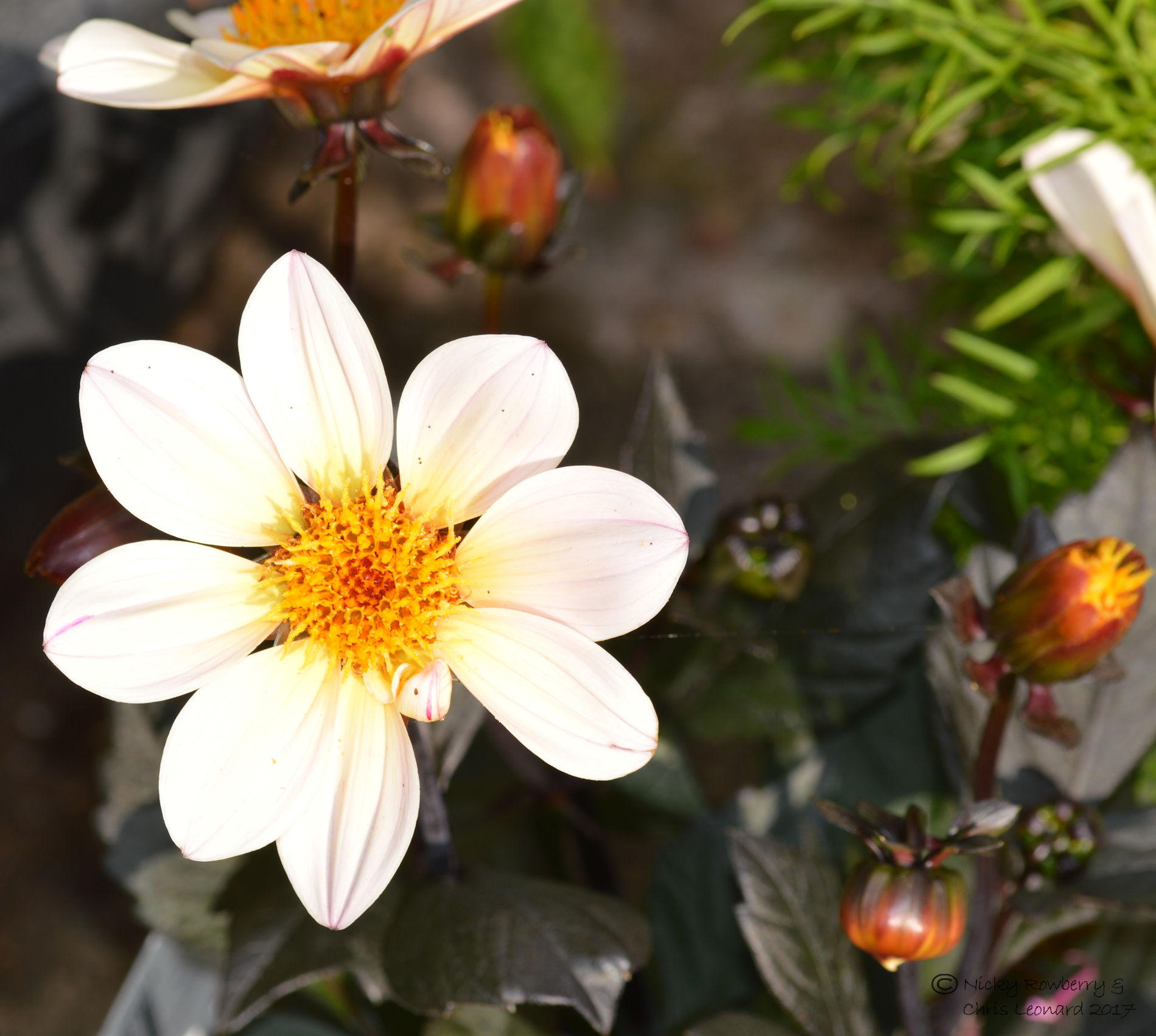
Of the 6, I bought, Cosmos (left), French marigolds and a Dahlia – all of which had bees on in the garden centre when I bought them – a good sign! I also supplemented these with some wildflower plants that I’d had sitting waiting to plant on for a while – Verbena bonariensis, Anthemis and Achillea.


It only took 5 minutes to fill the pot with compost and stick the 6 plants in. With hindsight I could probably have squeezed a couple more in and I may well do so at the weekend. Even if I don’t buy more, hopefully those that are there will bush out to fill the pot up a bit more. Hopefully the mix of different colours and shapes will attract a variety of pollinating insects.

So here is the (sort of) finished article, nothing fancy, but hopefully the bees will appreciate it. Ideally I would have liked to include some photos of insects actually on the pot, but since I did this after work, it was getting a bit late and there was not much buzzing about. Assuming I get something on them, I will add more photos when I can.

Having planted a pot, the website encourages you to plot your pot on their map. Butterfly Conservation hope to cover the UK in pots for pollinators. So being a good citizen scientist, I plotted my pot on the map. It is reassuring to see that ours isn’t the only one in Worcestershire!

Of course our garden being a weedfilled paradise for insects, you could argue that it didn’t really need another pot of flowers for pollinators. But you can never have too many, so why not? And by participating in a scheme like this, we are hopefully helping to spread the good word.

30 Days Wild – Day 10 – Down the Lottie

Day 10 of 30 Days Wild and I’ve spent most of the day down the allotment with my sister. We only got the allotment back in March, having e-mailed to be put on what I thought was an 18 month waiting list, only to get a plot 3 days later! I’m not a natural gardener, so my sister and I are sharing the allotment. I have had to abandon the Too Lazy To Weed policy for the lottie, or all we’d actually grow would be weeds. Sis and I are sticking to our organic, peat free principles though, so ours is hopefully a wildlife friendly plot.

This is what some of the plot looked like when we started. Fairly overgrown with couch grass, bindweed and brambles, but it could have been a lot worse. Some of the empty plots are waist deep in weeds.

It is still very much a work in progress and probably always will be. No sooner have we cleared one patch, than the previous patch needs weeding again. And since we’re not using any weedkillers it is slow going, but worth it. Here’s the same bit a few weeks ago.

We inherited some apple trees, raspberries and currant bushes, all of which we’ve kept for the time being. The first major thing we did was put in a (very) small pond. Even one this size took some digging, which was a bit of a shock to my non-weeding/digging self. This is what the pond looked like just after it was put in.

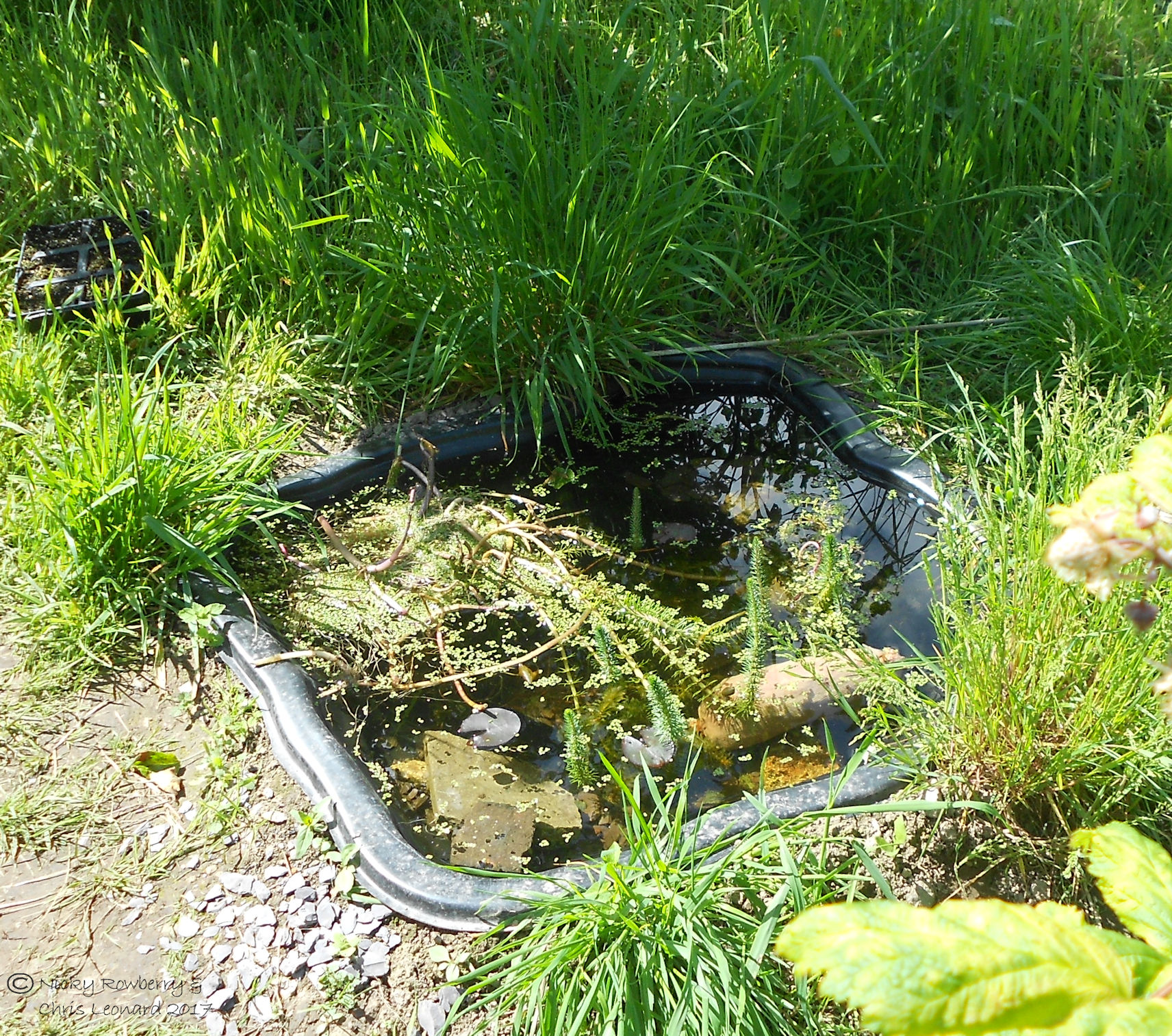
And this is what it looks like now. The pond plants have established a bit and the water has cleared. We used one of those barley straw logs that clear the water naturally, it would have worked even quicker if a cat hadn’t kept fishing it out! There had been a large water barrel on the plot which had pond snails in, so we transferred those in.

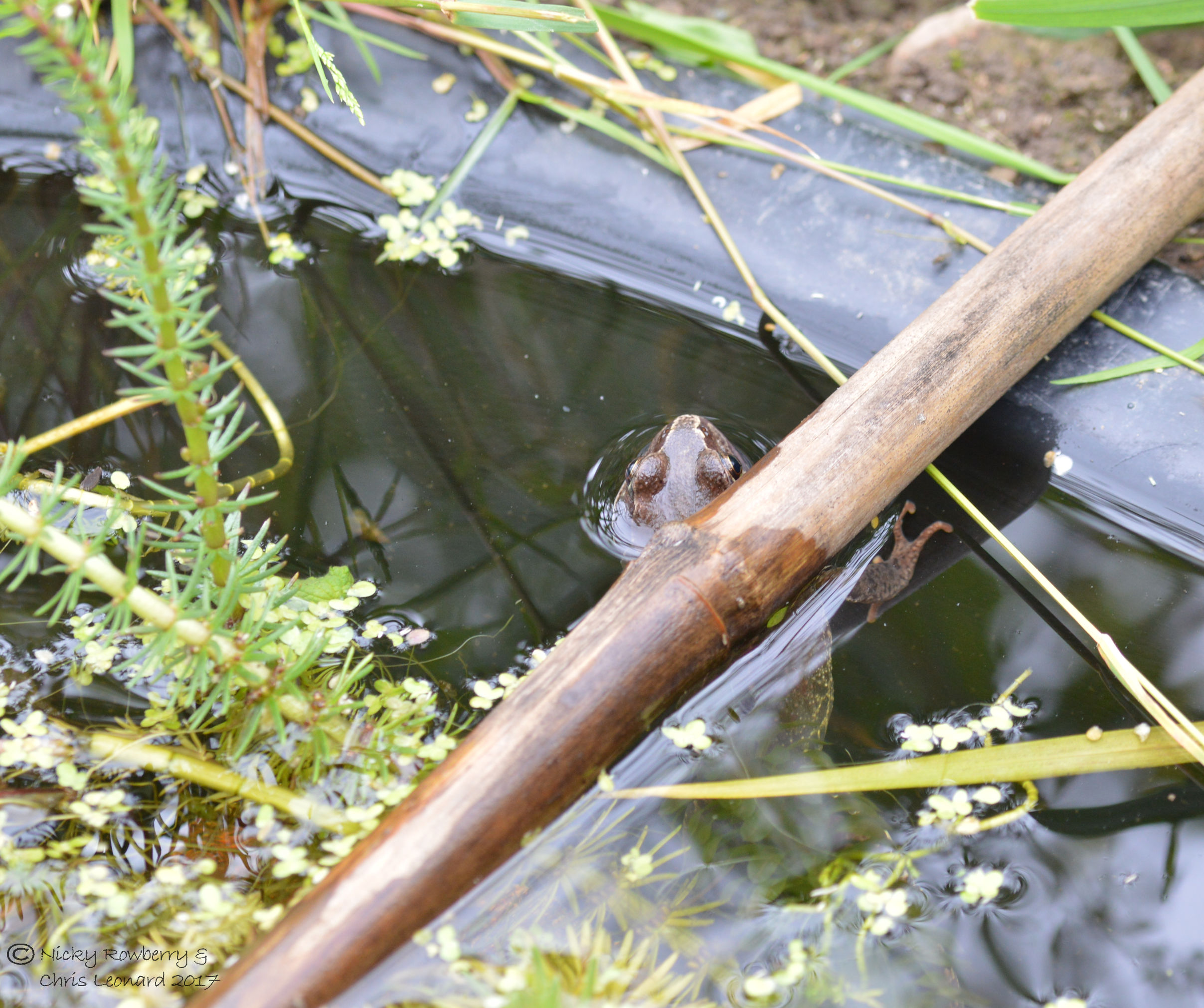
We’ve already seen adult frogs using it – this is one from this morning.

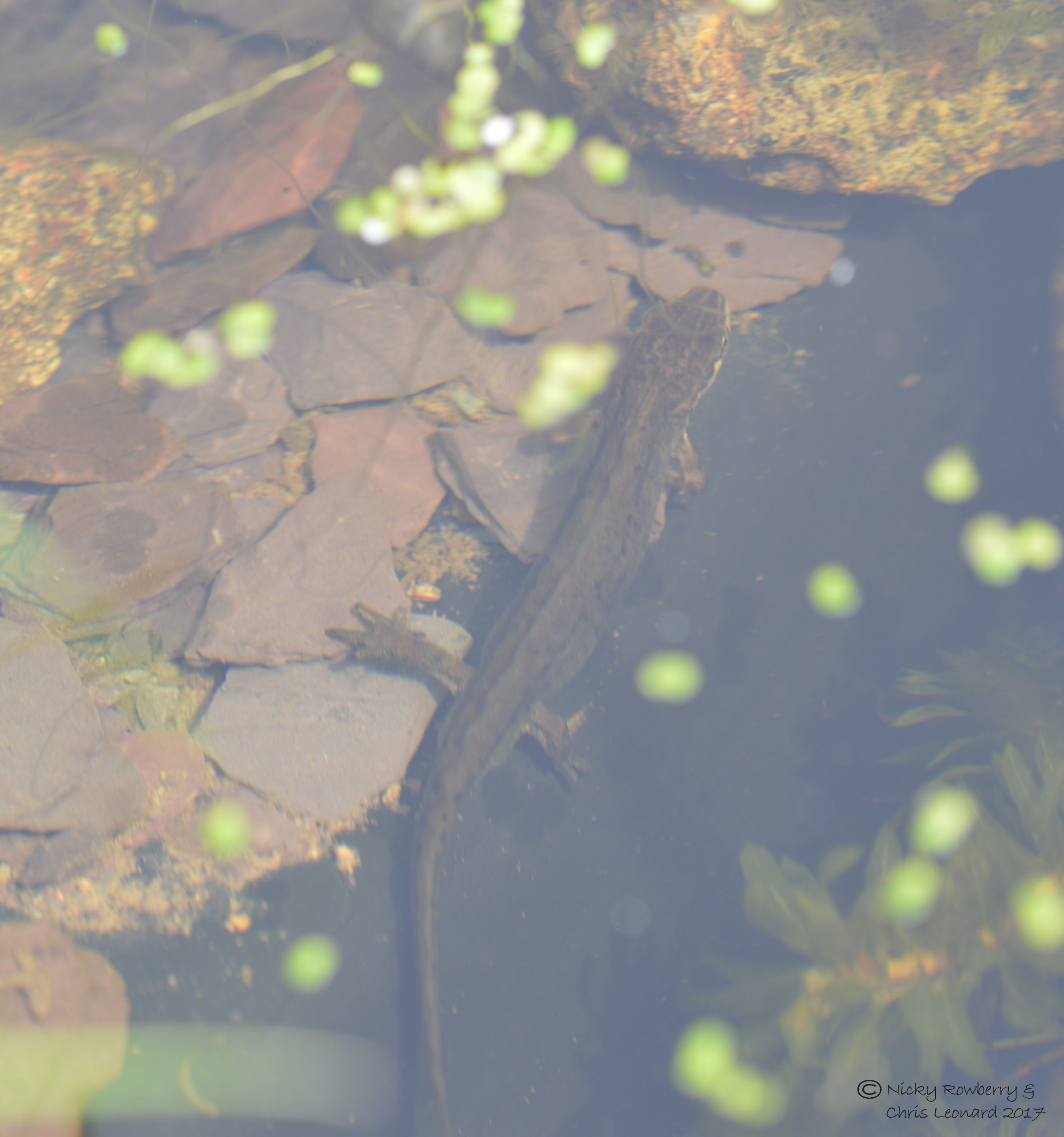
We’ve also got at least one common newt that’s moved in and seems to be pretty much a full time resident now.

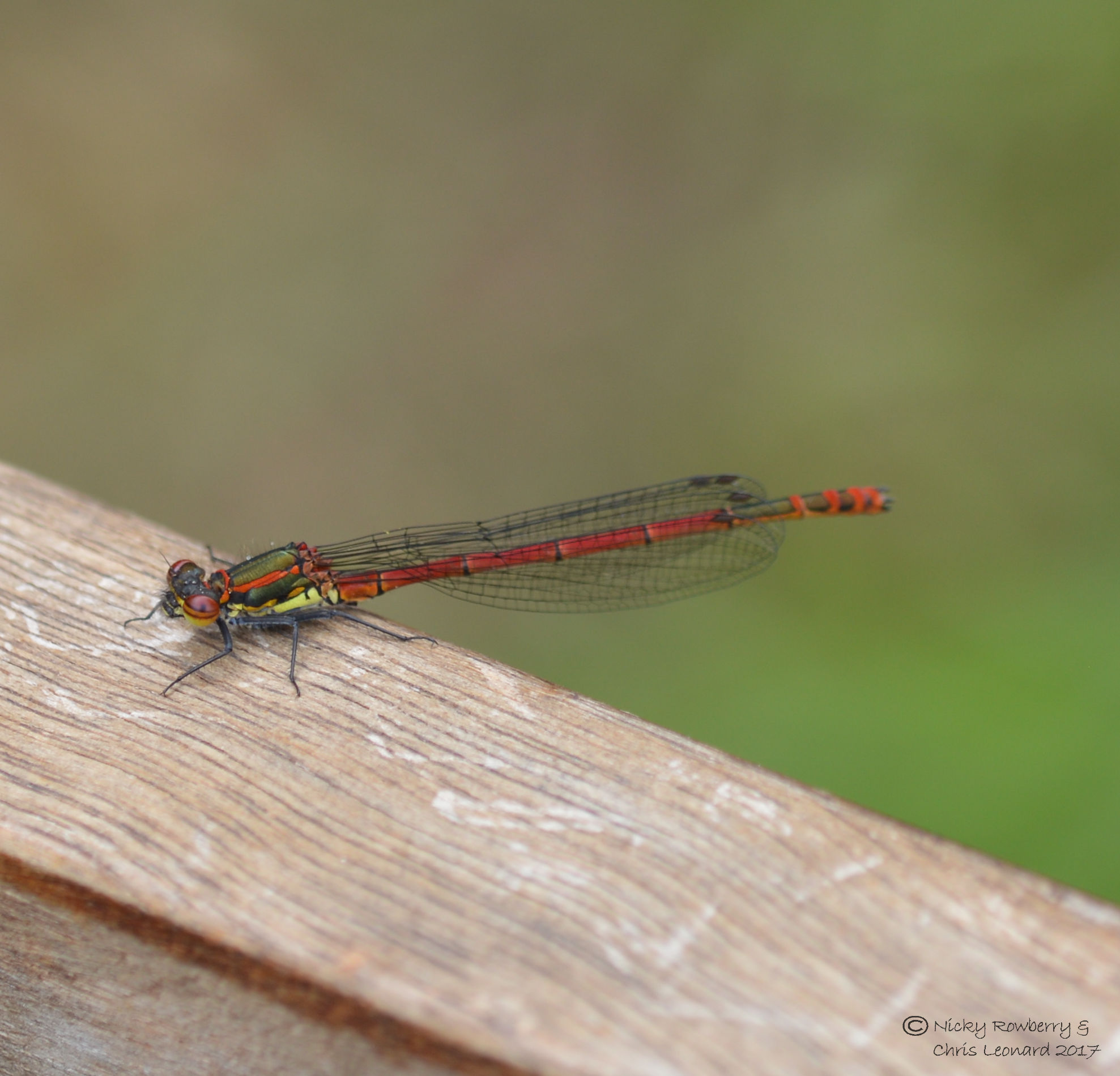
We’ve also had pond skaters and lots of midge larvae and a few weeks ago I got really excited when this red damselfly landed next to it.

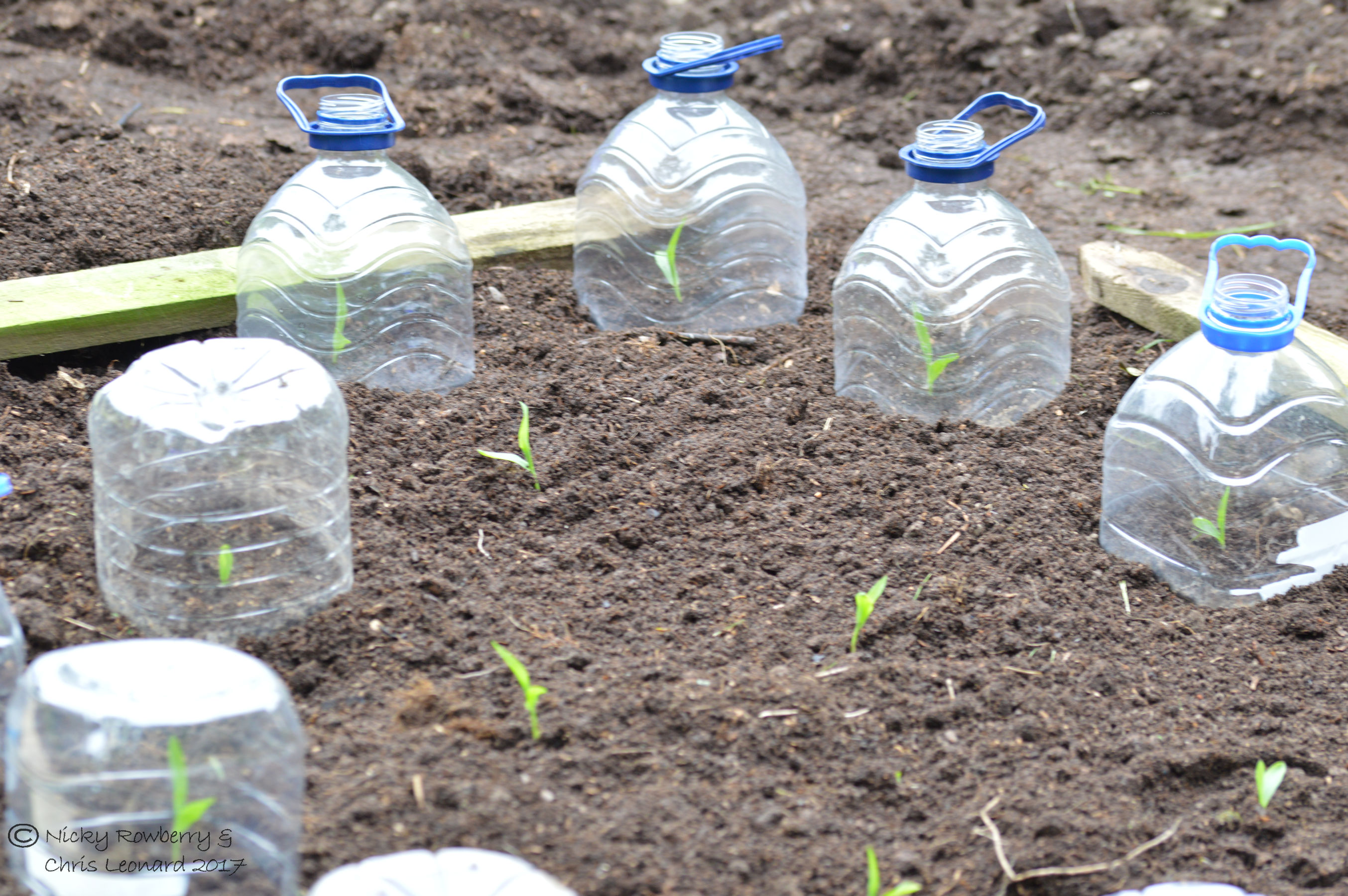
We’re trying to be as environmentally friendly (and economic) as we can, so are using recycled stuff where possible. The cloches over our sweetcorn are old water bottles and we’ve turned other old bottles into plant pots that are hung on the fence.

This strange looking ring of fur may look like we’ve had some kind of ritual sacrifice, but is actually meant to keep the slugs off our courgettes. It consists of the hair clippings off my sister’s dog Pip – perhaps a bit odd, but we read it somewhere and thought we’d give it a go and it seems to be working.

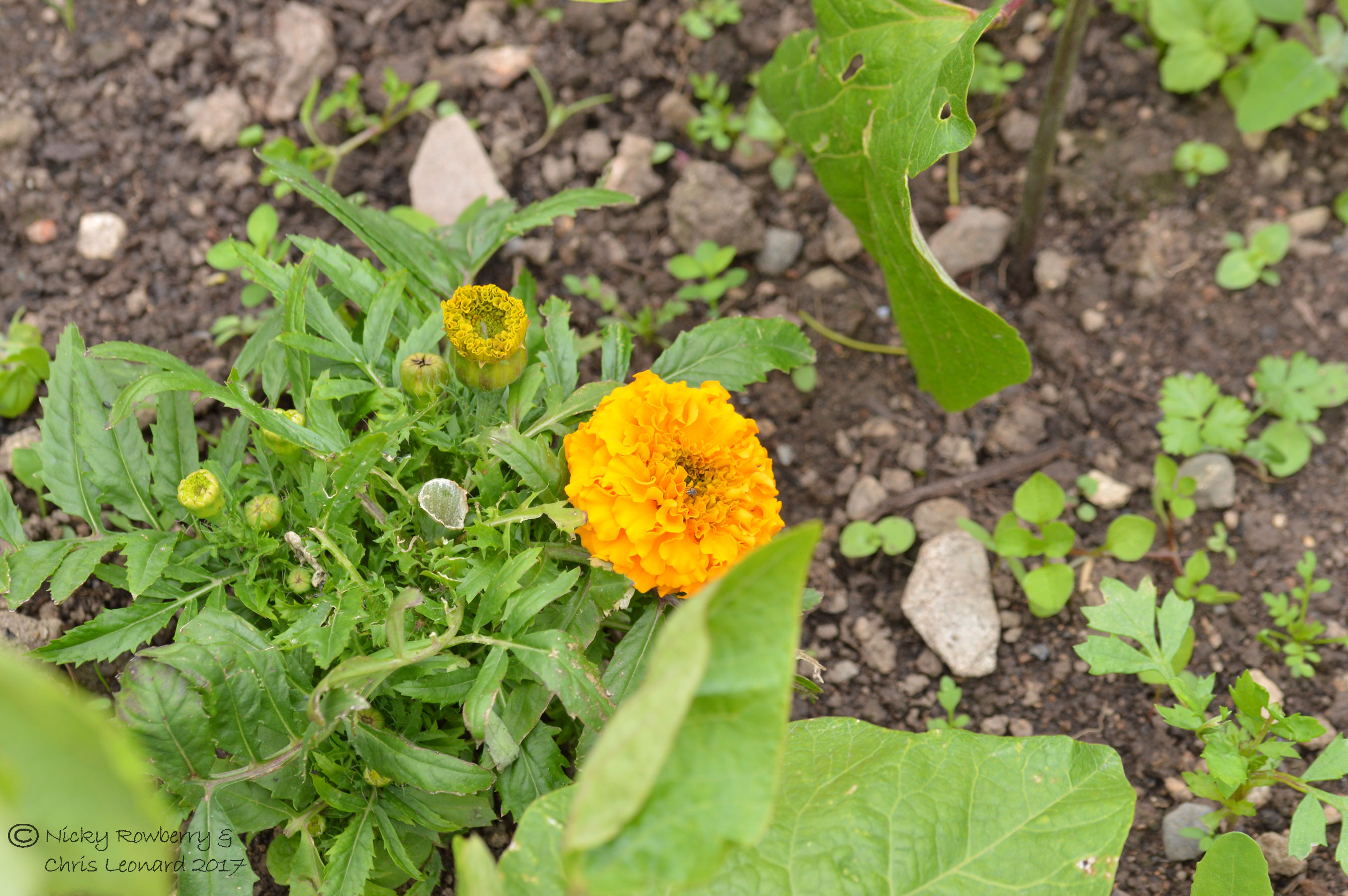
We’re also trying out companion planting to distract the pests, so we’ve got marigolds amongst the runner beans, mint amongst the carrots and nasturtiums all over the place!

It must all be working because there are loads of bees, butterflies and hoverflies. We’ve put up a bird feeder too, so the sparrows are also doing well. We’ve even had moths – found this Small Magpie moth today trapped in the shed. A bit of chasing round with an old toilet roll and I caught him and released him – my good deed for today.

I do have to watch when I’m down the lottie that I don’t get totally distracted by the wildlife and forget to do the gardening. Today I spent an awful lot of time staking out a foxglove to try and get a photo of the bees going in and out. Unfortunately they’re so damn quick, this was the best I managed.

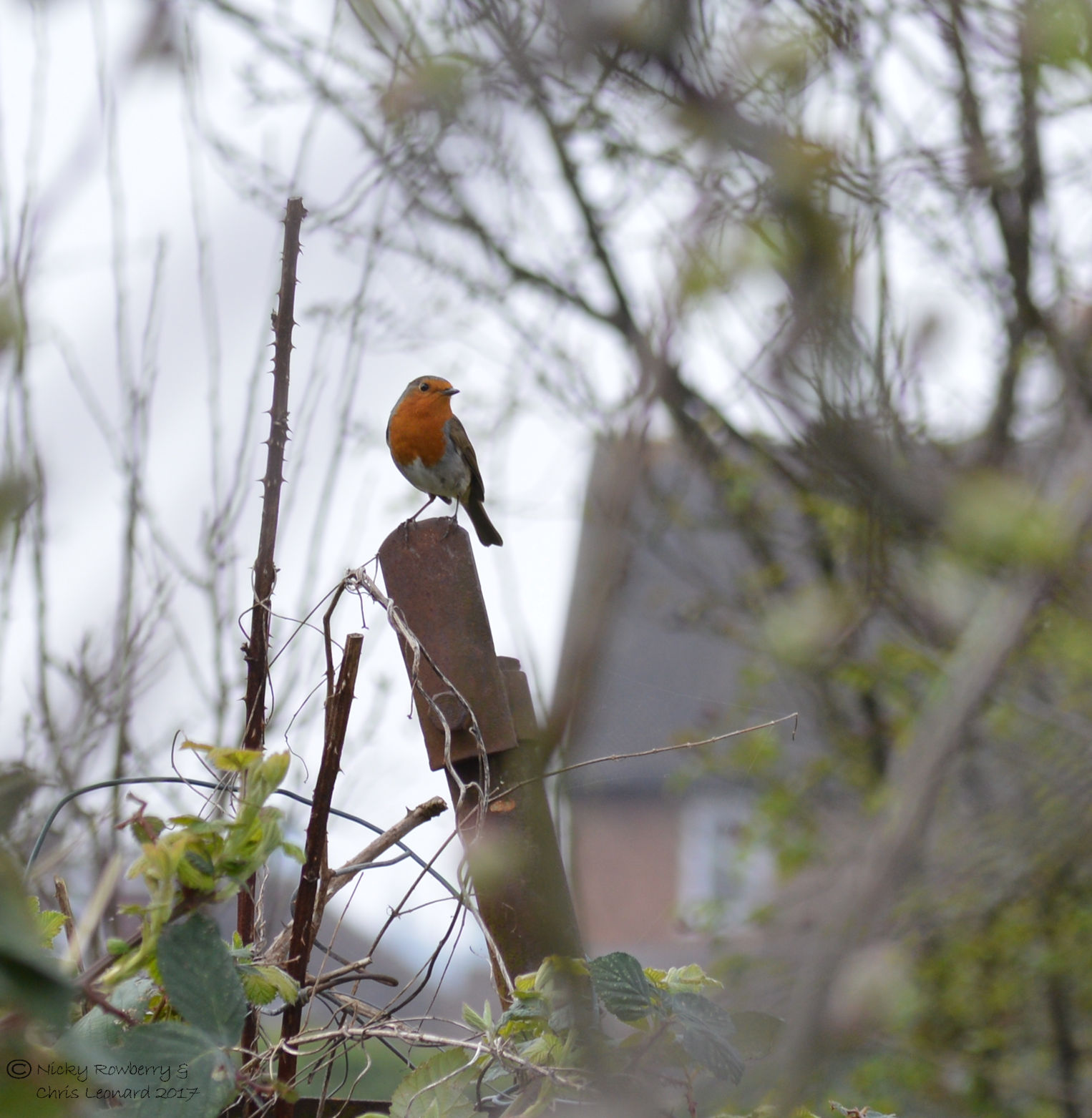
Finally no allotment would be complete without a resident robin. We have a pair that come down – I live in hope of getting them to trust me enough to take food from my hand, no luck yet.

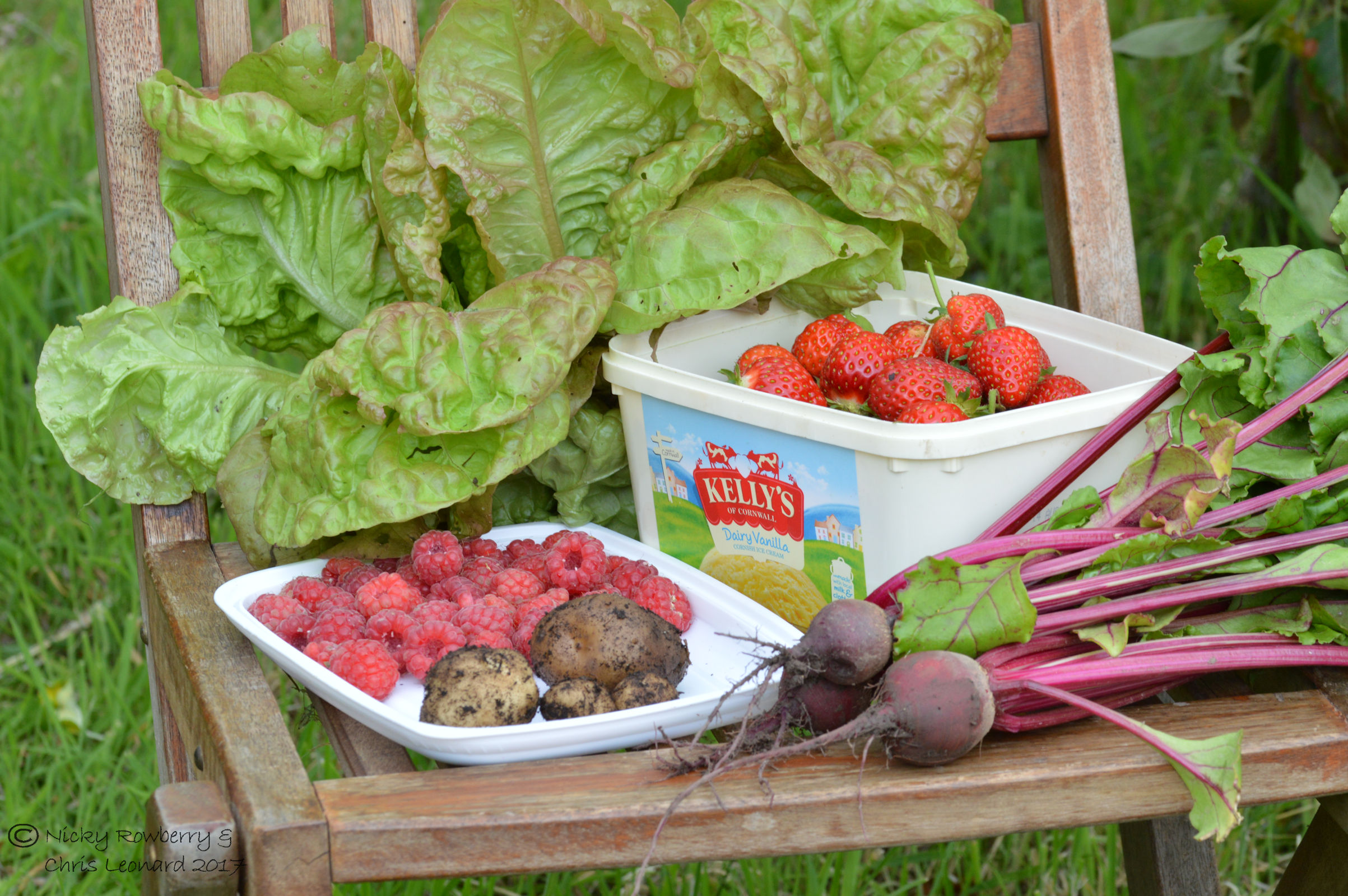
By gardening organically we’ve accepted that some of our lettuce will get munched by slugs and some of the fruit will be eaten by birds, but there’s still more than enough for our two households.  This was today’s harvest – good to know that it is all pesticide and guilt free!

It is lovely and peaceful down the lottie and both my sister and I find it really relaxing. If I didn’t already know that getting in touch with wildlife and gardening organically was good for the soul, then taking on the allotment would have convinced me. Growing our own produce in a wildlife friendly plot – to me that epitomises the whole ethos of 30 Days Wild – and I couldn’t be happier!