Out and About – Upton Warren Wetlands

It’s March and I ventured Out and About properly last weekend for the first time this year. I’d joined Worcestershire Wildlife Trust a few months ago and decided to take advantage of this by visiting the Upton Warren Wetland Reserve.  It was so nice to get some fresh air and explore somewhere new. The reserve has a mixture of freshwater and saline pools (the result of previous brine extraction work), which attract a wide variety of birds. The reserve is pretty big, so I only managed to do about half of it on this first visit. It’s a fantastic site though, so I will definitely be back soon to try out the other half.

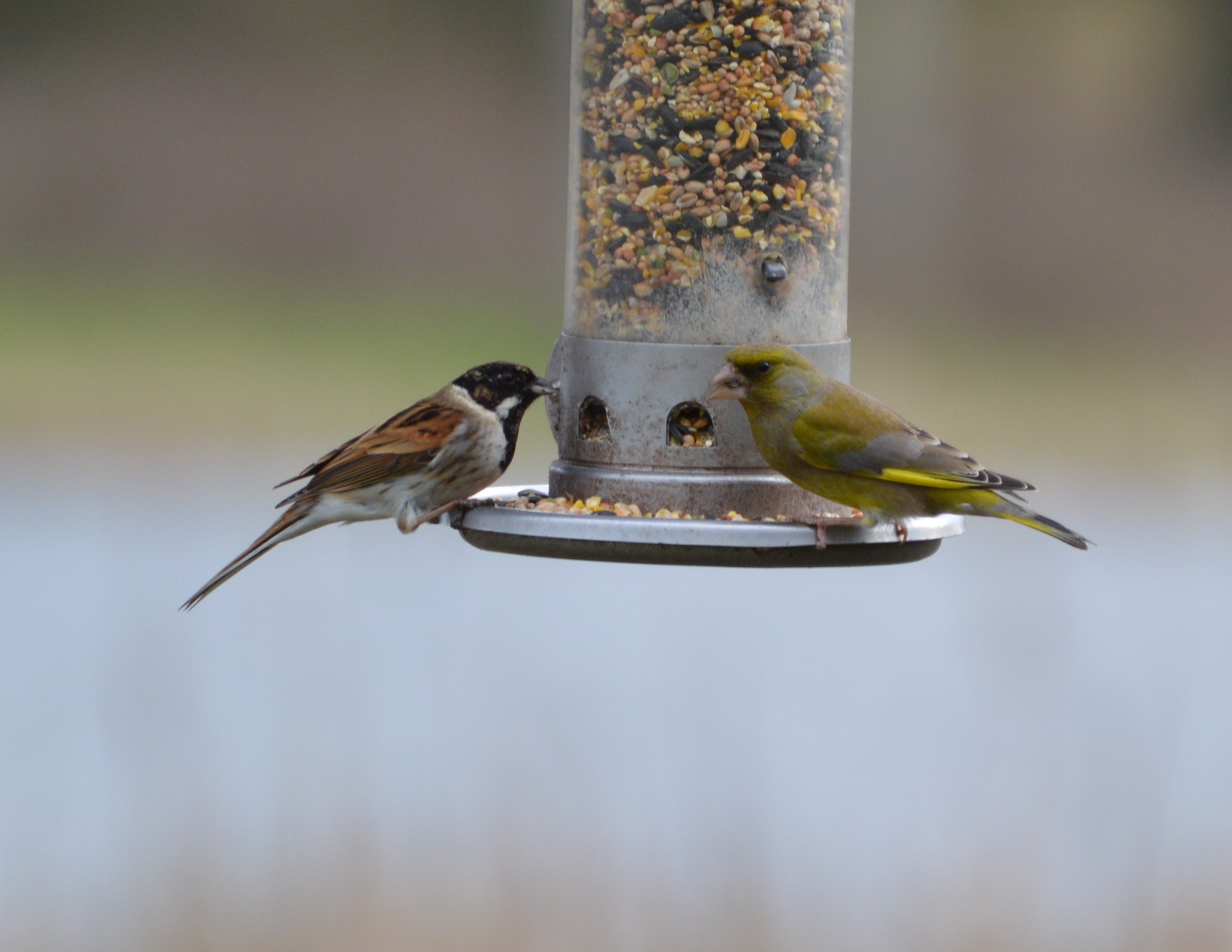
At the first hide, the Trust people had hung out a few bird feeders and I noticed a lot of small brownish birds that looked a bit like sparrows. Being a novice, I had to ask the helpful gentleman who was in the hide with me what they were – I was a bit worried he might just say that they were sparrows, then I really would look clueless, but fortunately it turned out they were reed buntings. I had sort of expected reed buntings to hang about in the reeds and be difficult to see, but I guess why would they do that when there were easy pickings from a feeder?  Top one here is a male and the bottom is the female (at least I think it is, unless it turns out to be an embarrassing sparrow).
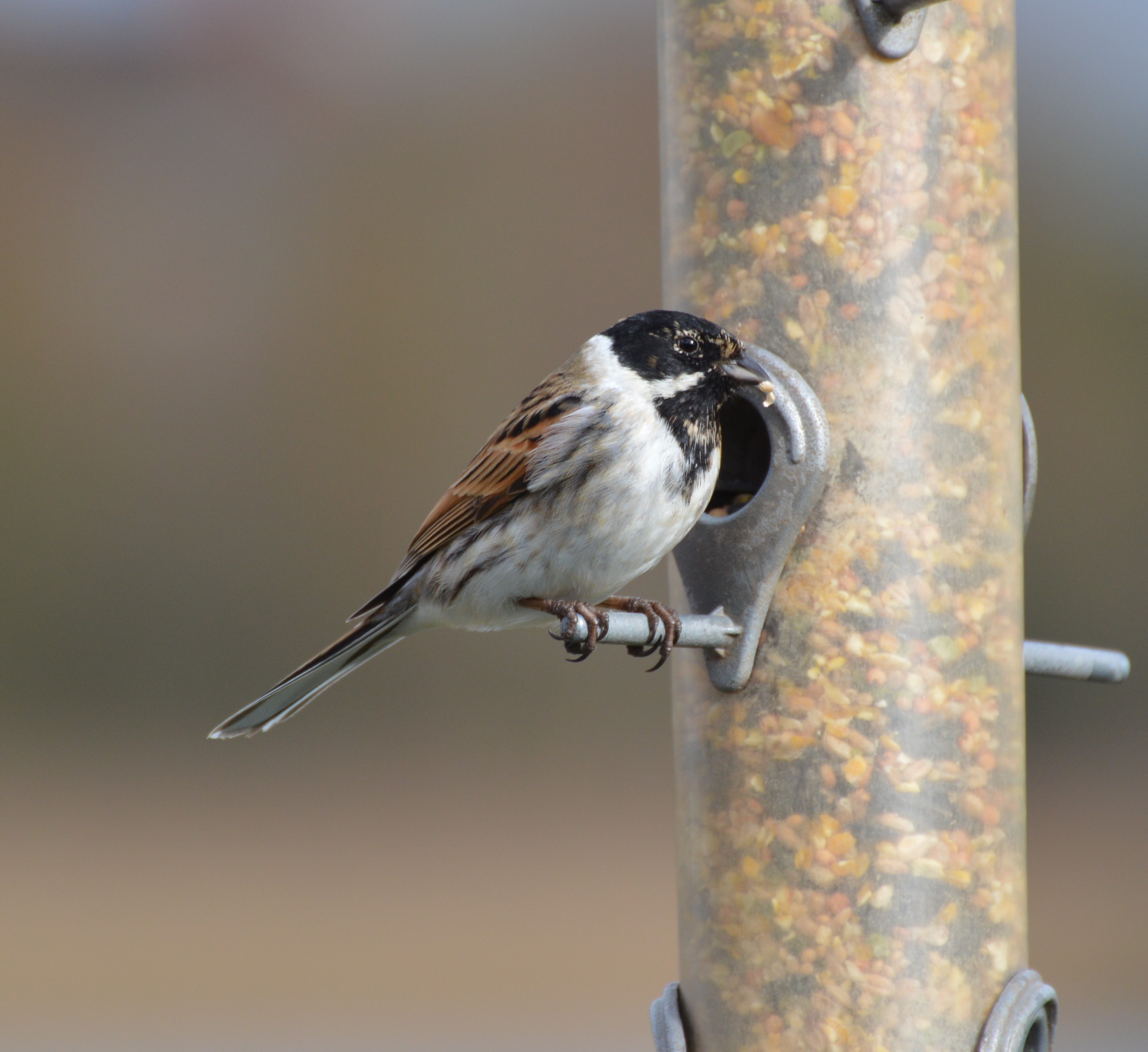
reed-bunting-female

The reed buntings weren’t the only ones using the bird feeders; they had stiff competition from the bullfinches in particular, who in turn had to contend with the greenfinches.
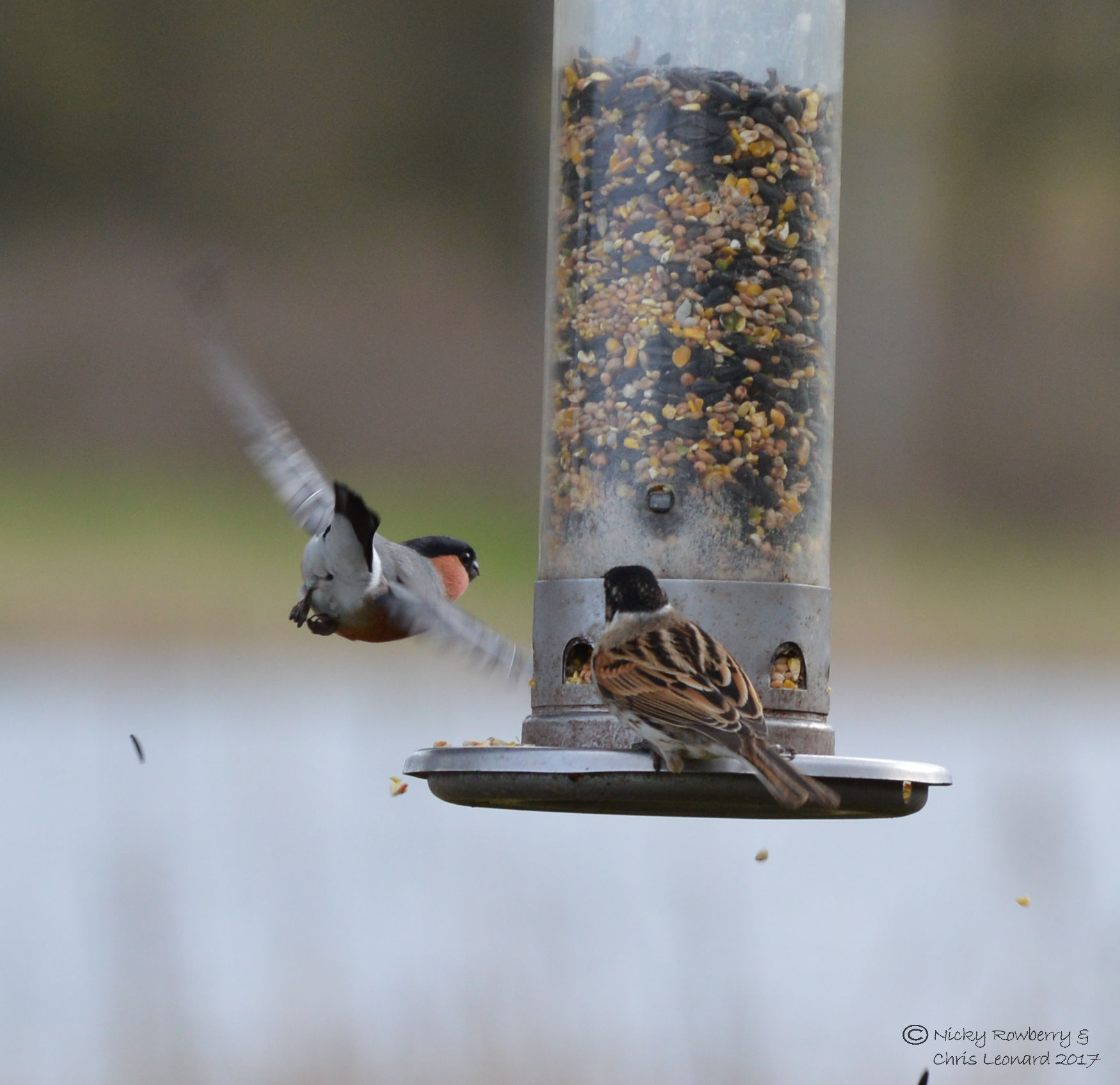
bullfinch-bunting-2

All the dropped seed of course attracted the inevitable rats, including this particularly bold one. Not the most welcome visitor to a bird reserve, but it was interesting to see a rat that close up in broad daylight – a first for me.
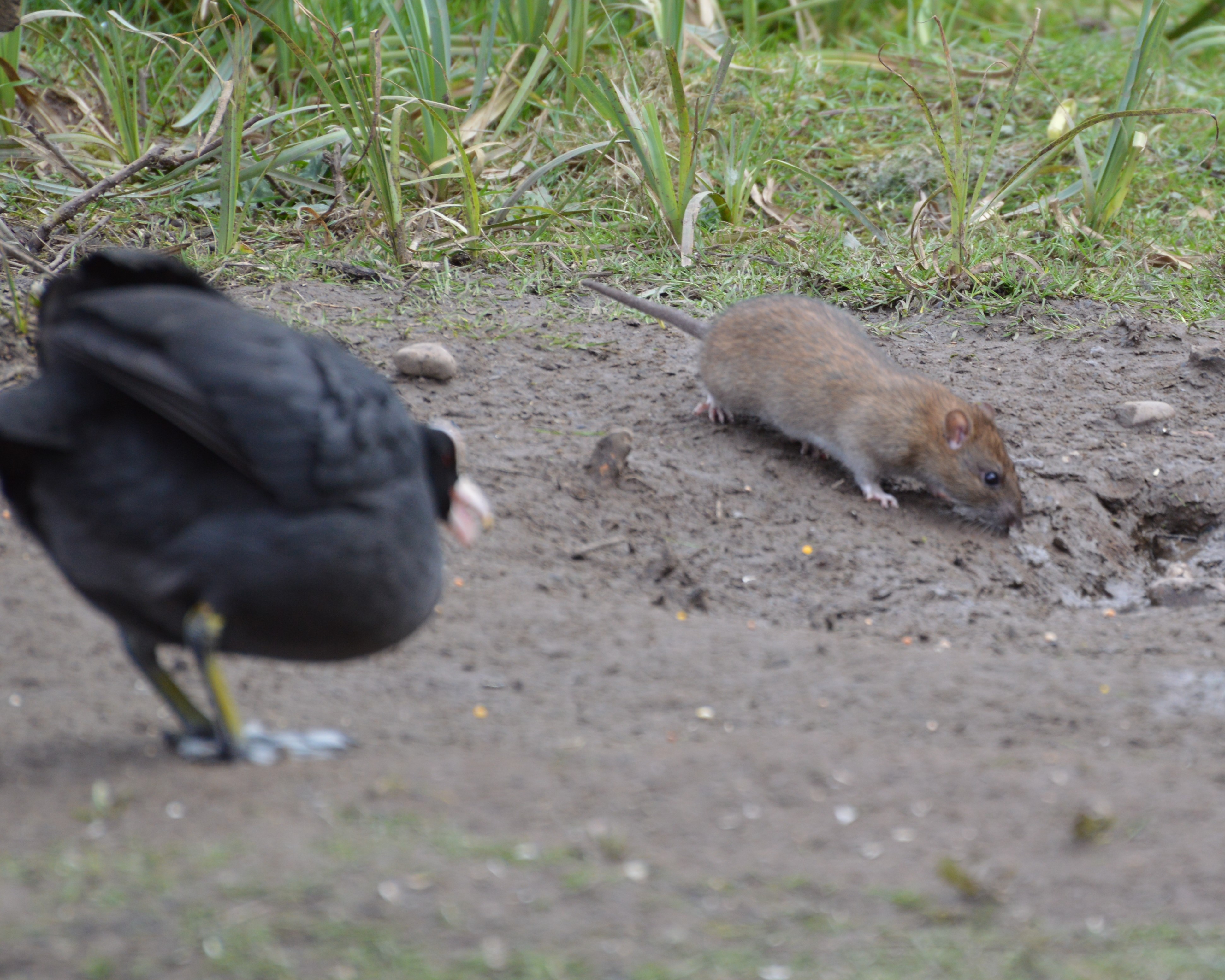
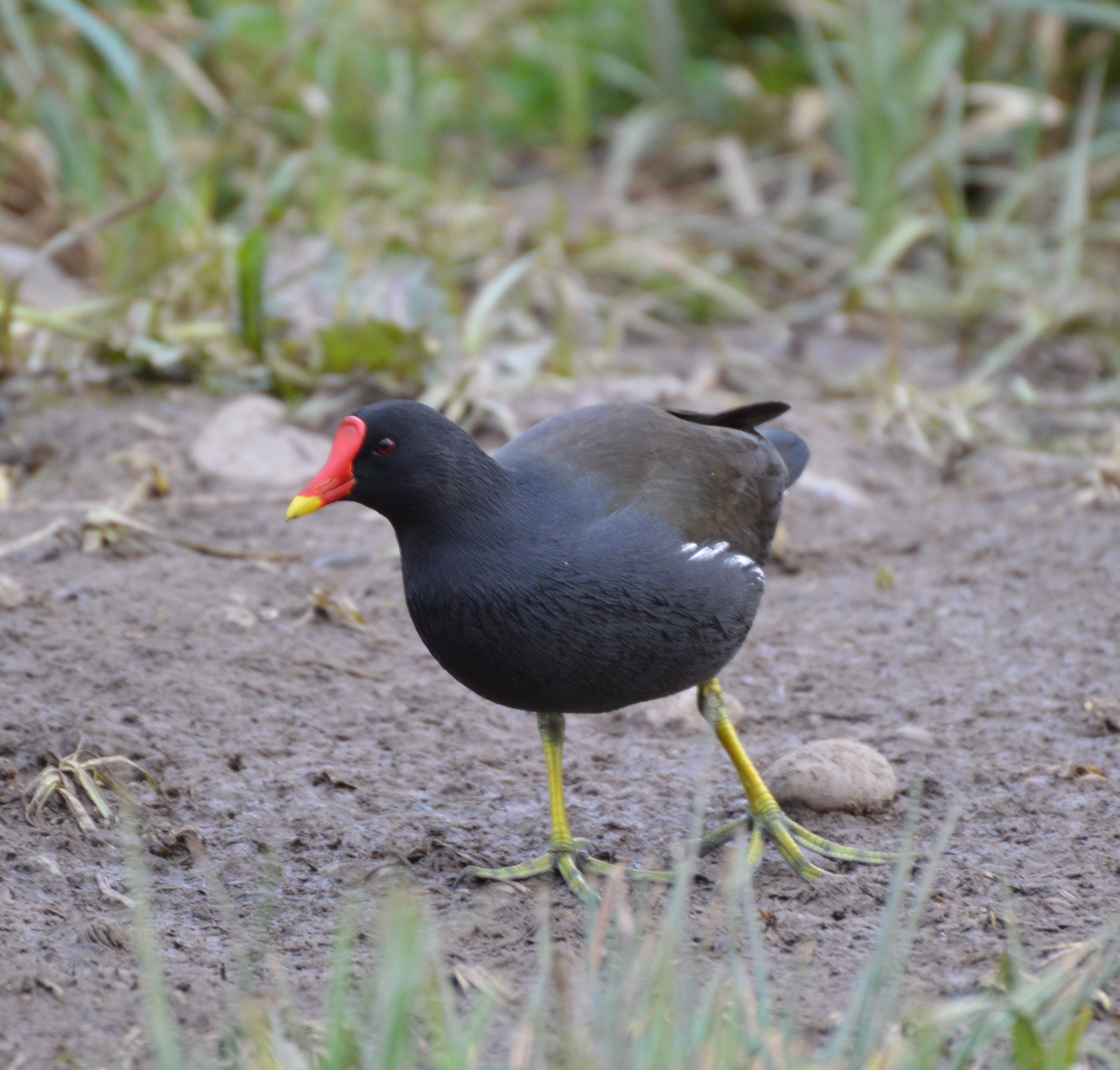
A portly looking moorhen was lazily scanning around for bird seed, while a coot cruised the nearby inlet.
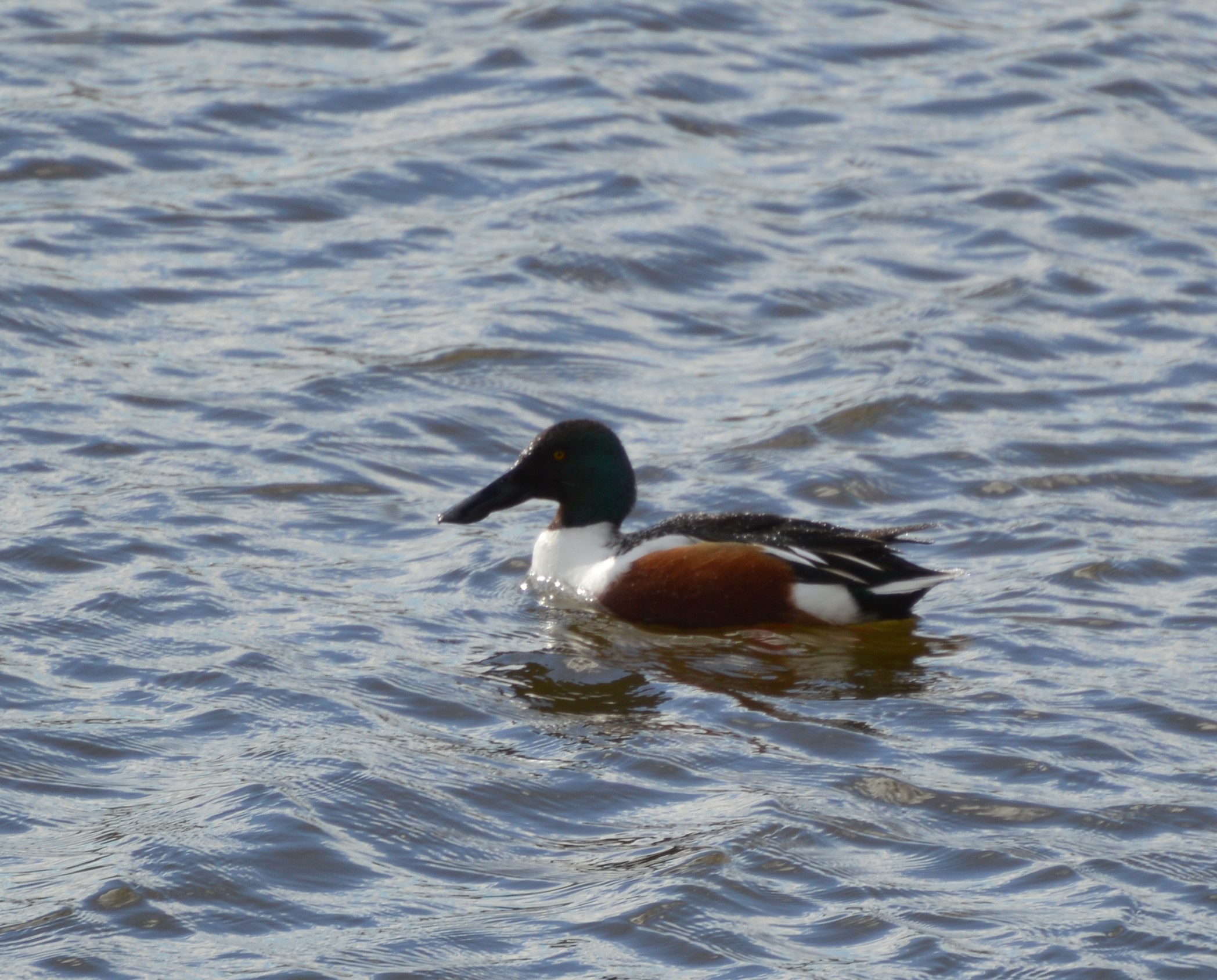
There were quite a few regular mallards about, but then a duck appeared that looked a bit different. Umpteen blurry photos later, I finally got one good enough to identify it as a Shoveler Duck. Turns out they are fairly common, but it was new to me.
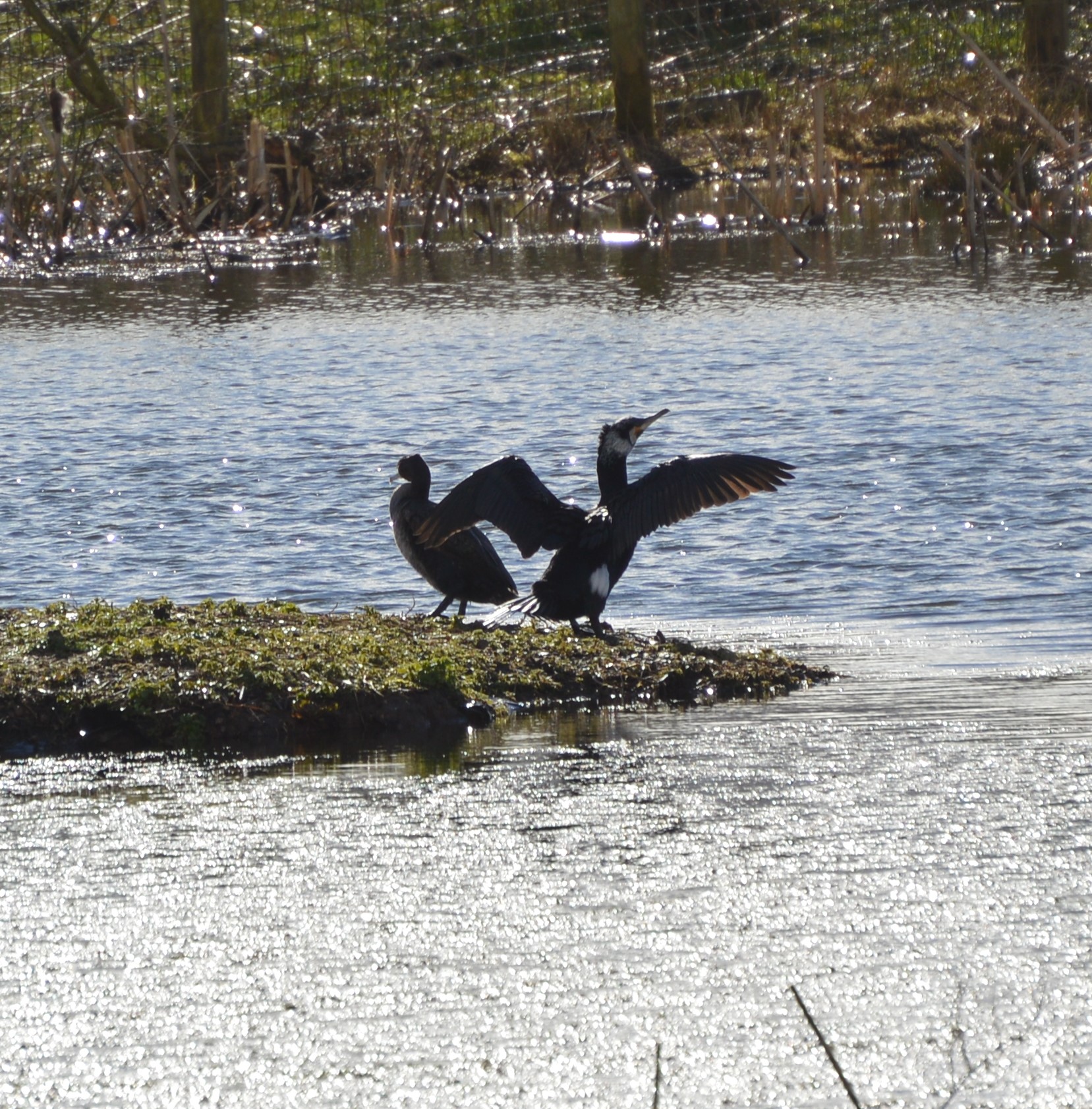
There were a few cormorants about – weird looking birds. Even the RSPSB website describes them as reptilian looking, which seems a tad unkind!
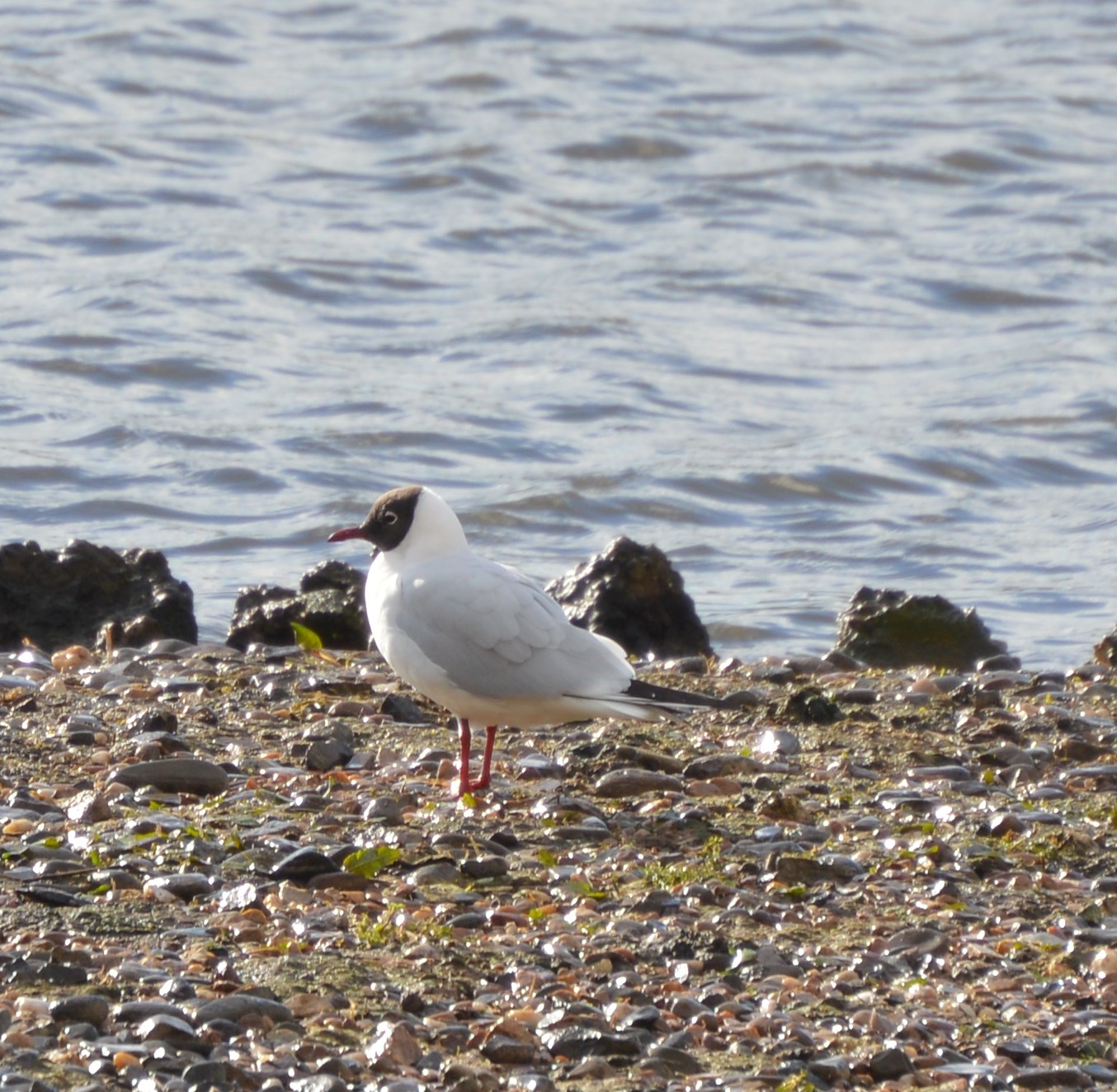
By far the most common birds I saw were these black-headed gulls, this one in his winter plumage still.
One species I was really pleased to see was the lapwing. I’d only ever seen these on TV (Springwatch most likely) and they are such characterful looking birds, I was really chuffed to find a small flock of them. They were a bit far away to get really good photos, although when they all took off I got a slightly better view.

Having lived by the coast for many years, one bird I was familiar with was the oystercatcher – never imagined I’d see them in the middle of Worcestershire though! I heard them at Upton before I saw them – that distinctive, fairly shrill call. A pair landed on a small island in front of me, easily recognisable with their bright red beaks and legs (I do like an obvious bird!) Again they were a bit far away to get really good photos.

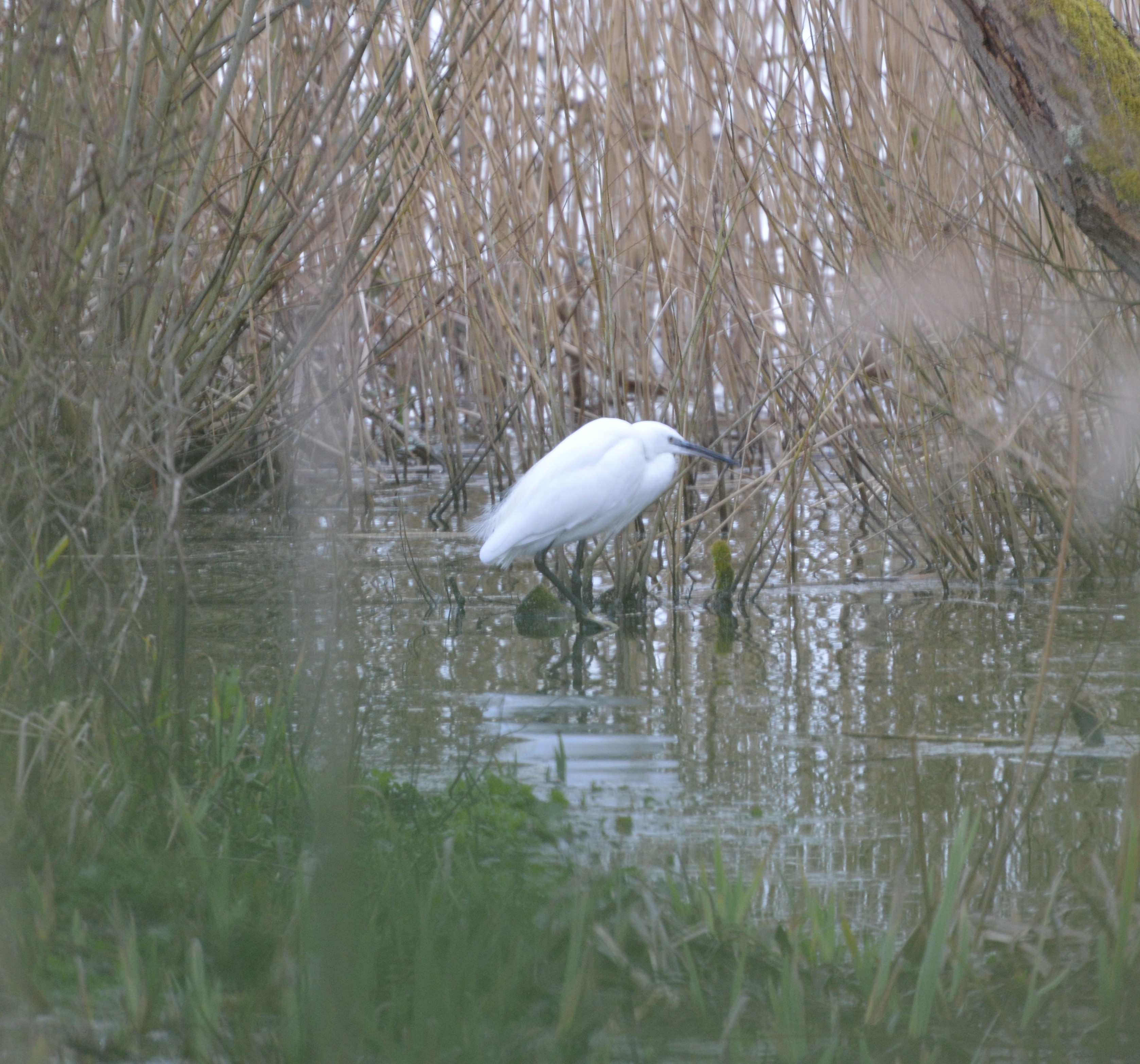
Without doubt the most beautiful bird we saw was this Little Egret,  spotted as I walked between hides. Almost ethereal with its pure white plumage, I watched it for a few minutes before it disappeared into the reeds.
All in all a great afternoon and although I was only there for a few hours, I still clocked up 18 species of bird, several of which were completely new to me. I heard another birdwatcher commenting that there was “nothing much showing” – he was no doubt much more experienced than I was and probably hoping for something unusual. Sometimes it’s good to be a novice, as I was absolutely delighted with everything I saw – lots of the birds were new to me, so it was all exciting and I was happy just watching what was there. For me there was plenty showing.
Finchy Firsts

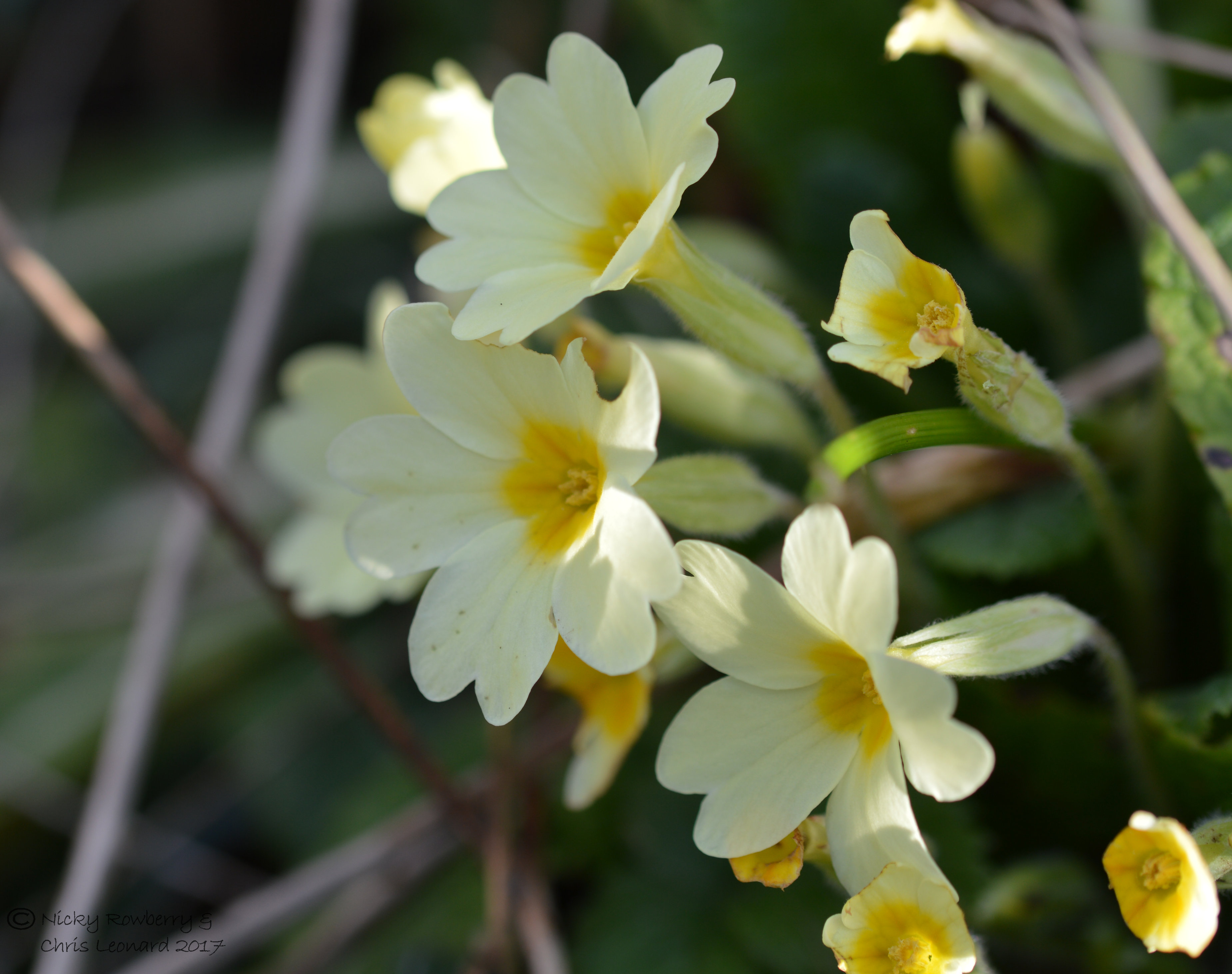
Yesterday there was a real feeling that spring was in the air. I know it’s technically still winter, but the day felt hopeful. The sun even made a (brief) appearance after what seems like weeks of grey skies here in Malvern. The primroses and crocuses were all out bringing a little cheer to the garden.

primroses

crocus

I had hoped there might be a few bees out and about, but was very happy instead to see my first hoverfly of the year. Eristalis tenax (also known rather unkindly as the Common Dronefly) was rather obligingly sunning itself on some large leaves. I’m very much a novice when it comes to hoverflies, but a very helpful man on Facebook ID’d it for me, with the top hoverfly tip that it is the only one like this that has enlarged hind tibia – which is probably the equivalent of fat calves on its back legs!

hoverfly-eristalis-tenax

I have been missing taking macro shots over the winter, so it was really nice to see at least one insect. I’ve tried the moth trap a few times over the last few weeks, but it has been completely empty each time – I need a mothy fix soon! The Garden Moth Scheme starts again in a few weeks, so I hope things pick up before then.

There may not have been many insects about lately, but there are always plenty of birds in the garden. This week we spotted both a chaffinch and a male bullfinch – neither of which we’d seen in the garden before. Sadly no photos of either, so you’ll just have to take my word for it.

I did however manage to see some goldfinches after spending an hour sitting behind a camouflage net in the garage peering through at the niger seed feeder. I was rewarded with a very brief glimpse and one dark and grainy shot of a goldfinch.

goldfinch

Just need a greenfinch now!


Simply Beautiful Bluebells

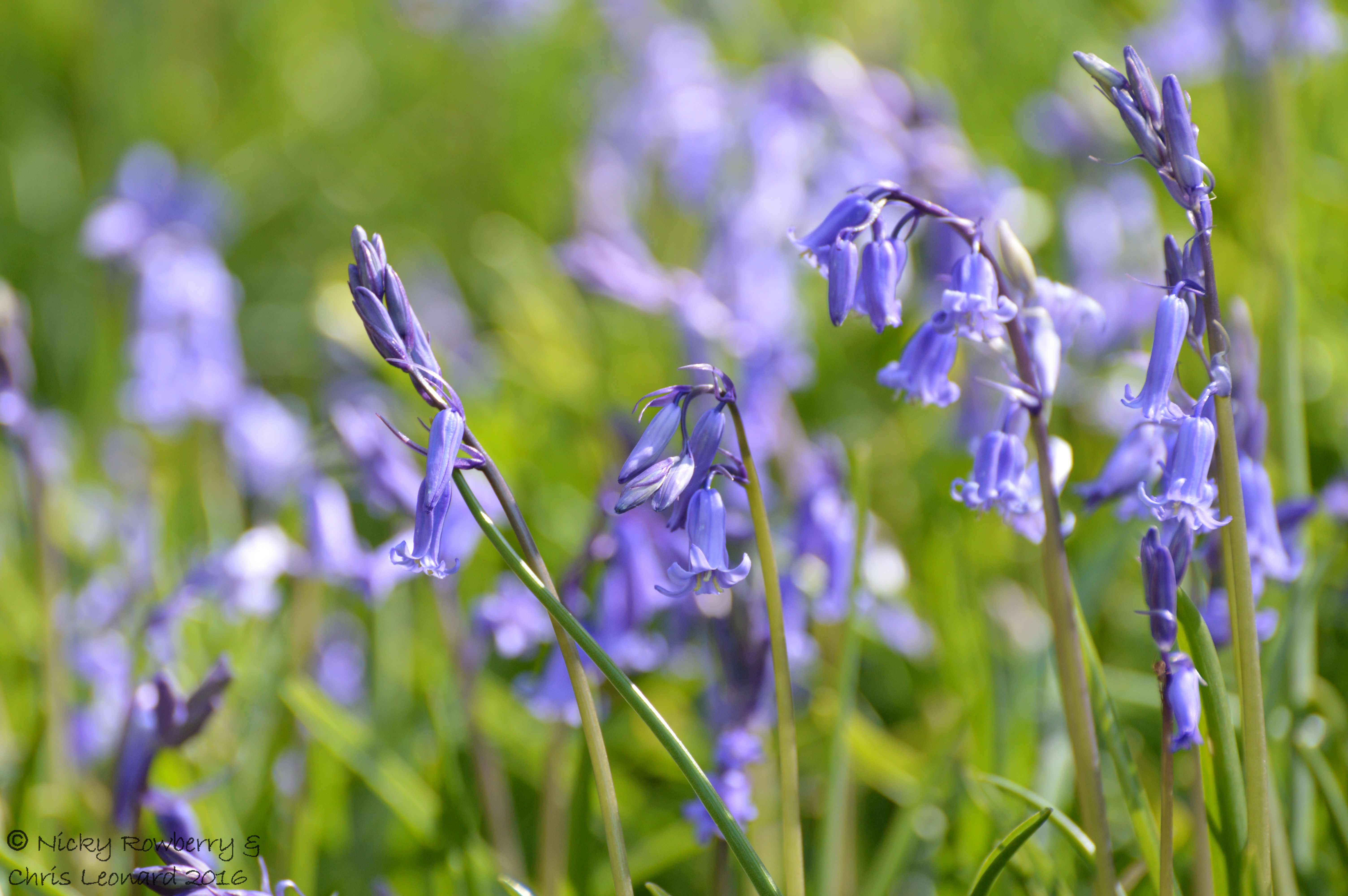
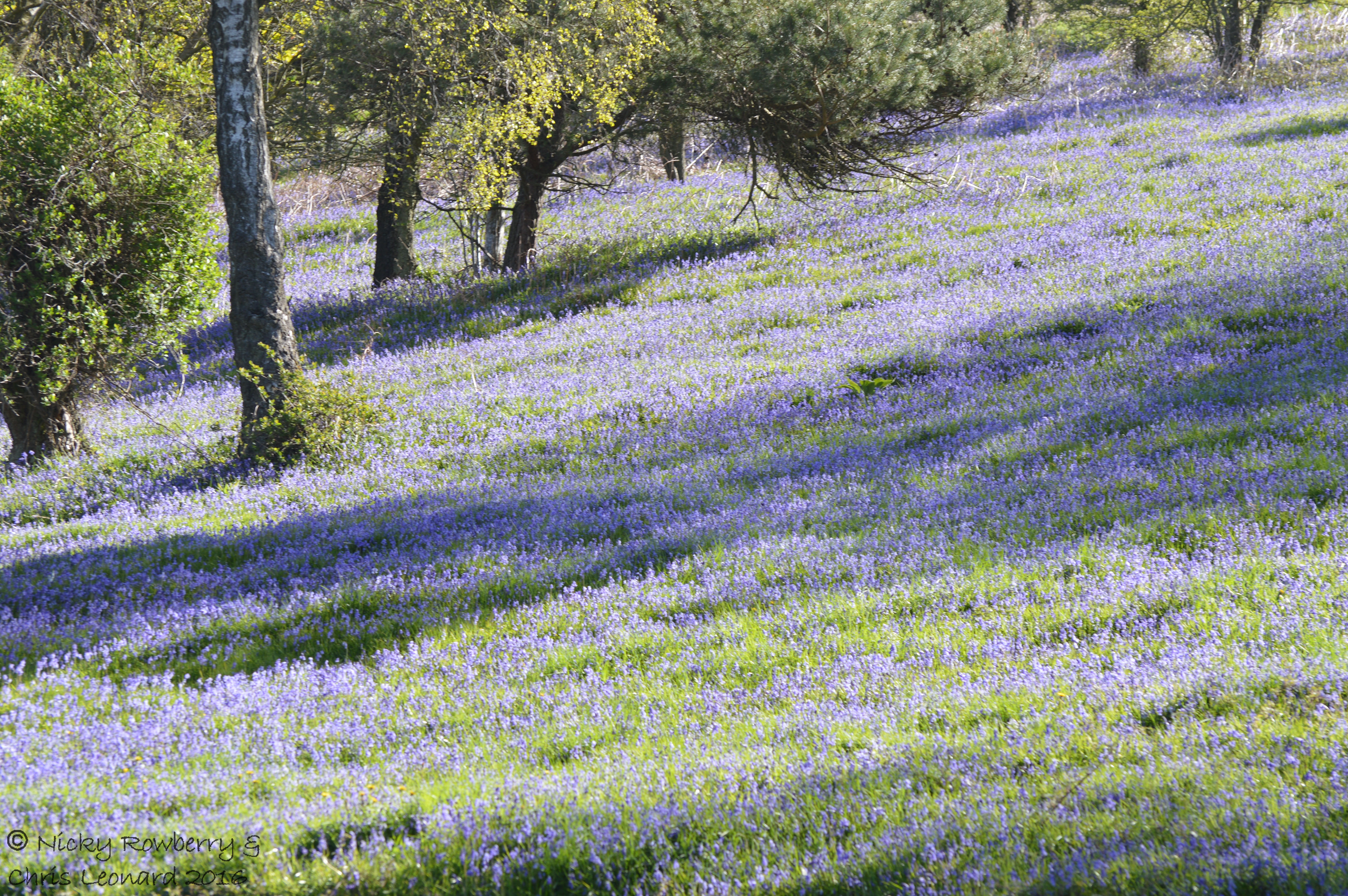
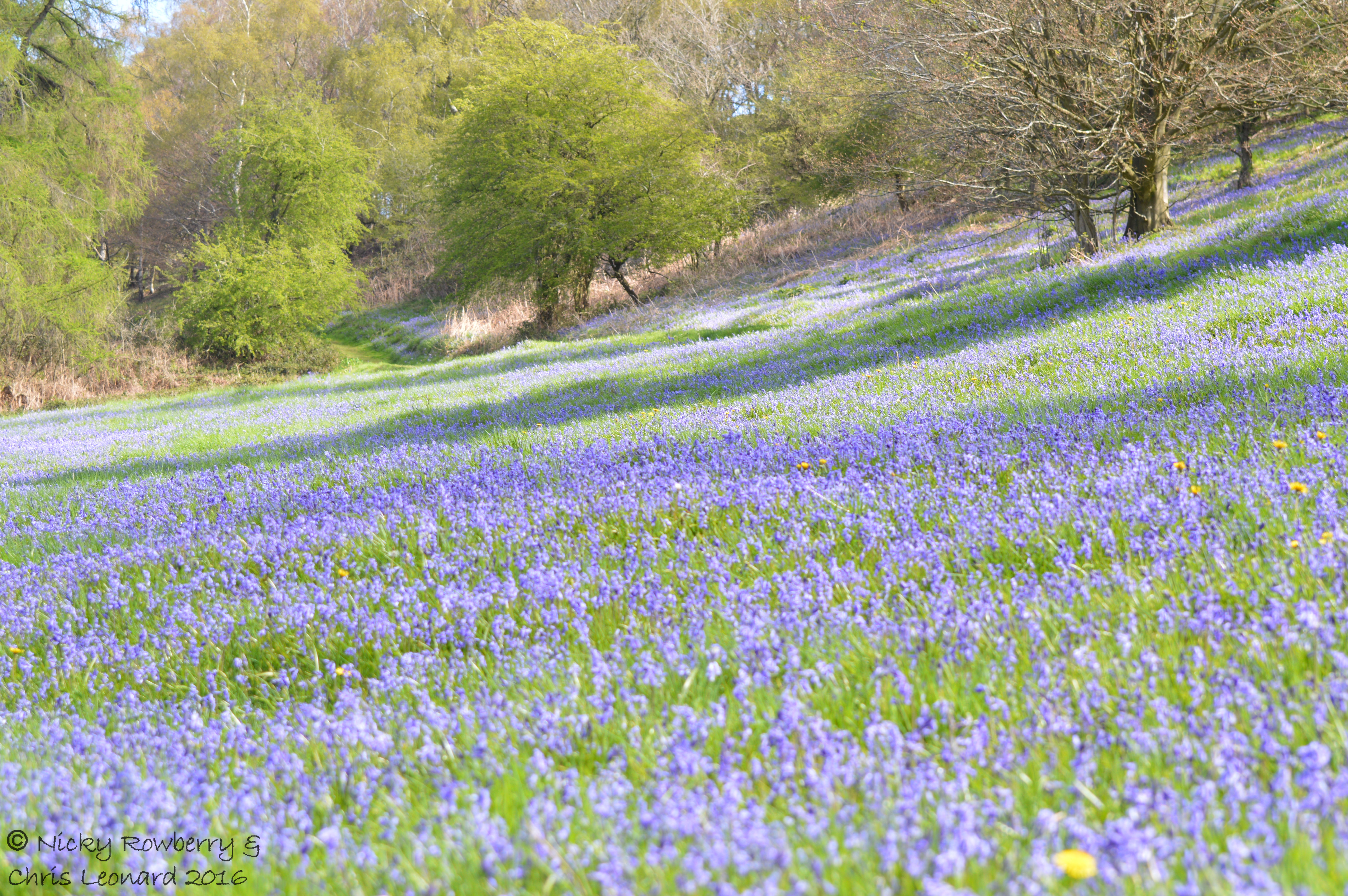
This post is going to be big on photos and for once not much rambling on from me – when you’ve got bluebells this beautiful, there’s really no need to say very much.  I went for a walk this week on the Malvern Hills to see the bluebells, which are approaching their peak right now. They grow all over the hills, but there is one area where they have really formed a beautiful dense blue carpet. They were, as always, simply stunning.

Bluebells on Malvern 4

Bluebells on Malvern 5

Bluebells on Malvern 3

Bluebells on Malvern 2

Bluebells on Malvern

Bluebells on Malvern 6

We went to the same spot last year too. We were a few days later in May and I think the bluebell show then was possibly even more spectacular, so I’ve included a couple of photos below from 2015.

Bluebells 2015

Bluebells 2015 2

We are so lucky to live in this beautiful part of the world.

Busy Birds

The birds are certainly busy in Malvern at the moment (as no doubt they are all across the country of course). There is a constant buzz of activity in the garden, be it gathering nesting material or just a feeding frenzy over the food we put out. The sparrows in particular have been keen on last year’s artichoke flowers for nesting material. It’s amazing how much they can stuff into their beaks, ending up with  ludicrously oversized moustaches!

Sparrow nesting material

In true Too Lazy fashion, we had left the old flowers standing thinking they would provide seeds for birds and maybe shelter for overwintering insects. I hadn’t realised they would make such good nesting material, but clearly the sparrows knew better. I’ve seen them plucking at the flowers in all weather, even when the high winds rock them about in the video below.

I already knew the blue tits had been checking out the bird box, so it was really nice to see this one taking nesting material in, although he or she did seem to be struggling a bit to get it all through the hole!

Birds of all sorts have been eating us out of house and home in the garden, hopefully building up their energy reserves for nesting. The blue tits regularly perform for the trail camera, but it was nice recently to get footage of the starlings and sparrows who have tended to be more camera shy. Being able to see the starlings close up like this you can appreciate what beautiful and colourful birds they really are – not just the plain black they can sometimes appear from a distance.

Starling on suet

The sparrows gather round the suet feeder in groups of up to about 8, although they can rarely manage to squeeze more than 3 or 4 on it at any one time.

There are still several species that have so far refused to be filmed although we see them regularly in the garden – Great Tits, Coal Tits, Goldfinches and of course the Sparrowhawk.


Out and About – Tiddesley Wood

The Two Lazy Gardeners went crazy today, got off our sofa and went out and about! It’s the beginning of Bluebell season here in Worcestershire, so we headed out to some woods in hope and expectation. The wood of choice for today was Tiddesley near Pershore – a Wildlife Trust run reserve.

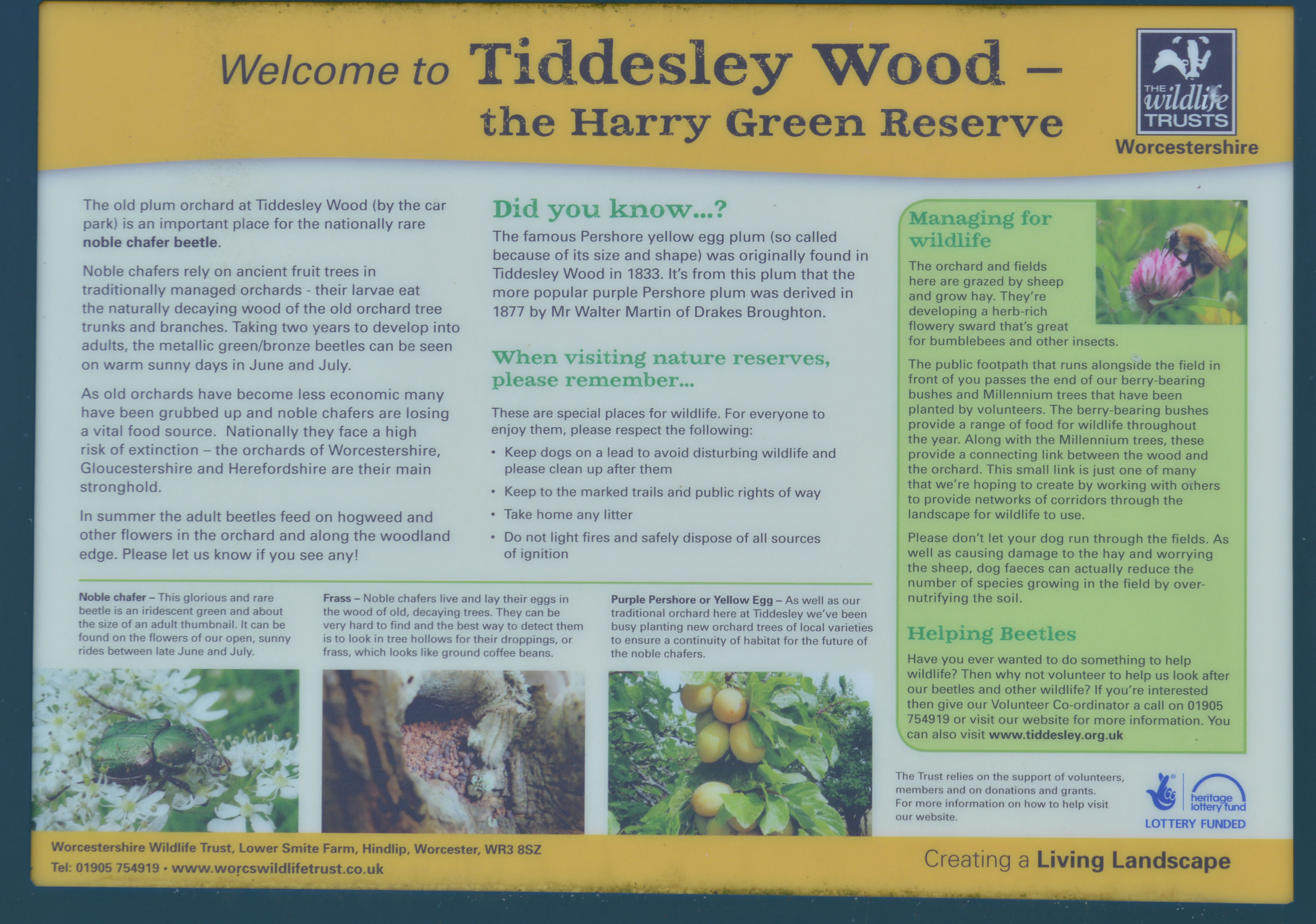
Signpost

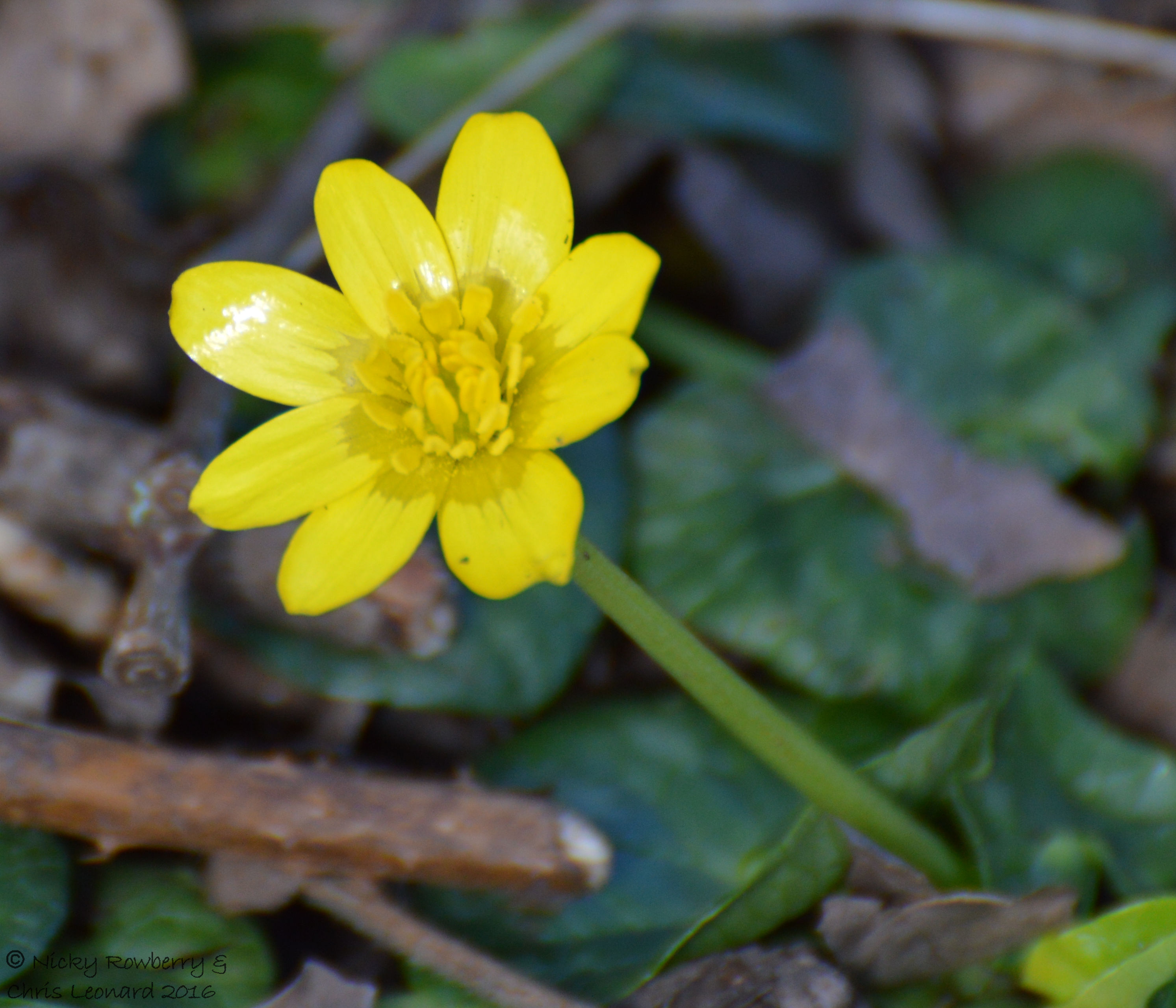
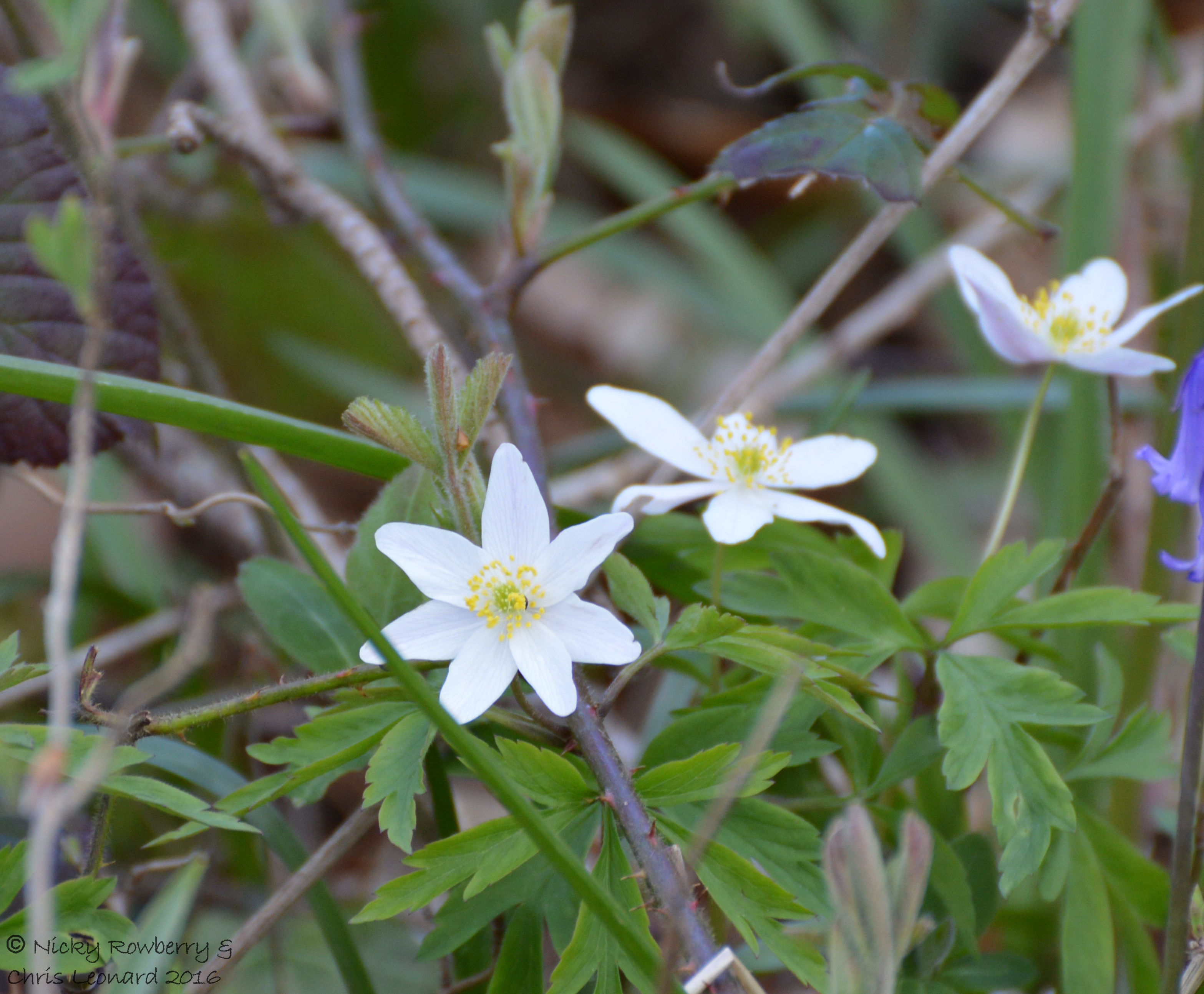
Bluebells were of course the main target, but lots of other spring flowers were about, such as these Lesser Celandines, Wood Anemones and Cowslips.

Lesser Celandine

Wood anemone

Cowslip

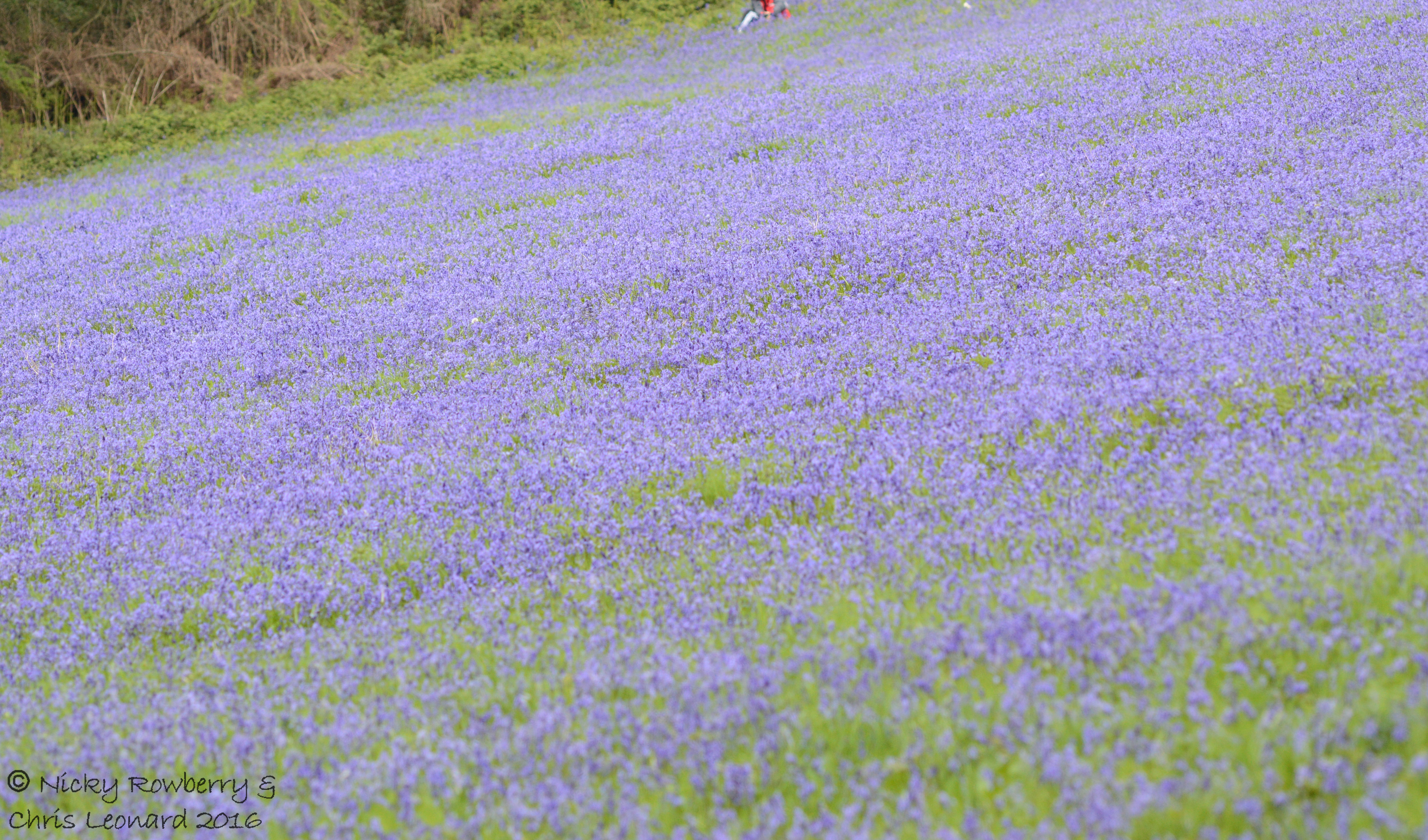
But of course the Bluebells were the stars of the show. Although they’re probably not quite at their peak yet, they were still stunning, carpeting areas of the wood in a beautiful purply blue. Photos never seem to really do them justice, but here are a few of our attempts.


Bluebells

Bluebells (10)

Bluebells (7)

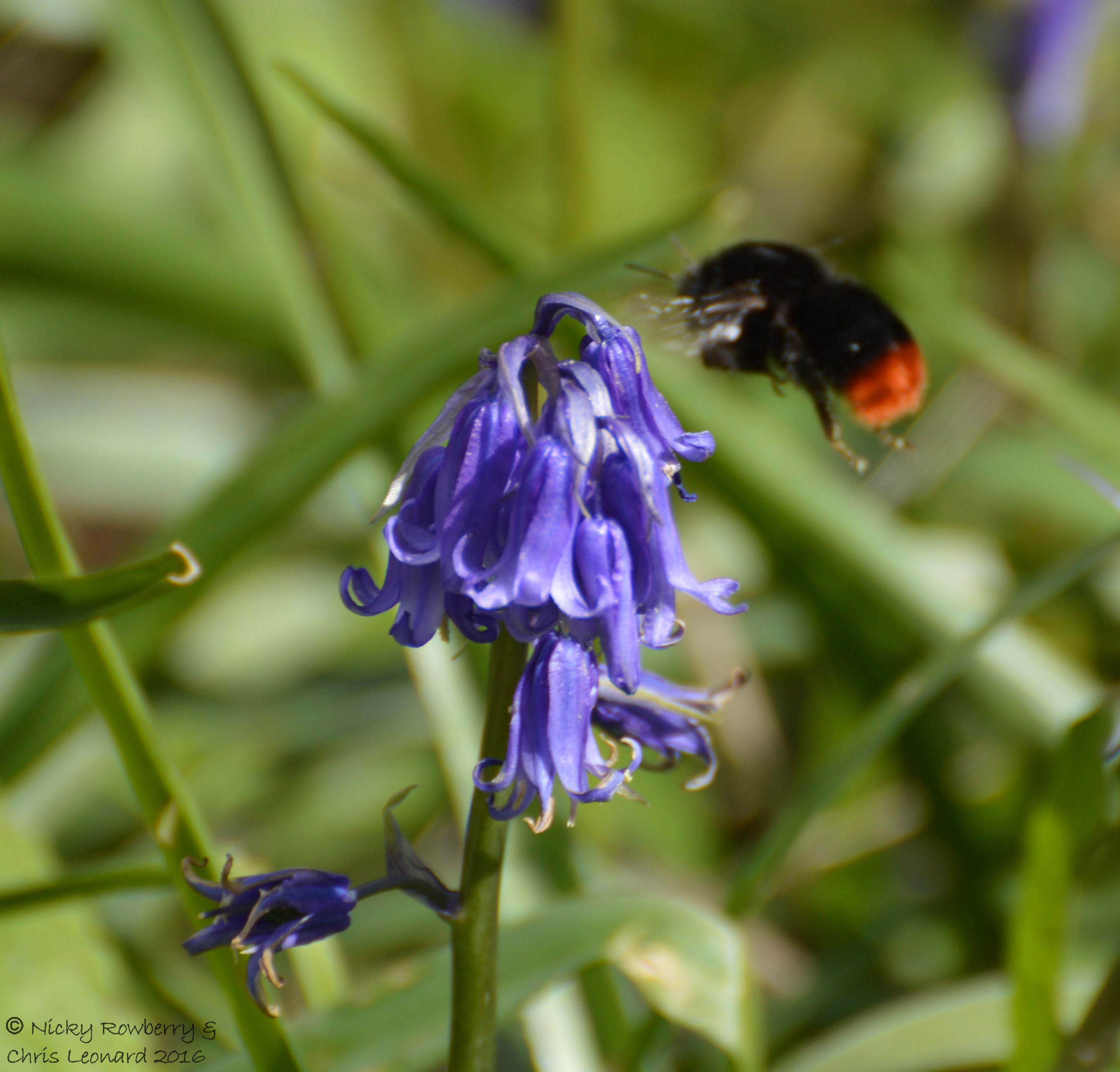
The spring flowers brought out the insects too – sadly no butterflies yet, but the bees were making the most of the bluebells.

Bee on bluebell (1)

Red tailed bee on bluebell


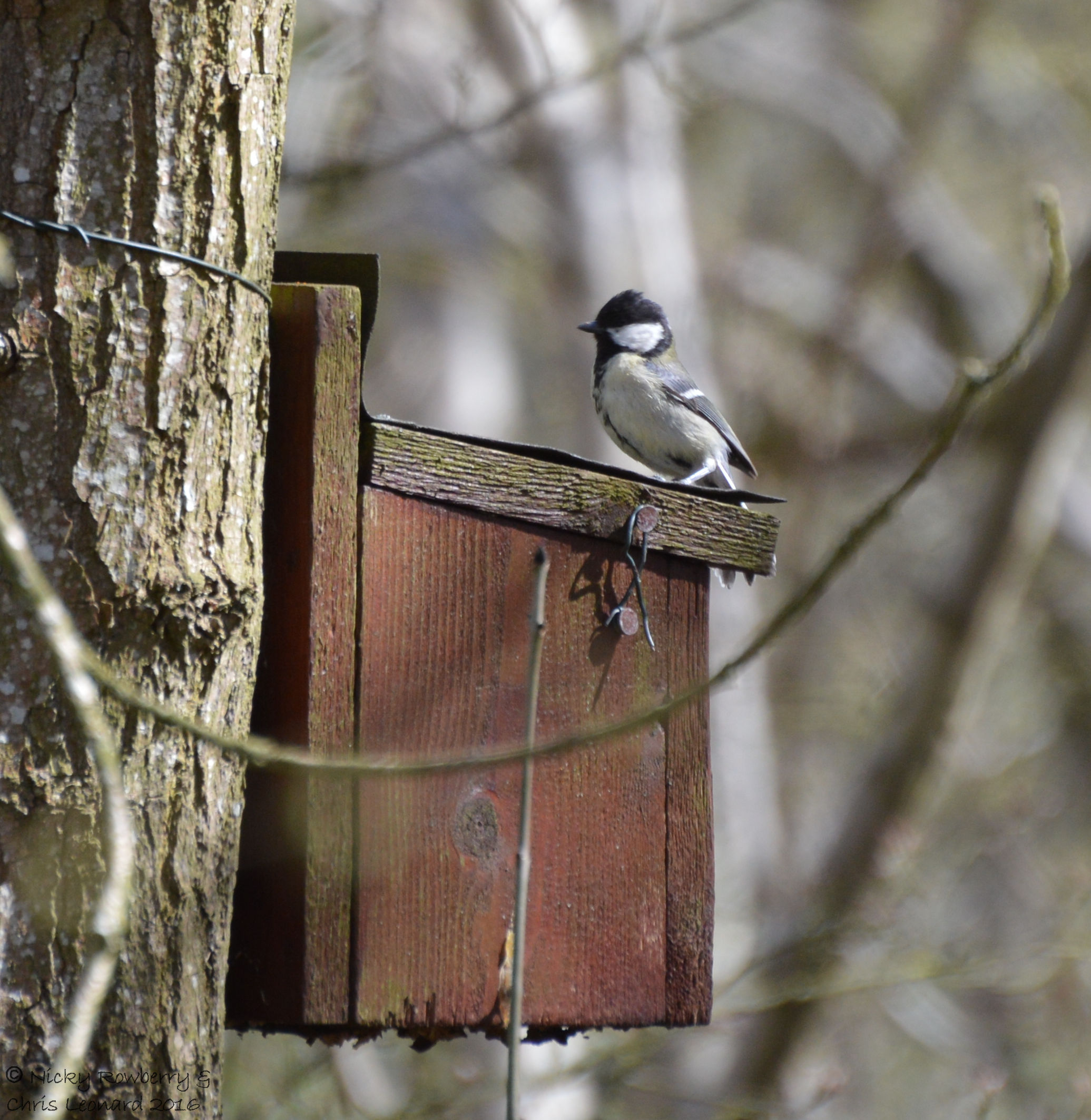
Birds were of course abundant too, although very definitely camera shy. We saw and heard a lot (including woodpeckers in the distance), but the only one we managed to get a recognisable shot of was this Tit on a nesting box.

Tit on nesting box

The wood was exceptionally muddy underfoot after all the recent heavy rain. This had one unexpected benefit – we came across loads of tadpoles in waterfilled footprints on the paths.

For all the bluebells were fantastic, the highlight for me was seeing a deer (a female Roe Deer I think) jumping through the wood right in front of us. Needless to say I was so surprised I didn’t even manage to raise the camera, let alone get a decent shot, so you’ll just have to take my word for it!


Dunnock Dating

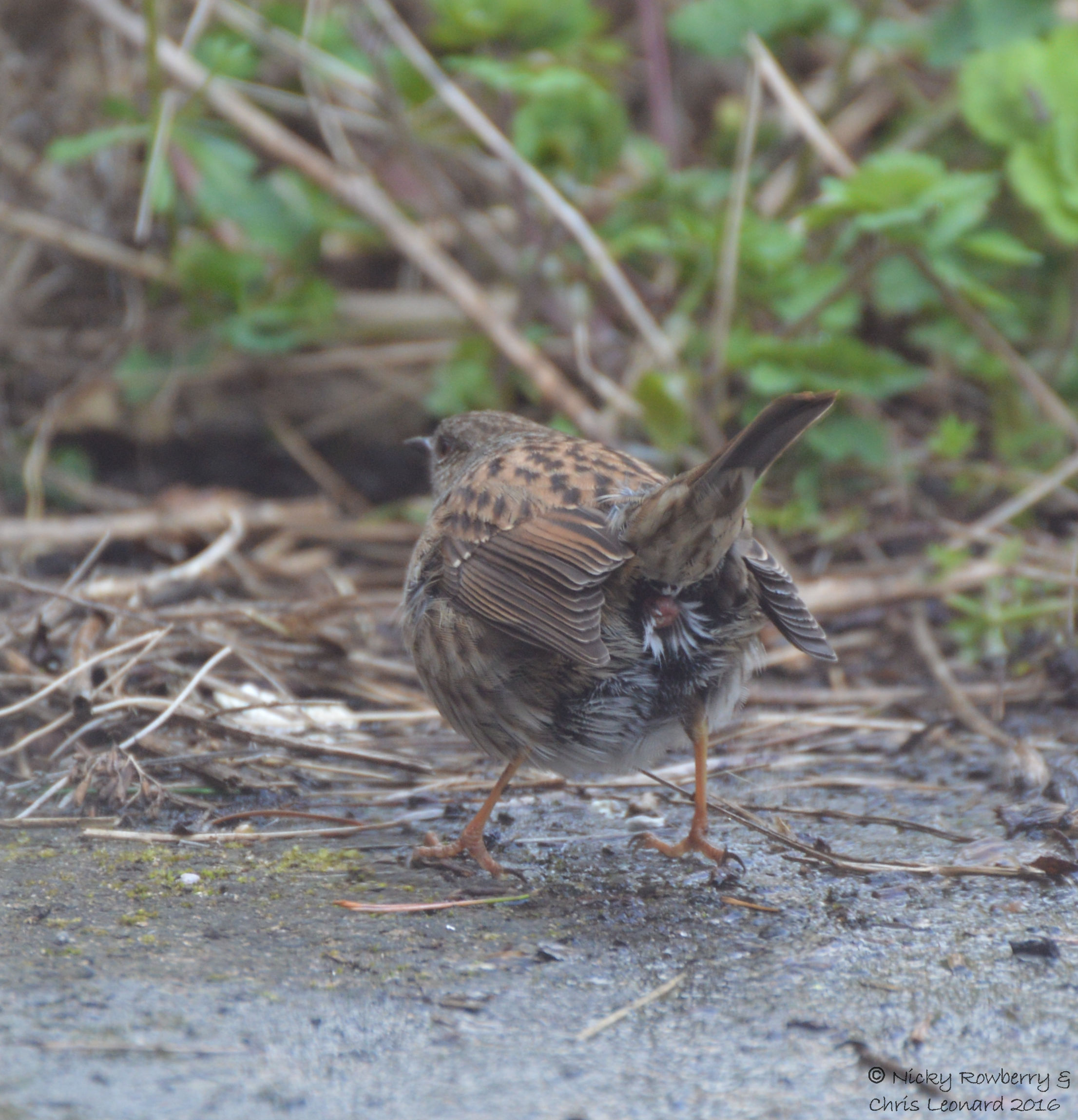
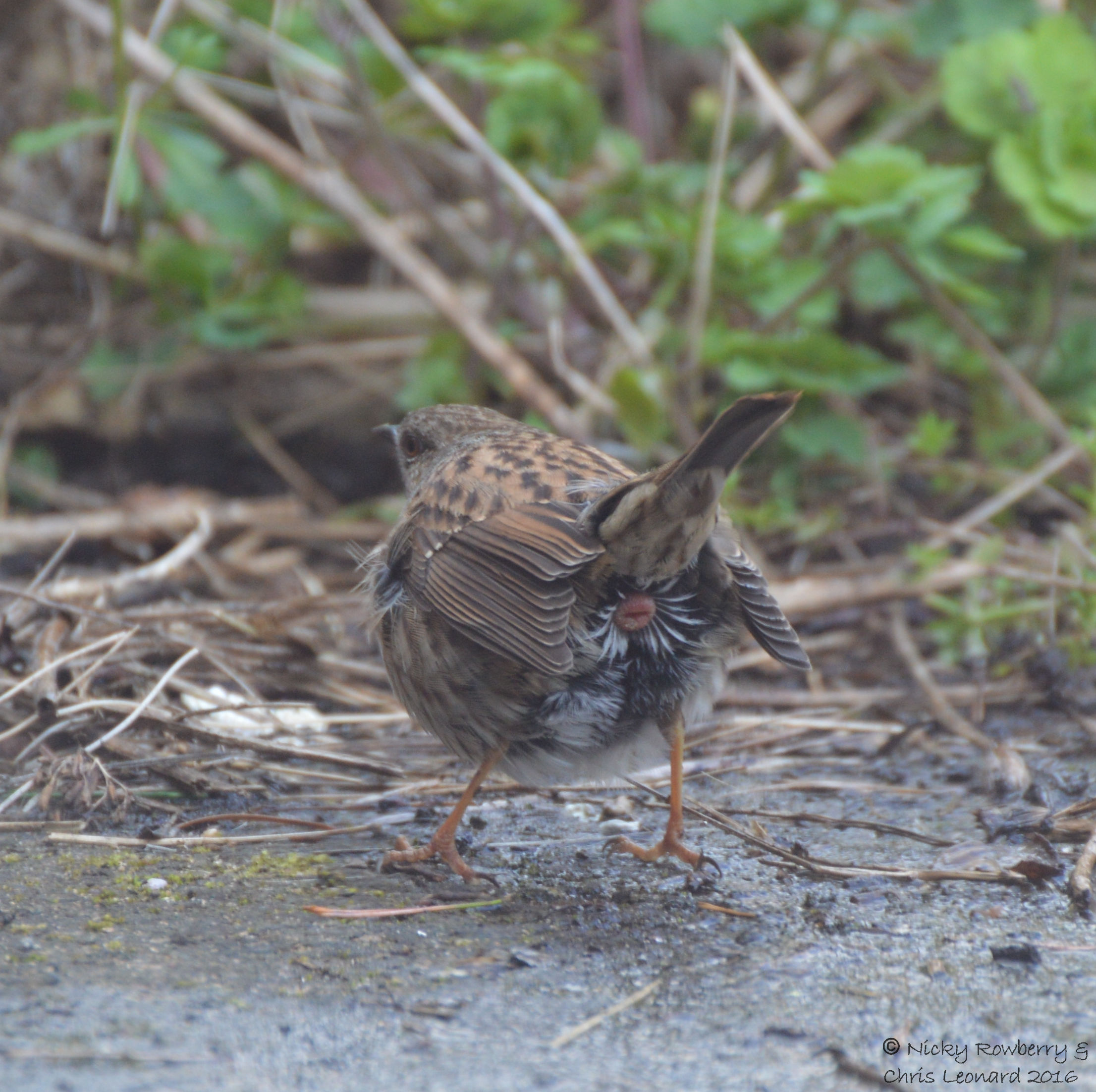
The dunnocks in our garden are clearly getting frisky. They’re normally quite shy birds staying out of sight in our plentiful undergrowth, but this week I caught them displaying in a quite amazing fashion. (Look away now if you don’t want to see parts of a dunnock that are maybe best left to the imagination!)

I caught this pair outside the patio doors while I lolled on the sofa – fortunately for once a camera was within reach. As I hadn’t been anticipating a photo shoot, conditions weren’t ideal – I had to try and focus over the coffee table and dodge the cat’s scratch post; both of which obscured my view a bit, but I didn’t want to move and alert the dunnocks to my presence. So apologies if the photos aren’t quite as sharp as I’d have liked.

Dunnock pair

I thought at first the pair were just rooting about for food – and indeed that did seem to be what the male was mainly interested in. But the female started behaving very oddly. I thought at first there was something wrong with her – she seemed to be repeatedly straining her rear end (cloaca as I’ve since found out) while fluffing her feathers at the male. He didn’t seem particularly interested in her antics – can’t say I blame him, it wasn’t an attractive dance she did! The photos show her rear end in various stages of flexing (I did warn you to look away!)

Dunnock closed

Dunnock half open

Dunnock open

A quick bit of googling revealed that female dunnocks may mate with more than one male and that the males will peck at her cloaca to get her to eject the previous male’s sperm. This female seemed to be actively encouraging him to do so. I’d never heard of this behaviour, let alone seen it.  So you learn something new every day – even when just lolling about on your sofa!

Baby Blues (hopefully)

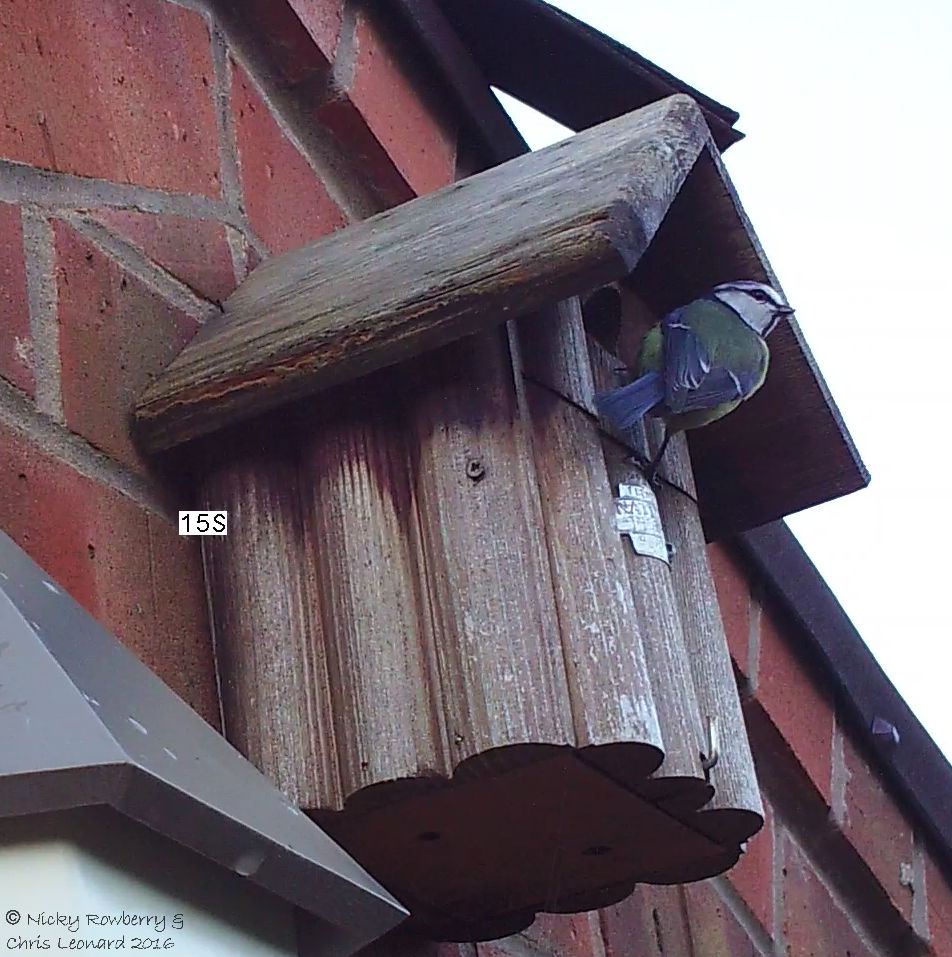
In the last couple of weeks the posts seem to have been colour themed, first red, then yellow and now blue! The big blue news is that the Blue Tits are nesting!! So excited to see them using the bird box (the old one of course – they’ve turned their beaks up at the new deluxe one!) The brief video clip below shows both adults flying in and one exiting again. I think at this stage they were still making the nest as we saw them with nesting material.

The photo below is a still taken from the film. Hopefully things will go well for our pair and we can give updates on their progress – fingers crossed for a successful fledging and baby blue tits.

Blue Tit on Bird Box


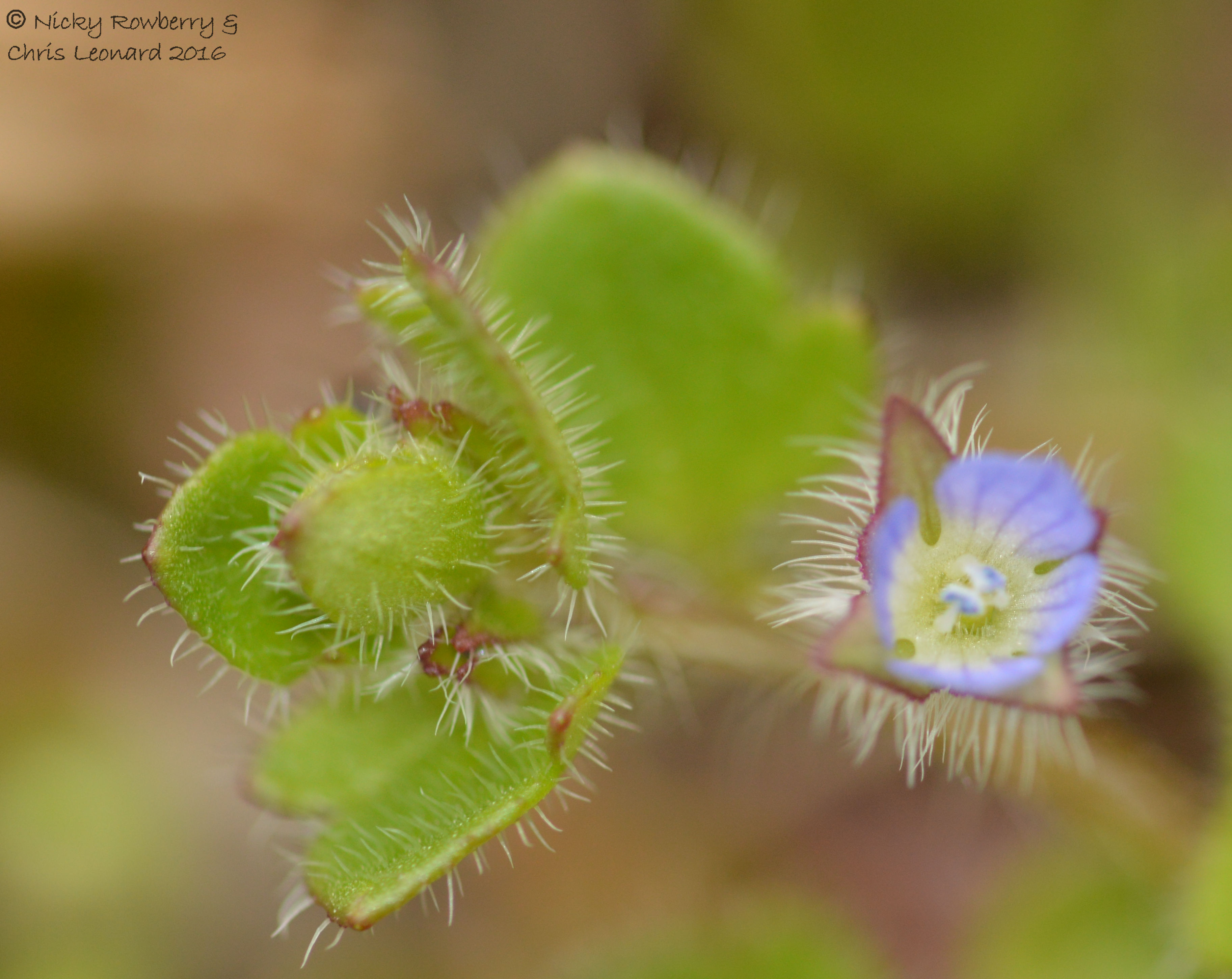
The blue tones seem to be spreading round the garden too, with the emergence of several  blue hued flowers. Today I spotted these tiny Speedwell flowers hidden amongst the grasses. Not the easiest to photograph as they are so damn small. I didn’t realise they were so hairy either until I downloaded the photos.

Speedwell

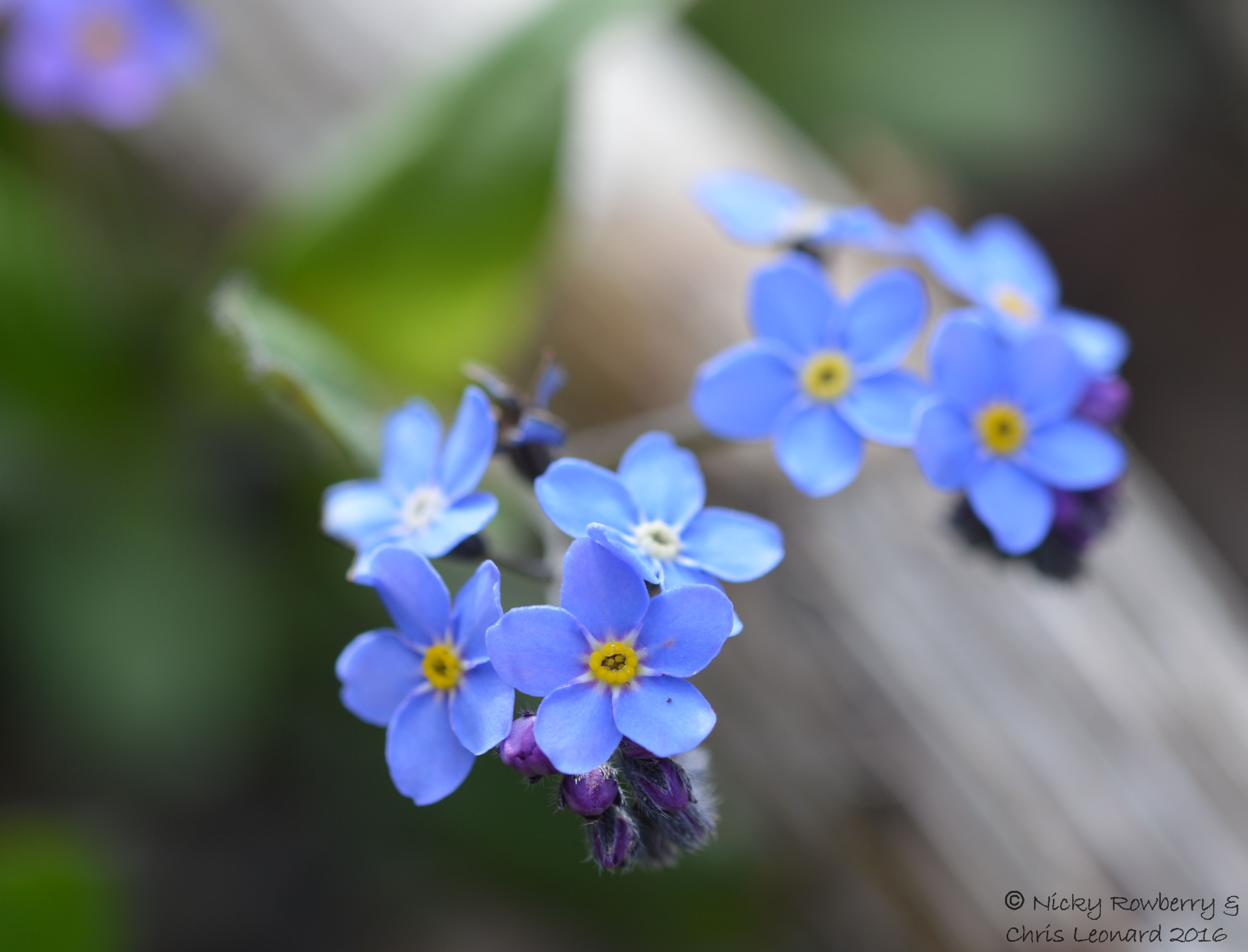
And finally, no blue post would be complete without Forget-me-nots. These bright little flowers have been a favourite since I was a child (many moons ago) and are a sort of unofficial totem for Too Lazy To Weed. They spring up wherever we haven’t weeded – so pretty much over the whole garden!

Forget me not


A Host of Golden Daffodils

Not sure how many daffodils you need to qualify for “a host”, but what few we’ve got are at their best in the garden right now. They seem to be a lot later than everyone else’s in Malvern, the neighbours daffodils were blooming marvellous about 6 weeks ago; but better late than never.

Daffodils

Yellow is definitely this season’s colour at the moment. Some is of course down to me choosing yellow, such as these crocuses, to brighten up the cold days.

Crocuses 2

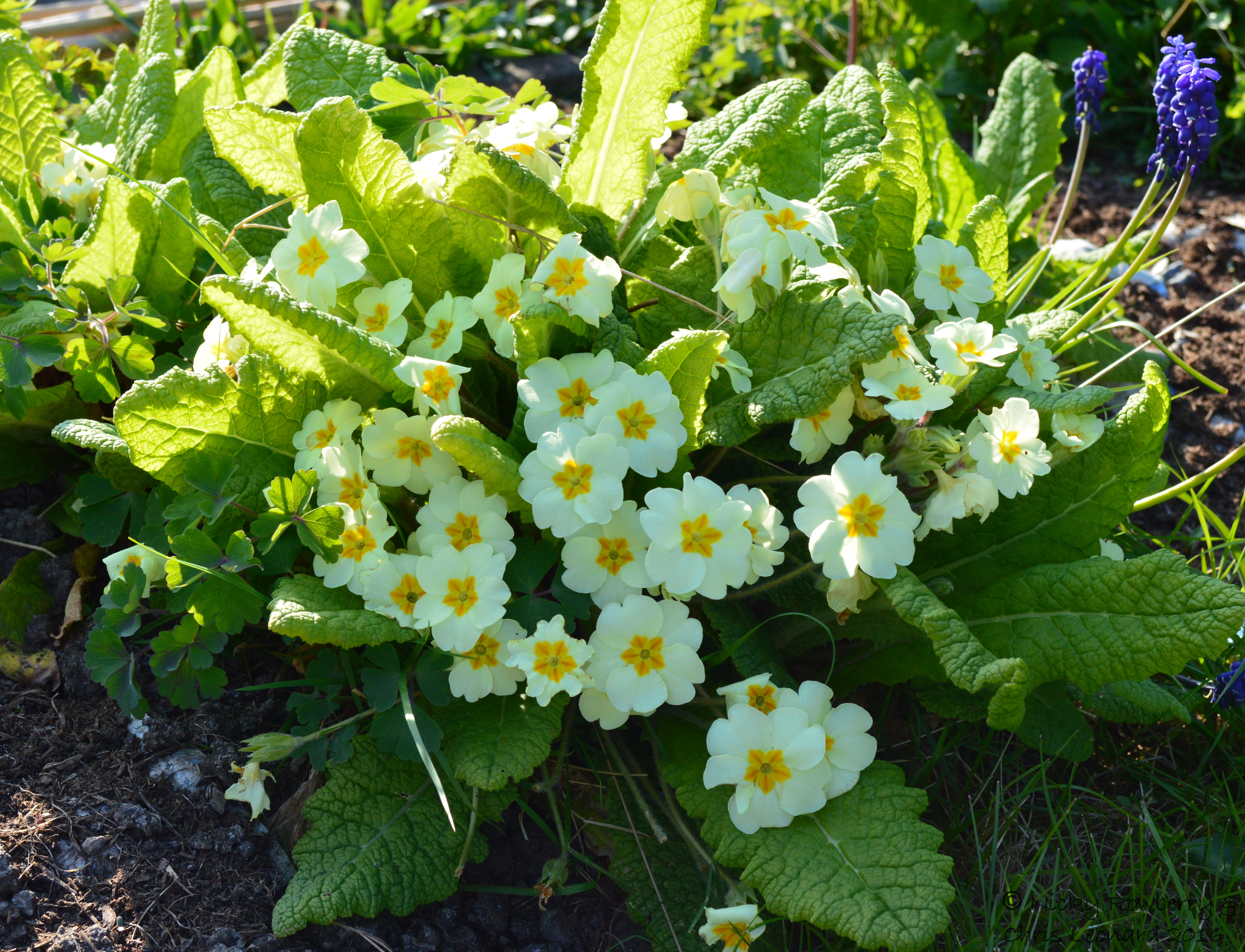
But a lot of it is due to the more natural, self seeding “weeds” such as the primroses and dandelions that proliferate in our garden.

Dandelion PrimrosesAll these spring flowers are good news for the insects, which are now starting to arrive in the garden in moderate numbers. The yellowyness of Spring continued with the first butterfly in the garden – a Brimstone. In typical Brimstone fashion it was too fast to get a photo, but we think it was a male as it was bright yellow – the original “butter coloured fly” or butterfly. Hopefully soon one will hang around long enough to get his photo taken. But the good news was that it meant I could log it onto the new online garden butterfly survey – http://www.gardenbutterflysurvey.org/ – my first record for the year.

As well as the first butterflies and bees, the first wasp put in an appearance too. It was a bit dopey and hung about on the fence, warming itself in the spring sunshine for quite a while – good news for my photography attempts. I know wasps aren’t everyone’s favourites, but close up they really are quite stunning!

Common Wasp