Out and About – Prestbury Hill – The Return!

I’m not normally given to the expression OMG, but OMG Prestbury Hill is an amazing place! We made a return trip today to see the Chalkhill Blue butterflies that we didn’t see a few weeks ago (because I’d got their season wrong!) We ended up seeing 15 species of butterfly, a beautiful bird of prey, some moths and a new snail! Pretty amazing for a few hours walking in beautiful countryside.

We started leisurely by heading to a bench for a picnic (I’d love to be able to claim that I’d loving crafted cucumber sandwiches and other home-made delights, but actually it was left-over fried chicken from the night before!) We spotted our first Chalkhill Blues before we even reached the bench, but decided to eat first then take photos later. Said bench has glorious views out over Cheltenham and beyond and is the perfect place for a picnic. We could see a bird of prey hovering over fields below – turned out it was this beautiful kestrel. We couldn’t get very close, so this is taken zoomed in from a fair distance, but you can still see what a stunning bird it is.
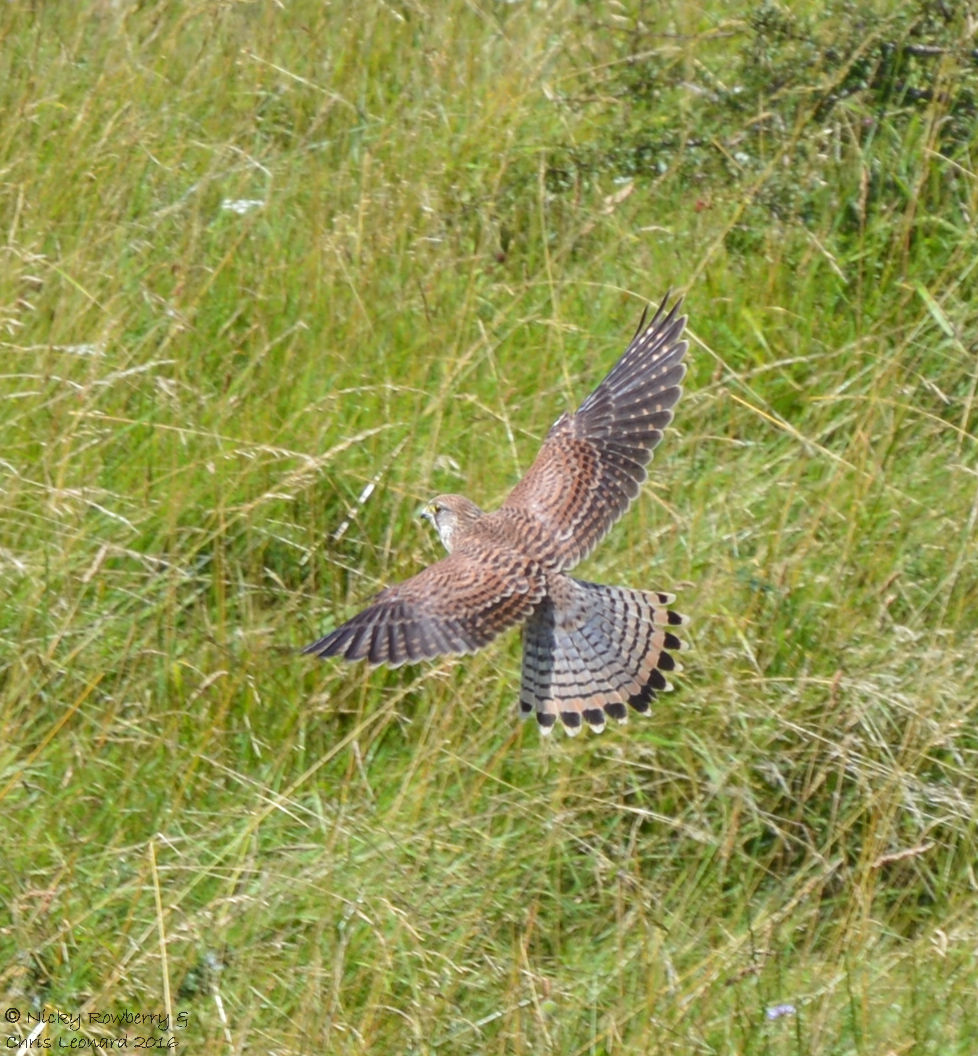
Kestrel

It hovered round about for much of our visit, never coming close enough for a better photo though. But by then we were distracted by the object of our desires – the Chalkhill Blues. The beautiful blue butterflies need either chalk or limestone grassland (Prestbury is limestone) and are one of the last species to appear each year. The males have gorgeous bright blue upper wings edged with black.
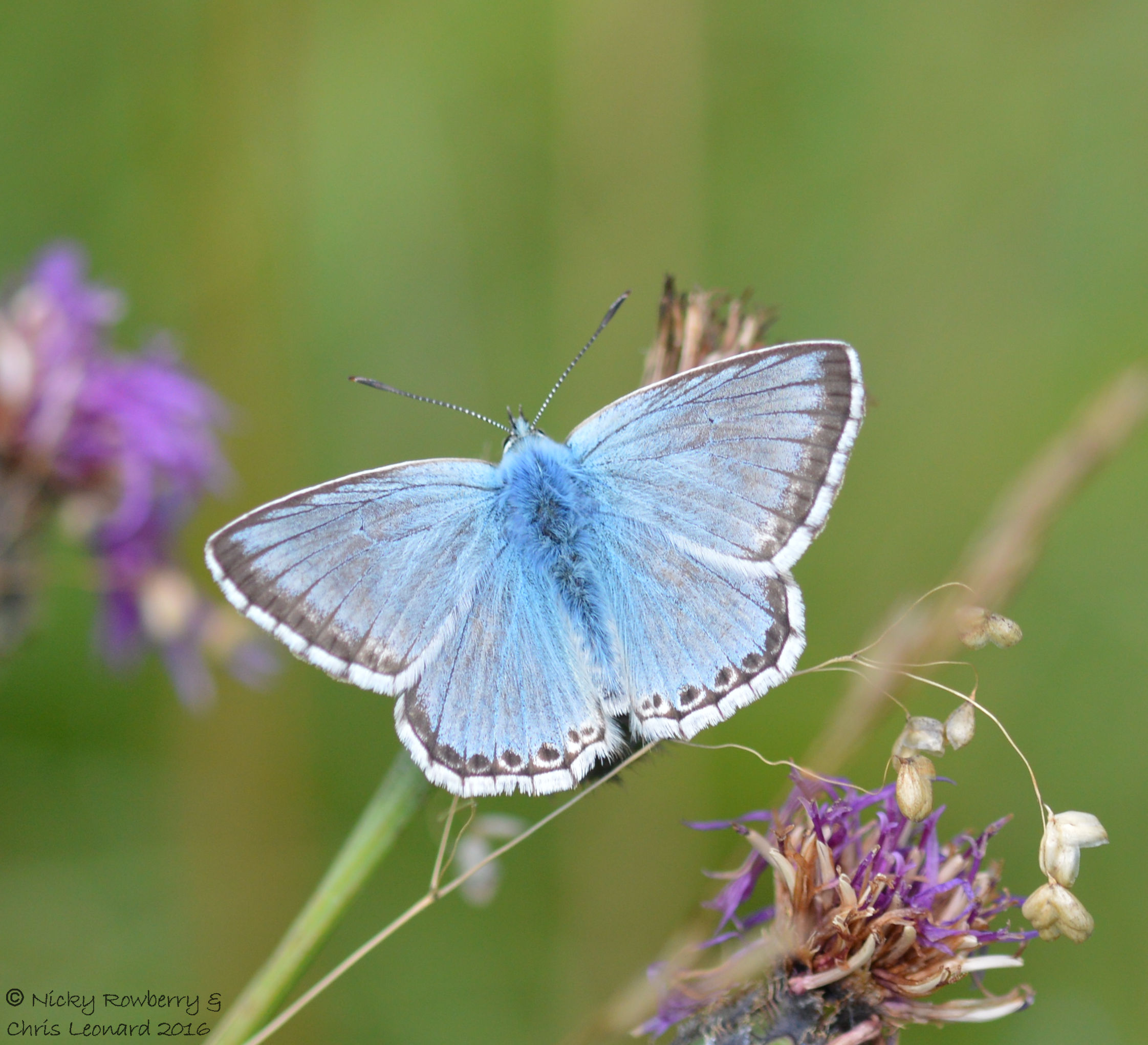
Chalkhill Blue

The underneath of the wings have a pattern of dots quite similar to the Common Blue.

As is so often the case with butterflies, the female is much drabber. We saw mainly males today, but that could be just that they are easier to spot with their bright colouring. The few females we did see were often being pursued by more than one admirer.

Already delighted with having bagged our Chalkhills we got chatting to some fellow butterfly twitchers, who knew much more about the area than we did and were very helpful. They mentioned that they’d seen Brown Argus further up the slope – a species that we’d never seen before. Needless to say we puffed our way back up the hill to the area they’d described in the hope of a second prize for the day. We caught a glimpse of something different, which turned out though to be some lovely Small Coppers. My photo doesn’t really do them justice, but they were positively glowing a coppery red in the sunshine today.
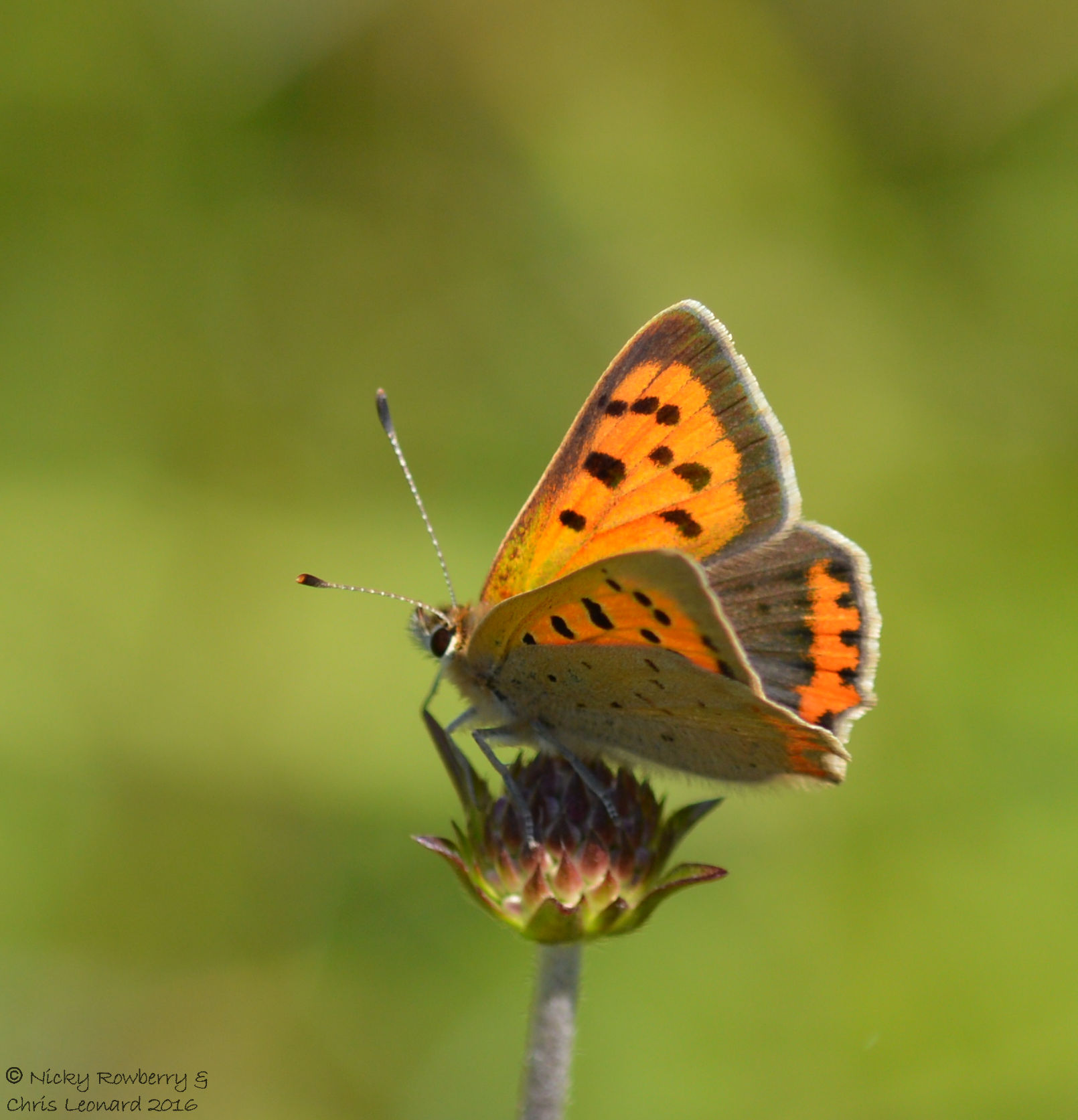
Small Copper

I then noticed a tiny, fairly plain little butterfly, so took a few quick photos thinking it would probably turn out to be a Common Blue. So we were amazed when I downloaded the photos later and realised it had actually been a Small Blue! Another new species for us – two in one day!
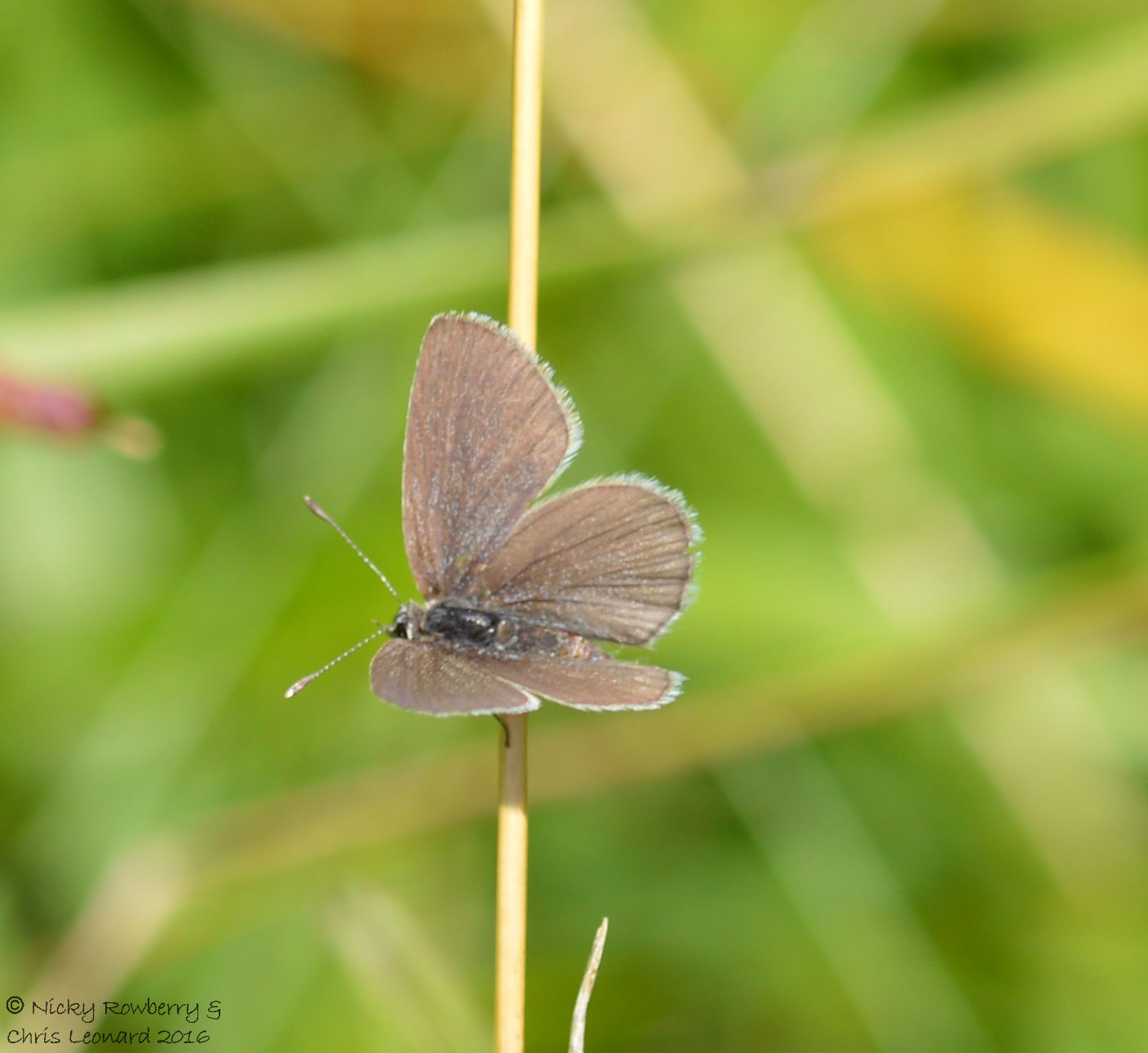
Small Blue open

We carried on back up the hill and about half way up saw another small butterfly. This time we’d found it – a male Brown Argus. Our third new species of the day! Again they look quite similar to the female Common Blues, but have the orange dots going right the way to the end of each wing.

Brown Argus male

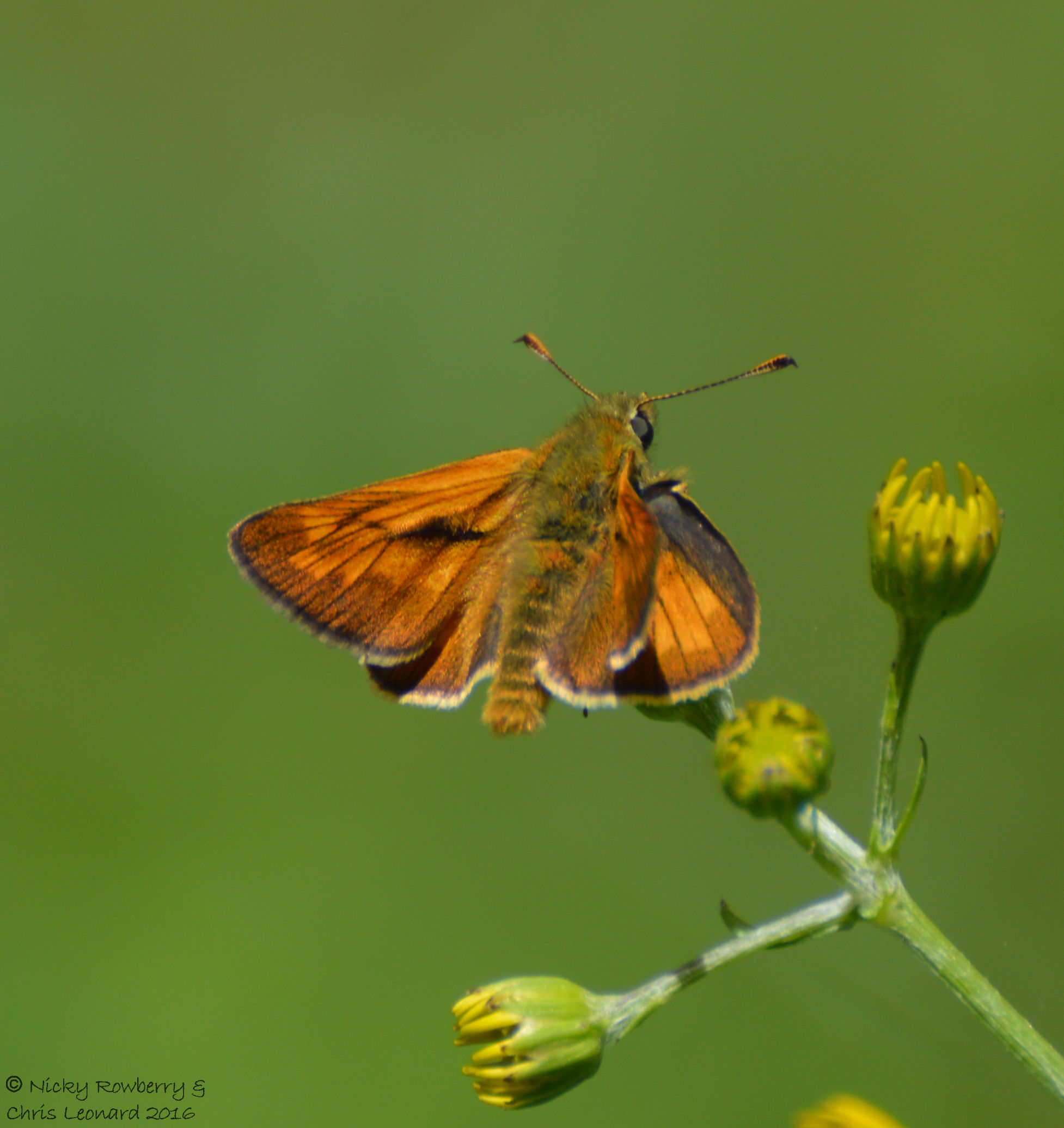
Obviously seeing three brand new ones was the highlight of the day, but we also saw 12 other species, including our first Small Skipper of the year and some nice fresh looking Gatekeepers.

We also saw lots of these interesting snails. They are Heath Snails (Helicella itala) and seemed to have the habit of climbing grass stems like this.
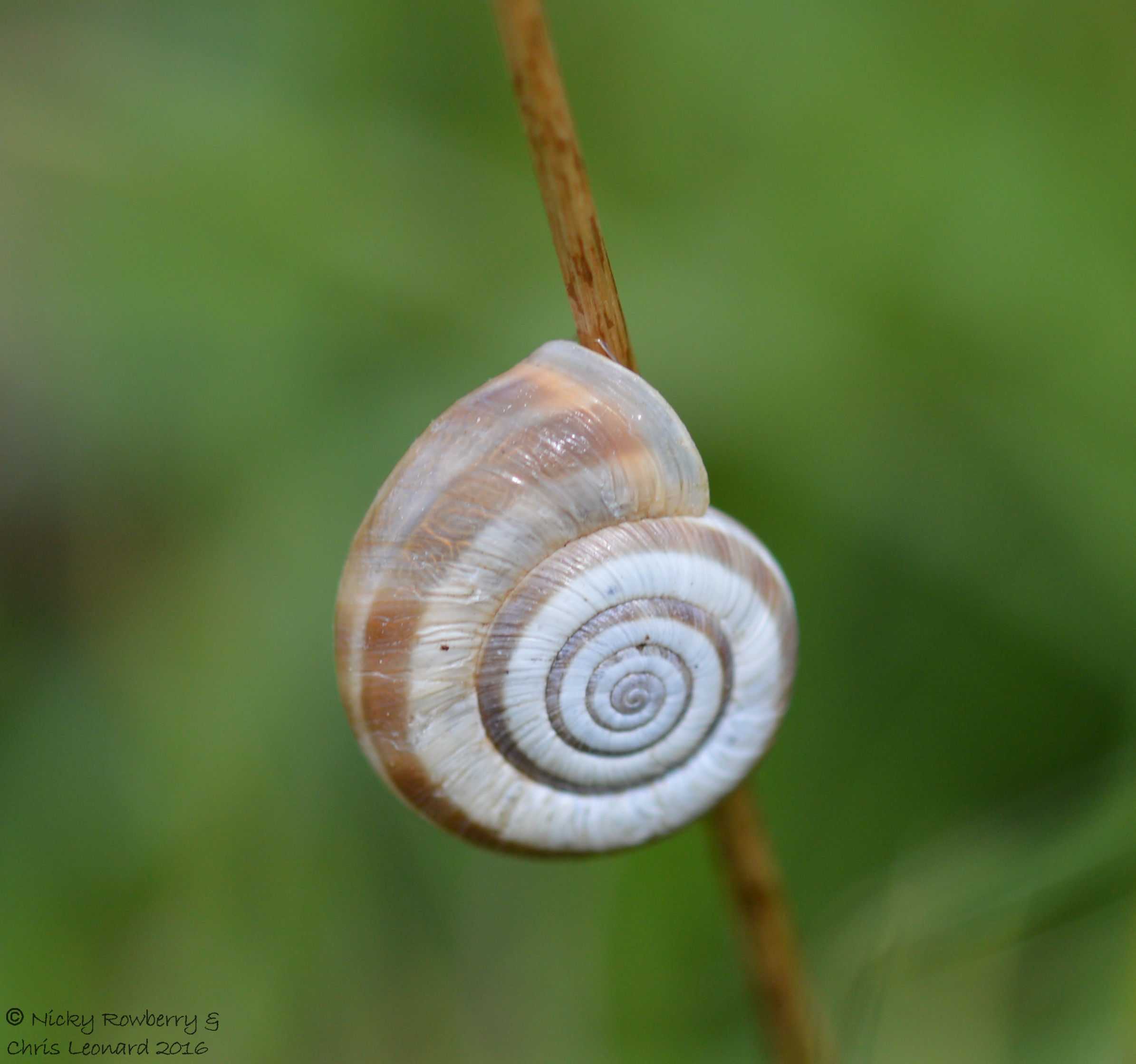
Heath Snail

And finally we couldn’t have a day out without finding a moth – this time a Shaded Broad-Bar as we headed back to the car.

Moth

So if you want to see butterflies, I can’t think of many places better to go than Prestbury Hill. And it still has more to offer – Duke of Burgundy butterflies in the early summer apparently, so we’ll be back again next year.
Out and About – Prestbury Hill

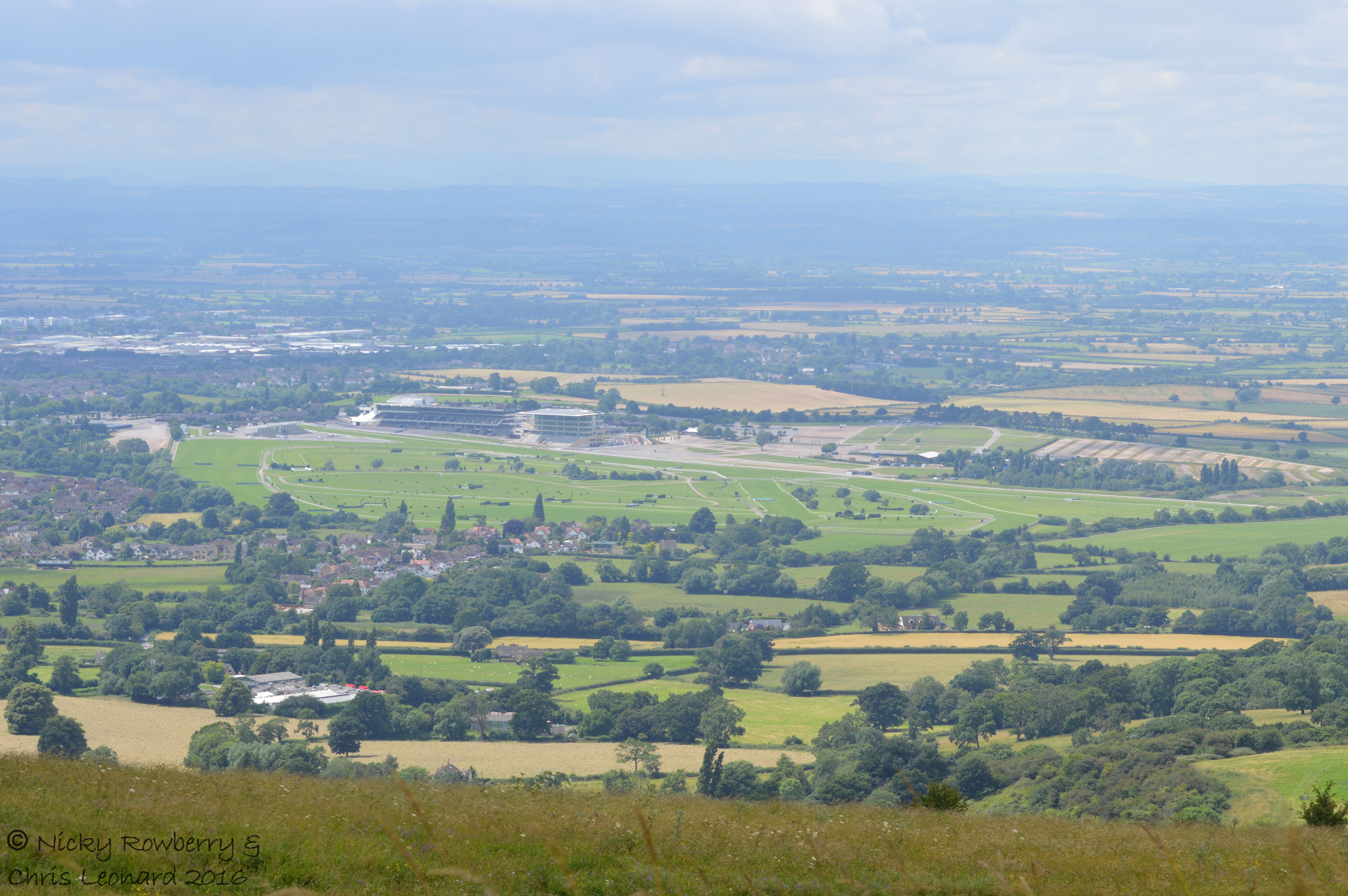
It’s taken me over a week to write this latest post, partly because I’ve kept getting side-tracked by things in the garden and partly because we’ve had friends staying – so I had to spend time tidying the house (although I doubt they could tell that) and drinking Prosecco! But over a week ago now, I headed down to Prestbury Hill, near Cheltenham in search of the Chalkhill Blue and Dark Green Fritillary butterflies. Prestbury Hill is, as its name suggests, high up, with stunning views over Cheltenham racecourse.

View 1

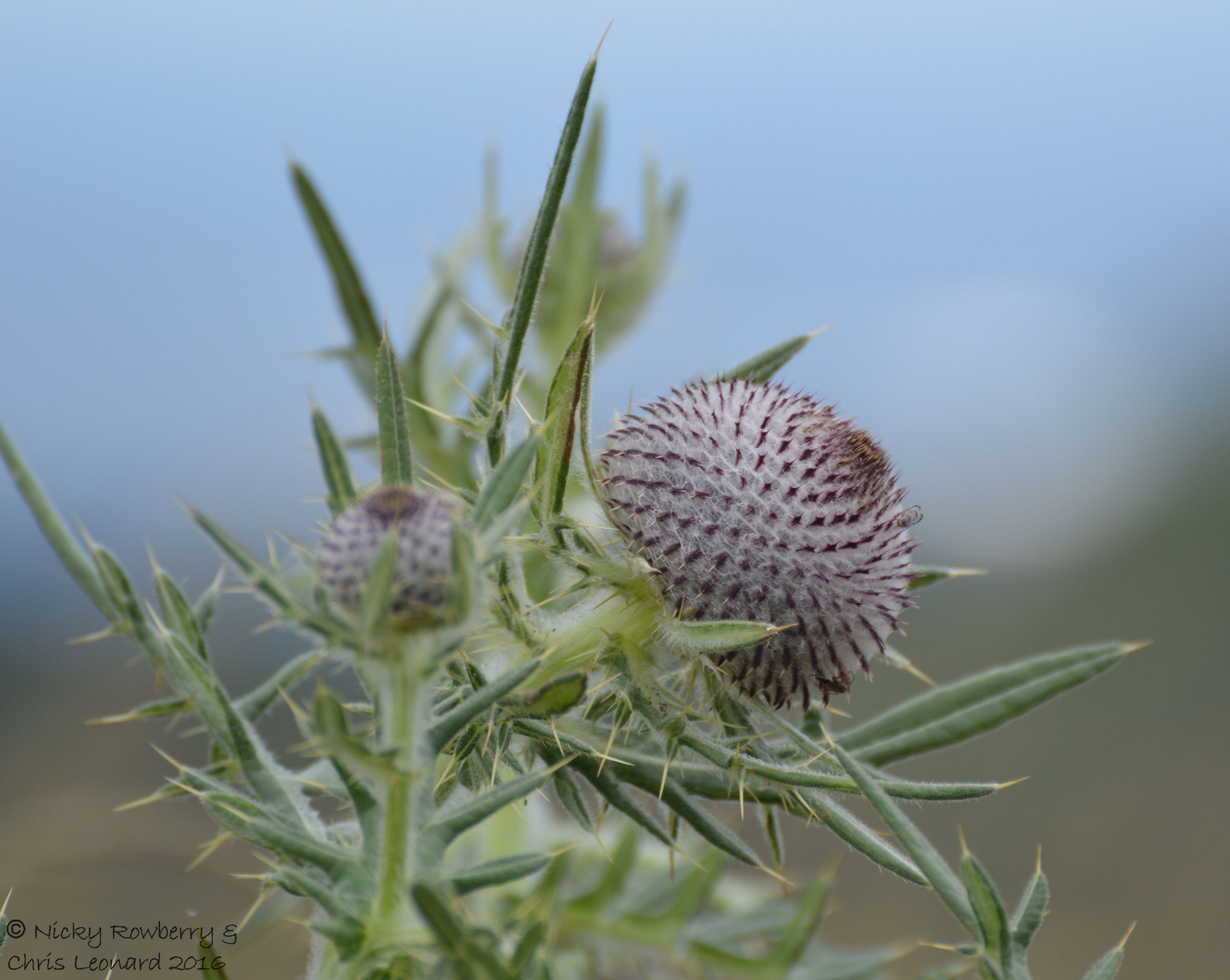
The reserve is run by Butterfly Conservation and consists of 2 areas of limestone grassland. The sloping grasslands are full of wildflowers and insects and would be a lovely place to walk even if you weren’t into butterflies. I particularly liked these Cotton Thistles, with their huge spiralling flower heads.

Thistle

Although we went looking for butterflies, the first insect of interest we spotted was a beautiful Brassy Longhorn moth – I’ve no idea how they manage to fly with such long antennae?

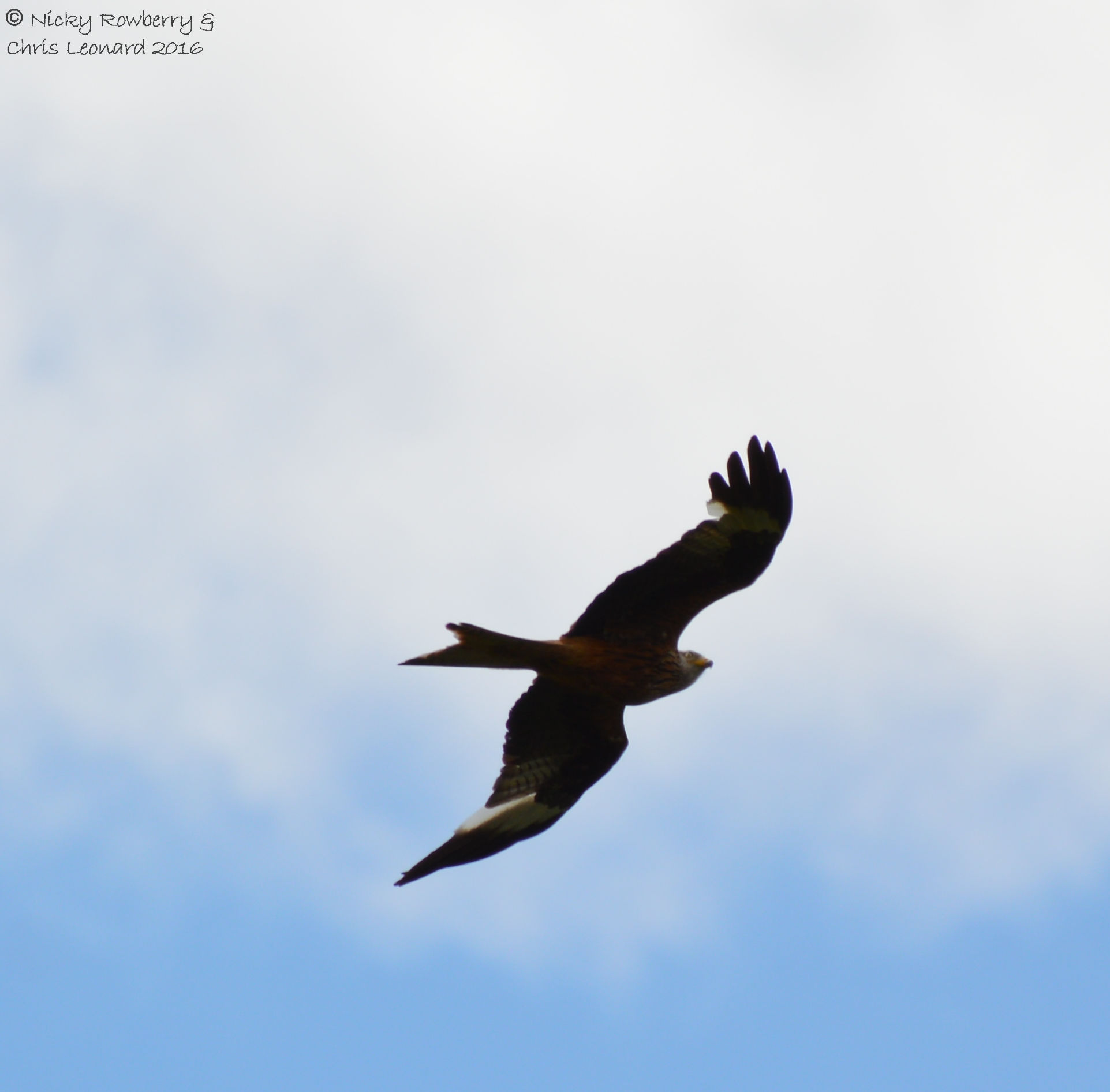
Although on these walks we tend to be looking down, or at least across for butterflies, we did look up long enough to spot this Red Kite soaring above us. Not a great photo as it was difficult to do against the bright sky. There were buzzards too, but as we see those fairly regularly at home, the kite got all the attention.

Kite 2

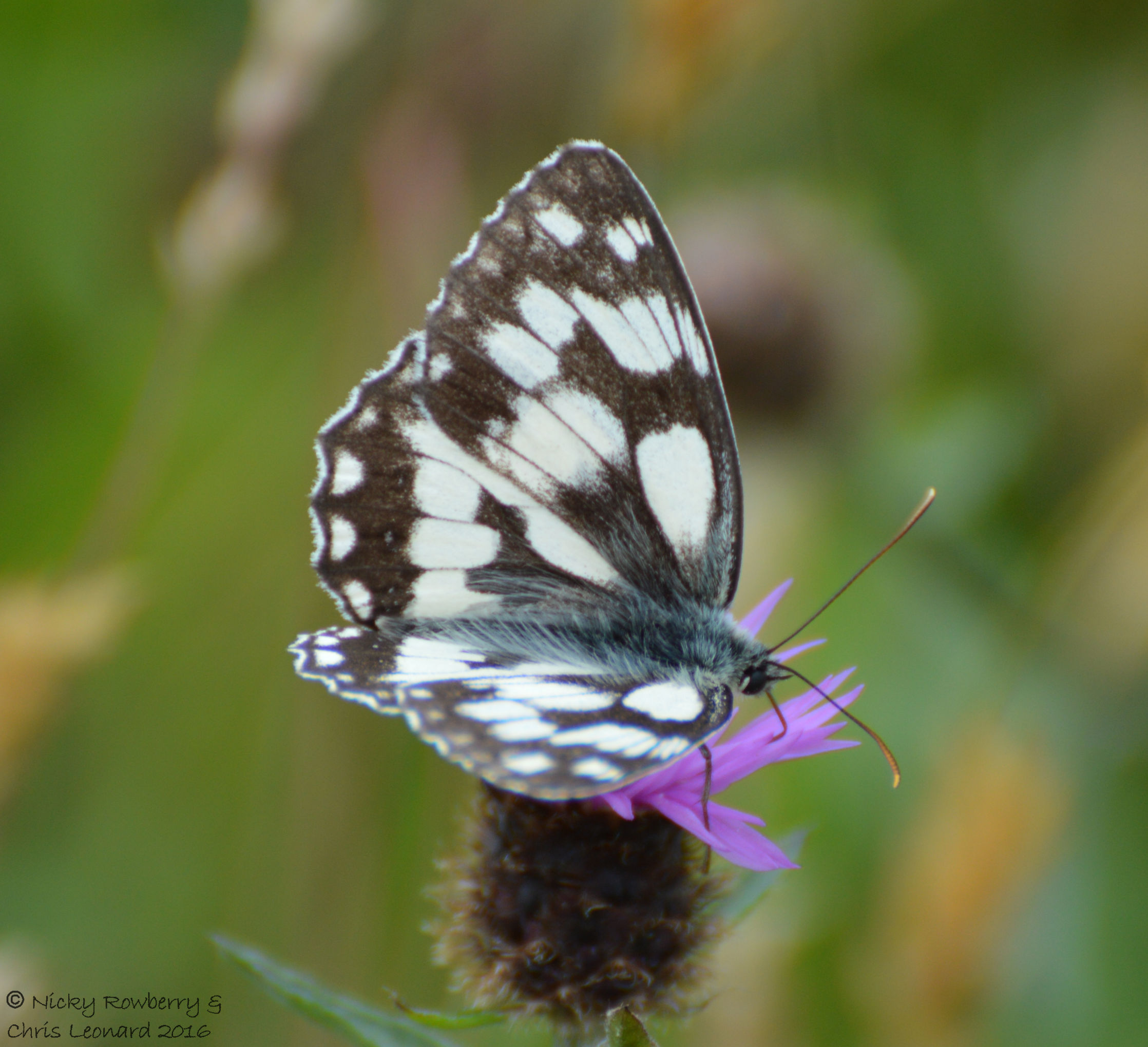
We followed the paths for quite a while, spotting lots of Marbled Whites and Large Skippers, while we searched for the blues and fritillaries.

Marbled White

Eventually though we found the first prize of the day – a Dark Green Fritillary. It then took about 20 minutes of chasing about to get a photo to confirm that it was indeed our target photo. And then longer still to get another photo of it with its wings open, but it was well worth the hunt as it is a gorgeous butterfly.

Dark Green fritillary

The reserve is divided into 2 sections, so having “bagged” our fritillary we headed over to the other half to look for the Chalkhill Blues. Turns out though our researcher (i.e. me) had got a bit ahead of herself as we were apparently a couple of weeks too early for these. Fortunately we met some butterfly enthusiasts who put us right before we spent hours pointlessly searching for them.

We did see some more fritillaries though, which we initially assumed were more of the Dark Green ones. It was only when we got back and downloaded the photos, that we realised these ones were actually Silver Washed Fritillaries. They look very similar when they’re flying around.

One final treat was finding several Small Heath butterflies. This had been a new species for us a few weeks ago and now they’re popping up everywhere!

So another great day out and another butterfly species ticked off the list. We will hopefully make it back to Prestbury sometime soon to see the Chalkhill Blues – so watch this space!

Malvern Meanderings

Today we decided to explore our local patch – so often it’s your local stuff that you ignore, thinking somehow that the grass is always greener (or the wildlife more exciting) elsewhere. But the Malvern Hills are not only beautiful, but a fantastic location for wildlife. We forget sometimes how lucky we are to live here.

We’ve been concentrating a bit lately on “bagging” some new butterfly species and had so far added 5 this year to our lifetime list. But there is one species we’d never seen that has a colony almost literally on our doorstep – the Grayling butterfly is found on the Malvern Hills, less than a mile from our house. The Grayling is now a priority species for conservation as it is in decline over much of its former range. The Malvern Hills Conservators are making great efforts to protect our local population and improve the habitat. So we set off today in the hope of seeing our local speciality.

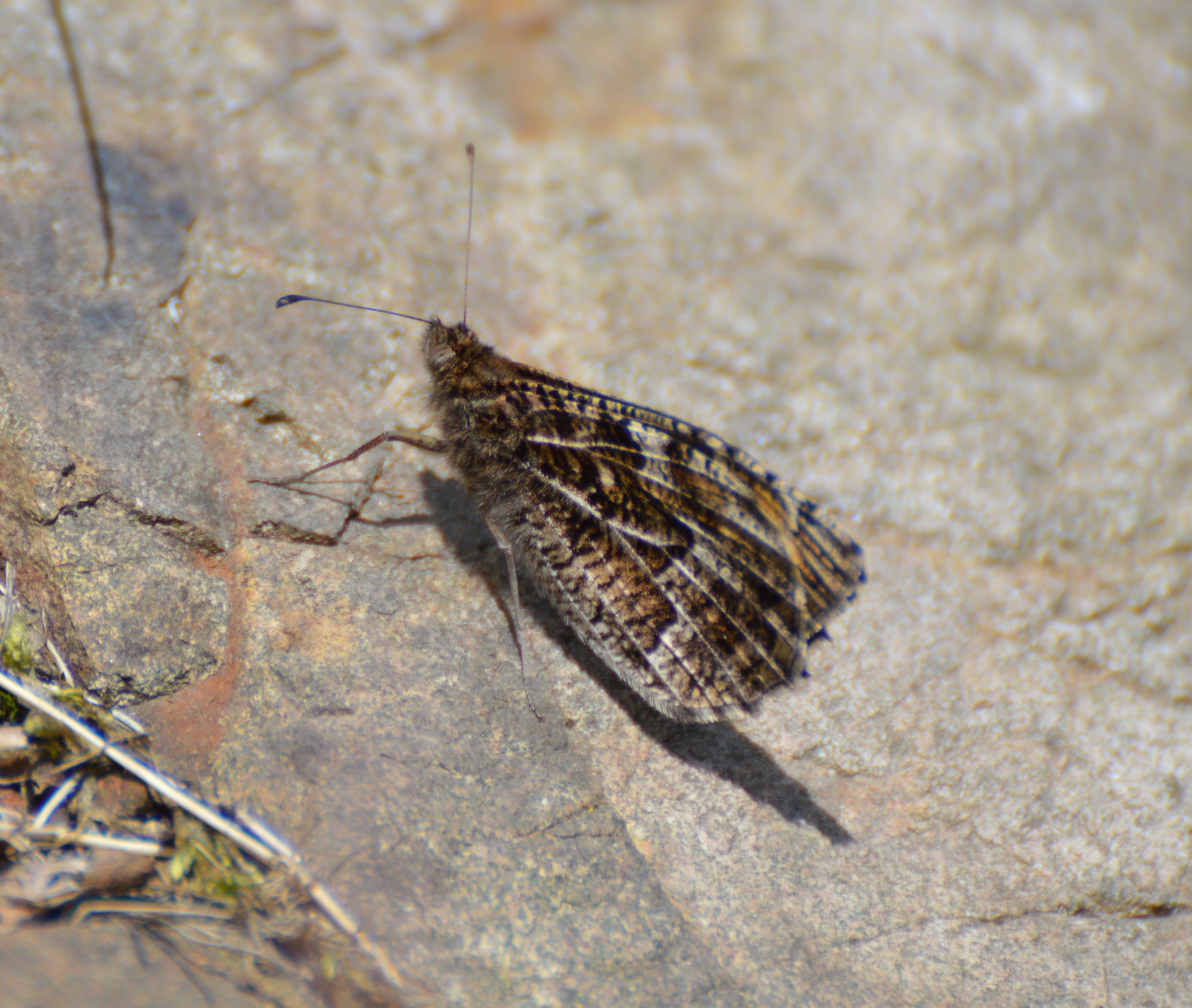
The Grayling likes areas of bare rock and short grass. We headed up the hills following the path recommended by the West Midlands Butterfly Conservation guide and having reached the favoured location, we spotted one almost immediately sunbathing on the rocks.

The Graylings aren’t as flashy as the Purple Emperors we saw earlier in the week, they are more subtly beautiful. They are also masters of disguise and when they keep still they blend into the surroundings extremely well. We were lucky to spot this one. Fortunately it was intent on sunbathing and was also close to the path, so we got our usual bucket-load of photos.

The Graylings almost always sit with their wings upright with the forewing tucked behind the hindwing, which makes them look much smaller than they really are. We watched this one for ages and eventually while it was shifting position, we managed to get a shot with its forewing at least partially showing.

Grayling 2

We saw at least 2 other individuals on our walk, all basking on rocks. Lots of people walked by us and the butterflies while we were there, but I don’t suppose many of them realised what they were missing!

Feeling flushed with success (and also a good lunch at our local), we decided to try our luck back down on the flat ground at the edge of Malvern. There’s an area of rough ground by the road that is always good for butterflies and today was no exception. The Marbled Whites were out in force. Unfortunately it was extremely windy so although they were landing close by, the grass was blowing about so much it was hard to get decent photos. Here are a few of my better efforts.

Marbled White 2

Marbled White 3

There were several pairs dancing about in the wind, so I had hoped to get a mating pair. This was the closest I managed – not ideal, but at least there are two of them in one shot!

Marbled Whites

Marbled Whites weren’t the only butterflies around – Meadow Browns were particularly abundant.

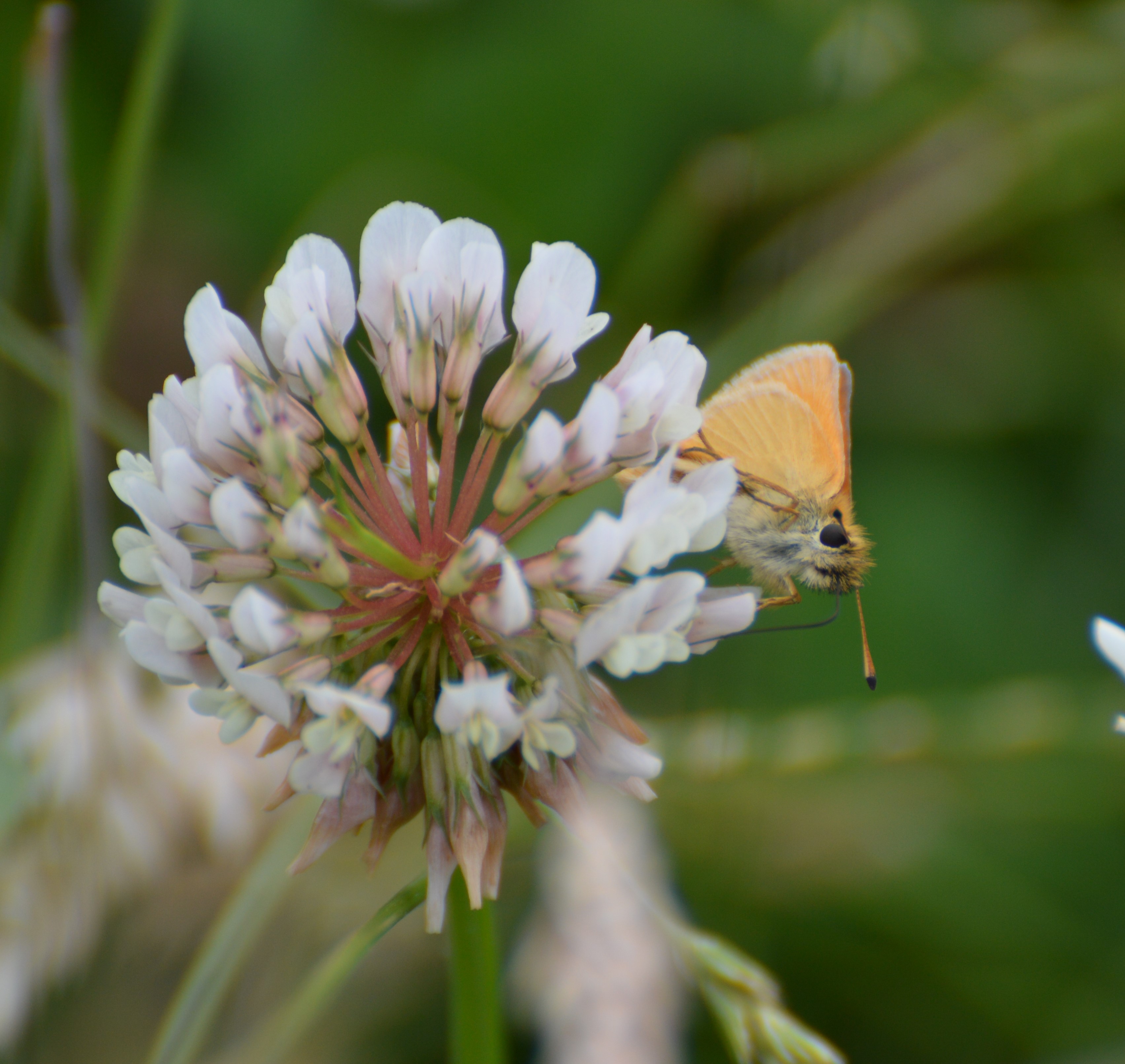
There were also lots of Skippers – I think this is an Essex Skipper. Again the wind was blowing them about an awful lot, making the photography tricky. (excuses, excuses!)

As we headed back to the car, we spotted a day flying moth – a Mother Shipton. Really pleased to see this, as I’m pretty sure I’ve only seen it in books before. It is named after a 16th century witch because its wing markings look like an old crone with hooked nose and chin!


His Imperial Majesty – The Purple Emperor

Today was all about the colour purple! We went in search of the Purple Emperor butterfly (affectionately known as His Imperial Majesty by butterfly enthusiasts) and found not only him but Purple Hairstreaks too! Since we first got into butterflies, the Emperor has been one of the species we’ve most wanted to see. It is not only one of our largest British butterflies, but arguably one of the most beautiful. We did go looking for it last year, but sadly saw just one lonely little wing on the ground, so today we set off hoping for better and all our butterfly dreams came true.

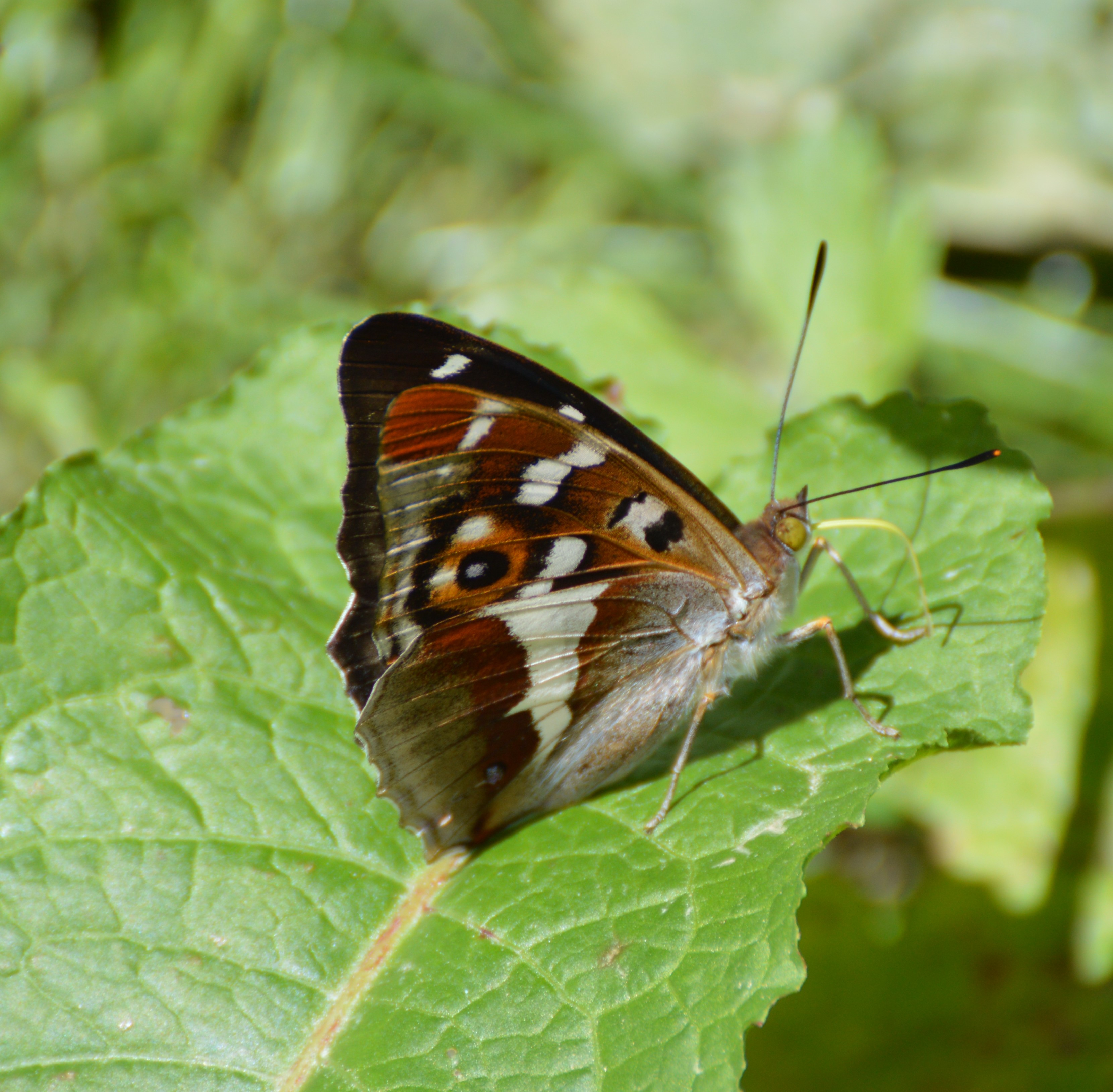
We’d seen that Butterfly Conservation Warwickshire had an organised walk at a site with Purple Emperors today, so we went along with fingers crossed. Almost immediately the walk leader announced there were a pair of Emperors up the path. Our group charged into the wood, but as usual we got side-tracked by other species (Purple Hairstreaks and Silver-washed Fritillaries), so missed them. Our expert though soon spotted another one in a tree and we got a few distant grainy photos. Our very nice walk leader then suggested that we could either stay where we were and would likely see some Emperors or we could go with him on the official walk. We decided to take our chances and stay put. (it wasn’t just laziness, honest!) No sooner had the group disappeared over the horizon into the wood, but a Purple Emperor landed right by my feet. Once we got over the shock,  we then took a lot (and I mean a lot) of photos. So here are some of our best, starting with a wobbly video of His Majesty.

The males come down in the mornings to gets salts and minerals from wet mud or in this case dog poo (not sounding so imperial now!) This one was so into his breakfast that he stayed for ages while we snapped away.

Only the males have the purple sheen to the wings and even then it depends on how the light catches them. Sometimes the wings look almost black, other times just one wing glows blue and just occasionally when the angle is right both wings shine gloriously.

Purple Emperor

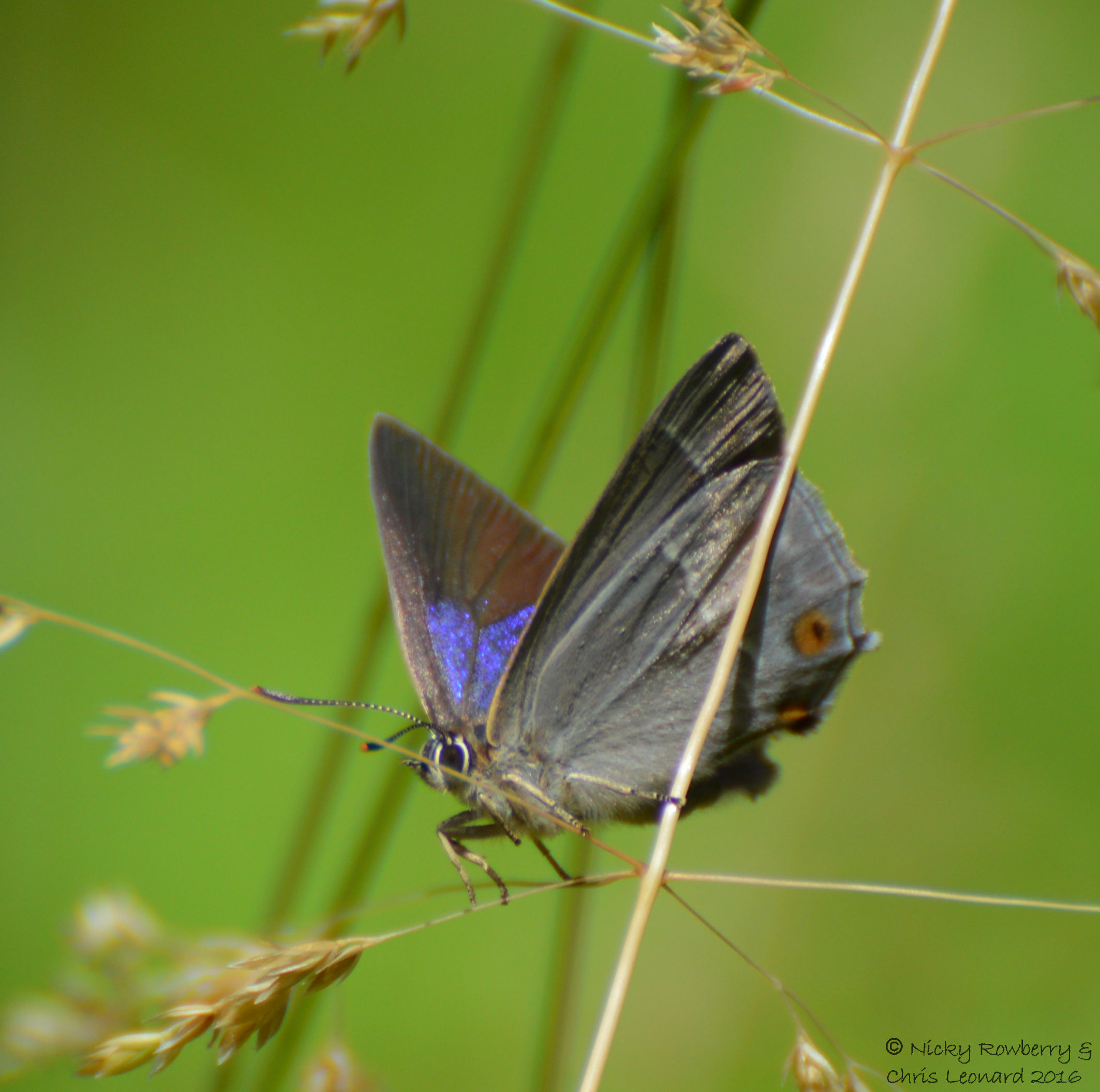
We’d spotted a Purple Hairstreak as we first entered the wood and got a few typical shots of it with its wings vertical. This is a very small butterfly compared to the Emperor and spends most of its time up in the trees, so is easy to miss.

Purple Hairstreak

On the way back to the car, we spotted another one. We were delighted when it opened its wings and then even better settled on the ground allowing us to snap away. We’ve never seen these with their wings open before, so this was a real treat.

Purple Hairstreak 2

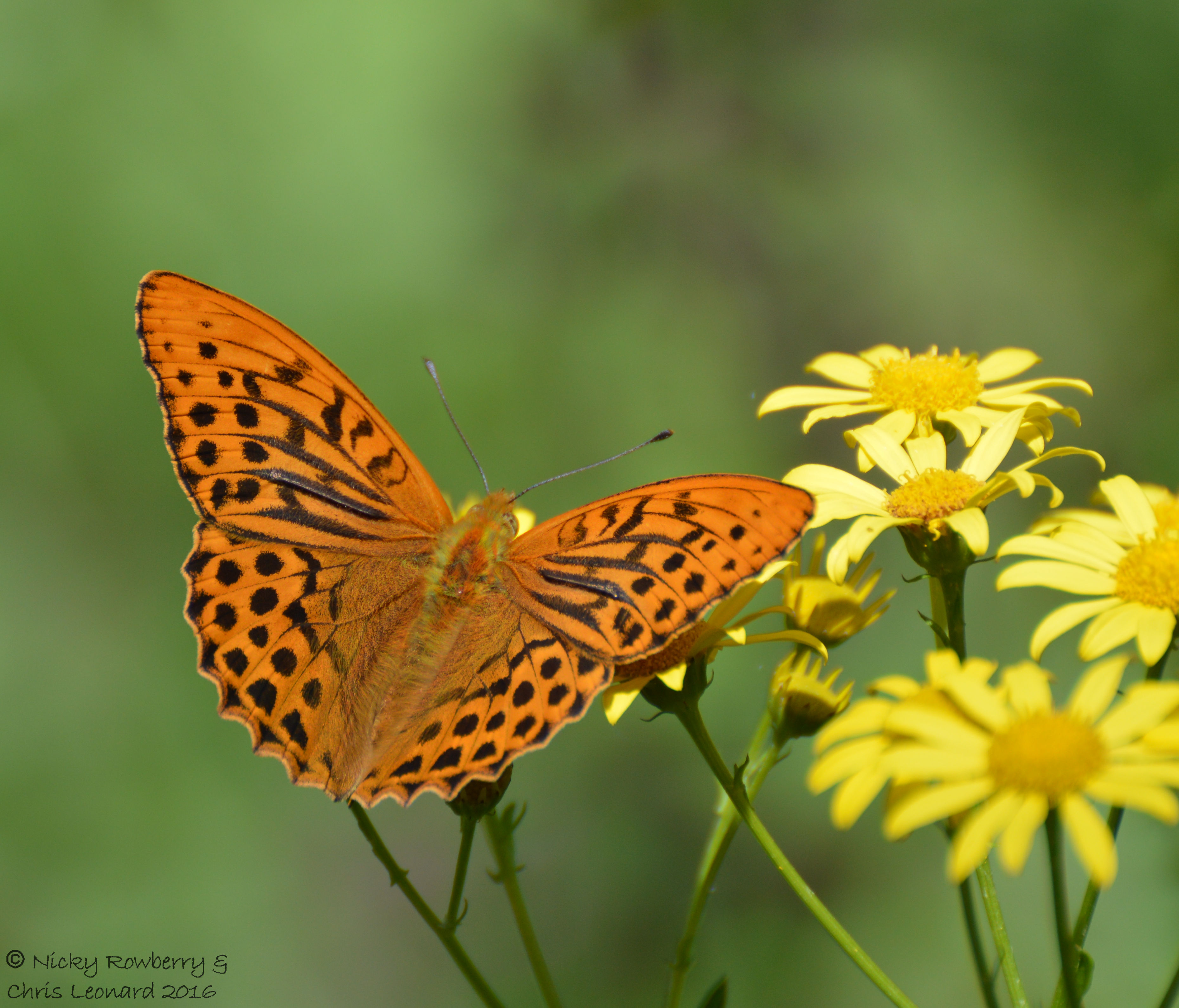
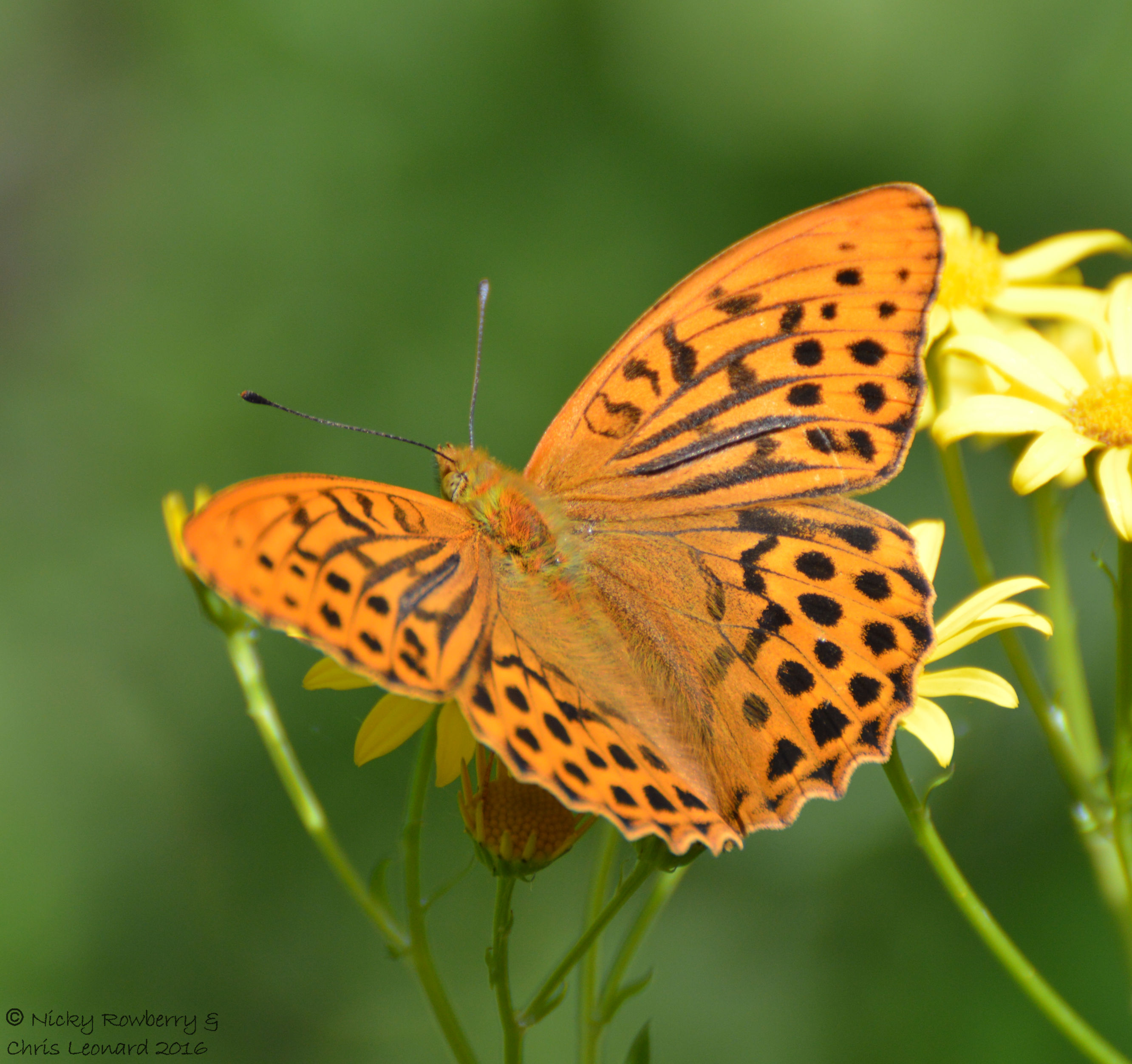
But all these purple beauties weren’t the only butterflies around today. We saw lots of Silver-washed Fritillaries, most of which were bombing about way too fast to get a photo, but one or two did settle long enough.

Silver washed fritillary

Silver washed fritillary 2

Just before we’d spotted our Purple Emperor we saw some White Admirals. We got all excited thinking it was the Emperor as they are pretty similar, although obviously lacking the purple sheen. Brambles must be the Admiral’s favourite flower, as we often see them on these.

Also spotted today were lots of Ringlets, Speckled Woods, some kind of very fast and consequently unidentified white and last but not least several of these Large Skippers.

Large Skipper 2

I think today will go down as one of our most successful butterfly walks ever! Thank you Butterfly Conservation Warwickshire for organising the walk and making our Imperial dreams come true!

30 Days Wild – Day 5

TWT 30 Days Wild_countdown_05Day 5 of the 30 Days Wild Challenge and it’s a beautiful sunny Sunday in Malvern – a rare thing indeed! After the slightly frenetic activity of the Bioblitz yesterday (I’m still working my way through all the photos for IDs), today we’ve had a much more relaxed, laid back kind of day.

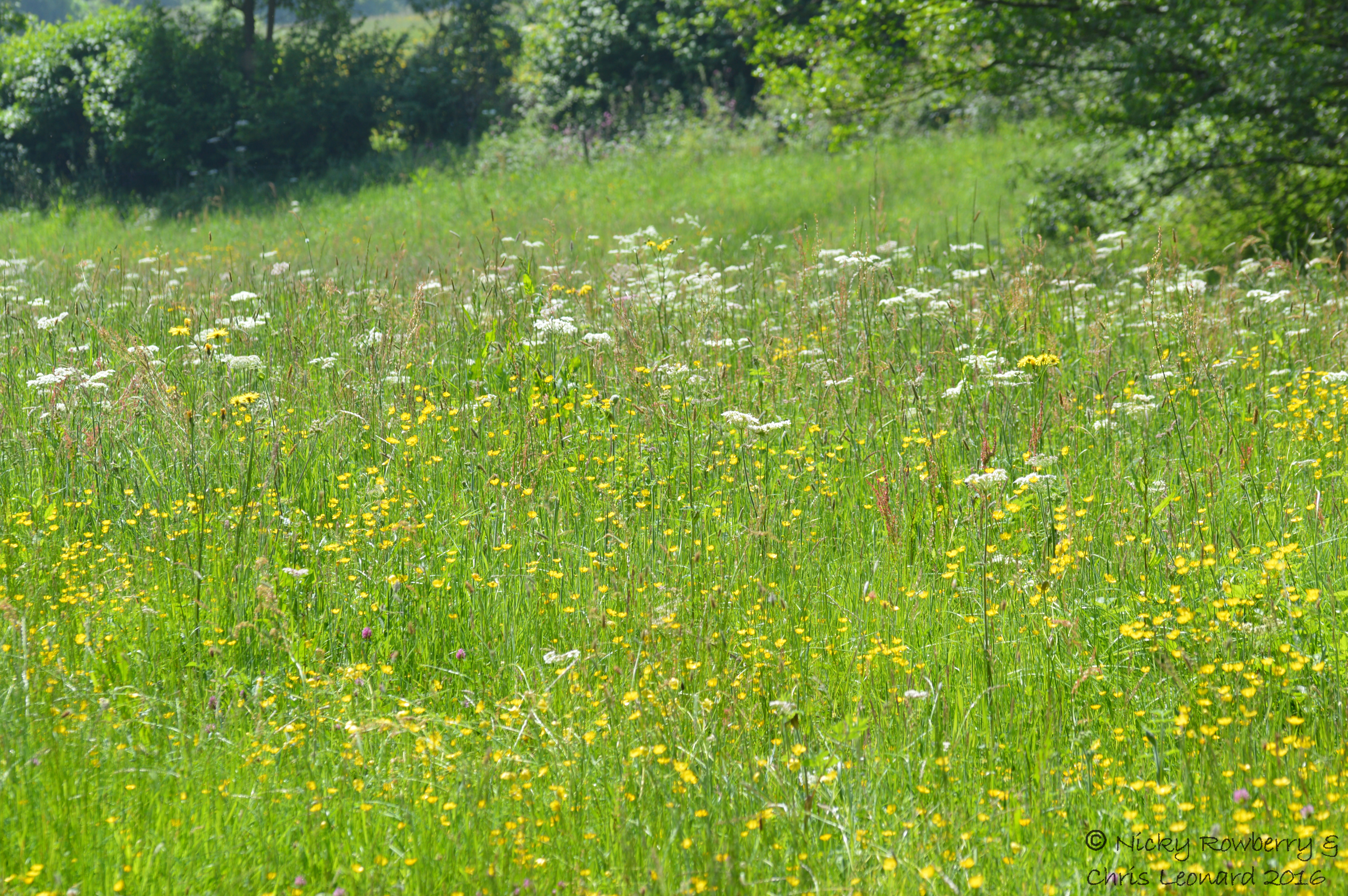
We started with a walk at The Knapp and Papermill Nature Reserve, which is run by Worcester Wildlife Trust and is very handy for us – just the other side of the Malvern Hills. It’s a gorgeous reserve that’s got pretty much everything you could want – meadows, woodland, orchards, a small river running through a valley.

Meadow 1

River at Knapp

Speckled WOodYou know it’s a good place when butterflies start landing next to you as soon as you get out the car – cue Speckled Wood. We’ve been there before and walked around pretty much the entire site, but today we just did a small section of it, alongside the river near the old orchards and meadow.

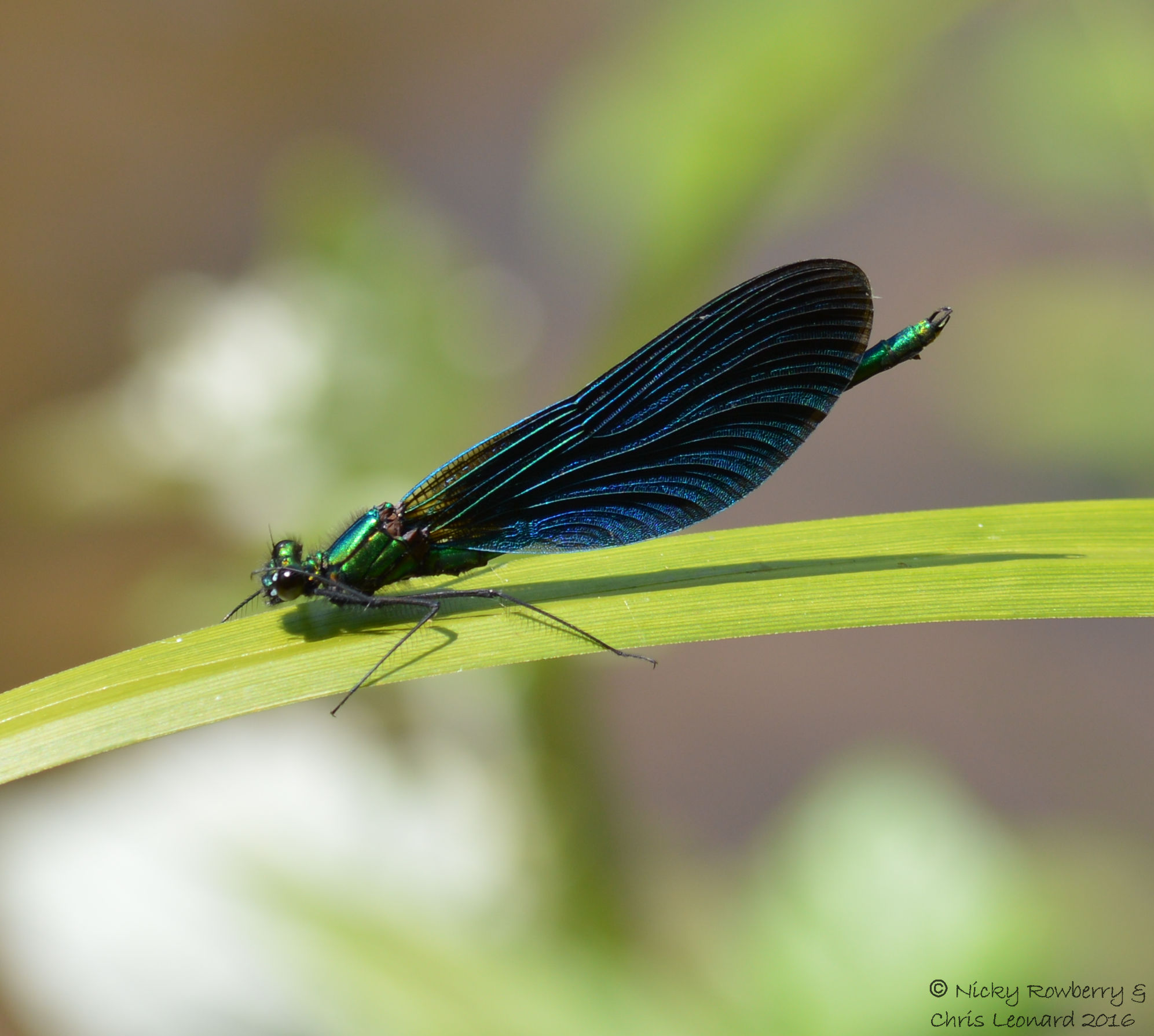
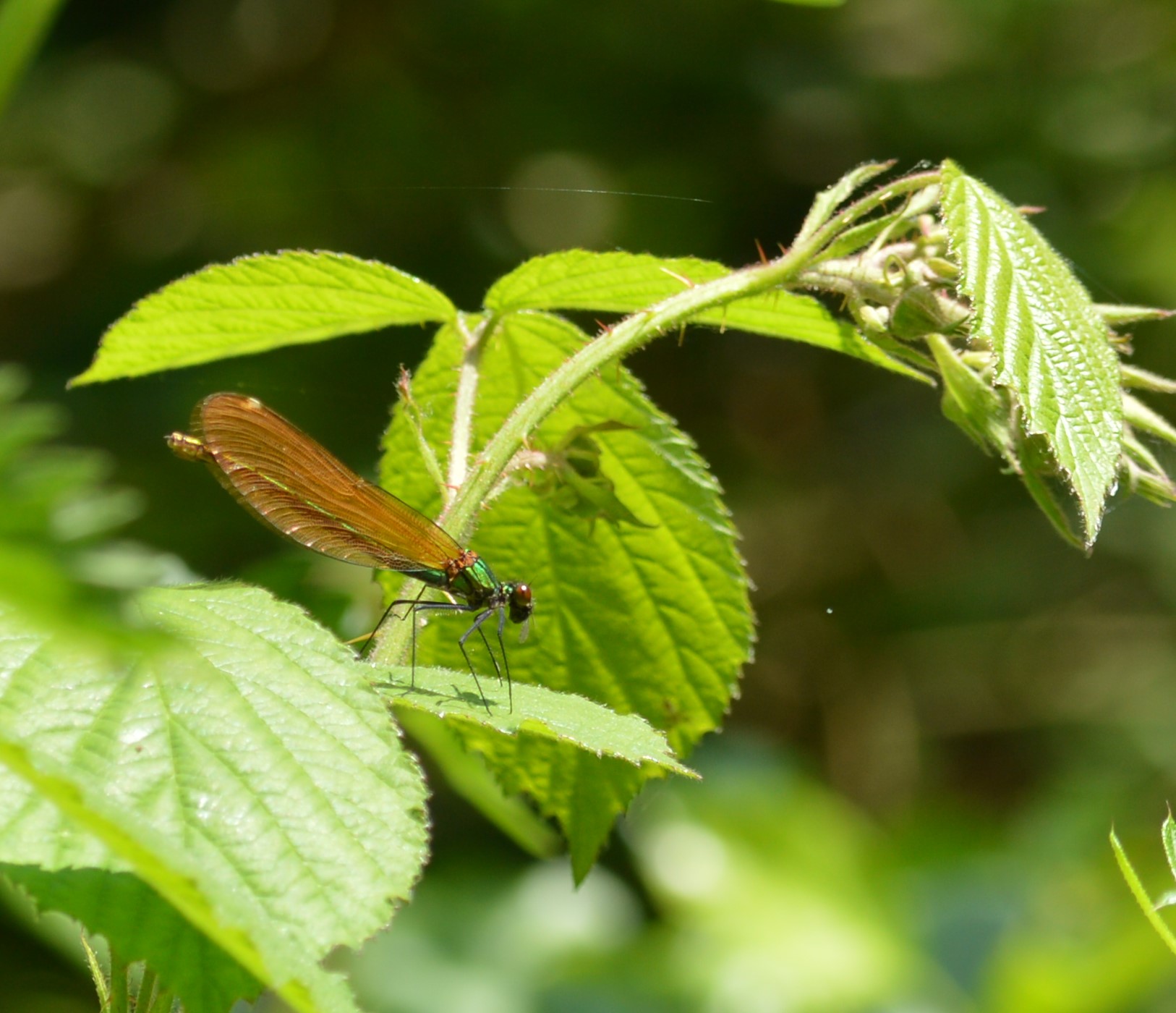
Our main memory from the previous visit was of the Beautiful Demoiselles. This was the first time we’d ever seen them and were blown away by how beautiful they indeed were. They seemed so exotic flapping all round us by the river, it felt like we’d been transported to some far away tropical location. So they were our main target species for today – and they didn’t disappoint. I know I tend to gush that everything is beautiful and amazing, but these Demoiselles really do live up to their name.

The adult males are a dark iridescent and glorious blue. They are quite flighty so it takes a while and more patience that we can normally muster to get really good shots, but we managed in the end to get these.

Male Demoiselle 2

As is so often the case in nature, the females are less showy than the males, having a more bronzy brown coloured wing, with white spots near the end.

I honestly could have sat and watched these flying around for hours. But they weren’t the only large insects flying around – damselflies were abundant today too. We saw some bright blue (possibly Azure) ones which refused to land for photography purposes. More obliging were the Large Red Damselflies. So relaxed indeed were the Large Red Damselflies, that they continued unashamedly about their business even with me taking photos like this.

Mating damselflies

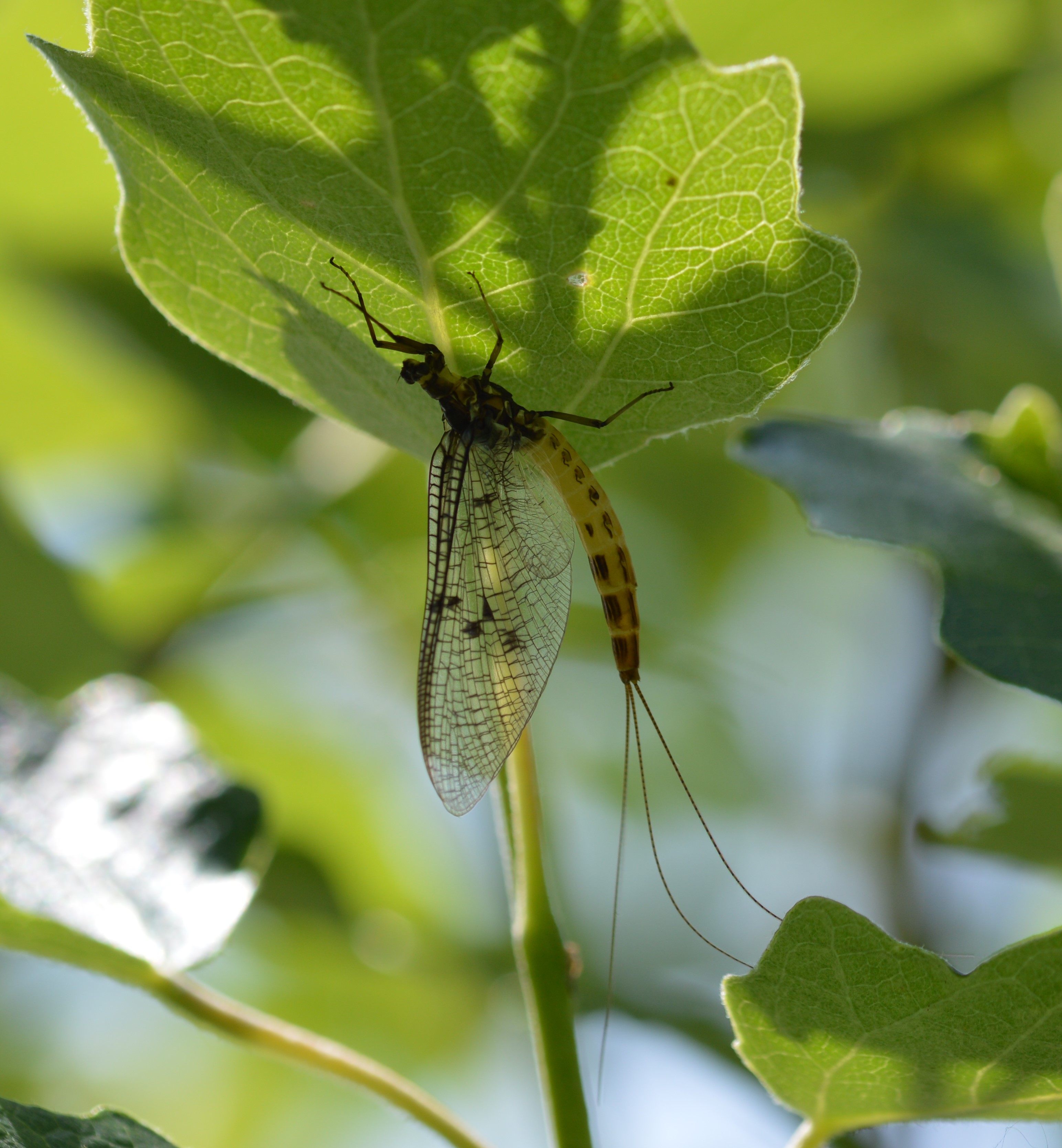
The reserve is generally teeming with insect life. We saw Red Headed Cardinal beetles, hoverflies and May flies to name a few.

Not surprisingly the reserve supports a wide array of birdlife too. The air was full of bird song as we walked around, although few showed their faces. One obvious arrival though was a Buzzard, which was being mobbed by a very brave crow.

On the way back we stopped at the visitor’s centre, which has lots of useful info.

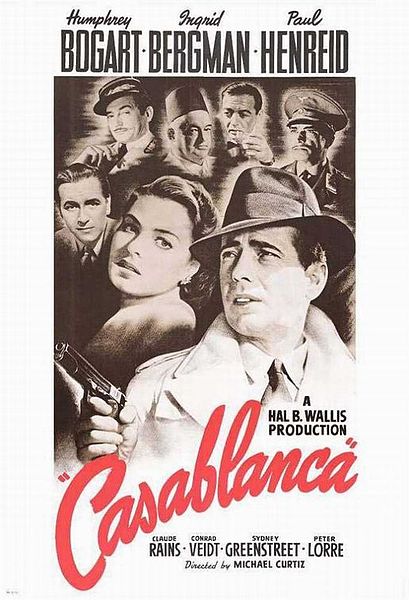
CasablancaWe were supposed to round off our lazy day with an open air screening of the classic film Casablanca. Amazingly the sun was still shining as we settled down with our picnic on the grass. Not sure whether the organisers of 30 Days Wild had expected Humphrey Bogart to join in, but we were looking forward to seeing him on the big screen. It happens to be my Dad’s favourite film, so it ended up a family outing with Dad and my sister too. Unfortunately, and I never thought I’d say this, the weather was too good! The organisers announced they couldn’t start screening the film as the evening was too bright and the black & white film wouldn’t be visible on the screen! We waited and waited (consuming our own body weights in sandwiches and scones while we did) but eventually had to give up as my Dad was getting a bit cold and still no sign of the film starting. The evening wasn’t a total right-off – we all enjoyed our picnic in the park and the crowd waiting for the film were all quite jolly. But we’ll now never get to hear Sam play it again in the open air!

Red valerian 30 WEEDS

Day 5 of 30 Lazy Weeds from our garden and here’s one that is taking over – Red Valerian. Fortunately it is not only beautiful but very popular with both bees and butterflies. It’s formed a flower bed all of its own at the front of the house – which looks great – one neighbour even asked whether we’d planted all these lovely flowers! These bright pink flowers look as good as anything you’d go out and buy, but are much better for the wildlife and they’re free!

Out and About – Haugh Wood

Yesterday’s expedition produced not only the result we’d set out for, but a completely unexpected bonus. We’d set out in search of Wood White butterflies – a species neither of us had ever seen before, so one on our hit list to “bag” this year. The new Butterflies of the West Midlands book suggested a walk in Haugh Wood, Herefordshire so we ventured forth once again – it’s becoming a bit of a weekend habit this abandonment of our sofas!

Haugh Woods (there seems to be some debate as to whether it is pronounced Haugh as in Laugh or Hoff as in The Hoff!) is run by the Forestry Commission and is a nationally important wood for butterflies – in particular the Wood White. The Wood White is a nationally vulnerable species, so we’re lucky to have a colony close enough to visit.

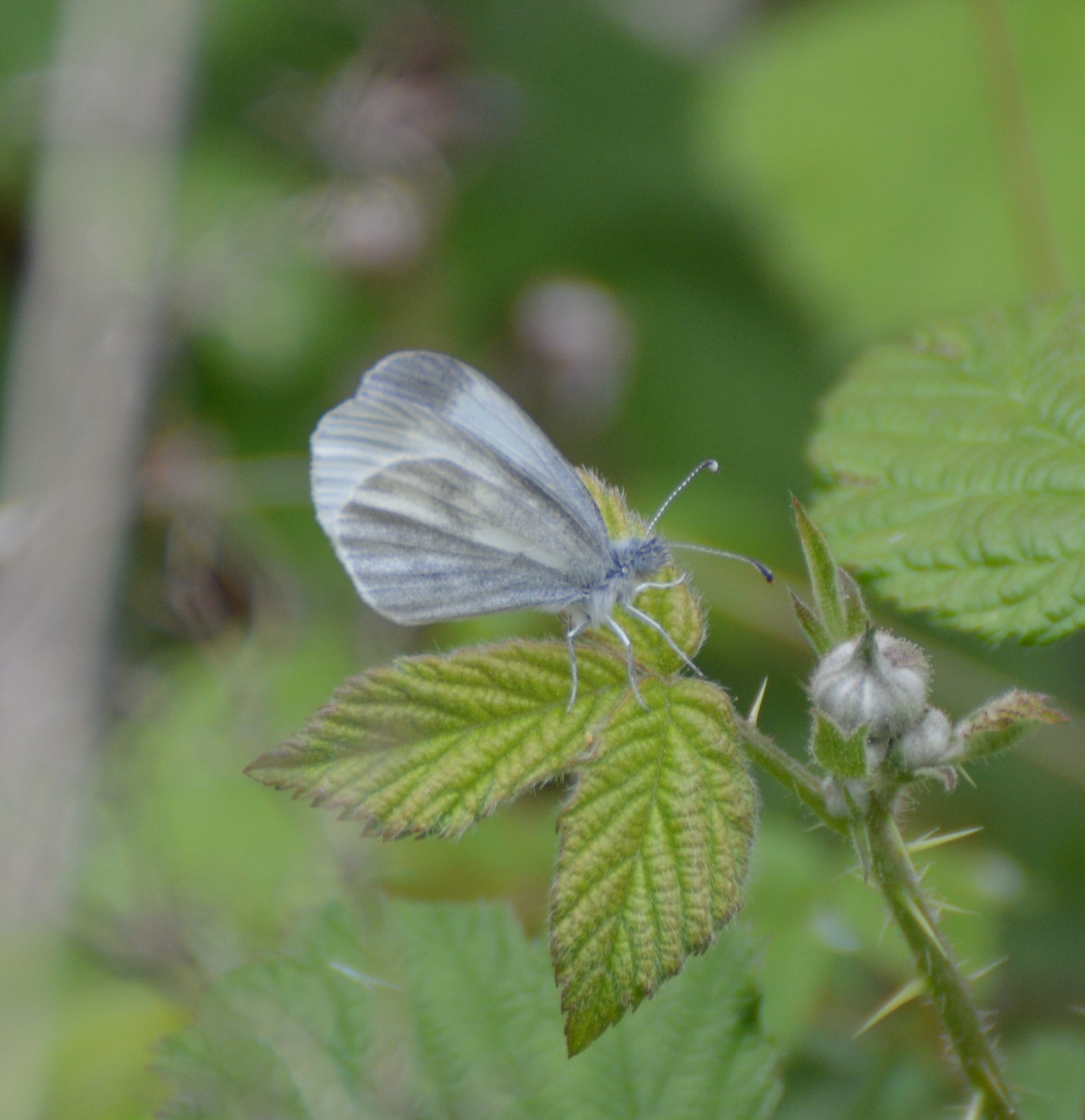
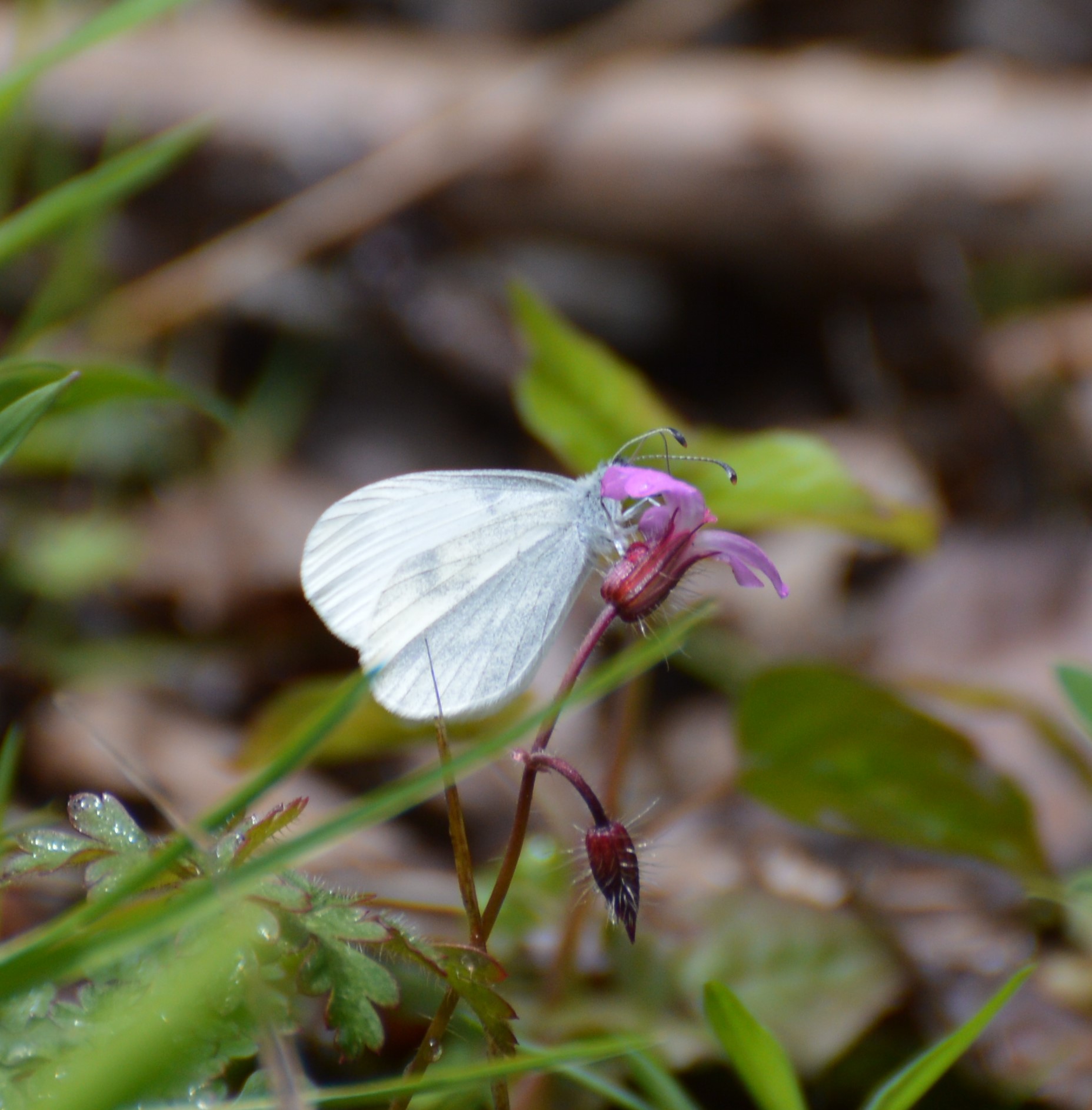
The first white butterfly to show its wings though was a Green Veined White. Of course it took a bit of chasing around to confirm that it wasn’t a Wood White – we didn’t discover how small the Woodies were until later on. Still the Green Veined was lovely to see, even if it refused to pose its wings properly upright to see the veins.

DSC_2638

It wasn’t long though before another much smaller white flapped by – again it took a bit of chasing around until it stopped long enough to confirm a Wood White. They’re really much smaller than I’d expected and not the most energetic of butterflies, which was good news for us pursuing them!

We eventually saw several more once the showers passed and the sun came out again.

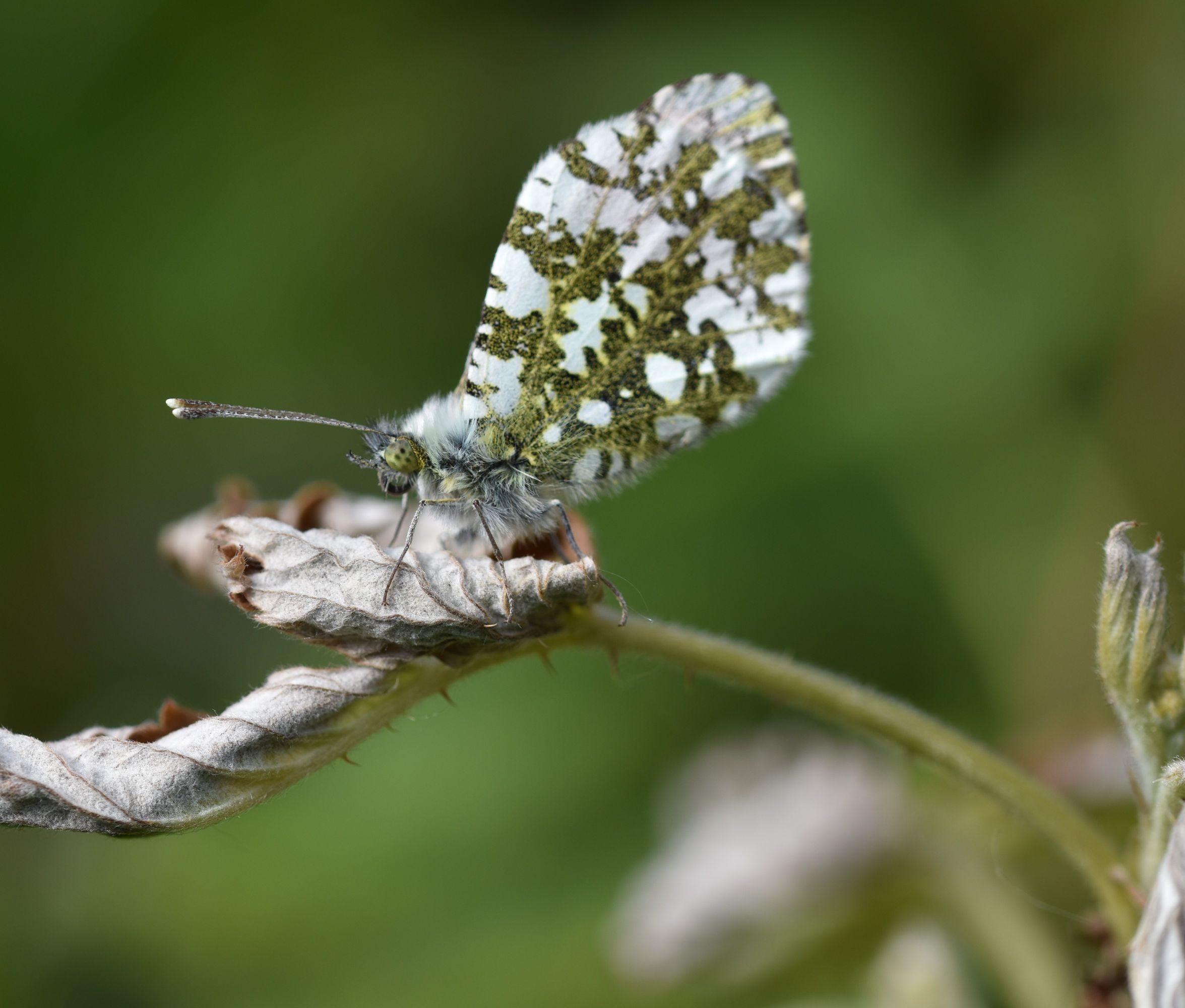
Near the end of our walk a third white species showed up – an Orange Tip.


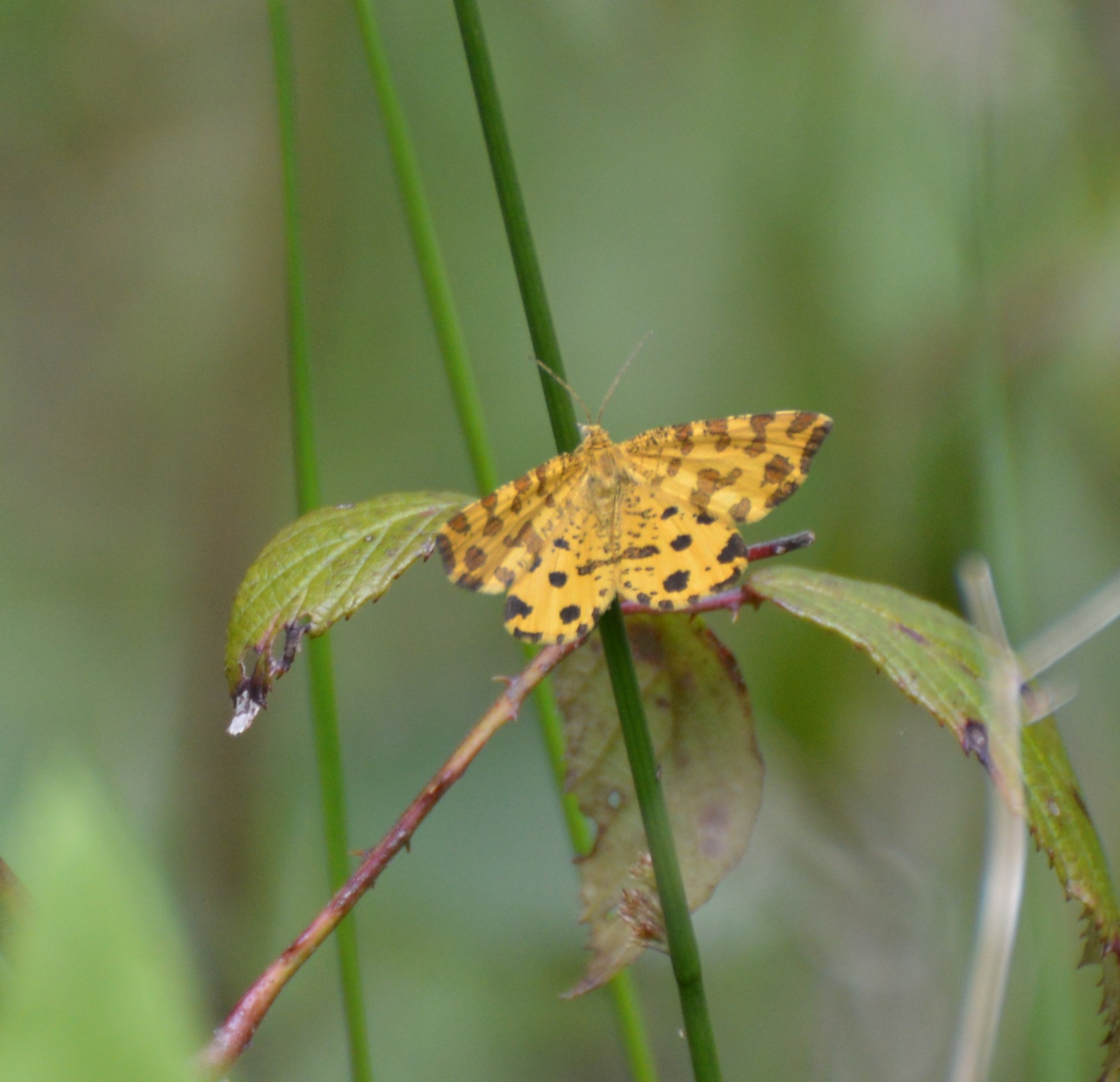
Throughout the wood we’d also been seeing Speckled Yellow moths flitting about. They are notoriously difficult to photograph, but we finally chased one down back near the carpark.

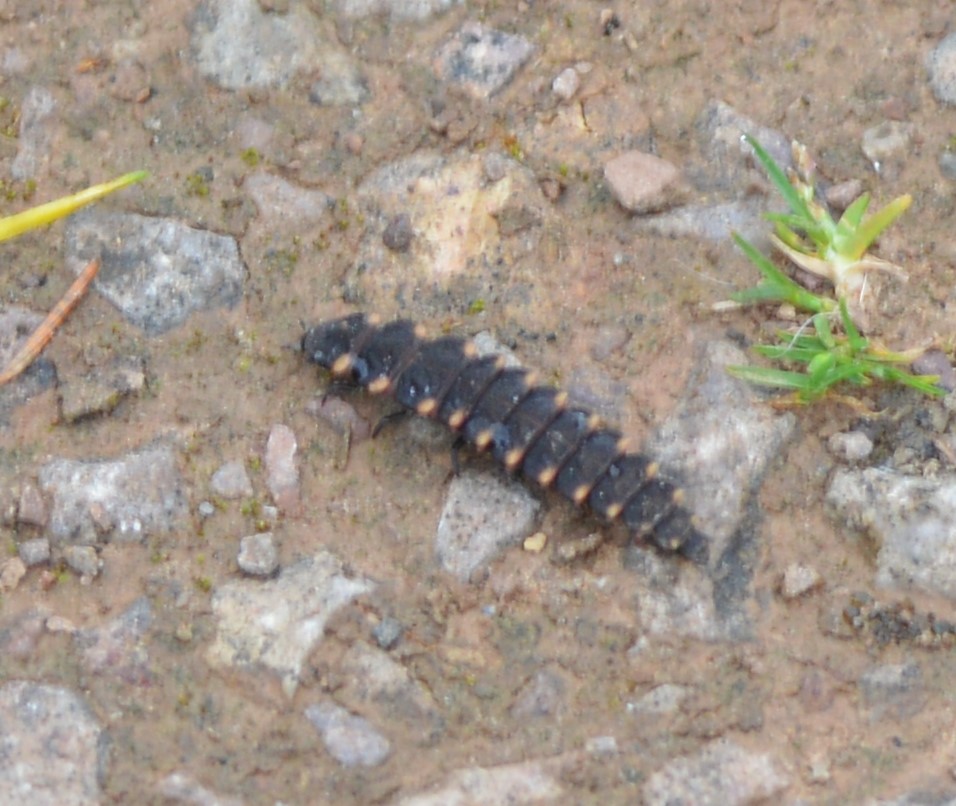
The real bonus of the trip though was something we only discovered we’d seen when we got back home and downloaded the photos. We had spotted what we thought was a caterpillar trundling across the path, so we’d taken a few snaps and then moved it to safety (probably a good job we moved it, as we had to double back down the path a few minutes later having got lost despite the very clear path markers – I’d hate to  have trodden on it!)

Looking at the photos properly back home, it didn’t look like a caterpillar at all. A quick google combined with a plea for help on Facebook and iSpot, confirmed we’d found a Glow Worm larva. It is principally the adult females that glow, although the larvae do glow a bit, but obviously not at 11:30 on a Sunday morning while tootling along a path! So it was hardly a bioluminescent spectacle (like the recent, excellent David Attenborough programme on the phenomenon), but we can still say we’ve seen a glow worm, so I’m happy with that. I feel a trip back to Haugh Woods in the dark may be coming up some time soon though!


Out and About – Wyre Forest

The sun was still shining on the righteous at the weekend, so we decided to make the most of it and headed up to the Wyre Forest in search of the Pearl Bordered Fritillaries. We took a slightly circuitous route, via one of our favourite pubs – The Live and Let Live on Bringsty Common. Fabulous pub with great food and lots of wildlife around. Lots of bees and butterflies (Small Copper, Orange Tip, fast flying and therefore unidentifiable whites!) and birds, but only this little wren paused long enough to get its photo taken.

Live & Let Live

Wren at Live & Let Live2 Wren at Live & Let Live1

Suitably fuelled we headed off to the Wyre Forest. The Pearly Bordered Fritillaries were our main butterfly target of the day as the Wyre Forest is one of their strongholds in the West Midlands. The Wyre is managed by the Forestry Commission and Butterfly Conservation to restore a diverse woodland environment, providing the right habitats for many butterflies. It’s not only good for butterflies, but is a lovely place to just go for a walk.

Within minutes walking along the old railway track, we’d reached a gateway to a more open area where we’d seen the fritillaries last year. Sure enough, just yards from the gate we spotted our first one.
 

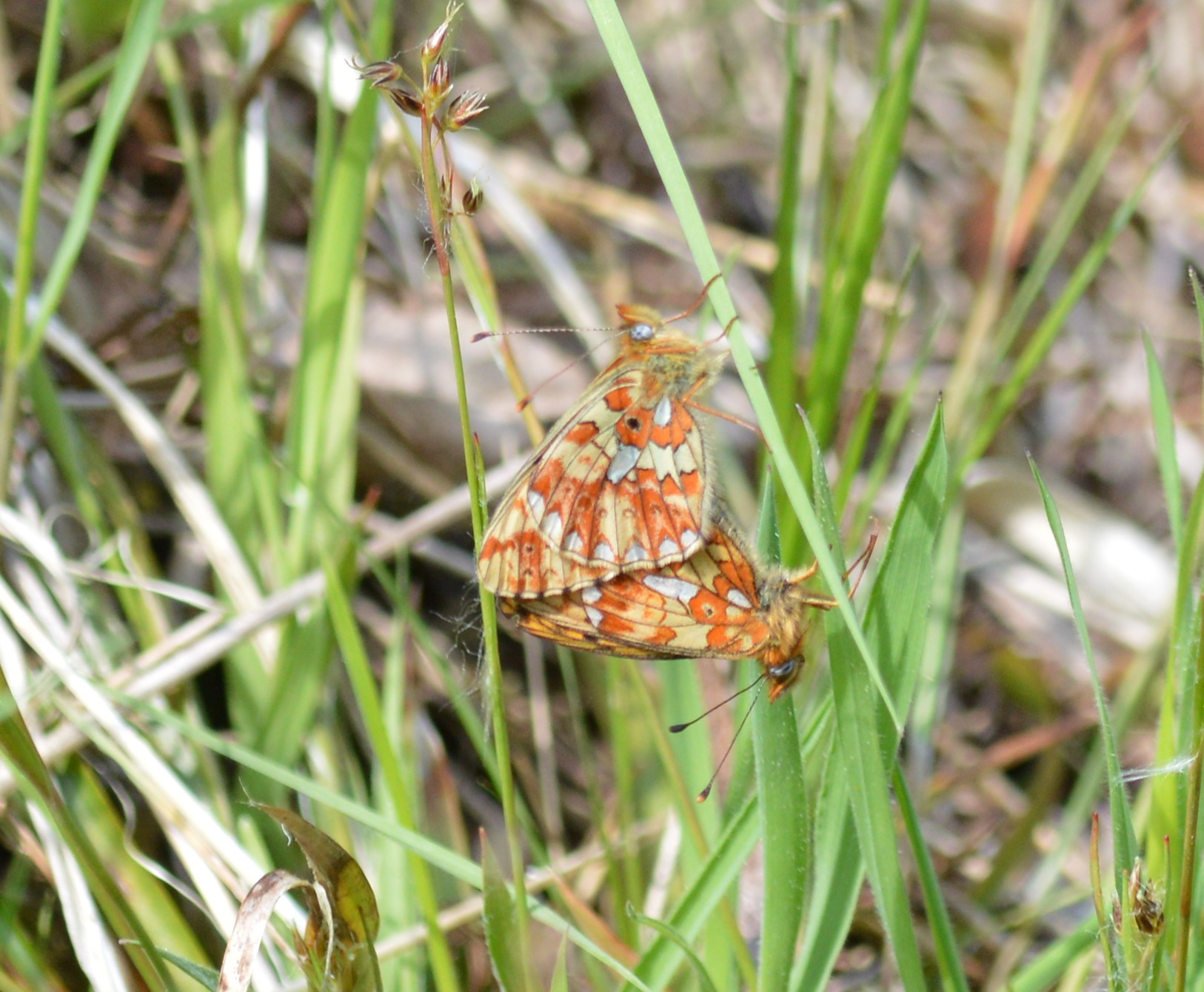
Needless to say it didn’t hang around to get many photos, so we went back to the track and headed along to an area with sunny sheltered banks. Here there were numerous Pearl Bordered Fritillaries fluttering in the sunshine. We were really chuffed initially to get these distant shots of a pair getting down to business.

Pearl Bordered Fritillaries (6) Pearl Bordered Fritillaries (5) Pearl Bordered Fritillaries (2)

But eventually we spotted a pair clearly too engrossed in what they were about to be bothered by us taking photos! I managed to get a few photos of them together. In the photo you can see how pearlescent the central white spot in particular is. I love the underside of their wings – like beautiful stained glass windows.
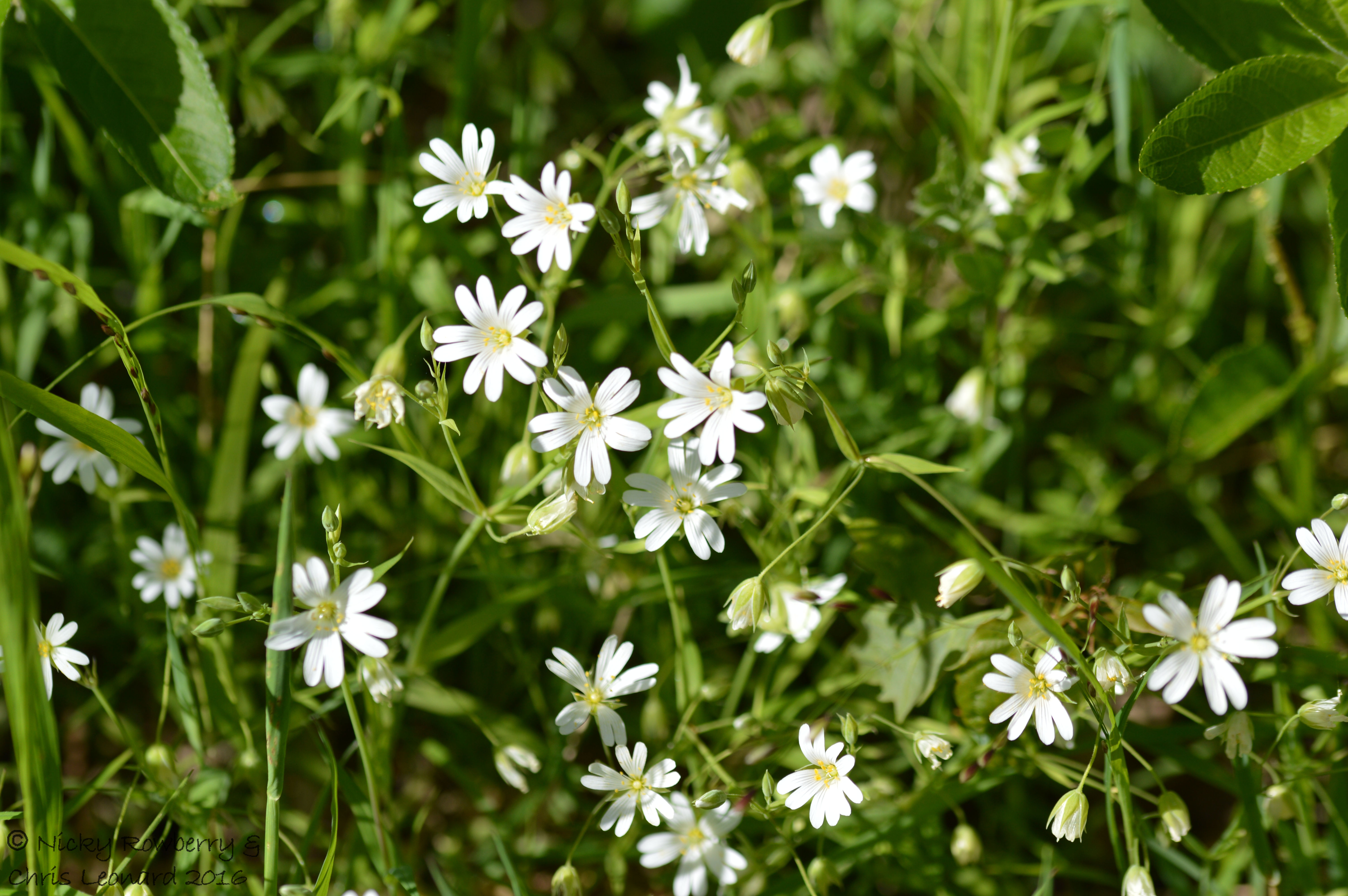
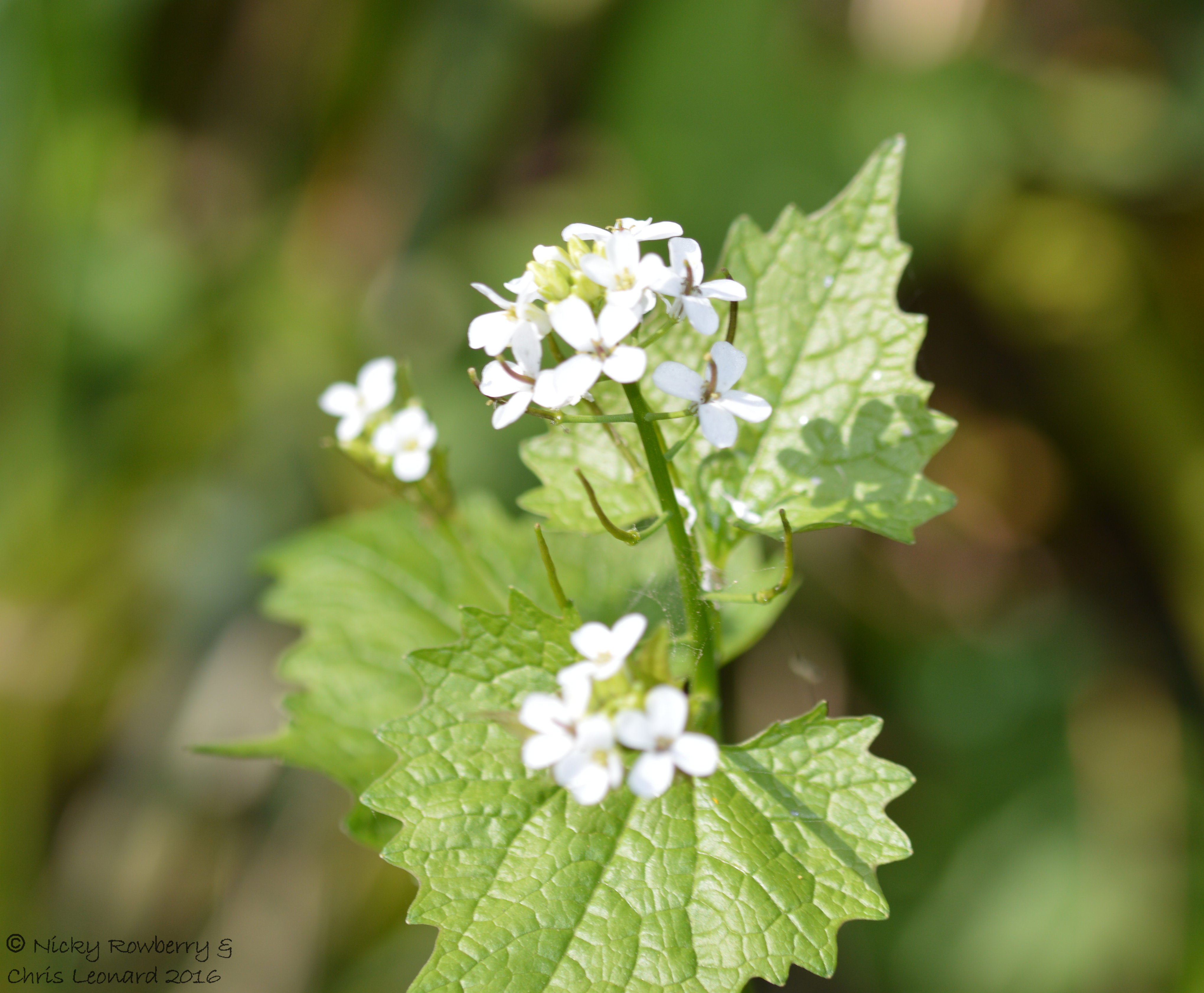
Of course although the fritillaries were the highlight, there was lots to see besides the butterflies. Spring flowers were abundant, attracting a variety of insects. I’m not too hot on wildflower ID, but I’m fairly sure the following are Greater Stitchwort, Jack-by-the-Hedge (aka Garlic Mustard) and Yellow Deadnettle.

Greater stitchwort

Jack by the hedge

Yellow Deadnettle

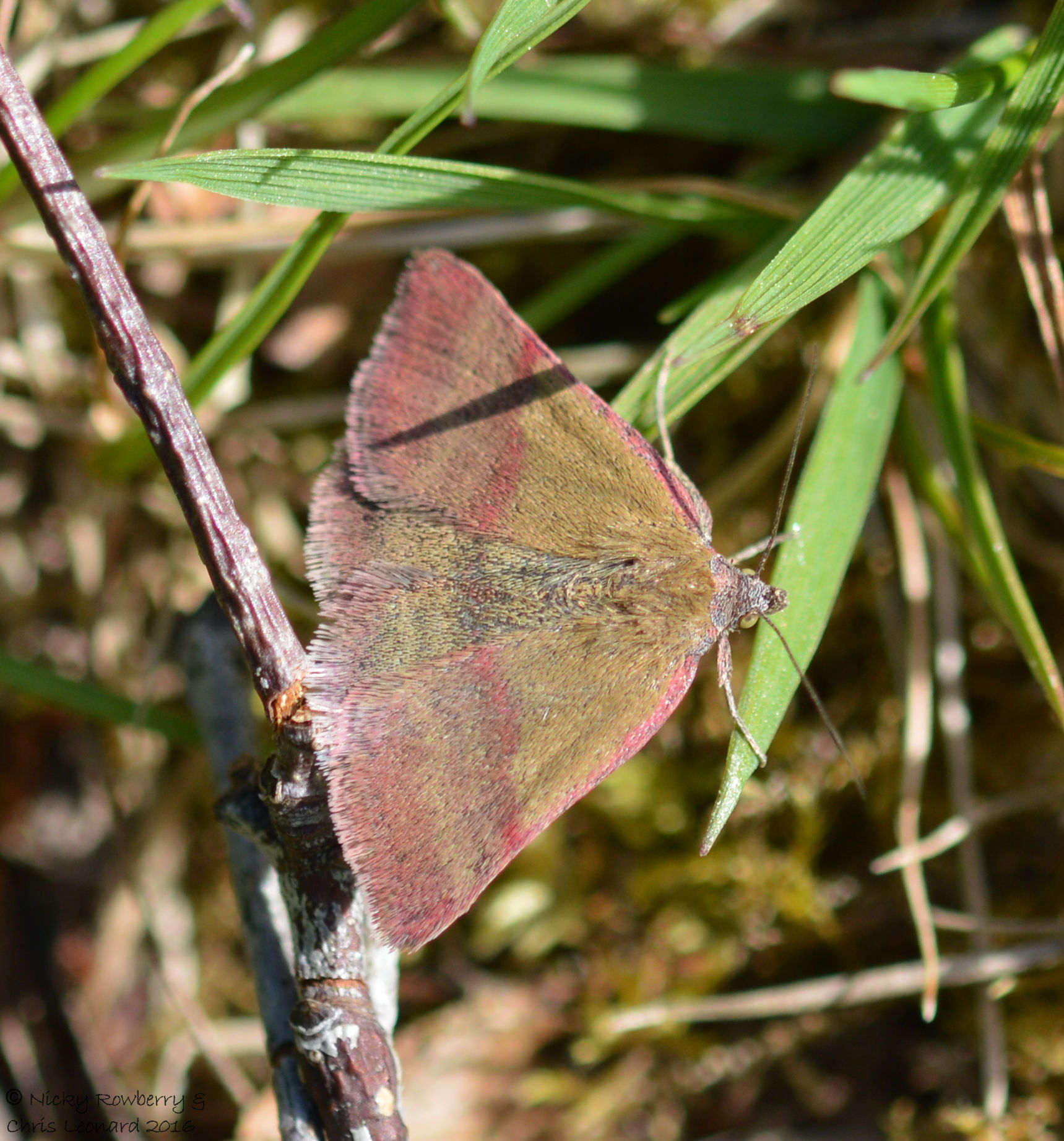
There were also a few day flying moths about, some of which I’d not seen before. The Small Purple-barred (Phytometra viridaria) was a new one, but was thankfully easy to identify.

Small Purple-barred


So all in all a very good day out. The Wyre Forest is definitely worth a visit for anyone wanting to see the beautiful Pearl Bordered Fritillaries.


Out and About – Penny Hill Bank

You know how it is, you wait a lifetime to see a Green Hairstreak, then see them two days in a row! Flushed with success of finding them at Cannock Chase the day before, we ventured forth once more – this time to a small reserve in Worcestershire – Penny Hill Bank.

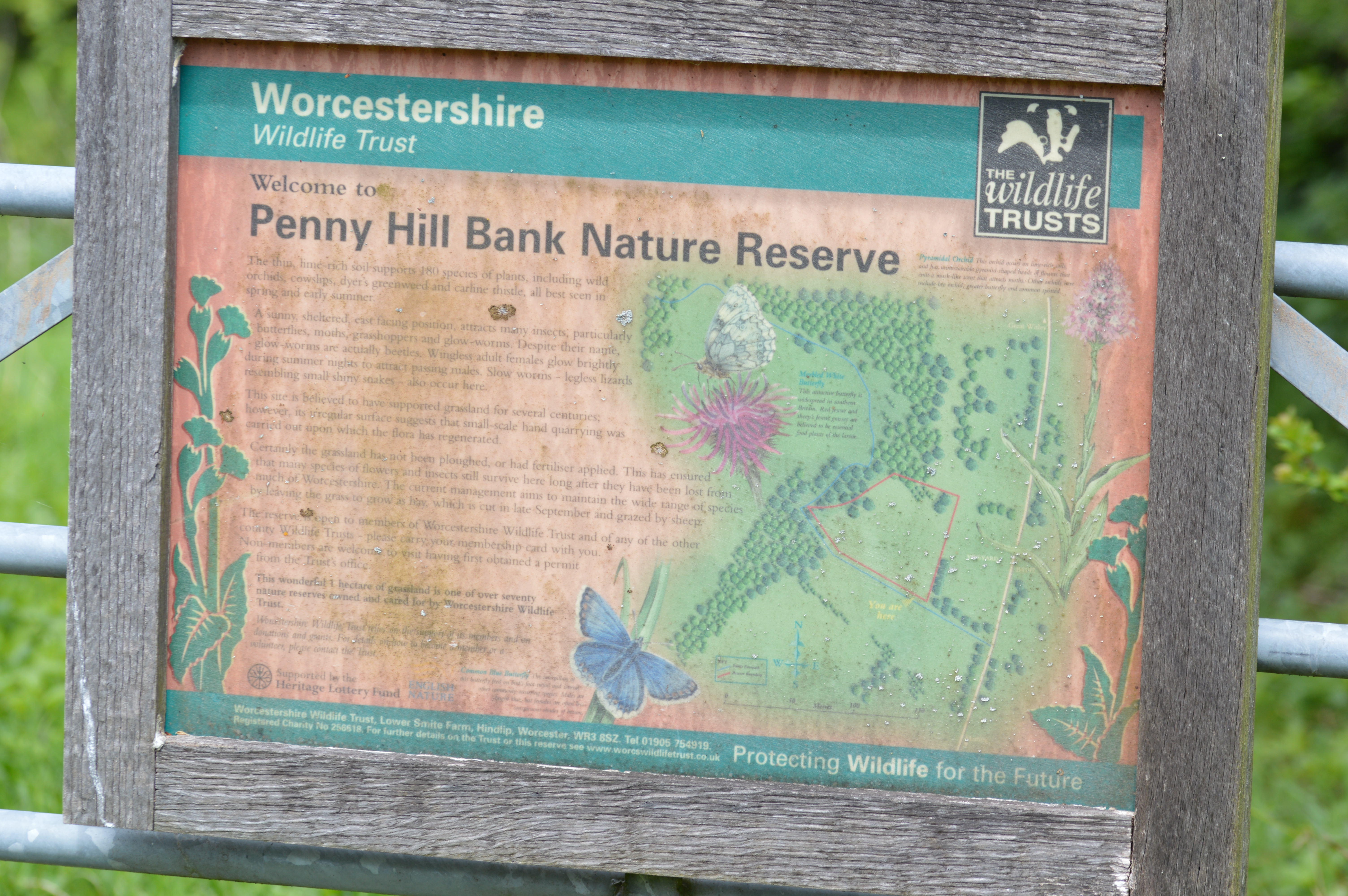
Penny Hill Sign

Penny Hill is an area of grassland that has apparently never had pesticides on it, so has a very diverse flora, including several types of orchid. We were probably there a bit early in the year to see many of them, but we did spot this Common Twayblade orchid (Listera ovata) and there were lots of pretty blue Bugle (Ajuga reptans) flowers.

Common Twayblade orchid (1)

Bugle (2)

The diverse flora of course in turn attracts a wide variety of insects, particularly butterflies. We’d only been there a couple of minutes before we spotted a Green Hairstreak. Perhaps now, having got our eye in with them at Cannock Chase, we’ll be finding them everywhere!

Green Hairstreak Penny Hill Bank

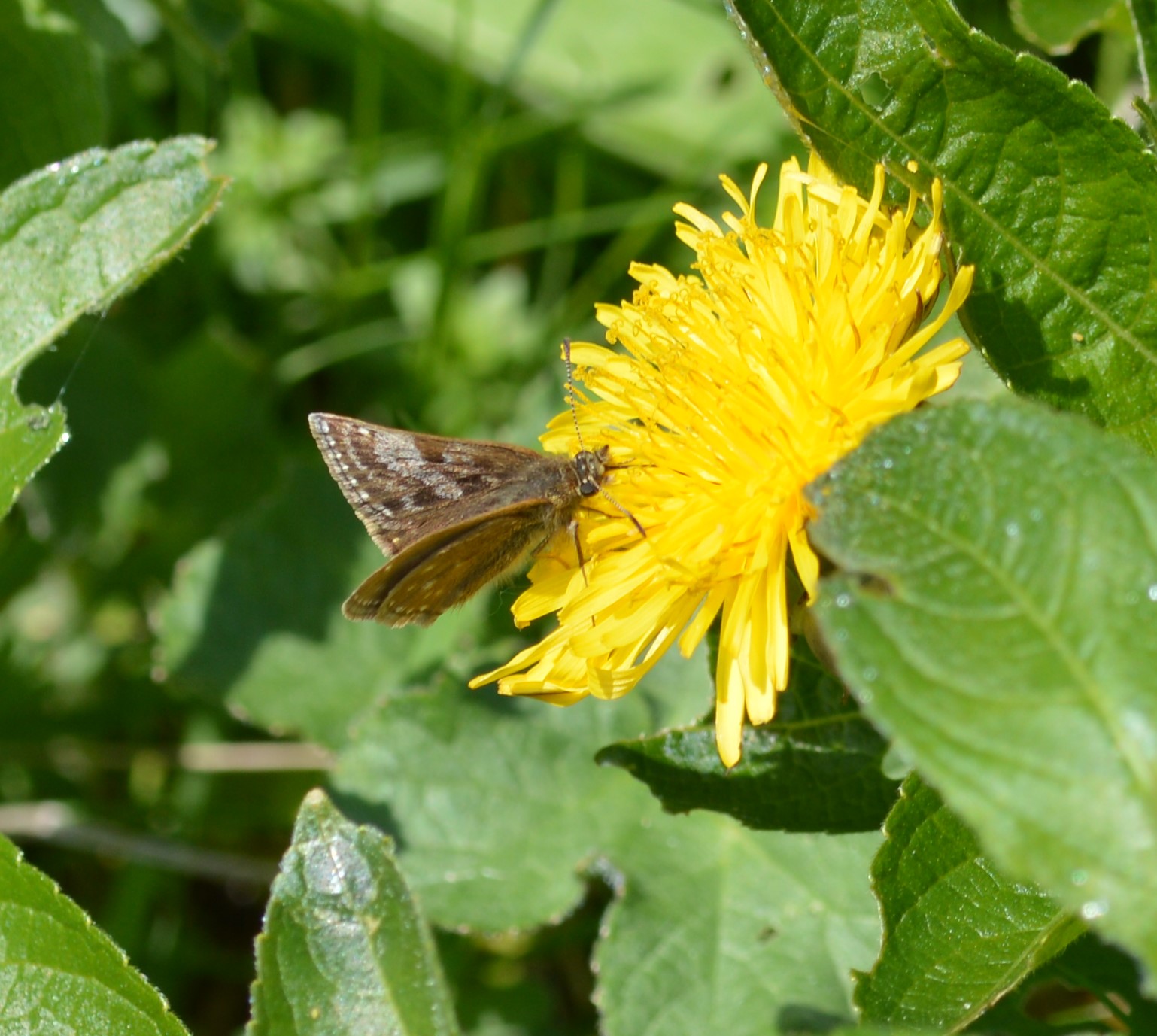
This was soon followed by another relatively unusual butterfly, the unfortunately named Dingy Skipper (Erynnis tages). The skippers look a bit more like moths than butterflies, but have the typical butterfly antennae – smooth with a slightly bulbous tip. The Dingy Skippers are actually quite pretty in a subtle kind of way. They were also quite flighty, so not easy to photograph – this was the best I could do.

We saw several other species of butterfly – Orange Tip, Green Veined White, and a possibly Large White, but none of them stopped long enough to get a photo.

The field was generally very tidy, with thankfully no rubbish, but there were a few old bits of farm debris lying around, so we checked underneath them. The first revealed a newt, but the highlight of our day though was finding another lifetime first – a slow worm! I had never seen one, so was squealing with excitement when we lifted an old metal sheet and found the slow worm underneath.

We hurriedly took a few photos, before carefully lowering his “roof” back down. As we’d been walking around Penny Hill, it had seemed like possibly adder territory, but the slow worm was a complete surprise. Penny Hill is also home to glow worms – so we may be back there one night in the hope of bagging another first!

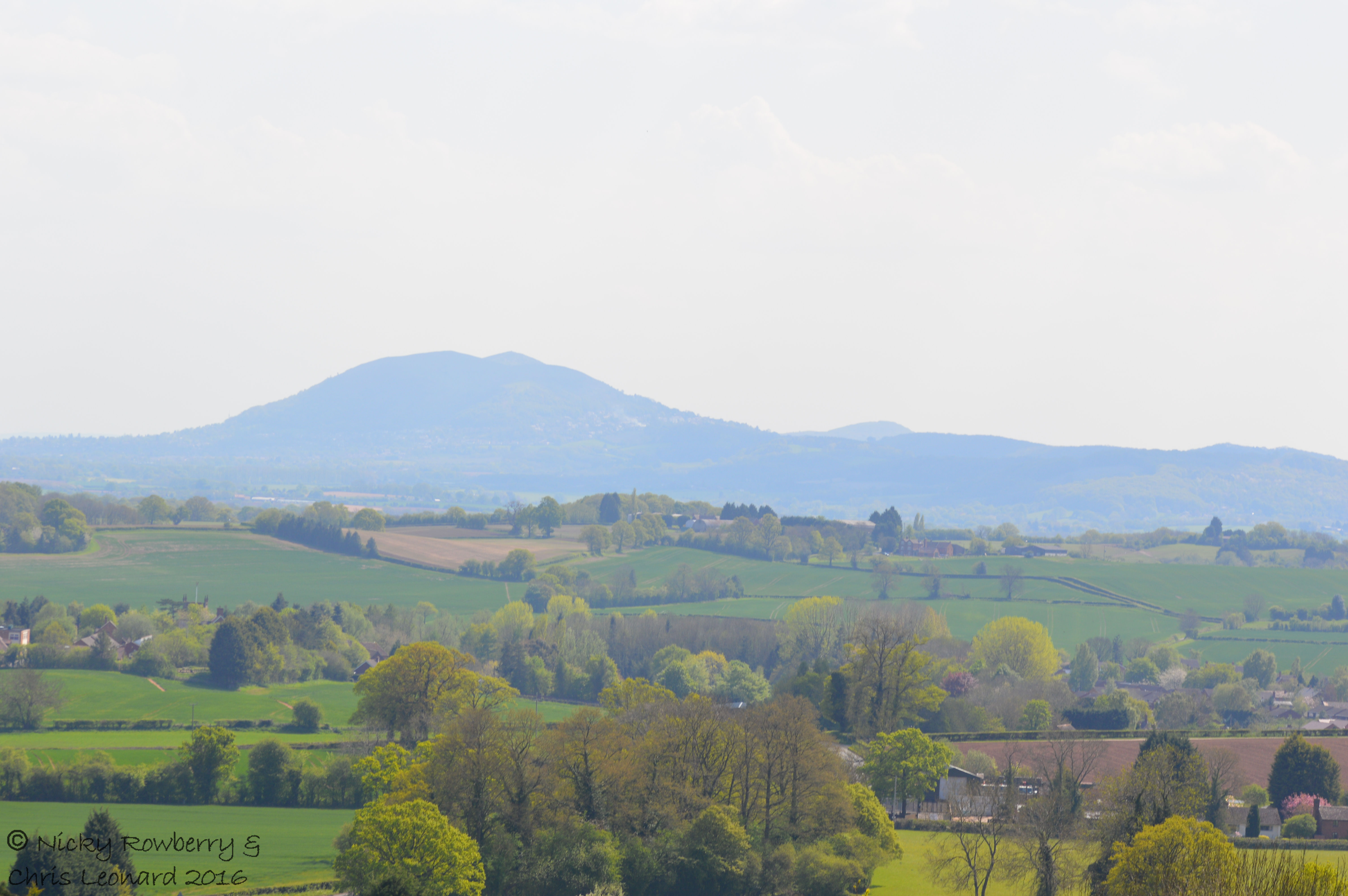
The views from Penny Hill Bank were stunning, you could see for miles across Worcestershire. The photo below doesn’t really do it justice. It’s a small site tucked away off the beaten track and not that easy to find (thanks go to a local who pointed us in the right direction), but it’s a lovely, peaceful place to just sit and enjoy the view, whether you’re interested in plants and animals or not.

Penny Hill View