30 Days Wild – Day 10 – Down the Lottie

Day 10 of 30 Days Wild and I’ve spent most of the day down the allotment with my sister. We only got the allotment back in March, having e-mailed to be put on what I thought was an 18 month waiting list, only to get a plot 3 days later! I’m not a natural gardener, so my sister and I are sharing the allotment. I have had to abandon the Too Lazy To Weed policy for the lottie, or all we’d actually grow would be weeds. Sis and I are sticking to our organic, peat free principles though, so ours is hopefully a wildlife friendly plot.

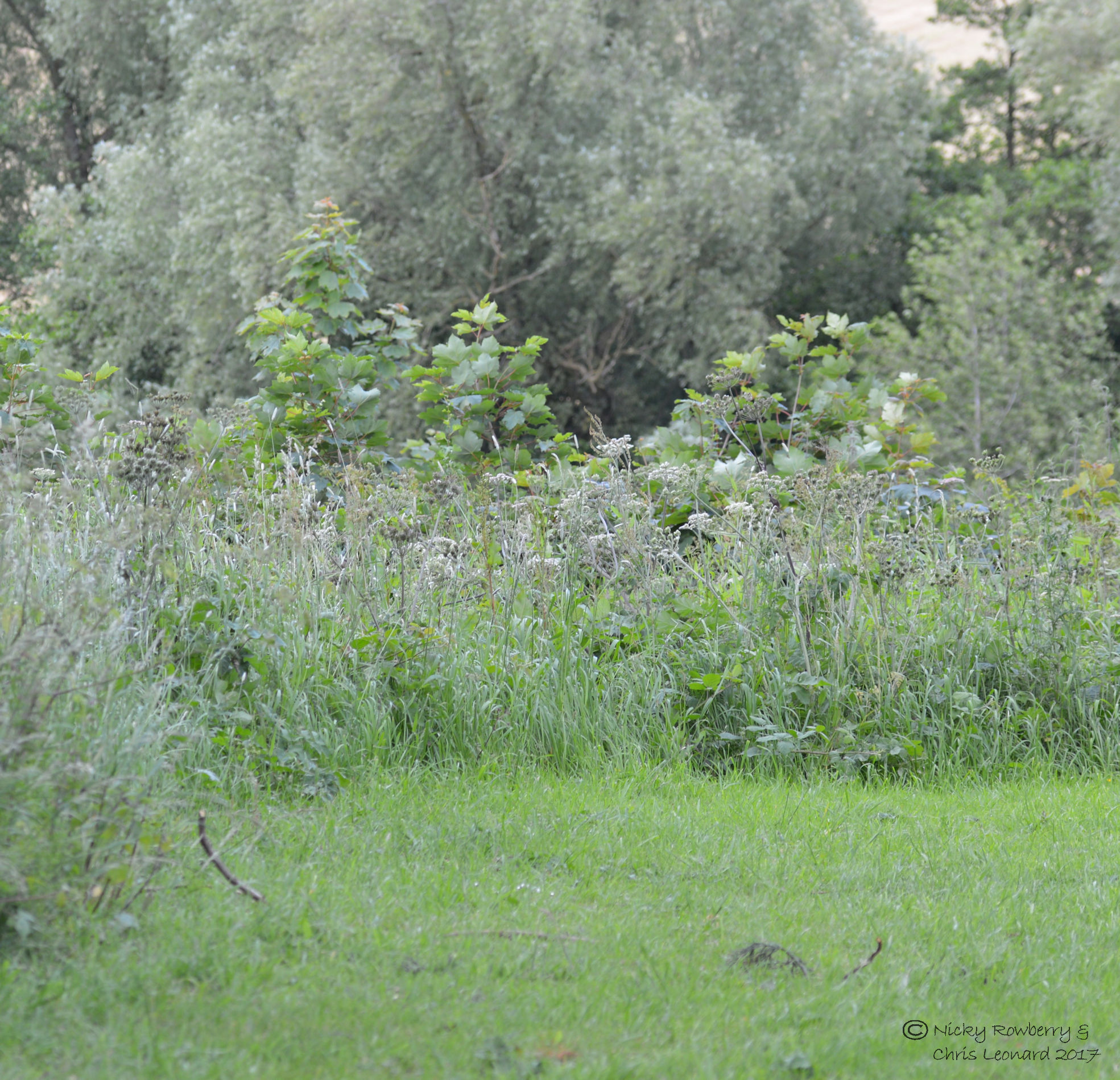
This is what some of the plot looked like when we started. Fairly overgrown with couch grass, bindweed and brambles, but it could have been a lot worse. Some of the empty plots are waist deep in weeds.

It is still very much a work in progress and probably always will be. No sooner have we cleared one patch, than the previous patch needs weeding again. And since we’re not using any weedkillers it is slow going, but worth it. Here’s the same bit a few weeks ago.

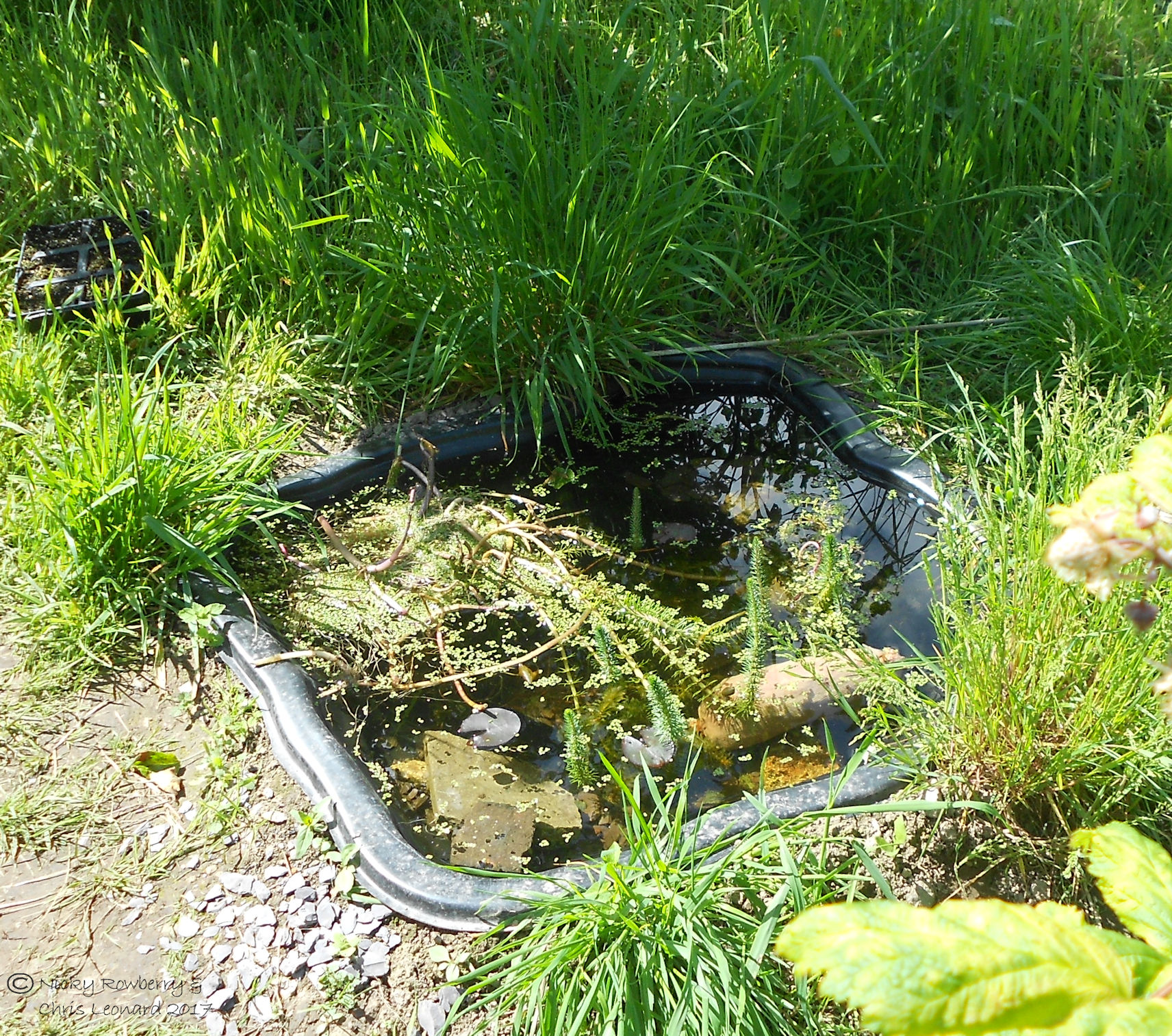
We inherited some apple trees, raspberries and currant bushes, all of which we’ve kept for the time being. The first major thing we did was put in a (very) small pond. Even one this size took some digging, which was a bit of a shock to my non-weeding/digging self. This is what the pond looked like just after it was put in.

And this is what it looks like now. The pond plants have established a bit and the water has cleared. We used one of those barley straw logs that clear the water naturally, it would have worked even quicker if a cat hadn’t kept fishing it out! There had been a large water barrel on the plot which had pond snails in, so we transferred those in.
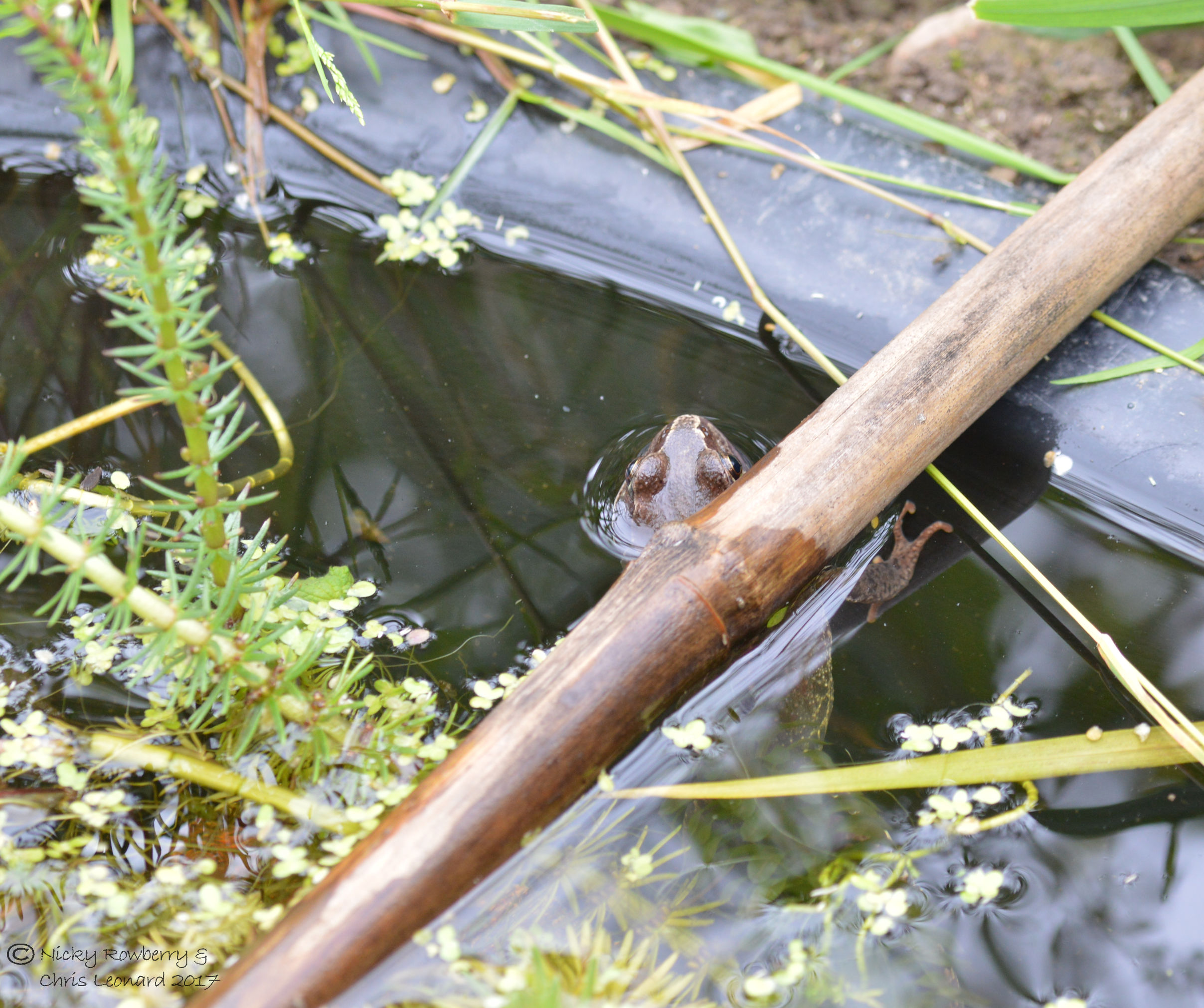
We’ve already seen adult frogs using it – this is one from this morning.
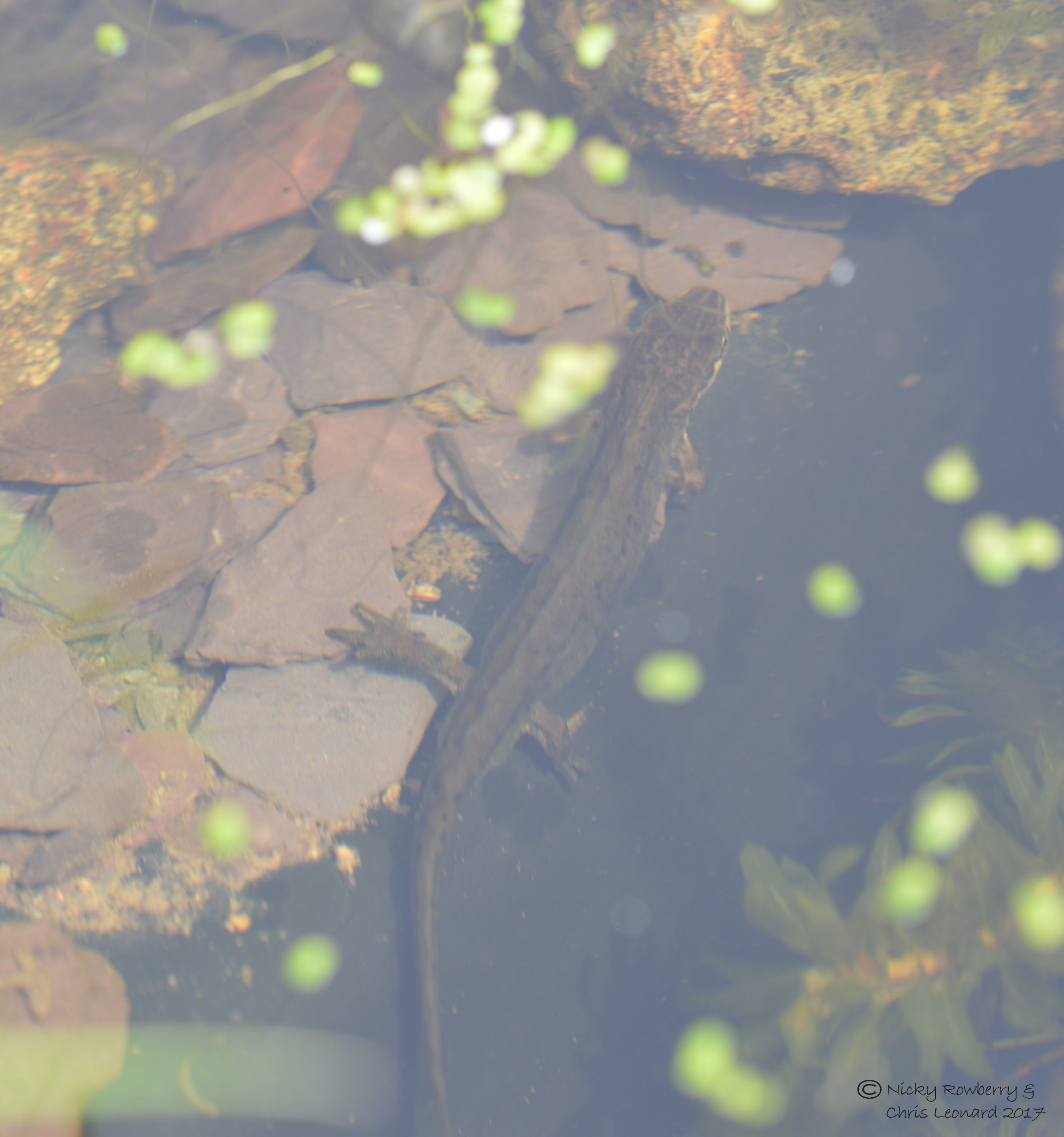
We’ve also got at least one common newt that’s moved in and seems to be pretty much a full time resident now.
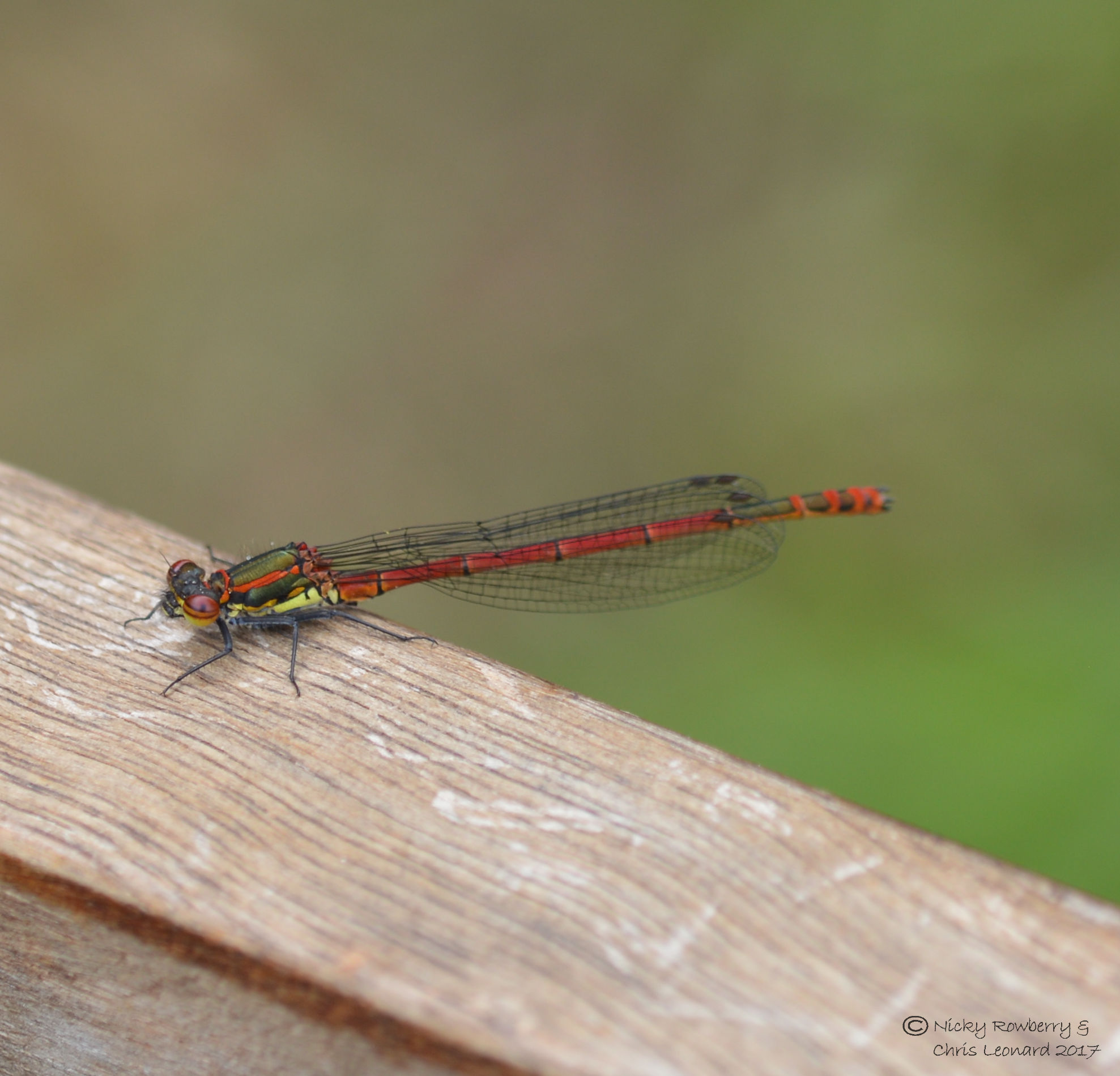
We’ve also had pond skaters and lots of midge larvae and a few weeks ago I got really excited when this red damselfly landed next to it.
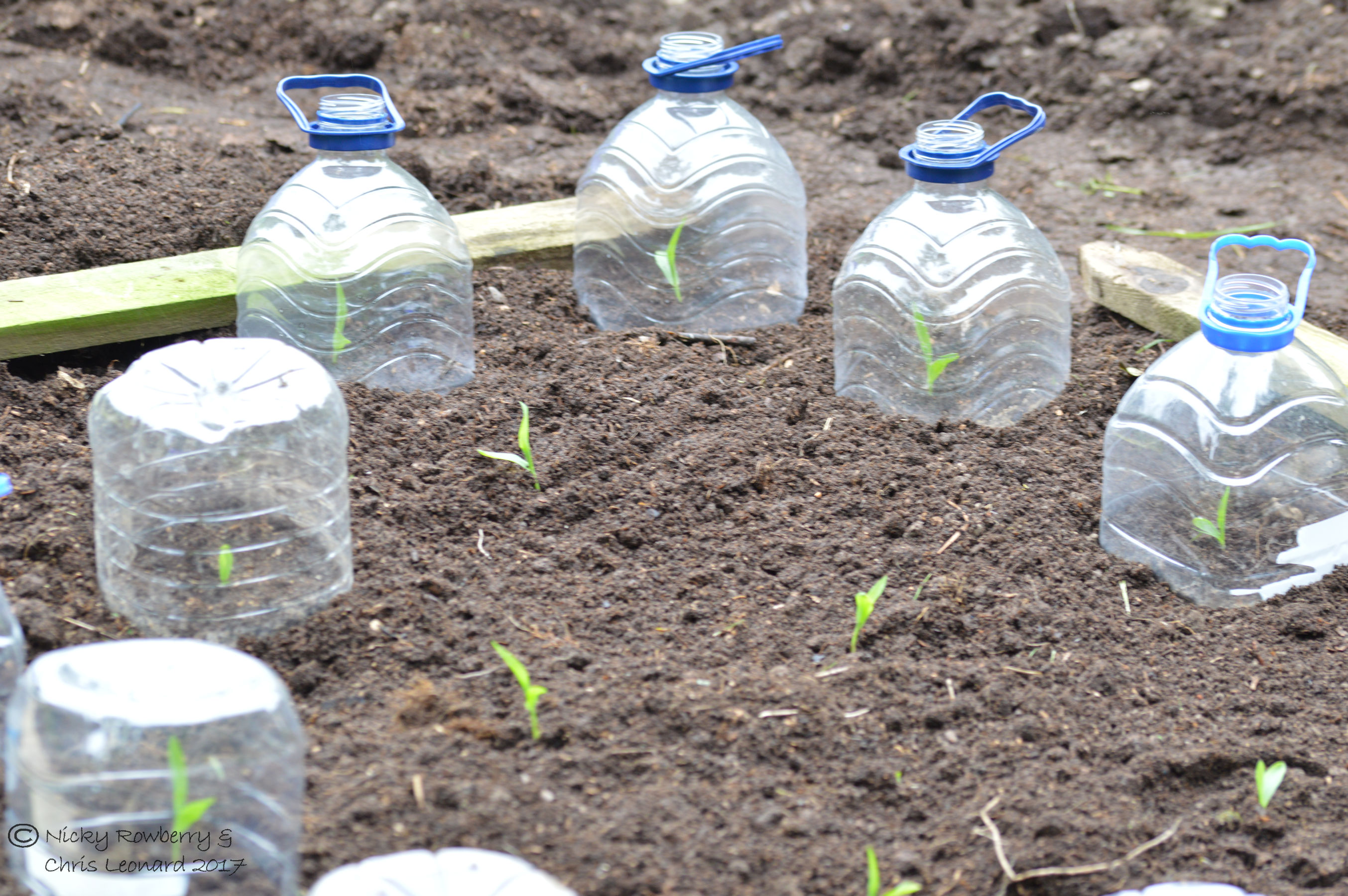
We’re trying to be as environmentally friendly (and economic) as we can, so are using recycled stuff where possible. The cloches over our sweetcorn are old water bottles and we’ve turned other old bottles into plant pots that are hung on the fence.
This strange looking ring of fur may look like we’ve had some kind of ritual sacrifice, but is actually meant to keep the slugs off our courgettes. It consists of the hair clippings off my sister’s dog Pip – perhaps a bit odd, but we read it somewhere and thought we’d give it a go and it seems to be working.

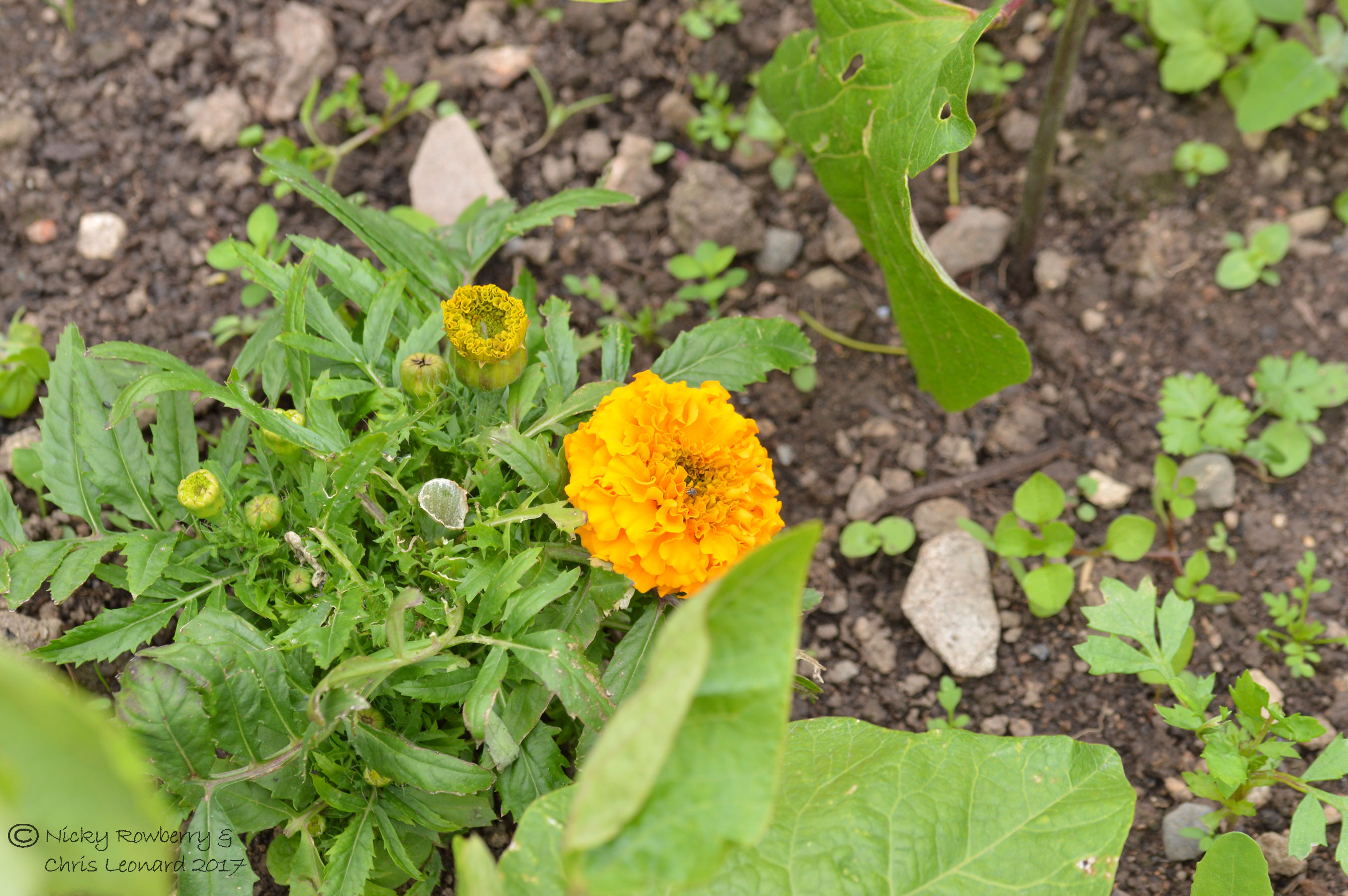
We’re also trying out companion planting to distract the pests, so we’ve got marigolds amongst the runner beans, mint amongst the carrots and nasturtiums all over the place!
It must all be working because there are loads of bees, butterflies and hoverflies. We’ve put up a bird feeder too, so the sparrows are also doing well. We’ve even had moths – found this Small Magpie moth today trapped in the shed. A bit of chasing round with an old toilet roll and I caught him and released him – my good deed for today.

I do have to watch when I’m down the lottie that I don’t get totally distracted by the wildlife and forget to do the gardening. Today I spent an awful lot of time staking out a foxglove to try and get a photo of the bees going in and out. Unfortunately they’re so damn quick, this was the best I managed.

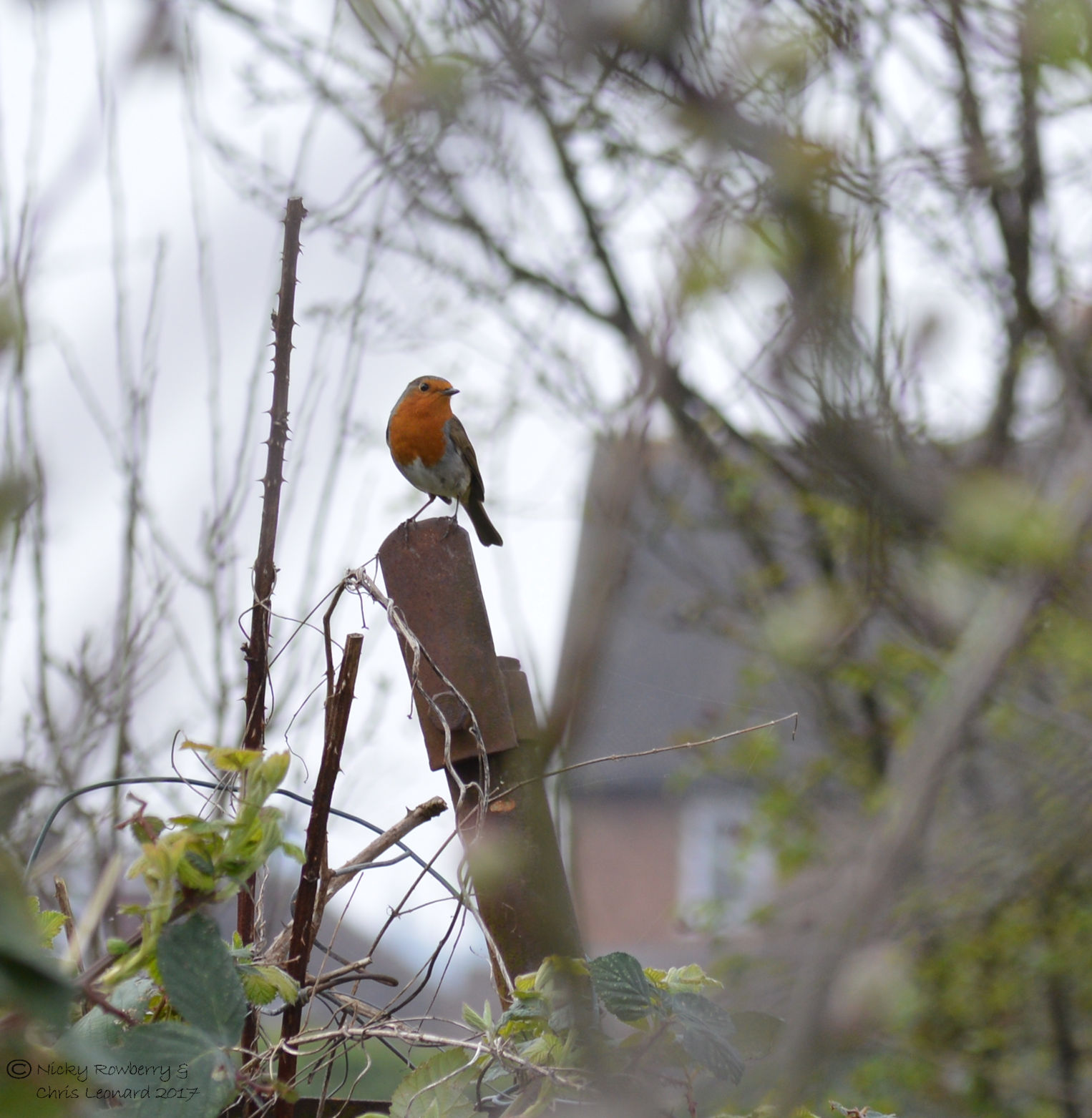
Finally no allotment would be complete without a resident robin. We have a pair that come down – I live in hope of getting them to trust me enough to take food from my hand, no luck yet.
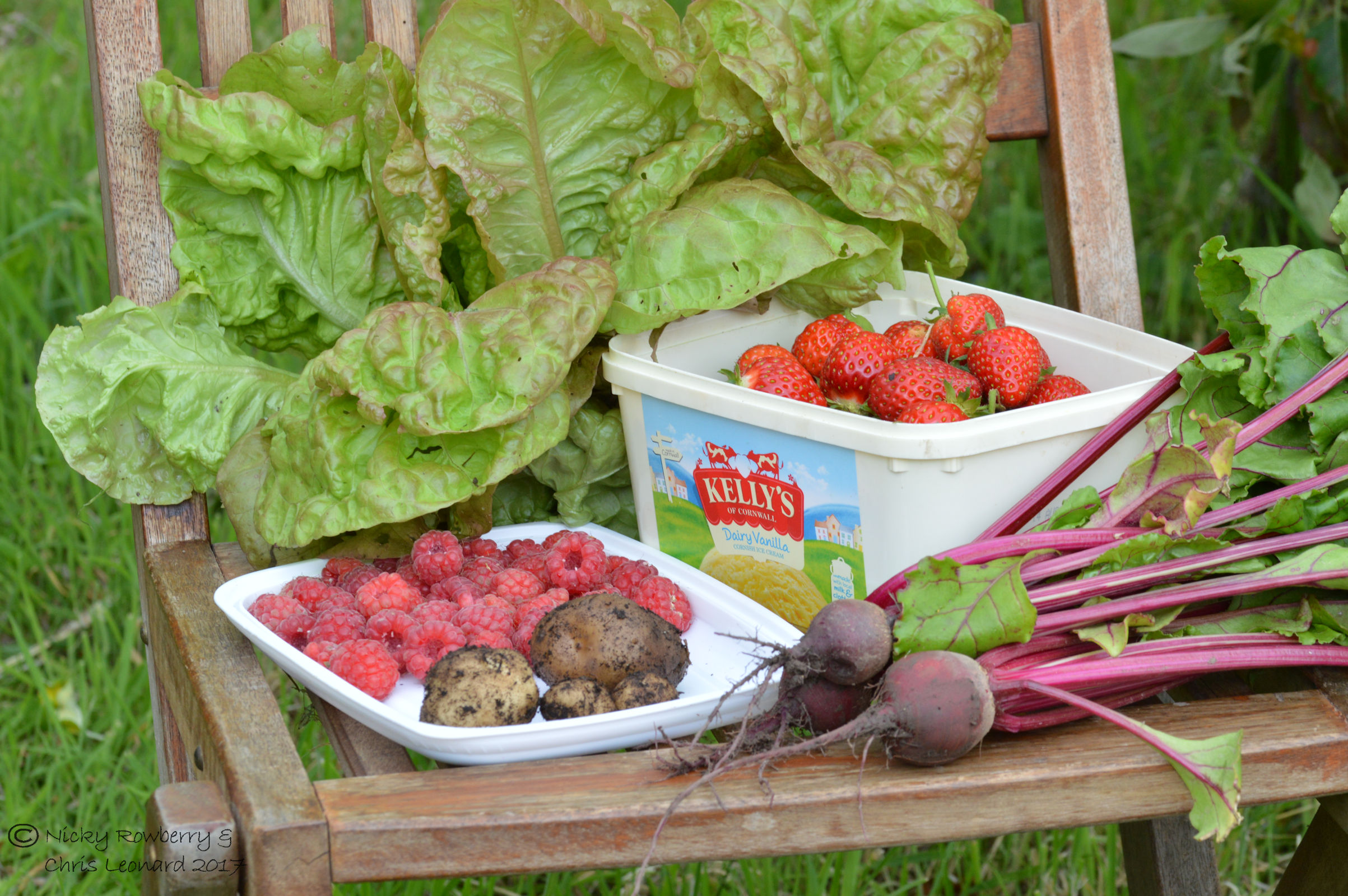
By gardening organically we’ve accepted that some of our lettuce will get munched by slugs and some of the fruit will be eaten by birds, but there’s still more than enough for our two households.  This was today’s harvest – good to know that it is all pesticide and guilt free!
It is lovely and peaceful down the lottie and both my sister and I find it really relaxing. If I didn’t already know that getting in touch with wildlife and gardening organically was good for the soul, then taking on the allotment would have convinced me. Growing our own produce in a wildlife friendly plot – to me that epitomises the whole ethos of 30 Days Wild – and I couldn’t be happier!

30 Days Wild – Day 8 – Back To My Roots

It’s day 8 of 30 Days Wild and today I managed to combine my two favourite pastimes – looking for wildlife and family history.  Since we moved back down south from Scotland 10 years ago, I’ve been meaning to go and visit the village of Thornbury in Herefordshire, where my Rowberrys started out in the 16th century.  My 9xgreat grandfather Richard Rowberry married Izott Smyth there in 1575! If you’re good at reading old handwriting, you can just about make it out in the extract from the parish register below.

Since I’ve been working in Clee Hill I’ve been driving past the turn for Thornbury twice a week. So today I decided take a detour to the church and have a look round.

Interestingly they were talking on Springwatch tonight about how much wildlife you find in older villages. Thornbury is in the middle of nowhere and very old (part of the church dates back to the 13th century), so it should be rich in wildlife. It was probably  a bit late in the day for my visit and it wasn’t the sunniest, so the wildlife maybe wasn’t as evident as it might be at other times. But just looking around you can see the potential alright. The village has scattered houses and the church is just on the edge of the fields in rolling countryside.

You can tell the churchyard was old by the size of the trees, including a massive Yew tree in the middle and even bigger pines (I think) at the edge. One of the pines was so big I had to photograph it in 3 sections and paste the photos together to get the whole thing in.

The branches of some of the older trees were twisted and gnarled like something out of Lord of the Rings. They must be great habitats for all kinds of animals to live in.

The Yew is of course a classic tree of churchyards. Close up this year’s new growth was visible as vibrant paler green at the end of each twig.

Of course you can’t go to a churchyard and not look at gravestones. Unfortunately my old Rowberrys haven’t left any stones (it was too long ago and they were probably too poor anyway). But there were plenty of other old stones covered in beautiful black, grey and orange lichens.

Other stones had a gothic looking covering of ivy.

It was a bit too dark and cool, for many insects to be out. It was nice to see though, that although the churchyard was recently mown and generally well kept, the gardeners had left areas of wilderness around the edges, which I bet in the sunshine would have been buzzing with insects.

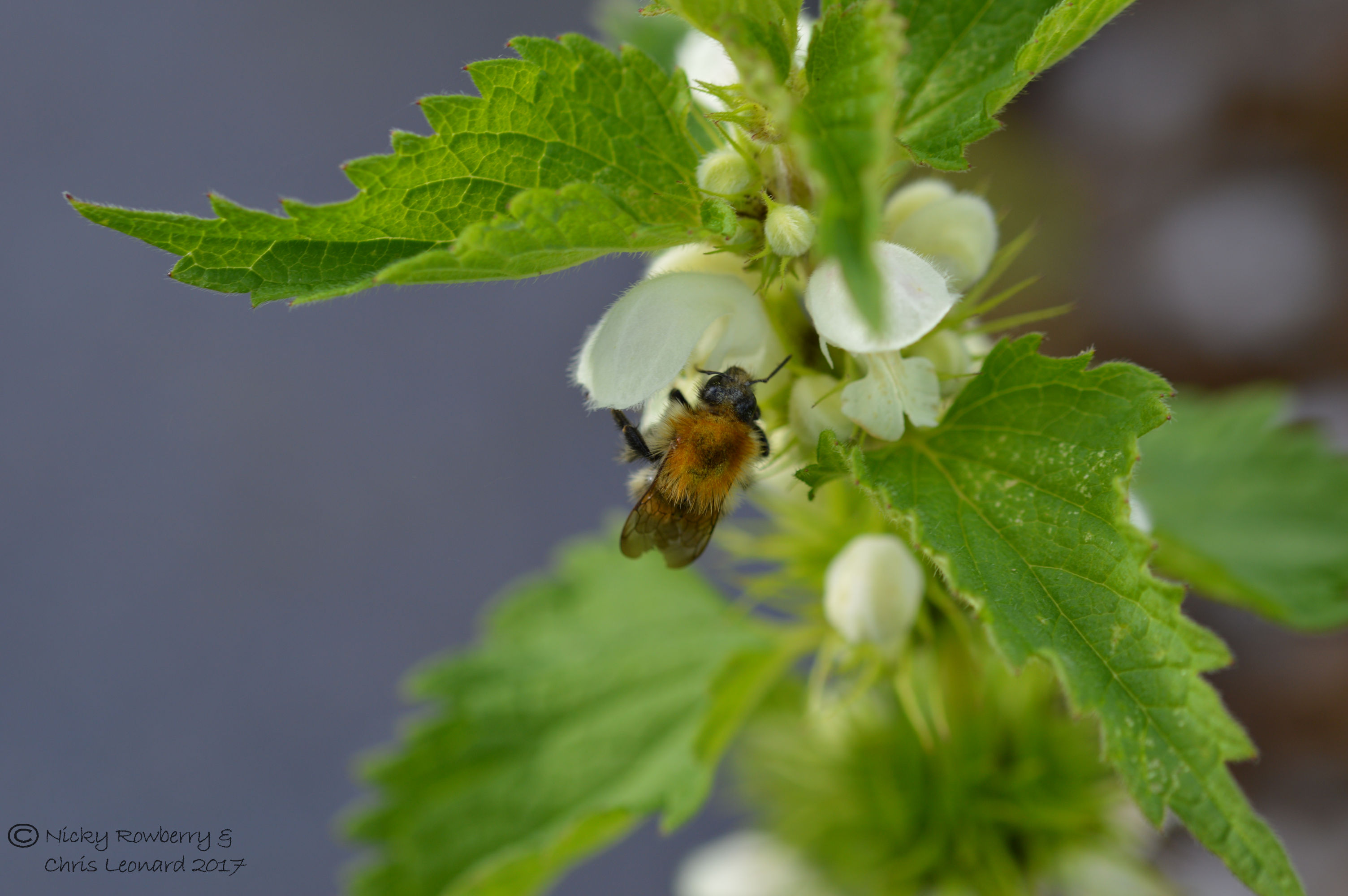
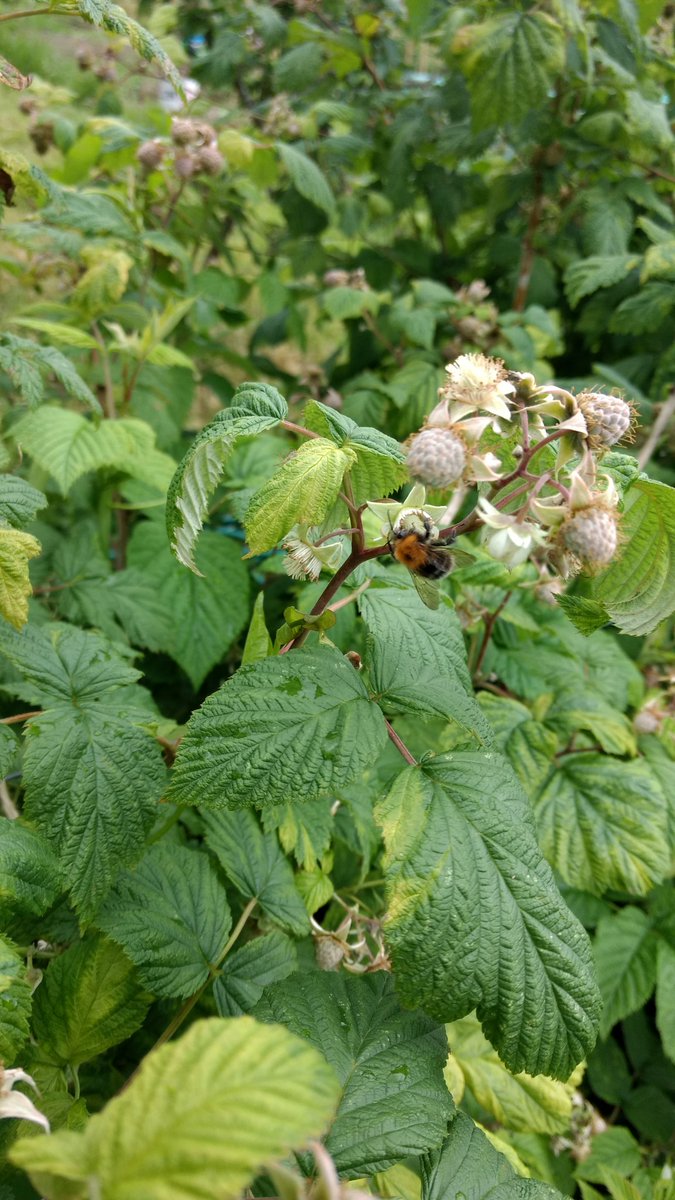
I did see a few bees – mainly Tree bumblebees, which are rapidly becoming one of the most common bumblebee species I see (especially in our own garden). So it was nice to also spot this Common Carder on some white dead nettle.

While I was there, a big flock of large black birds (crows maybe) took off from the churchyard trees and all flew out over the countryside. Five minutes later they all flew back again, cawing loudly as they settled back in the trees. Hard to count them on the move, but there must have been at least 40 or 50 individuals. (Hitchcock’s The Birds sprang to mind!)

All in all it was a lovely peaceful end to my working day and Thornbury is a beautiful village in unspoilt Herefordshire countryside. My family lived there and would have walked around that same church over 400 years ago. Rural churchyards are often great places for wildlife and today’s didn’t disappoint. The only other thing that would have made it any better was if I’d seen some hop poles – as my 8xgreat grandfather Humphrey Rowberry was a hop-planter (one of the early ones in the area probably). Hope he approved of my visit all the same.

30 Days Wild – Day 7 – Birdwatching Surprise

Day 7 of 30 Days Wild and I was at my Dad’s house in rural Herefordshire. I spent the morning doing a bit of cleaning in his kitchen and while doing so, observed that his garden was full of birds (clearly I wasn’t 100% focussed on my cleaning duties!) Since I’d got the camera with me it seemed the ideal thing for today’s bit of wildness – a spot of birdwatching in his garden. First of course we had to have our pub lunch – there are certain priorities in life after all! Needless to say by the time we got back and I got myself set up in the garden, all the birds had decided they’d got better places to be!

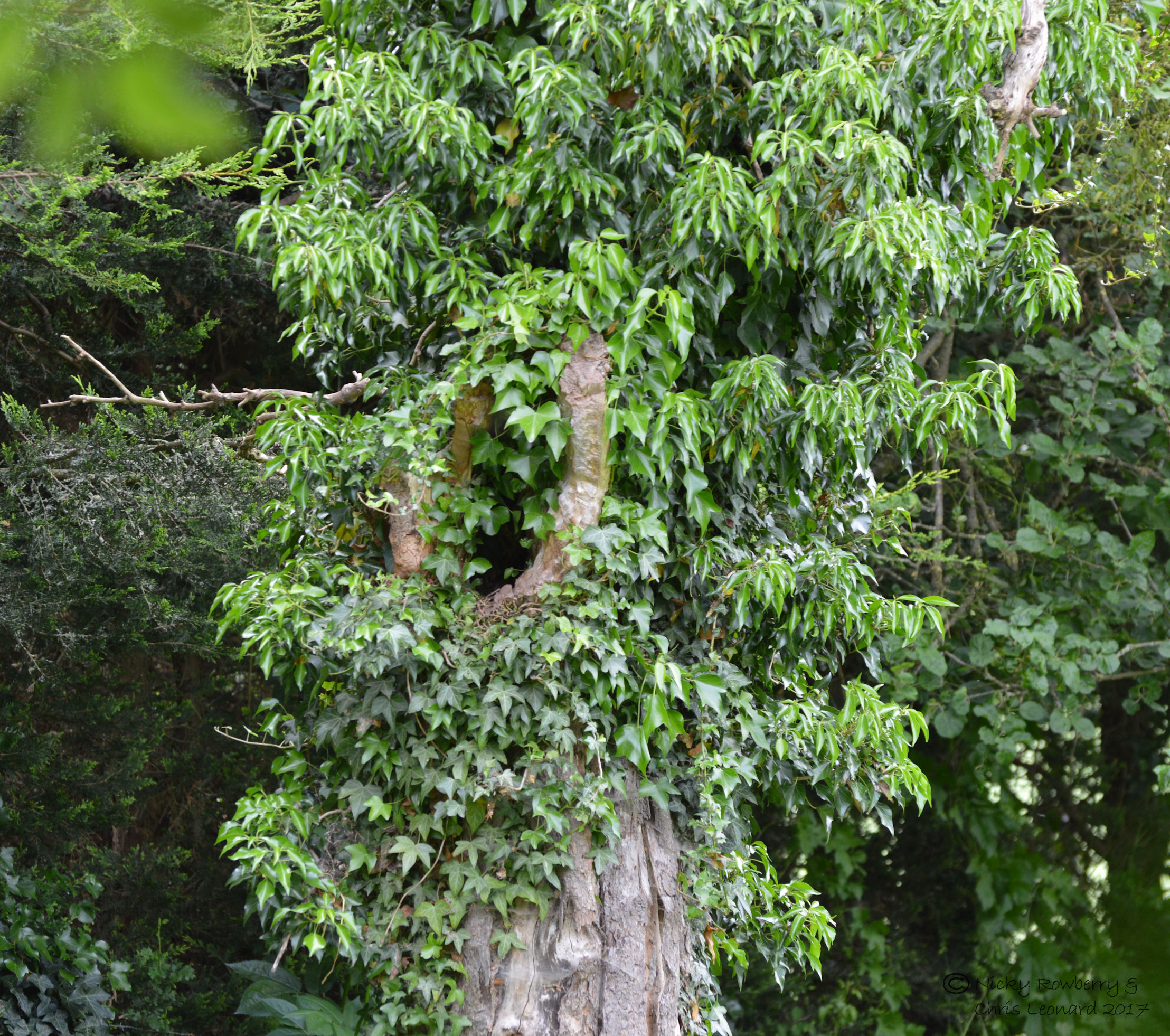
In the morning there had been several large black birds (too far away to see if they were crows or jackdaws) going in and out of this hole in an old apple tree. They must have been too smart to do so while I was watching, as not one appeared while I waited, although I could hear them in the trees nearby. I might take my trail cam down and leave it pointed at the tree sometime, but in the meantime I drew a blank.

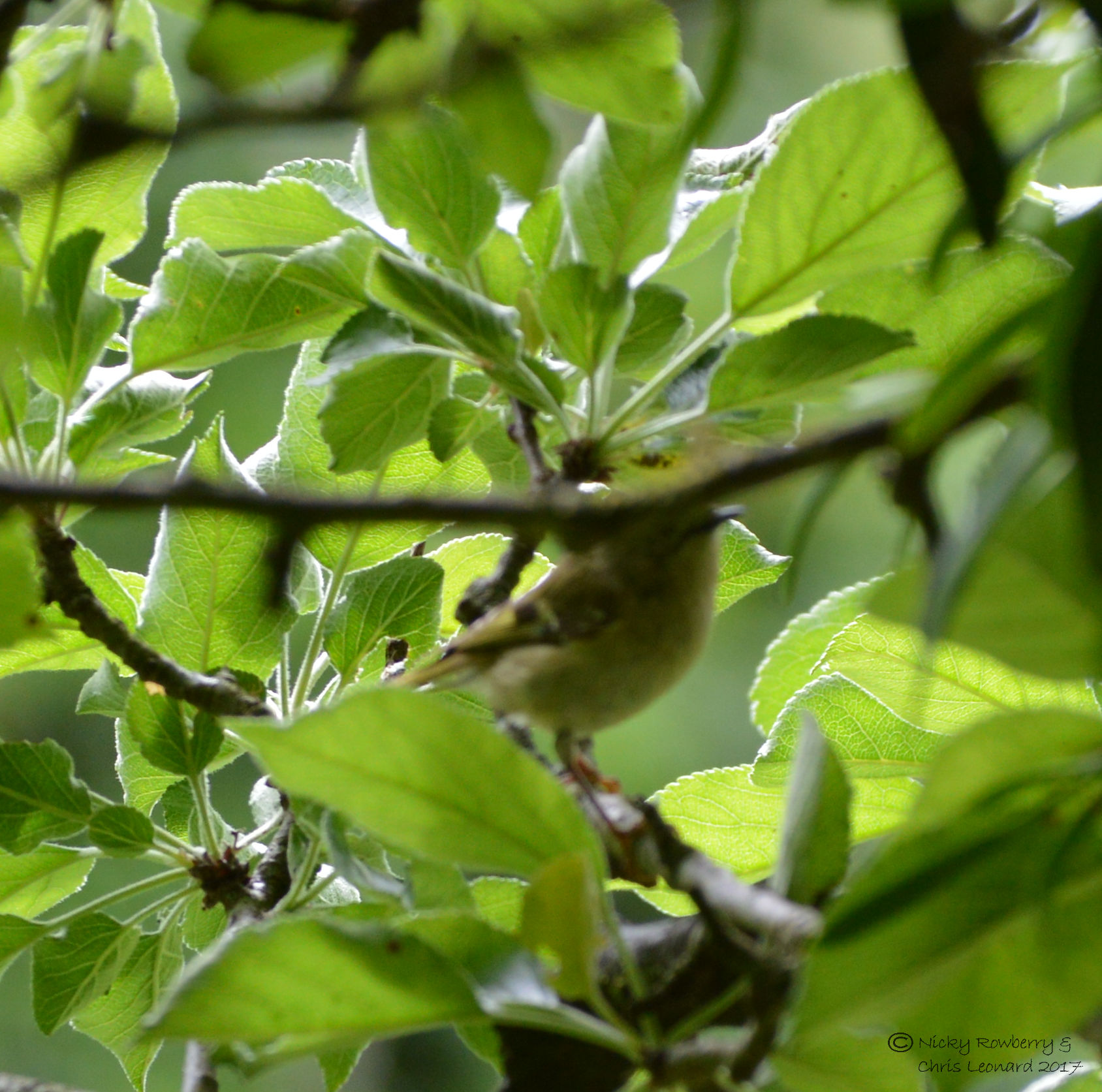
In the morning I had also seen magpies, wrens, robins, blue tits and pigeons – in the afternoon – zilch, zippo, nada! Then just as I was about to give up on them all –  a total surprise. I was leaning against another old apple tree (Dad’s house was built in an old orchard) when a Gold Crest suddenly appeared just a few feet in front of me. By the time my brain registered what it was, it had already spotted me and started to move, so I only managed this one rubbish shot. You’ll probably have to take my word for it that he was indeed a gold crest, since the key bit – i.e. his crest, is hidden by a twig. Still his appearance made up for the absence of everything else. I grew up in that garden and don’t ever remember seeing a gold crest before, so it was a real treat.

Loitering under various trees did have the unplanned benefit of letting me admire the tree canopies. There is a beautiful large copper beech tree overhanging Dad’s garden and the leaves were stunning from below (or indeed from any angle).

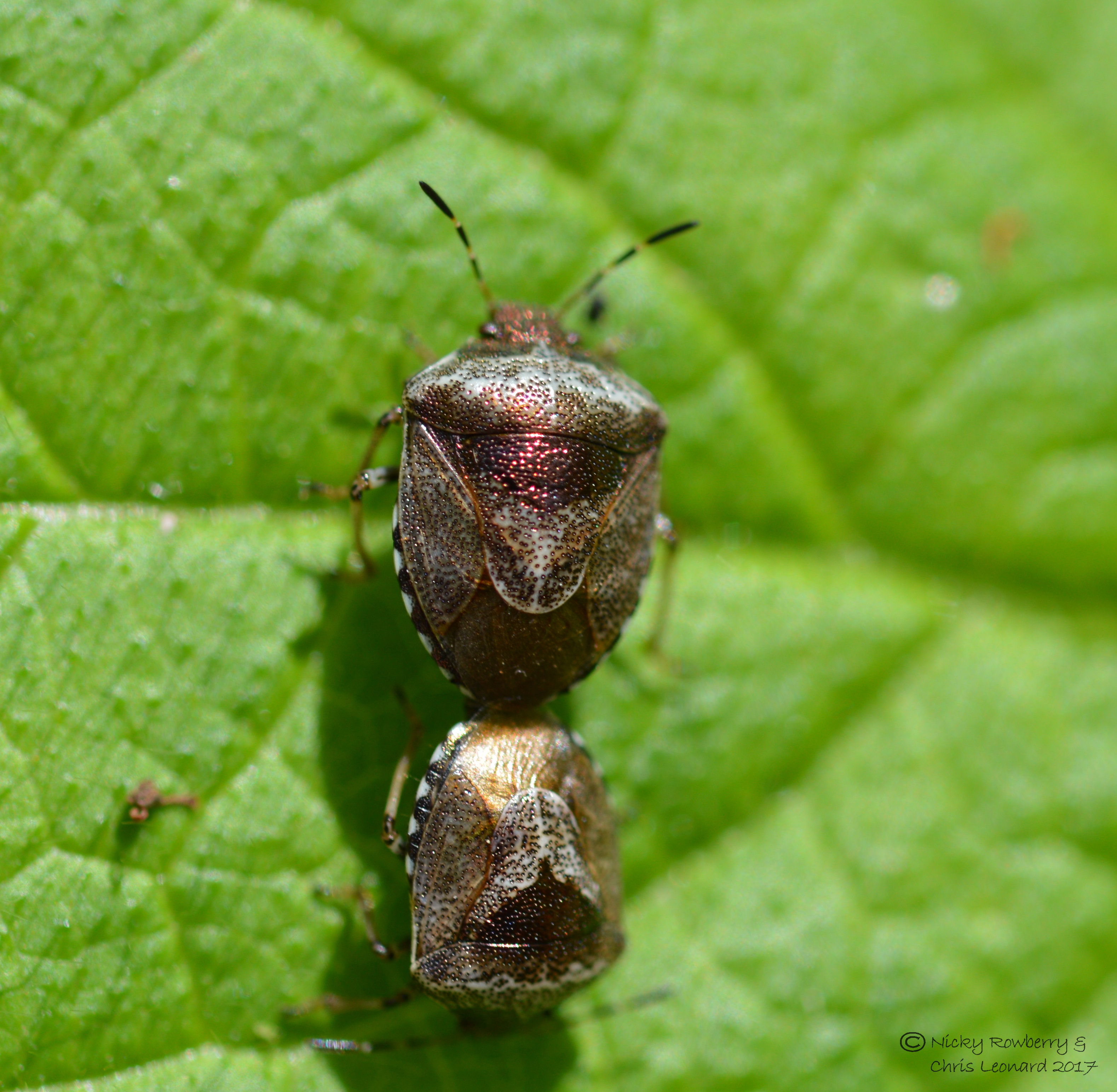
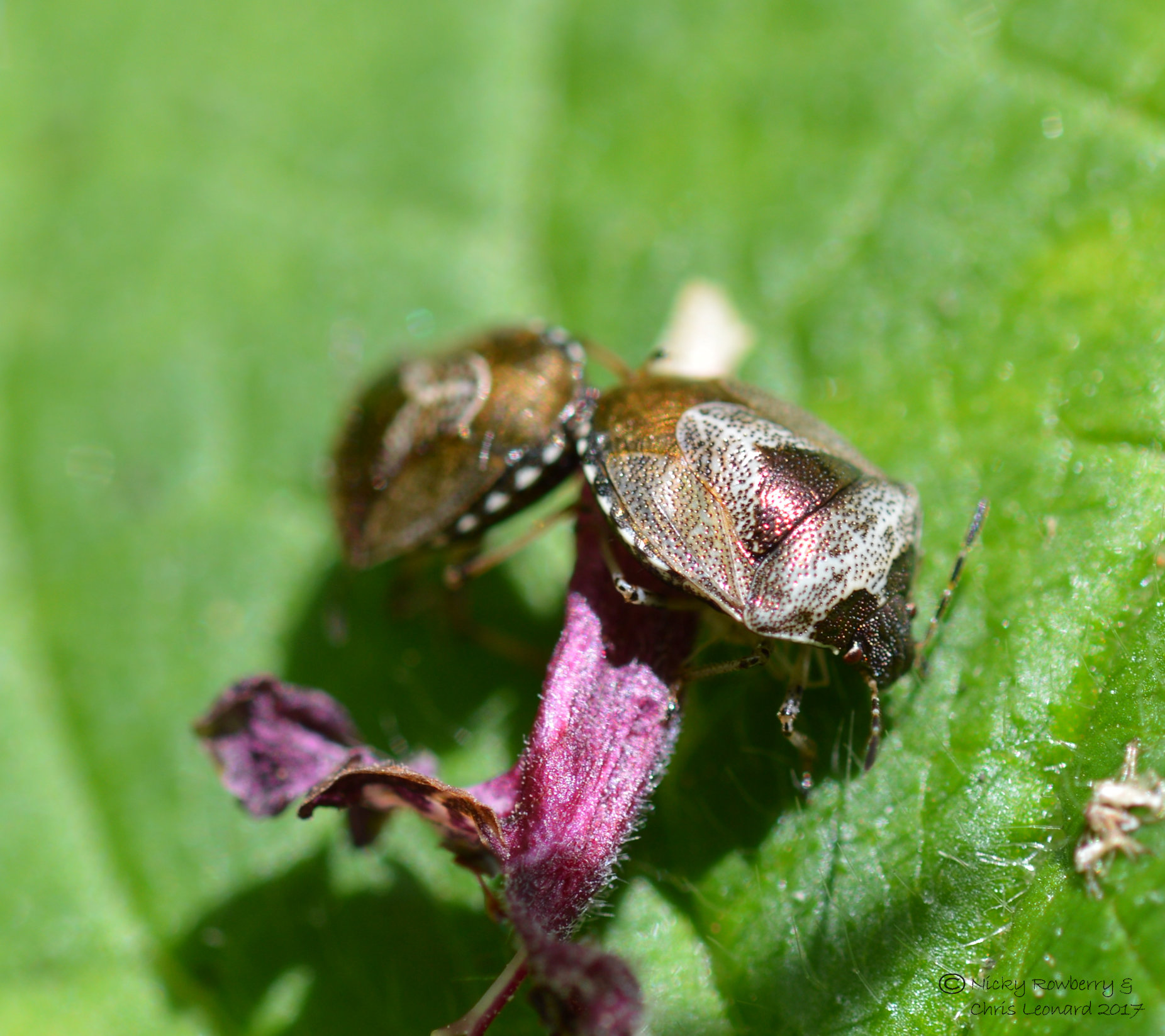
The birds may have been a bit contrary today, but fortunately a few insects were a bit more obliging. I spotted several pairs of these adorable little Woundwort Shieldbugs, all feeling the love in one of Dad’s flower beds. Not a species I’d come across before and smaller than other species I’ve seen.

A rather striking fly – the grandly named Pellucid Fly (Volucella pellucens) is one of Britain’s largest flies, but was a welcome sight given the lack of birds to photograph.

Although the garden was once part of an orchard, most of the apple trees have got too old and fallen. Those that are still there are covered in ivy and mistletoe. The hedges are full of hawthorn and other native plants, notably elderflower. All great habitats for wildlife. Seeing the elderflower in bloom reminds me of my childhood and the smell takes me right back.

I think I’ve seen a few other people on 30 Days Wild making elderflower champagne. We used to make this as children too, so I picked a load and took them home. This is as far as they’ve got at the moment. I’ll have to dig out a recipe and hopefully turn  them into something drinkable over the next few days – fingers crossed.

So as is so often the case with my 30 Days Wild acts, things didn’t go quite as planned. But who cares – a pub lunch and an enjoyable hour or so spent in Dad’s garden, listening to, if not seeing a lot of birds. There are worse ways to spend your day!

30 Days Wild – Day 6 – A Bracing Day

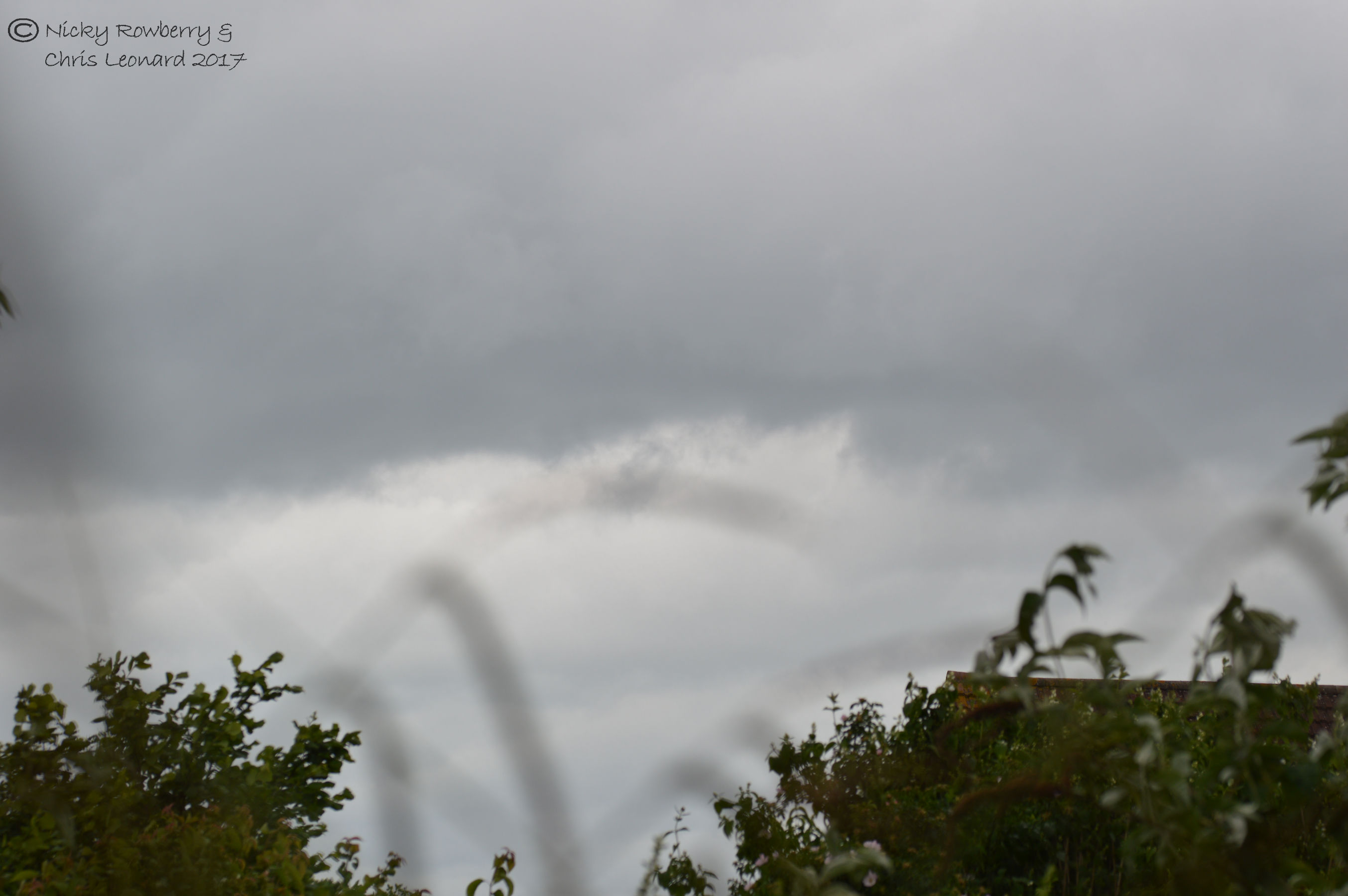
It’s day 6 of 30 Days Wild and a wet and windy one it is too. The car is in for its MOT so I can’t really head off to find anywhere drier either! By the time I’d trudged home from the garage I was well and truly braced! There didn’t initially seem much scope for wildness today, until I considered that the weather itself was more than wild enough to be the focus of today’s activities.

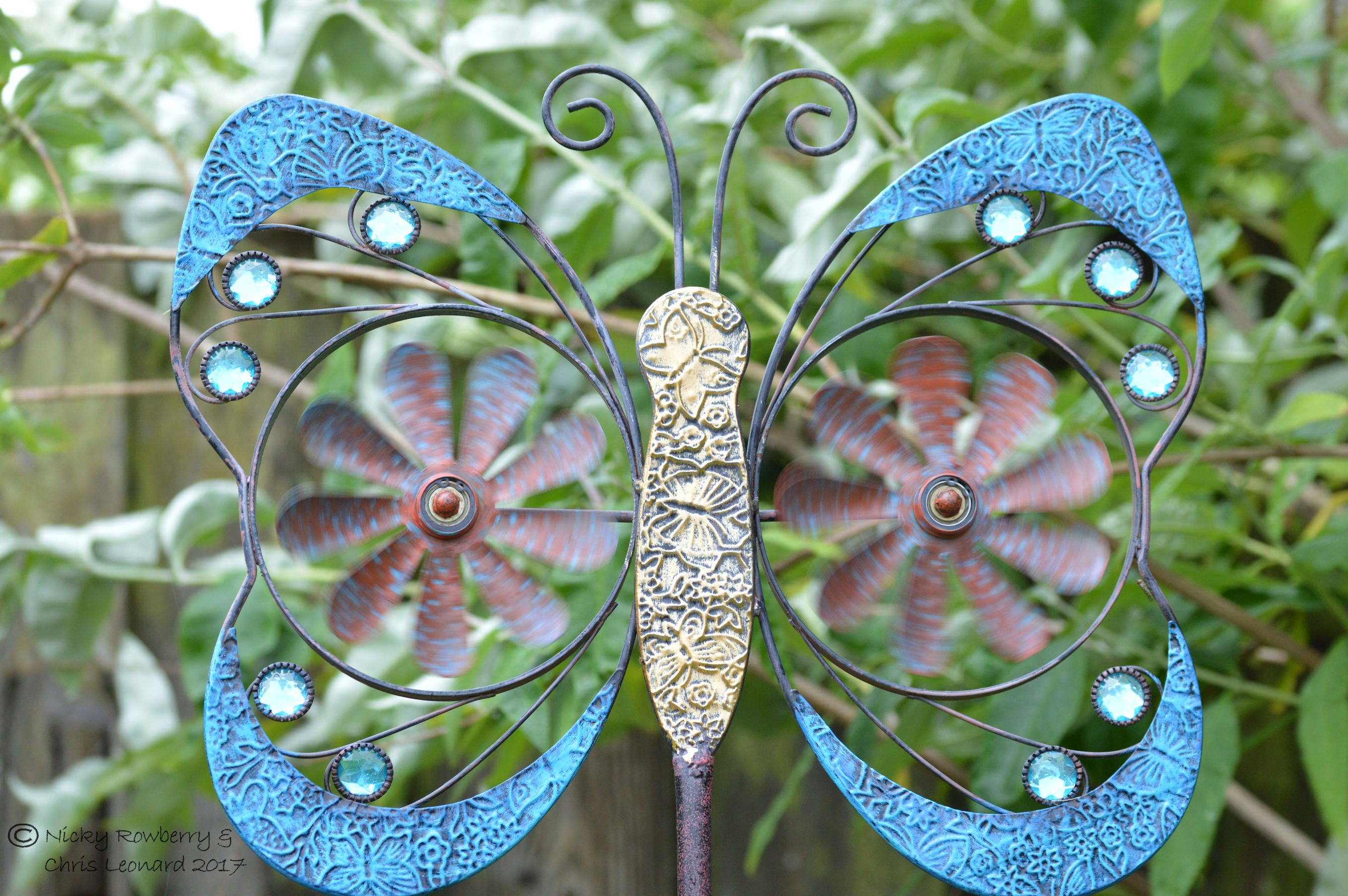
I don’t have an anemometer to measure wind speed, but the BBC weather app (an app I do actually use regularly) reckoned there were gusts of up to 48mph in our area. Our weather vane thingy was certainly going like the clappers.  So in an unusually bold move for me, I thought I’d have a go off the auto setting on my camera and tried taking a photo of the weather vane on a  really slow shutter speed to capture the movement. (Of course I could have just made a short video!) Anyway I was quite pleased by the blurring effect as the wheels whirred round.

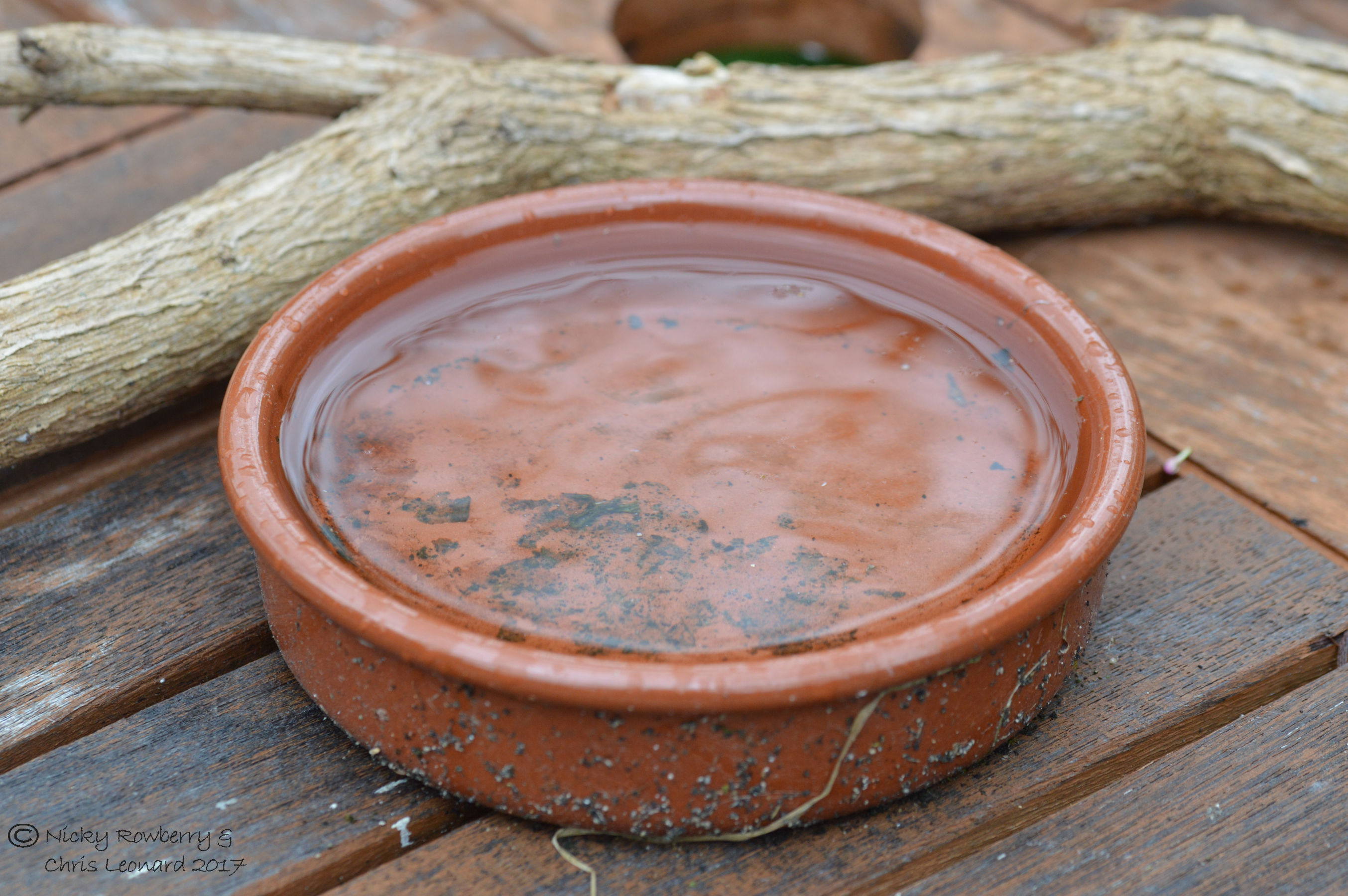
By mistake I then tried taking a photo of raindrops in a dish with the same shutter speed – the effect in this case was to make the water look sort of lumpy. (It reminded me of that shot in one of the Jurassic films where you see water in a cup shake as the T. rex approaches).

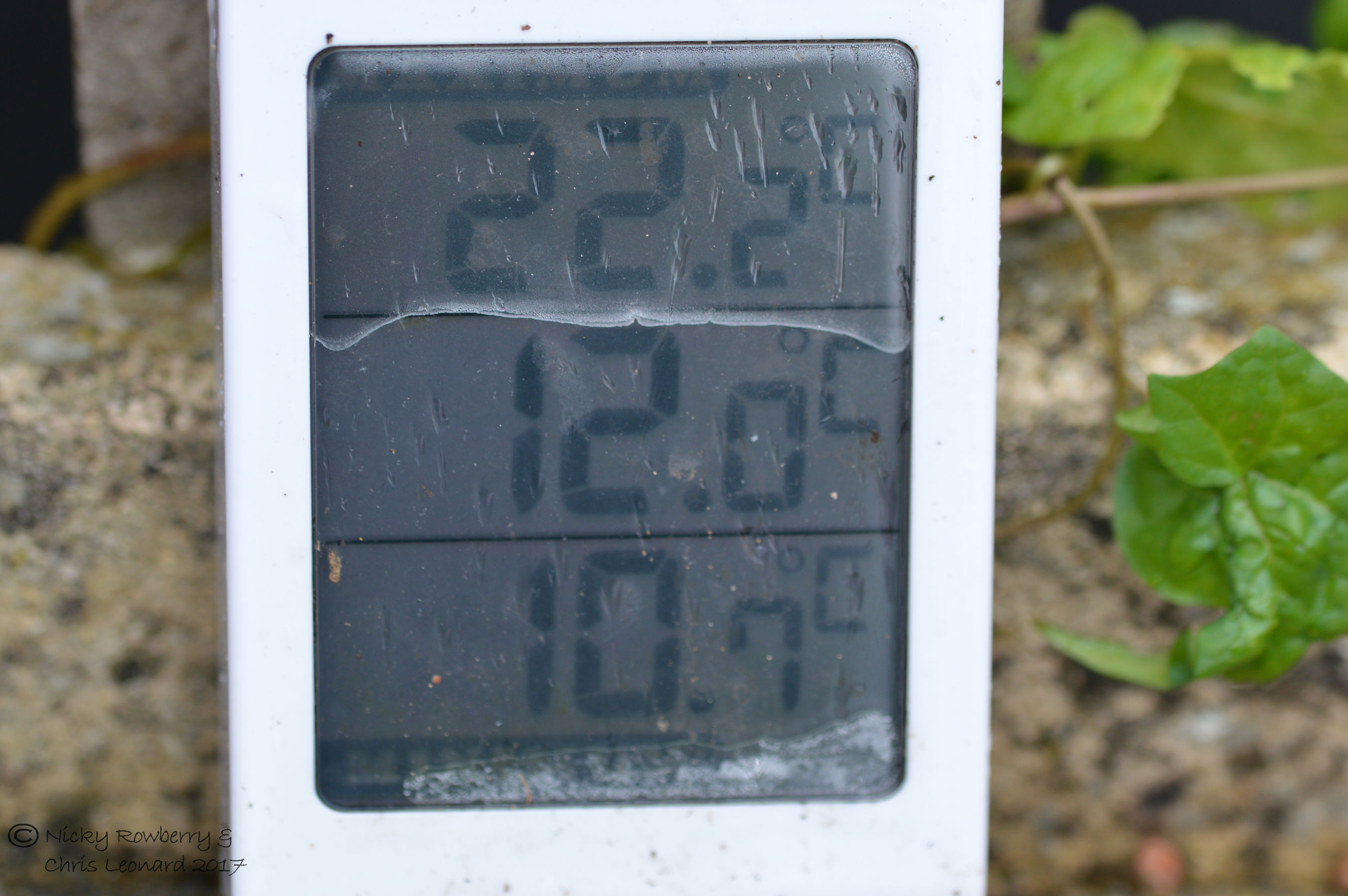
It intermittently chucked it down then drizzled for much of the morning. The thermometer said it was 12C, but it felt much colder so I retreated inside for a bit. I’m still working through the photos from the bioblitz, so it was a good excuse to sit on the sofa and carry on with them.

By the afternoon the sun had come out but it was still helluva windy. So much so that our recycling bin blew over – surprising since it was heavily weighted down with wine bottles, which were now rolling about the drive! (can’t fool the neighbours that I’m a teetotaller now)

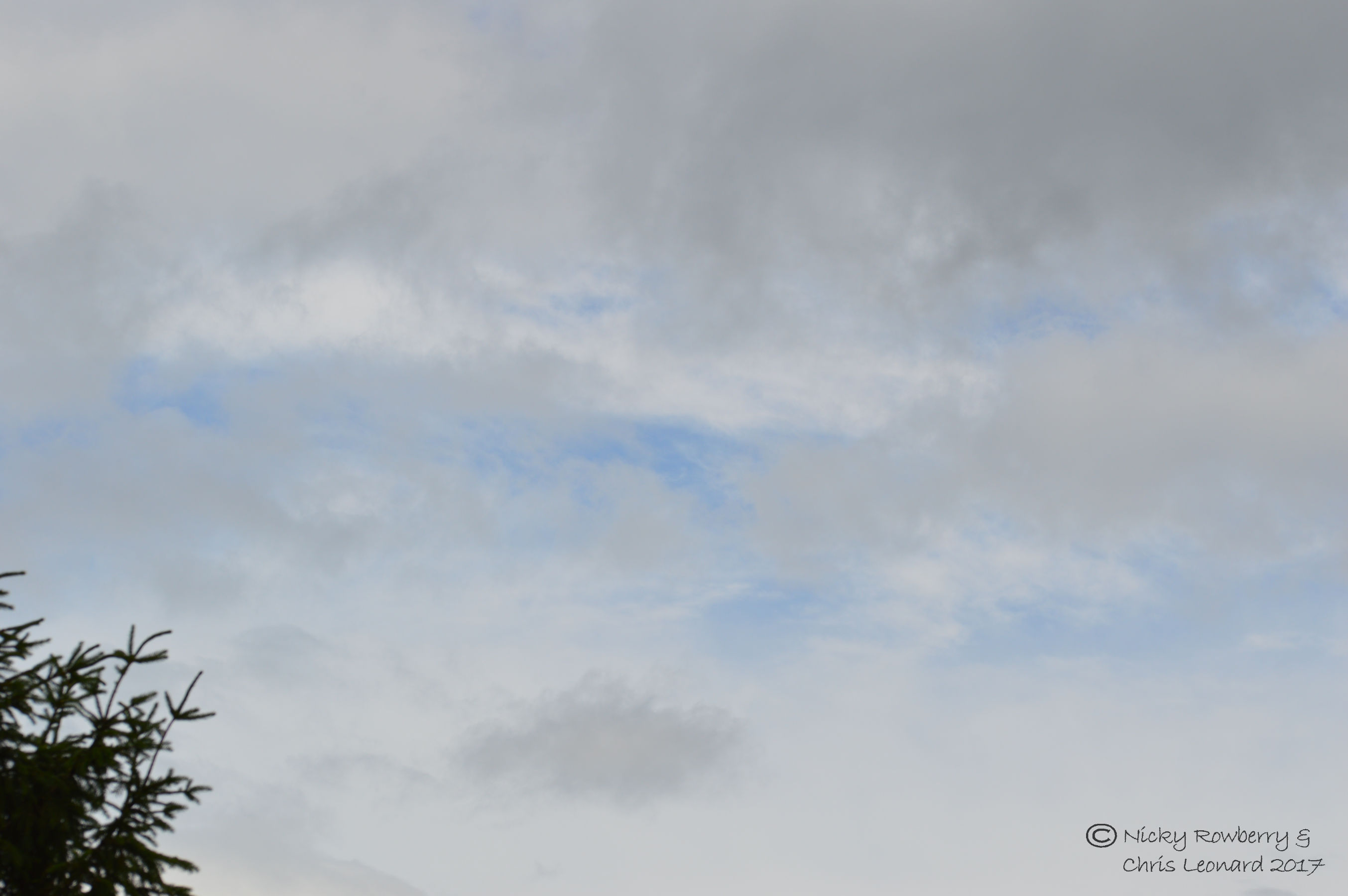
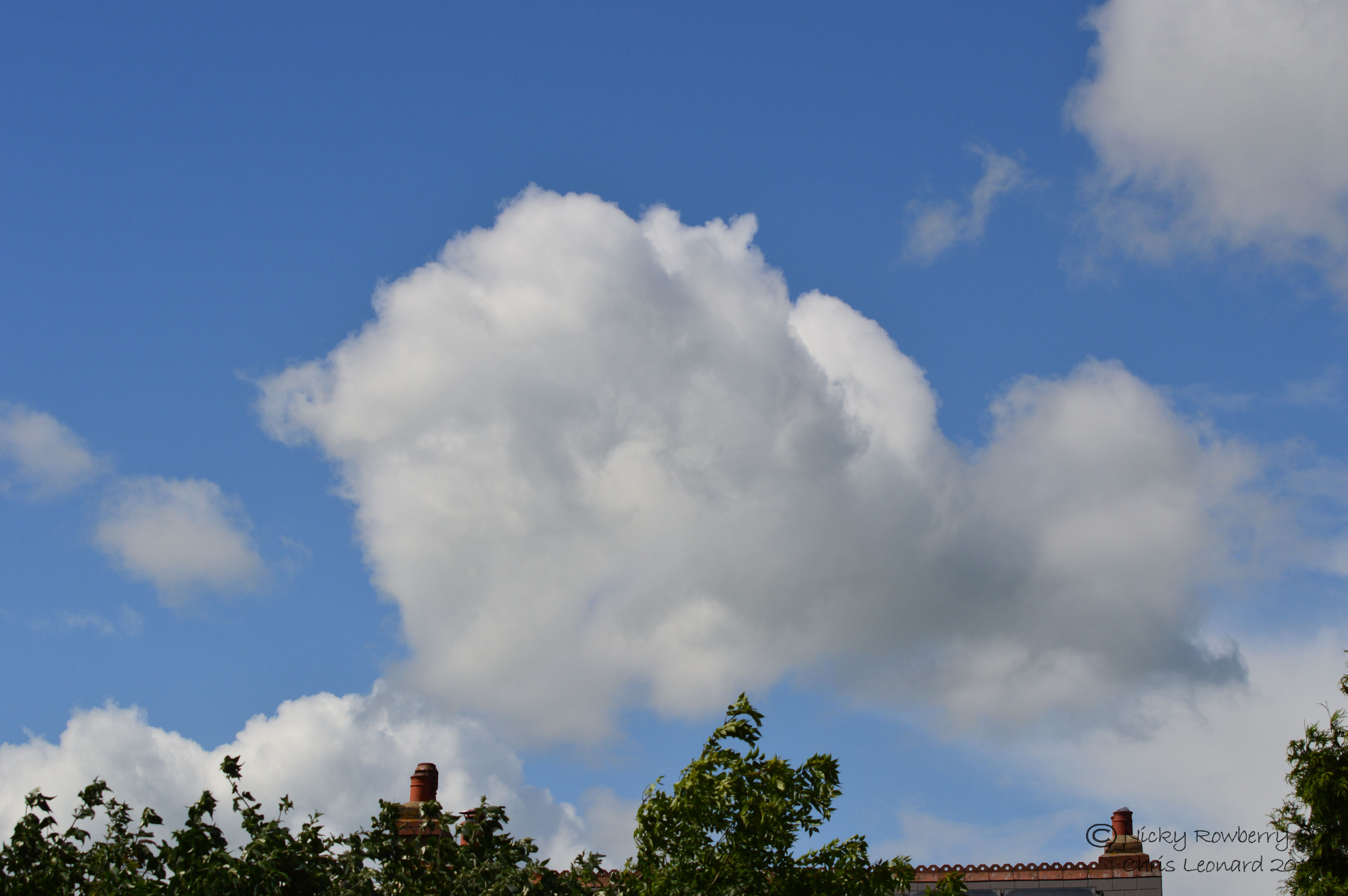
The sky had gradually brightened during the day; by the afternoon the blanket of grey had been replaced by blue skies with picture perfect fluffy white clouds.

The buddleias in our garden were still thrashing about in wind though.

Bumblebees that had come out now the sun was shining were valiantly clinging to the red valerian. How something so small doesn’t just get battered to death in winds this strong amazes me.

The bird feeders were all bobbing about like mad, but it didn’t stop the sparrows who hung on for dear life, as if they were on a crazy roller coaster ride.


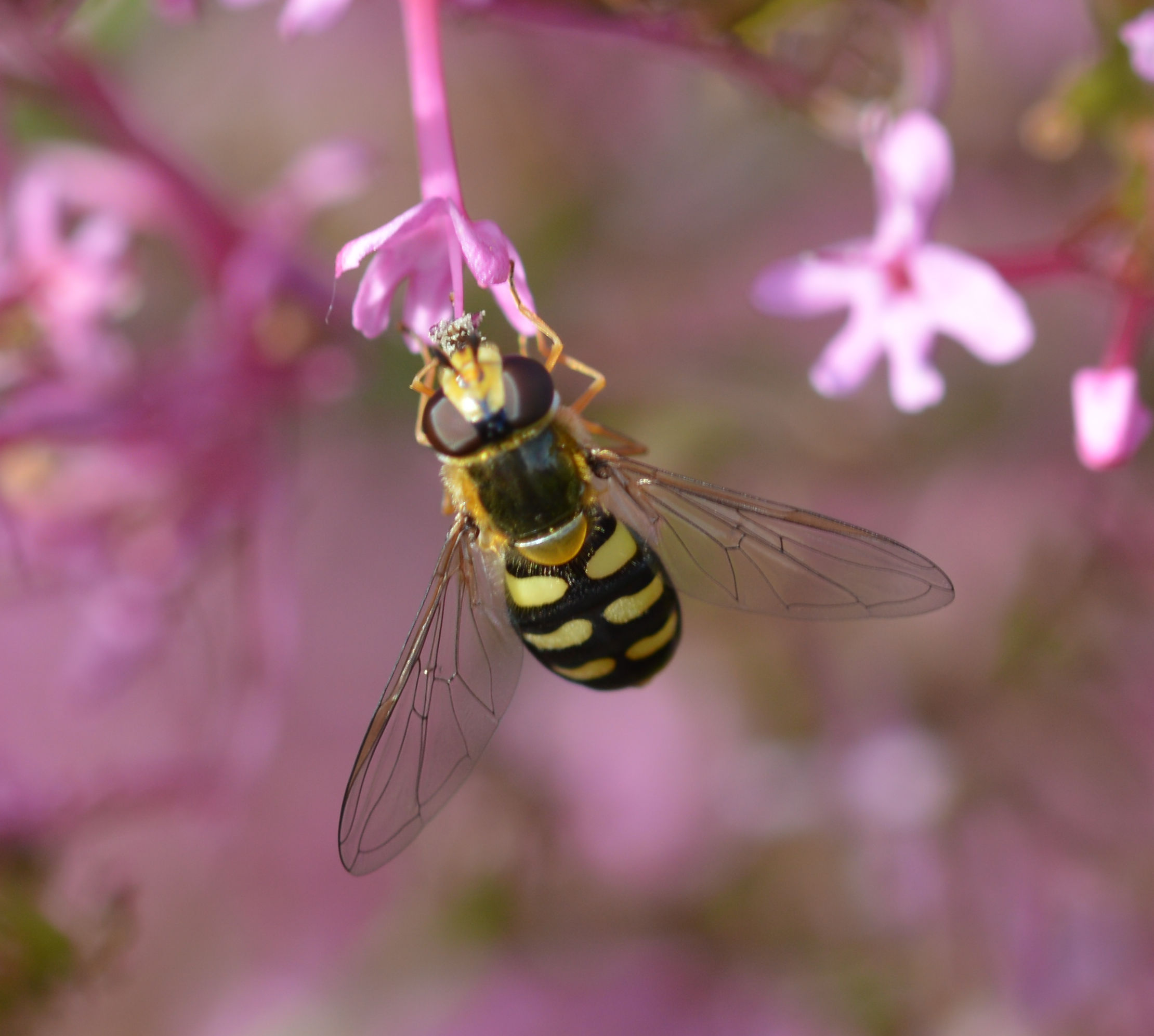
In the meantime from the relative calm of the sofa, I’ve now managed to ID (with a lot of help from people on Facebook, Twitter and iSpot) about 70 species from the bioblitz and loaded up 56 of them onto iRecord. Still loads of photos to go through, so final tally a way off yet. This little beauty of a hoverfly was one of the highlights so far – Eupeodes luniger.

The wind and rain may be frustrating in some ways, but like most things, you can’t appreciate the good without the bad.  It will make the next sunny calm June day all the more enjoyable.


30 Days Wild – Day 5 – Apptastic

It’s Day 5 of 30 Days Wild and it’s been a bit of a miserable one weather wise – grey skies with intermittent drizzle all day here in Malvern. Add to that frequent gusts of wind, making any attempts at photography almost impossible. So I thought I’d try something new for me – I’d get all techy! I don’t really do apps on phones (must be an age thing!), but today I thought I’d go crazy and download a few wildlife ones, to see what it was all about. I picked half a dozen or so that seemed vaguely relevant and equally important – that were free!

It was easy enough to install the basic app for each of them, but actually using them proved a different matter in some cases.

First up the Great British Bee Count app. Run by Friends of the Earth, this app is for use between the middle of May and end of June – ideal for 30 Days Wild. You can either just record spot sightings of individual bees or do a timed count of a particular species on a particular plant. It was easy to use and would be great for kids. The only problem I found was that if you did the timed count you had to decide what bee you were looking for on what plant. I did a couple of 60 second counts of first honey bees on red valerian and then tree bumblebees on alliums. Needless to say the correct bee species never appeared on the correct plant in the relevant 60 seconds, so I recorded several zero counts. Admittedly this wasn’t helped by the fact that I was trying this on a dull day with not that many bees about.

I had more luck just recording spot sightings of individual bees. You could even add photos from your phone, which I presume they can use for verification purposes. Unfortunately me and my phone are rubbish at photos – see left, but I can’t blame the app for that. I particularly liked that you could choose different habitat types including allotments – not least because we have just got one and I was down there practising with the app! All in all this was an easy, fun app to use – just pick a sunny day though!

Next one I tried was Birdtracker from the British Trust for Ornithology. This one I did struggle with a bit. I put food out on the bird table and started the app up. But first I had to register with BTO, which it turns out I’d done years ago and forgotten my password. So then I had to wait for them to send me a password reset e-mail. By the time I’d done that the birds had eaten all the food, so I had to put out more. You then had to select a site you would be recording from – I was trying it in the garden, so tried to pick that – but the image on the phone screen was so small, I ended up having to go back inside to do it. It seems the smallest area you can pick is a kilometre square – seemed a bit excessive for our modest garden (wish it was that big!). By the time I’d sorted that, more food was required on the bird table. There is so much information on this app that the writing is very small (to my middle aged eyes). I know I could zoom in, but then I could only see a tiny part of the info and had to keep zooming back out. By the time I’d worked it out, yet more food was needed on the bird table (the birds at least must like this app!) Finally I managed to submit a few sightings. It did seem like this was intended for someone who had already collected their sightings and so had a list already written out – they could then input the data relatively easily. On the plus side, if you did it regularly it would be a good way of keeping track of what you saw in your garden. Also I did manage to see both the robin and the collared doves that had refused to appear for the yesterday’s bioblitz!

I tried out two apps from the Wildlife Trusts – both of which were very good and easy to use. The 30 Days Wild one gives you random acts of wildness to try out. If you don’t fancy the one it suggests, just click again and it comes up with something else – ideal on a dull day when you’re lacking inspiration.

The Nature Finder app was probably my favourite one today and I expect will be the one we use most. You can use it to find nature reserves near where you are – particularly useful if you’re on holiday. Or you can use it to suggest Events that are coming up – I found a couple that we might go to in the coming months. Or you can use it to find information on a particular species. All really useful tools in an app that was easy to use – perfect!

Next up was the Dragon Finder app – not as you might expect for dragonflies, but for amphibians and reptiles and run by Froglife. We’ve put in a tiny pond at the allotment, which has already attracted lots of wildlife, so I tried out the app there. Again this app is easy to use and didn’t require any special ID or techy skills. I managed to log one common newt and one sadly deceased common frog.

I did also download a butterfly and a dragonfly app. Thanks to the soggy weather I didn’t see any of these to be able to try out the apps properly. The butterfly app looked fairly straightforward and the dragonfly one a bit more complicated, but that may just be because I am more familiar with former than the latter.

Most of these apps have the common purposes of gathering data from people all over the country. Citizen science like this can hopefully provide lots of useful data for the scientists studying the particular group. These apps will also hopefully engage people who might not otherwise consider submitting sightings and get more people interested in the wildlife around them. So even if technophobes like me struggle a bit with some of them, they can only really be a good thing. And after all I can always go back to a pen and paper if necessary!

30 Days Wild – Day 4 – Garden Bioblitz Part 2

It’s day 4 of 30 Days Wild and I spent the morning taking more photos of the wildlife for our Garden Bioblitz. I’d started the bioblitz at about 09:30 yesterday, so I was trying to cram in as many more species as I could before 09:30 this morning. This wasn’t helped by the fact that my camera has packed in, so apologies for the lack of photos in this post.

The day started at 04:30 to beat the birds to the contents of the moth trap. I had hoped for a good haul to boost my species tally, but the trap was fairly quiet – possibly because it had been quite windy last night. Still there were some nice moths including a few of the beautiful and distinctive Angle Shades – virtually impossible to mistake these for anything else, which I like in a moth!


Star of the moth show was an Elephant Hawkmoth making a timely debut for the year in our garden. I’ll never tire of these stunning moths with their bright pink bodies. If you were to make a toy moth, I reckon this would be it.


I put a specimen of each moth in the fridge (it does no harm but keeps them calm until  you can photograph them) and went back to bed for a couple of hours. 8 o’clock though and I was back up photographing said moths, then scouring the garden for more wildlife. I hadn’t managed to photograph any birds yesterday, so I topped up the feeders and waited expectantly to see what would show up. As usual the sparrows were the first to show, landing on last year’s teasels to check things out before heading to the bird table.


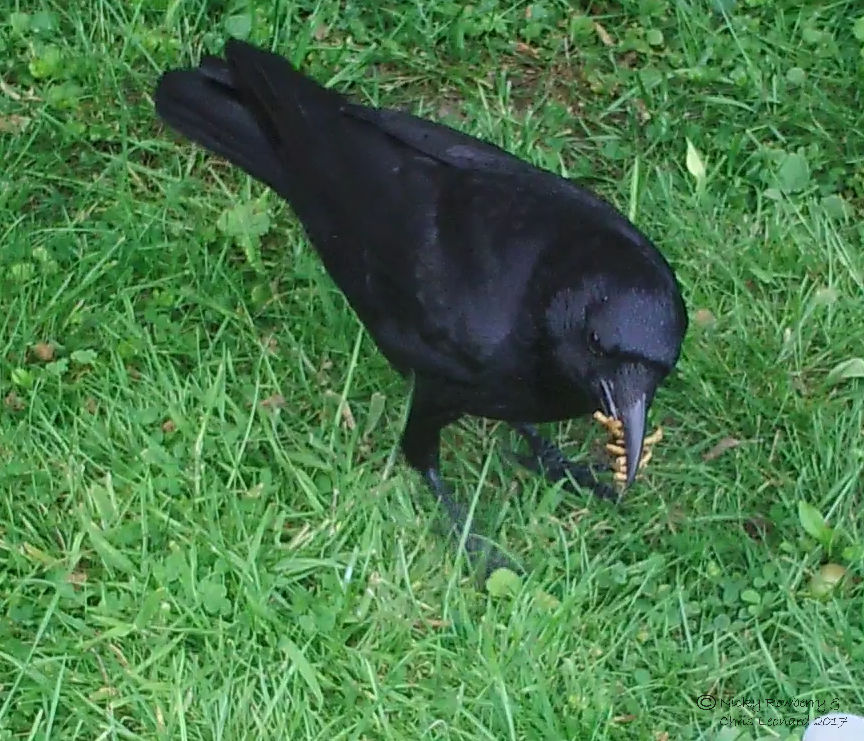
The starlings and jackdaws came next, followed by the blackbirds and pigeons. There were several no shows for birds that normally frequent the garden – no sign of the robin, wren, collared doves, great tits or gold finches. A blue tit just appeared in the last minutes to scrape into the bioblitz total. For the last few days I’d been seeing a big black bird, bigger then the jackdaws, so was disappointed initially when it didn’t show for the camera. But then I downloaded the trail camera which had been running for the last couple of days and there he was – a carrion crow.

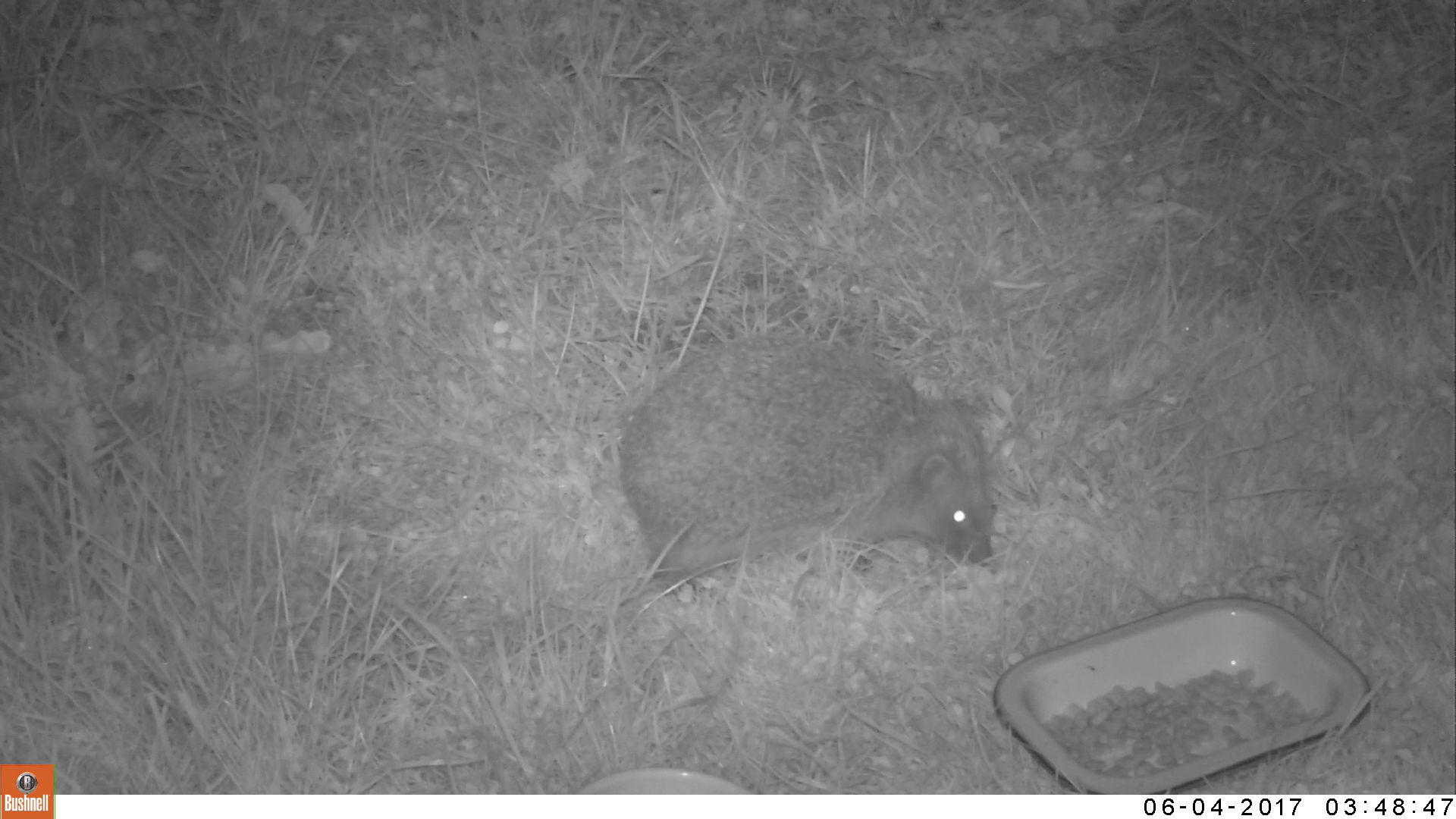
The trail cam also picked up a couple of hedgehogs – one of which looks like our old foster hedgehog Meadow – i.e. it was a big chunky looking hog!

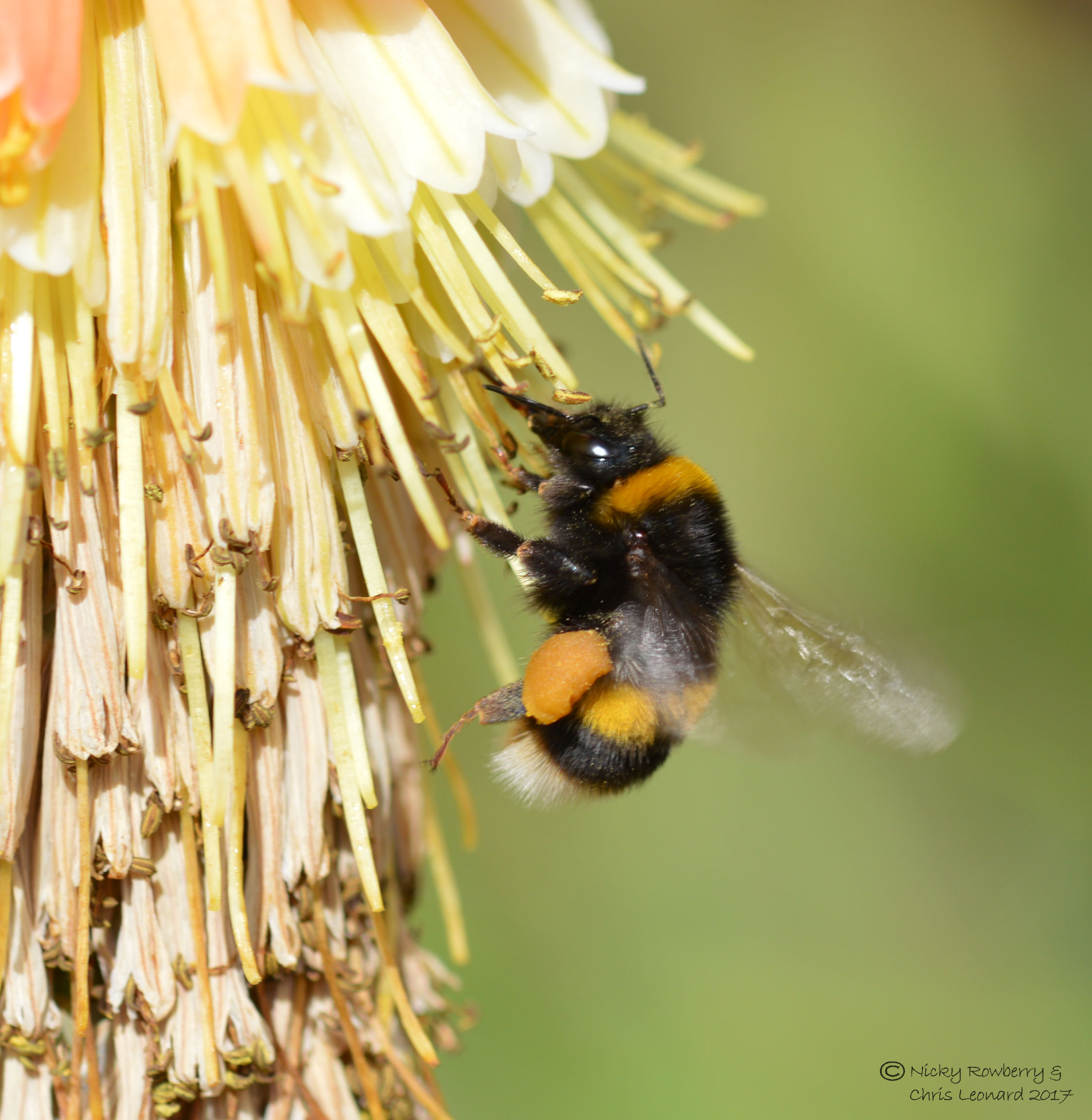
There were of course bees in the garden, although being a busy bee myself chasing everything else around I didn’t actually manage to get that many photos of them. But here’s one of my favourites – a Buff-tailed Bumblebee.


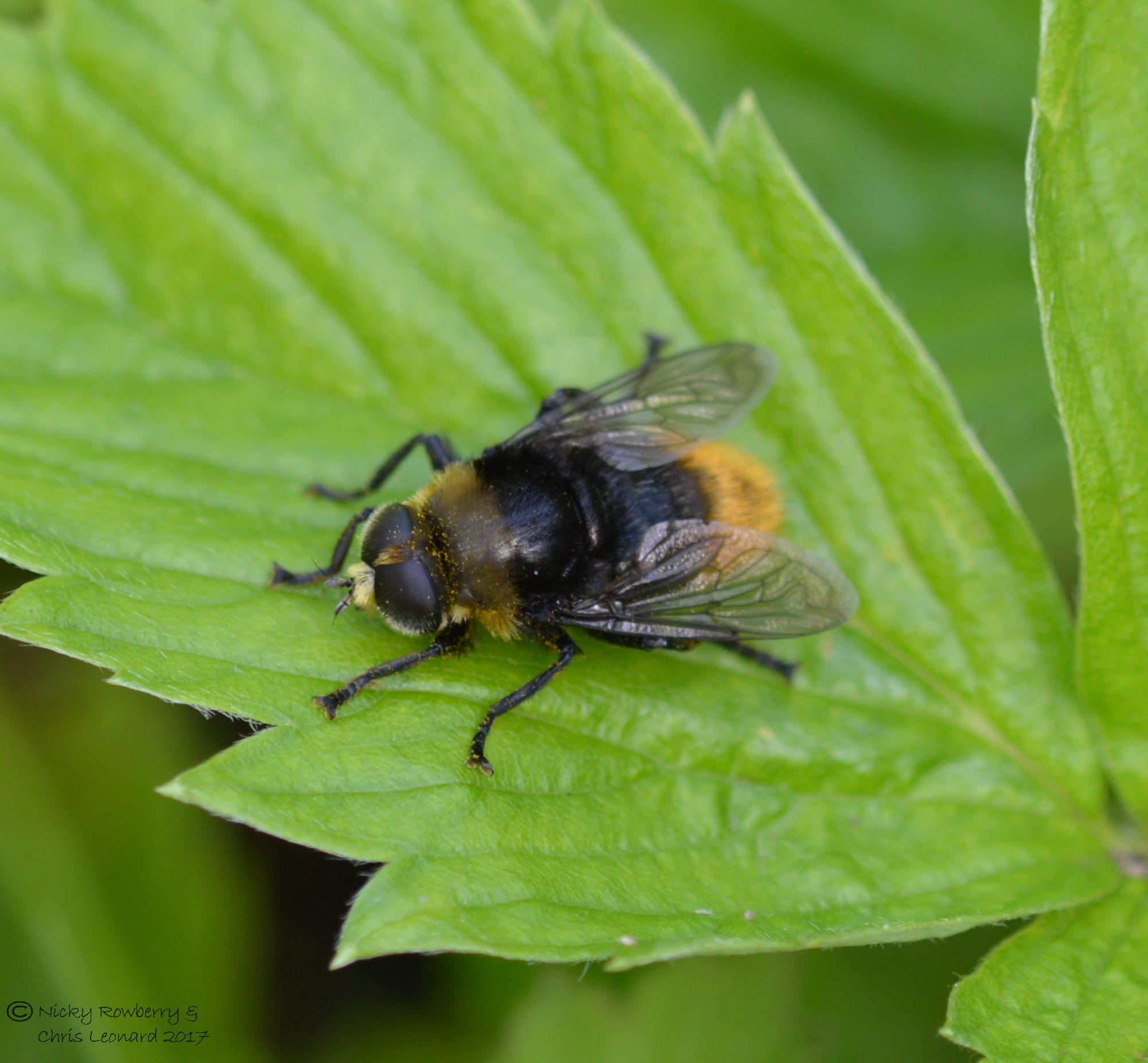
There was also this bumblebee mimicking hoverfly (Merodon equestris).

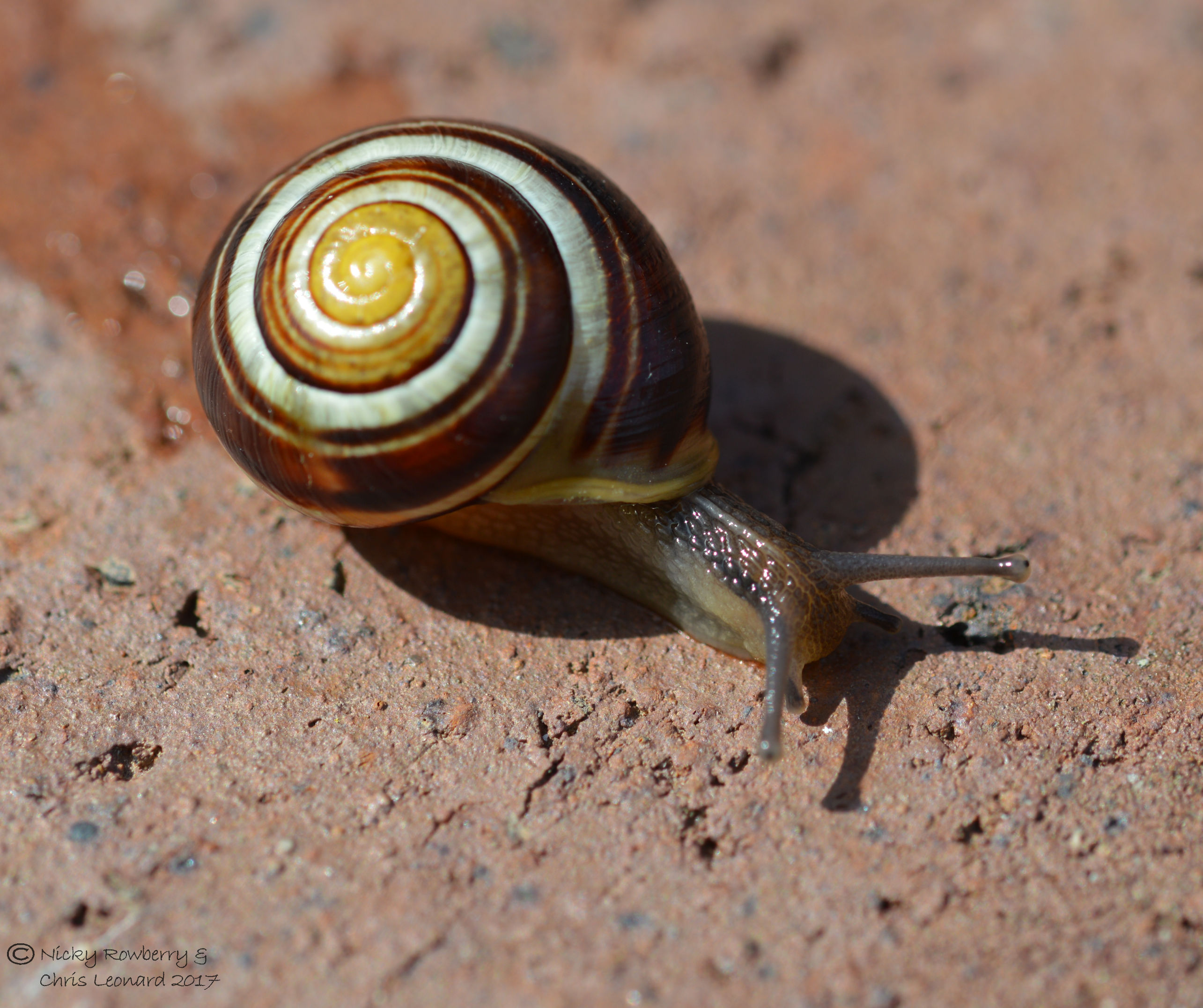
Our snails were also being sneeky and hiding away over the last 24 hours – several species that I know we get refused to show. Fortunately both the White Lipped (photo below) and a Brown Lipped appeared out of the Pendulous Sedge to get their photos taken.


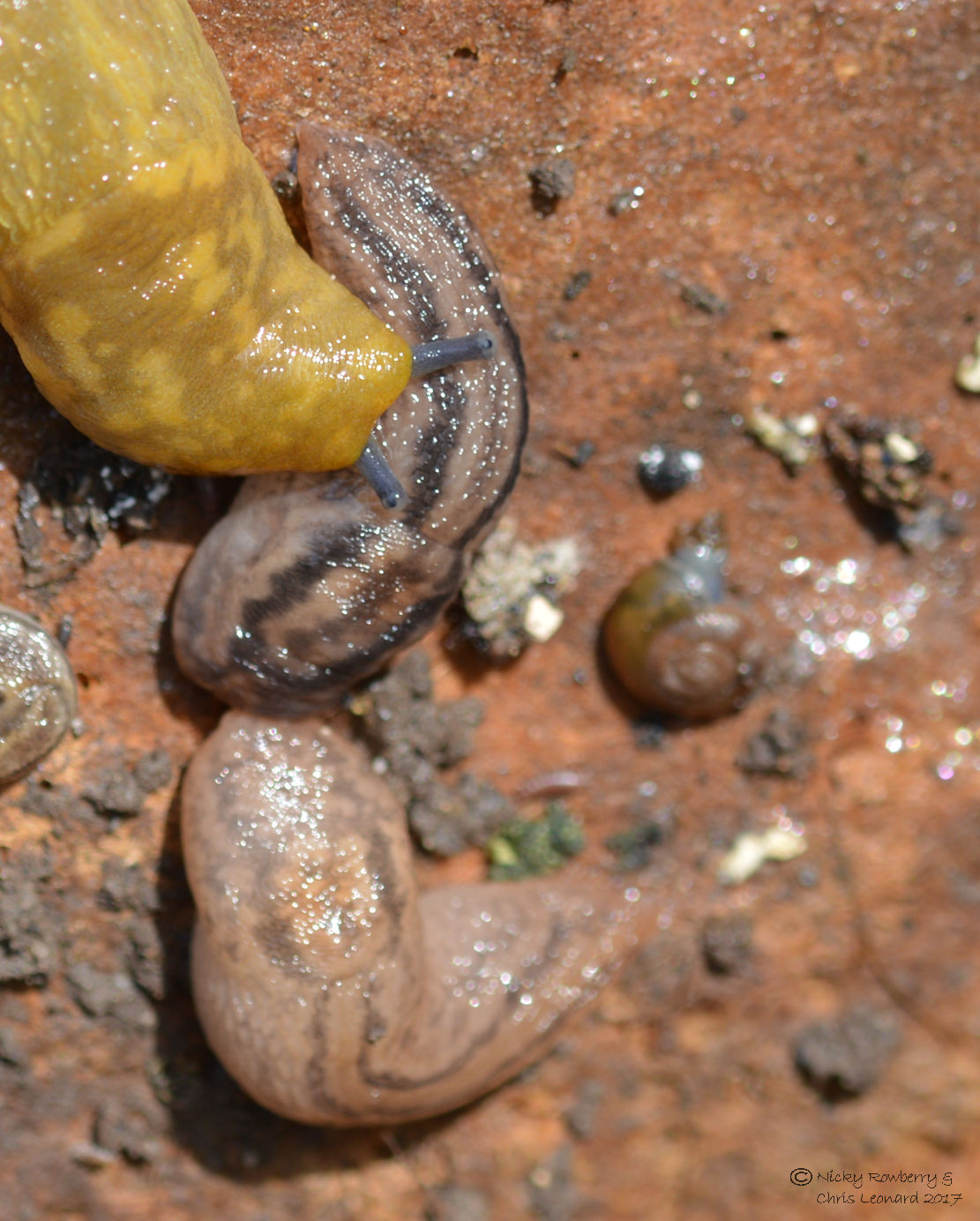
I also found three species of slug including this large yellow one and the stripy ones which I think are Iberian slugs.

I spotted this tiny nymph of the Speckled Bush Cricket, when I saw its antennae poking over the edge of a buttercup. Unfortunately the buttercup was blowing about in the wind a bit – hence the less than perfect focussing!

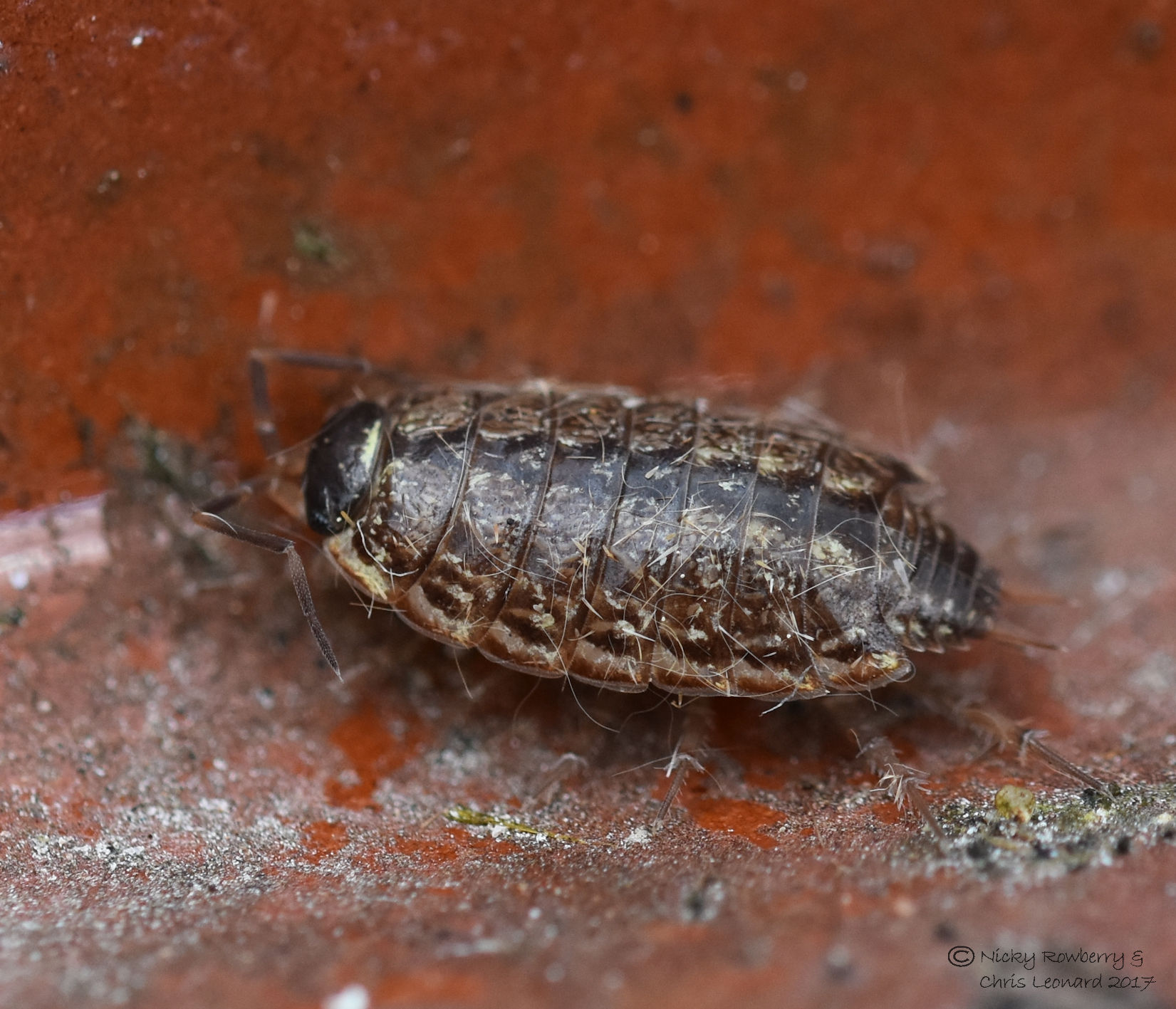
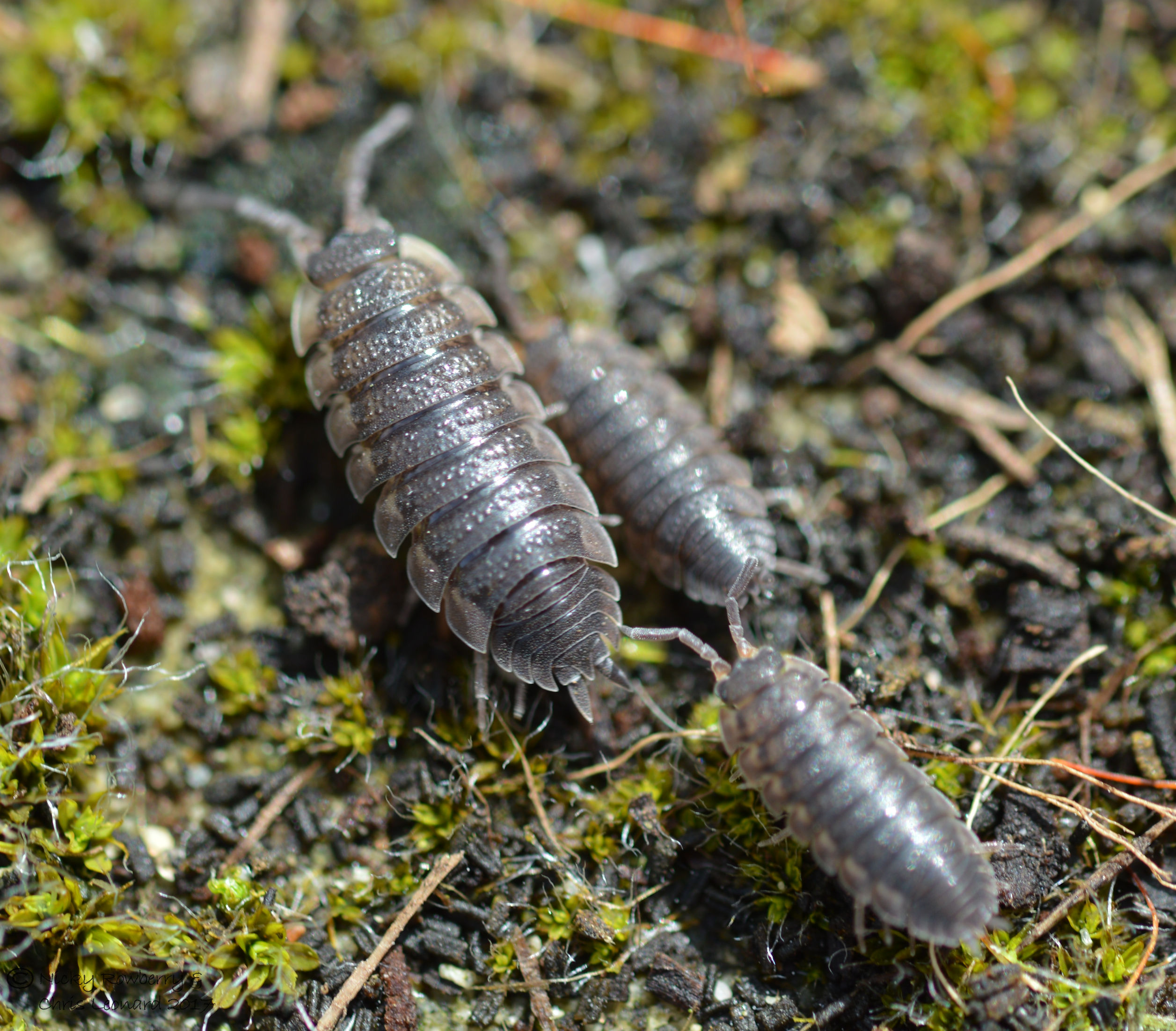
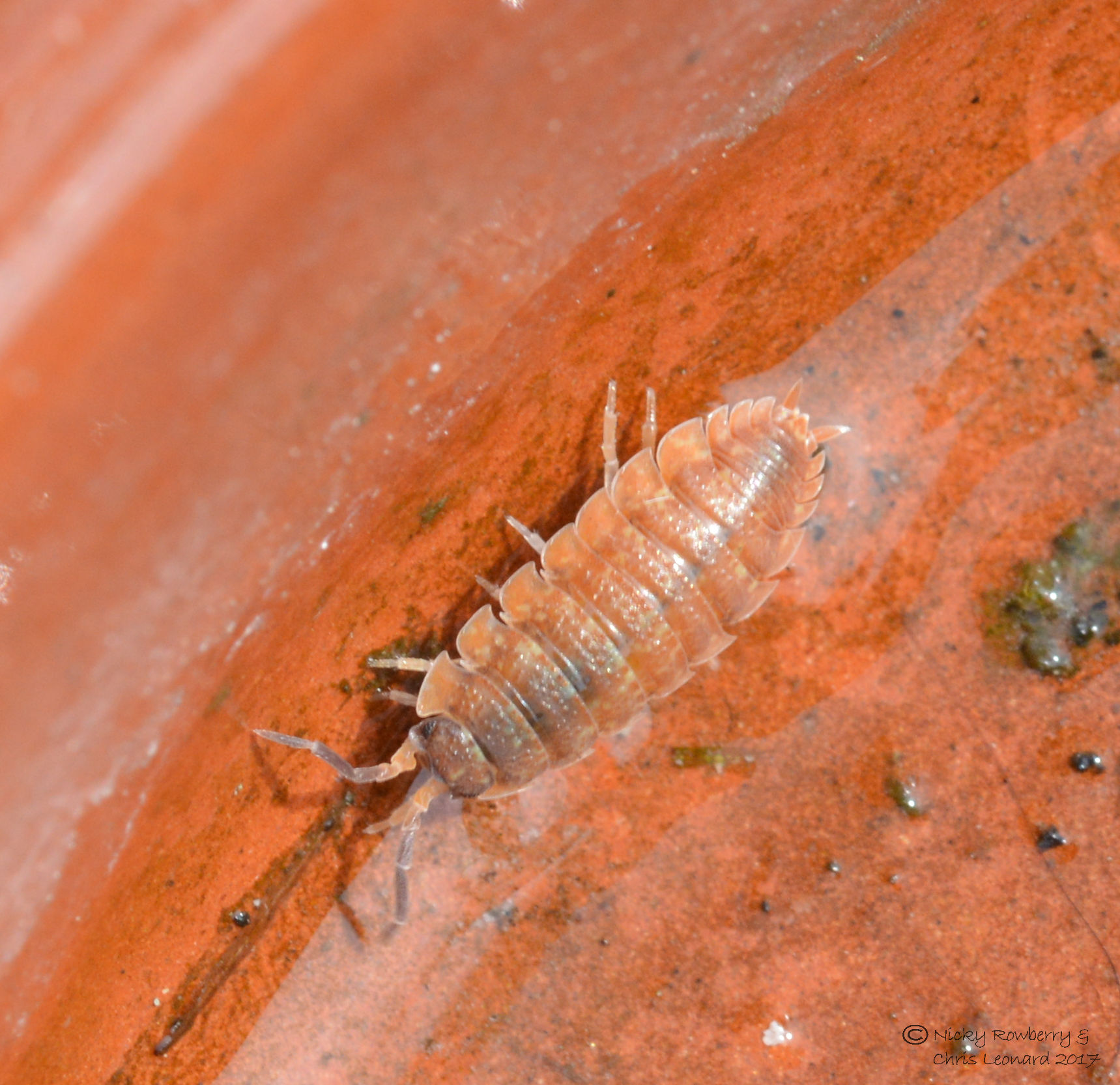
While turning over stones, I disturbed loads of woodlice. There were Common Striped Woodlice and the ones below that are Common Rough Woodlice. The bottom pinky one may just be a variant of the latter, but I hoping it might be a 3rd species – just waiting for someone on i-Spot to confirm one way or another.


Beetles are the largest insect group in the world, so it would have been a bit weird if I hadn’t found any in the garden. My favourite Swollen-thighed beetle of course appeared, as did a lovely shiny Black Clock Beetle.


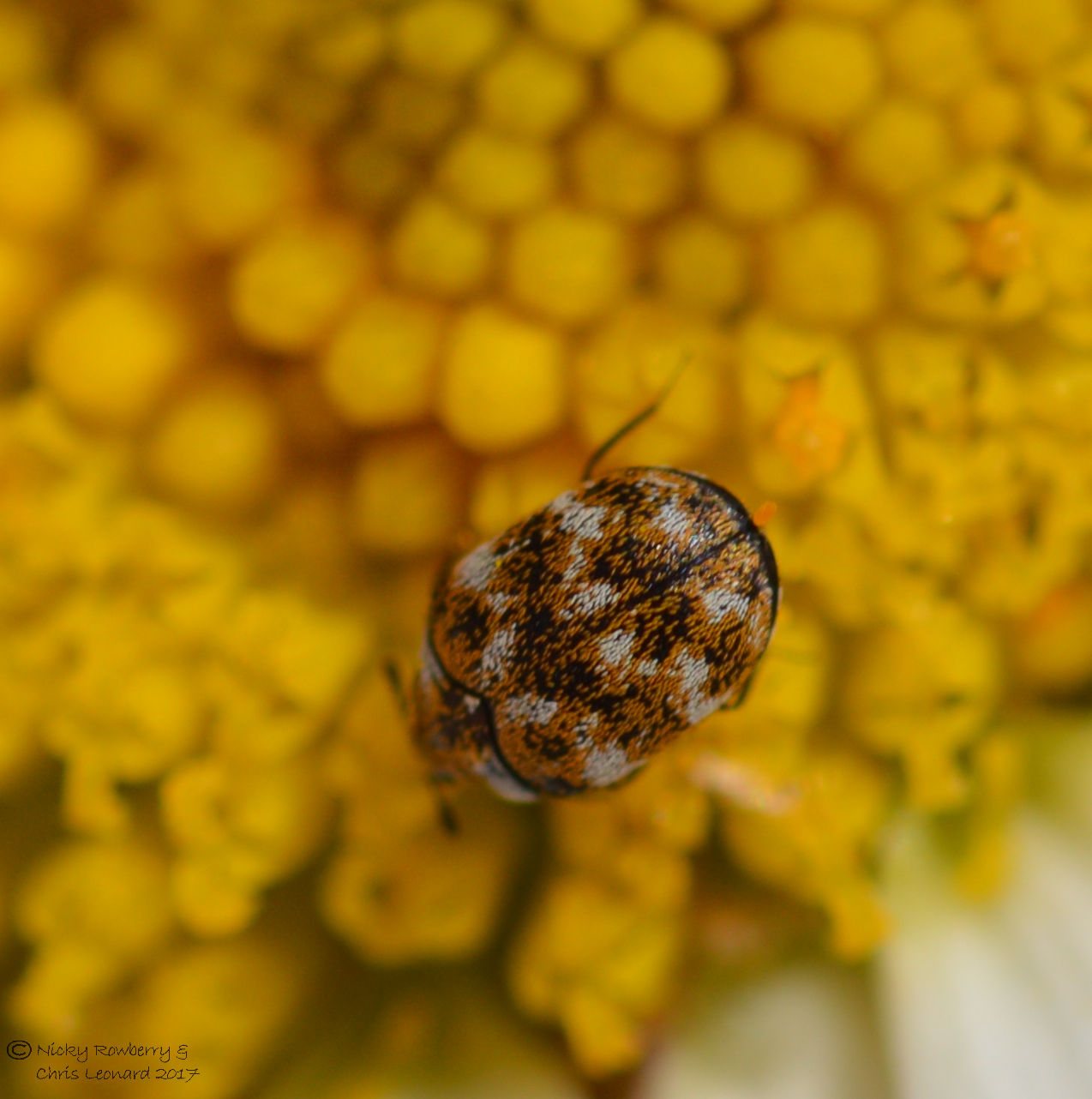
This tiny carpet beetle was making the most of the flowers.

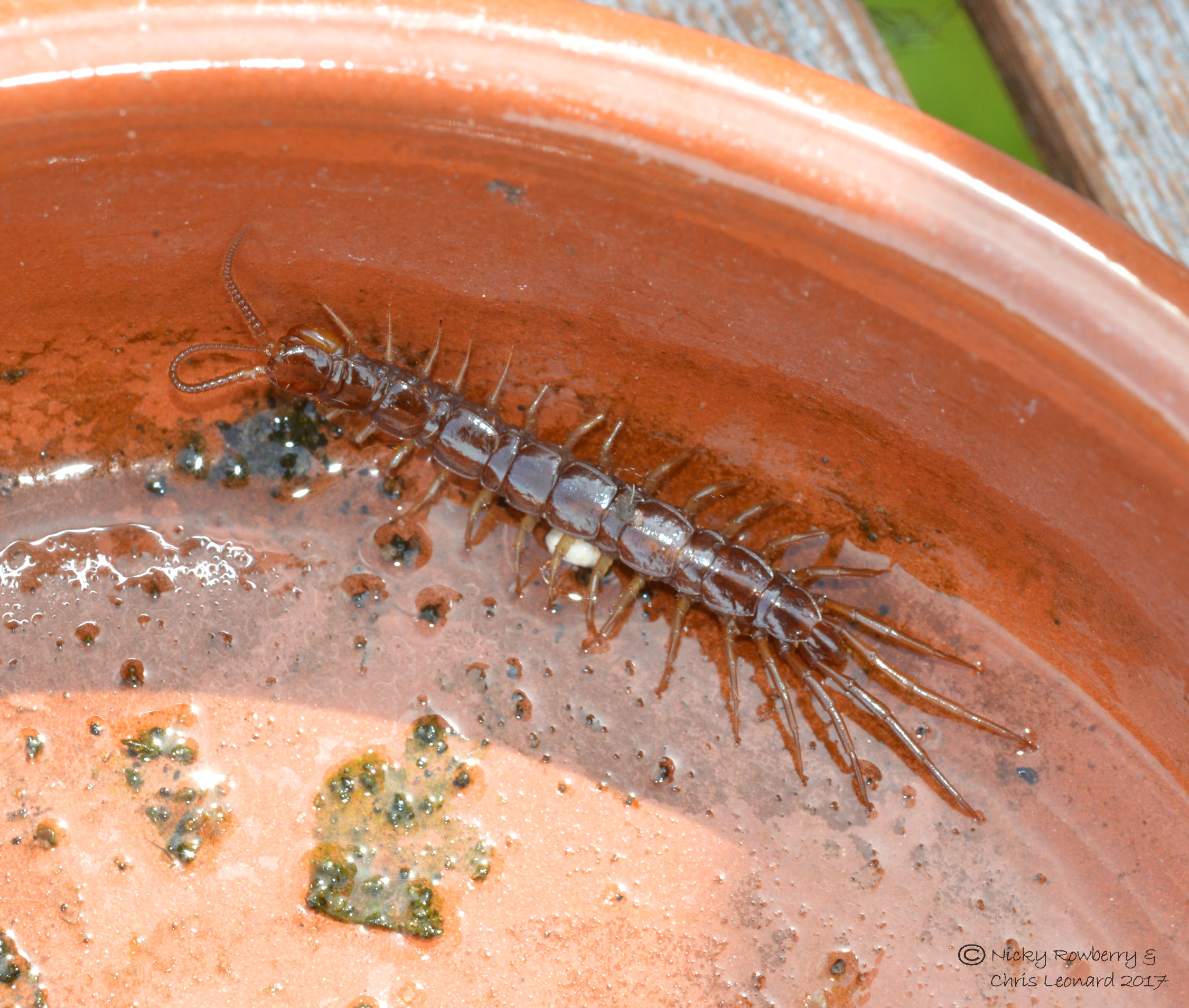
One group I’ve never really studied is the centipedes/millipedes. This beauty turned up under an old piece of wood. I’ve yet to work out the species though (suggestions gratefully received).

So that’s a selection of our bioblitz species for 2017. As always I ran out of time, so didn’t manage to root about in the pond, or look for ants, flies, grass moths and a host of other things. It was also a bit disappointing that no butterflies or shieldbugs or ladybirds appeared in the last 24 hours, but then that’s the way it goes. The bioblitz is just a snapshot of what you can find in the garden over a day. I love that it gets me looking for groups that I don’t normally study (easy to get in a bit of a rut with the bees and moths and butterflies and forget the others sometimes) – always good to broaden my wildlife horizons.

I’m still identifying photos and gradually uploading them to the i-Record website, so I won’t know the final tally for a while yet. So far I’ve only managed to load 32 species, which apparently puts me 10th on the bioblitz league table. Sounds good until I realised the person in the top spot at the moment has 167 species – I’ve got a way to go yet!


30 Days Wild – Day 3 – Garden Bioblitz

It’s day 3 of 30 Days Wild and it’s also Garden Bioblitz weekend. We’ve done this in the garden for the last few years. The idea is to record as many species as you can find in your own garden in 24 hours. Hopefully you manage to take a photo of each and load it on to the i-Record website. It was doing the garden bioblitz a few years ago that really got us into looking at the wildlife in our garden and into taking photos generally. So it’s thanks to the garden bioblitz that the Too Lazy To Weed blog was born!

You can find out more about the garden bioblitz on their website: http://www.gardenbioblitz.org/ This year it runs today and tomorrow, so there’s still time to take part. You don’t need any special skills, just identify what you can. For anything a bit tricky there is plenty of help online. It’s a great way of getting children involved in wildlife too.


You don’t have to stay up for 24 hours, just do what you can within the time. We started at about 09:30 this morning, so will finish the same time tomorrow. We started photographing the plants – easier as they don’t fly off. So far we’ve got photos of about 20 species – there are no doubt loads more, particularly grass species, but it’s not a bad start. Here are just a few of our weedy wildflowers.

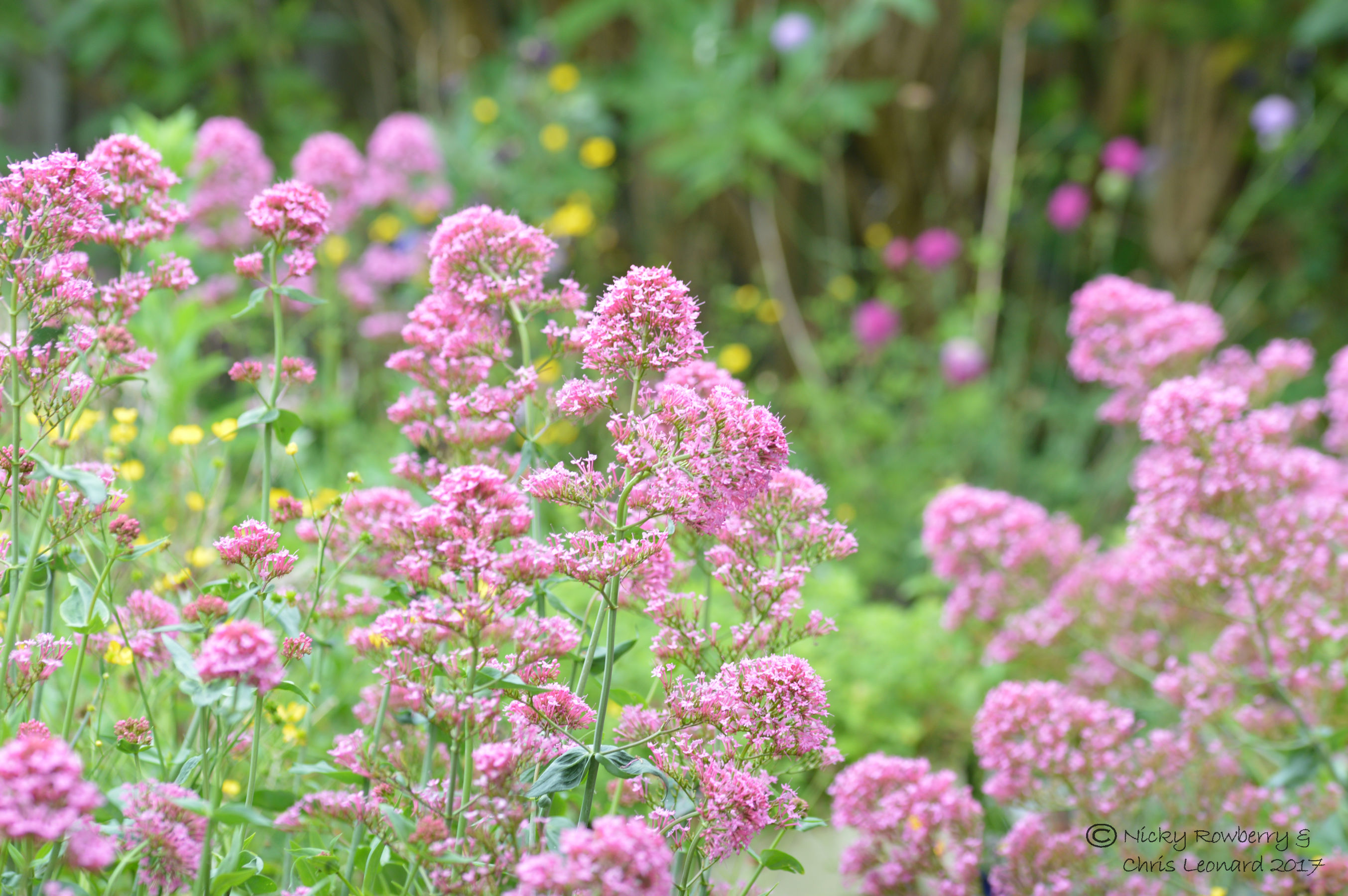
The dominant flower/weed in the garden at the moment is the Red Valerian. It is popping up everywhere. Fortunately it is not only attractive, but the insects love it. Why pay loads for fancy garden centre plants when you can have this instead?

Lady’s Mantle is another common one – I love the way the rain forms shiny beads on its surface, which gradually roll down and collect at the centre.

The pond has a lot of Creeping Jenny around it. It’s a low growing plant that spreads out horizontally, with cheery yellow flowers.

Even smaller than the creeping jenny is the Scarlet Pimpernel, which tends to grow under other larger plants. Maybe that’s how it gets its name – you have to seek it out in the undergrowth?

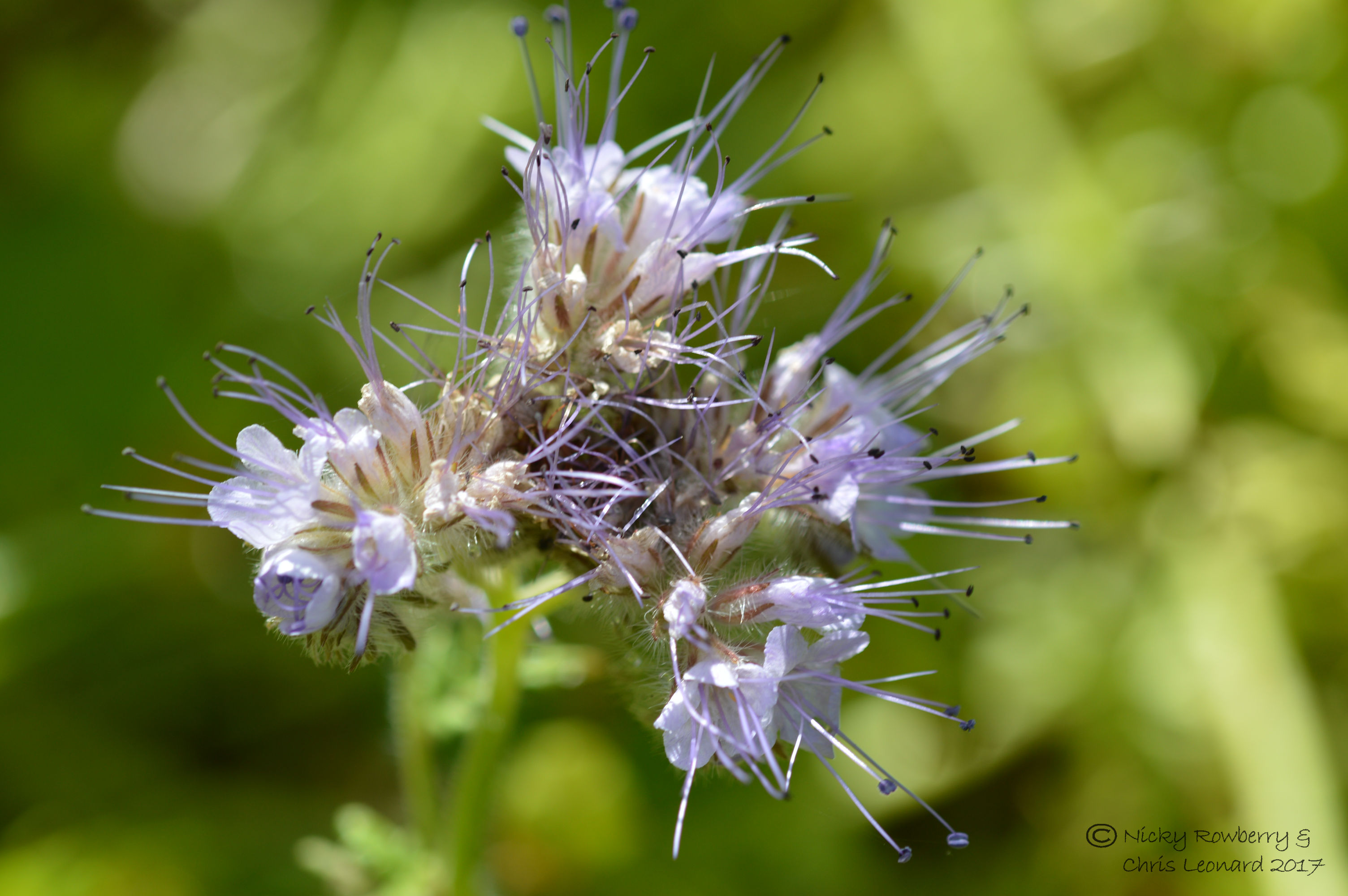
Two more insect attracting flowers are the Bladder Campion and Phacelia .

A childhood favourite and gardener’s nightmare is Cleavers (or sticky willow, goosegrass etc.). The sticky buds are surprisingly pretty when you see them close up.

Not only are we still taking photos as the day progresses, but I’m still ploughing through the ID on the ones we’ve already taken. So tomorrow’s blog post will hopefully have photos of some of the birds, insects and other animals we’ve managed to find in the 24 hours. Also we should have more of an idea of the total number of species this year. In the meantime here’s at least one mini beast – an often forgotten crustacean from under some of our plant pots – the humble woodlouse.

We can’t count Bert, our elder statesman of a cat, as part of the bioblitz, but he did spend quite a bit of time watching me poke around the garden. Don’t think he really approved of so much activity on a Saturday morning judging by his expression though!

30 Days Wild – Day 2 – Teeming Down by the Teme

It’s Day 2 of 30 Days Wild and slightly bizarrely I found myself sitting under a bandstand! As I drove home from work today, I was debating what to do for my wild fix. It had been a grey day up on the hill and Titterstone summit had been shrouded in mist for most of it. As I reached Tenbury and drove across the bridge, the sun came out and everything seemed to sparkle, so I decided to go for a walk by the river.

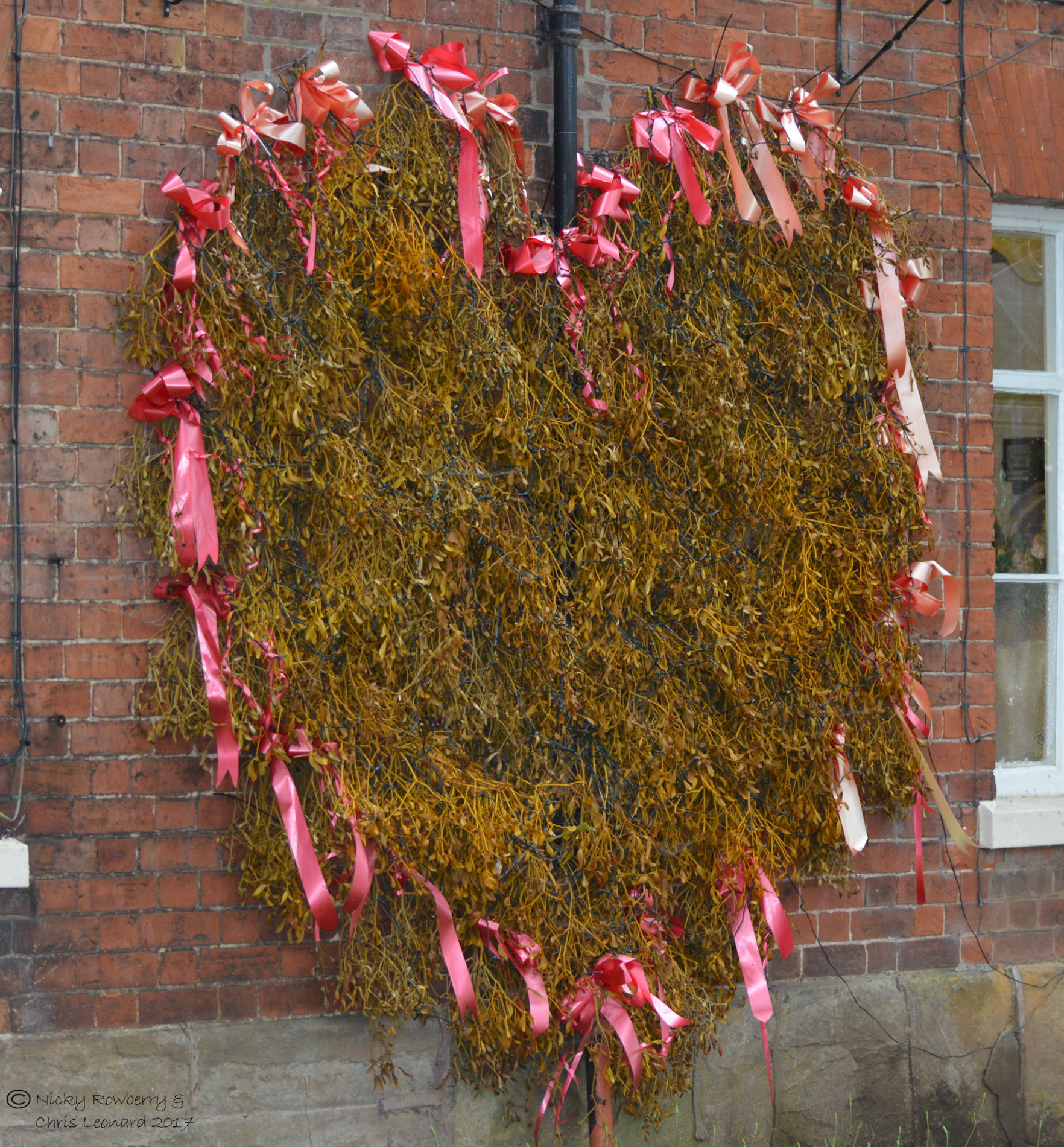
Tenbury is famous for its mistletoe fairs at Christmas time. I wasn’t expecting to see any in June, so was surprised to find a large heart shaped display of it on a wall. At first I thought it was dried seaweed (too many years as a marine biologist have clearly left their mark), which would have been a bit incongruous this far inland. The mistletoe had obviously been there a long time – perhaps some left over display from Valentine’s Day. Mistletoe is after all the kissing plant.

Tenbury sits on the south bank of the River Teme. On the north side you are in Shropshire, but as you cross the river you enter Worcestershire – there’s even a sign on the bridge so you can stand astride the two counties, should you so wish! There’s a big new supermarket by the river, so I parked up and went for a stroll.


The river is only small and wends its way lazily through the town.

It is flanked either side by lots of trees and the whole area was full of birds and insects. I don’t tend to think of sparrows as being riverside birds, but they were there in abundance. I watched them perch on branches over the water then dart up in the air, catch an insect and return back to the bushes. A wagtail was doing the same, but slightly more elegantly and on the grass park area next to the water.

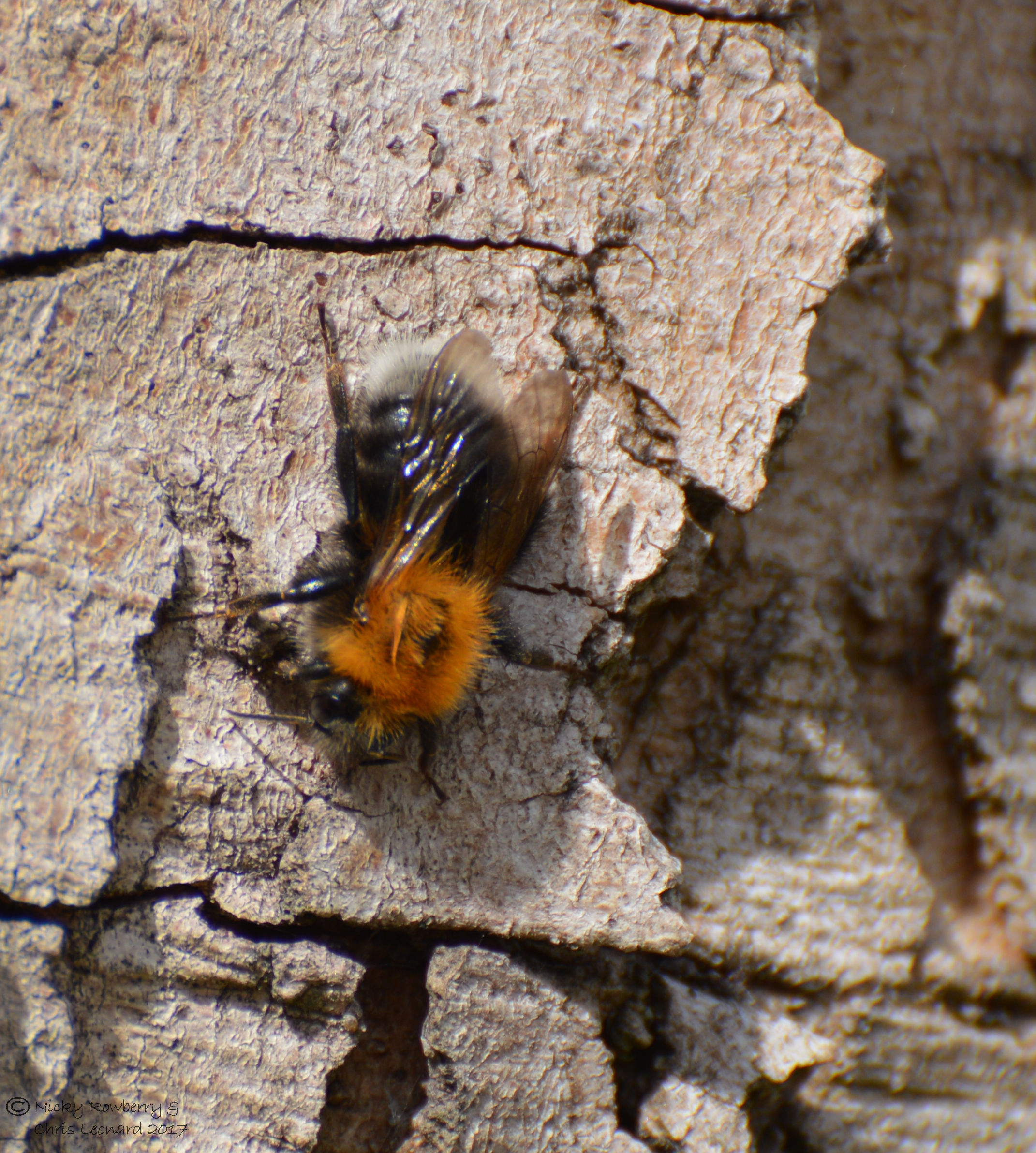
The big trees lining the water must make for a splendid habitat for lots of species. I found a large Tree Bumblebee sitting appropriately on one of them.

On another tree someone had put up bat and bird boxes.

There was a lot of cheeping noises in the trees and I found a family of blue tits, with a young one still being fed by the adults. Although I could see them, they were unfortunately hidden by too much foliage to get a decent photo.

The pathway I was on opened up into a large park area, with lots of beautiful mature trees.

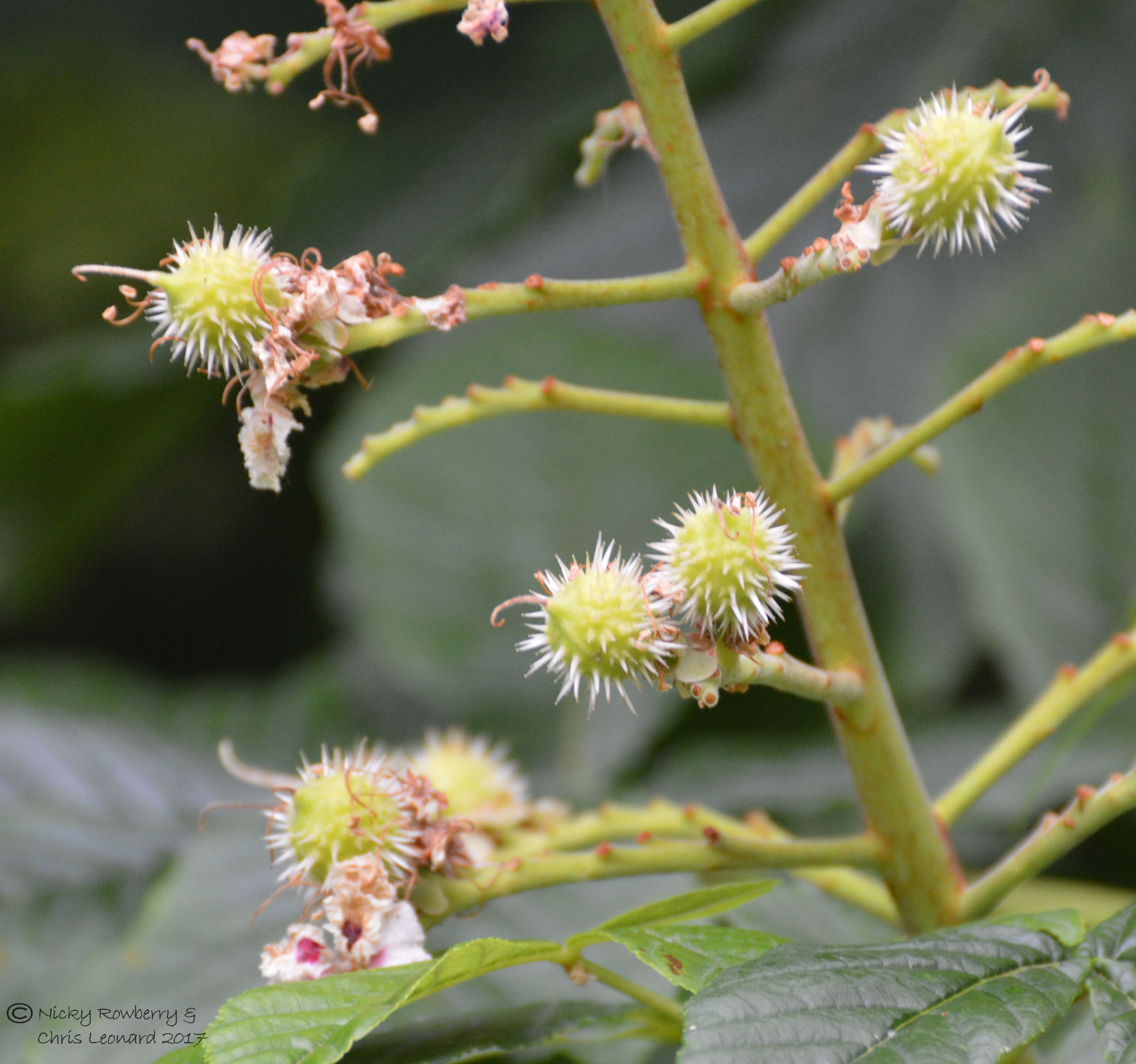
Baby chestnuts were forming on one of them. I don’t think I’ve ever really looked at a chestnut tree at this time of year; I’m used to seeing the chestnuts fully formed in the autumn, not as babies like these. Funny to see what felt like signs of autumn, when summer was barely beginning!


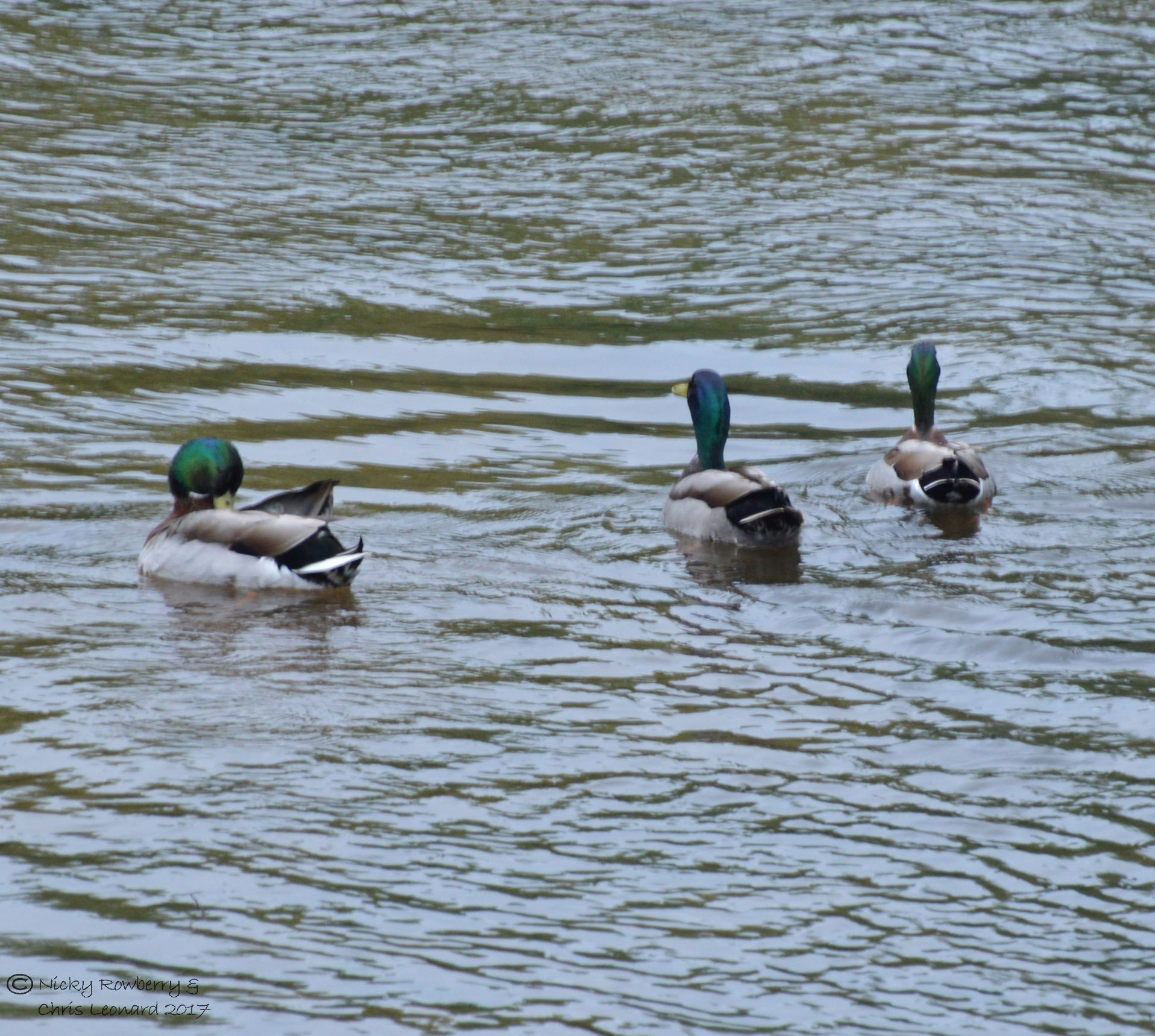
By this time, the sunshine that had tempted me to stop in Tenbury had given way to rain. I quite like walking in the rain by a river and the ducks of course weren’t bothered.

Although the rain wasn’t bothering me, I didn’t really want to get the camera all wet, so sat for a while under a bandstand on the green.

The only other people about were a few dog walkers braving the rain and it was lovely and tranquil sitting there with the sound of the river and the rain. I don’t normally give much thought to nationality; but it occurred to me that you couldn’t get much more English than sitting out in a bandstand in the summer rain watching people walk their dogs across a village green!

I’m not sure if this would count as “wild”, but it was the most peaceful few minutes I’ve spent in a while.