30 Days Wild – Day 5 – Apptastic

It’s Day 5 of 30 Days Wild and it’s been a bit of a miserable one weather wise – grey skies with intermittent drizzle all day here in Malvern. Add to that frequent gusts of wind, making any attempts at photography almost impossible. So I thought I’d try something new for me – I’d get all techy! I don’t really do apps on phones (must be an age thing!), but today I thought I’d go crazy and download a few wildlife ones, to see what it was all about. I picked half a dozen or so that seemed vaguely relevant and equally important – that were free!

It was easy enough to install the basic app for each of them, but actually using them proved a different matter in some cases.

First up the Great British Bee Count app. Run by Friends of the Earth, this app is for use between the middle of May and end of June – ideal for 30 Days Wild. You can either just record spot sightings of individual bees or do a timed count of a particular species on a particular plant. It was easy to use and would be great for kids. The only problem I found was that if you did the timed count you had to decide what bee you were looking for on what plant. I did a couple of 60 second counts of first honey bees on red valerian and then tree bumblebees on alliums. Needless to say the correct bee species never appeared on the correct plant in the relevant 60 seconds, so I recorded several zero counts. Admittedly this wasn’t helped by the fact that I was trying this on a dull day with not that many bees about.

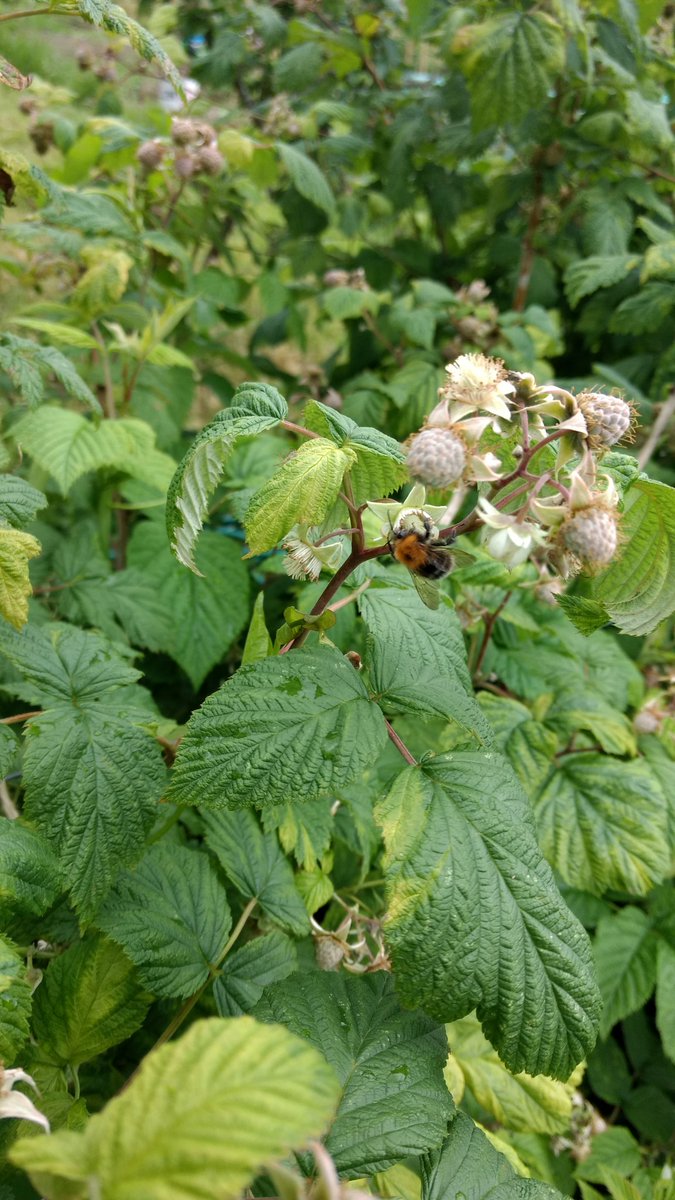
I had more luck just recording spot sightings of individual bees. You could even add photos from your phone, which I presume they can use for verification purposes. Unfortunately me and my phone are rubbish at photos – see left, but I can’t blame the app for that. I particularly liked that you could choose different habitat types including allotments – not least because we have just got one and I was down there practising with the app! All in all this was an easy, fun app to use – just pick a sunny day though!
Next one I tried was Birdtracker from the British Trust for Ornithology. This one I did struggle with a bit. I put food out on the bird table and started the app up. But first I had to register with BTO, which it turns out I’d done years ago and forgotten my password. So then I had to wait for them to send me a password reset e-mail. By the time I’d done that the birds had eaten all the food, so I had to put out more. You then had to select a site you would be recording from – I was trying it in the garden, so tried to pick that – but the image on the phone screen was so small, I ended up having to go back inside to do it. It seems the smallest area you can pick is a kilometre square – seemed a bit excessive for our modest garden (wish it was that big!). By the time I’d sorted that, more food was required on the bird table. There is so much information on this app that the writing is very small (to my middle aged eyes). I know I could zoom in, but then I could only see a tiny part of the info and had to keep zooming back out. By the time I’d worked it out, yet more food was needed on the bird table (the birds at least must like this app!) Finally I managed to submit a few sightings. It did seem like this was intended for someone who had already collected their sightings and so had a list already written out – they could then input the data relatively easily. On the plus side, if you did it regularly it would be a good way of keeping track of what you saw in your garden. Also I did manage to see both the robin and the collared doves that had refused to appear for the yesterday’s bioblitz!

I tried out two apps from the Wildlife Trusts – both of which were very good and easy to use. The 30 Days Wild one gives you random acts of wildness to try out. If you don’t fancy the one it suggests, just click again and it comes up with something else – ideal on a dull day when you’re lacking inspiration.

The Nature Finder app was probably my favourite one today and I expect will be the one we use most. You can use it to find nature reserves near where you are – particularly useful if you’re on holiday. Or you can use it to suggest Events that are coming up – I found a couple that we might go to in the coming months. Or you can use it to find information on a particular species. All really useful tools in an app that was easy to use – perfect!

Next up was the Dragon Finder app – not as you might expect for dragonflies, but for amphibians and reptiles and run by Froglife. We’ve put in a tiny pond at the allotment, which has already attracted lots of wildlife, so I tried out the app there. Again this app is easy to use and didn’t require any special ID or techy skills. I managed to log one common newt and one sadly deceased common frog.

I did also download a butterfly and a dragonfly app. Thanks to the soggy weather I didn’t see any of these to be able to try out the apps properly. The butterfly app looked fairly straightforward and the dragonfly one a bit more complicated, but that may just be because I am more familiar with former than the latter.

Most of these apps have the common purposes of gathering data from people all over the country. Citizen science like this can hopefully provide lots of useful data for the scientists studying the particular group. These apps will also hopefully engage people who might not otherwise consider submitting sightings and get more people interested in the wildlife around them. So even if technophobes like me struggle a bit with some of them, they can only really be a good thing. And after all I can always go back to a pen and paper if necessary!
30 Days Wild – Day 4 – Garden Bioblitz Part 2

It’s day 4 of 30 Days Wild and I spent the morning taking more photos of the wildlife for our Garden Bioblitz. I’d started the bioblitz at about 09:30 yesterday, so I was trying to cram in as many more species as I could before 09:30 this morning. This wasn’t helped by the fact that my camera has packed in, so apologies for the lack of photos in this post.

The day started at 04:30 to beat the birds to the contents of the moth trap. I had hoped for a good haul to boost my species tally, but the trap was fairly quiet – possibly because it had been quite windy last night. Still there were some nice moths including a few of the beautiful and distinctive Angle Shades – virtually impossible to mistake these for anything else, which I like in a moth!


Star of the moth show was an Elephant Hawkmoth making a timely debut for the year in our garden. I’ll never tire of these stunning moths with their bright pink bodies. If you were to make a toy moth, I reckon this would be it.


I put a specimen of each moth in the fridge (it does no harm but keeps them calm until  you can photograph them) and went back to bed for a couple of hours. 8 o’clock though and I was back up photographing said moths, then scouring the garden for more wildlife. I hadn’t managed to photograph any birds yesterday, so I topped up the feeders and waited expectantly to see what would show up. As usual the sparrows were the first to show, landing on last year’s teasels to check things out before heading to the bird table.


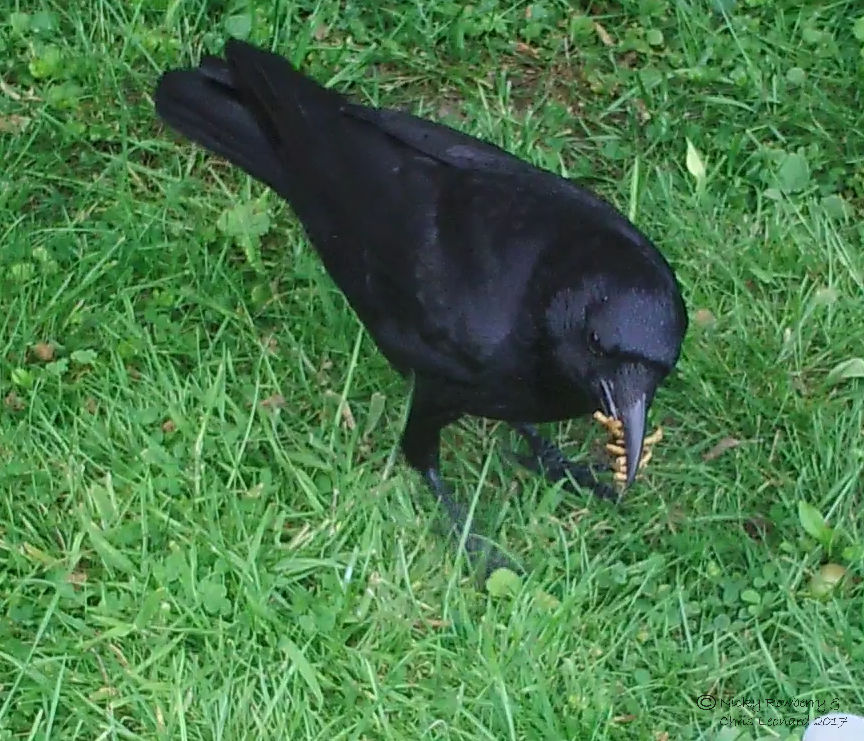
The starlings and jackdaws came next, followed by the blackbirds and pigeons. There were several no shows for birds that normally frequent the garden – no sign of the robin, wren, collared doves, great tits or gold finches. A blue tit just appeared in the last minutes to scrape into the bioblitz total. For the last few days I’d been seeing a big black bird, bigger then the jackdaws, so was disappointed initially when it didn’t show for the camera. But then I downloaded the trail camera which had been running for the last couple of days and there he was – a carrion crow.

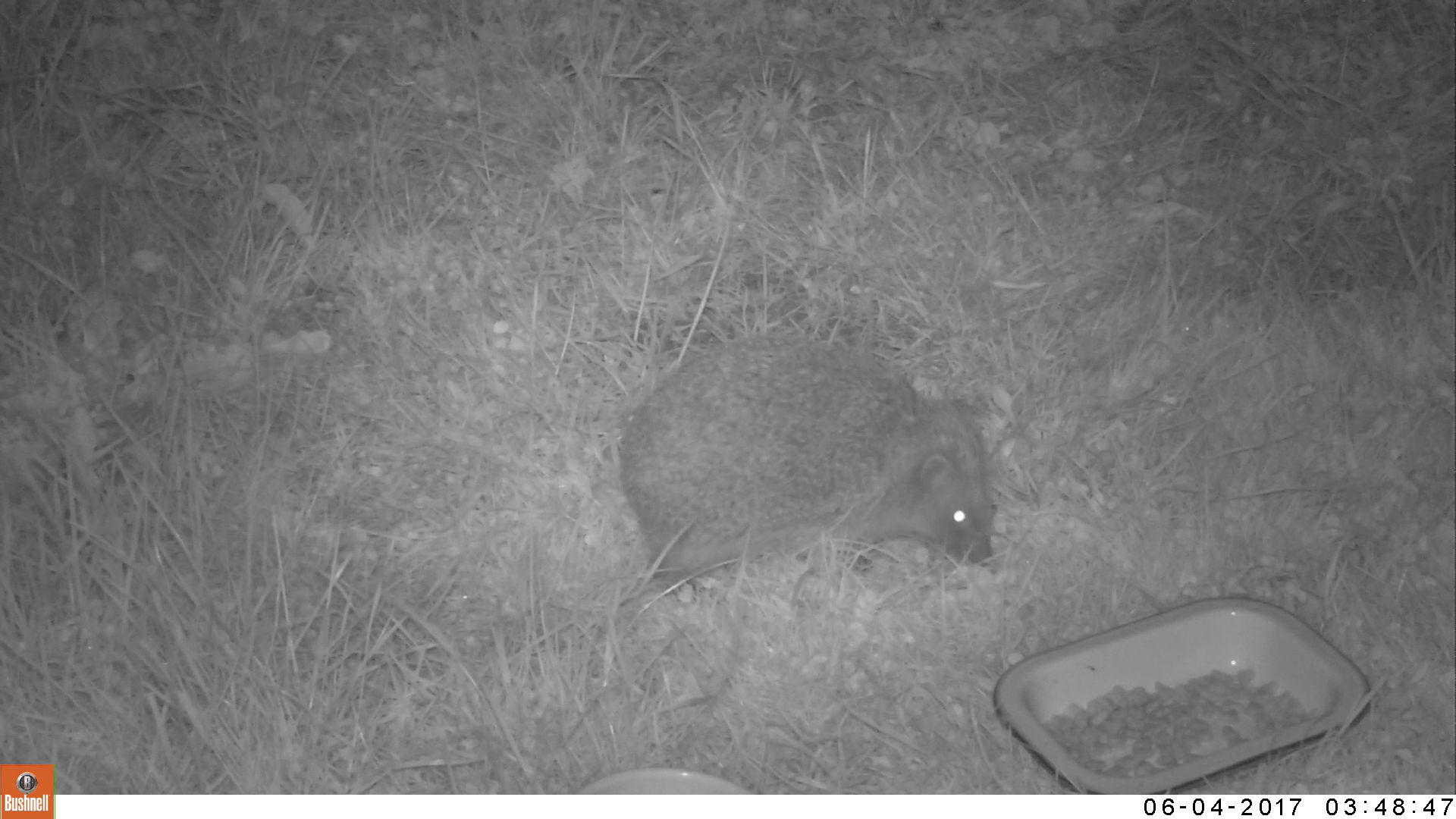
The trail cam also picked up a couple of hedgehogs – one of which looks like our old foster hedgehog Meadow – i.e. it was a big chunky looking hog!

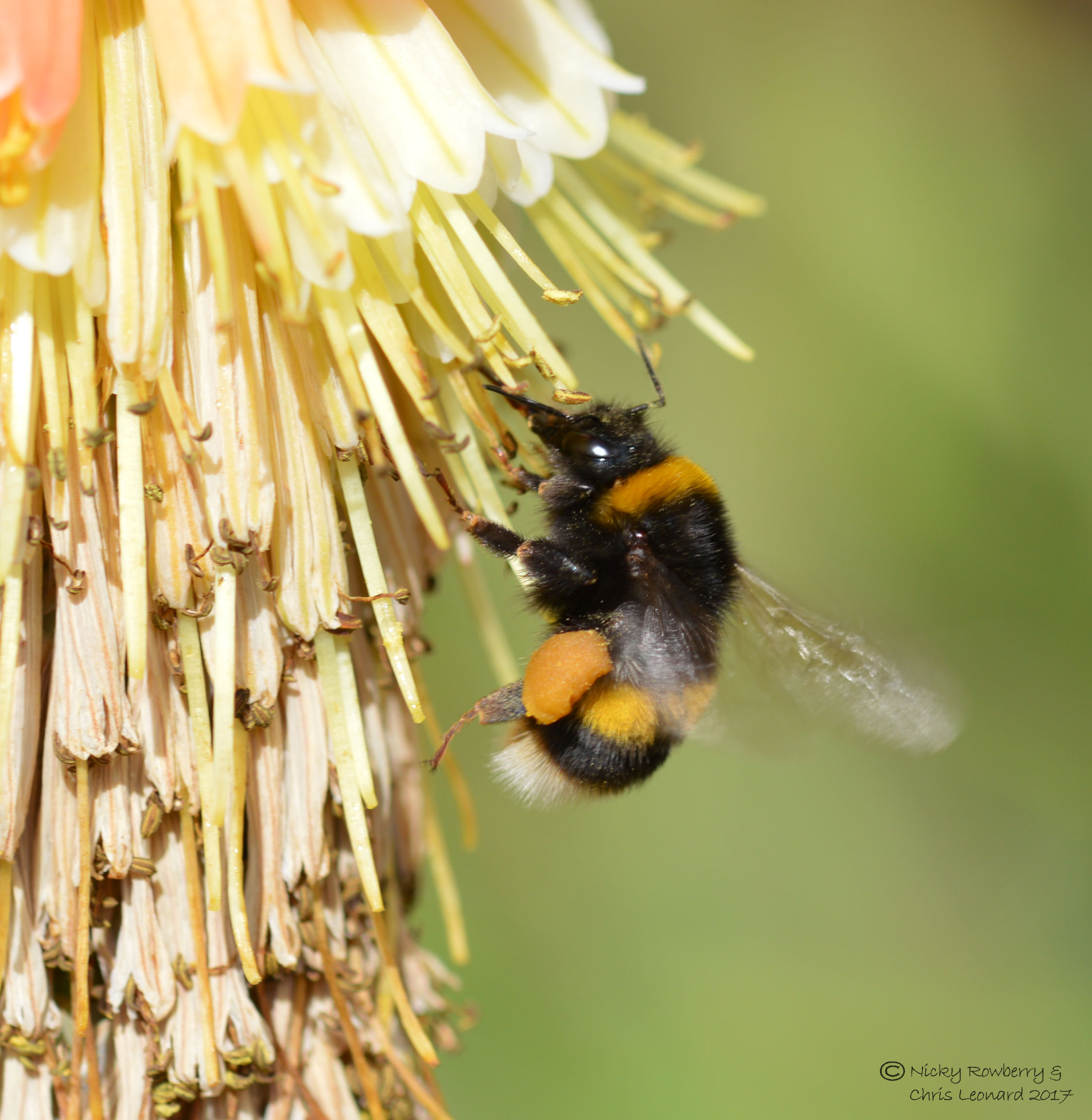
There were of course bees in the garden, although being a busy bee myself chasing everything else around I didn’t actually manage to get that many photos of them. But here’s one of my favourites – a Buff-tailed Bumblebee.


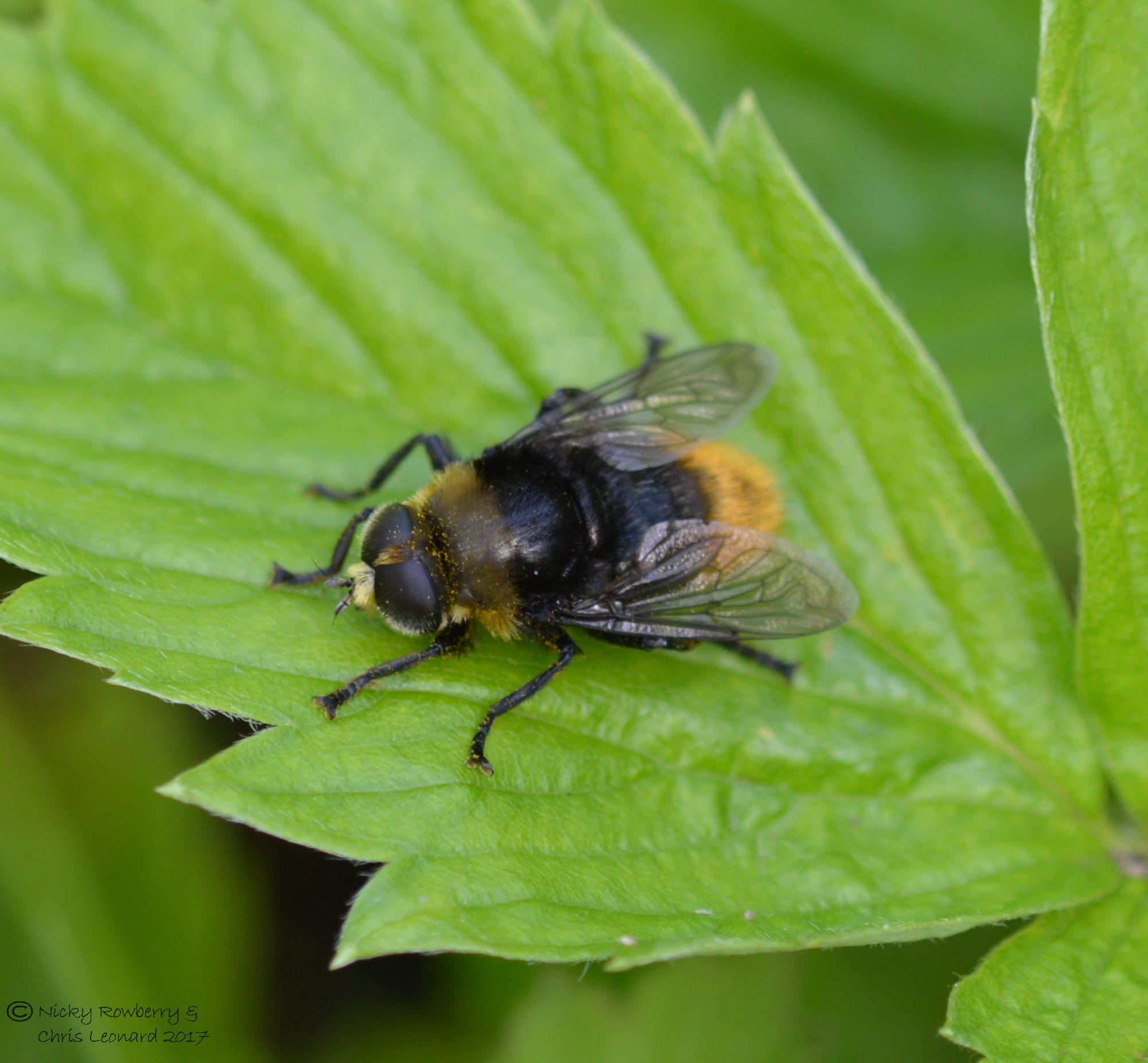
There was also this bumblebee mimicking hoverfly (Merodon equestris).

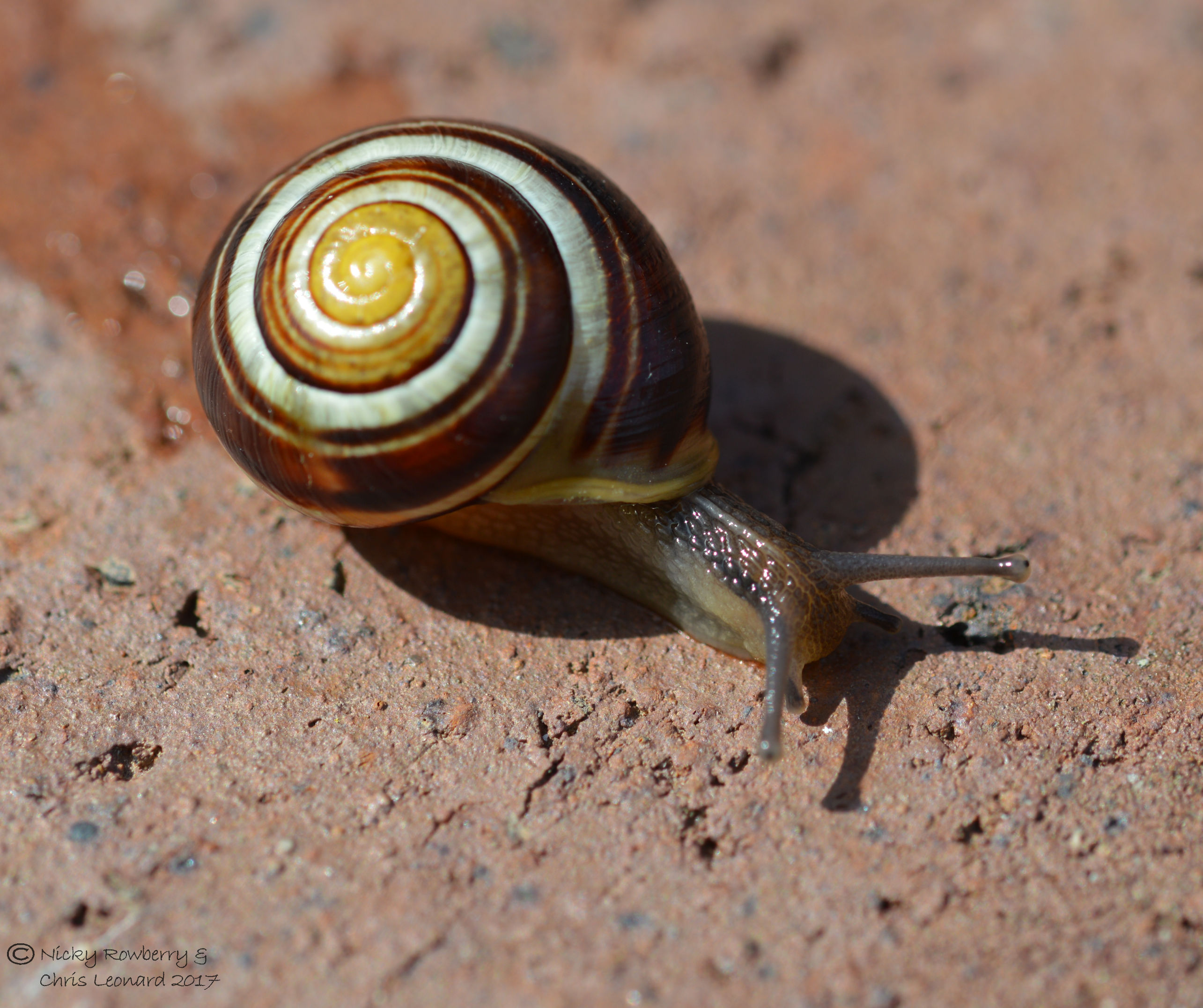
Our snails were also being sneeky and hiding away over the last 24 hours – several species that I know we get refused to show. Fortunately both the White Lipped (photo below) and a Brown Lipped appeared out of the Pendulous Sedge to get their photos taken.


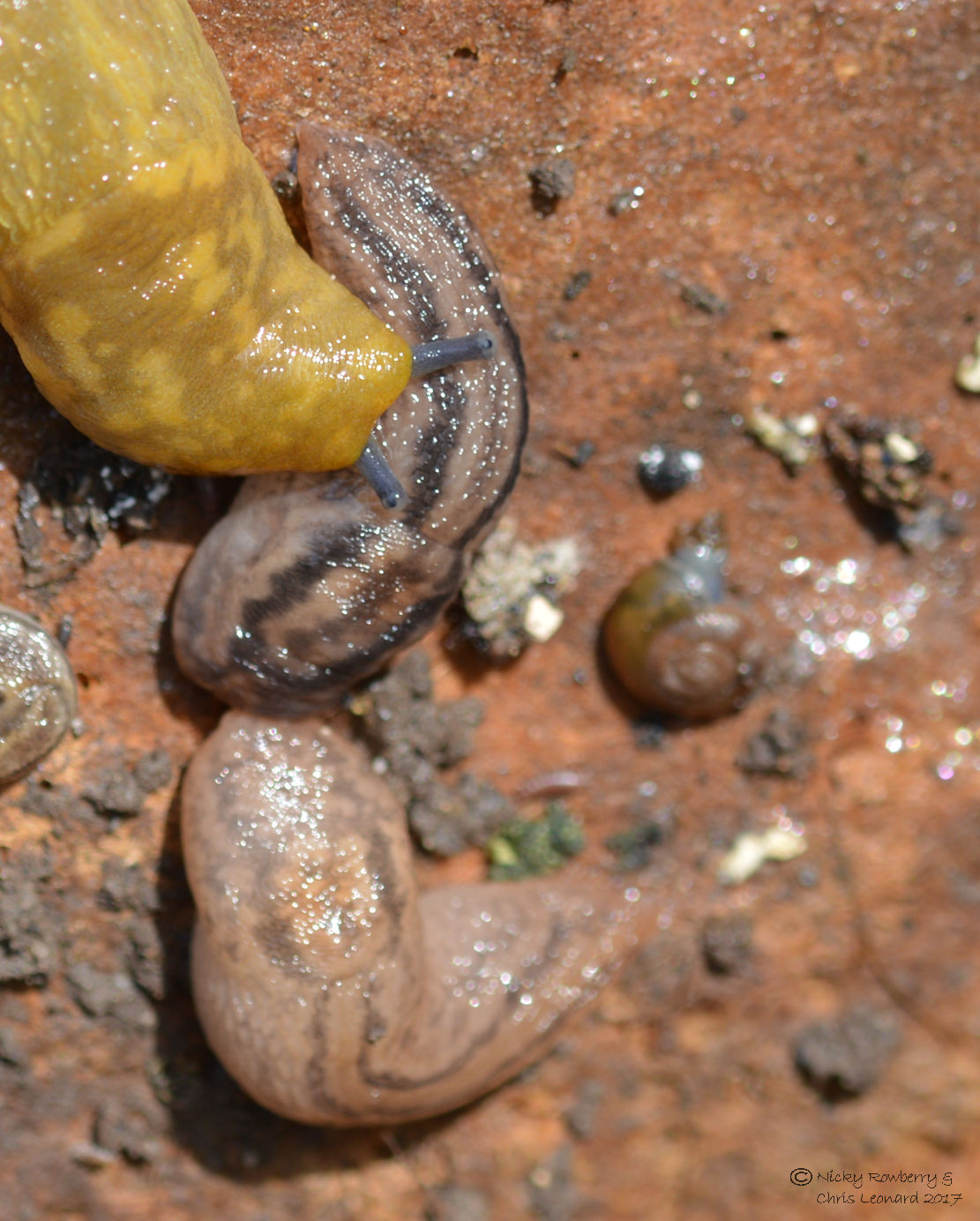
I also found three species of slug including this large yellow one and the stripy ones which I think are Iberian slugs.

I spotted this tiny nymph of the Speckled Bush Cricket, when I saw its antennae poking over the edge of a buttercup. Unfortunately the buttercup was blowing about in the wind a bit – hence the less than perfect focussing!

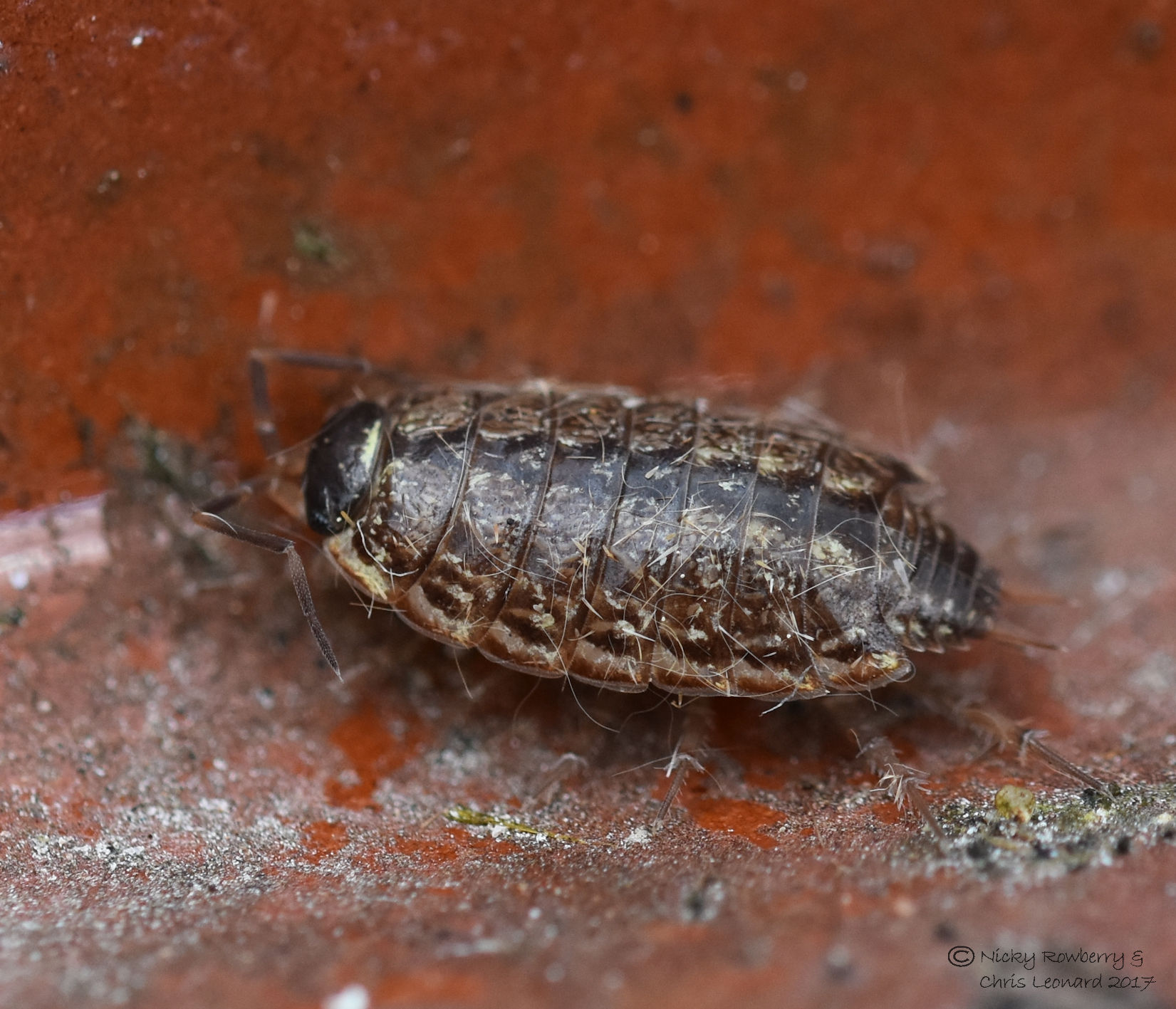
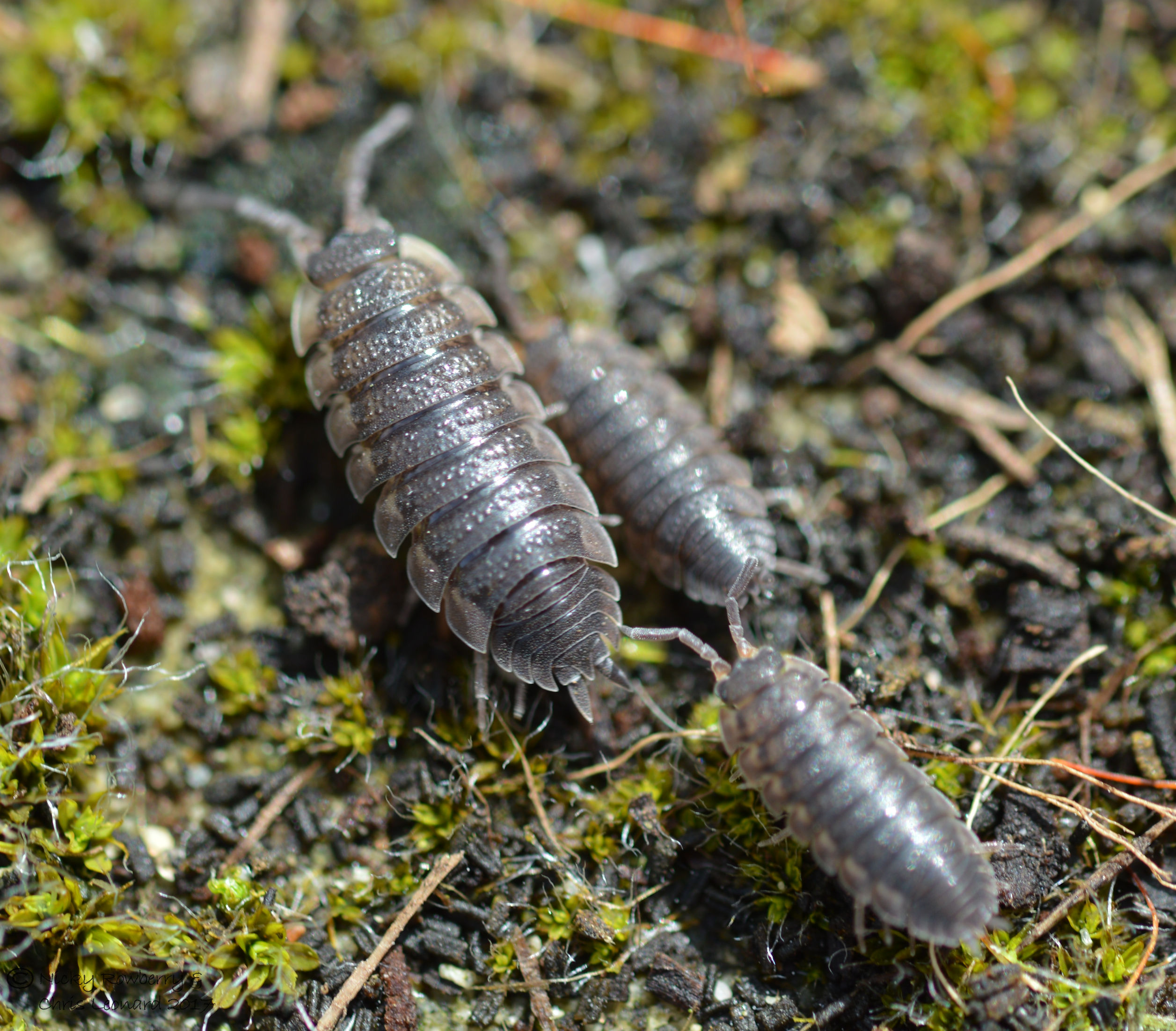
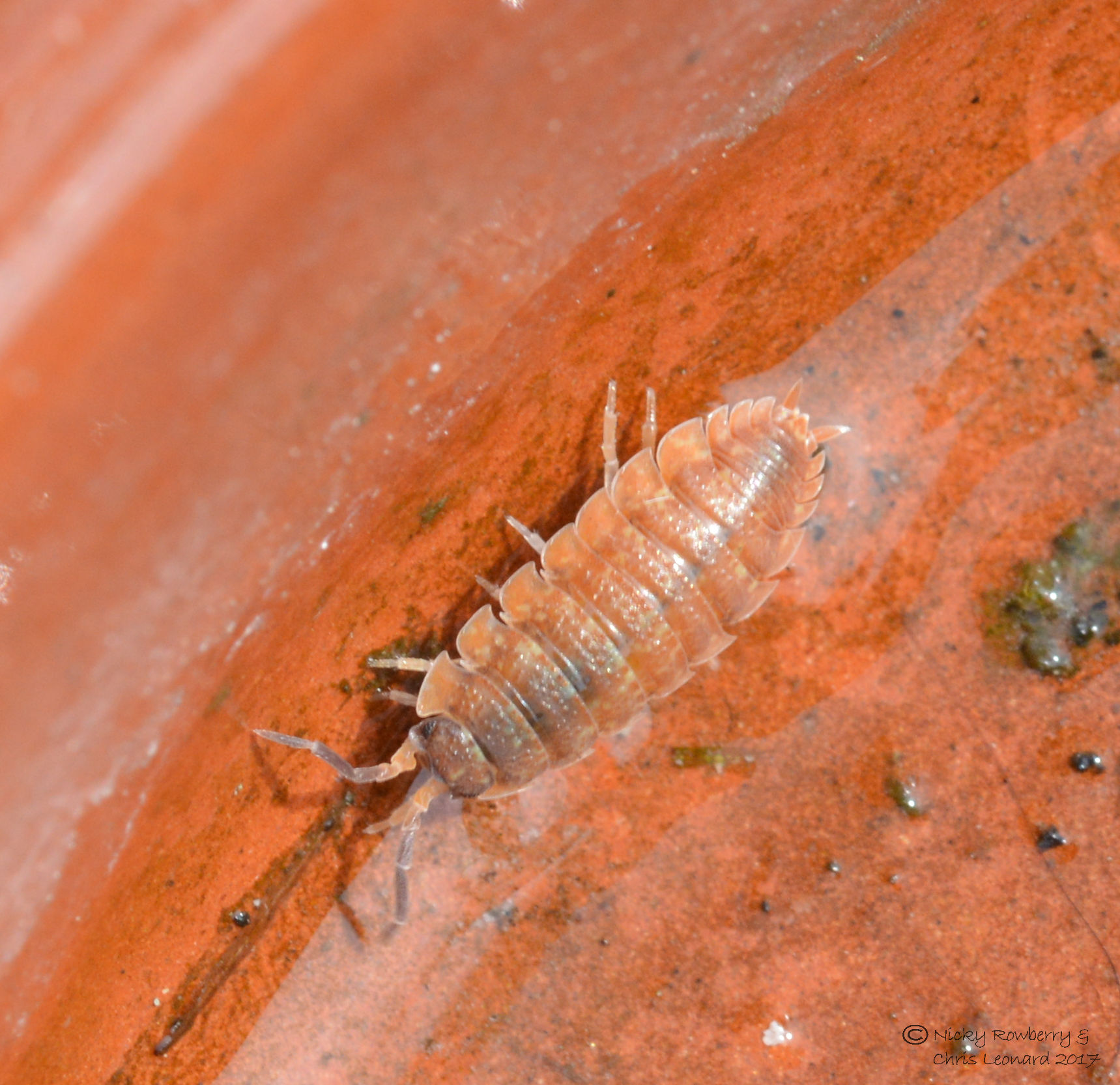
While turning over stones, I disturbed loads of woodlice. There were Common Striped Woodlice and the ones below that are Common Rough Woodlice. The bottom pinky one may just be a variant of the latter, but I hoping it might be a 3rd species – just waiting for someone on i-Spot to confirm one way or another.


Beetles are the largest insect group in the world, so it would have been a bit weird if I hadn’t found any in the garden. My favourite Swollen-thighed beetle of course appeared, as did a lovely shiny Black Clock Beetle.


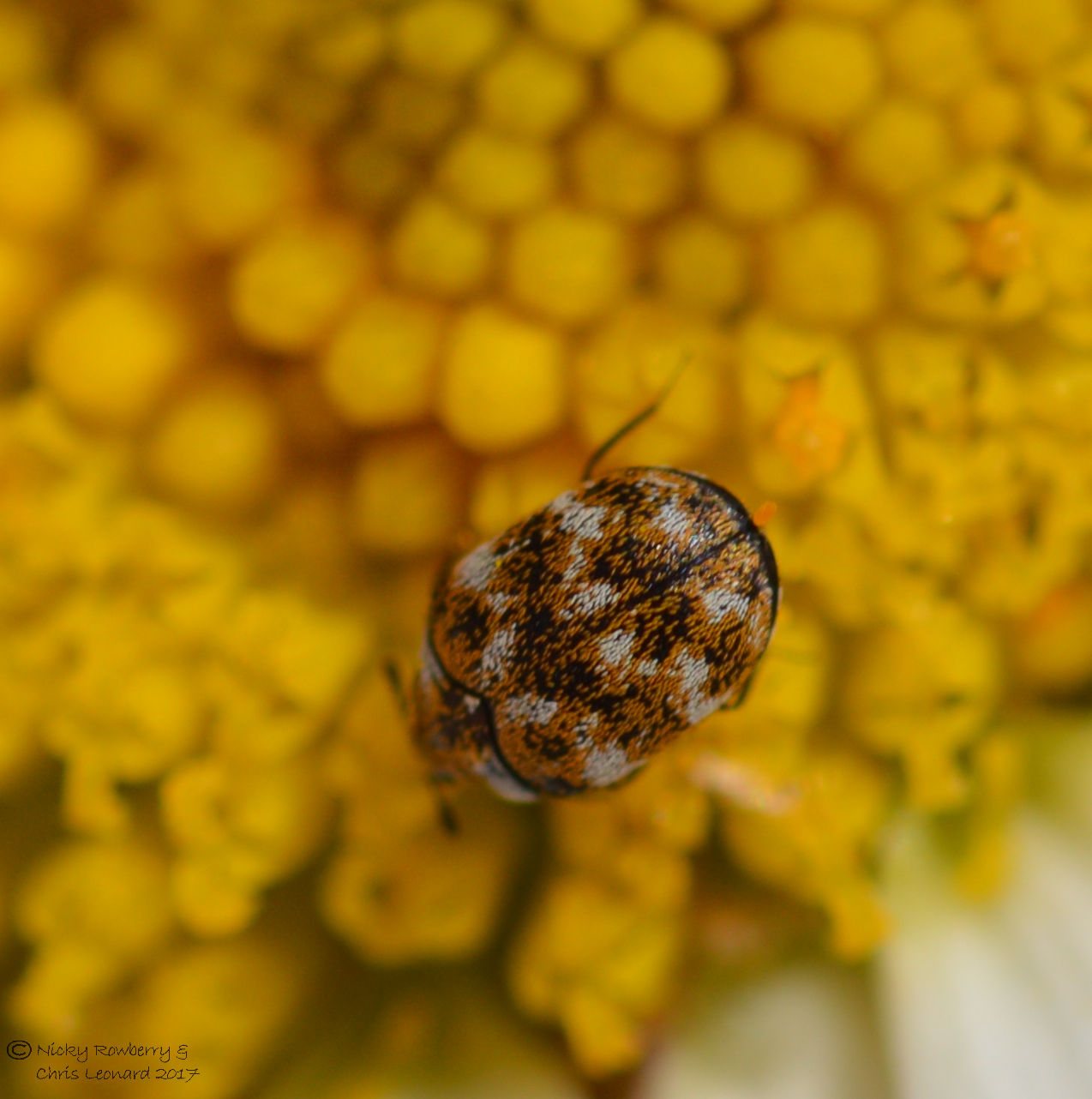
This tiny carpet beetle was making the most of the flowers.

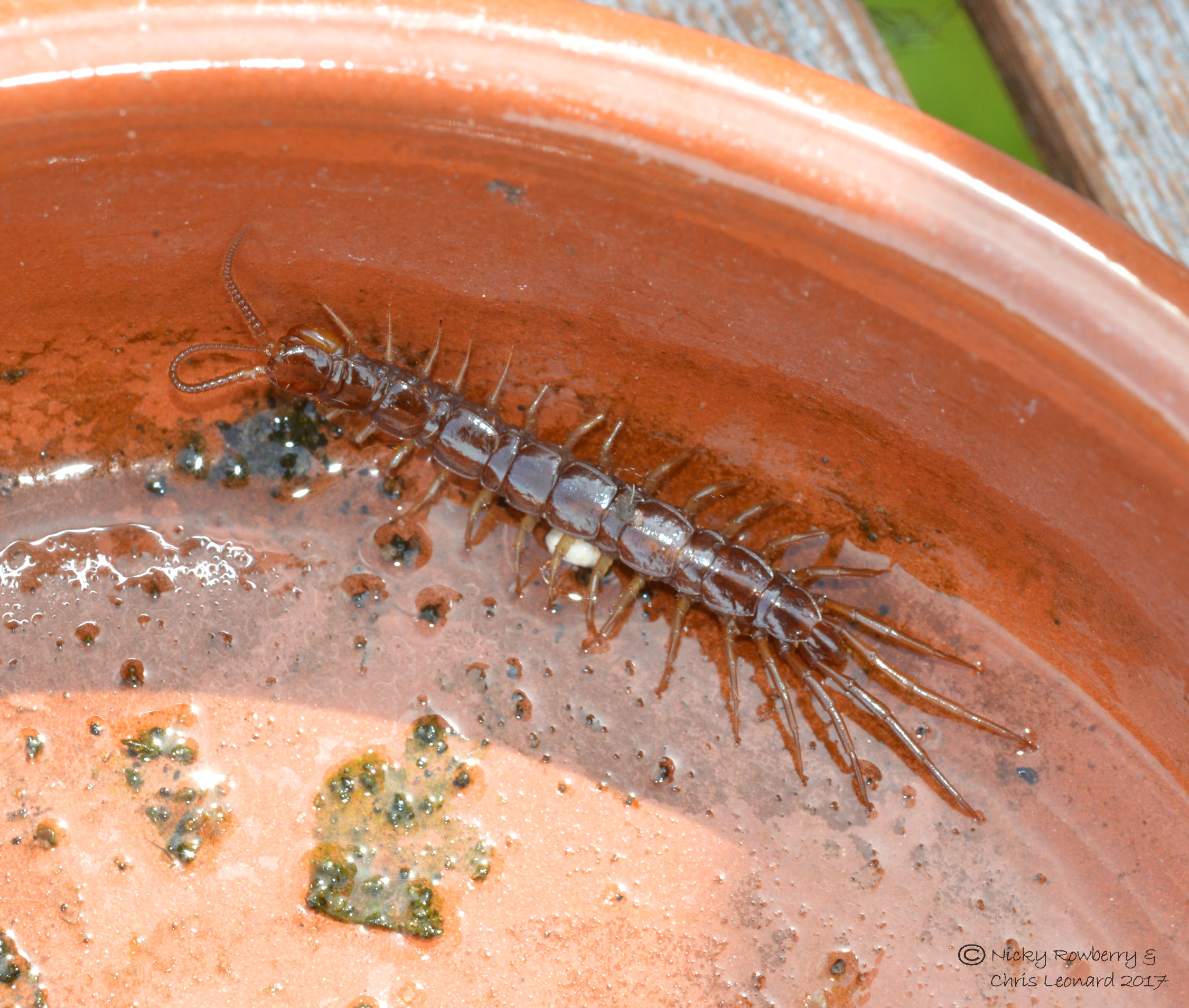
One group I’ve never really studied is the centipedes/millipedes. This beauty turned up under an old piece of wood. I’ve yet to work out the species though (suggestions gratefully received).

So that’s a selection of our bioblitz species for 2017. As always I ran out of time, so didn’t manage to root about in the pond, or look for ants, flies, grass moths and a host of other things. It was also a bit disappointing that no butterflies or shieldbugs or ladybirds appeared in the last 24 hours, but then that’s the way it goes. The bioblitz is just a snapshot of what you can find in the garden over a day. I love that it gets me looking for groups that I don’t normally study (easy to get in a bit of a rut with the bees and moths and butterflies and forget the others sometimes) – always good to broaden my wildlife horizons.

I’m still identifying photos and gradually uploading them to the i-Record website, so I won’t know the final tally for a while yet. So far I’ve only managed to load 32 species, which apparently puts me 10th on the bioblitz league table. Sounds good until I realised the person in the top spot at the moment has 167 species – I’ve got a way to go yet!


30 Days Wild – Day 3 – Garden Bioblitz

It’s day 3 of 30 Days Wild and it’s also Garden Bioblitz weekend. We’ve done this in the garden for the last few years. The idea is to record as many species as you can find in your own garden in 24 hours. Hopefully you manage to take a photo of each and load it on to the i-Record website. It was doing the garden bioblitz a few years ago that really got us into looking at the wildlife in our garden and into taking photos generally. So it’s thanks to the garden bioblitz that the Too Lazy To Weed blog was born!

You can find out more about the garden bioblitz on their website: http://www.gardenbioblitz.org/ This year it runs today and tomorrow, so there’s still time to take part. You don’t need any special skills, just identify what you can. For anything a bit tricky there is plenty of help online. It’s a great way of getting children involved in wildlife too.


You don’t have to stay up for 24 hours, just do what you can within the time. We started at about 09:30 this morning, so will finish the same time tomorrow. We started photographing the plants – easier as they don’t fly off. So far we’ve got photos of about 20 species – there are no doubt loads more, particularly grass species, but it’s not a bad start. Here are just a few of our weedy wildflowers.

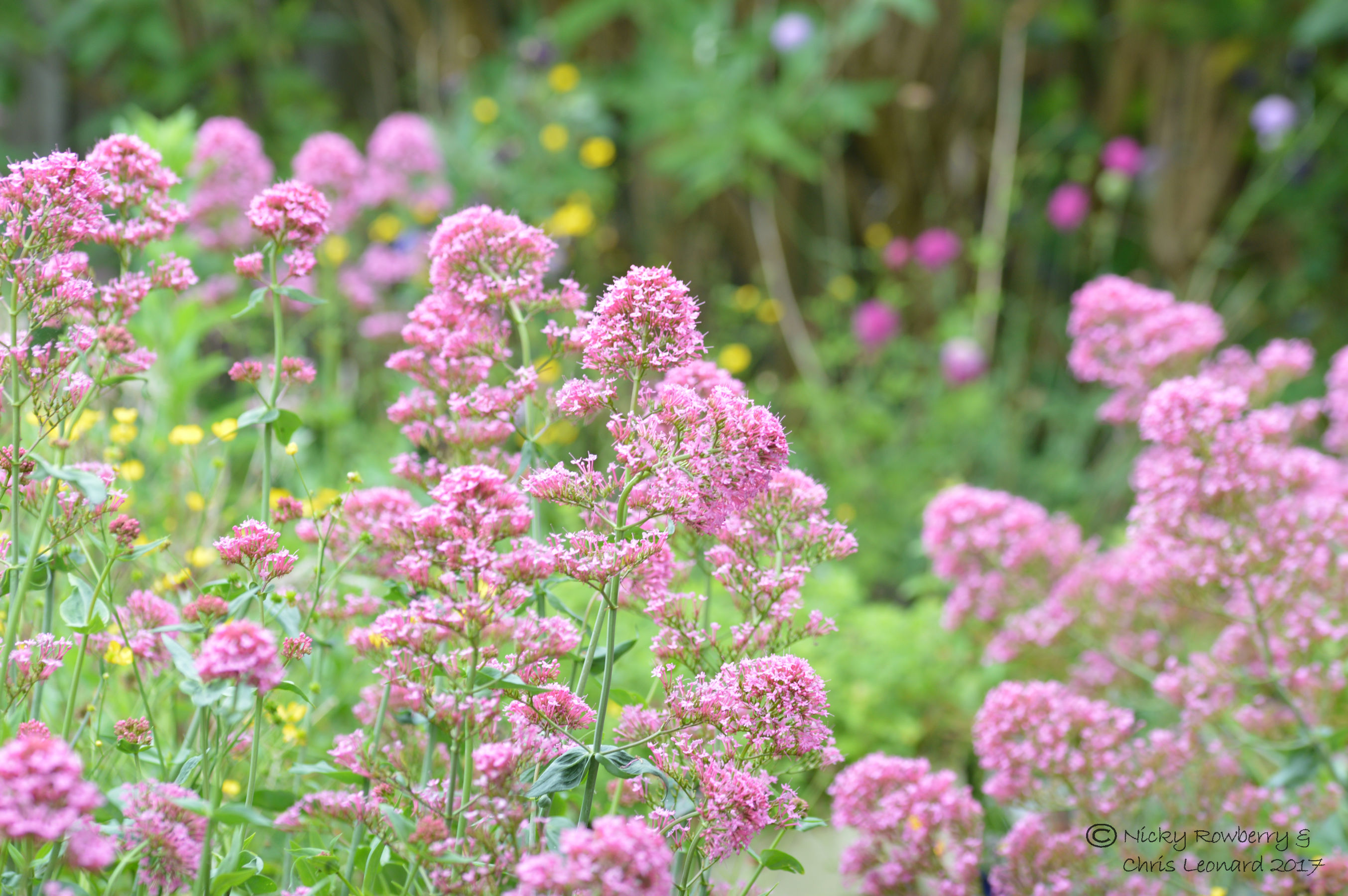
The dominant flower/weed in the garden at the moment is the Red Valerian. It is popping up everywhere. Fortunately it is not only attractive, but the insects love it. Why pay loads for fancy garden centre plants when you can have this instead?

Lady’s Mantle is another common one – I love the way the rain forms shiny beads on its surface, which gradually roll down and collect at the centre.

The pond has a lot of Creeping Jenny around it. It’s a low growing plant that spreads out horizontally, with cheery yellow flowers.

Even smaller than the creeping jenny is the Scarlet Pimpernel, which tends to grow under other larger plants. Maybe that’s how it gets its name – you have to seek it out in the undergrowth?

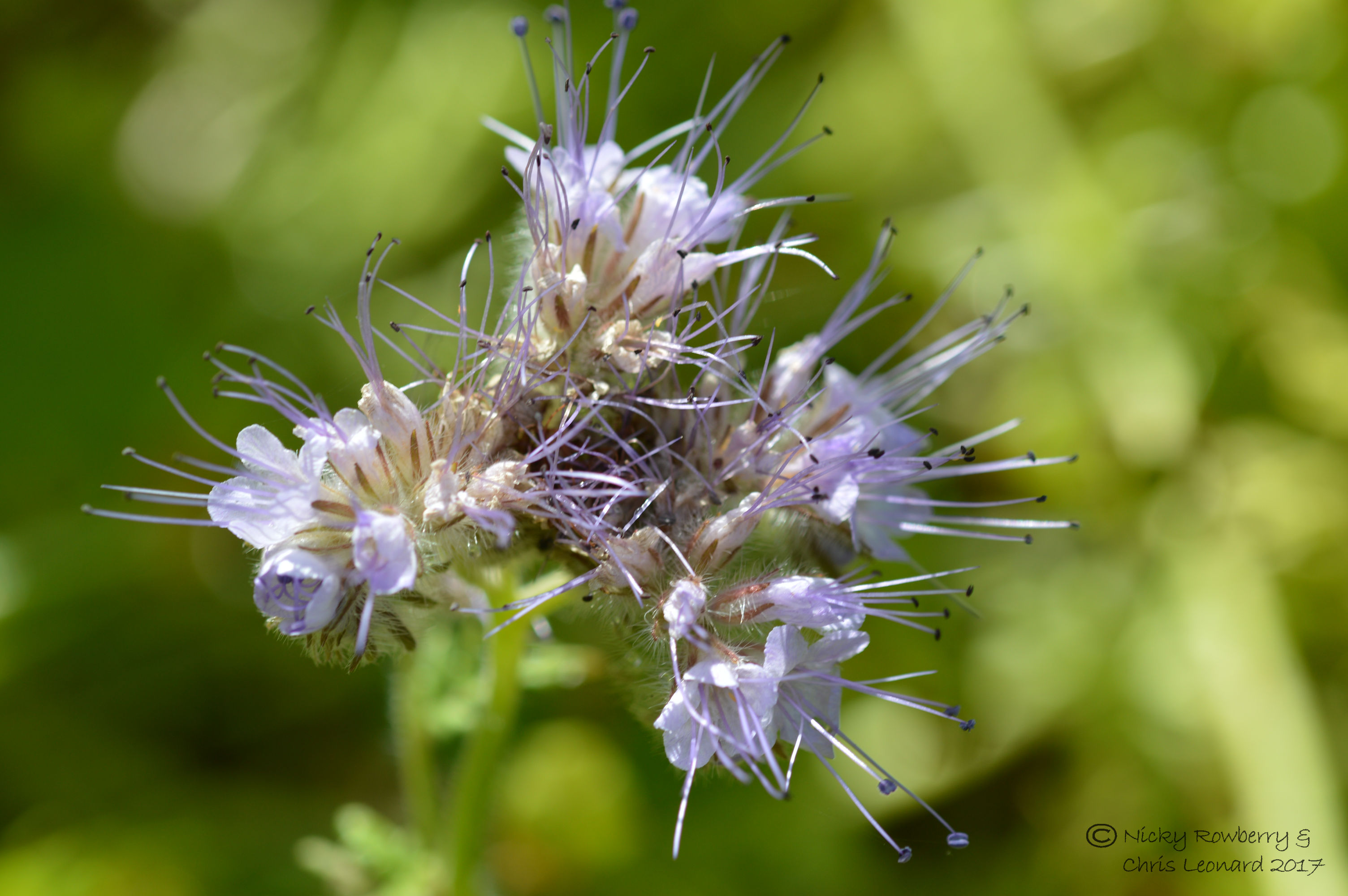
Two more insect attracting flowers are the Bladder Campion and Phacelia .

A childhood favourite and gardener’s nightmare is Cleavers (or sticky willow, goosegrass etc.). The sticky buds are surprisingly pretty when you see them close up.

Not only are we still taking photos as the day progresses, but I’m still ploughing through the ID on the ones we’ve already taken. So tomorrow’s blog post will hopefully have photos of some of the birds, insects and other animals we’ve managed to find in the 24 hours. Also we should have more of an idea of the total number of species this year. In the meantime here’s at least one mini beast – an often forgotten crustacean from under some of our plant pots – the humble woodlouse.

We can’t count Bert, our elder statesman of a cat, as part of the bioblitz, but he did spend quite a bit of time watching me poke around the garden. Don’t think he really approved of so much activity on a Saturday morning judging by his expression though!

30 Days Wild – Day 2 – Teeming Down by the Teme

It’s Day 2 of 30 Days Wild and slightly bizarrely I found myself sitting under a bandstand! As I drove home from work today, I was debating what to do for my wild fix. It had been a grey day up on the hill and Titterstone summit had been shrouded in mist for most of it. As I reached Tenbury and drove across the bridge, the sun came out and everything seemed to sparkle, so I decided to go for a walk by the river.

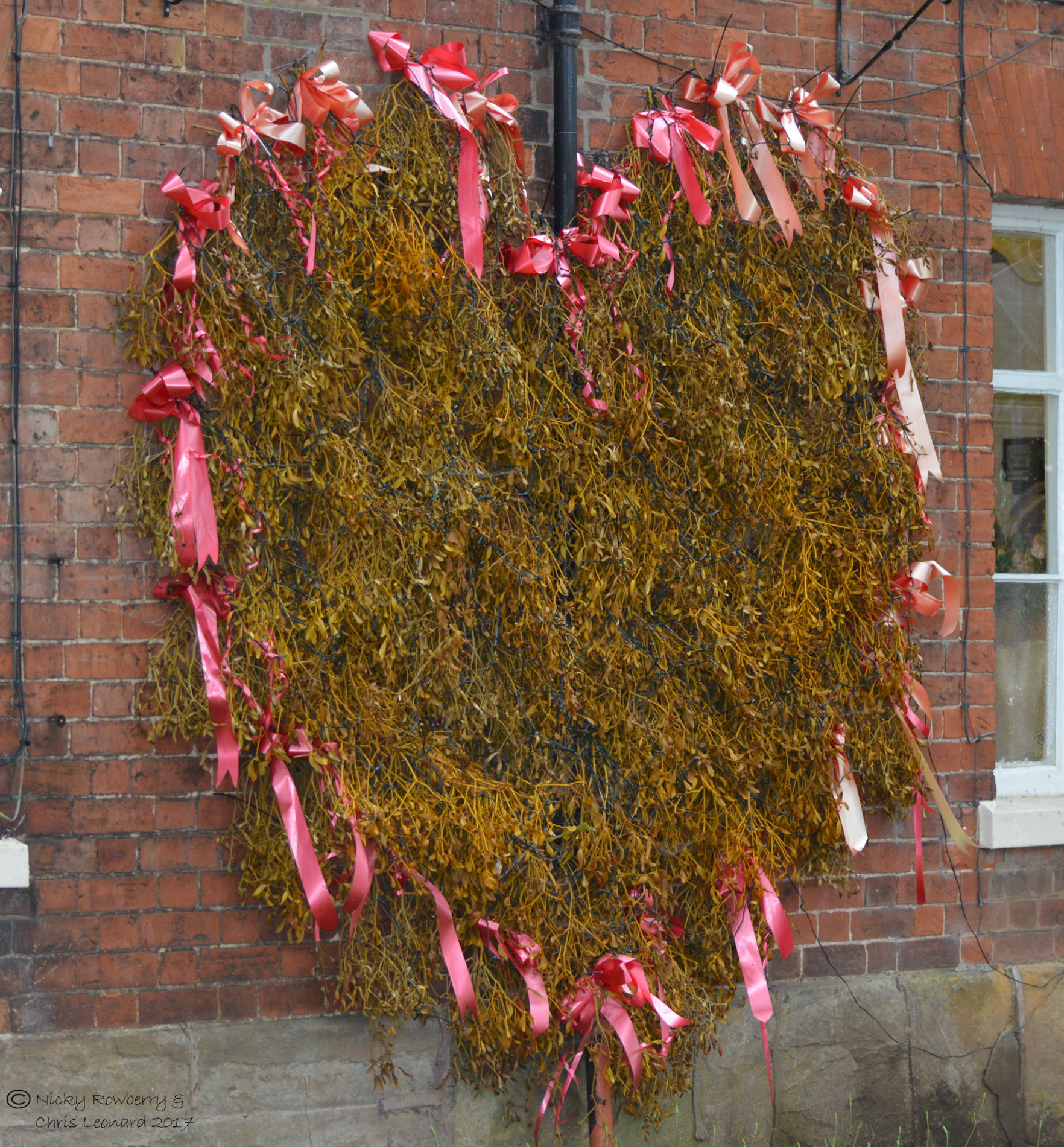
Tenbury is famous for its mistletoe fairs at Christmas time. I wasn’t expecting to see any in June, so was surprised to find a large heart shaped display of it on a wall. At first I thought it was dried seaweed (too many years as a marine biologist have clearly left their mark), which would have been a bit incongruous this far inland. The mistletoe had obviously been there a long time – perhaps some left over display from Valentine’s Day. Mistletoe is after all the kissing plant.

Tenbury sits on the south bank of the River Teme. On the north side you are in Shropshire, but as you cross the river you enter Worcestershire – there’s even a sign on the bridge so you can stand astride the two counties, should you so wish! There’s a big new supermarket by the river, so I parked up and went for a stroll.


The river is only small and wends its way lazily through the town.

It is flanked either side by lots of trees and the whole area was full of birds and insects. I don’t tend to think of sparrows as being riverside birds, but they were there in abundance. I watched them perch on branches over the water then dart up in the air, catch an insect and return back to the bushes. A wagtail was doing the same, but slightly more elegantly and on the grass park area next to the water.

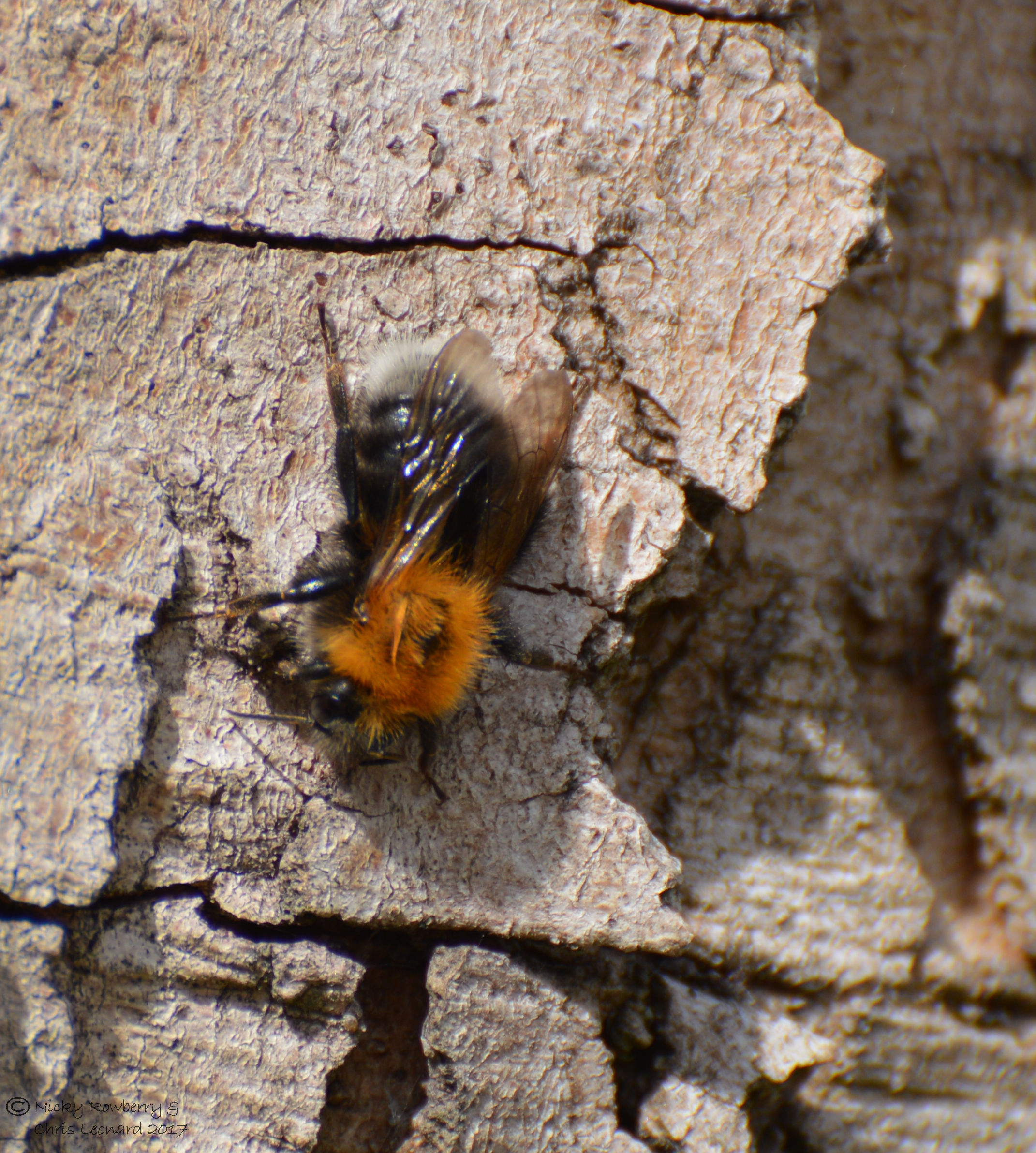
The big trees lining the water must make for a splendid habitat for lots of species. I found a large Tree Bumblebee sitting appropriately on one of them.

On another tree someone had put up bat and bird boxes.

There was a lot of cheeping noises in the trees and I found a family of blue tits, with a young one still being fed by the adults. Although I could see them, they were unfortunately hidden by too much foliage to get a decent photo.

The pathway I was on opened up into a large park area, with lots of beautiful mature trees.

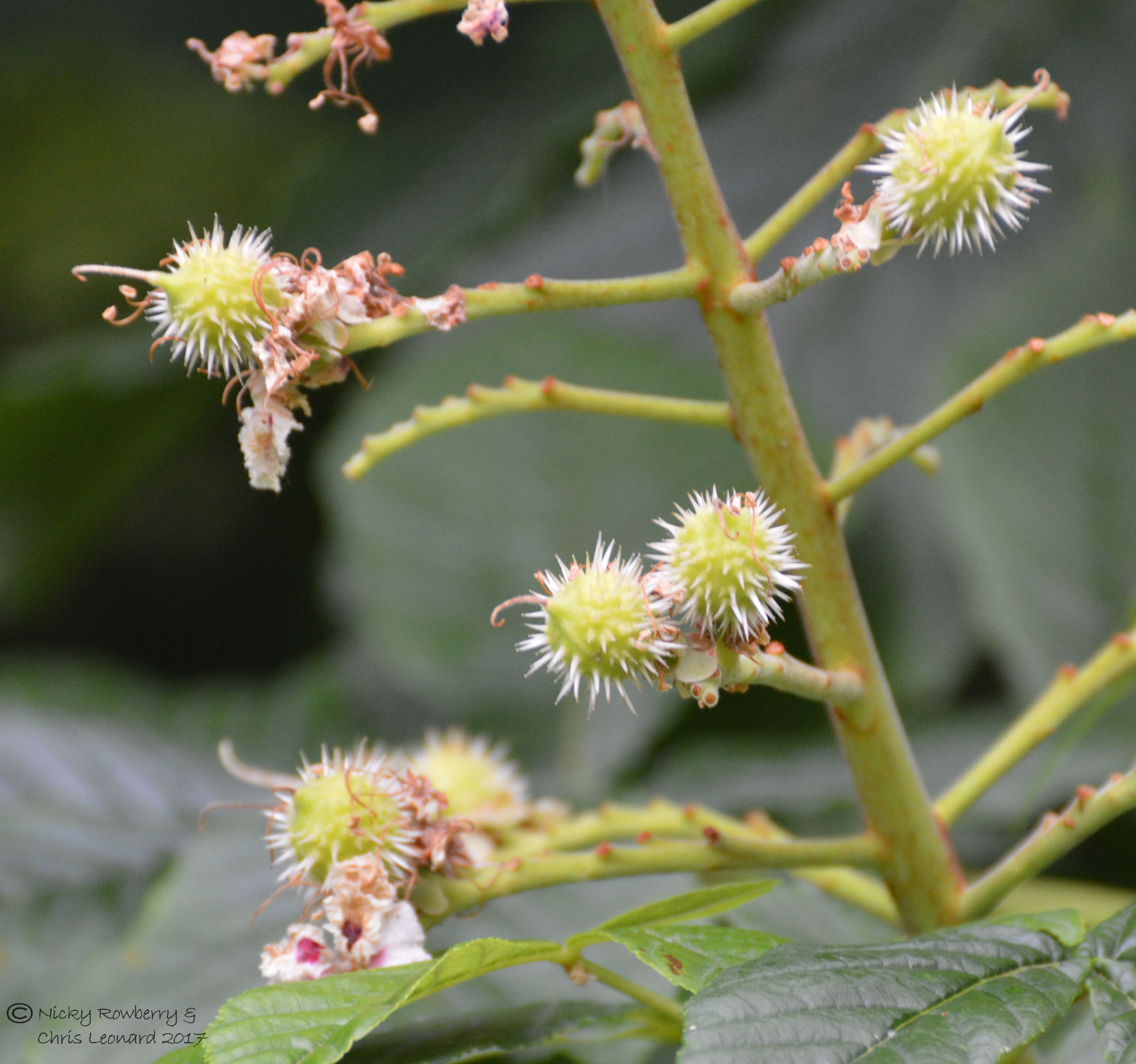
Baby chestnuts were forming on one of them. I don’t think I’ve ever really looked at a chestnut tree at this time of year; I’m used to seeing the chestnuts fully formed in the autumn, not as babies like these. Funny to see what felt like signs of autumn, when summer was barely beginning!


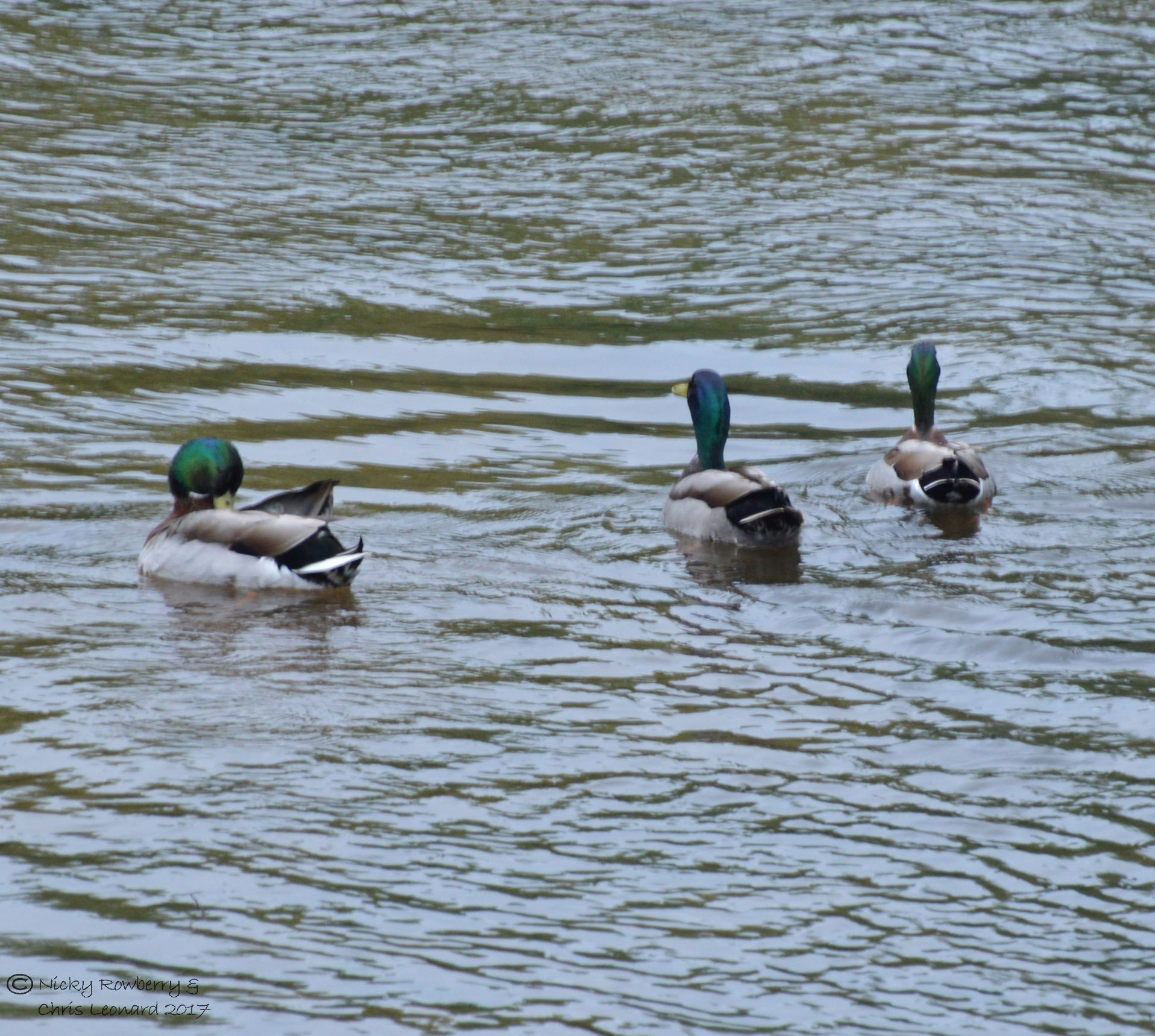
By this time, the sunshine that had tempted me to stop in Tenbury had given way to rain. I quite like walking in the rain by a river and the ducks of course weren’t bothered.

Although the rain wasn’t bothering me, I didn’t really want to get the camera all wet, so sat for a while under a bandstand on the green.

The only other people about were a few dog walkers braving the rain and it was lovely and tranquil sitting there with the sound of the river and the rain. I don’t normally give much thought to nationality; but it occurred to me that you couldn’t get much more English than sitting out in a bandstand in the summer rain watching people walk their dogs across a village green!

I’m not sure if this would count as “wild”, but it was the most peaceful few minutes I’ve spent in a while.

30 Days Wild – Day 1 – Titterstone Clee

It’s Day 1 of 30 Days Wild and I can’t believe it’s been a whole year since the last one! A lot has changed for me in the last year, so it will be interesting to see how things compare and how much “wildness” I can now fit into my life. I’m hoping to try lots of new activities/places and not repeat any of those wild things I did last year – not that I didn’t enjoy it all, but it will be nice to explore some new ideas.

The main change for me this year is my job; I now have the pleasure of working for the British Hedgehog Preservation Society two days a week, up on Clee Hill in Shropshire.  Working just 2 days a week, should mean it will be relatively easy to fit something wild into the remaining 5 days. But the 2 working days are longer than I’m used to and with travelling time, I may have to get creative to fit something wild in – but then that is sort of what the 30 Days Challenge is all about.

As luck would have it the first 2 days of June are days I work. So for Day 1 I thought I would explore my work environment a bit after I’d finished for the day.  I work part way up Titterstone Clee Hill, the third highest hill in Shropshire. This morning the hill was shrouded in mist and the summit was barely visible.

But by 5pm, when I finished work, the sun was shining and it was an altogether different view.

I headed up the hill (I must admit by car, or I’d never have got home for dinner!) as far as I could and surveyed the view, which is absolutely stunning. The Clee Hills are part of the Shropshire Area of Outstanding Natural Beauty and from up there I could see why. You can see for absolutely miles. On a good day you can apparently see as far as Snowdonia, the Brecon Beacons, the Malverns, Cotswolds and even the Peak District if you’re really lucky. It was a bit hazy for that, but I could still see for miles and miles!

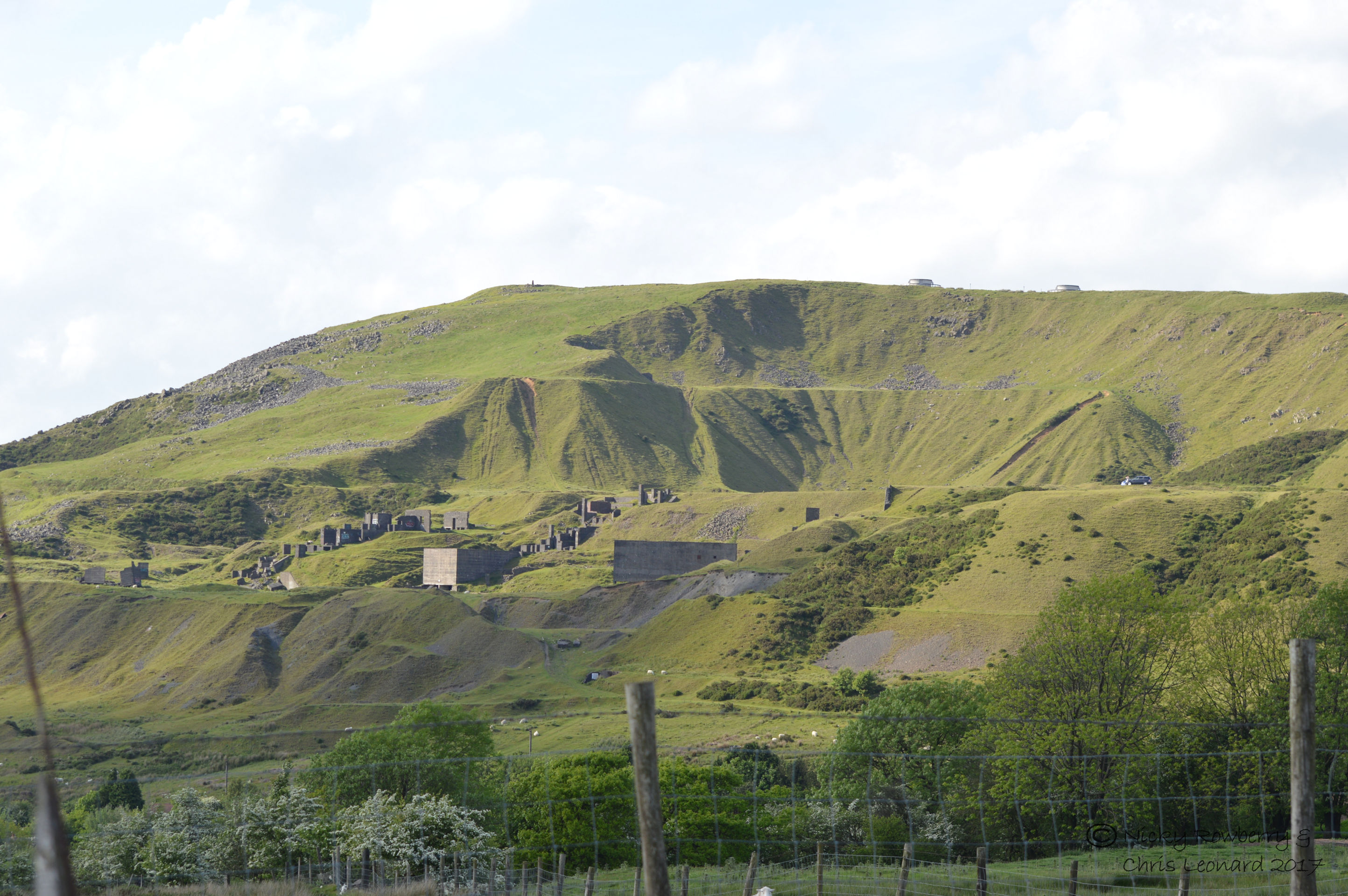
Titterstone Clee has been extensively quarried and the scars on the landscape are very much evident as are the ruins of the buildings.

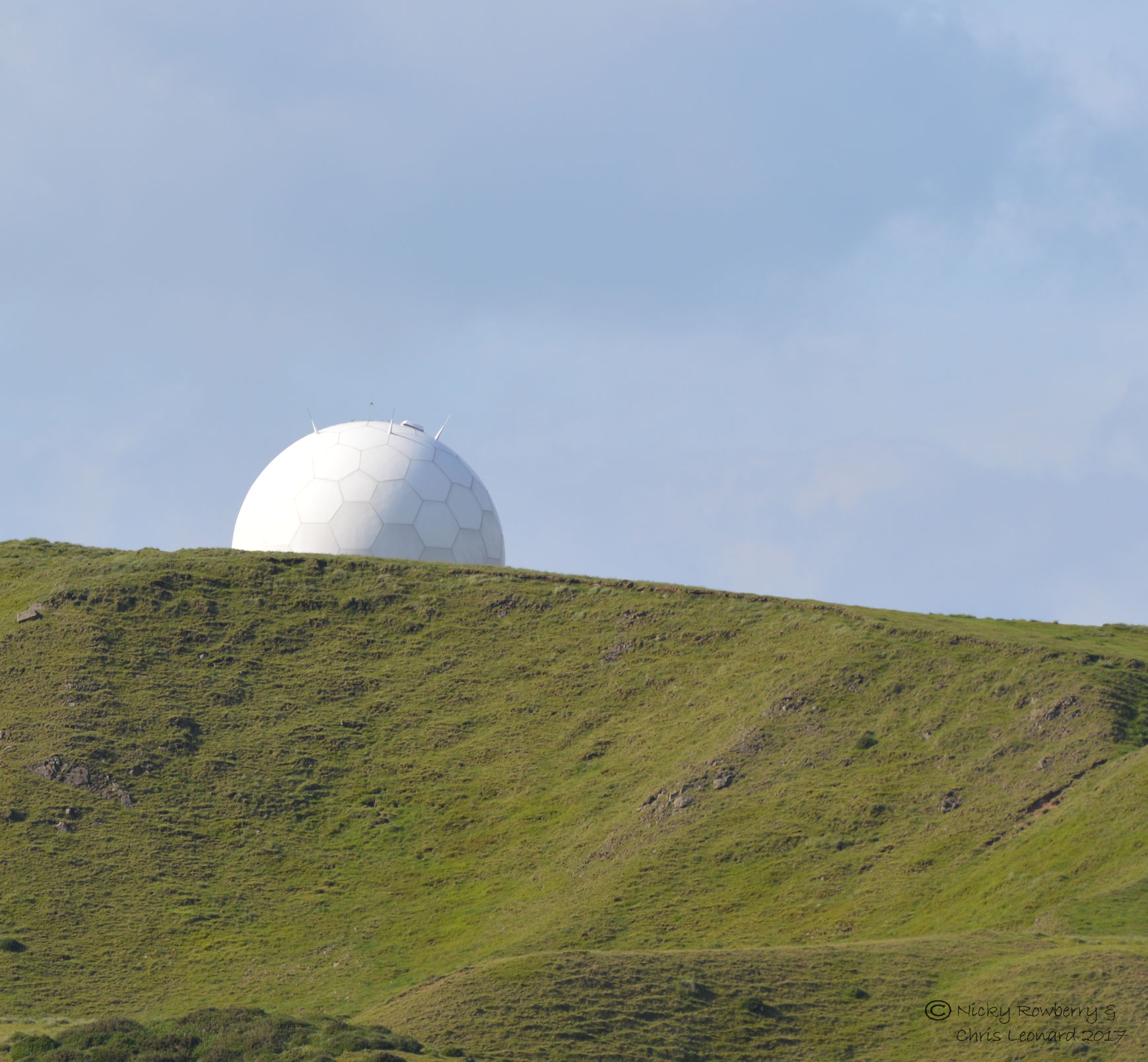
More modern usage include this radar dome which is visible for miles around.

The weather up on the hill can change very quickly and even while I was there it went from bright sunshine to overcast and moody and back again in a very short time.

I did walk around the upper area of the hill to see what wildlife I could spot. I saw lots of birds, but none would come close enough to let me get a photo. Last week I heard a cuckoo as I parked at the office and we could hear it during the day when the windows were open. Lovely to be working in a place where you can hear cuckoos! No sign of it this evening though. There were several swifts swooping around and some kind of bird of prey in the distance. The closest I got to anything though was the sheep in the road on the way back down. They stared at me as much as I stared at them (maybe they’re doing their own version of 30 days wild?)

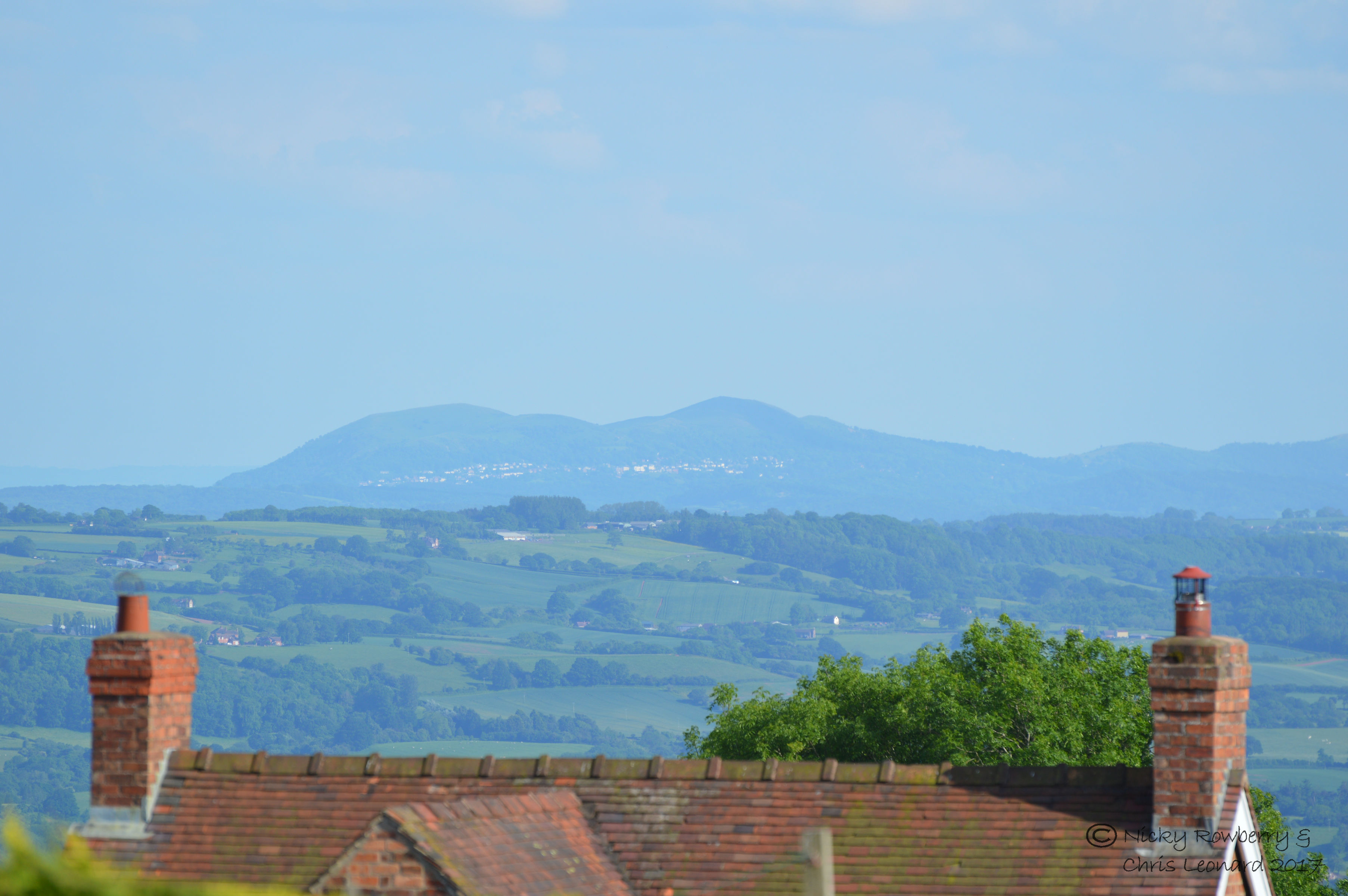
From the village of Clee Hill you can see all the way back to Malvern – the view today was all mist blue and reminded me a bit of the distant views of the Lonely Mountain in the hobbit.

The drive back to Malvern from Clee Hill takes about an hour. It is a lovely cross country route, taking in the little market towns of Tenbury Wells and Bromyard. Maybe I can work some exploration of these into my 30 Days Wild?  I actually really enjoy my commute, it’s not exactly a rat race. Already in the few weeks I’ve been doing this, I’ve seen a stoat carrying something across the road and had to jam on the brakes to avoid a deer that jumped out in front of me!

So that’s Day 1 of 30 Days Wild – a beautiful evening stroll around Clee Hill. Not a bad end to the working day!


Big Lazy Review of the Year

Can’t believe 2016 is all but over. It’s been an awful year in many respects (depressing national and international voting outcomes, various terrorist atrocities, plus the loss of some truly great people), but our garden has provided welcome relief throughout. We may live in the middle of Malvern, but the garden is quiet and peaceful and the wildlife never fails to cheer me up. So here’s a bit of a round up of some of the highlights from 2016.

The year began with one of the many “citizen science” projects we try to participate in – the Big Garden Bird Survey. Throughout the year we also took part in the Big Butterfly Count, the Garden Bioblitz, the Garden Moth Scheme and Moth night as well as submitting assorted records for bees, ladybirds, dragonflies and even a glow worm.

30DAYSWILD_ID1 blackThe biggest project was taking part in the Wildlife Trusts 30 Days Wild Challenge. This ran throughout June and I managed to blog about something “wild” we’d done each of the 30 days. I was really chuffed when the blog made it to the final short list for the 30 Days Wild Blogger Awards. We didn’t win, but that didn’t matter as I had such fun doing it.


Scarlet TigerMoths were, as always, a big part of my year. The trap was out once a week throughout the summer for the Garden Moth Scheme. In the end we recorded 211 species in the garden – a new record total, which included many firsts for our garden. All beautiful, but none more so than this Tiger.

One of my resolutions from last year was to see more butterfly species. We may not be able to attract any more species to our garden, but when we were Out & About we managed to bag 10 more species – way more than I’d hoped for. This takes our lifetime tally to 38 – only about 20 more UK species to go! Every one was a delight, but ultimately you can’t beat the Purple Emperor!

ivy-bee-7Last year we recorded 12 species of bee in the garden, which I’d thought was pretty good. This year we made it to 25! There may even have been more, but some require microscopic identification and as I don’t want to kill any, that was out. The final bee of the year was this Ivy Bee – new to Britain this species is gradually spreading north, so we were really excited to find it in our garden.

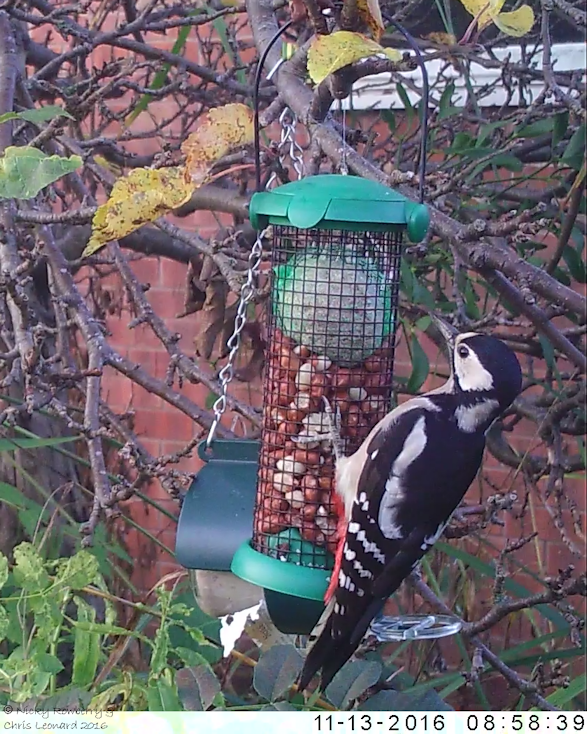
woodpecker-2One major innovation for the garden was our Trail Camera. Wish I’d bought one of these years ago as they are brilliant! We’ve been able to watch blue tits using the nest box, catch the squirrel stealing the bird food outside and mice stealing it in the garage, as well as watching the birds themselves feeding up close. We discovered we’d got Siskins and a Woodpecker that we’d never seen and followed Stumpy the magpie.


hedgehog-fredOne particular joy from the trail camera has been being able to watch our hedgehogs. We rescued 2 baby hedgehogs one boiling hot day in July, who were then cared for by our local hedgehog rescue lady. One of them (Fred) was returned to us and we watched him trundle around our garden with another older hog. We’ve now got 2 hedgehog houses and have learnt a lot about their behaviour from watching the video footage. Fingers crossed Fred and his friend survive the winter.

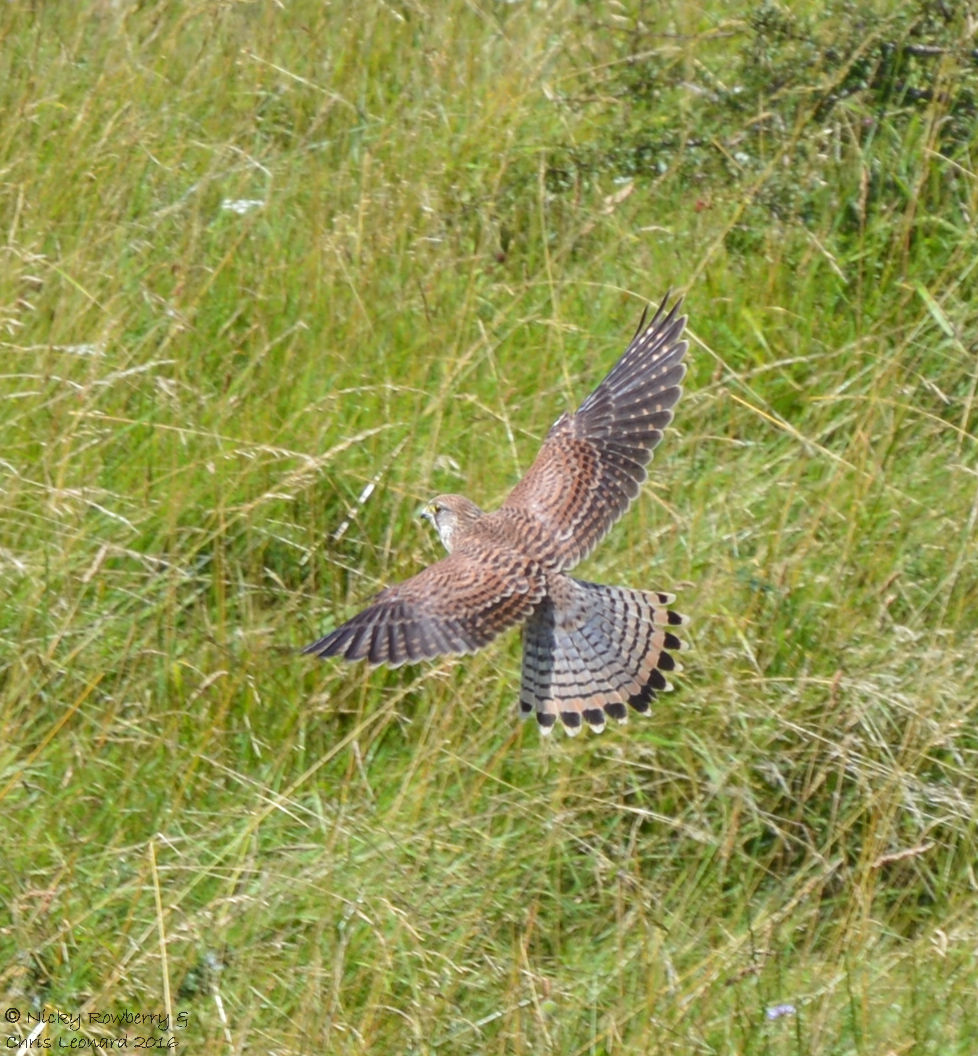
KestrelAs well as watching the wildlife in our garden, we were out and about quite a bit in the summer. We are lucky here to have so many wonderful nature reserves within easy distance. As well as the various new butterflies, we’ve seen slow worms and glow worms (the latter only as a larva unfortunately), kestrels, deer, puffins (admittedly we did have to go a bit further for these) and of course some beautiful countryside.

2016-12-31-14_39_48_315Last year I set out some wildlife resolutions and surprisingly we’ve actually managed to achieve some of them (wildlife resolutions are clearly much easier to follow than the ones about losing weight or cutting back on the Prosecco!) We did see more butterfly species, I did have a go at beetle trapping (not a huge success, but at least I tried), we did replace some of the naturally thriving weeds with specific butterfly/bee loving wildflowers. I even managed to identify the bats that come to the garden in the summer (Pipistrelles) thanks to another new toy, my bat detector.

We didn’t however manage to dig a new pond and the old one is getting increasingly silted up. I also haven’t got round to the new moth tattoo, although I have made some enquiries with various tattooed lorry drivers who come to my work as to where they got theirs done. (much to their bemusement I expect!)

So New Year’s resolutions for 2017?

  • The new pond has to be top of the list, before our frogs and newts give up on us totally.
  • Get video/photos of the blue tits fledging this time (assuming they nest in the garden again). Although we filmed the adults feeding, we somehow managed to miss the babies emerging, so really want to get that this year.
  • Try to bag a few more butterfly species – targets will be Small Pearl Bordered Fritillary, Duke of Burgundy and Grizzled Skipper, but more if we can manage.
  • Try and find Ivy bees at a few more sites. Don’t think there are many records for Herefordshire yet, so hopefully we can head over to my Dad’s and add a few more dots to the map.
  • Start compiling records for hoverflies in our garden – I know we get lots, but we’ve never really had a proper go at identifying them all. I feel a new obsession coming on!
  • 30 Days Wild for 2017.
  • Maybe that tattoo!

Thank you to all the people we met while out and about this year. We met some lovely people who helped us identify birds and butterflies and pointed us in the right direction when we were wandering aimlessly in search of this species or that. Thanks also to our local hedgehog lady Viv who does such an amazing job and let us have Fred back all fattened up and healthy. And thanks to everyone who’s been following the blog and to all the other bloggers that I follow and who are so inspiring. Wishing you all a happy, healthy and wildlife-filled 2017!

30 Days Wild – The Highs and well actually there were no lows!

It’s been a couple of days now since the 30 Days Wild Challenge finished, so I thought I’d have a bit of a look back at all the mini adventures I’ve had over the month. It really was a very inspiring thing to do. Not only was it great doing all the things myself, but it was so nice to read what all the other bloggers were up to and see so many positive posts on Twitter. With so much negativity in the world (particularly towards the end of June with the sad news re the EU vote) 30 Days Wild provided a much needed lift.

Roe DeerSo the month started with a visit to a 3000 year old Yew tree and finished watching wild Roe deer in Scotland. I may not have seen “attack ships on fire off the shoulder of Orion”, but it feels like I’ve seen pretty much everything else. It’s amazing what you can pack into 30 days and how much there is to see and do around Britain.


The finish lineThese are just a few of the things, I’ve been up to over the month. I’ve got up early to listen to the dawn chorus and stayed up late trying to record bats and watch hedgehogs. I did a Garden Bioblitz and participated in National Insect Week.  I’ve raced snails and fished for sticklebacks – reminiscing over a childhood long gone but bringing back many happy memories.

Pair of elephantsI took part in National Moth night and went on a Moth breakfast, as well of course as the usual weekly Garden Moth Scheme nights. We’ve had both elephants and tigers (of the mothy varieties) in the garden and envied Ghosts and Hawks in other peoples traps.


PuffinsI heard my first cuckoo in 30 years and watched Puffins in Scotland. I’ve seen baby ducklings and razorbills and watched buzzards being mobbed by crows. I’ve sat in meadows and by rivers and lakes and we’ve walked along beaches and cliffs full of the most amazing seabirds.


Signal crayfishWe’ve eaten American crayfish and British strawberries. I’ve dined al fresco in meadows, in pubs and in our garden. We’ve been to official nature reserves and roadside verges, gardens, harbours and beaches. Followed (and got lost on) footpaths and tracks, climbed stiles and fences and hopefully not trespassed anywhere we shouldn’t have.

Silver studded BlueThe month has added 2 species of butterfly to our all time list and 3 species of bee to the garden. The garden bioblitz alone recorded 119 species from our Lazy Garden (which meant we came 13th in terms of numbers of species amongst those taking part) and our moth tally for the year is now well over 100 species.


In short, I’ve photographed, videoed, recorded, listened, watched, touched, sniffed and tasted – 30 Days Wild has been a feast for all the senses and I really can’t recommend it enough. Hopefully we can now keep going and continue to go wild through the rest of 2016 and beyond. Thank you to everyone who has been reading the blog over the last month.

30 Days Wild – Day 29

TWT 30 Days Wild_countdown_29

Day 29 of 30 Days Wild and we were down on the beach enjoying the seaside atmosphere. First up a brunch sitting outside at a café that we’ve been going to for about 30 years – think the menu was pretty much the same as it had been all those years ago too, although there was now a Specials board with exotica like Houmous wraps!

StarlingsWe sat outside and were joined by a greedy flock of starlings, who clearly understood café culture. The adults were initiating the young ones into the delights of eating alfresco and watched us keenly to see if we were going to give them anything. They had competition from a couple of seagulls, but thankfully the gulls didn’t actually join us on the chairs like the starlings did.

The view out to sea was the same as I remembered too. Oil supply vessels sitting out at sea, were lined along the horizon.

View

The North-East of Scotland has miles of sandy beaches stretching past Aberdeen up into the sand dunes further north.  We were lucky in that the sun was shining and we had more or less blue skies, with just a bit of a breeze to liven up the waves.

Today was a much more relaxed, lazy day than some of our previous ones and it was really nice just to chill out down at the beach and recharge out batteries.

Ivy leaved toadflax 30 WEEDS

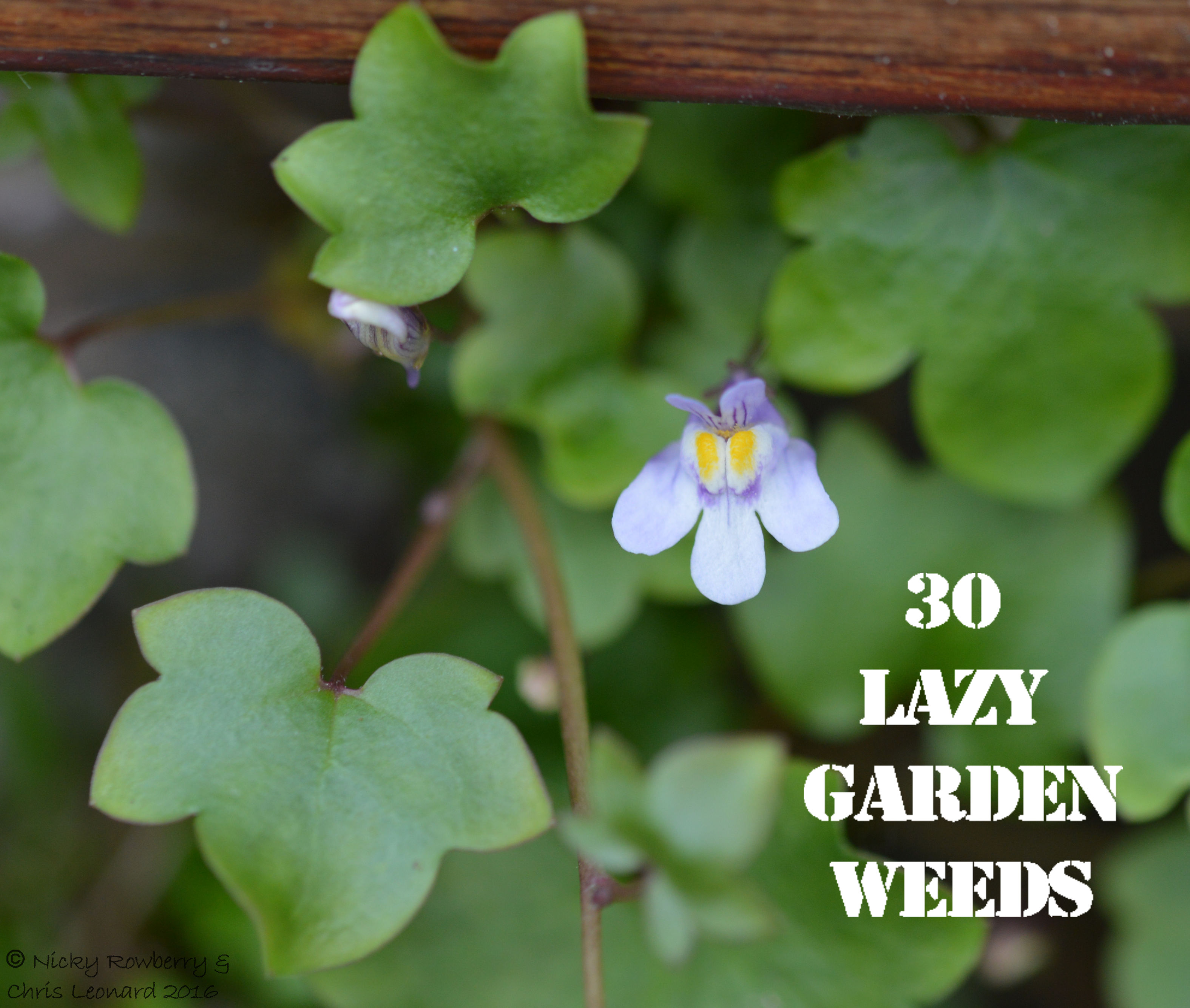
And finally the second last weed in 30 Lazy Garden Weeds – the Ivy Leaved Toadflax. This pretty little flower grows out of our walls at home. For some reason the name Toadflax makes me think of the names of Hobbits in Lord of the Rings, or of some of the rabbits in Watership Down (no idea if the name Toadflax was actually used in either of these of course). The flowers are like little purpley blue snap dragons. They have a clever mechanism whereby they face the sun until they have been fertilised and then they face back to the wall, so that the seeds when they form get embedded in cracks more easily. A clever little plant!