30 Days Wild – Day 26

TWT 30 Days Wild_countdown_26Day 26 of 30 Days Wild and we were driving about quite a bit today, which can restrict the opportunities for nature spotting. But, if you choose the right spots, there’s wildlife to be found all over the place. We stopped at two motorway service stations – deliberately picking ones we knew had some kind of water feature and slightly more environmental credentials. The result was a couple of very pleasant interludes to break up the monotony of driving.

First stop just had a small pond, but it still attracted quite a few birds – mainly ducks. There were also a few of these striking Black Headed Gulls. They were clearly totally used to the crowds of humans around them and let us get quite close up.

The second stop had more of a lake and grasslands surrounding it. Full marks to them as they’d left a large area un-mowed and it was full of butterflies. We saw  three species – Ringlet, Meadow Brown and Small Heath, plus lots of damselflies and bees.

Swallows were flying about over the water and we caught this one having a bit of a rest. There was a nest a few yards away with another one sitting in – perhaps incubating eggs?

There was one majestic swan gliding about – he came really close to us, we could have reached out and touched him, although I suspect he would expect food from us if we had taken such a liberty. We saw him again later from a distance, stretching his wings. I’d forgotten what beautiful birds they are.

Our final species was a new one that required a quick google to identify as a Tufted Duck, although with hindsight he was a duck with a tuft, so perhaps we could have worked that out for ourselves!

So not bad at all for wildlife in the short time it took us to stretch our legs. Just shows that with a bit of effort these motorway services don’t have to be sterile environments. Shame more of them don’t make that effort.

Prickly Sow Thistle 30 WEEDS

And finally the latest weed in my 30 Lazy Garden Weeds – the Prickly Sow Thistle. I can see why it’s called Prickly and I can see that it looks like a Thistle, but I’ve no idea where the Sow bit comes in? They can grow really big – we have a massive one under our apple tree that is about as tall as me (admittedly that is only about 5 foot tall). Their prickles may not endear them to some people, but under our apple tree it is not a problem and they brighten up what would otherwise be quite a dull shady spot in the garden. So they’ve redeemed themselves in my book.

30 Days Wild – Day 21

TWT 30 Days Wild_countdown_21Can’t believe it’s Day 21 of 30 Days Wild already! Not only that, but we’re beyond the longest day of the year so winter is officially on its way! Fortunately it didn’t feel like winter today and I went for a really nice relaxing walk to Melrose Farm Meadows nature reserve. Well I say I went on a walk there, I think I may actually have got lost and been wandering round some random field instead – but it was still very nice.

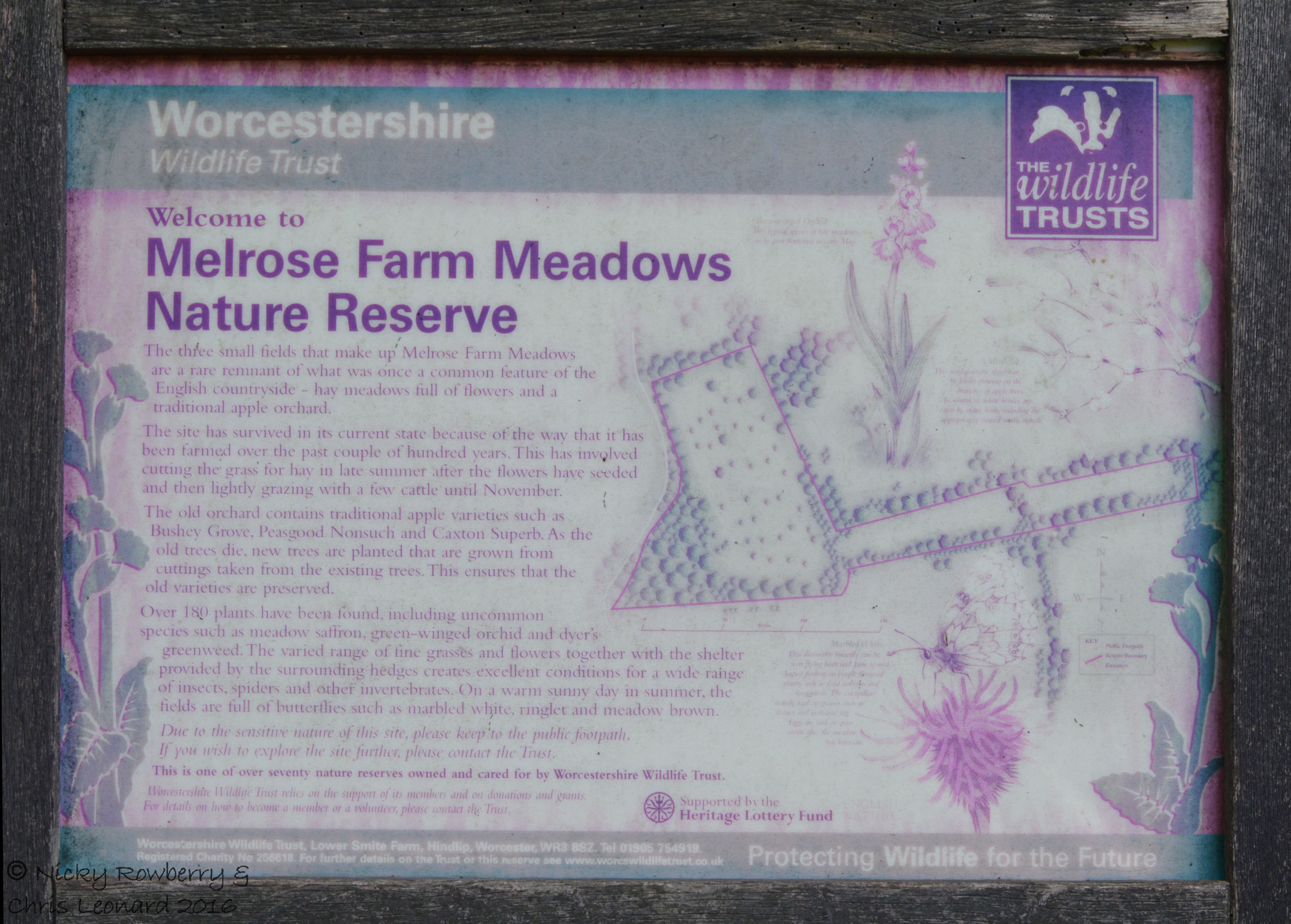
SignMelrose Farm Meadows is a small reserve consisting an old orchard and 2 small meadows. I definitely found the entrance as I saw this sign, but I think I maybe took the wrong footpath as I ended up in a big field with few trees – certainly not an orchard. As you’re supposed to keep to the paths here, I didn’t want to risk straying into the wrong bit, but I do at least think I know where I took the wrong turn, so I’ll hopefully find the orchard next time. Doh!

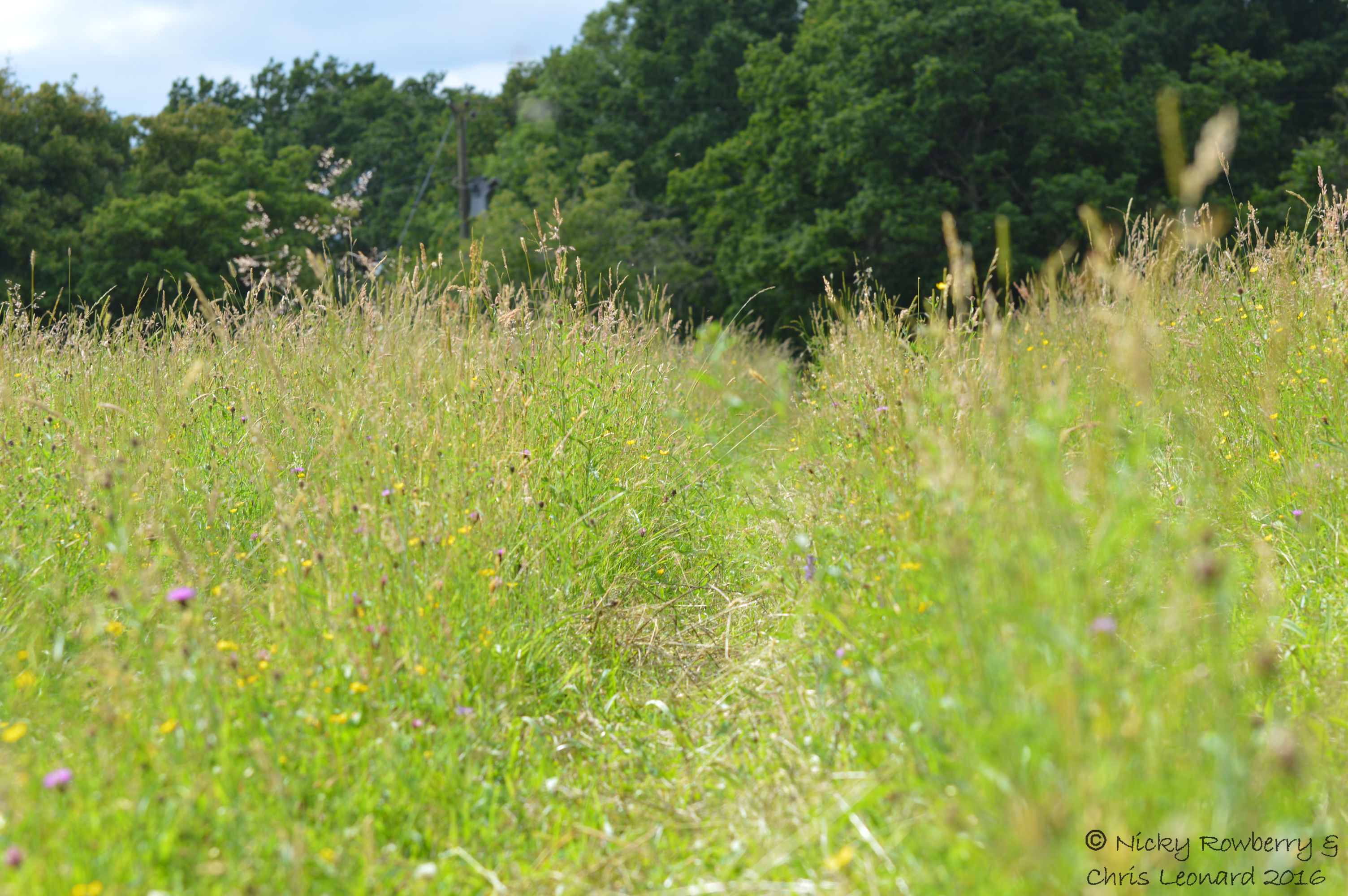
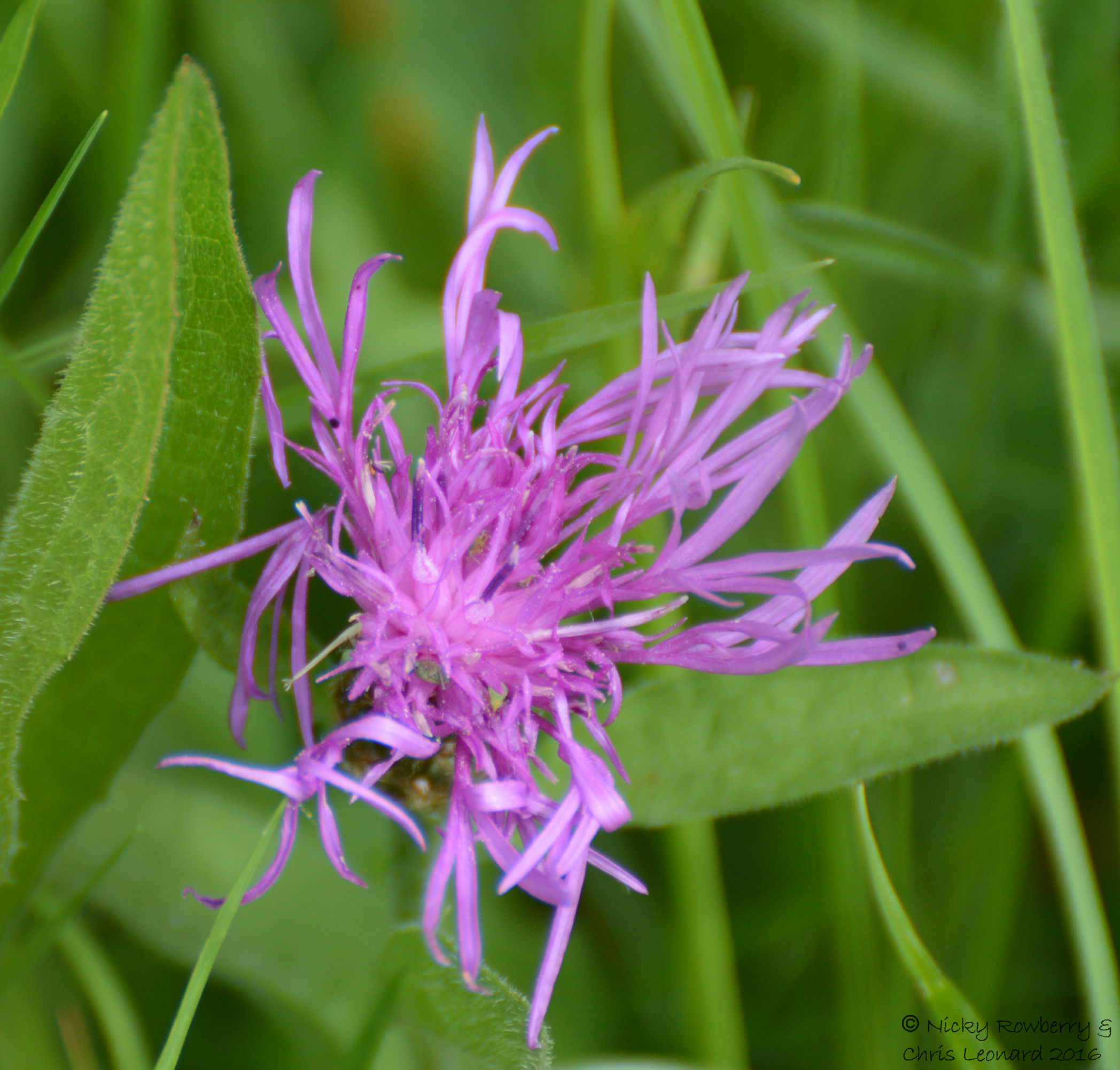
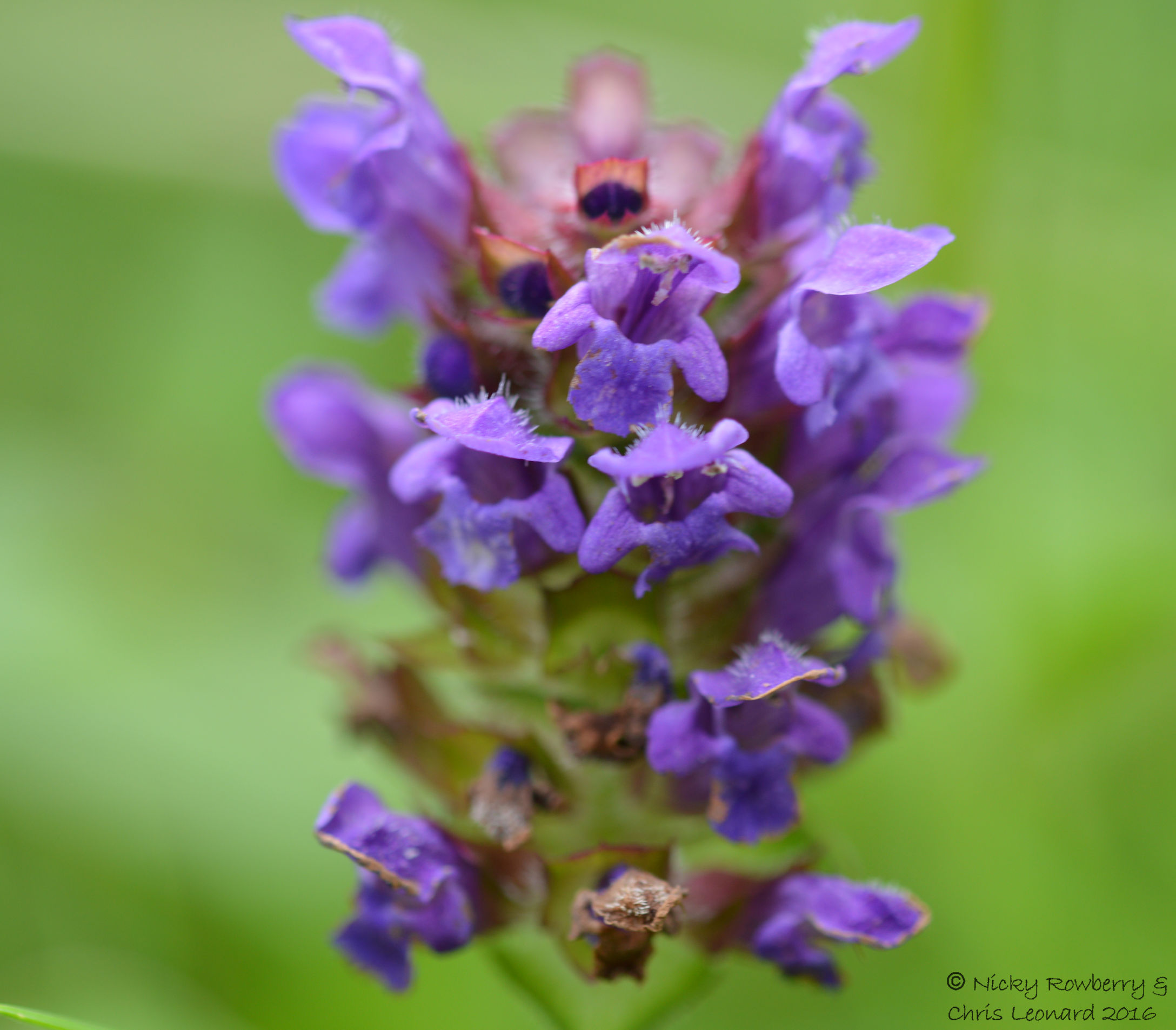
MeadowAnyway, wherever I was, the sun was shining and there were plenty of butterflies, so it was a result in my book! The fields were full of wildflowers which I think included Knapweed, Ragged Robin (although this might have been just a ragged Knapweed), Self Heal, as well of course as the usual buttercups and cow parsley.

Knapweed

Ragged Robin

Self Heal

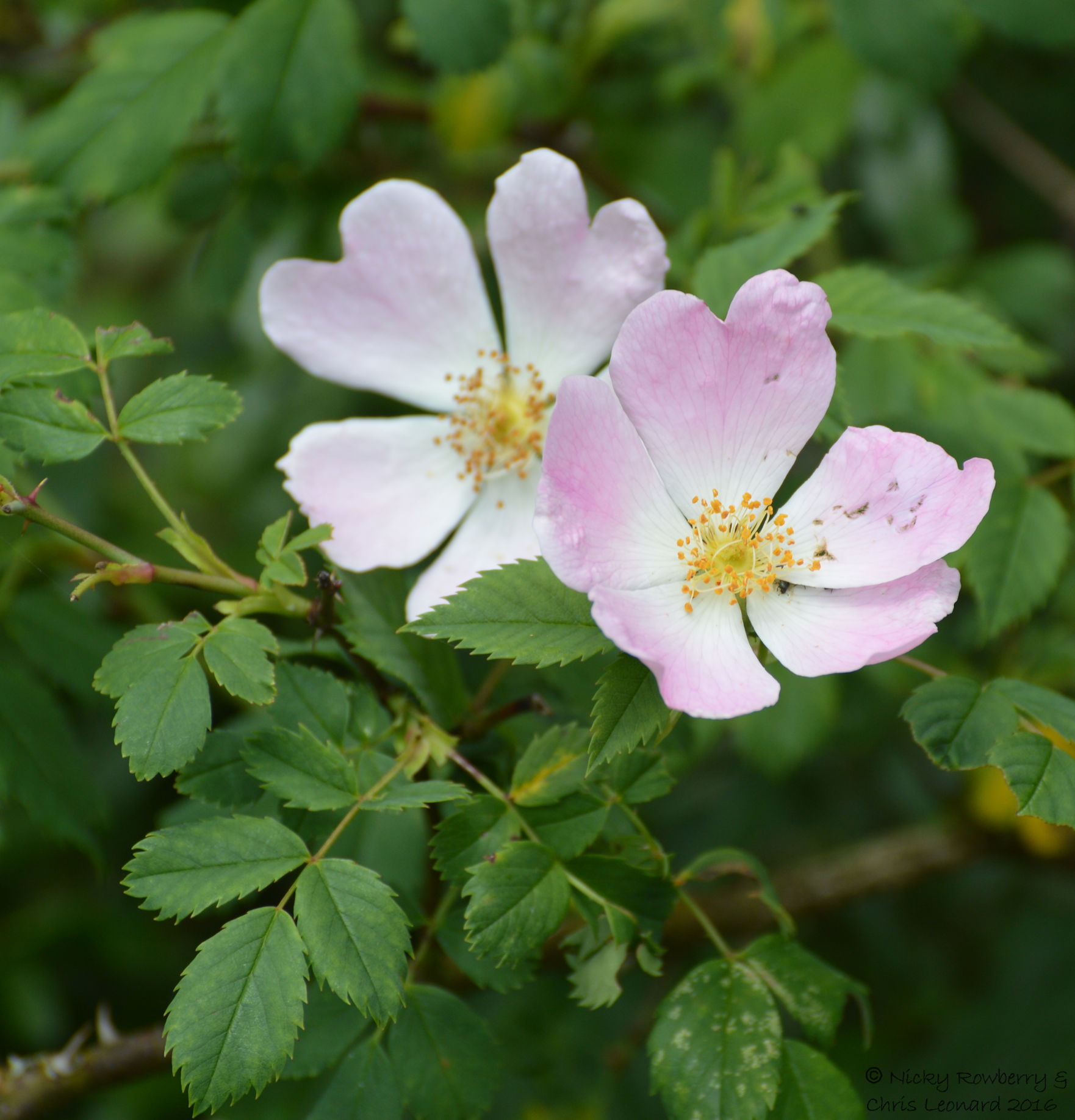
Wild RoseThe hedgerows were full of brambles and wild roses, both of which were attracting large numbers of bees and hoverflies. There was one particularly dense thicket of brambles, that was also covered in butterflies, jostling with the bees for position. I thought at first they were all Meadow Browns, but then I spotted a darker one which turned out to be my first Ringlet of the year. Shame about the thorn from the brambles obscuring part of the butterfly though!

Ringlet

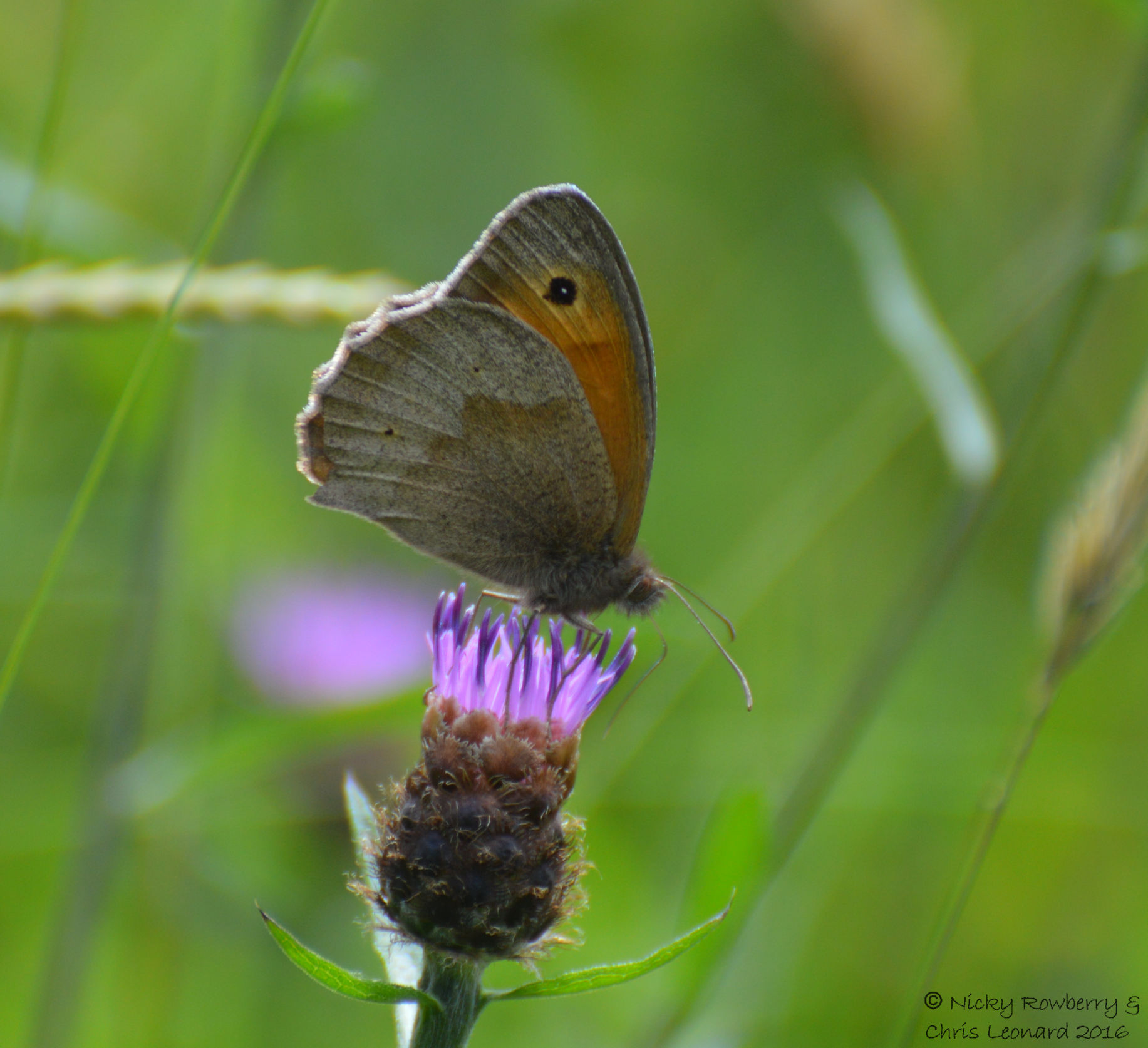
The fields themselves were full of Meadow Browns. At one point with the sun shining, they were floating up and down over the grasses as far as I could see. It was an incredibly peaceful thing to watch and was sort of how I feel meadows should be – bathed in sunlight with butterflies flitting lazily around. It felt like a taste of bygone times.

Meadow Brown

Speckled Woods tended to stick to the hedgerows rather than the open fields and I saw several patrolling the brambles.

Speckled Wood

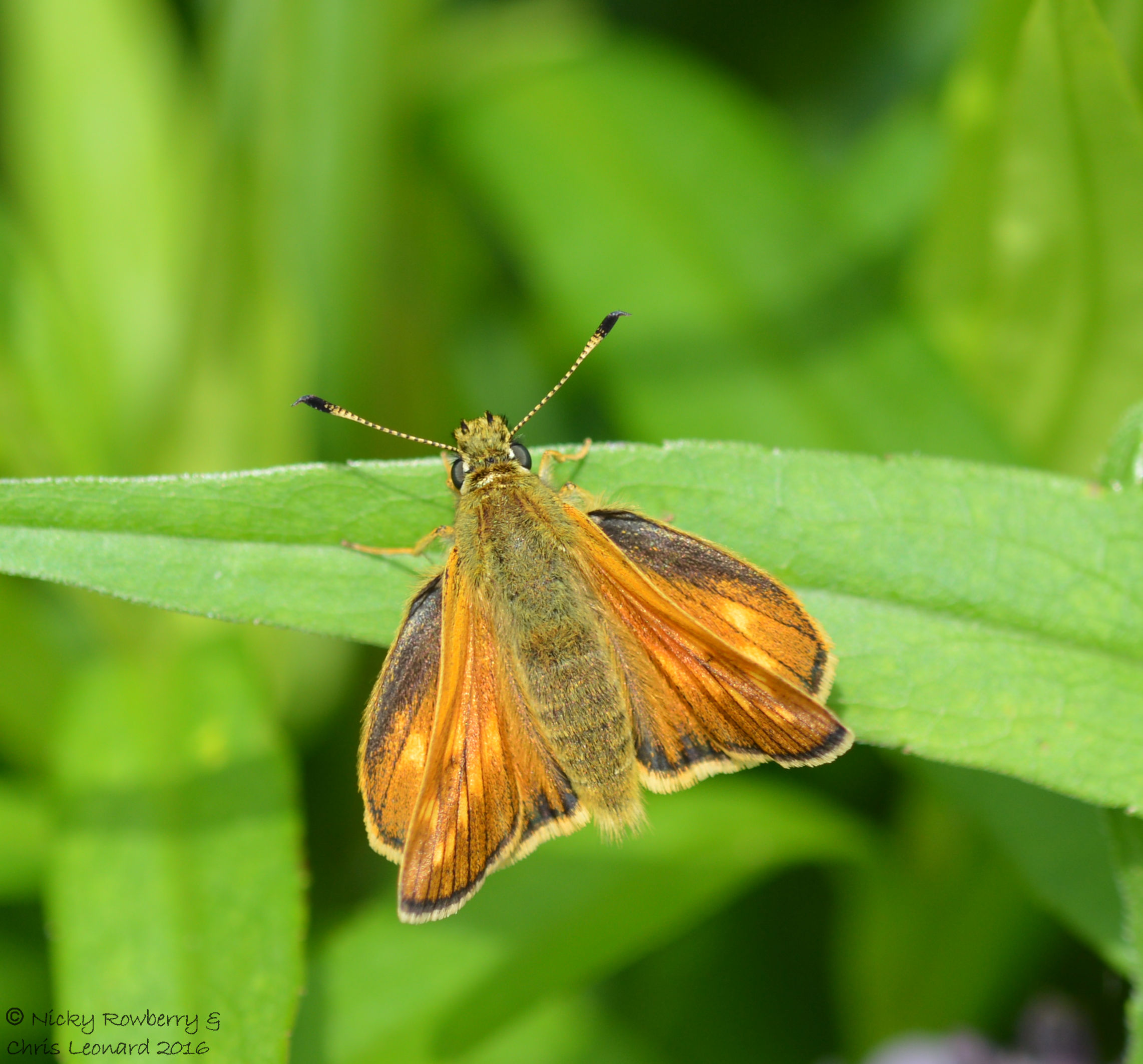
A couple of Large Skipper butterflies were darting around the field too – they have a much faster more erratic flight than the Meadow Browns and were harder to get a photo of.

Large Skipper

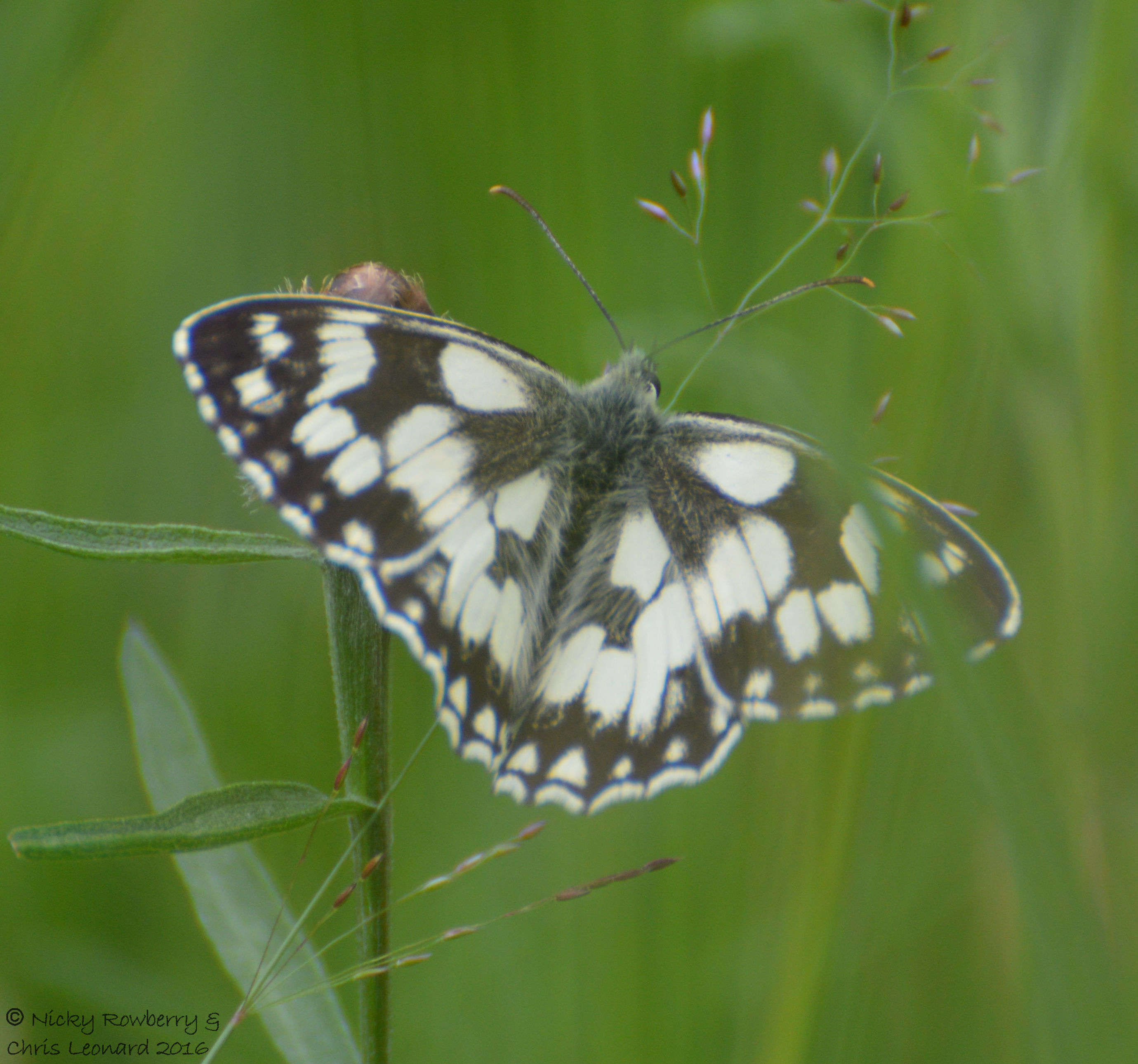
The highlight of the afternoon though was spotting my first Marbled White of the year. As is always the way, I had the wrong camera lens on when it first appeared, then there was grass in the way, then I got greedy and tried to get too close and of course it flew off. So these less than perfect photos were the best I could manage.

Marbled White 2

Marbled White

Marbled Whites have always been one of my favourites. When we first started butterfly watching they were the first species we actively went out looking for. I can still remember how excited we were when we spotted our first one at Knapp & Papermill reserve – at the time I thought we’d never get a decent photo of one. Looking at today’s efforts, it seems nothing much has changed there!

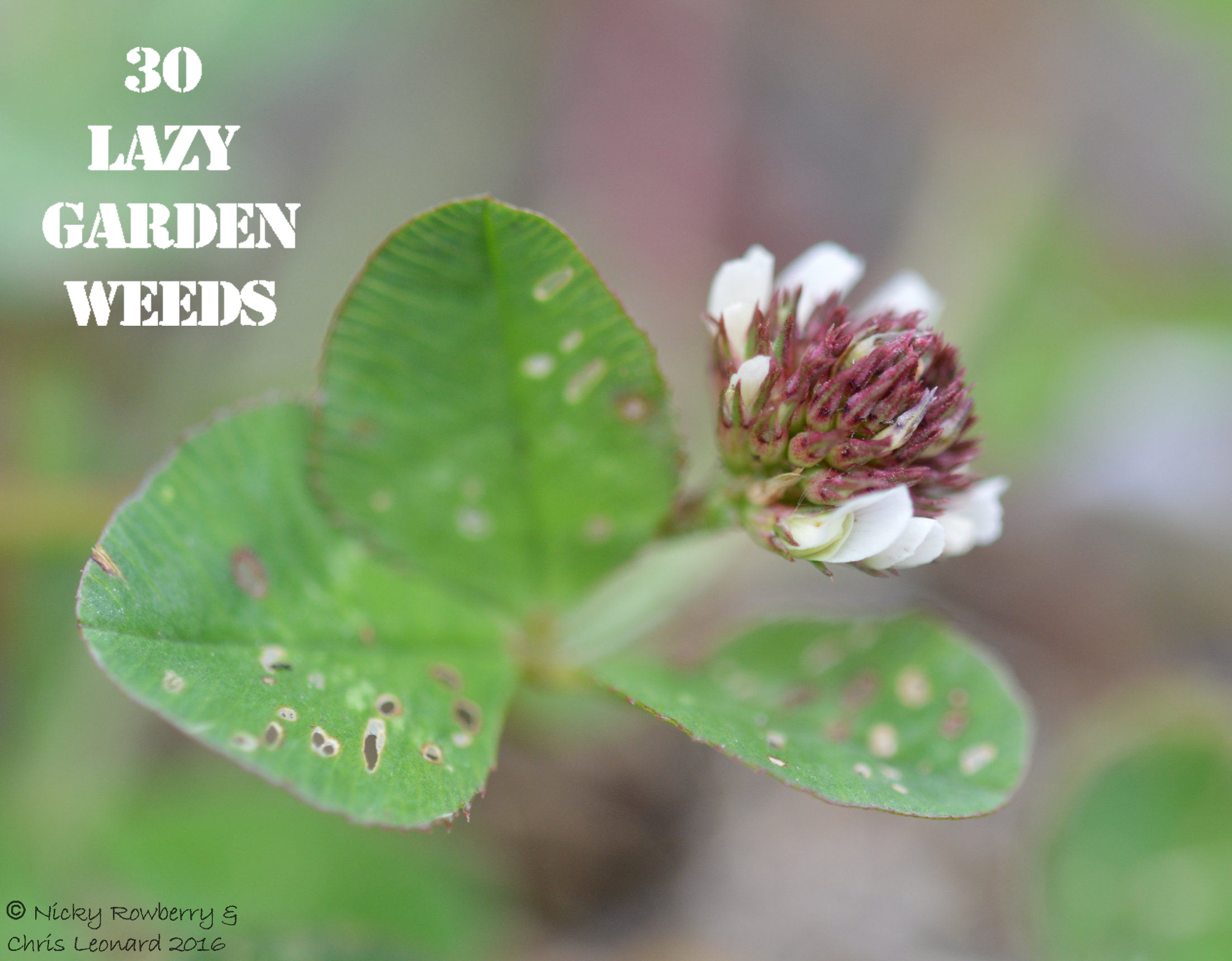
Clover 30 WEEDSAnd finally today’s weed in my 30 Lazy Garden Weeds – is the Clover. If you want a pristine garden lawn then I understand that clover is probably the enemy. But why would you want a pristine lawn when you can have one full of flowers and wildlife. The bees like the clover, so it’s fine by me. Clover is actually very good for the soil – it fixes nitrogen, so is good for green composting. Clovers famously have 3 leaves, unless of course you are lucky enough to find the elusive 4 leaved clover – a real prize when I was a child to find such a thing.

30 Days Wild – Day 19

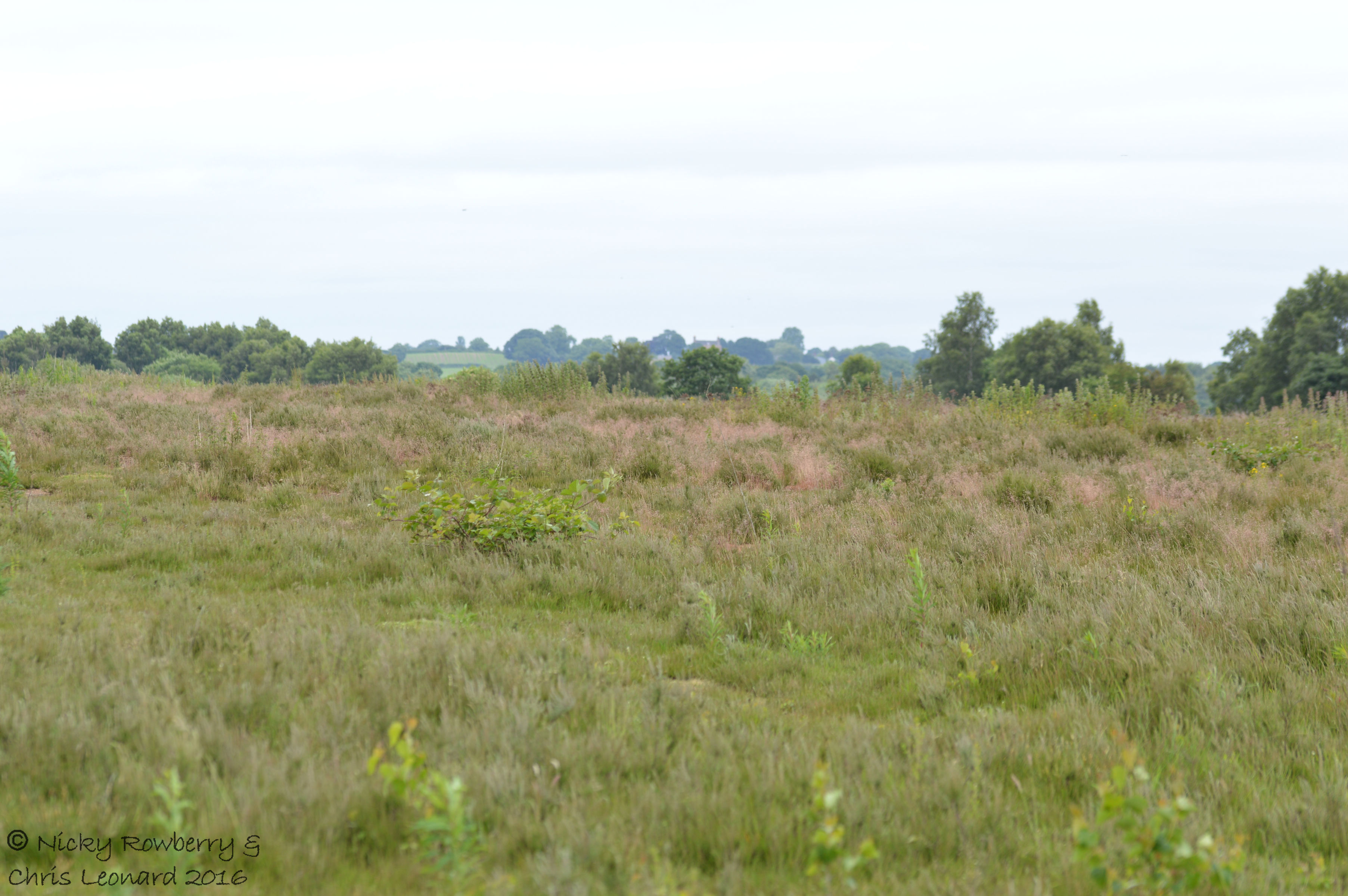
TWT 30 Days Wild_countdown_19It’s very appropriate that the Day 19 graphic on the left here has butterflies, as that is exactly what we went looking for this afternoon – the Silver Studded Blue to be precise.  This is a butterfly neither of us had ever seen before and there is only one place in the West Midlands where you can still find them – Prees Heath in Shropshire.  At first sight it’s not the most promising site, being sandwiched between two A roads, but looks can be deceiving. Butterfly Conservation have been working on it to improve the heathland and grassland for the benefit of the wildlife and it has obviously paid off.

Heath

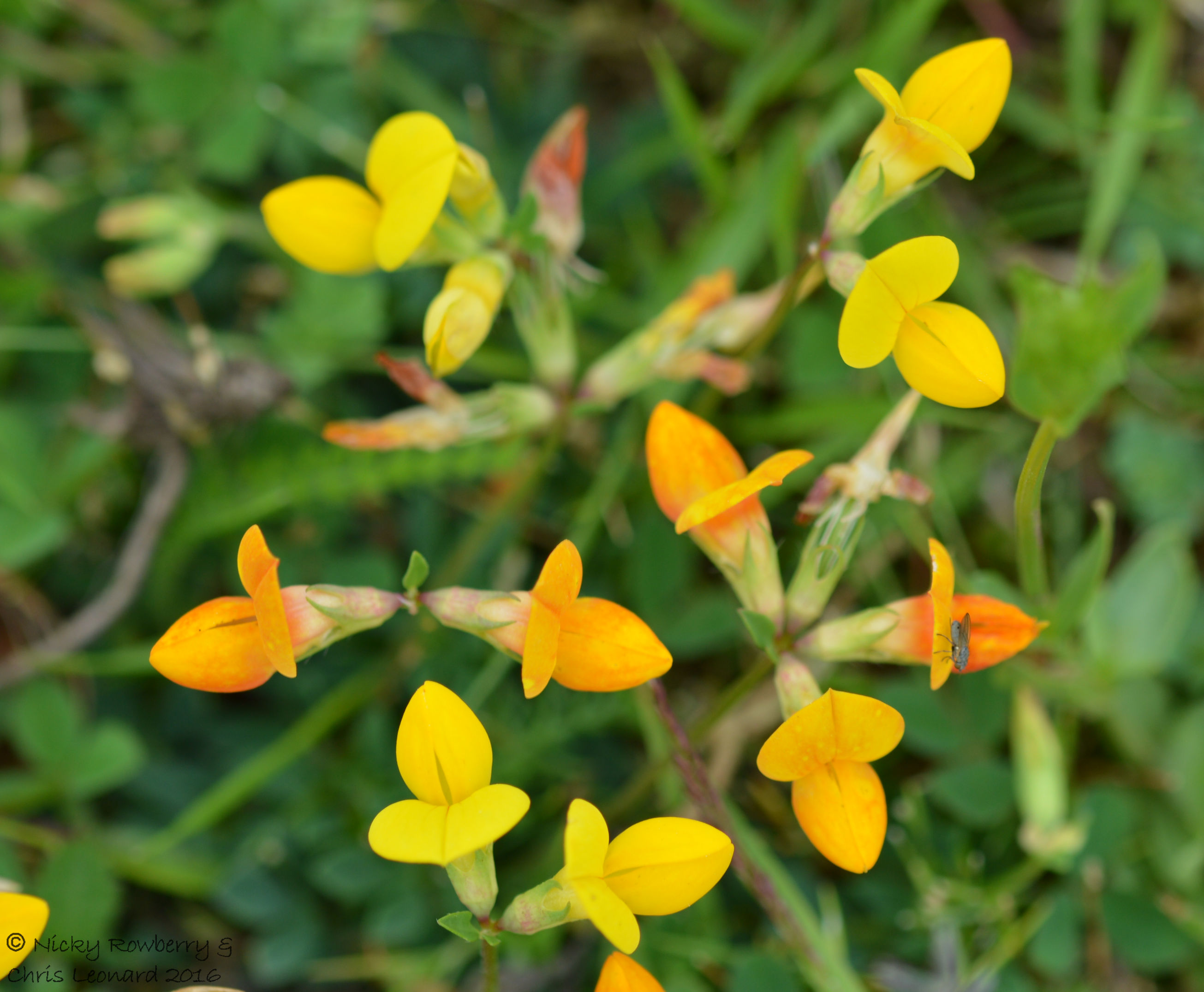
The Silver Studded Blue caterpillars feed mainly on heather and Bird’s Foot Trefoil, both of which we saw in abundance today.

Heather

Birds Foot Trefoil

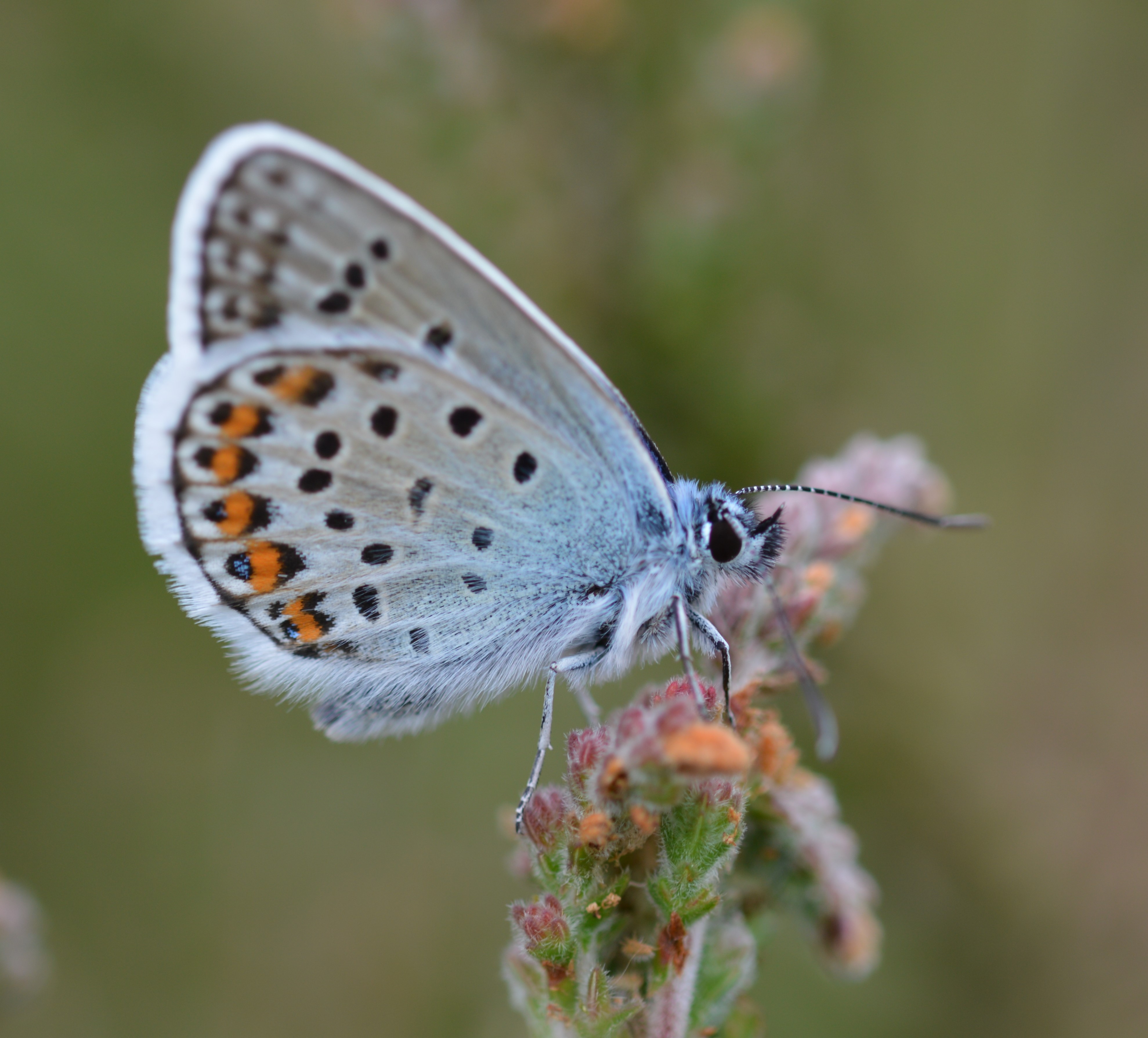
It was a dull and cloudy day, so we were a bit sceptical that we’d see any – so were thrilled when we saw first one and eventually probably a dozen or more of these little beauties. The “silver studs” are actually more of a shiny blue, but they are still absolutely gorgeous little butterflies. Whether it was the dull weather, or just their nature, but the ones we saw were surprisingly docile and let us get really close up for photos.

It was a bit of a windy day and the butterflies were blowing about a bit on their heather stems for photography. I did try to video one – here is a very short clip below.

It took a bit longer to get a photo of one with its wings open, but eventually one obliged.

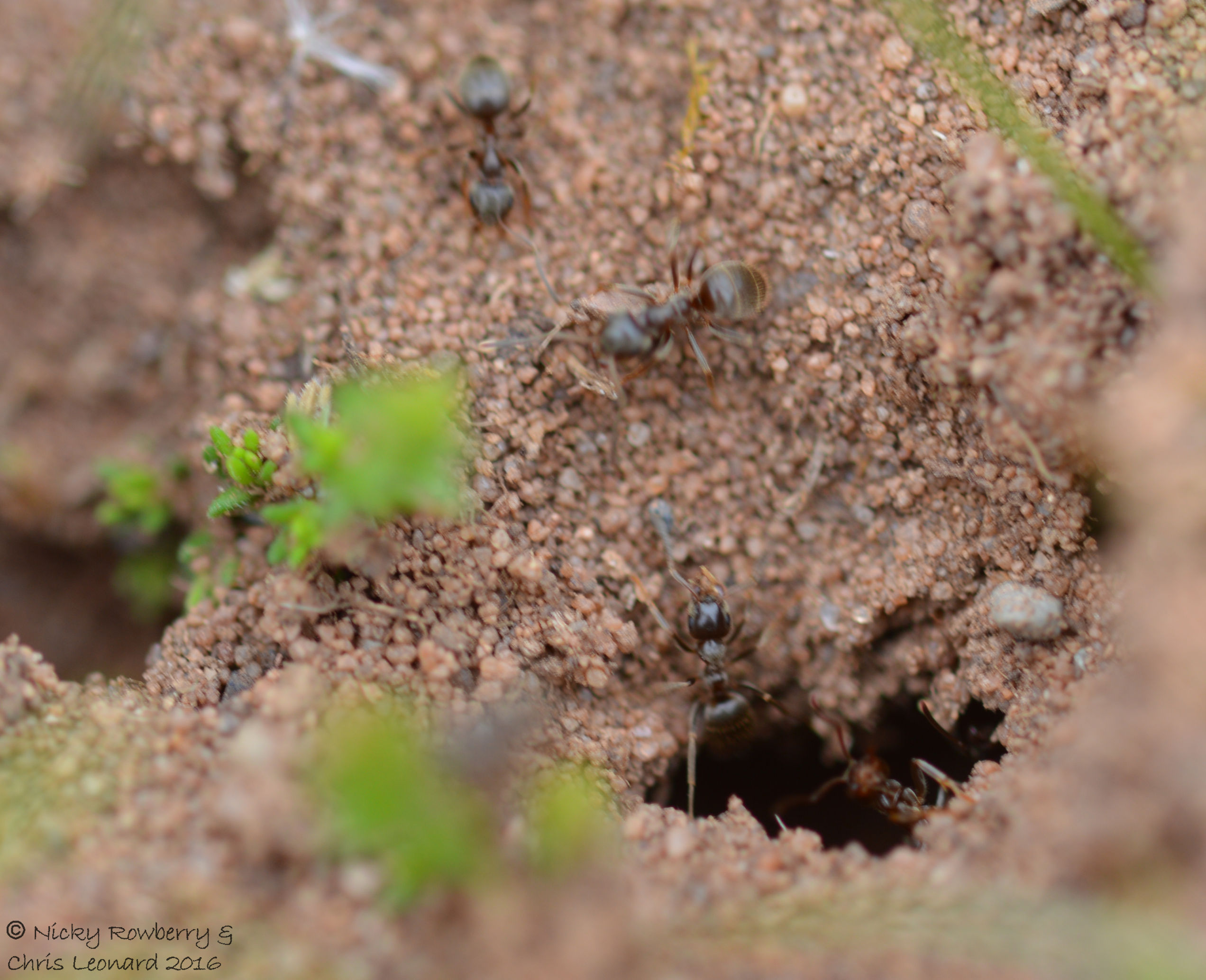
The Silver Studded Blues have an interesting life cycle that involves their caterpillars being taken into ants nests by the ants and tended to by their hosts, who in turn get a sugary solution from the caterpillars. The female butterflies deliberately choose sites near the ants to lay their eggs. Not sure if the photo below is the right kind of ant nest, but there were certainly plenty of them about.

Ant nest

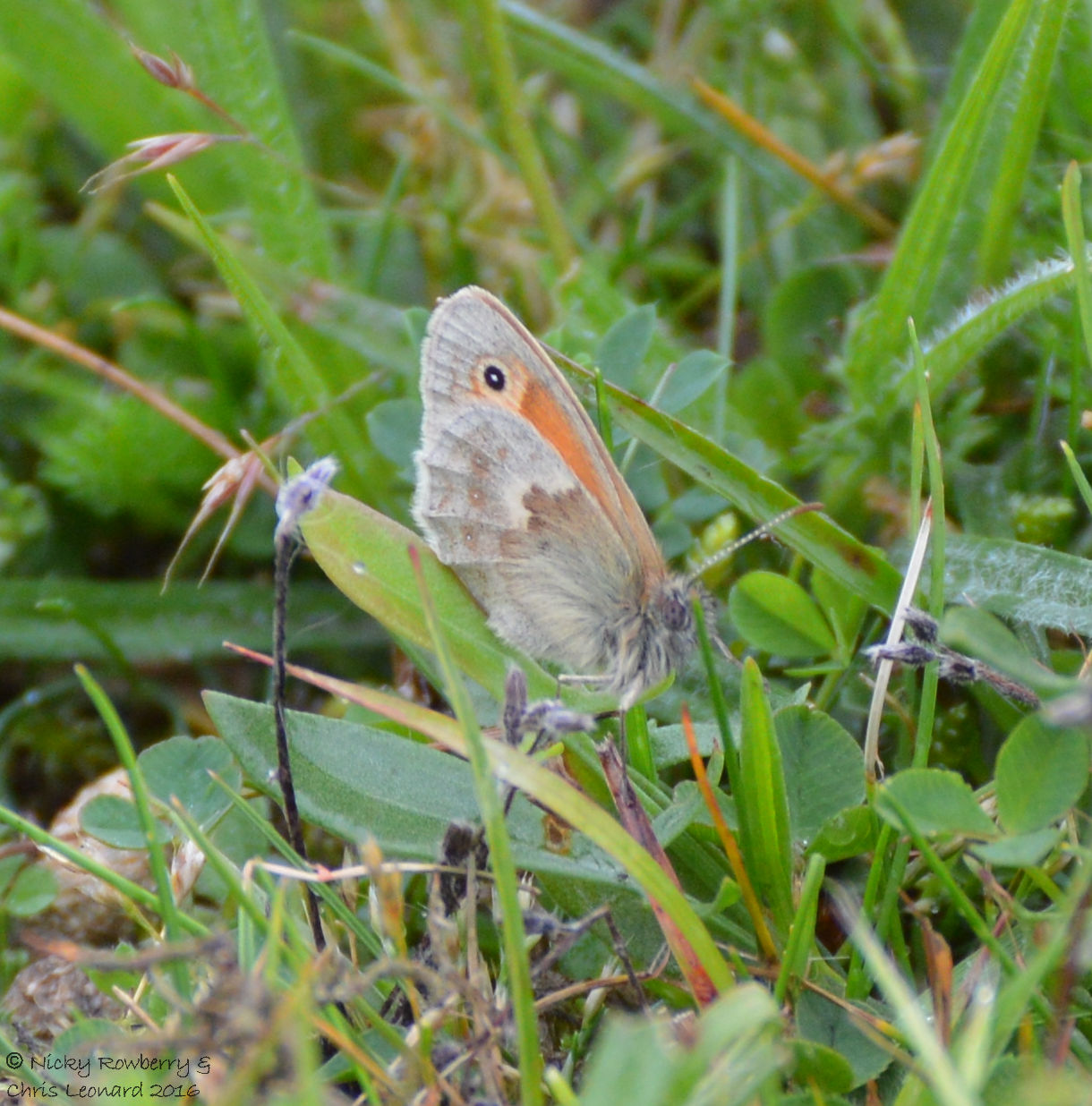
We only saw two non-blue butterflies the whole time we were there. We got a few non-brilliant photos of them and I’d assumed at the time that they were Meadow Browns. But when we got home and looked at the photos properly, I started to get excited that they might be Small Heaths, a butterfly we’d never knowingly seen before. Thanks once more to the good people of the Facebook butterfly group, this has now been confirmed. This means we ticked off two brand new species for our butterfly checklist today – fantastic!

Small Heath

Once we’d had our fill of taking photos of the blue butterflies (several hundred photos later!) we could take in some of the other wildlife around us. Prees Heath is known to have Skylarks and we could hear lots of what we think were these increasingly rare birds all around us. We saw them a few times high in the sky above the heather, singing their hearts out. Mostly they were way too high to get a photo of, but I did manage this poor shot of one hovering – at least I think it’s a skylark!

Sky Lark

The area was full of large black birds – I think Crows. They let me get quite close, probably because they were big enough and tough enough not to be bothered by a little woman like me!

Crow

The whole heath is riddled with rabbit burrows – you have to be quite careful where you walk not to twist an ankle. The rabbits of course were not as bold as the crows, but I did eventually get one bunny to sit still long enough to get his portrait taken.

Rabbit

So our trip today was not only a triumph, but double the success we had hoped for – two brand new species for the price of one – Silver Studded Blue and Small Heath! I doubt we’ll have many butterfly expeditions that will be this successful.

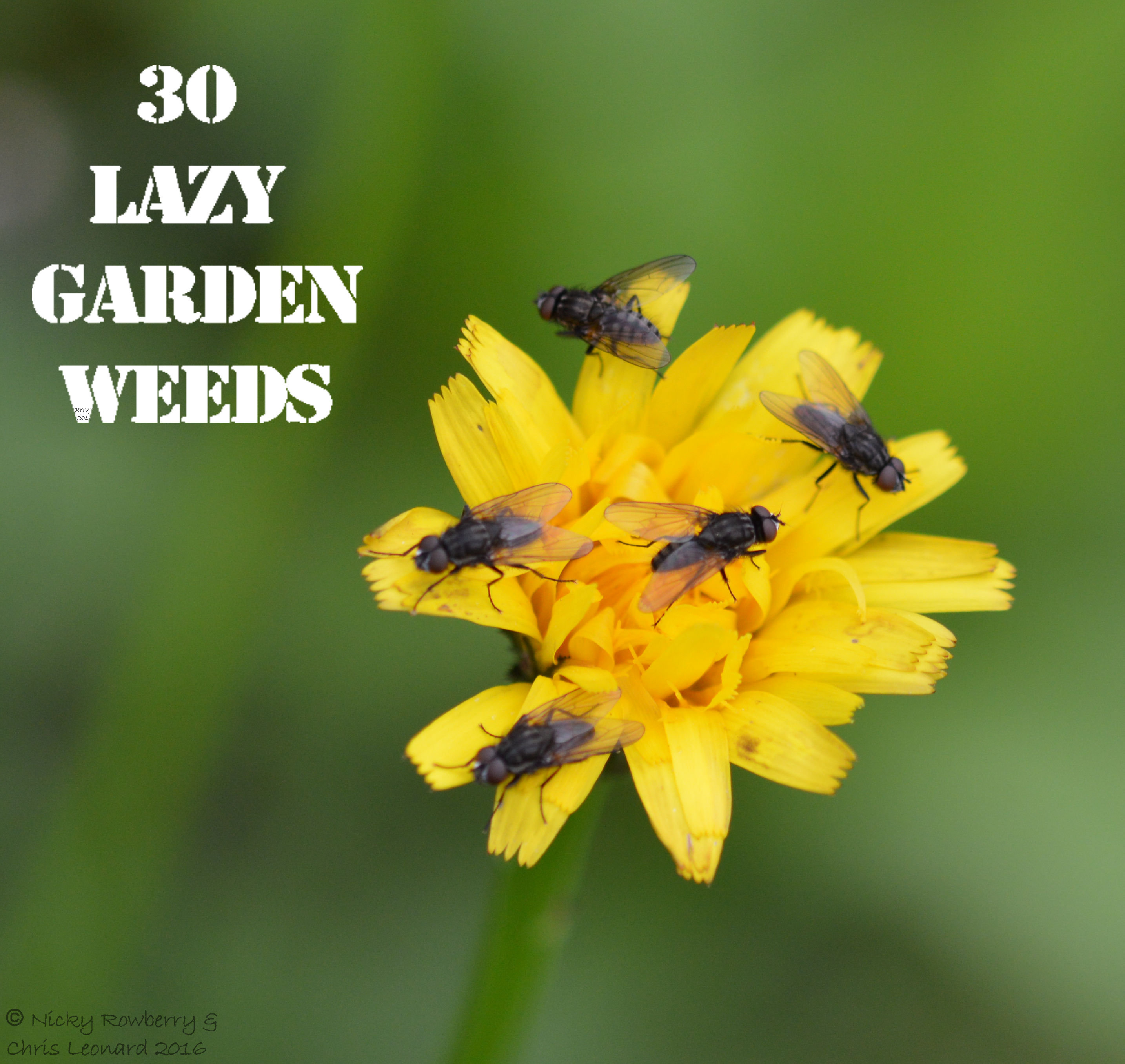
Hawkweed 30 WEEDSAnd finally today’s weed for 30 Lazy Weeds from our garden – the dandelion look alike. I think it’s either a Catsear or a Hawkweed. Whichever it is, it is clearly very popular with the garden flies. Flies may not be the most charismatic of our garden insects, but they are all food for something, so fine by me. The yellow Catsear or Hawkweed is brightening up the un-mowed areas of our so called lawn and if the flies are happy with it, so are we.


30 Days Wild – Day 17

TWT 30 Days Wild_countdown_17Day 17 of 30 Days Wild and it’s Friday again! It started off dull and grey, but by early afternoon the sun was out and the weekend beckoned. It felt like a great start to the weekend when I spotted this Large Skipper before I’d even left work – the benefits of working on an organic farm!

Large Skipper at work

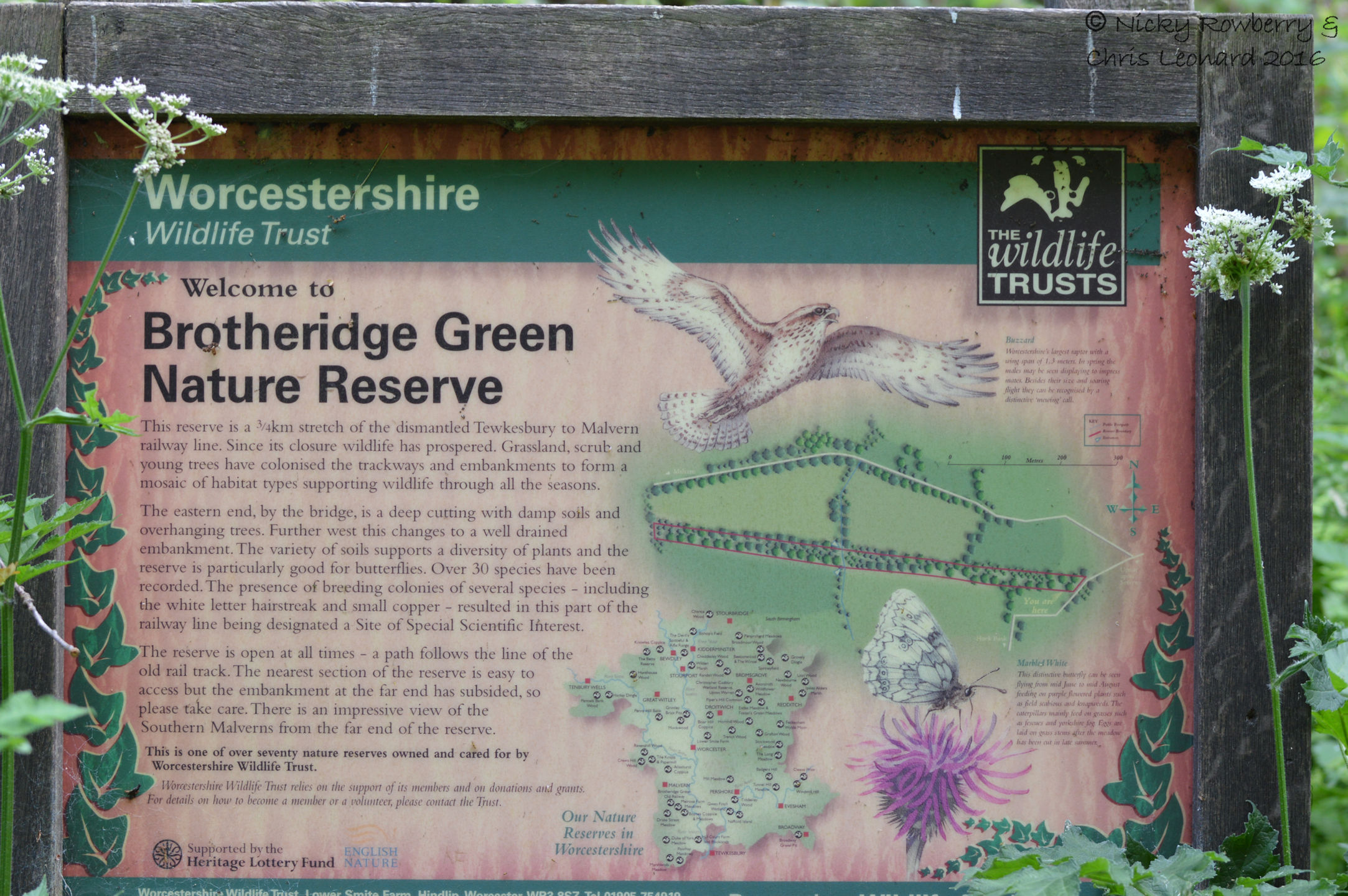
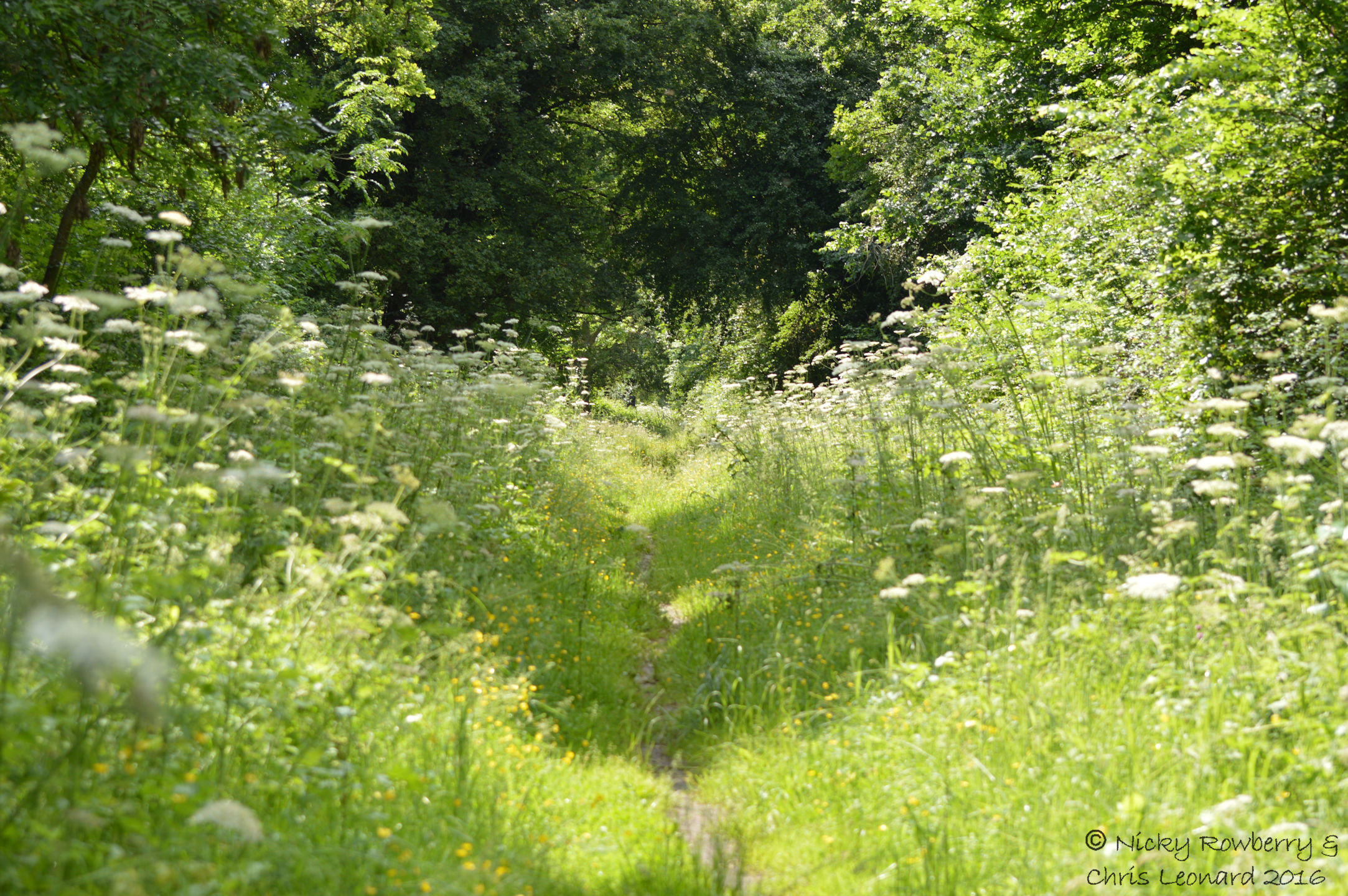
SignI decided to stop off at one of the local nature reserves on the way home – Brotheridge Green, which was once part of an old railway line. I’ve been there a few times before, but this was the first visit for 2016. The reserve is basically a long narrow strip, formed from the railway cutting at one end and a railway embankment at the other. It’s always been great for butterflies and is another place that is really secluded and makes you feel like you’re the only one who knows about it! At the cutting end the path is bordered both sides by trees and wildflowers. As usual I could hear loads of birds, but my lack of birdsong skills meant I’d no idea what (apart from a pair of Bullfinches that I did actually see).

View down track

There were a few butterflies here in the sunny patches. A Speckled Wood, a Red Admiral and some kind of white – it may have been a Green-Veined but I didn’t get a good look at the underside to be sure.

Speckled Wood

Red Admiral

White Butterfly

There was the usual abundance of buttercups, cow parsley and what might have been Giant Hogweed (I gave it a wide berth just in case!), but also Deadly Nightshade – I gave that a wide berth too!

Nightshade

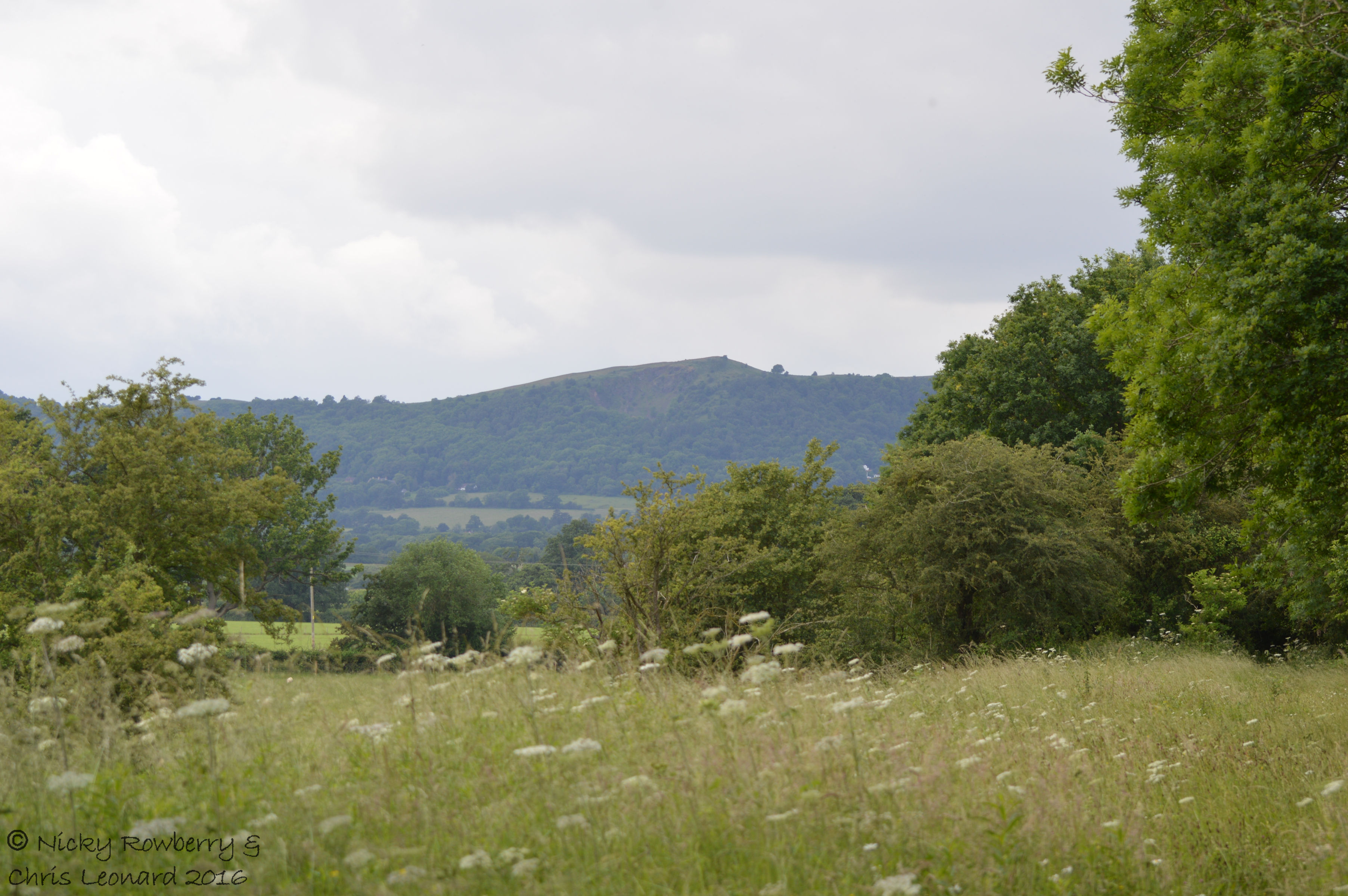
As the cutting opened up into the embankment, I got lovely views of the Malvern Hills. I also freaked out two squirrels (greys of course) who raced ahead of me in the trees. At one point it felt like I was herding squirrels, as every time I moved forward so did they.

Malvern Hills

The wider grassy strip here has always been particularly good for butterflies (I’ve seen Marbled Whites here before, but think I was a week or two too early today). And today I was rewarded with my first Meadow Browns of the year. There must have been half a dozen of them fluttering about in the late afternoon sunshine.

Meadow Brown

As I turned back, I spotted a flash of red in the grass – I think it was a 6 Spot Burnet Moth, although I can’t be sure as it was at an odd angle.

Six spot Burnett

The final insect treat of the walk was this amazing hoverfly that looked just like a bumblebee. I’ve since found out that it is Volucella bombylans var. plumata – there are apparently 2 variations of this bumblebee mimicking hoverfly, the one I found with a white tail and one with an orange tail – amazing creatures.

Hoverfly Volucella bombylans

So today was a day of butterflies. It was great to see 5 species of butterfly in one afternoon – don’t think I’ve seen that many since last year. It bodes well for the summer months to come!

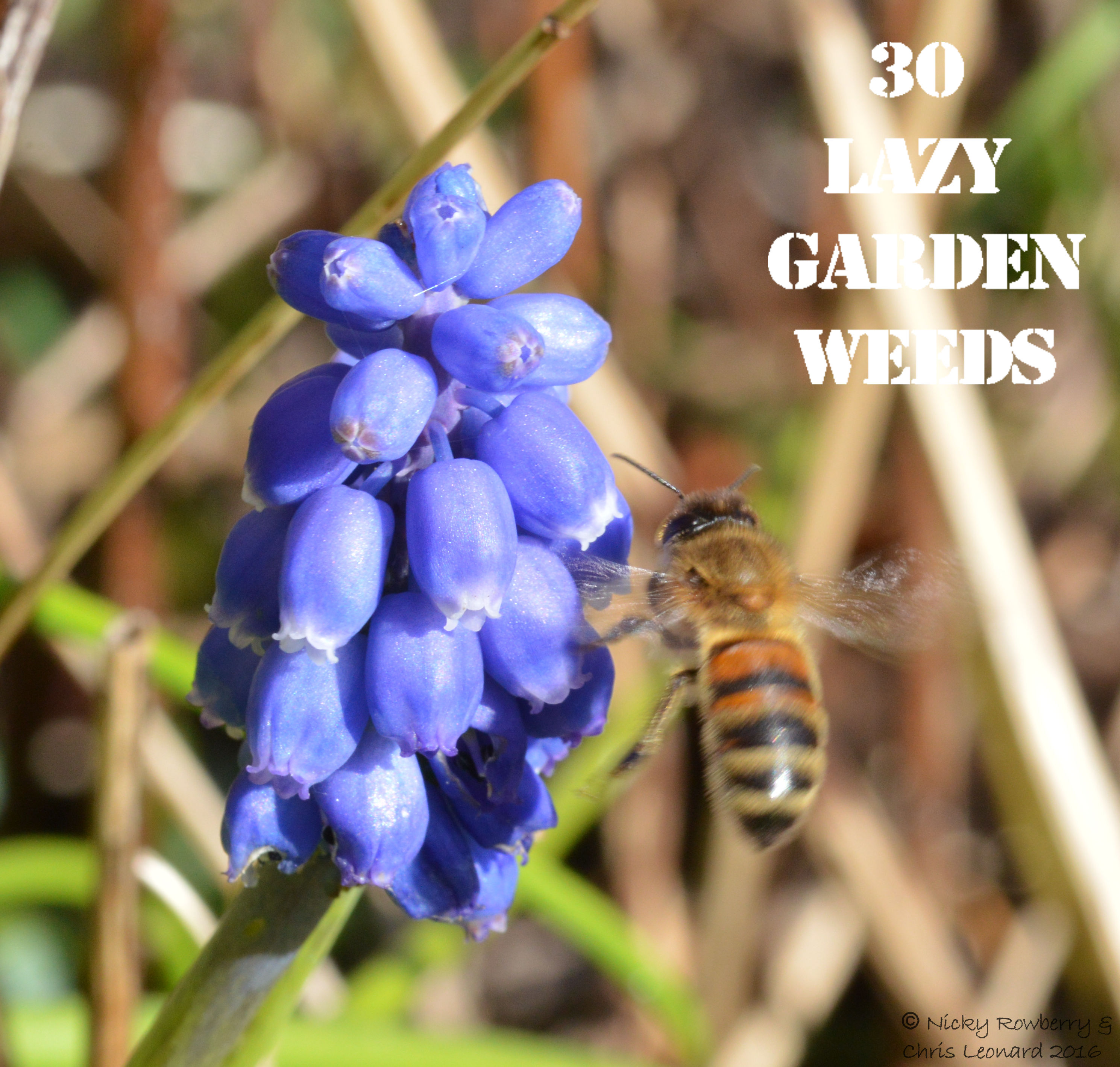
Grape Hyacinth 30 WEEDS

And finally week 17 in my 30 Lazy Garden Weeds – The Grape Hyacinth. Not sure this would be classed as a weed, but they certainly grow like a weed in our garden. In early spring they seem to be everywhere. I always think they look particularly good in the evenings, they almost seem to glow. The bees of course absolutely love them and they must be a significant source of nectar for them early on in the year.


30 Days Wild – Day 13

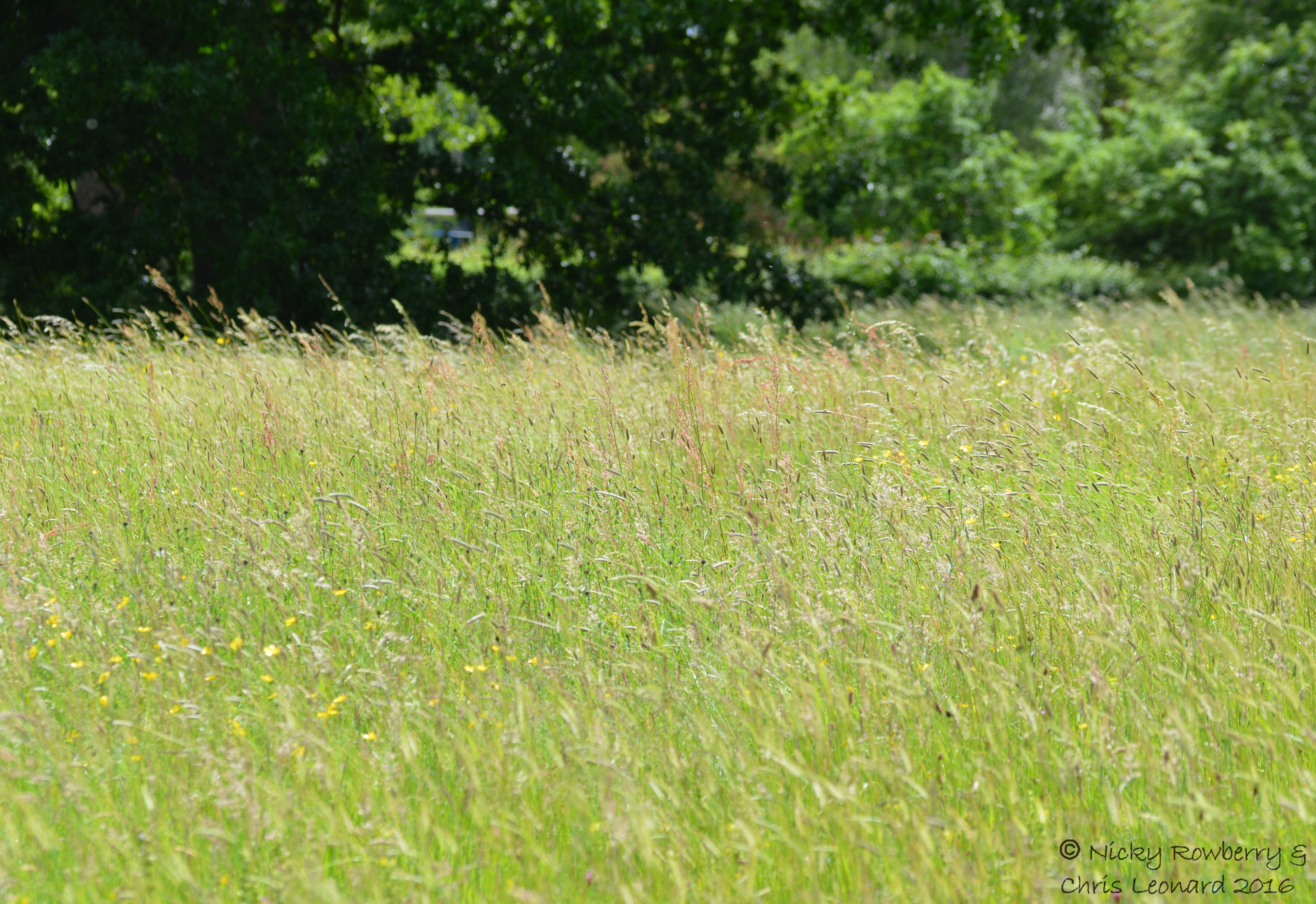
TWT 30 Days Wild_countdown_13Day 13 and it’s Monday – never the most inspiring day of the week and today was a wet one to boot. So I was wondering what to do for 30 Days Wild to lift the spirits. On the way home I pass an open area that is basically just a very wide verge along the side of the road. As the sun finally came out at this point, I stopped to take a look. We went butterfly spotting here last year as it attracts a lot of species – Marbled Whites, Small Coppers, Blues, Skippers etc. So I hoped it might have something today too. It may not have been the perfect weather, but the area was buzzing with life.

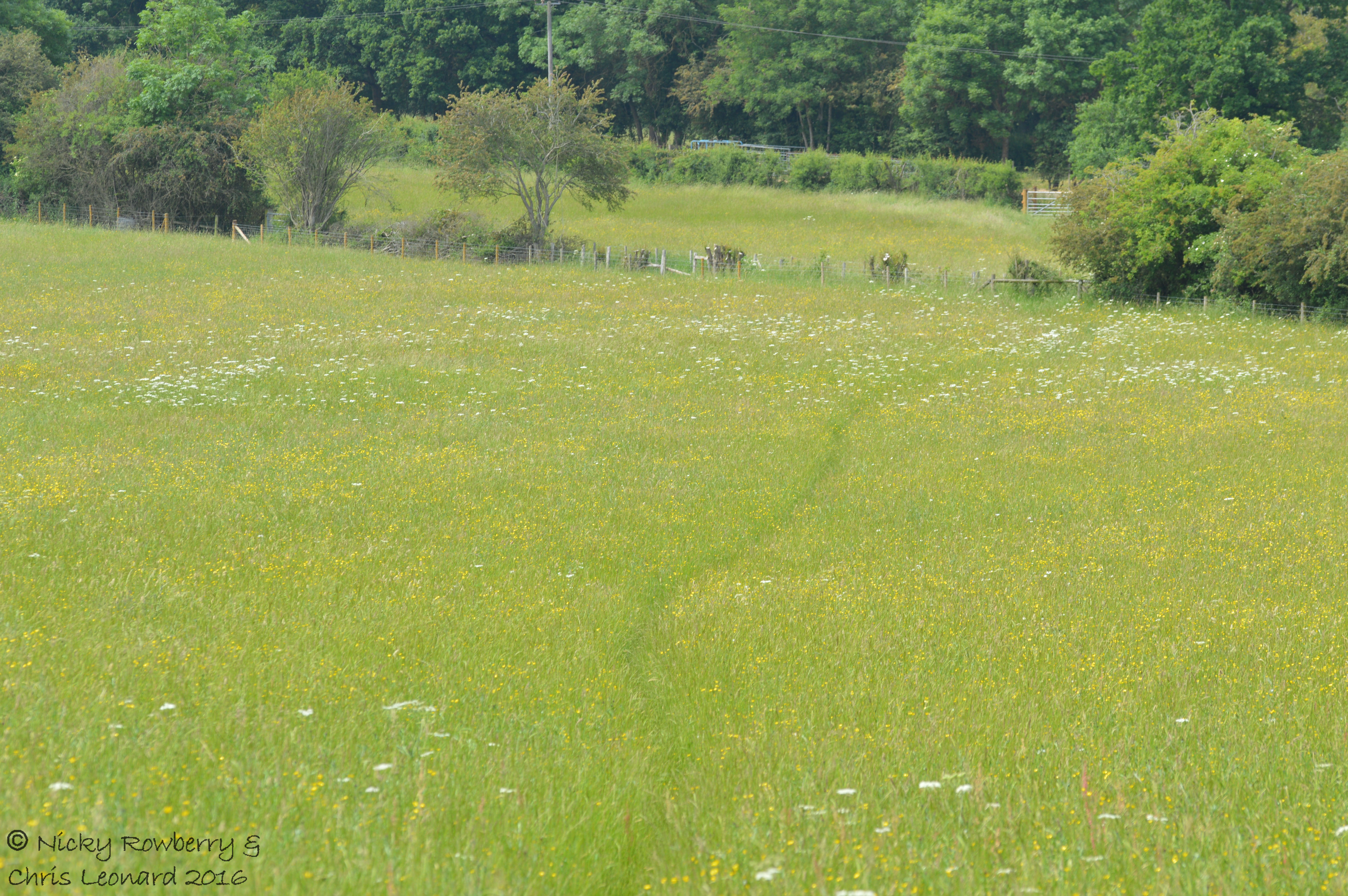
View

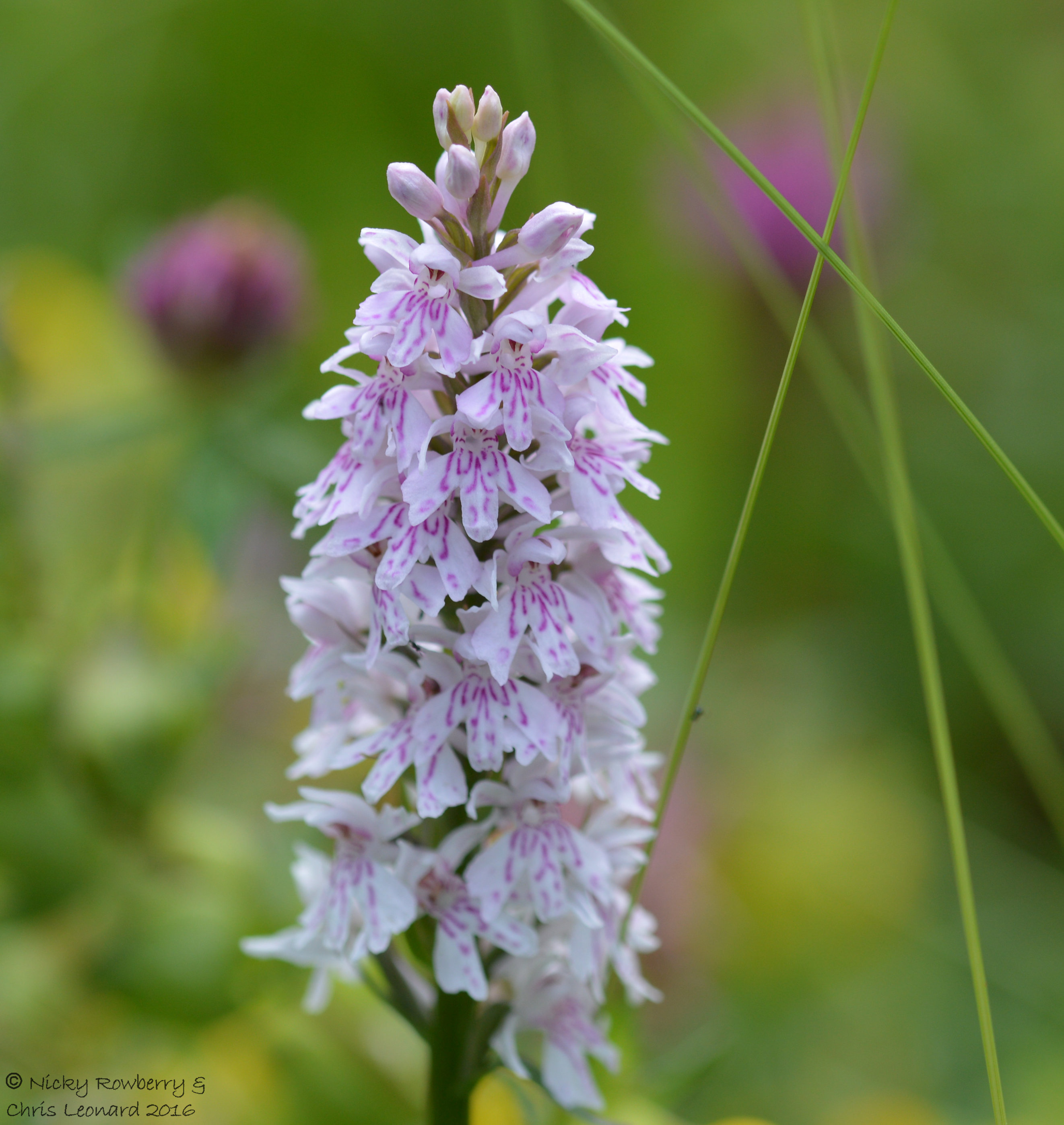
Malvern Council thankfully don’t cut the long grass here (apart from a stretch right next to the road) until after the summer, so there are lots of flowers and insects. Yellow Rattle (below) was a common plant, with lots red and white clover, buttercups and even an orchid.

Yellow Rattle

orchid

The first insect I spotted was an old favourite – the Seven Spot Ladybird (although it did seem to have a couple of extra spots down one side strangely).

7 spot ladybird

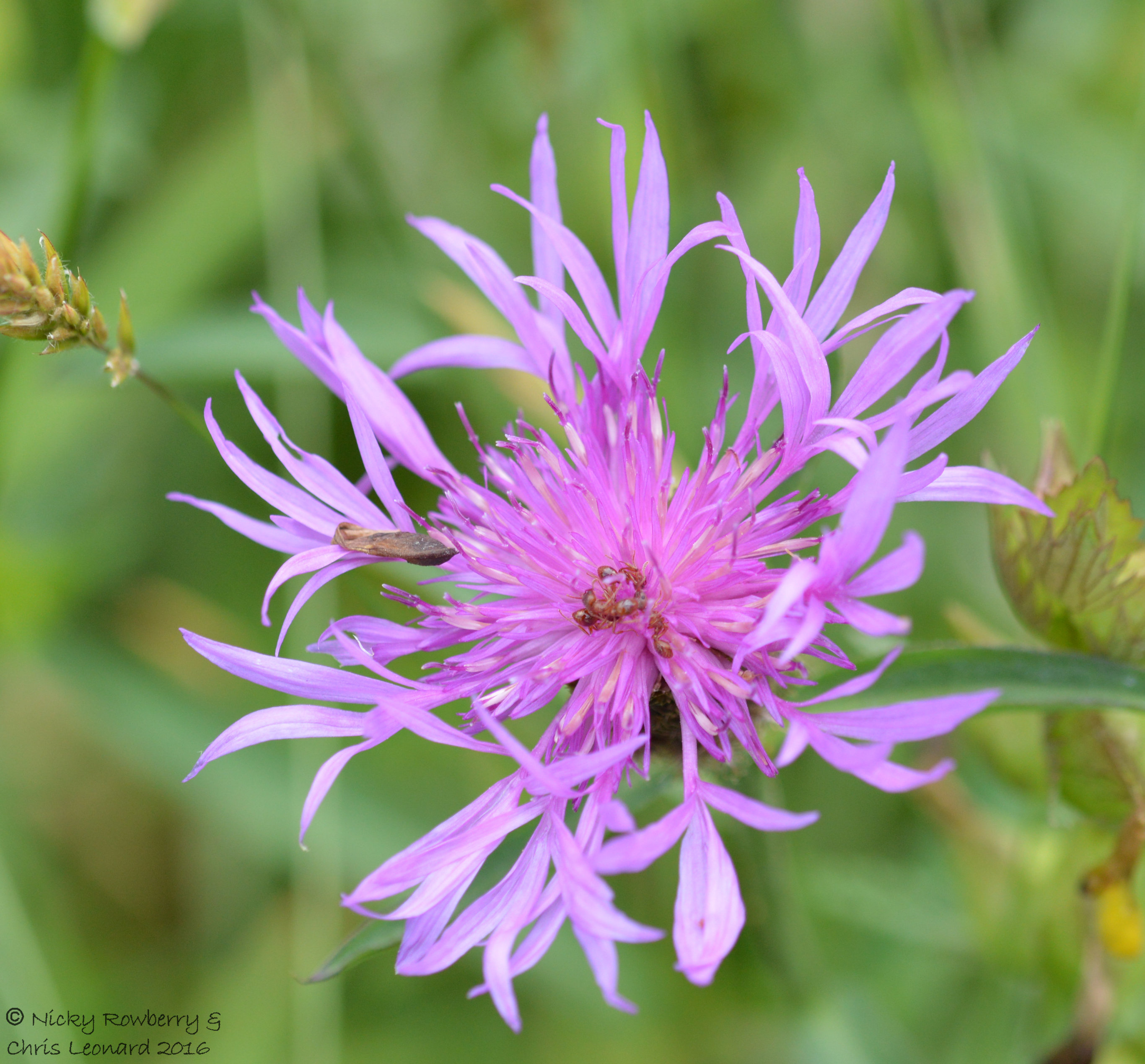
The cornflowers were all full of ants – you can just about make them out in the middle of the photo below.

cornflower

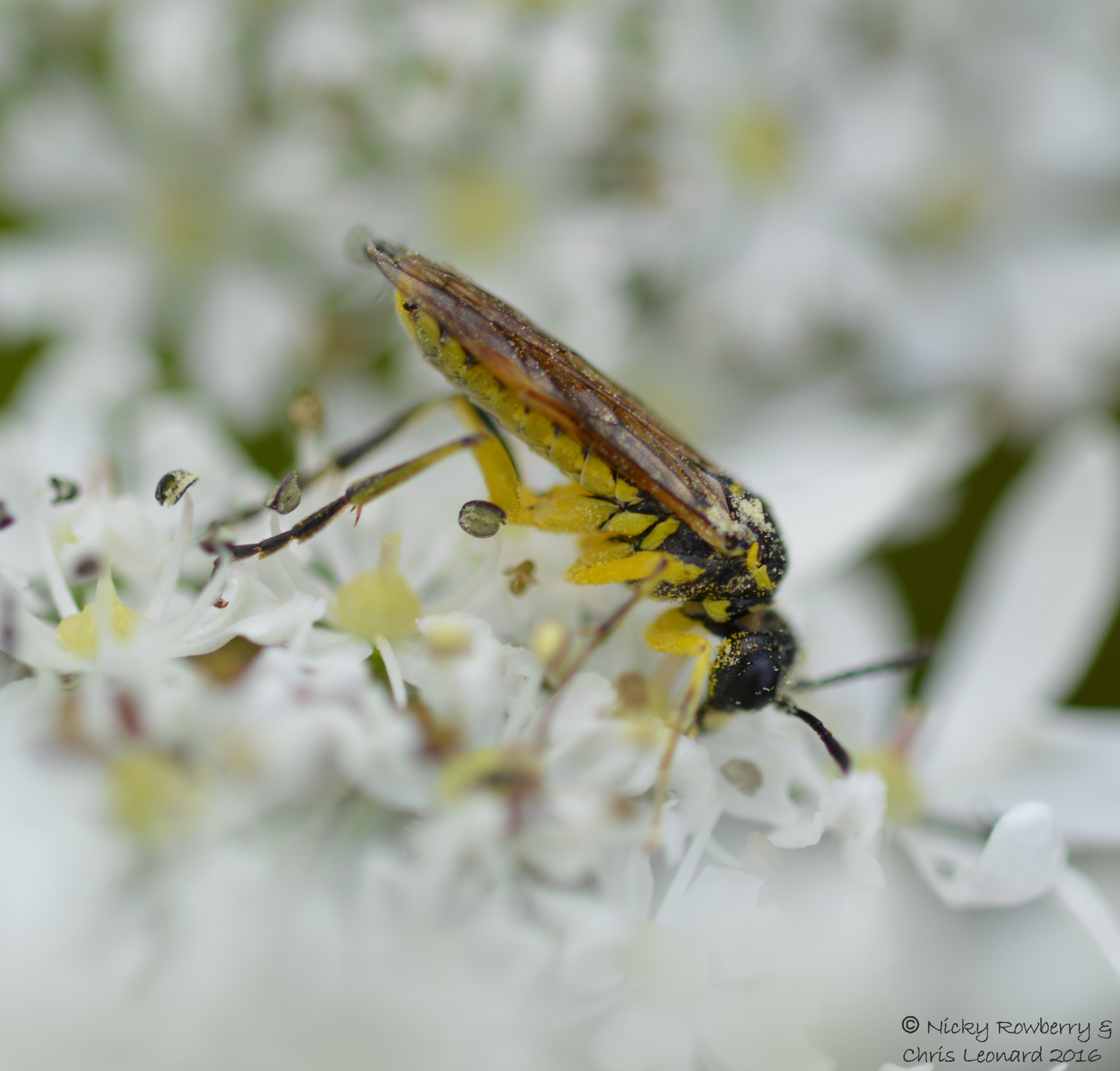
The cow parsley was particularly popular with the insects – like this large yellow sawfly and several day flying moths below.

sawfly

moth 2

The clover and yellow rattle were particularly popular with the bees.

red clover

DSC_5543

This elongated beetle was a new one for me – it is a Click Beetle. Apparently they make a clicking noise when disturbed. It’s probably a good job I didn’t realise this at the time or I might have been tempted to disturb the poor thing to get a click!

Click beetle

Each step I took through the grass seemed to produce movement as crickets leapt out of the way of my big feet. I find them really hard to take photos of, as they always seem to swivel around bits of grass so they are at the opposite side! But I finally found one whose legs seemed to be almost too long for him – he seemed to be struggling to control his gangly limbs, which made him easier to photograph. I’ve since learnt that he (or she) is probably a Roesel’s Bush Cricket.

cricket

Of all the insects I saw this afternoon, the one group that was a bit under-represented was the butterflies – perhaps the sun just hadn’t warmed things up enough. I only saw one in the time I was there – a Large Skipper. It was of course too fast for my slow Monday legs to catch, so you’ll just have to take my word for it.

So in the half hour I spent wandering around the verge (getting strange looks from the drivers going by no doubt) I saw a huge variety of insects – ladybirds, ants, beetles, crickets, moths, bees, sawflies and one butterfly! That half hour also revived my flagging Monday spirits and all from a roadside verge! It just shows what a benefit letting verges grow can be for wildlife. I know there are campaigns now to encourage councils to do just that and I couldn’t agree more.

Scarlet Pimpernel 30 WEEDSAnd finally as always the latest weed from our garden for my 30 Lazy Garden Weeds – The Scarlet Pimpernel. The flower itself is small, delicate and very pretty, but what I really like is the glorious name. Memories of cheesy movies  – and the rhyme “The seek him here, they seek him there…” I don’t know about being elusive, but the flower is certainly easily overlooked, but well worth looking out for.


30 Days Wild – Day 9

TWT 30 Days Wild_countdown_09


Day 9 of 30 Days Wild and I managed to finish work early enough to get out and about. I decided to stop at a little nature reserve on the way home, but first I went strawberry picking. The season is just starting and the local fruit farm hadn’t even got their sign out advertising the strawberries. This meant the strawberry field (well poly-tunnel actually) was deserted apart from me.  It was lovely and peaceful and the lack of people meant there were lots of bird and bees about instead.

StrawberriesI took my punnet of strawberries with me to Boynes Coppice and Meadows Nature Reserve which was just round the corner. (No I didn’t scoff all of them, but those I did were very nice eaten in the fresh air!) The reserve consists of a series of meadows managed by Worcester Wildlife Trust. They have a wide variety of flowers and grasses and consequently attract plenty of insect life.

View

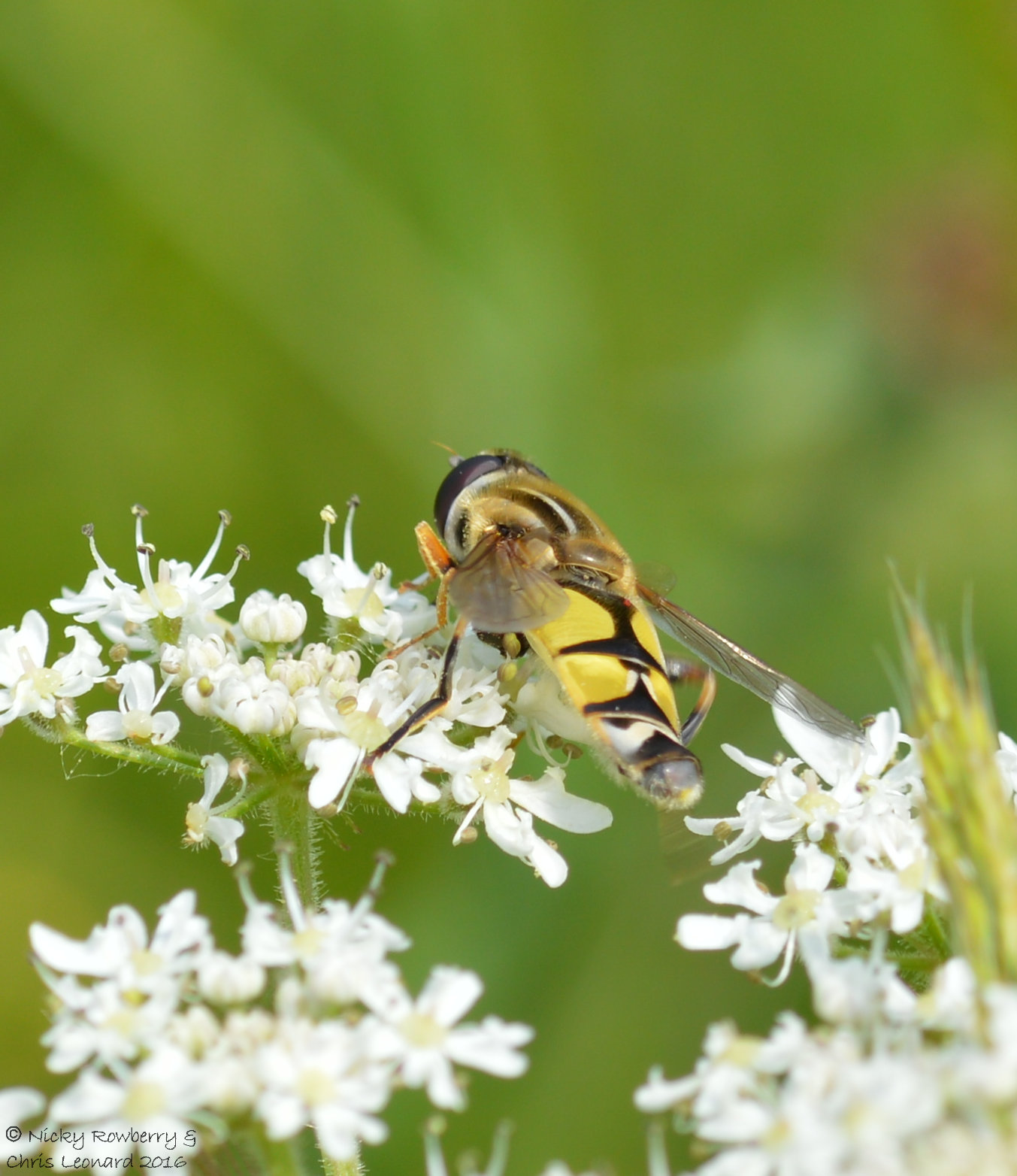
There were lots of hoverflies about – a group of insects I know nothing about, but once again the Facebook community identified a couple for me. The Common and the Large Tiger Hoverfly.

Helophilus pendulusHelophilus trivittatus (2)

Having chased Common Blue Butterflies round the last couple of sites I’ve been to, I was amazed to find a mating pair of them today. They even stayed put to let me take photos (I guess they had other things on their tiny minds!)

Mating common blues

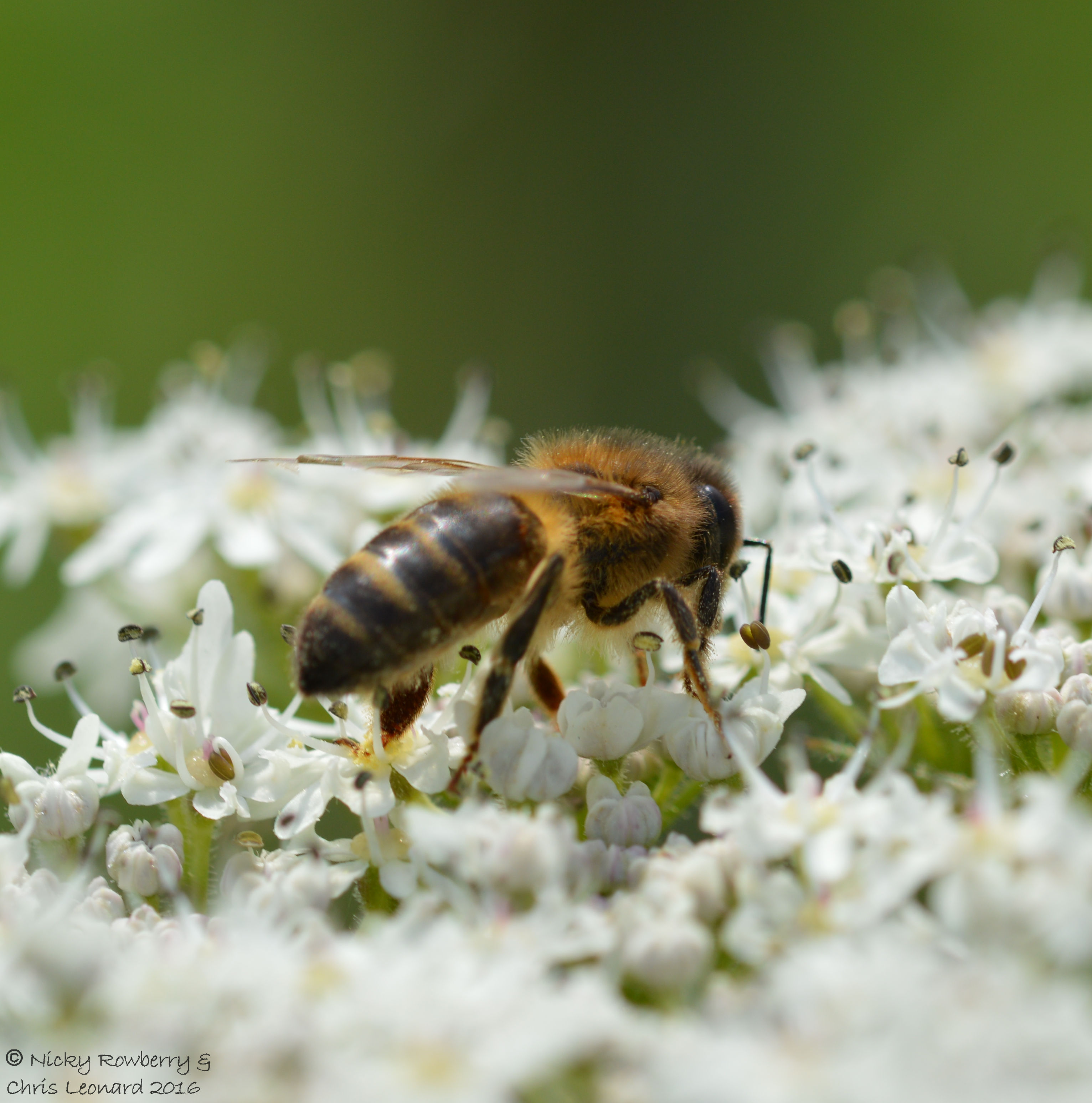
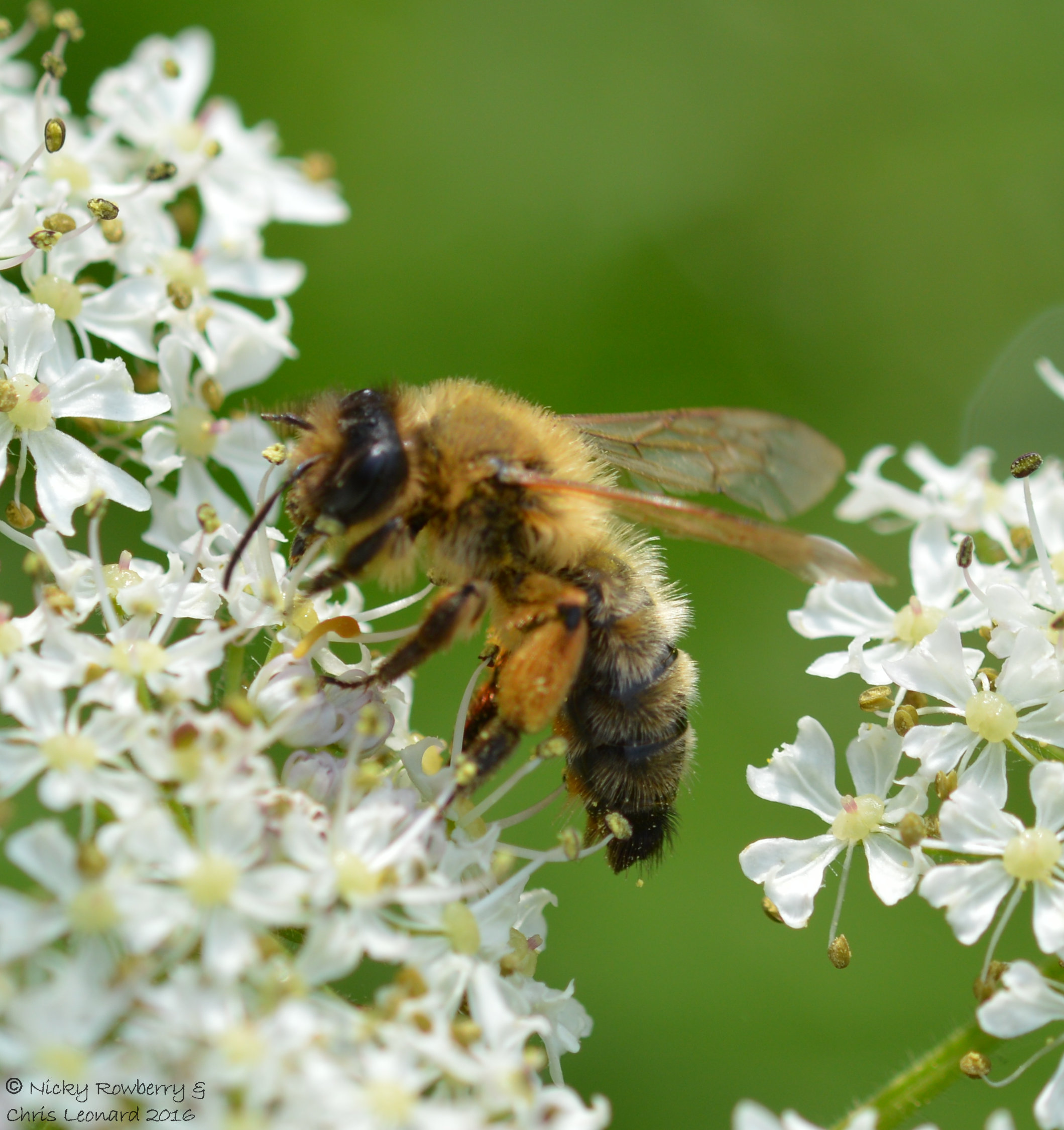
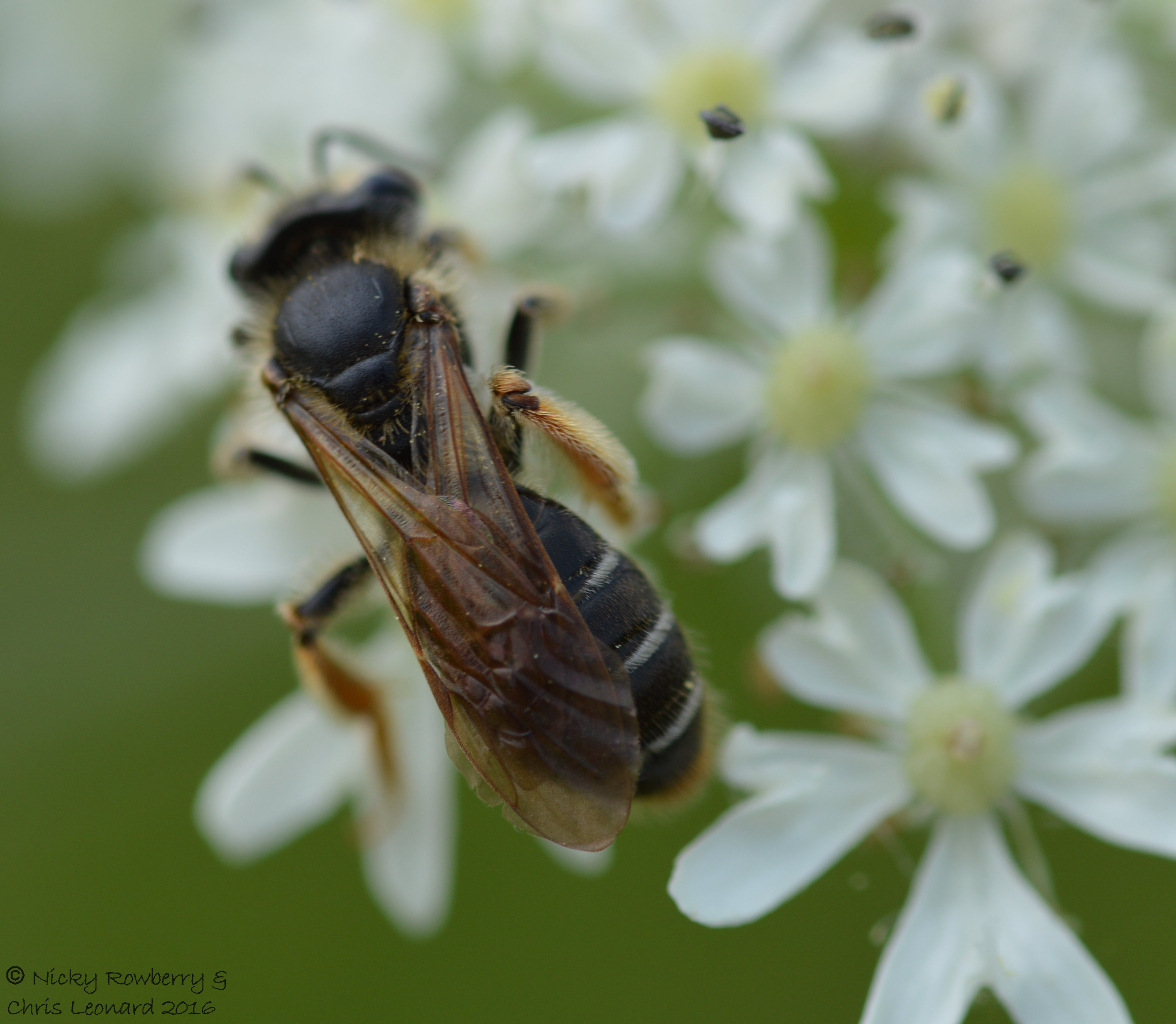
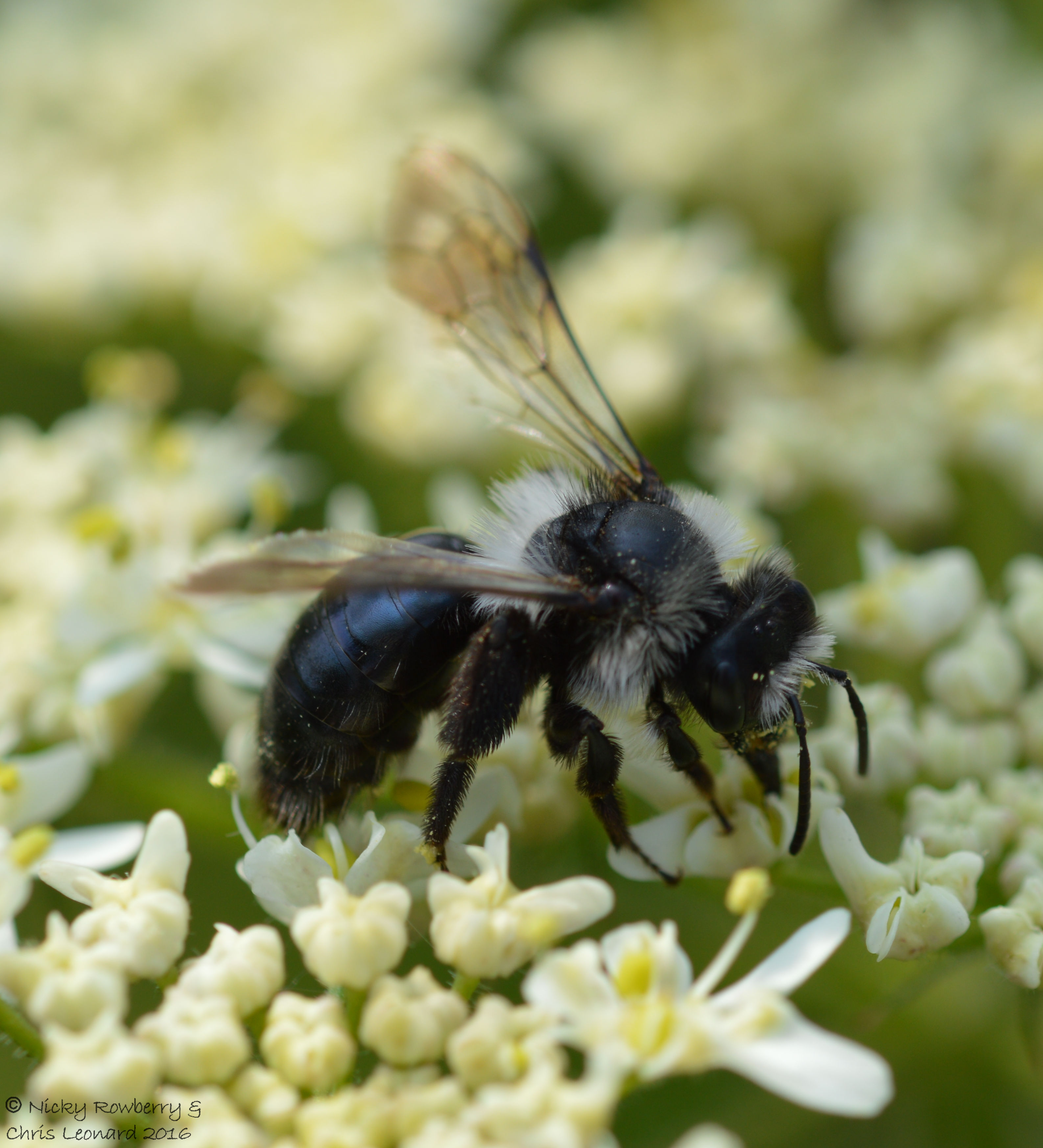
There were bees everywhere and lots of different species – below (I think) are Honey Bee, Buffish Mining Bee, Hawthorn Mining Bee and Ashy Mining Bee. The whole meadow was humming with the sound of bees, although they were drowned out sometimes by the hoverflies!

Honey bee

DSC_4779

Andrena haemorrhoa

Andrena cineraria

There were a few small moths about, a Burnet Companion which I’ve seen before and a Common Yellow Conch which I hadn’t.

Burnet Companion

Common Yellow Conch (2)

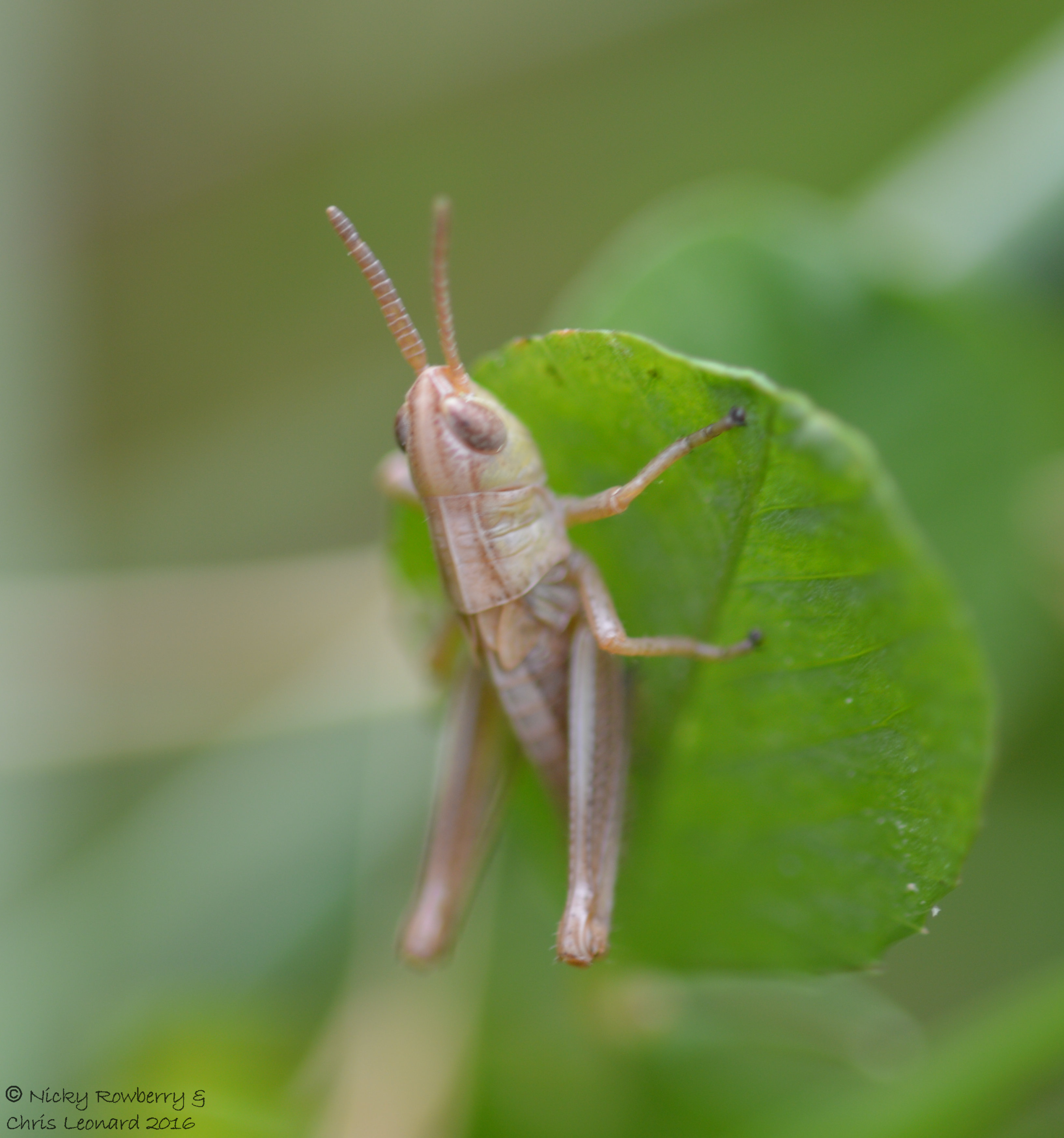
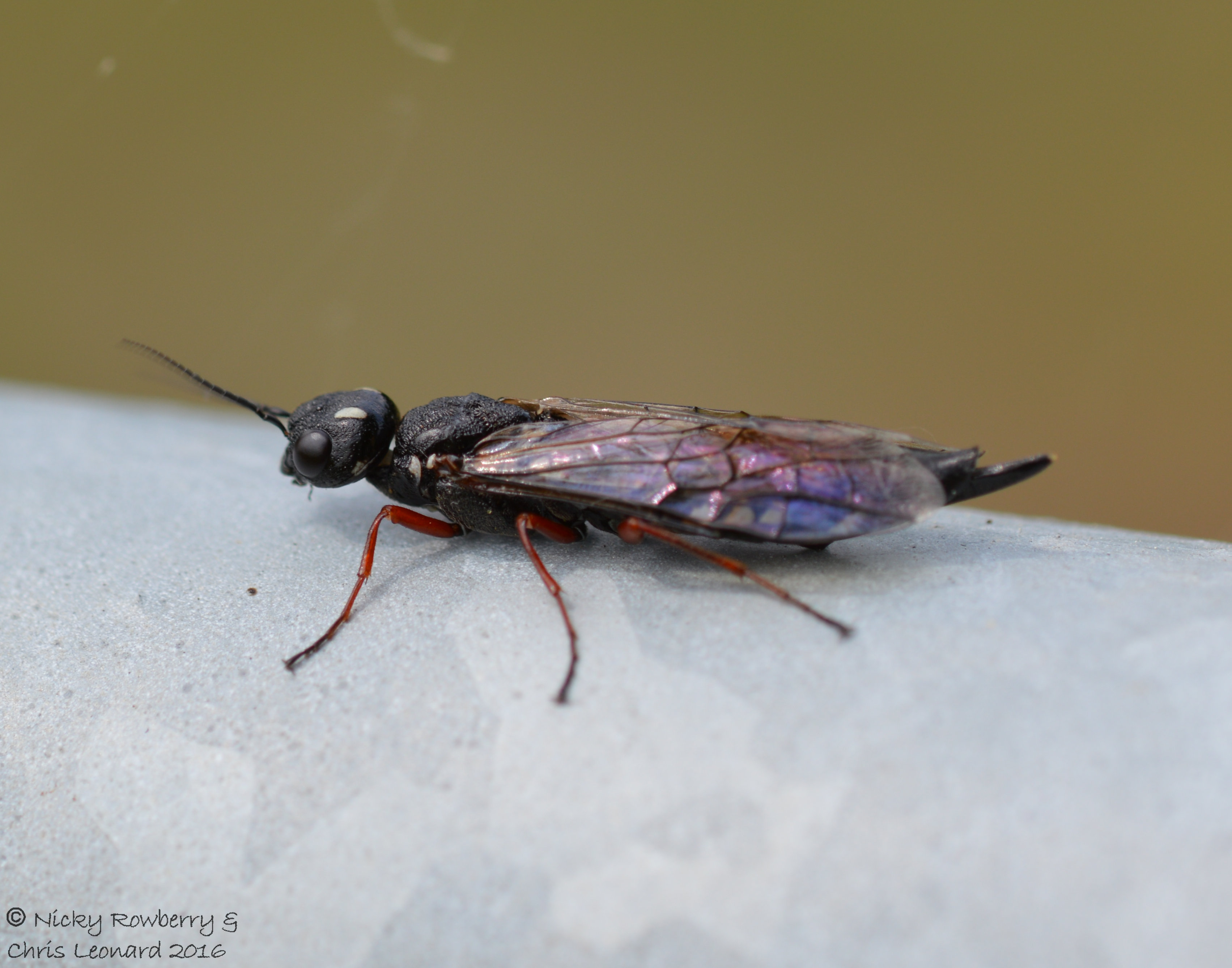
The final two additions to today’s insect selection were a grasshopper (possibly a Meadow one) and some kind of huge sawfly. The sawfly really was a whopper, sitting on the gate, guarding the meadow!

Meadow Grasshopper

Xiphydria sawfly

I find Boynes Coppice an incredibly relaxing place to visit. It’s off the beaten track, away from traffic noise and quite often I’m the only one there (as I was today). You can sit on the path and watch the insects buzzing all around or just watch the clouds drifting by. I love these little nature reserves that feel like your own little secret retreat!

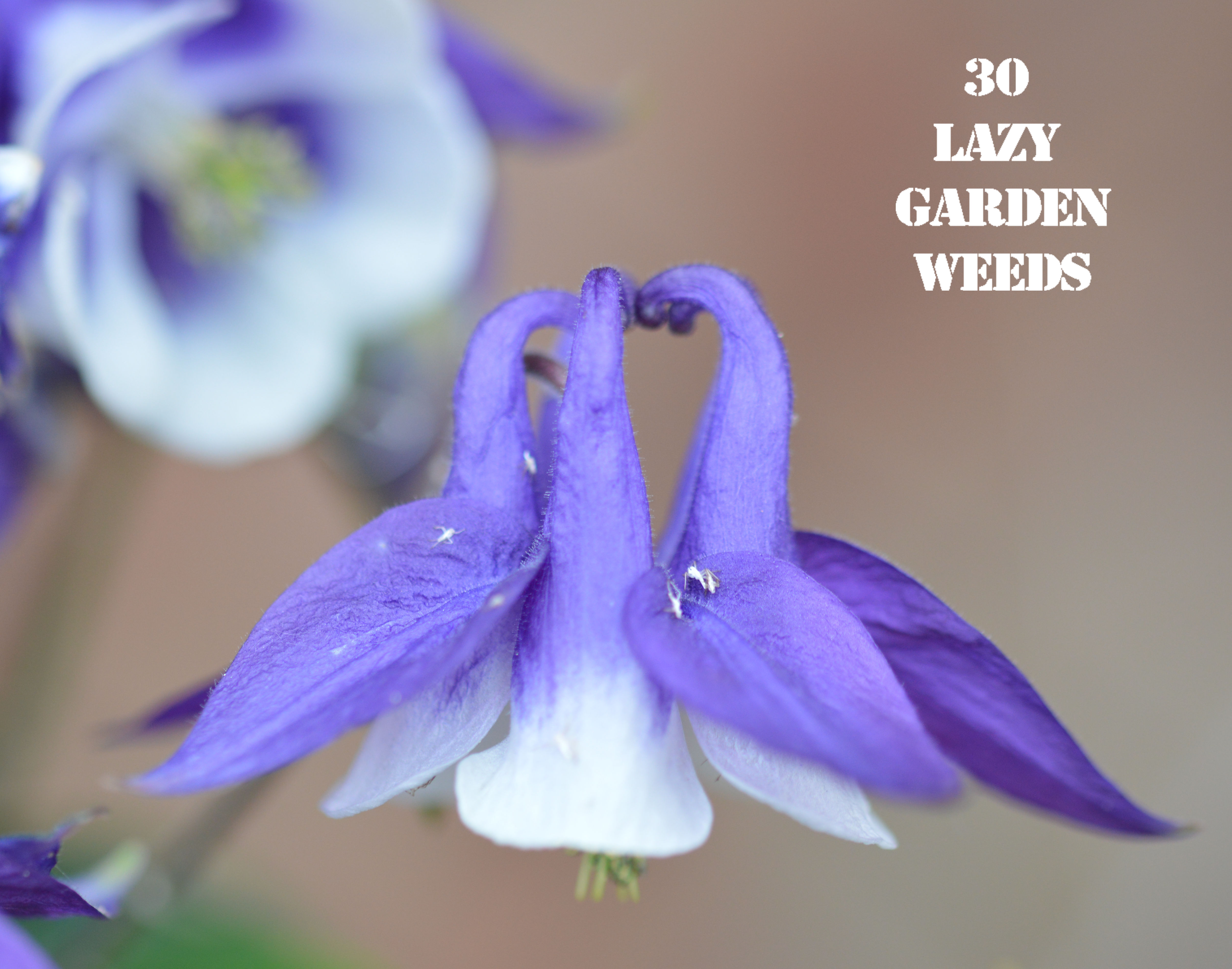
Aquilegia 30 WEEDS

Latest weed for 30 Lazy Garden Weeds is the Columbine or Aquilegia. I love the fact that Columbine comes from the Latin for dove as the flower is supposed to look like 5 doves with their heads together. We have a huge variety of these in the garden – everything from pretty much white, to deep purple. Some are two toned, some all the same colour. Some have additional layers or ruffles, others like this one are slightly more restrained. All of them though have got here under their own steam and generally seeded themselves around the place. They are great for bees, some of whom go in the conventional way, but others cheat and drill a hole in the top to access the nectar directly. Lots of the flowers in our garden have tiny holes where the bees have cheated!

30 Days Wild – Day 8

TWT 30 Days Wild_countdown_08Day 8 and I’m still ploughing my way through the IDs from the weekend’s bioblitz – maybe shouldn’t have taken quite so many photos! But it’s all good and discovering some new species for the garden list. It being Wednesday though, I dragged myself from the computer and headed over to take my Dad out for our weekly pub lunch – no hardship there!

Dad by riverAs it was a lovely hot day we decided to head to one of our favourite pubs The Riverside at Aymestrey in North Herefordshire – the pub is by the river Lugg and you can sit outside right next to it for your lunch. Today they had Herefordshire snails on the menu, so I went for those (with a big pile of chips of course!), while Dad went for some smoked salmon.

It is a fantastic spot and we go there quite often in the summer to watch the dragonflies, butterflies and once a kingfisher that darted down the river under the bridge and away. Sadly today all you get is a photo of the bridge!

River

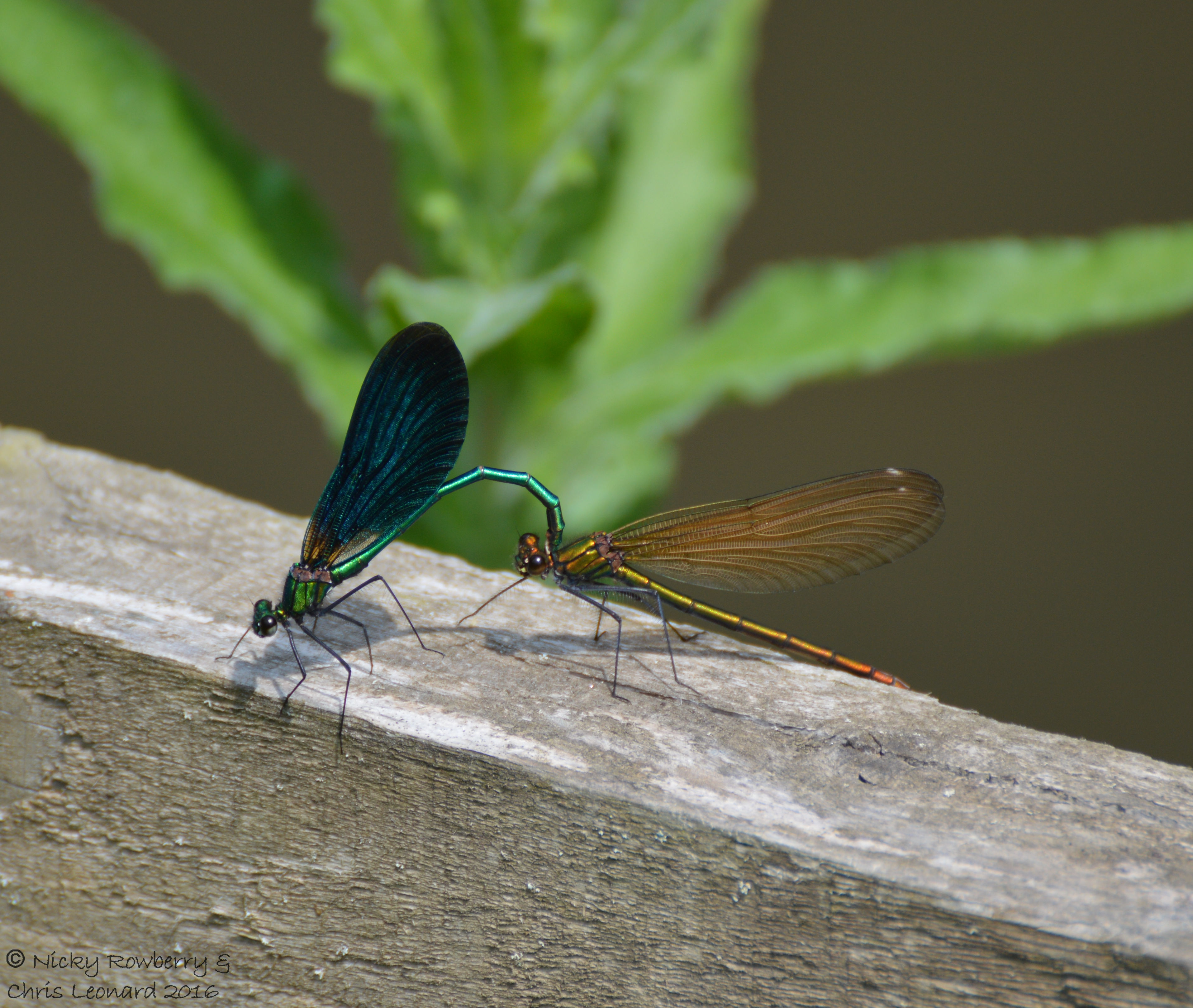
The little river has fish and lots of insects, which in turn attract plenty of birds. Today we saw nuthatches and yellow wagtails, plus lots of sparrows chirping non-stop. Today’s real prize was the Beautiful Demoiselles. Having chased them around for ages on Sunday at Knapp & Papermill reserve, here they were landing within feet of me, while I tucked happily into my snails. Not only that but there were mating pairs (the Demoiselles, not my snails!)

Beautiful Demoiselles Aymestrey

Feeling full and happy after lunch, I took Dad home, then decided to stretch my legs to work off those snails! I headed to Bodenham Lakes, which are about a mile from where I grew up, but once again I’m ashamed to say this is somewhere I’d never visited. Funny how you often don’t visit the things that are on your own doorstep! That’s one of the great things I’m finding about 30 Days Wild, that it’s getting me to do some of these things – finally!

Lake

Bodenham Lakes are actually old gravel pits that have been flooded and are now managed by Herefordshire Wildlife Trust. They are apparently very good for bird spotting and even have otters – not that I saw any of those today. I did though hear my first cuckoo not only of the year, but probably the first one I’d heard for about 30 years! I then managed to find the bird hide which has splendid views, in this case of the Canada Geese.

Geese

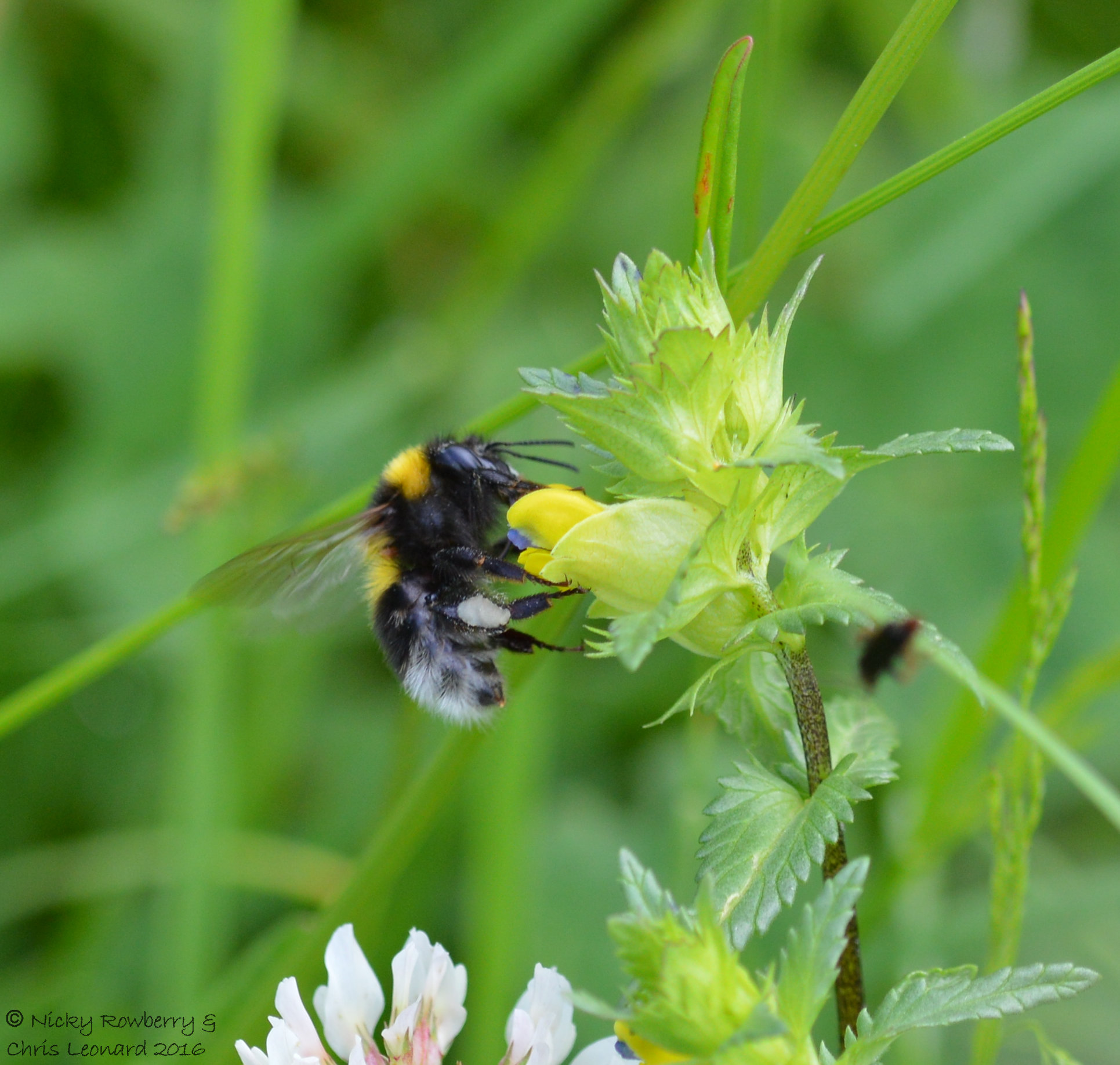
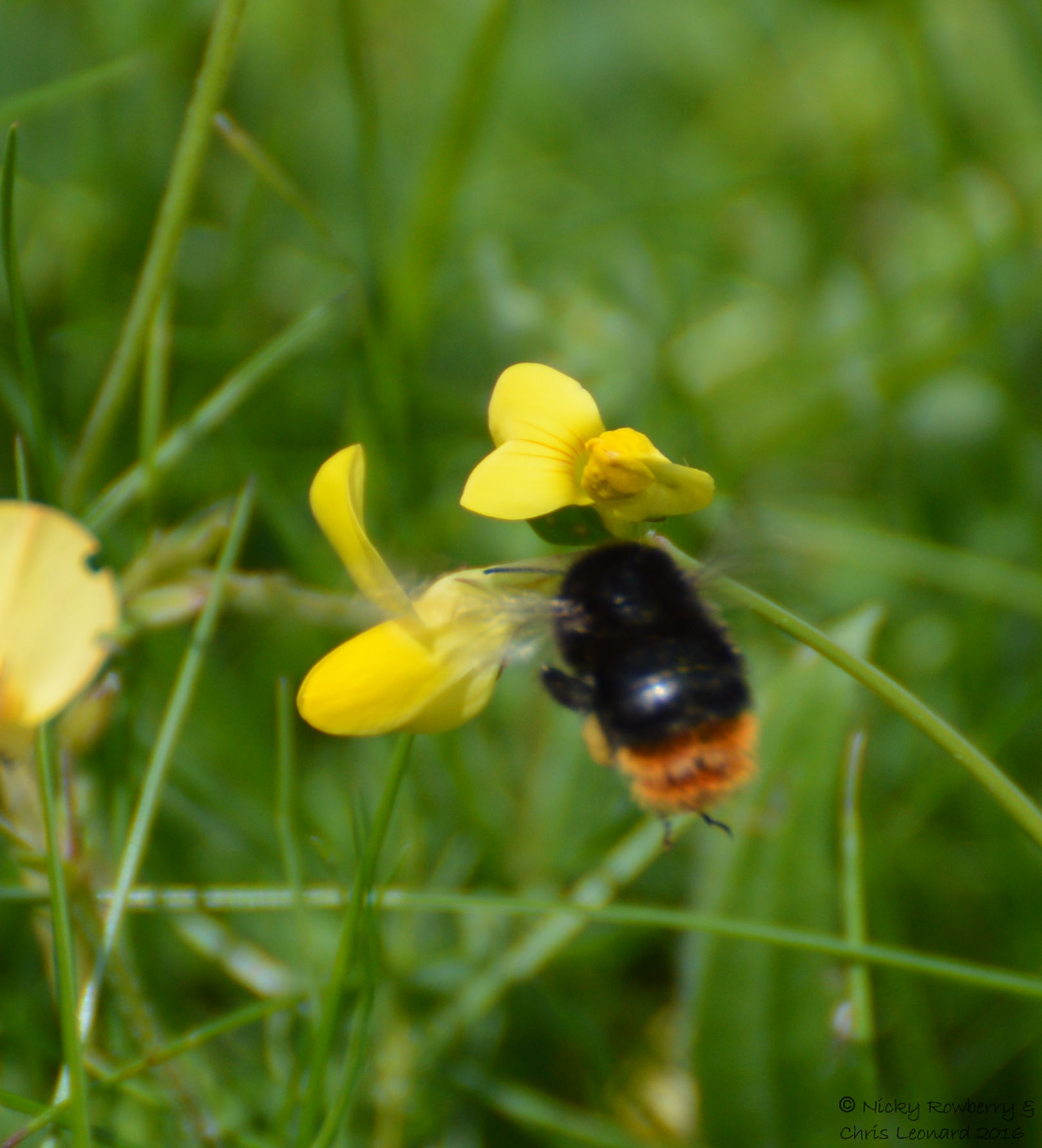
The meadows by the lake were full of flowers including these beautiful Common Spotted Orchids and the whole place was buzzing with bees, most notably these Red Tailed Bumblebees.

Orchid

Red tailed Bumblebee

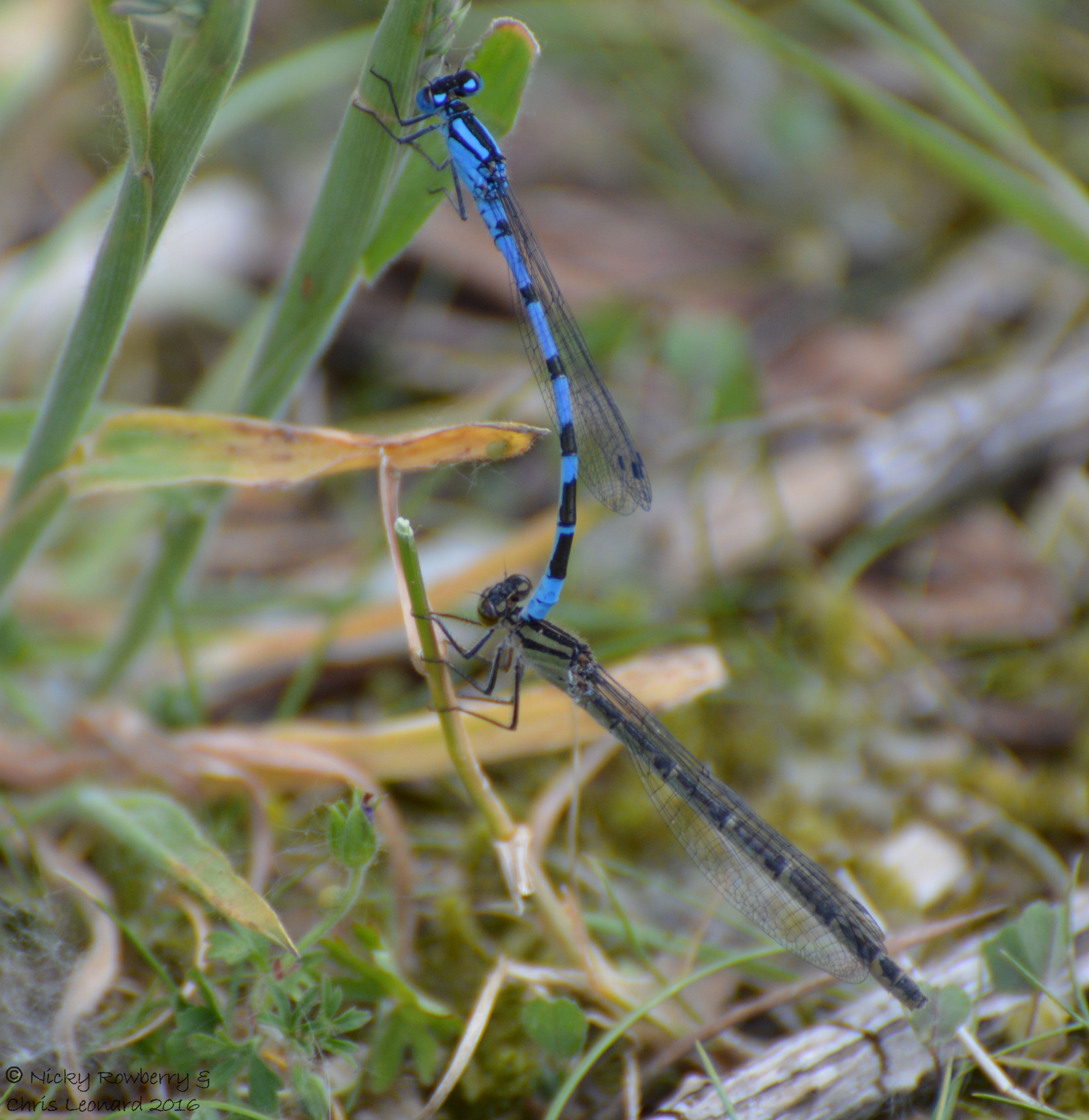
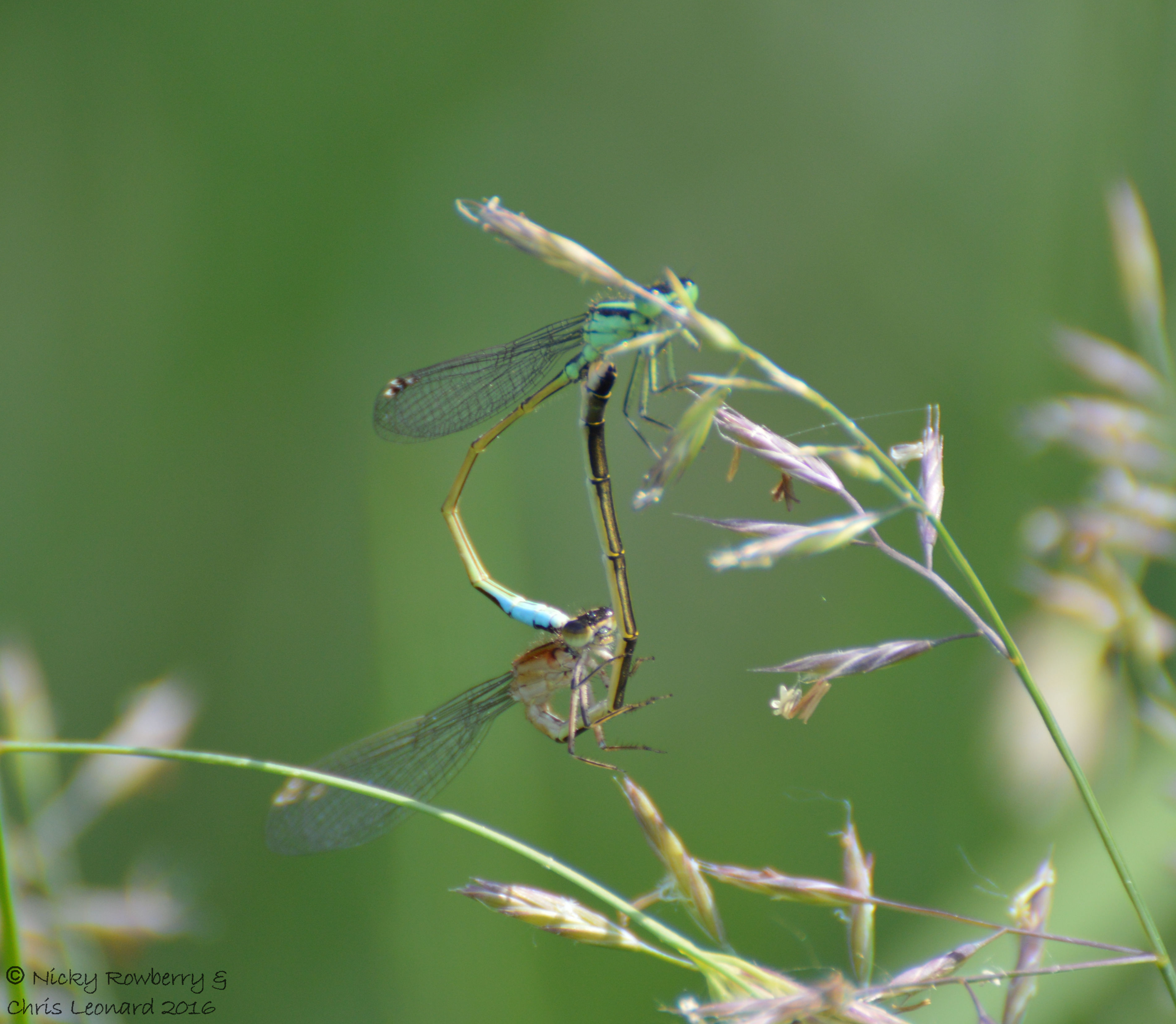
But the stars for me today of Bodenham Lakes were the damselflies and demoiselles. They were everywhere! It felt like I could hardly take a step without disturbing them – I kept seeing flashes of blue all around me. As at Aymestrey there were even mating pairs. I thought all of these below were Common Blue Damselflies, but I’ve already found out from the very helpful people on iSpot that the bottom ones are Blue-tailed Damselflies instead!

Common Blue Damselfly

Mating Damselflies 2

Mating Damselflies 1

Not only damselflies, but I also saw Banded Demoiselles (thereby completing the set of Demoiselles in one day – I think there are only 2 species – Beautiful and Banded). Didn’t manage to get a brilliant photo – I need a steadier hand for photography, but hopefully it is at least recognisable.

Banded Demoiselle

There weren’t that many butterflies around today, although I did see another Painted Lady, some speckled woods, what can only be described as a “brown one” and some Common Blues. The Common Blues were flighty as ever, but I did pursue one long enough to get this just about identifiable shot.

Common Blue Butterfly

So all in all a particularly good day today. I shall definitely be heading back to Bodenham Lakes soon and also no doubt back to the pub too!


Ladys MantleAnd finally as always the latest weed in my 30 Lazy Weeds from our garden – Lady’s Mantle. I like the subtlety of this gentle looking plant. I love the soft wavy pleated leaves, especially the way they catch droplets of water like this. They provide lots of ground cover and are quite happy in the shade as well as in sunnier spots, so suit pretty much any garden. Time to give room to less showy plants like Lady’s Mantle!


30 Days Wild – Day 7

TWT 30 Days Wild_countdown_07Day 7 of 30 Days Wild and after what for some reason felt like a long day at work, I thought I’d just chill out in the garden for a bit (much better than sitting in and looking at the housework!) The garden is looking particularly colourful at the moment and I thought it would be nice to celebrate the natural palette of colours you get when you just let whatever wants to, grow in your garden. While still pondering this, our first Painted Lady of the year flew into view, so I thought I’d include some animals in this too.

The childhood rhyme for remembering the colours of the rainbow has always stuck in my head – Richard Of York Gave Battle In Vain, for red, orange, yellow, green, blue, indigo and violet. Not sure this selection of 7 colours really has any foundation in optical science, but it seemed a good enough basis for today’s blog. Of course what would have been really good would have been an actual rainbow appearing at this point – but all I got was drizzle! So:

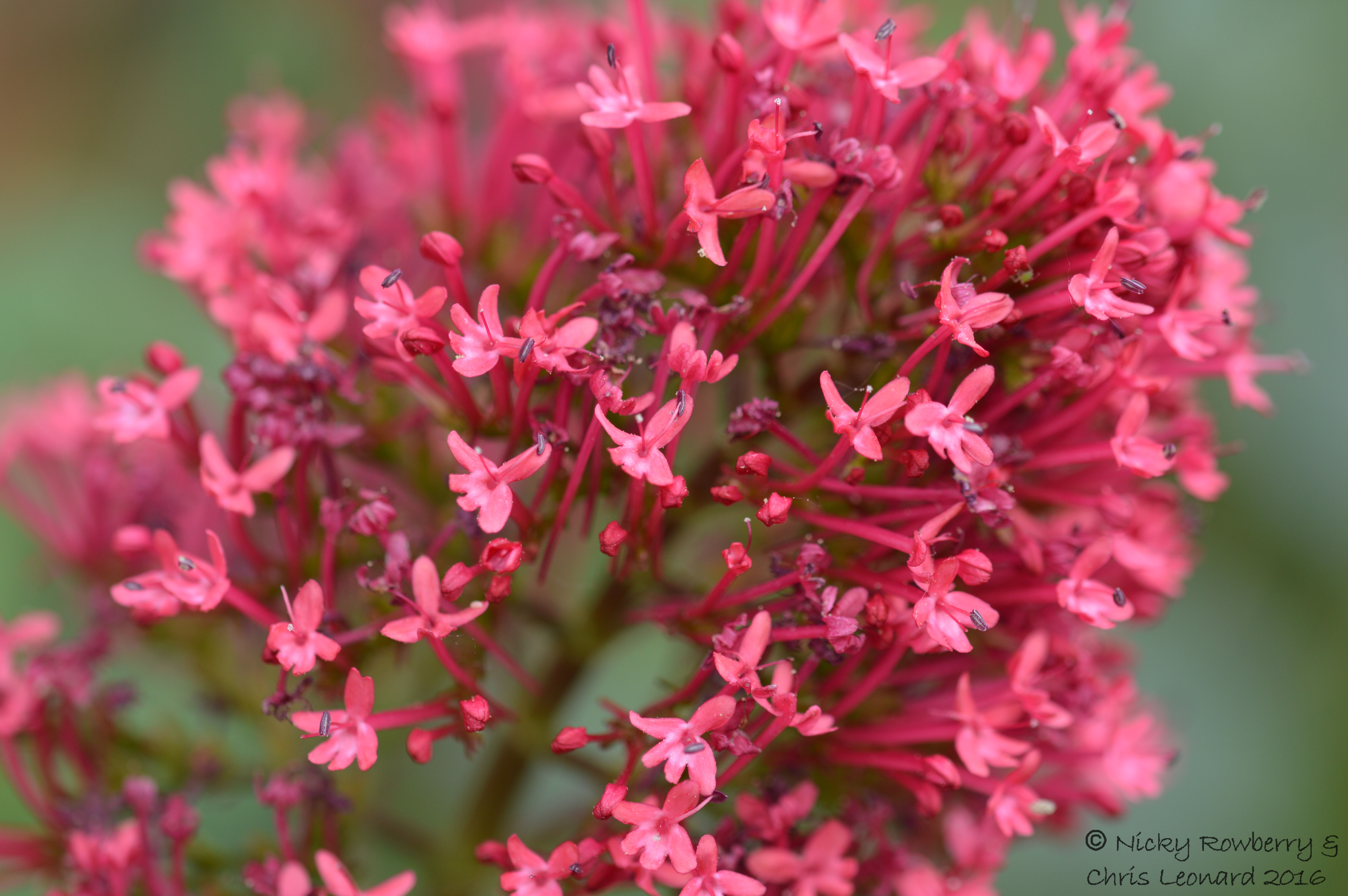
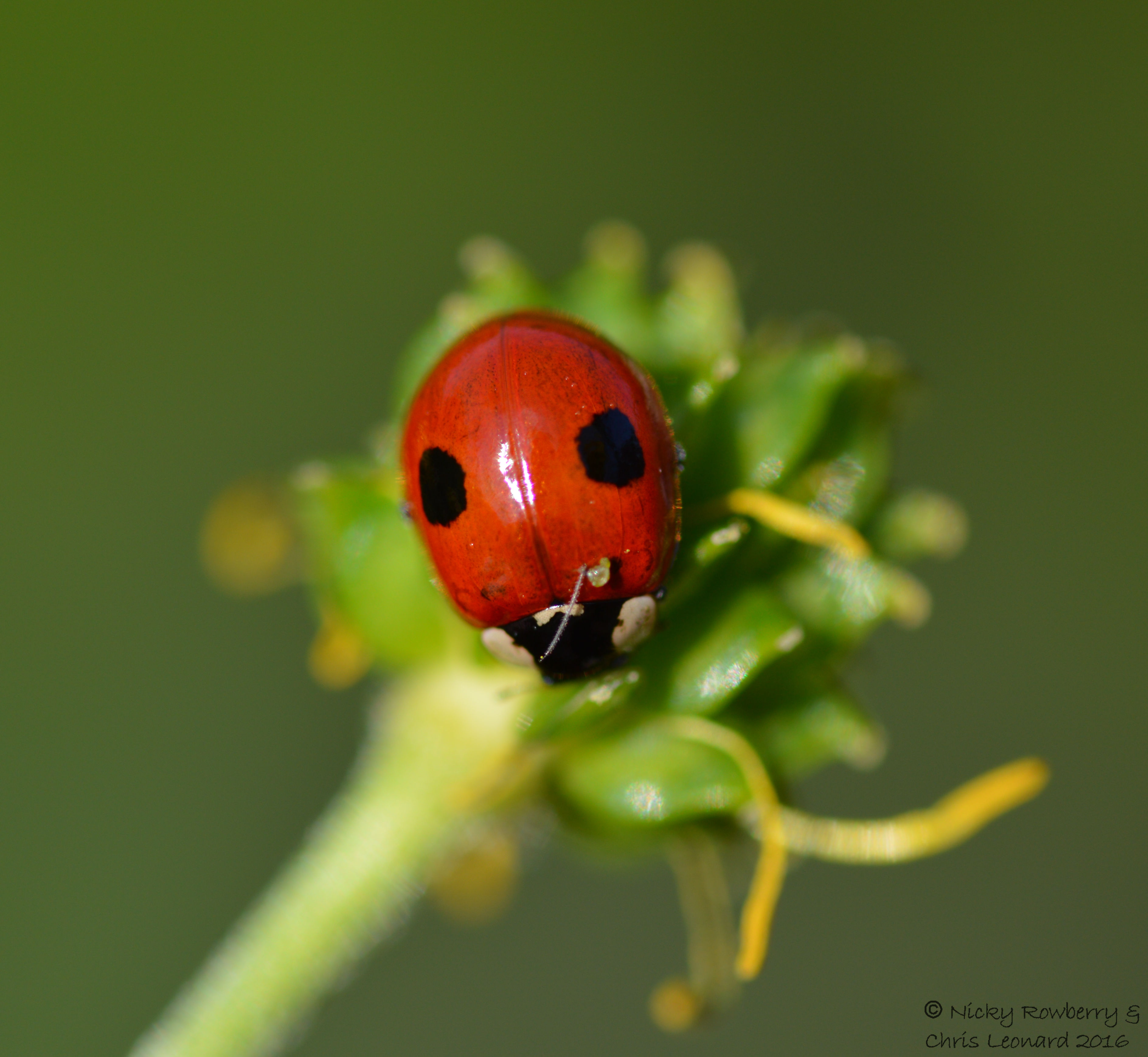
RED – Well the Red Valerian is pretty much dominating the garden at the moment. The flowers do vary in tone, from deep pink to this slightly redder version I found this afternoon. For a red animal it had to be a ladybird – I spotted (no pun intended) this lovely little 2-spot ladybird last week – first one of the year and nice to get a British one rather than the all conquering Harlequin ones.

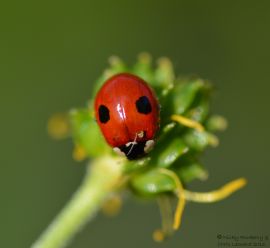
Red - ValerianRed - Two Spot Ladybird

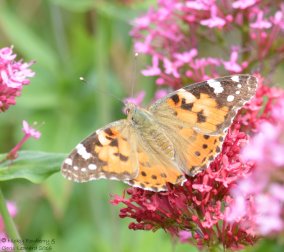
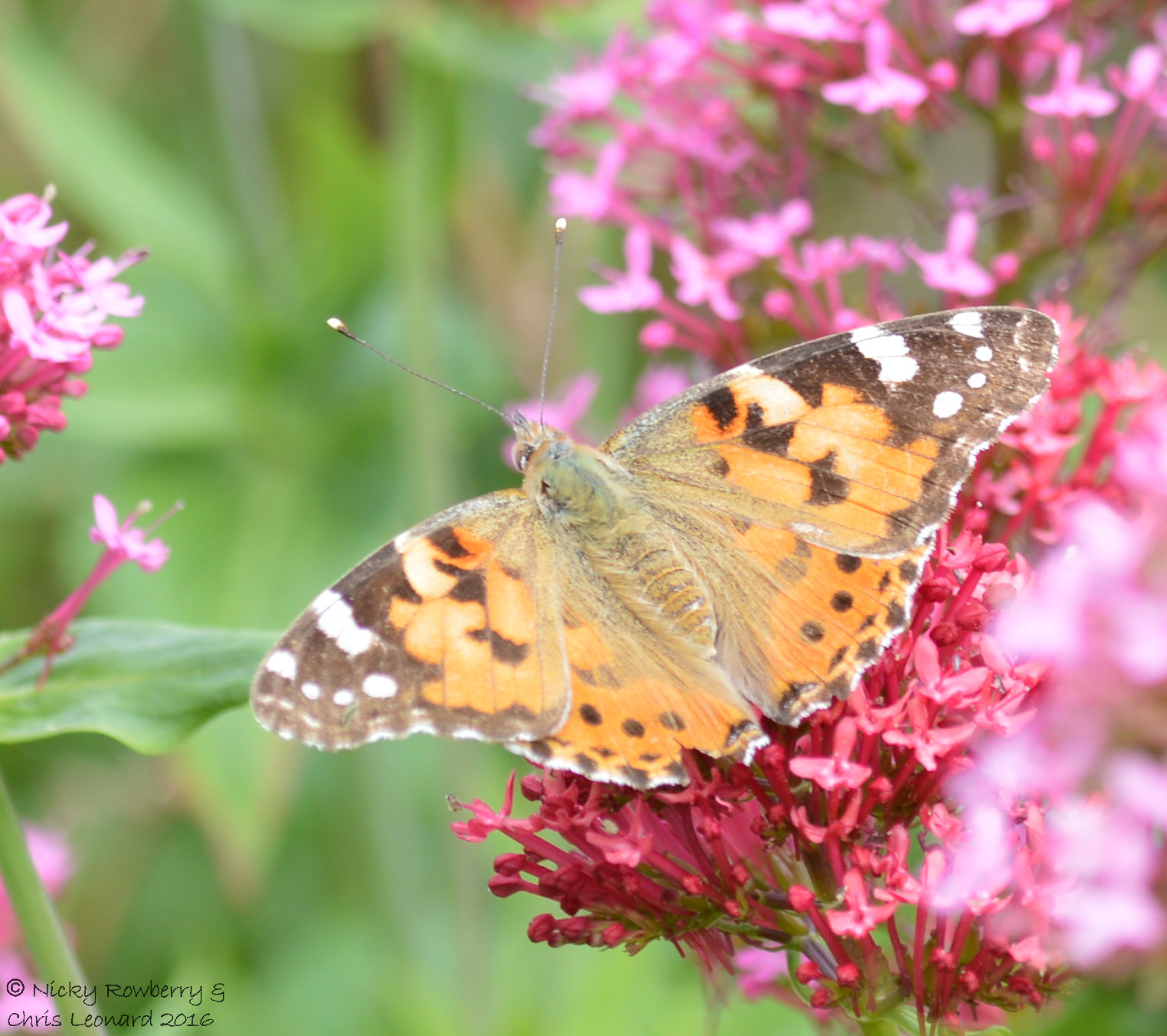
ORANGE – We’ve got these really striking orange poppies – I think they may be Californian Poppies. No idea where they came from, but they are a gorgeous deep orange colour. Today’s Painted Lady provides the animal orange – it was a slightly faded specimen – but then given how far it has probably travelled, I can forgive it a bit of wear and tear!

Orange - Californian PoppyOrange - Painted Lady

YELLOW. These bright yellow lilies have gradually been spreading round the garden. We make sure they’re nowhere near our cats as lilies are toxic to felines and they may be one plant that I do try and control for that reason. But they are beautiful and very definitely yellow. I would have liked to include a yellow Brimstone butterfly, but although we get them in the garden, they never pause long enough for a decent shot. So instead here’s a wasp – perhaps not as popular with some people as the butterflies, but they are to my mind quite stunning when you see them close up like this.
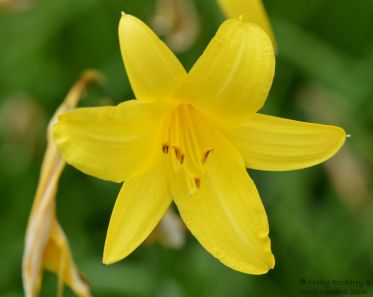
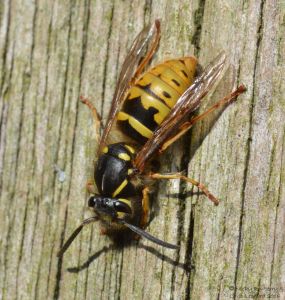
Yellow LilyCommon Wasp

GREEN. Well obviously there’s no shortage of green plants in the garden, but I’ve gone for one with a green flower – Petty Spurge. It’s easy to overlook this little plant with its nodding green heads of flowers, but I quite like it. It pops up all over the place, often between the cracks in the paving, so must be fairly adaptable. For a green animal, it had to be my favourite – the Swollen Thighed Beetle. Not only a fantastic name (only the males have swollen thighs by the way), but a glorious shiny green colour and there were loads of them flying around today.
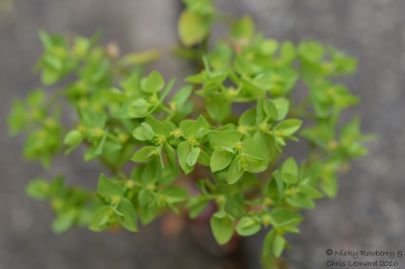
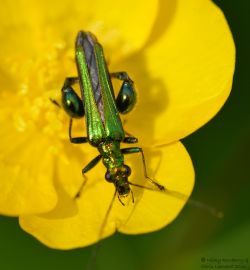
Green - Petty SpurgeGreen - Swollen thighed beetle

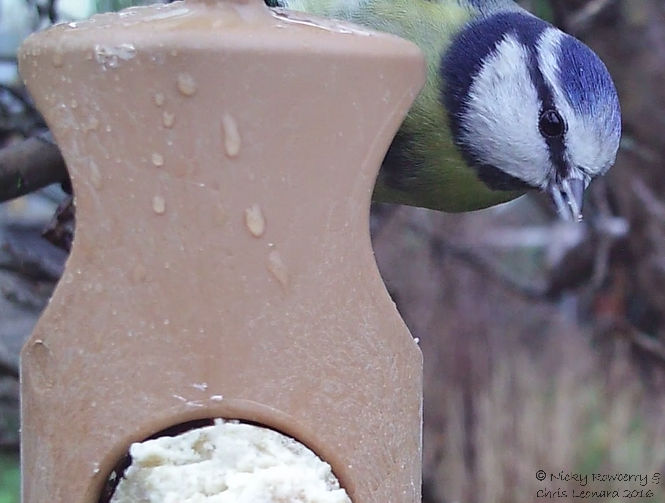
BLUE. The blue in the garden seems to be giving way to other colours now, but there are still small patches of my favourite Forget-me-nots cheering up what should be the veg patch. For an animal – well it had to be the Blue Tit (Holly Blue butterflies might have got a look in here if only they’d slow down a bit too).

Blue - forget me notBlue Tit trail cam photo

INDIGO. Now this is the point in the nursery rhyme where I started to struggle a bit. For a start I’ve never been quite sure what colour indigo is. I’m kind of hoping no-one else does either, so I can use a bit of artistic license. I’ve also got the problem that it’s really hard to find an indigo animal! So for the flower, I’ve gone for the Aquilegia’s which we get in a vast array of colours in the garden. I’ve picked one that is as close to indigo as I can imagine – I stand to be corrected though. For the animal, well I’ve just had to cheat and assume that a) indigo is close enough to Purple and b) that a Purple Thorn moth would count even though it’s not really purple!

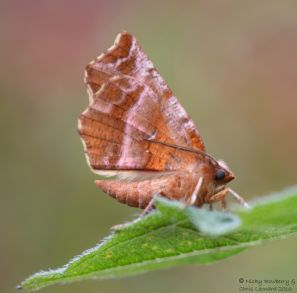
Indigo - AquilegiaPurple - thorn

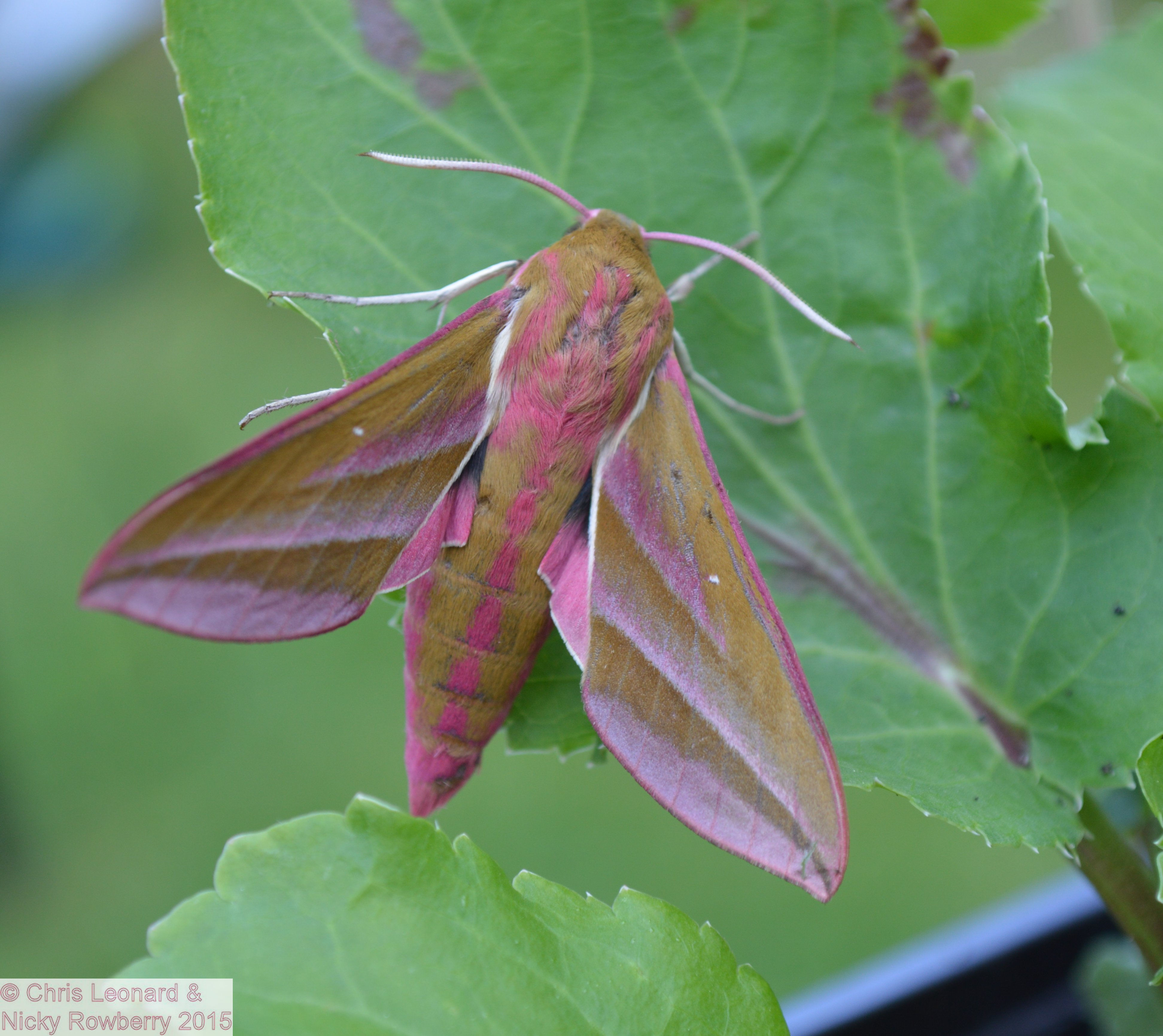
VIOLET. Well this would have been easier if the Viola’s were still in flower, but I couldn’t find any. So I’ve gone for a chive flower as we’ve got lots of those right now and they’re sort of violet coloured. The animal – well I’m really stretching the point now – you do get Violet Ground Beetles, but sadly none have ventured into our garden that I know of. Closest I could find a photo of is an Elephant Hawkmoth, which I’m trying to convince myself is a pale violet colour – I know it’s really pink, but am hoping that the beauty of the moth will outweigh my colour-blindness on this count.

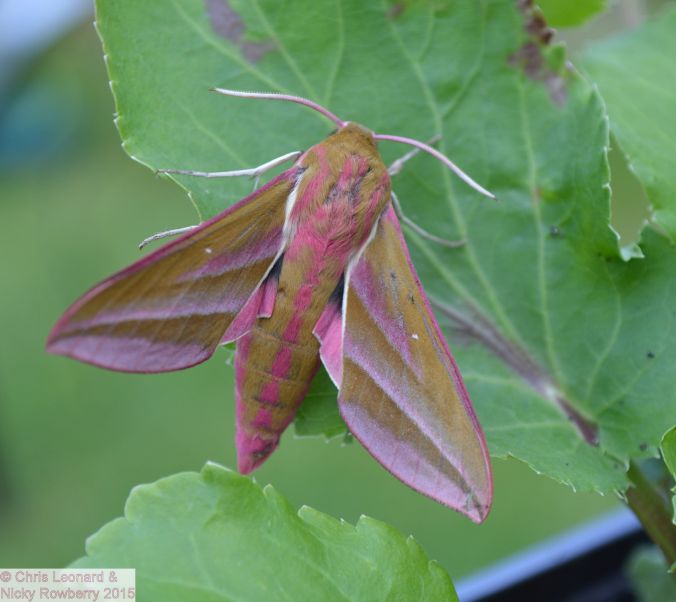
Violet - Chive

So that’s my slightly contrived rainbow of colours from the garden. It was a very pleasant way of spending an hour or so pottering round the garden admiring the colours and thinking of possible (or impossible) animals to match!
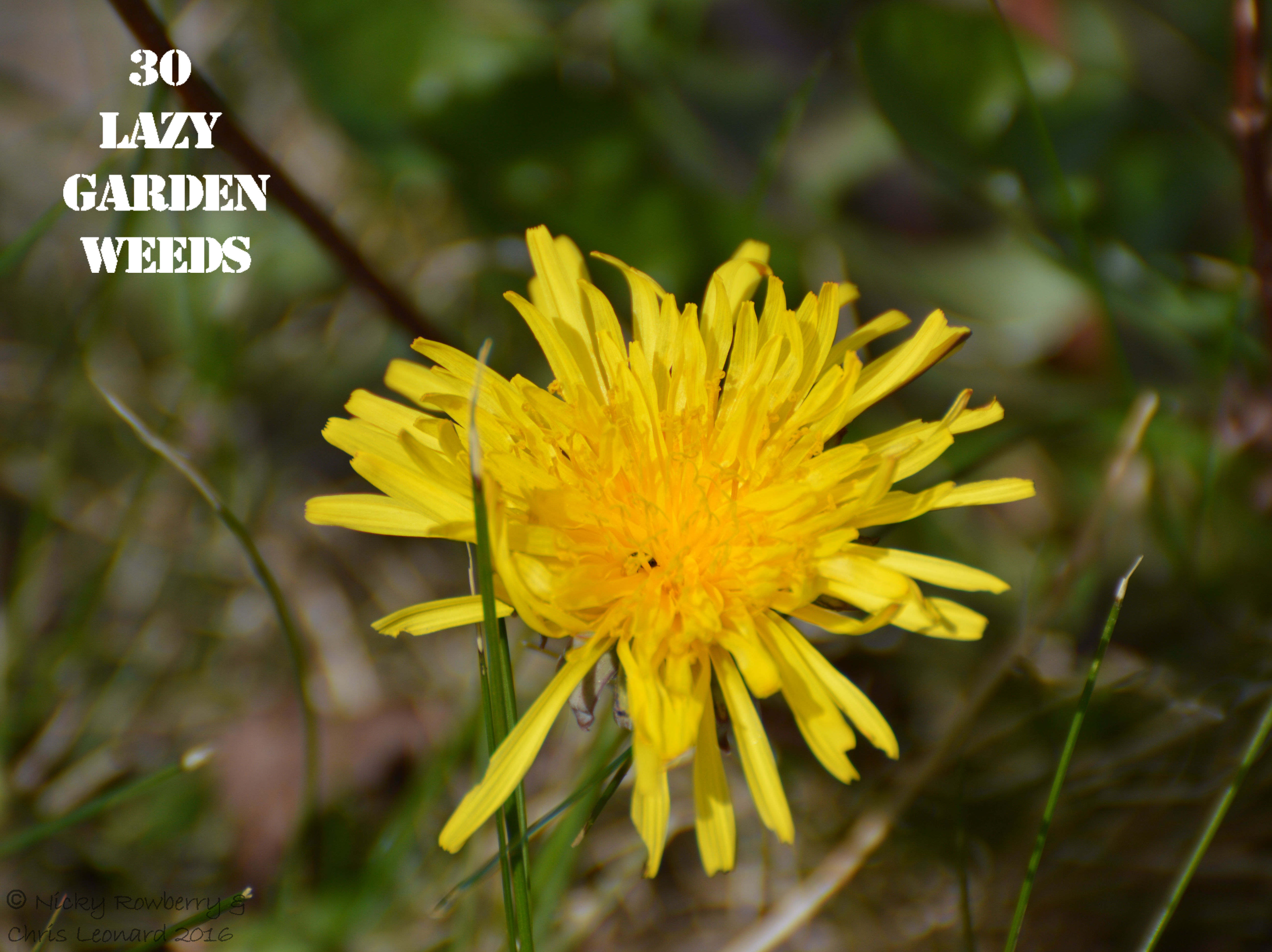
Dandelion 30 WEEDSSo to finish with the latest weed in my 30 Days of weeds series – the Dandelion. Loathed by many, but loved by bees and other insects. I’ve never quite understood why they are so despised – bright and cheerful and an early nectar source in the garden. There’s been a bit of a campaign this year not to chop them down, which is great – they’re certainly thriving in our garden.